A konoba on the old streets of Krk Town, Karaka draws on the island's fishing and farming traditions to put Adriatic ingredients at the centre of the table. The kitchen works within the format that defines honest Kvarner cooking: seasonal, sourced close by, and cooked without ceremony. For visitors orienting themselves in Krk's dining scene, it represents a grounded alternative to the island's more tourist-facing restaurants.
Pearl is the En Primeur Club membership app — saves, bookings, and concierge access live there. Same editors, same standards.
- Address
- Plavnička ul. 35, 51500, Krk, Croatia
- Phone
- +385 51 845 480
- Website
- restoran-karaka.hr
- Directions
- Get directions
 Saves & bookings on Pearl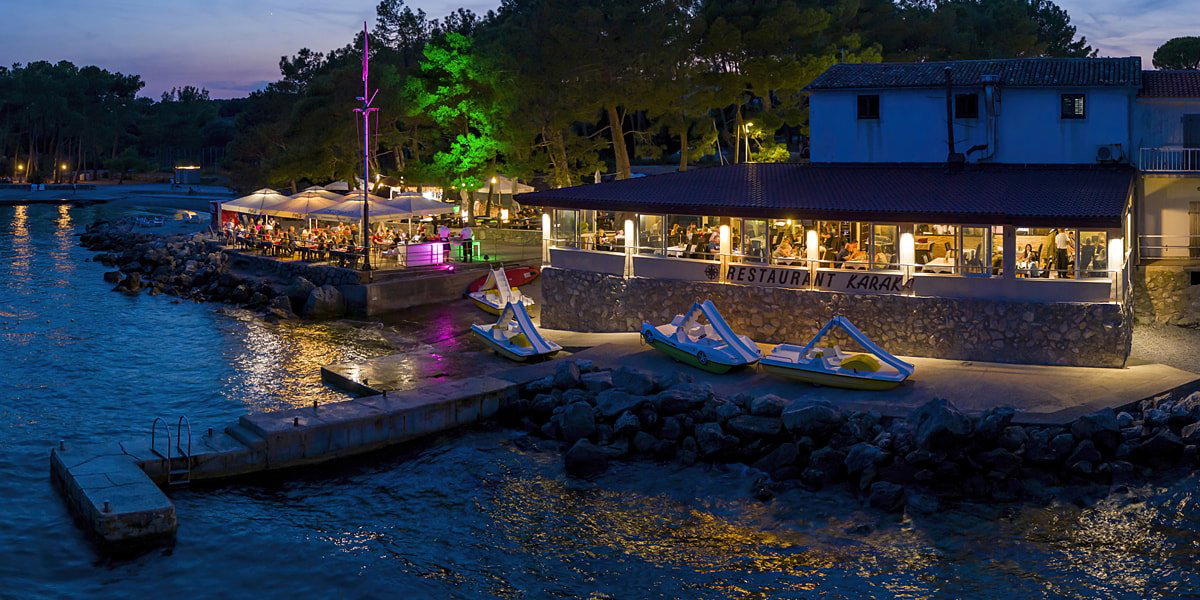
Where Kvarner Ingredients Do the Talking
Karaka is a Croatian Mediterranean seafood restaurant in Krk, Croatia, at Plavnička ul. 35, with an estimated price of about $25 per person. Karaka sits on this street at number 35, its entrance modest in the way that characterises the better konobas of the northern Adriatic, where the dining room tends to announce itself through cooking smells rather than signage. This part of the old town, enclosed by Roman-era walls that have been absorbed into the medieval fabric of the island's capital, sets a particular context for eating: the assumption here is that the ingredients are local, the portions are serious, and the experience is not designed around theatrical service.
That context matters when assessing what Karaka is and what it is not. Krk is an island where the gap between visitor-facing restaurants and genuinely local cooking has widened considerably over the past decade of Adriatic tourism growth. The konoba format, at its most functional, operates as a counterweight to that drift: shorter menus, produce tied to season and proximity, and a format that makes no concessions to trend. Understanding where Karaka sits in that dynamic requires understanding what the island's ingredient base actually looks like.
The Kvarner Larder: What the Island Produces
Krk's food identity is built on two parallel tracks: the sea and the land. From the water, the Kvarner Gulf delivers particularly sought-after shellfish in Croatia. Kvarner scampi, the Dublin Bay prawn-adjacent crustacean caught in the deeper channels of the northern Adriatic, carries a protected designation and commands attention on menus from Rijeka down to Split. Restaurants like Nebo by Deni Srdoč in Rijeka have built their reputations in part on treating Kvarner scampi as the centrepiece of technically ambitious cooking. On Krk itself, the same ingredient appears in simpler preparations, often grilled or in a brodetto with local fish, and is no less compelling for the lack of ceremony.
From the land, Krk produces a dry, herbaceous olive oil, a sheep's milk cheese known as Krk cheese (sir iz mišine), which is aged in sheepskin, and lamb grazed on the island's rocky, wind-scoured interior. These are ingredients with a provenance that is genuinely specific to the island, not sourced generically from the Dalmatian coast. The cheese in particular, with its sharp, slightly fermented character, rarely appears on tourist-facing menus because its flavour profile is demanding. Its presence on a menu is a useful signal about whether a kitchen is cooking for locals or for visitors.
Konobas operating in the old town of Krk, where Karaka is found, typically source from a combination of local fishermen, small-scale farms in the island's interior, and the broader Kvarner market. This is not the vertically integrated farm-to-table model that higher-end Croatian restaurants like Boskinac in Novalja have formalised into a hospitality concept. It is something older and less structured: relationships between a kitchen and a handful of suppliers, maintained over years, and reflected in a menu that shifts based on what is available rather than what is designed.
Karaka in the Context of Krk's Dining Scene
Krk Town's restaurant options span a wider range than the island's size might suggest. At one end, there are tourist-facing restaurants along the harbour with broad menus and low specificity. At the other, there are a small number of konobas in the old town that operate with a tighter, more locally grounded focus. Konoba Galija, Konoba NONO, and Konoba pud Brest represent variations on this format, each with their own neighbourhood positioning and regulars. Golden Rose occupies a slightly different tier, with greater emphasis on presentation. Karaka operates within the same old-town konoba frame: the address on Plavnička puts it away from the main harbour drag, which is generally where the better cooking in Krk Town has historically been found.
For comparison against the broader Croatian fine dining context, the distance between a Krk konoba and restaurants like Pelegrini in Sibenik, Agli Amici Rovinj, or LD Restaurant in Korčula is significant in format and ambition. Those restaurants are operating in a different register entirely, with tasting menus, significant wine programs, and Michelin recognition. The konoba format that Karaka represents is not competing in that tier; it is answering a different question, which is where you eat when you want the island on the plate without the apparatus of formal dining around it.
Practical Notes for Visitors
Krk Town's old quarter operates on foot, and Plavnička ulica is reachable from the main square in a few minutes. The address itself, 35 on a short lane, is navigable without difficulty once you are inside the walls. Visitors arriving by car should note that parking within the old town is restricted; the areas just outside the walls are manageable for short stays. The island is connected to the Croatian mainland by bridge, which makes Krk accessible as a day trip from Rijeka, though staying overnight allows for a more considered approach to eating across the town's different konobas. For the broader island dining context,
The summer months from late June through August represent peak demand across Krk; arriving early or eating outside peak dinner hours gives a stronger chance of a table without a wait.
Quick Comparison
Comparable venues nearby, for context on price, style, and recognition.
| Venue | Cuisine | Price | Notes |
|---|---|---|---|
| KarakaThis venue — the venue you are viewing | Croatian Mediterranean Seafood | $$ | Not listed |
| Golden Rose | Creative Adriatic Seafood | $$ | Krk |
| Konoba pud Brest | Traditional Croatian Farm-to-Table | $$ | Milohnići |
| Konoba NONO | Traditional Croatian Seafood & Grill | $$ | Krk |
| Konoba Galija | Mediterranean Seafood & Pizza | $$ | Krk town |
| Nada | Traditional Mediterranean Seafood | $$ | Vrbnik old town |
Continue exploring
More in Krk
Restaurants in Krk
Browse all →
Bars in Krk
Browse all →
Hotels in Krk
Browse all →
At a Glance
- Scenic
- Cozy
- Relaxed
- Family
- Casual Hangout
- Terrace
- Waterfront
- Local Sourcing
- Waterfront
Current opening hours
- Monday
- 11 AM–10 PM
- Tuesday
- 11 AM–10 PM
- Wednesday
- 11 AM–10 PM
- Thursday
- 11 AM–10 PM
- Friday
- 11 AM–10 PM
- Saturday
- 11 AM–10 PM
- Sunday
- 11 AM–10 PM
Hours can change for holidays and private events. Last verified .
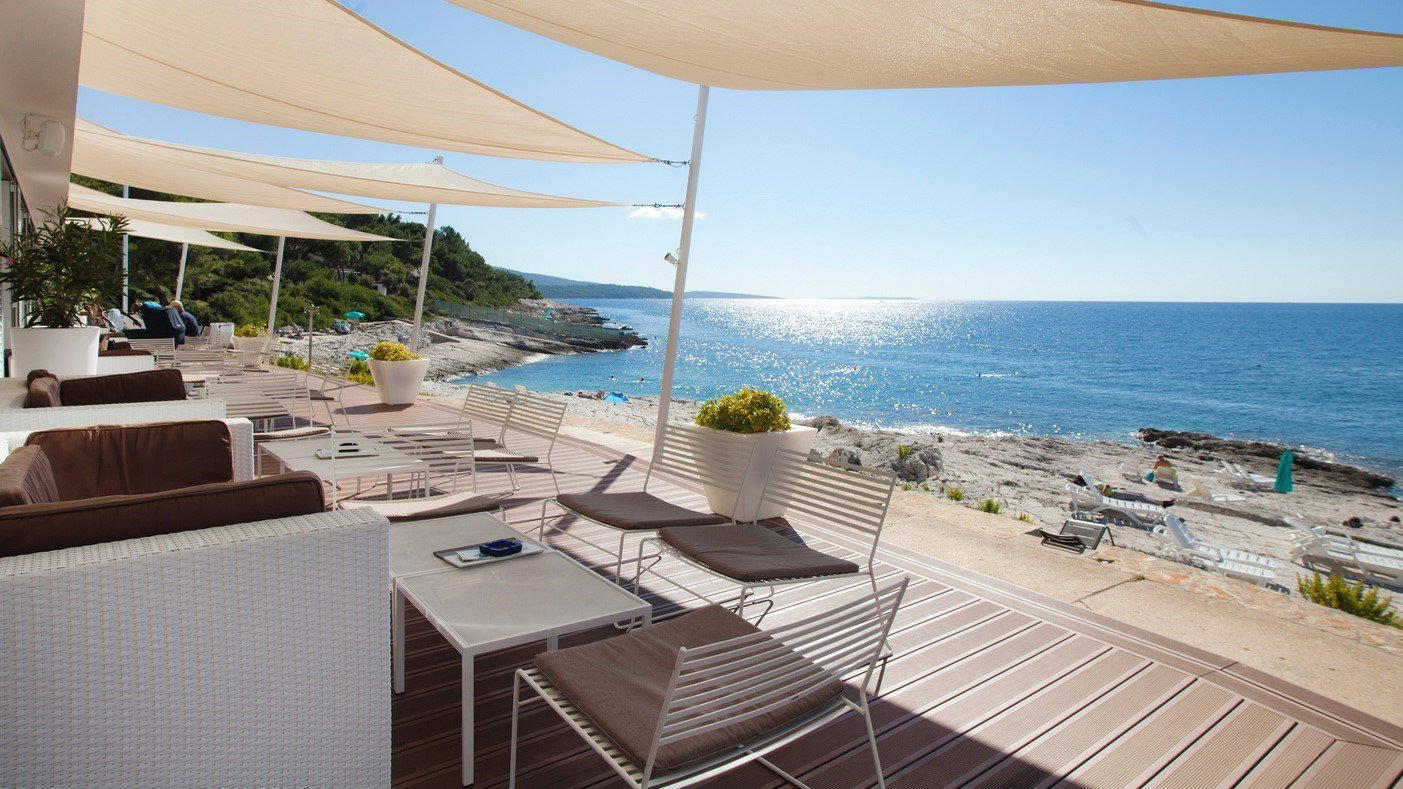
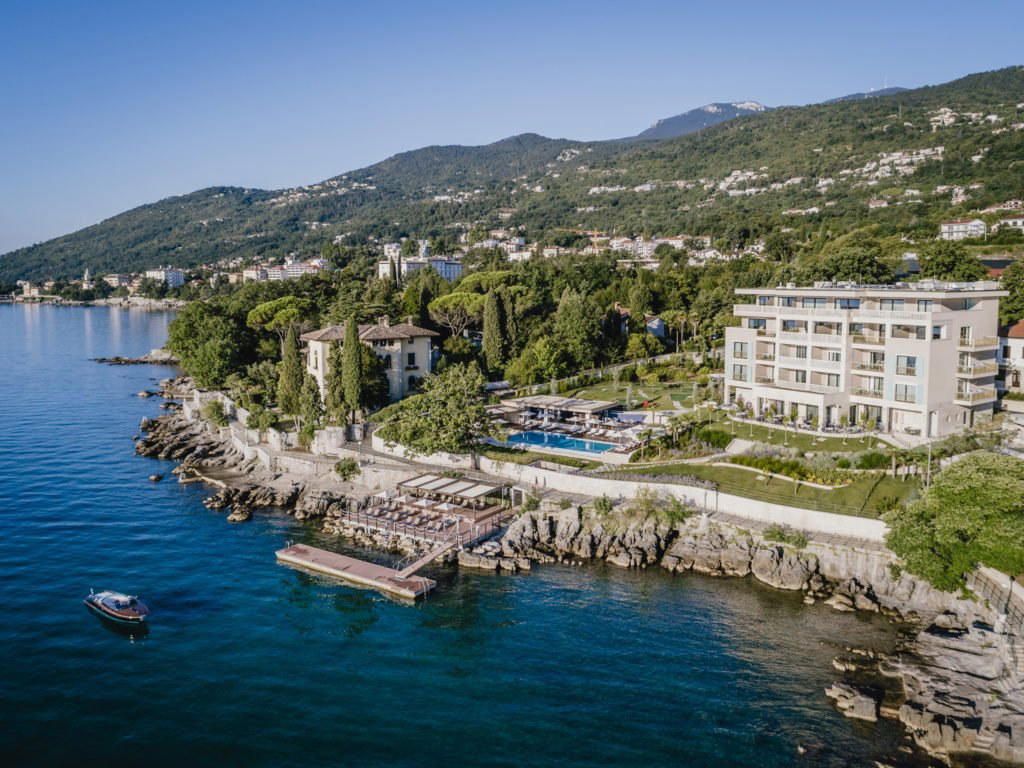
Relaxed seaside atmosphere with terrace dining under pine trees, offering a pleasant and scenic dining experience.