A traditional konoba on the island of Krk, Konoba NONO sits on Ul. Krčkih iseljenika in Krk town, representing the kind of unfussy, ingredient-led Kvarner cooking that defines the island's dining character. The format follows the konoba tradition: hearty portions, local wine, and a menu anchored in whatever the season and the Adriatic supply. It belongs to the same neighbourhood circuit as Konoba Galija and Konoba pud Brest.
Pearl is the En Primeur Club membership app — saves, bookings, and concierge access live there. Same editors, same standards.
- Address
- Ul. Krčkih iseljenika 8; u, 51500, Krk, Croatia
- Phone
- +38551222221
- Website
- nono-krk.com
- Directions
- Get directions
 Saves & bookings on Pearl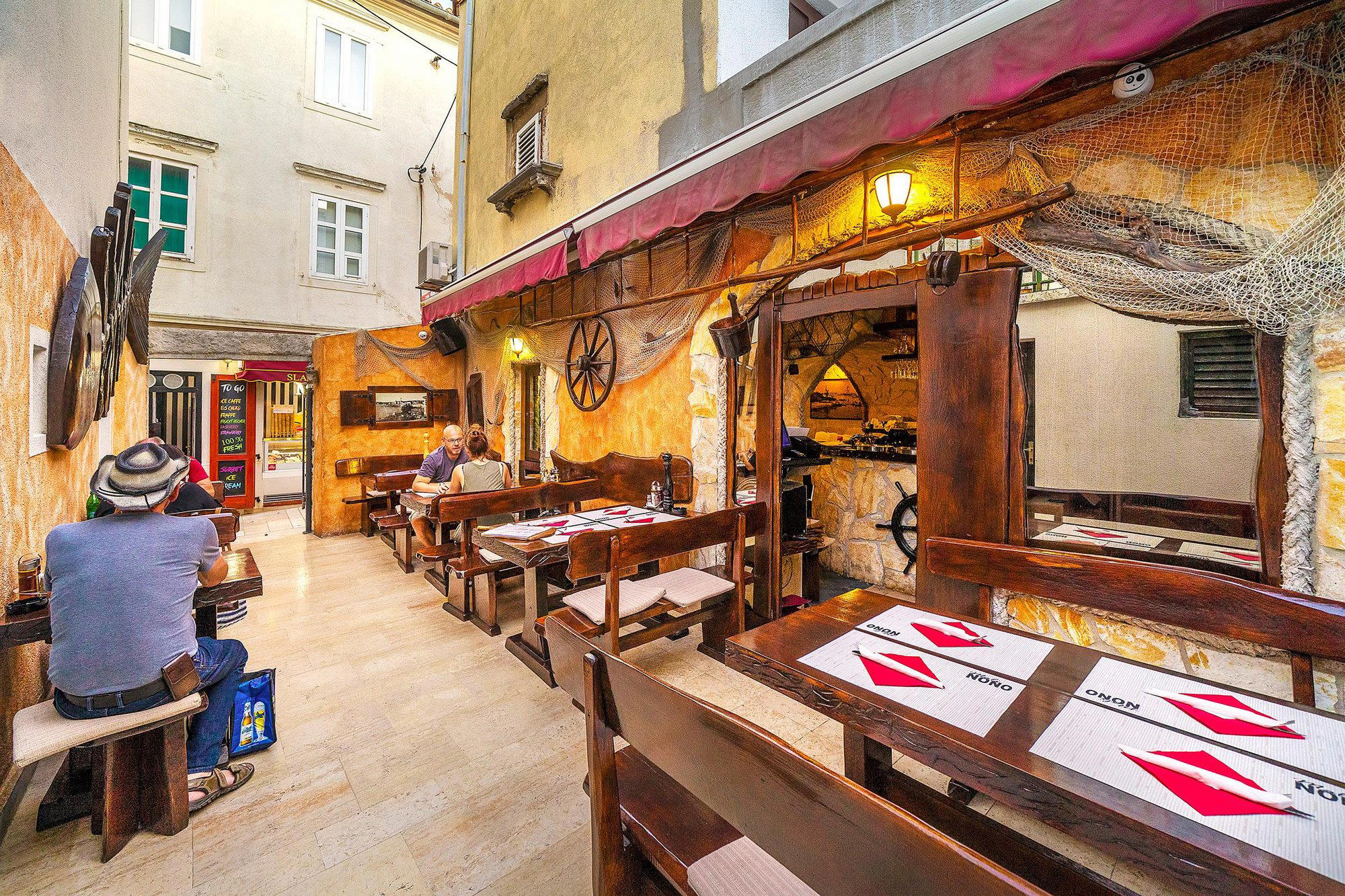
The Konoba Tradition on Krk Island
Croatia's Adriatic coast has two parallel dining cultures that rarely overlap. One is the modern, technique-conscious restaurant scene found at places like Pelegrini in Sibenik or Restaurant 360 in Dubrovnik, where tasting menus, wine lists, and international reference points define the experience. The other is the konoba: a distinctly Dalmatian and Kvarner institution that trades formality for directness, and technique display for the quality of the raw ingredient. On the island of Krk, it is the second tradition that shapes how most locals and returning visitors actually eat.
The word konoba originally described a cellar or storeroom, the kind of space where wine and cured meats were kept in island households. Over generations, it evolved into a dining format with its own set of expectations: shared tables or close quarters, a menu that shifts with what is available locally, house wine drawn from the Vrbnička žlahtina grape or poured from unlabelled bottles, and a pace set by the kitchen rather than the clock. Konoba NONO is a restaurant in Krk, Croatia, serving traditional Croatian seafood and grill in a casual setting. Konoba NONO, at Ul. Krčkih iseljenika 8 in Krk town, operates within this tradition.
Where NONO Sits in Krk's Dining Circuit
Krk town's restaurant options cluster around a few distinct registers. The waterfront addresses target the summer tourist flow, leaning toward broad menus and high throughput. A tier back from the promenade, a smaller group of konobe hold their own rhythm: more dependable in the shoulder season, more attuned to the island's own produce and fishing, and less oriented toward the visual performance that occupies the harbour-facing terraces. Konoba NONO occupies a street address, Ul. Krčkih iseljenika, that places it in this interior tier, away from the immediate seafront.
The closest peer venues in format and positioning are Konoba Galija and Konoba pud Brest, both operating within the same neighbourhood register. Each addresses the same appetite for direct Kvarner cooking without the refined price architecture that accompanies formal dining rooms. For visitors who want to understand the full picture of what Krk town offers across formats, Golden Rose and Karaka provide useful contrast points at the more contemporary end of the local spectrum.
Kvarner Cooking: What the Cuisine Actually Means
The Kvarner region sits between the northern Dalmatian coast and the Istrian peninsula, and its food reflects that geography directly. The sea supplies the menu's backbone: fresh fish, shellfish, and cephalopods prepared with minimal intervention, typically grilled over charcoal or dressed with local olive oil and herbs. Lamb from the island's interior, often slow-roasted or cooked under a peka (a bell-shaped lid buried in embers), appears alongside the seafood as the other dominant protein. Both preparations share the same principle: the ingredient's own character should remain the dominant flavour, with technique serving to preserve rather than transform.
This is a different culinary logic from the one that drives the kind of fine dining on display at Nebo by Deni Srdoč in Rijeka or Agli Amici Rovinj. It is also distinct from the Dalmatian south, where fig, citrus, and different vine varieties shift the flavour profile. On Krk specifically, the local Vrbnička žlahtina white wine, produced from grapes grown around the village of Vrbnik on the island's eastern slope, acts as the natural pairing for the seafood-heavy menu. It is one of Croatia's oldest documented varieties, and it appears in some form on most konoba tables across the island.
The broader Croatian island dining tradition that places Boskinac in Novalja on Pag or LD Restaurant in Korčula in a formal tier operates separately from the konoba register, but both traditions ultimately draw from the same Adriatic larder. The difference is in what each format does with that material once it arrives in the kitchen.
The Setting and What to Expect
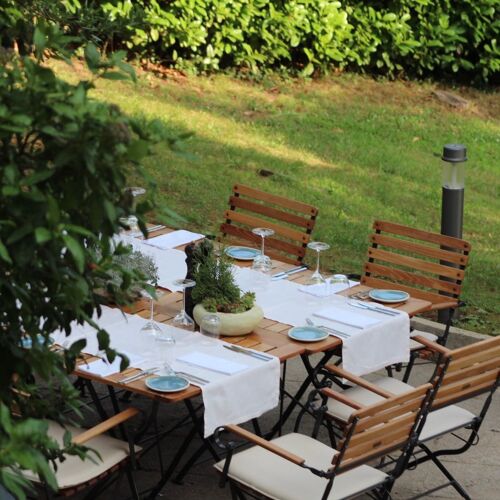
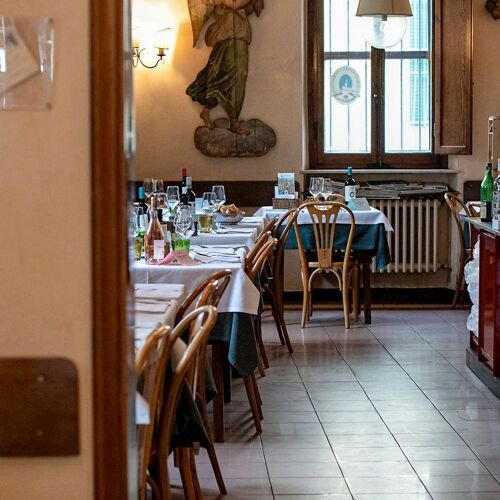
Konoba interiors on Krk tend toward the functional: stone walls or whitewashed plaster, wooden furniture worn down by years of use, a bar that serves as a storage counter as much as a service point. The sensory cues are those of a working dining room rather than a designed one. Summer months bring outdoor seating to most addresses in Krk town, and the pattern at konobe is typically to open that space first while the interior remains the year-round constant. Visits during the peak July-August season require more patience with service timing and table availability than the shoulder months of May, June, or September, when the island's population drops and the pace inside these rooms reflects it.
For visitors comparing Krk's konoba circuit to the broader Croatian mainland scene, the reference points shift. Dubravkin Put in Zagreb and Korak in Jastrebarsko represent the continental Croatian dining tradition, where inland ingredients and different preparation methods produce a distinct cuisine from what the island tables offer. The island konoba experience is specifically coastal and specifically seasonal in a way that neither the Zagreb nor the Split mainland scenes replicate. Krug in Split and BioMania Bistro Bol in Bol each approach the Dalmatian coastal register from a different angle, useful comparisons for anyone building a broader picture of how Croatian coastal food is evolving alongside its older forms.
In contrast to the international reference points that define ambitious cooking at Le Bernardin in New York City or Atomix in New York City, a Krk konoba operates with a deliberately local frame of reference. That localism is not a limitation; it is the point. The cooking at a place like NONO is answering a different question from the one those kitchens are engaged with, and the answer it gives is specifically tied to this island, this coast, and a set of ingredients that have defined local tables for centuries.
Planning Your Visit
The restaurant is located at Ul. Krčkih iseljenika 8 in Krk town, a short walk from the old town centre and the main waterfront. The address is navigable on foot from most accommodation in the town.
Price and Positioning
Comparable venues nearby, for context on price, style, and recognition.
| Venue | Cuisine | Price | Notes |
|---|---|---|---|
| Konoba NONOThis venue — the venue you are viewing | Not listed | $$ | Not listed |
| Konoba Galija | Krk town, Mediterranean Seafood & Pizza | $$ | Not listed |
| Karaka | Krk, Croatian Mediterranean Seafood | $$ | Not listed |
| Konoba pud Brest | Not listed | $$ | Milohnići, Traditional Croatian Farm-to-Table |
| Golden Rose | Krk, Creative Adriatic Seafood | $$ | Not listed |
| Ružmarin | Slatina, Mediterranean Pizza & Grill | $$ | Not listed |
Continue exploring
More in Krk
Restaurants in Krk
Browse all →
Bars in Krk
Browse all →
Hotels in Krk
Browse all →
At a Glance
- Rustic
- Cozy
- Classic
- Family
- Casual Hangout
- Open Kitchen
- Local Sourcing
Current opening hours
- Monday
- 11 AM–9 PM
- Tuesday
- 11 AM–9 PM
- Wednesday
- 11 AM–9 PM
- Thursday
- 11 AM–9 PM
- Friday
- 11 AM–9 PM
- Saturday
- 11 AM–9 PM
- Sunday
- 11 AM–9 PM
Hours can change for holidays and private events. Last verified .
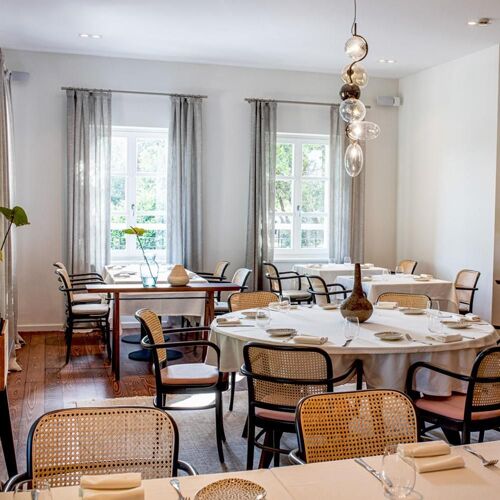
Traditional coastal Croatian decor with wood and stone materials creating a rustic and authentic atmosphere.