More
Our verdict
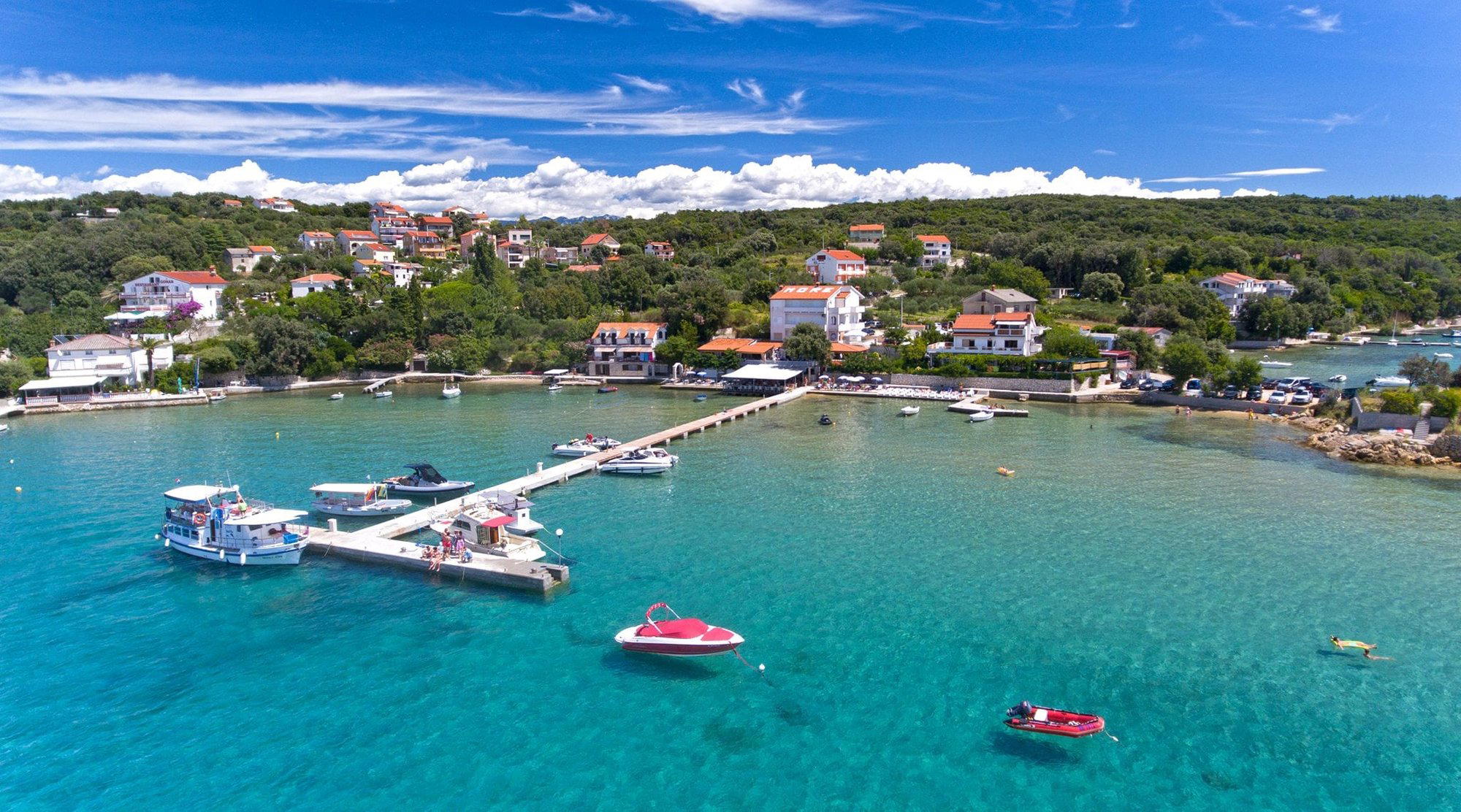
More sits at Supetarska Draga 321 on the island of Rab, where the northern Adriatic's fishing tradition shapes what ends up on the plate. The restaurant addresses a dining public that travels to Kvarner for precisely this kind of proximity to the sea, placing it in a category defined less by formal credentials than by sourcing geography and seasonal rhythm.

Pearl is the En Primeur Club membership app, where members save venues, book tables and use the concierge.
The menu
What to order
- Buzara langoustines
- Grilled sea bass
- Shrimp with truffles
Where the Kvarner Gulf Defines the Plate
Supetarska Draga occupies the northwestern corner of Rab island, a long sheltered bay where the land drops steeply into the northern Adriatic. Arriving by road from Rab town, the settlement is quieter and less trafficked than the walled city to the south, the kind of place where restaurants derive their authority not from awards or reputation built across decades, but from what the sea delivers that morning and what the hillside gardens produce through summer. More, addressed at Supetarska Draga 321, sits inside that logic. The dining room's relationship with its immediate environment is the point of departure for understanding what it offers.
This pattern, the small-bay restaurant whose credibility runs through ingredient geography rather than critical apparatus, is a recognisable format along the Croatian Adriatic. At Pelegrini in Sibenik, Dalmatian sourcing underpins a highly technical approach. At LD Restaurant in Korčula, island produce meets contemporary plating. More operates in a different register: the Kvarner setting is not a backdrop but the primary material. What distinguishes the northern Adriatic shelf from Dalmatia further south is the water temperature and current patterns that shape the flavour of local fish and shellfish, scampi from the Kvarner Gulf carry a distinct sweetness that has given the region a specific culinary identity, recognised well beyond Croatia's borders.
The Kvarner Sourcing Tradition
The Kvarner Gulf has long produced some of the Adriatic's most commercially valued seafood. Kvarner scampi, in particular, occupy a defined position in the regional food canon: caught in the deeper channels between Rab, Cres, and the Istrian coast, they are smaller in volume than Atlantic langoustines but concentrated in flavour in a way that reflects the cold, clean water they inhabit. For restaurants operating in villages like Supetarska Draga, access to this supply chain is structural rather than aspirational. The fish market in Rab town sets the daily terms; the kitchen works within them.
This is the context in which More operates, not as an anomaly in its setting, but as a local expression of a broader Kvarner tradition. The island of Rab itself has a food culture that extends beyond seafood: the interior hills support olive groves, herb production, and small livestock, all of which historically fed a self-sufficient population long before tourism arrived. The cooking that emerged from that history is direct, ingredient-respecting, and tied to the calendar. Compare this to the more Venetian-influenced Istrian approach visible at Agli Amici Rovinj in Rovinj, where Italian contemporary technique layers over Croatian produce, and you begin to map the spectrum of Adriatic coastal cooking.
Reading Supetarska Draga as a Dining Destination
Supetarska Draga is not a restaurant destination in the way that Dubrovnik or Split project themselves. Restaurant 360 in Dubrovnik and Krug in Split draw diners who plan their itinerary around specific tables. Supetarska Draga works differently: visitors arrive for the bay, the relative quiet, and the walking trails into Rab's forested interior, and find restaurants as part of the place rather than the reason for it. That changes the dining dynamic in useful ways. The pressure of destination-restaurant performance is absent; what replaces it is a stronger obligation to the locality itself.
For comparison within the island-village format, Bodulo in Pag occupies a similar position in the Kvarner microgeography, a small-island restaurant whose credibility is inseparable from its specific coastal location. Alfred Keller in Mali Losinj, on the neighbouring island of Losinj, represents a more polished iteration of the same premise: northern Adriatic ingredients handled with formal technique. More sits closer to the local-tradition end of that range.
Further up the Croatian coast, Nebo by Deni Srdoč in Rijeka and Burin in Crikvenica address a similar Kvarner supply base from mainland urban settings. The difference is access: a village restaurant on Rab has a shorter supply chain to the water, and that physical proximity matters when the produce in question is as time-sensitive as fresh seafood.
Planning a Visit
Rab is accessible by ferry from Jablanac on the mainland, with crossings running regularly during the summer season, and by catamaran connections from Rijeka. Supetarska Draga is approximately eight kilometres from Rab town by road, reachable by local bus or taxi during the peak summer months. The village is quiet outside July and August, and restaurants along the bay typically operate on a seasonal calendar, verifying hours directly before visiting in shoulder season is worth the effort.
Those building a broader Croatian dining itinerary should note that Boskinac in Novalja on Pag, and Belveder within Supetarska Draga itself, offer useful reference points for the range available in this section of the Kvarner coast. For a wider view of Croatia's dining scene across price tiers and formats, our full Supetarska Draga restaurants guide maps the local options in detail. Readers with an interest in how Croatia's contemporary restaurant generation is working with similar regional ingredients at higher technical levels will find Dubravkin Put in Zagreb and Korak in Jastrebarsko instructive comparisons, while BioMania Bistro Bol in Bol and Cantilly Garden Restaurant in Samobor represent the lighter, produce-forward end of the Croatian spectrum in their respective settings.
The northern Adriatic's most formally ambitious cooking now sits in cities: Le Bernardin in New York City and Atomix in New York City represent the global benchmark for seafood technique and tasting-menu discipline respectively. What a place like More offers is the inverse proposition, not technical ambition, but the direct argument of geography and season, made in a bay where the gap between water and plate is measured in hours rather than days.
Frequently asked questions
Is More a family-friendly restaurant?
Supetarska Draga is a quiet, sheltered bay village on Rab island with a pace that suits families. More sits at address 321 in that same low-key setting, which points toward an informal, inclusive environment rather than an adults-only dining room.
Is More formal or casual?
More is located in Supetarska Draga, a small fishing-village bay on the northwestern tip of Rab island. Restaurants in this part of Croatia typically operate at a relaxed register, shaped by the village scale and the local seafood tradition.
What's More's location?
More is located at Supetarska Draga 321, 51280, Supetarska Draga, Croatia, Supetarska Draga.
Do they take walk-ins at More?
No booking policy is documented for More in Supetarska Draga. In a village of this scale on Rab island, walk-in availability during summer months will depend on seasonal traffic, which peaks during July and August across the Kvarner region. Arriving earlier in the evening or visiting outside peak summer weeks gives the best chance of a seat without a reservation.
What's the signature at More?
Given More's position in Supetarska Draga, the Kvarner Gulf seafood tradition is the most credible frame of reference. Kvarner scampi are the region's defining product, caught in the cold, deep channels of the northern Adriatic and recognized as among the most prized in European markets. No specific signature dish is documented for More, but the geography of Rab island makes the local catch the natural anchor of any serious plate here.
Fast Comparison
Comparable venues nearby, for context on price, style, and recognition.
| Venue | Cuisine | Price | Notes |
|---|---|---|---|
| MoreThis venue (the venue you are viewing) | Mediterranean Seafood Grill | $30–50 | Not listed |
| Belveder | Traditional Dalmatian Seafood and Meat | $20–30 | Supetarska Draga |
| Knezgrad | Traditional Croatian Seafood | Not listed | Lovran |
| Žal | Croatian Seafood & Mediterranean | Not listed | Klimno |
| Vidrovača POP | Dalmatian Seafood Tavern | Not listed | Bilice |
| Burin | Fresh Seafood and Mediterranean | $30–50 | Crikvenica |

Continue exploring
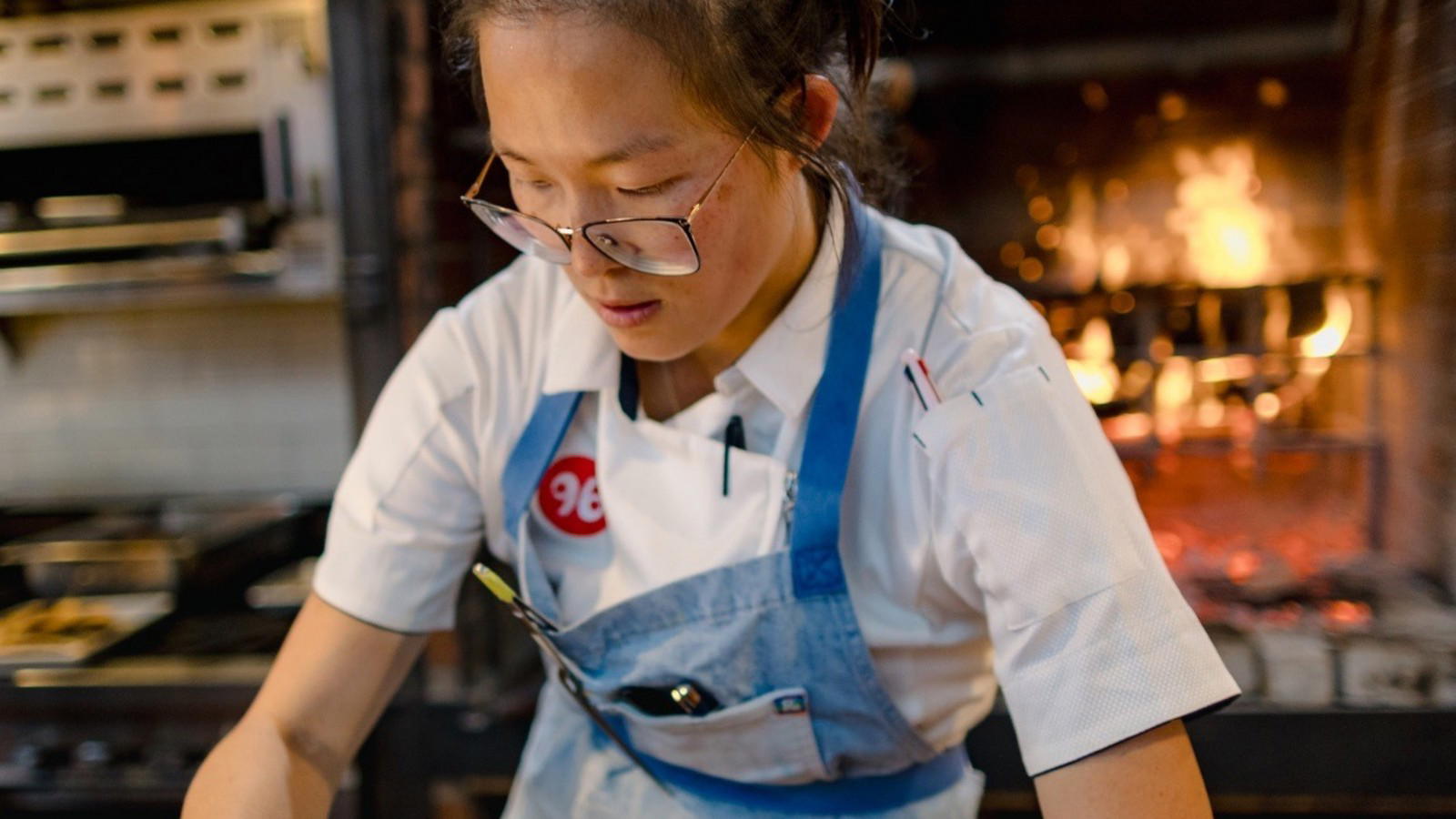
More in Supetarska Draga
Restaurants in Supetarska Draga
All restaurants in Supetarska Draga →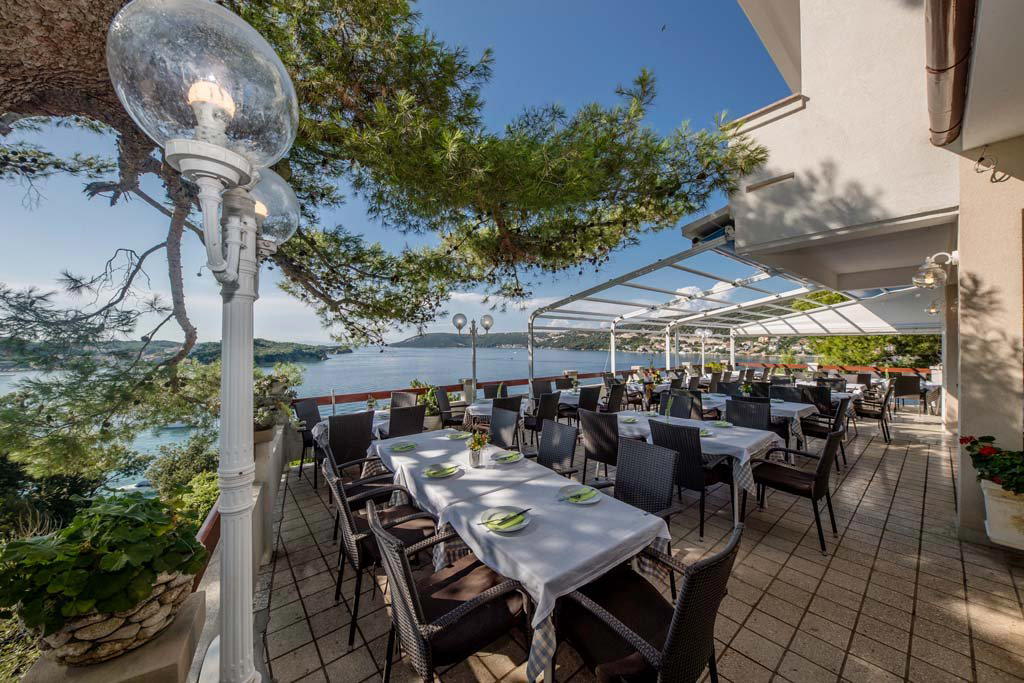
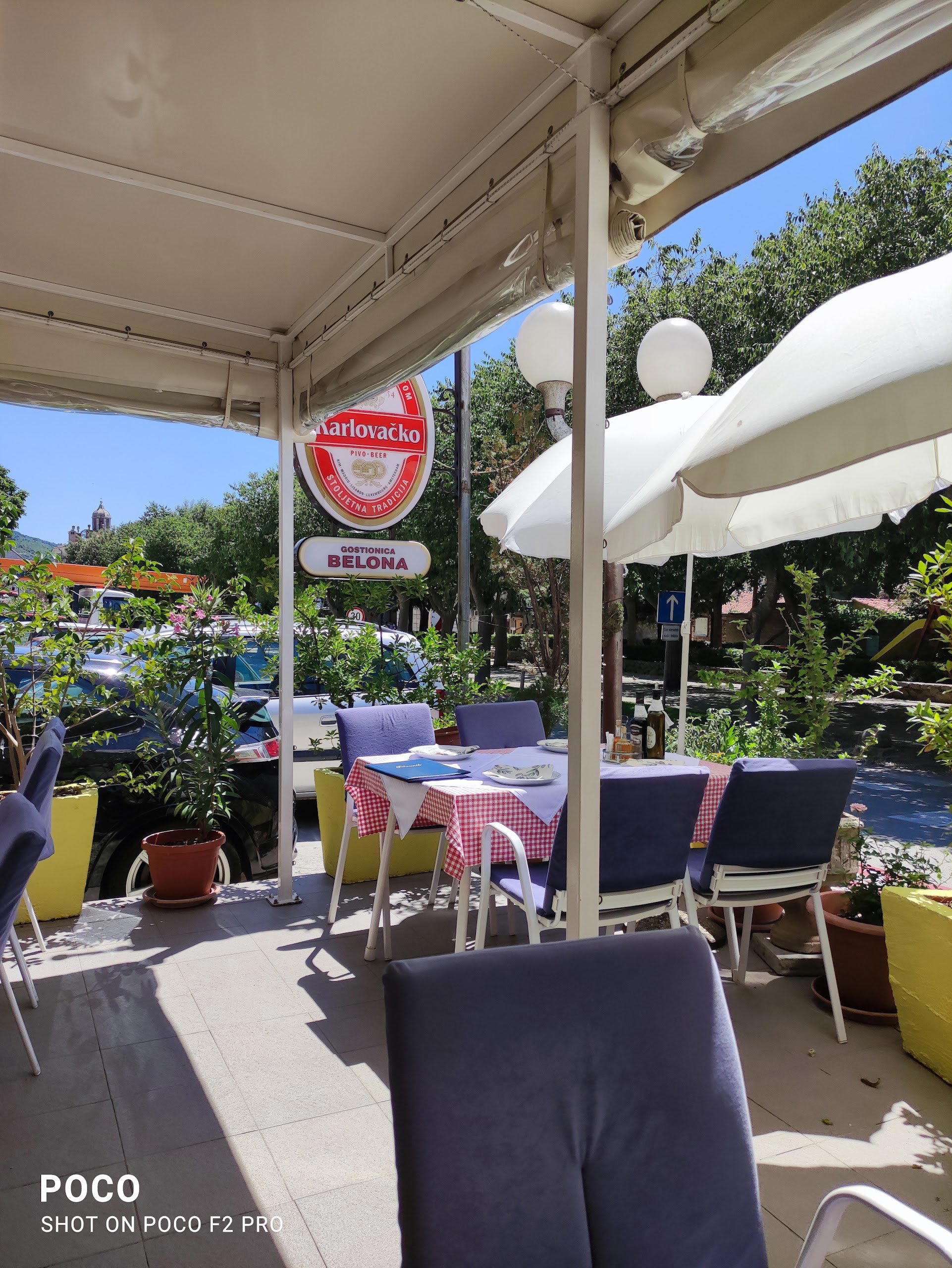
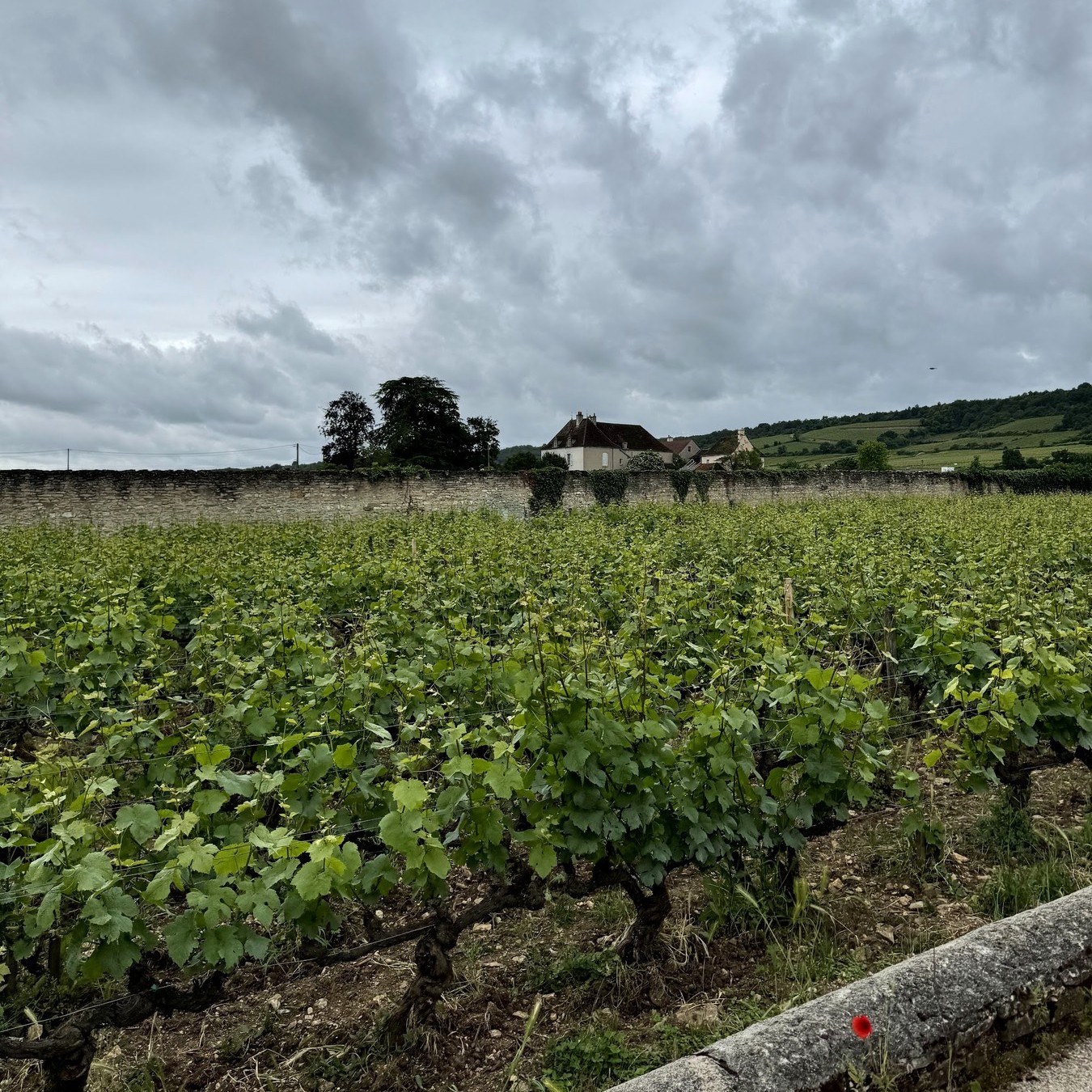
Bars in Supetarska Draga
Browse all →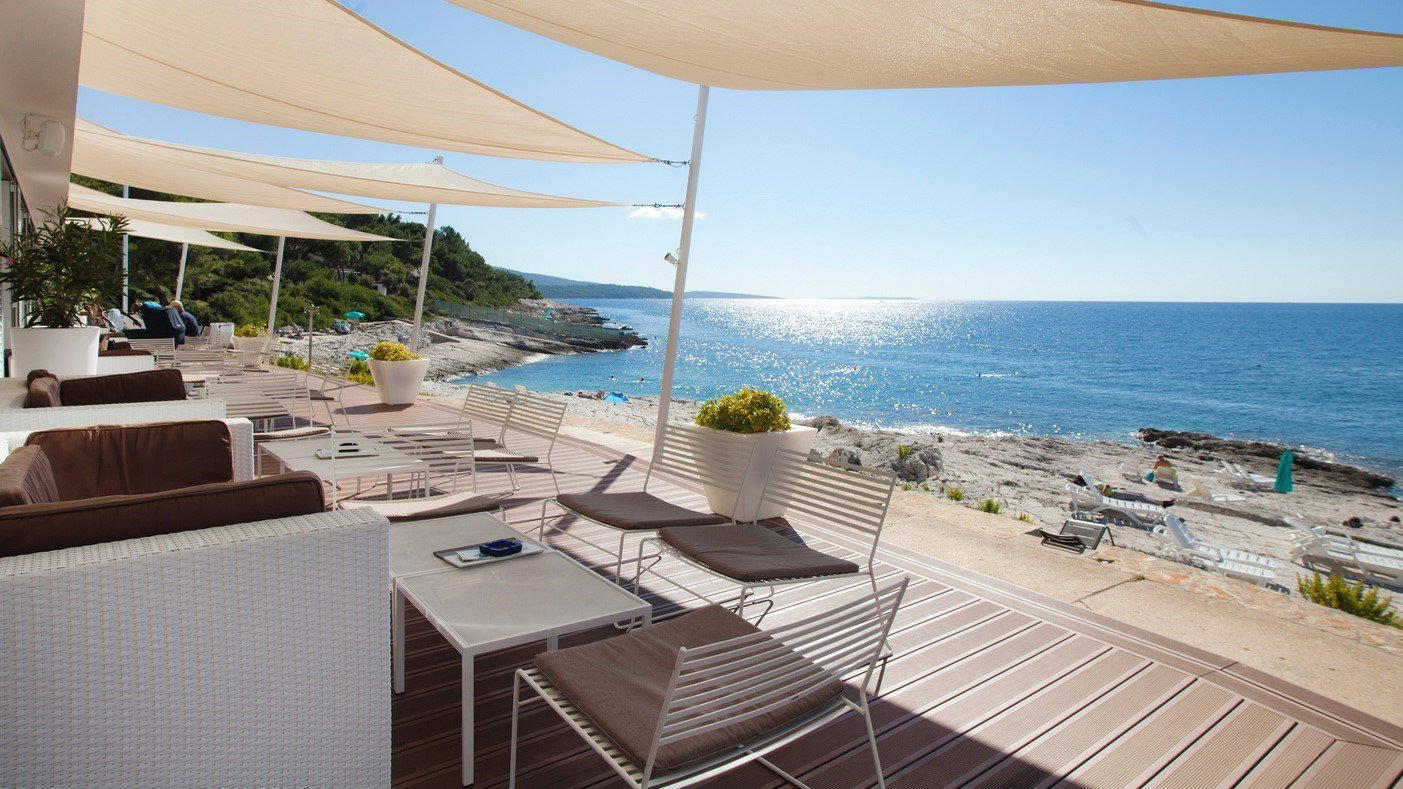
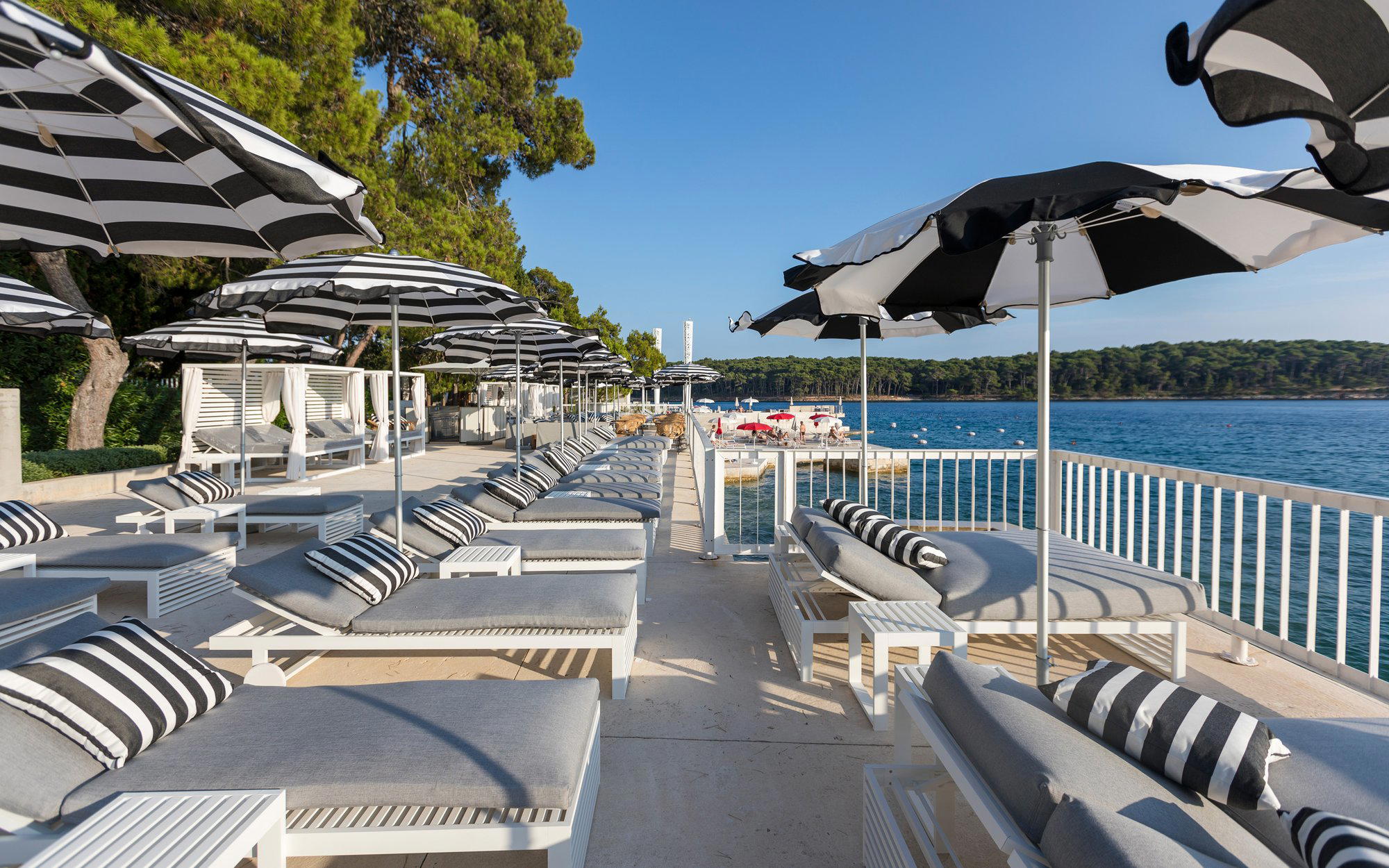
Hotels in Supetarska Draga
Browse all →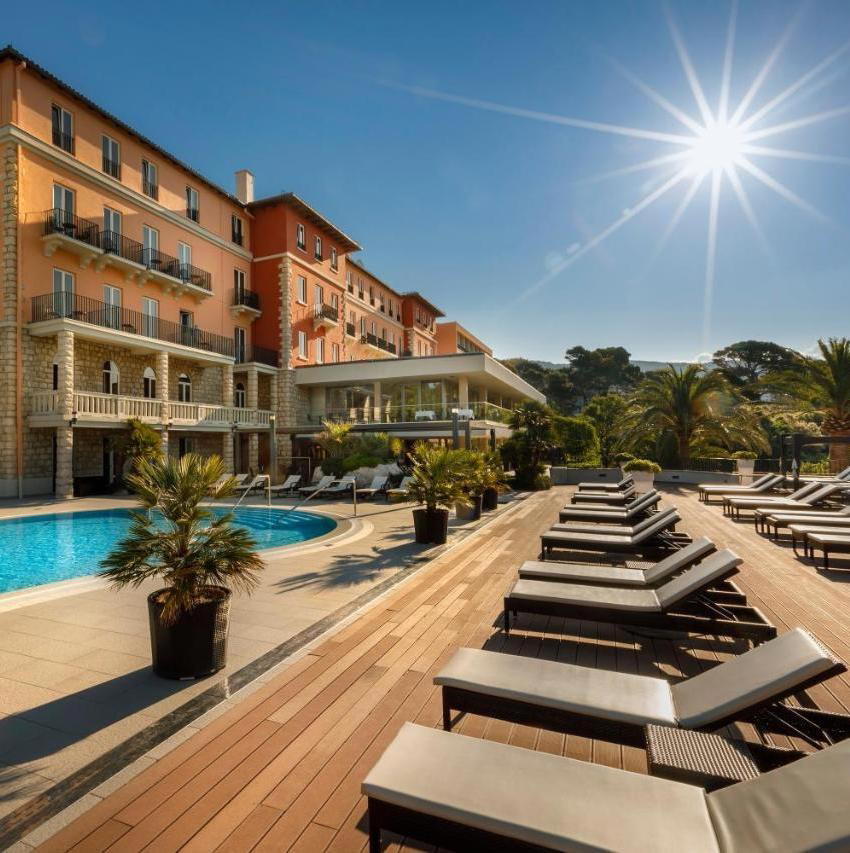
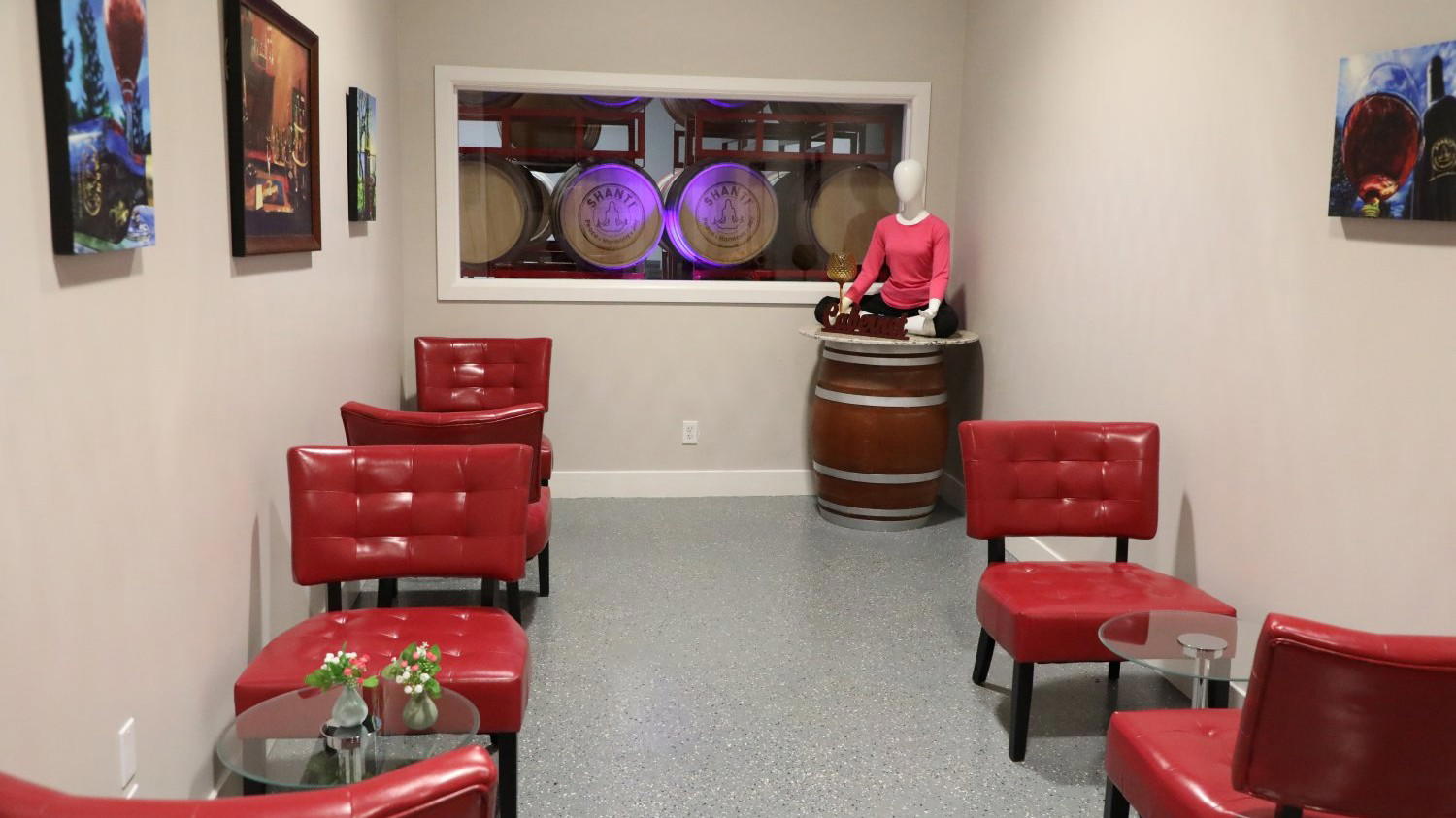
Wineries in Supetarska Draga
Browse all →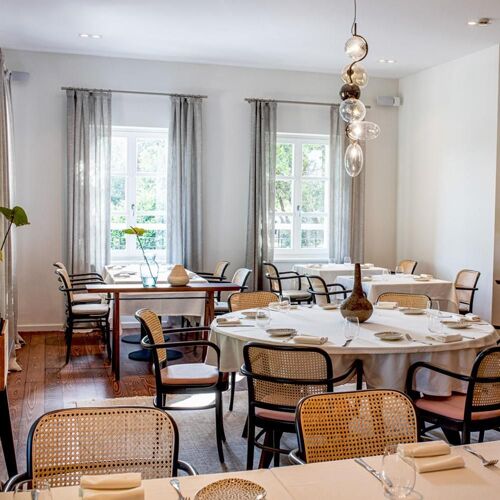

Details
- Scenic
- Romantic
- Date Night
- Special Occasion
- Waterfront
- Terrace
- Extensive Wine List
- Local Sourcing
- Waterfront
- Street Scene
- A La Carte
- Vegetarian Friendly
Current opening hours
- Monday
- 8 AM–10 PM
- Tuesday
- 8 AM–10 PM
- Wednesday
- 8 AM–10 PM
- Thursday
- 8 AM–10 PM
- Friday
- 8 AM–10 PM
- Saturday
- 8 AM–10 PM
- Sunday
- 8 AM–10 PM
Hours can change for holidays and private events. Hours as of .
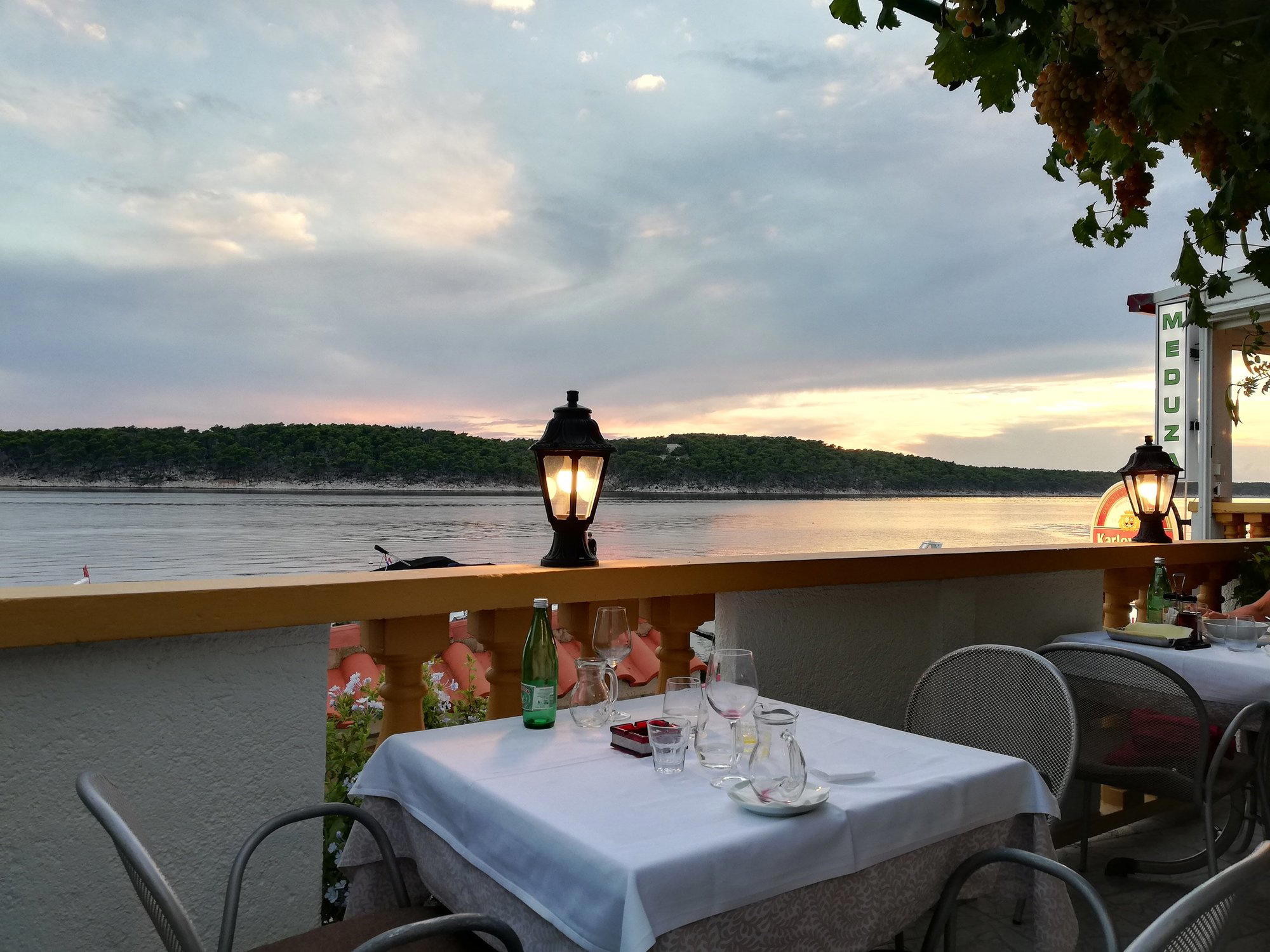
Relaxed beachside terrace atmosphere with scenic views, modern interior, and a mix of tranquility and gentle evening buzz.