Vila Velebita sits on Silba, a car-free island in the northern Dalmatian archipelago, placing it among Croatia's most deliberately remote dining addresses. The kitchen draws on the Adriatic larder in the way that islands always have: with whatever the sea and the season provide. For travellers already committed to reaching Silba by ferry, it is the natural anchor for the table.
Pearl is the En Primeur Club membership app — saves, bookings, and concierge access live there. Same editors, same standards.
- Address
- Silba 1, 23295, Silba, Croatia
- Phone
- +385957766094
- Website
- vilavelebita-silba.hr
- Directions
- Get directions
 Saves & bookings on Pearl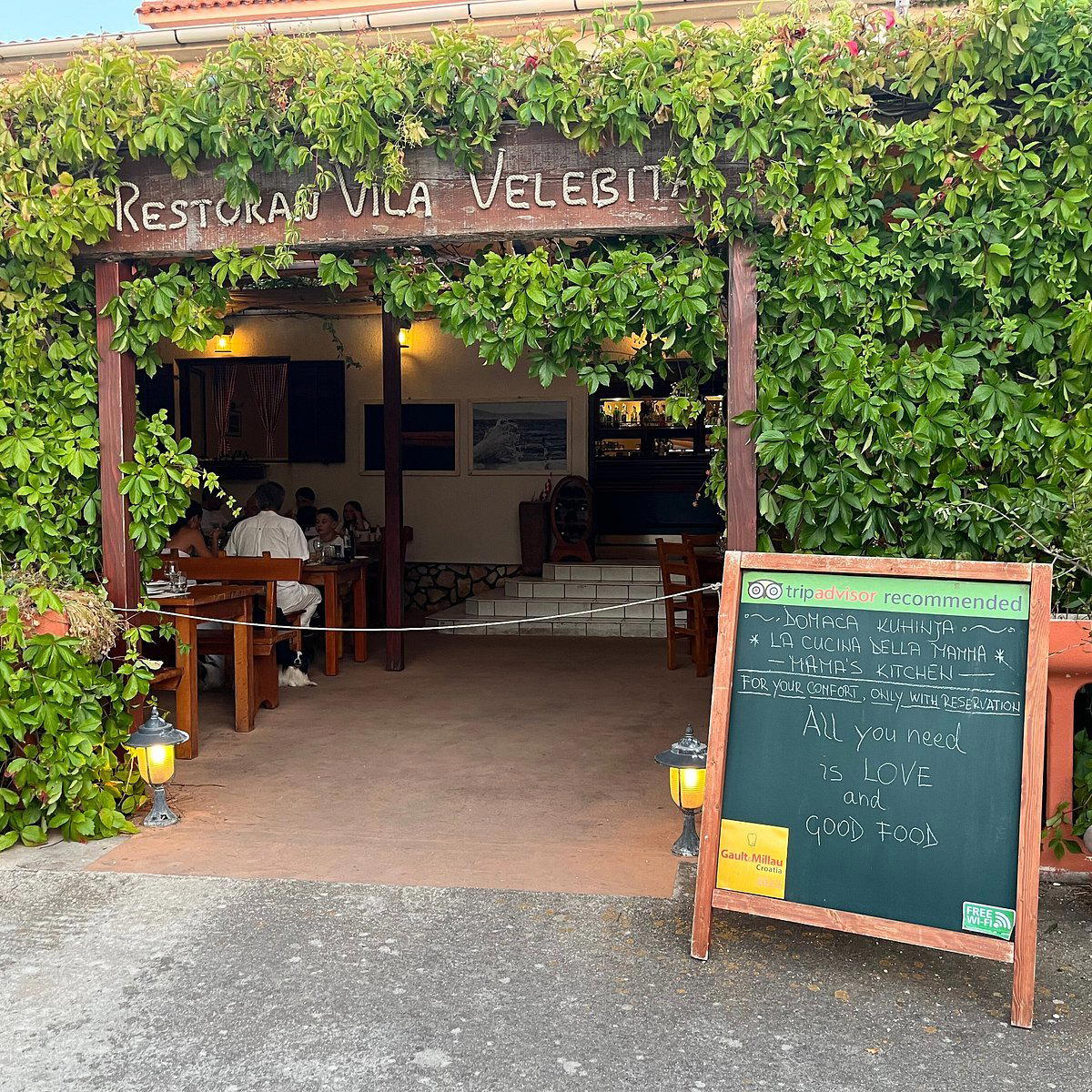
An Island That Earns Its Isolation
Silba is unusual among the Dalmatian islands in one specific, practical way: no private cars are permitted on it. That fact shapes everything about the experience of arriving there, and by extension, everything about eating at Vila Velebita. The journey from Zadar by ferry takes the better part of two hours, and once you step off the boat, the island is yours on foot or by bicycle. The absence of engine noise is not an affectation or a marketing point; it is simply how Silba has always operated, and it produces a particular quality of quiet that most Adriatic resort towns have long since traded away.
That context matters when thinking about where Vila Velebita sits in the broader picture of dining in the Zadar region. Croatia's coastline has accumulated a serious bench of restaurant addresses over the past decade: Pelegrini in Sibenik and Agli Amici Rovinj in Rovinj represent the award-chasing end of the Adriatic dining spectrum, while Boskinac in Novalja has built a reputation for pairing island produce with serious wine in a format closer to a destination resort. Vila Velebita occupies a different category: a place that earns its audience through geography rather than ceremony, and whose menu, whatever its current specifics, will always be shaped first by what the island and the surrounding sea allow.
How Island Menus Work, and What They Reveal
The architecture of a kitchen on a car-free, supply-constrained island like Silba is not a choice so much as a condition. Menus in settings like this tend toward a narrower card with fewer dishes and a higher dependence on local catch, preserved items, and whatever produce can be grown or brought over by boat without spoiling. That structure, when it works, produces exactly the kind of cooking that mainland restaurant ambition often tries and fails to approximate: cooking shaped by constraint rather than concept.
Across the Adriatic, this model has a long precedent. Islands from Korčula to Lošinj have kitchens that rotate their offerings according to what the fishing boats return with, rather than according to a printed menu that changes quarterly. The result is a style of eating that aligns closely with how Croatian coastal food actually developed historically: grilled fish, shellfish prepared simply, lamb from the interior when it arrives, and olive oil and vegetables that carry more weight on the plate because there is less competition from complex saucing. Alfred Keller in Mali Lošinj works a version of this model with more formal technique; on Silba, the expectation is something more direct.
For travellers arriving from Zadar's old town, where restaurants like 4kantuna, Bistro Pjat, and Bruschetta compete for the same well-travelled diner on a strip where choice is abundant, Vila Velebita represents the opposite proposition. The choice has already been made by the time you board the ferry. The menu, whatever it is on a given day, will have been assembled from what was available, not what was optimal on paper.
The Silba Address and Its Competitive Position
The restaurant's address on Silba places it in a tier of Croatian dining defined less by awards or chef credentials and more by the commitment required to get there. This is not the same as being inaccessible for its own sake. The islands of the northern Dalmatian archipelago, including Silba, Olib, and Premuda, have maintained a slow pace of tourism development precisely because the logistics filter out the casual visitor. The diner who reaches the restaurant has already made several deliberate decisions: to take the ferry from Zadar or the Kvarner ports, to arrive without a car, to spend the better part of a day in transit each way if returning the same evening.
That filtering effect shapes the room in a way no design brief or pricing strategy can replicate. The guests around the table on any given evening are, by definition, people who planned to be there. That dynamic tends to produce a quieter, more attentive atmosphere than you find at mainland restaurants in the same price range, where the competition for bookings is fiercer and the turnover pressure more visible.
For comparison, the urban Zadar restaurants operating in the upper-middle price tier, places like A'mare POP and Antiquus sushi@more POP, compete in a market where foot traffic and visibility drive covers. The restaurant competes in a market where the journey itself is the qualifier. It is a different kind of table to earn.
Placing It in Croatia's Wider Dining Picture
Croatia's fine dining scene has matured considerably since the mid-2010s. Addresses like Restaurant 360 in Dubrovnik, LD Restaurant in Korčula, and Nebo by Deni Srdoč in Rijeka have brought international critical attention to Croatian cooking, while inland addresses like Dubravkin Put in Zagreb and Korak in Jastrebarsko have pushed continental Croatian cuisine forward in parallel. What that growth has not fully replicated is the experience of eating on a working Dalmatian island with no pretension toward becoming a destination restaurant in the formal sense. The restaurant, based on its location alone, operates in that gap.
For travellers whose frame of reference extends beyond the Adriatic, the parallel is with certain Greek island tavernas that have spent decades resisting the pressures of tourism, or with the small fishing-village restaurants of coastal Portugal that remain primarily local operations visited by outsiders who find them by persistence. The comparison is not about quality tier; it is about disposition. Particularly technically accomplished restaurants in the world, places like Le Bernardin in New York City or Atomix in New York City, exist in a category defined by ambition and precision. The restaurant, earns its place through place, season, and the logistics of getting there. Krug in Split offers another data point on how Croatian coastal cooking is developing further south along the Dalmatian coast.
Planning Your Visit
Reaching Silba from Zadar requires taking a ferry operated by Jadrolinija, with crossing times varying by route and season; the ferry schedule should be confirmed well in advance of any visit, particularly in summer when crossings fill quickly. The island has no car access, so all movement once you arrive is on foot or bicycle.
Recognition Snapshot
Comparable venues nearby, for context on price, style, and recognition.
| Venue | Cuisine | Price | Notes |
|---|---|---|---|
| Vila VelebitaThis venue — the venue you are viewing | Traditional Croatian Konoba | $$ | Not listed |
| Bistro Pjat | Mediterranean Bistro with Croatian & Italian Influences | $$ | Old Town |
| Konoba Dalmatina | Traditional Croatian Seafood & Grill | $$ | Old Town |
| Providur | Mediterranean Seafood | $$ | Old Town |
| Corte | Modern Mediterranean & Croatian | $$$ | Old Town |
| Kapric | Modern Steakhouse & Seafood Grill | $$ | Zadar Old Town |
Continue exploring
More in Zadar
Restaurants in Zadar
Browse all →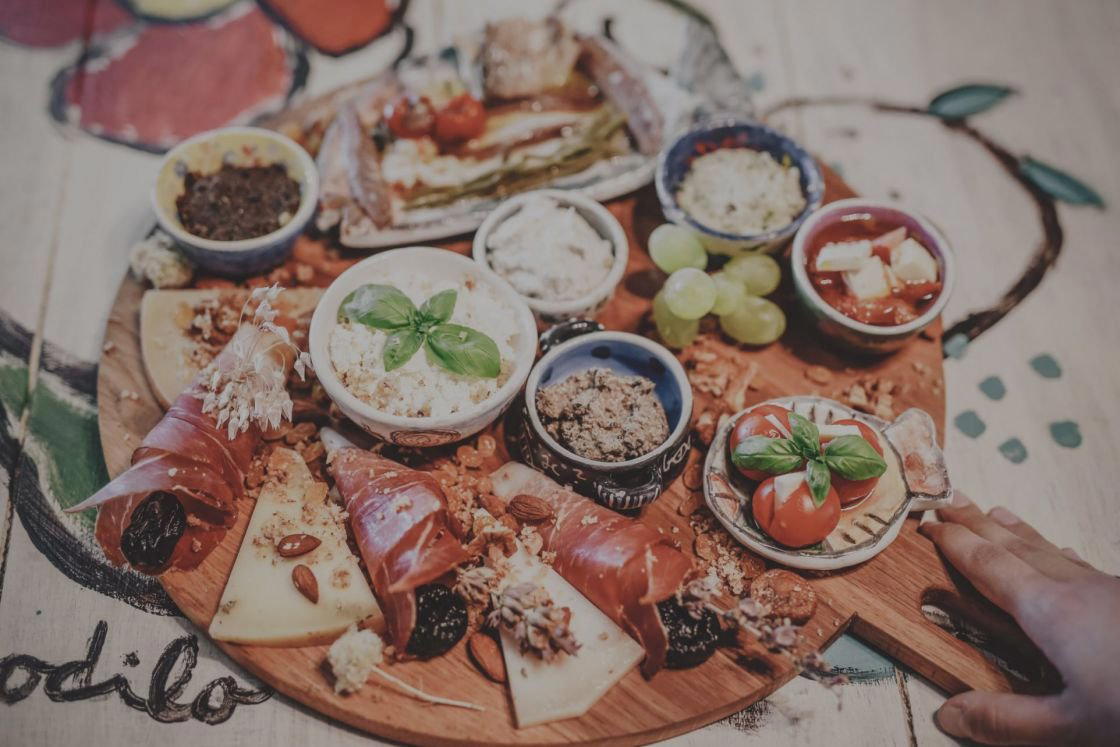
Bars in Zadar
Browse all →
Hotels in Zadar
Browse all →
Wineries in Zadar
Browse all →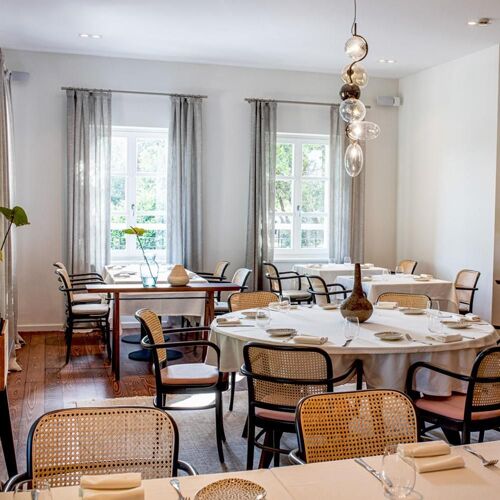
At a Glance
- Cozy
- Rustic
- Romantic
- Family
- Group Dining
- Casual Hangout
- Garden
- Terrace
- Local Sourcing
- Garden
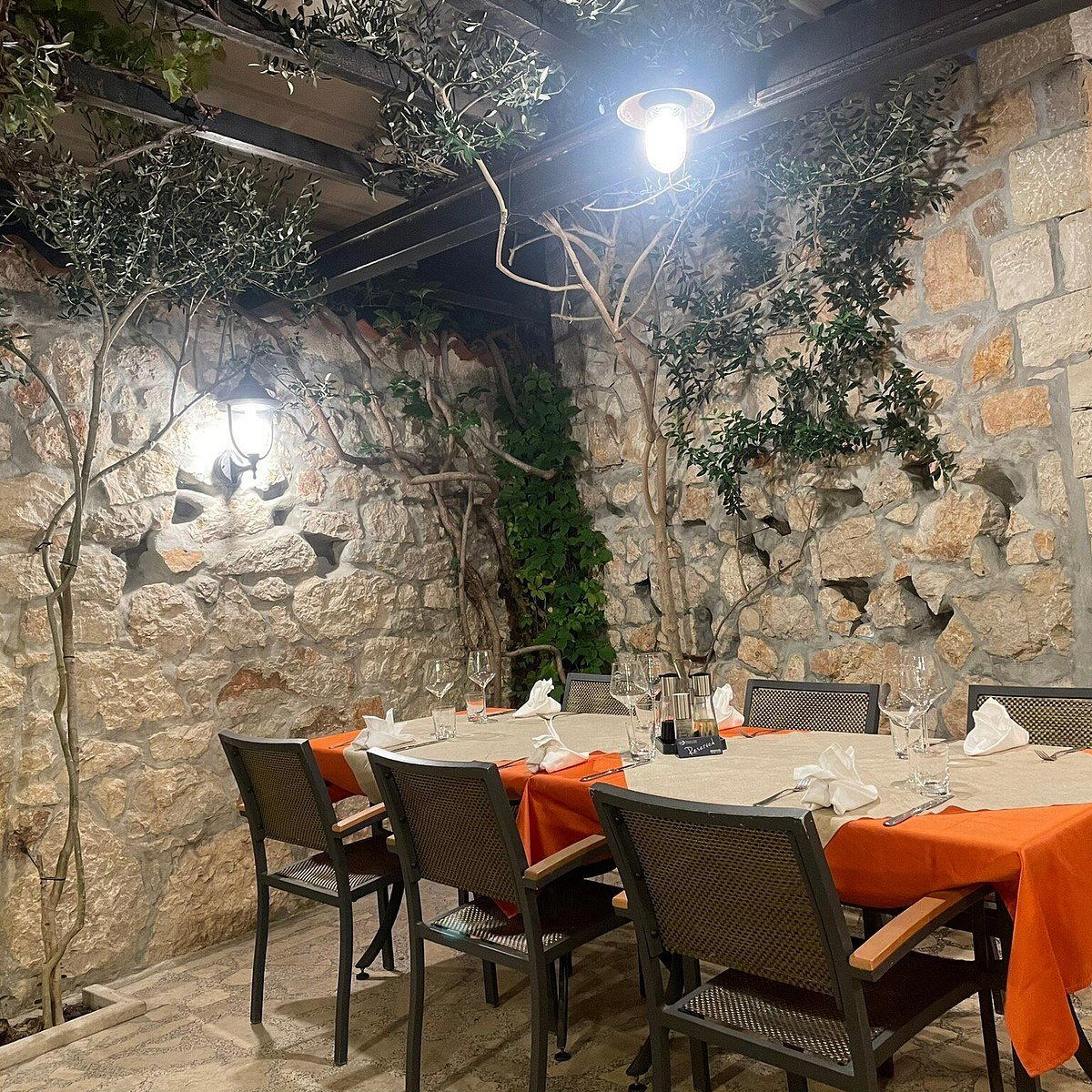
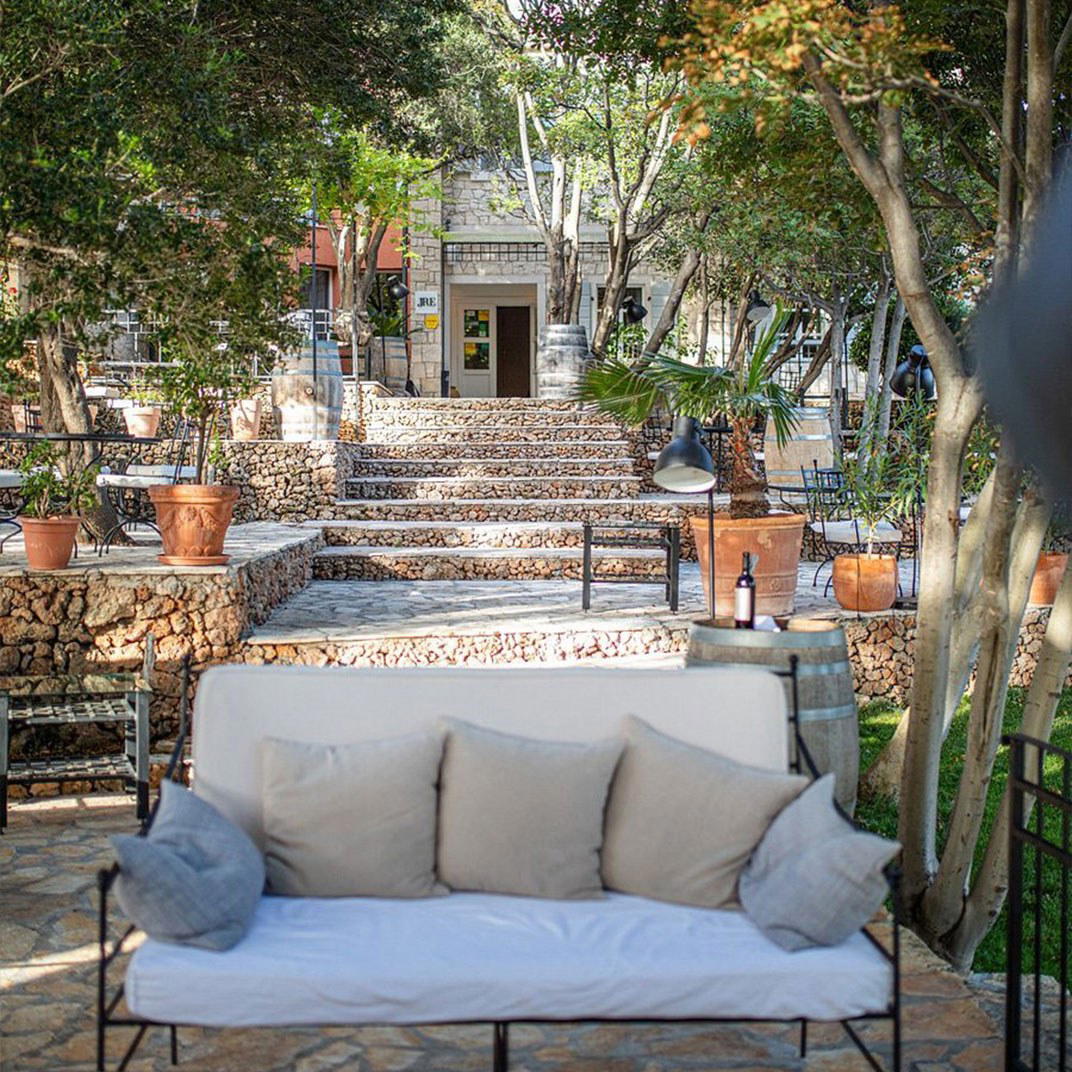
Warm, welcoming rustic atmosphere with a peaceful outdoor garden under olive trees and cozy indoor fireplace.