Bellota
Bellota occupies a corner of San Francisco's SoMa district at 888 Brannan Street, operating in a part of the city where Spanish-inflected cooking and Iberian wine programs have found consistent footing alongside the neighbourhood's warehouse-era bones. The address places it within reach of a dining corridor that has shifted considerably over the past decade, from post-industrial afterthought to a legitimate destination block for mid-to-high-end restaurant formats.
- Address
- 888 Brannan St, San Francisco, CA 94103
- Phone
- +1 415 430 6580
- Website
- bellotasf.com
- Directions
- Get directions
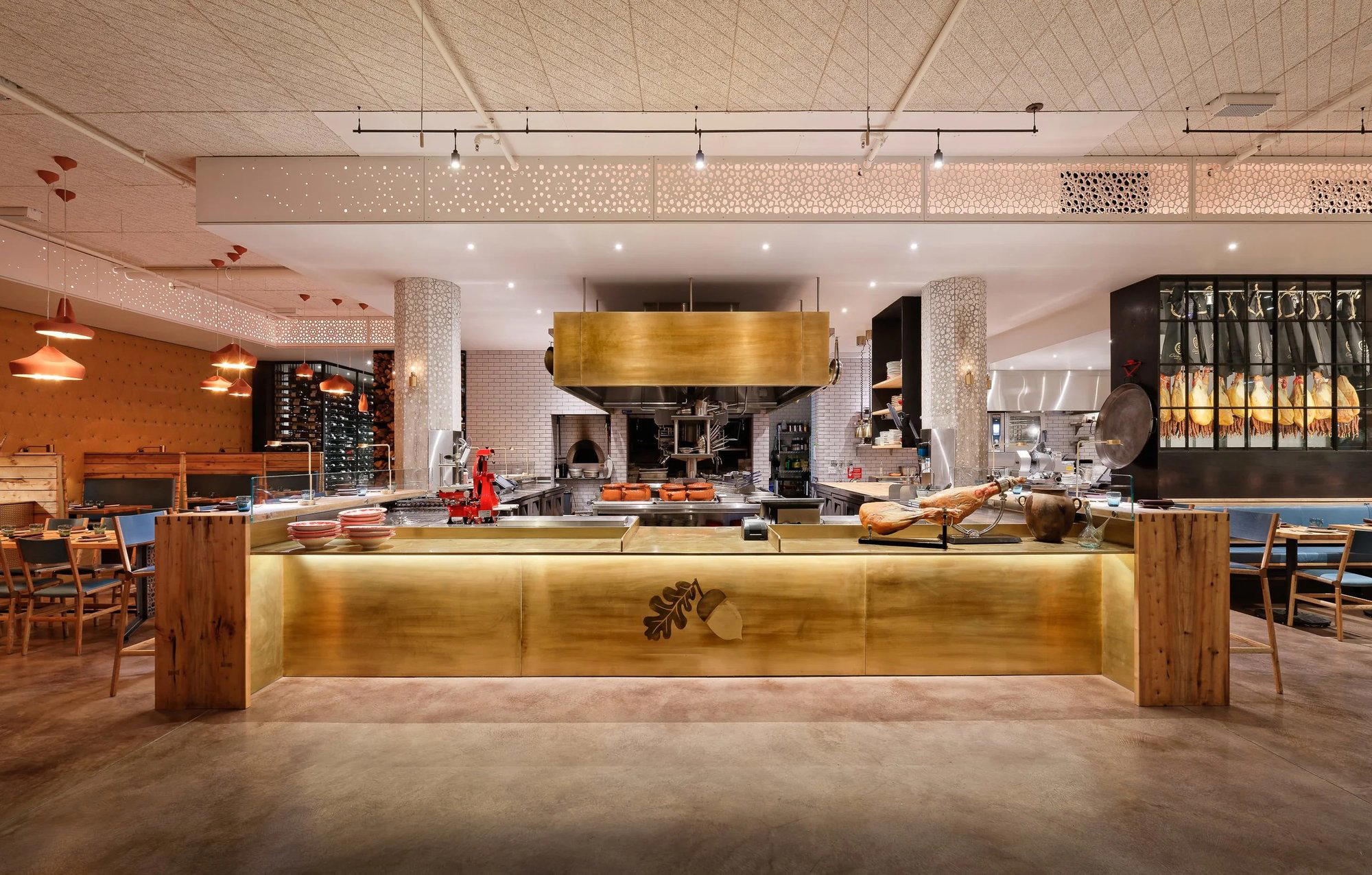
SoMa's Spanish Corner and What It Tells You About the Neighbourhood
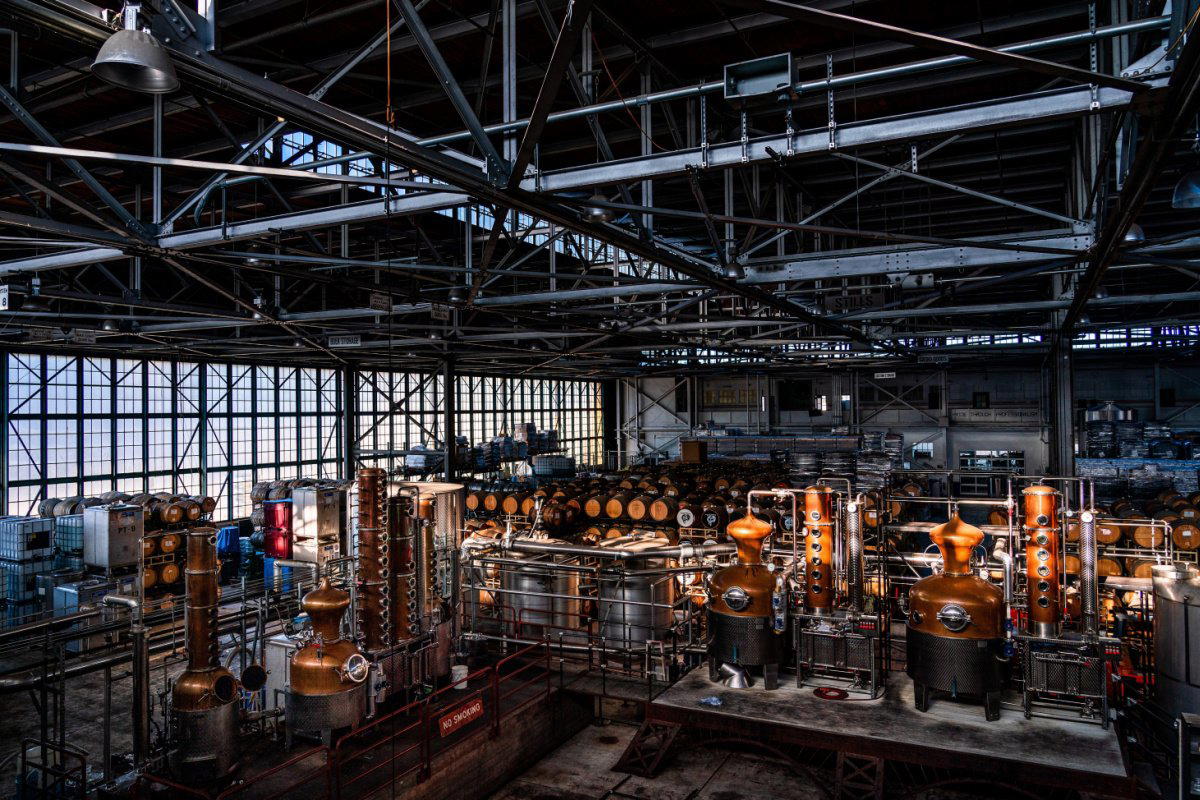
San Francisco's SoMa district has undergone one of the more pronounced repositionings of any American urban dining neighbourhood in the past fifteen years. What began as a zone defined by its warehouse footprints and proximity to Moscone Center has gradually accumulated serious restaurant commitments, with 888 Brannan Street sitting near the axis of that shift. Bellota occupies that address, and the building itself signals something about how this part of the city now functions: high ceilings, industrial bones repurposed for hospitality use, a space that reads as both casual and considered depending on how you approach it.
Spanish cooking in American cities tends to bifurcate between the tapas-bar model and something more ambitious. The former is ubiquitous; the latter is considerably rarer and tends to cluster in cities with enough dining density to support Iberian wine programs and cured-meat traditions that require supply chains most mid-sized markets cannot sustain. San Francisco, alongside New York and Chicago, is one of the cities where that second tier is actually viable. Bellota operates within that tier, drawing on the pantry logic of Spanish cuisine, jamón, sherry, wood fire, and translating it into a format that fits a West Coast dining room.
How This Address Has Shifted Over Time
The evolution of Bellota's positioning tracks closely with what has happened to Brannan Street more broadly. The block in the mid-2010s functioned as a testing ground for concepts that needed space and lower rents than Union Square or the Financial District could offer. By the early 2020s, the calculus had changed: SoMa's restaurant row had enough critical mass to generate its own foot traffic rather than relying entirely on proximity to convention business. That shift matters for how Bellota functions today. A Spanish-focused restaurant at this address in 2015 was making a speculative bet; the same restaurant now sits within a neighbourhood that has developed genuine dining identity separate from event-driven traffic.
The evolution also shows in how Iberian cuisine has been received more broadly in American dining. A decade ago, Spanish cooking in this country was largely associated with tapas formats or the Ferran Adrià-era molecular influence that filtered into high-end tasting menus. The current moment is different: there is wider appetite for the slower, more ingredient-driven registers of Spanish cooking, the kind that foregrounds aged products, regional wine, and wood-fire technique rather than kitchen theatrics. Bellota's positioning within that shift reflects both local opportunity and a broader national readjustment in how Spanish food is understood outside Spain itself.
Where Bellota Sits in San Francisco's Current Dining Structure
San Francisco's upper dining tier is dominated by tasting menu formats. Lazy Bear, Atelier Crenn, Benu, Quince, and Saison each operate at the $$$$ tier with fixed multi-course structures that require commitment before you arrive. Bellota's format offers a different entry point into serious San Francisco dining. The Spanish a la carte tradition allows for a different kind of engagement with the room and the menu, one that is closer to the way Spaniards actually eat than the Americanized tasting menu format. For a city that has leaned heavily into the latter, that distinction is meaningful. You are not choosing between quality tiers; you are choosing between dining formats, and Bellota occupies a register that several of its SoMa neighbours do not.
Nationally, the conversation around Spanish-inflected cooking at this level involves comparison with what is happening at restaurants like Le Bernardin in New York City in terms of commitment to a single culinary tradition, or what Frasca Food & Wine in Boulder has done for Italian-regional cooking by treating a European tradition with genuine depth rather than surface-level reference. The through-line is that a cuisine pressed into a single coherent culinary tradition requires the kitchen to know that tradition thoroughly, and diners to trust it. San Francisco's dining culture, shaped by proximity to Spanish-wine-importing infrastructure and a strong produce network, is one of the American cities where that trust is more readily available.
The Room and What to Expect from It
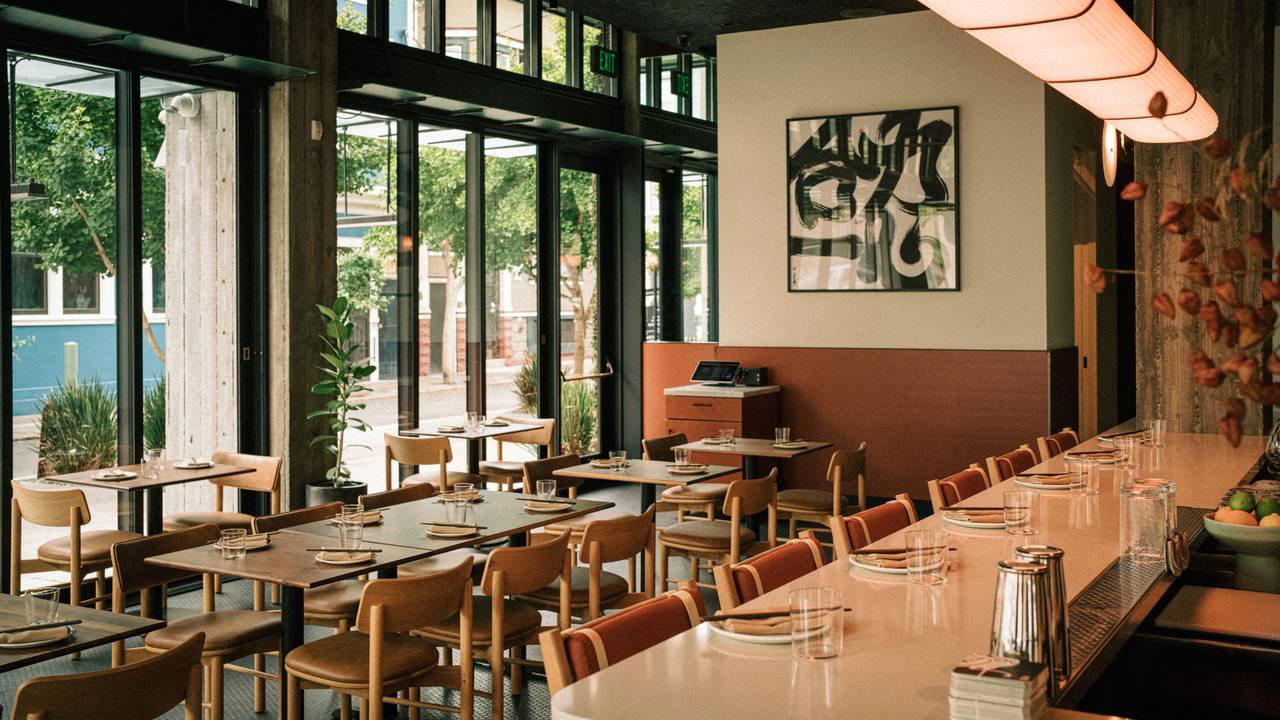
Walking into 888 Brannan, the spatial language is immediately legible: this is a room that uses its industrial heritage without apologising for it, but has been fitted out with enough warmth to avoid the cold-loft problem that afflicts many SoMa restaurant conversions. The wood-fire element, central to Spanish cooking at this level, creates both an olfactory and visual anchor. Dishes rooted in Iberian wood-fire tradition carry a specific quality that is difficult to replicate on gas, and the open kitchen format, common to this neighbourhood's restaurant style, allows that process to function as part of the dining experience rather than being concealed behind closed doors.
The Iberian wine program deserves particular attention as a differentiating element. Spanish wine remains systematically underrepresented in American restaurant lists relative to its depth and value, and restaurants that commit to it seriously tend to become reference points for that category. Sherry, in particular, is still underused in American dining rooms despite its versatility across both aperitif and pairing functions. A list that takes Iberian wine seriously from north to south, from Galician whites to Andalusian fortifieds, is a different proposition from one that appends a few Spanish bottles to a France-dominated list.
Planning a Visit
Bellota sits at 888 Brannan Street in SoMa, walkable from the Caltrain station at Fourth and King and accessible by BART at either Powell or Civic Center stations, both within reasonable walking distance of the southern end of SoMa. For comparison, other anchor destinations in the city's fine dining network are concentrated further north, making Bellota's address useful as an anchor for a SoMa-centred evening rather than a detour from a Union Square or Financial District base.
Smyth in Chicago, Providence in Los Angeles, Addison in San Diego, Single Thread Farm in Healdsburg, Blue Hill at Stone Barns in Tarrytown, The Inn at Little Washington, Emeril's in New Orleans, The French Laundry in Napa, Atomix in New York City, and Atelier Moessmer Norbert Niederkofler in Brunico each represent single-tradition commitment at depth, the operating principle that Spanish-focused restaurants at this level are working within.
Reputation First
Comparable venues nearby, for context on price, style, and recognition.
| Venue | Cuisine | Price | Notes |
|---|---|---|---|
| BellotaThis venue — the venue you are viewing | Spanish Tapas & Paella | $$$ | Not listed |
| Piperade | West Coast Basque | $$$ | North Beach |
| Red Window | Modern Spanish Tapas with Italian Influences | $$ | North Beach |
| Cultivar | California Farm-to-Table | $$$ | Marina |
| The Harlequin | New American | $$$ | Financial District/South Beach |
| Caprizza Ristorante | Authentic Italian Trattoria | $$$ | Mission |
Continue exploring
More in San Francisco
Restaurants in San Francisco
Browse all →
Bars in San Francisco
Browse all →
Hotels in San Francisco
Browse all →
At a Glance
- Rustic
- Elegant
- Lively
- Sophisticated
- Date Night
- Group Dining
- Special Occasion
- Celebration
- Open Kitchen
- Historic Building
- Live Music
- Extensive Wine List
- Craft Cocktails
- Local Sourcing
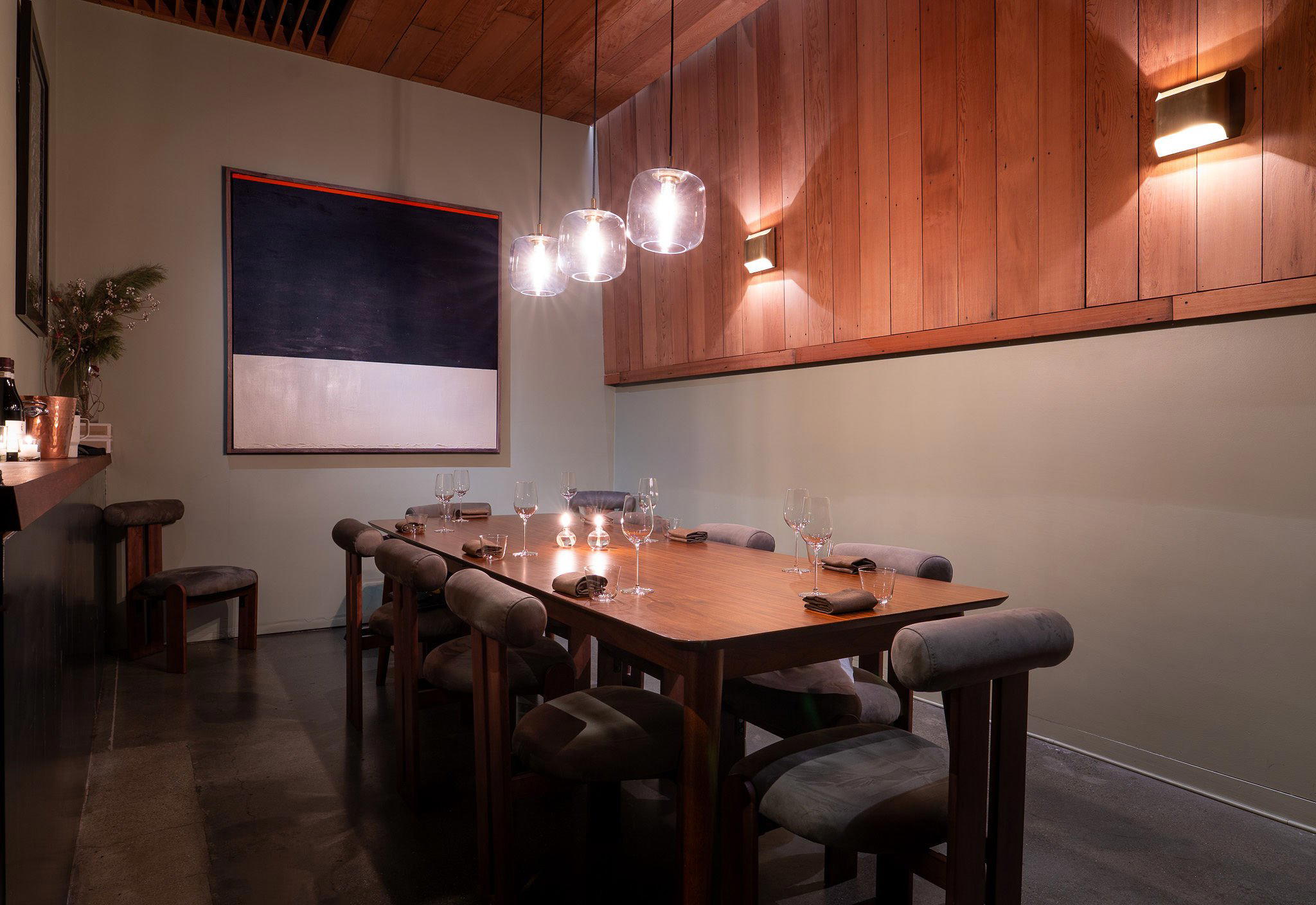
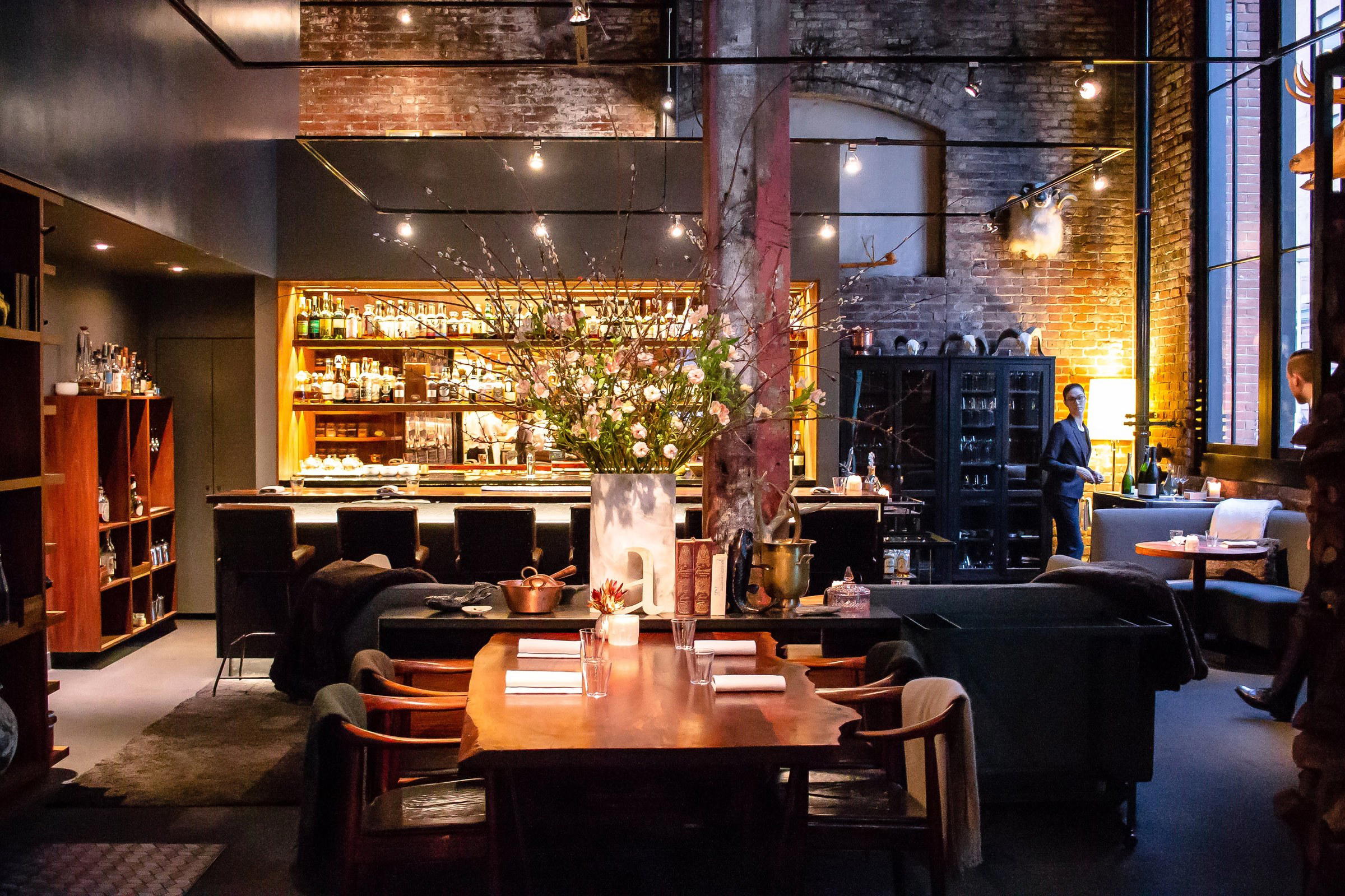
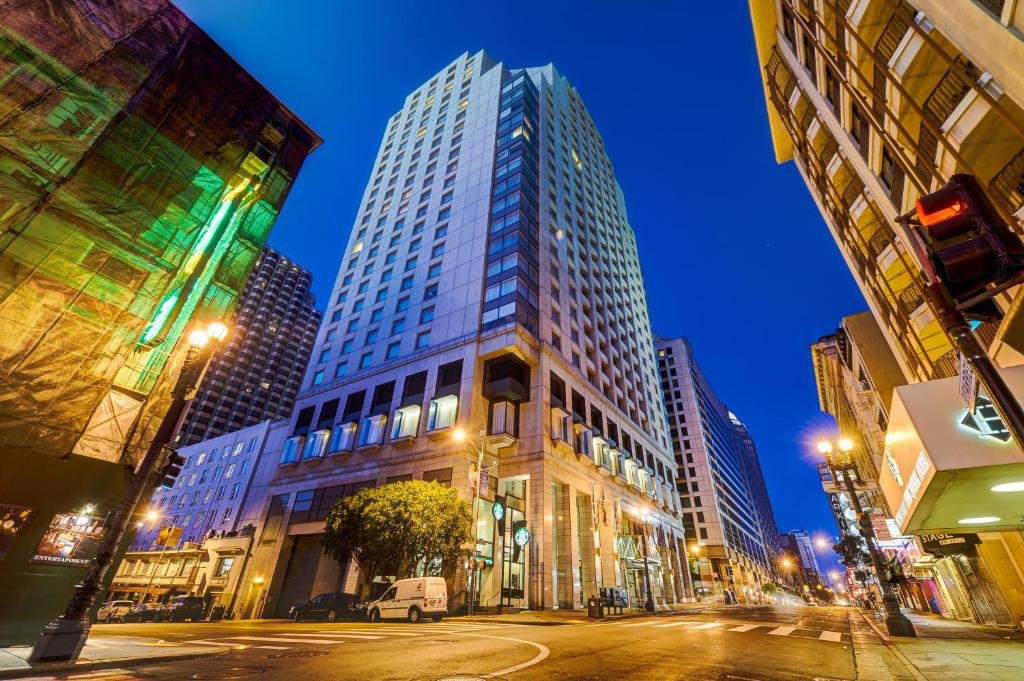
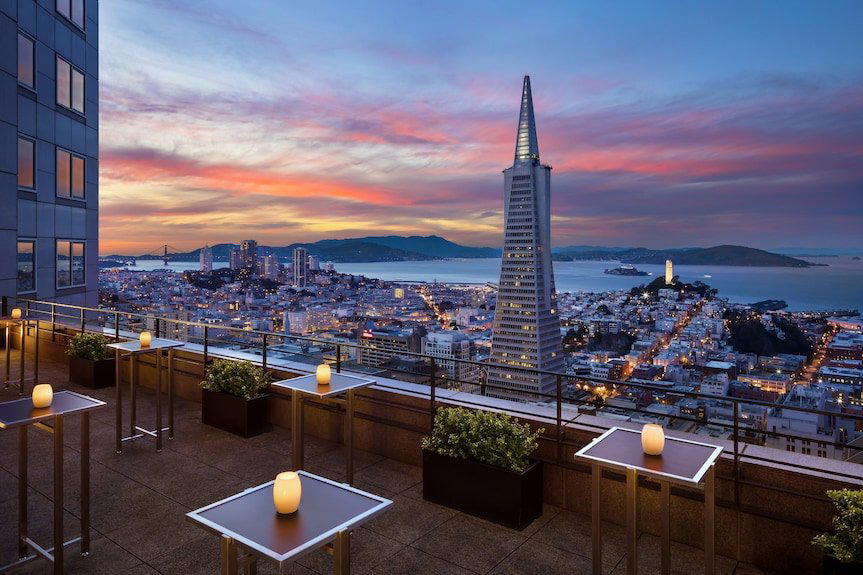
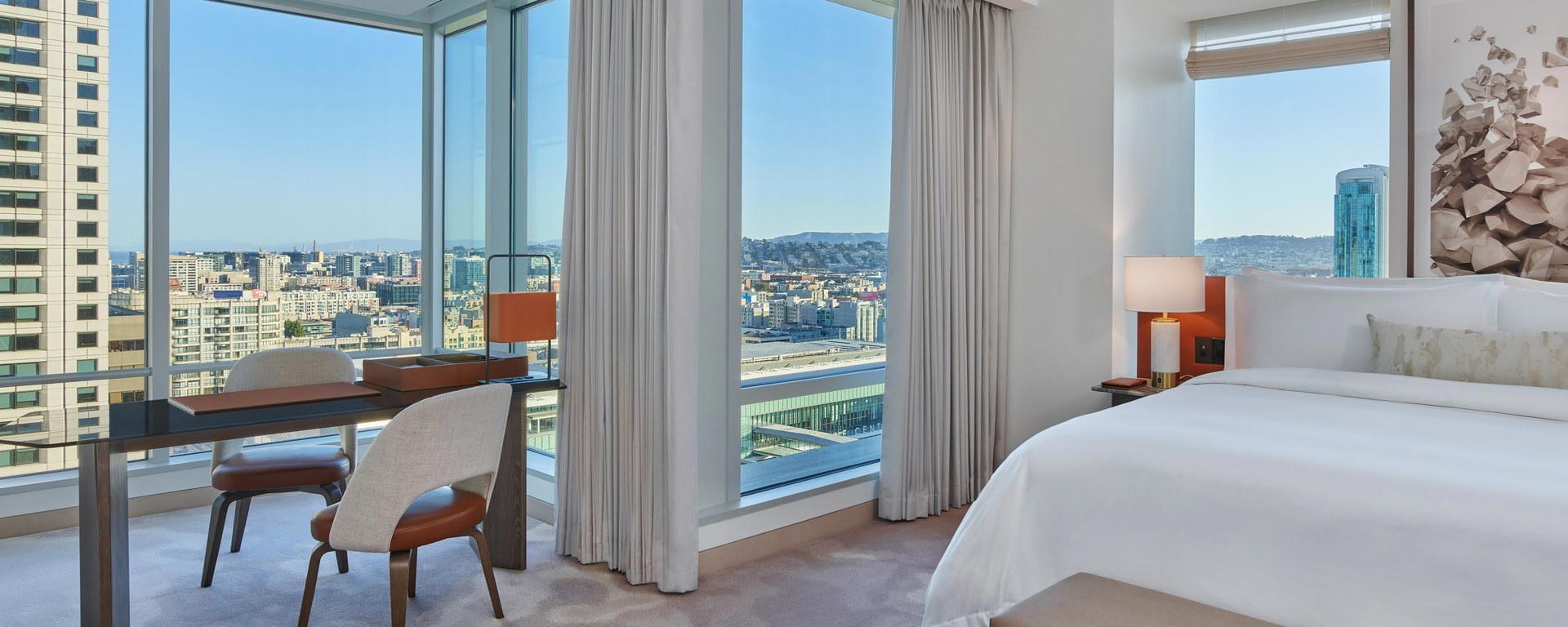
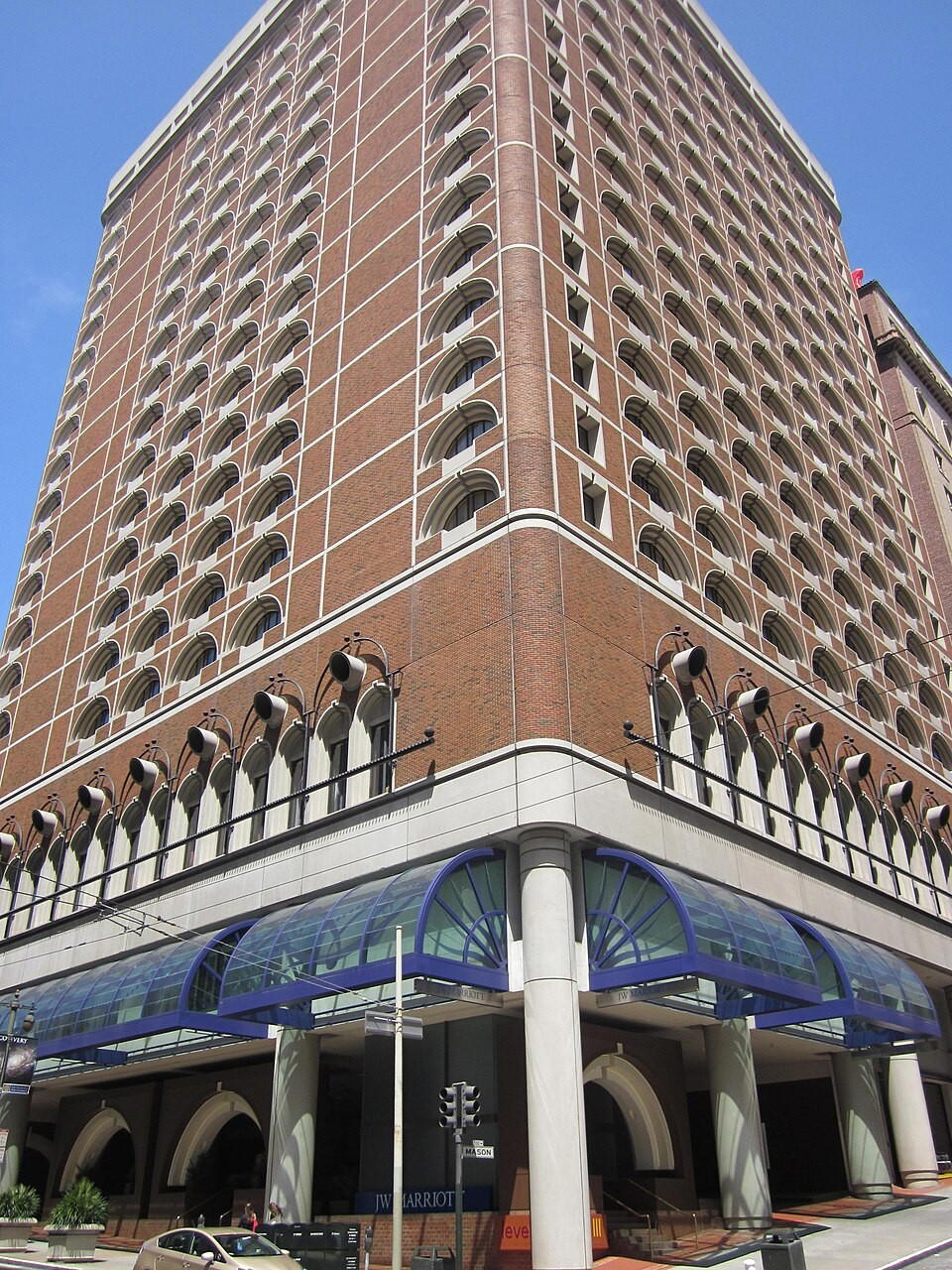
Warm pendant lighting illuminates a space with intricate tilework and rich wooden accents evoking rustic Spanish tavern charm; open kitchen showcases culinary craftsmanship with industrial and hand-crafted design elements capturing the surrounding urban cityscape.