Red Window
Our verdict
Red Window occupies a Columbus Avenue address in North Beach, San Francisco's most historically layered dining neighbourhood. With limited publicly available data, the venue operates in a city where serious restaurants compete on menu architecture and neighbourhood context in equal measure.

Pearl is the En Primeur Club membership app, where members save venues, book tables and use the concierge.

The menu
What to order
- Patatas bravas
- Garlicky shrimp
- Basque cheesecake
North Beach and the Weight of a Good Address
Columbus Avenue runs through the spine of North Beach like a throughline in an argument: every block carries a different era of San Francisco dining, from the old Italian family trattorias that predate the food media era to the newer wave of chef-driven rooms that have repositioned the neighbourhood in the past decade. At 500 Columbus Ave, Red Window holds an address that carries its own gravitational pull, sitting at the intersection of the neighbourhood's literary past and its increasingly serious culinary present. In a city where location communicates something about a restaurant's intended peer group, North Beach places a venue in conversation with both heritage and ambition simultaneously.
San Francisco's dining scene has fractured into identifiable tiers in recent years. At the leading, multi-starred rooms like Benu and Atelier Crenn anchor a Michelin-recognised bracket defined by tasting menus, extended booking windows, and price points that run well beyond $300 per head before wine. A rung below, venues like Lazy Bear and Quince occupy the serious-but-accessible space where cuisine ambition and neighbourhood comfort coexist. Understanding where Red Window positions itself within that structure is the question EP Club's full review will address once verified data is in hand.
Menu Architecture as Signal
In San Francisco's most considered restaurants, the structure of a menu is rarely neutral. Whether a kitchen commits to a tasting format or retains à la carte optionality tells you something about its philosophy of hospitality. A fixed multicourse progression, as seen at Saison, signals that the kitchen controls the narrative from arrival to close, pacing the meal to suit the sourcing calendar. A hybrid model, with a short set of courses followed by optional supplements, suggests a different kind of negotiation between kitchen authority and guest freedom. An à la carte format, increasingly rare at this level, implies confidence that individual dishes can carry the full weight of a restaurant's identity without the scaffolding of a curated sequence.
The question of menu architecture matters particularly in a city where proximity to Northern California's agricultural output has shaped expectations. Restaurants from Single Thread Farm in Healdsburg to The French Laundry in Napa have built their reputations on menus that function as seasonal documents, changing in response to what the land is producing rather than what a printed card commits to year-round. That approach has influenced San Francisco proper, where menus at serious addresses now tend to shift course by course through California's growing cycles. EP Club will map Red Window's menu structure in full once format and pricing data are confirmed.
The North Beach Context
North Beach is not a neighbourhood that erases its past to accommodate its present. The same blocks that house newer rooms still carry the traces of City Lights, the old Italian social clubs, and the coffee culture that predates the third-wave terminology by several decades. For a restaurant opening or operating here, that history applies a kind of ambient pressure: there is an expectation of substance over theatre, of rooms that reward return visits rather than one-time spectacle. The neighbourhood's dining character leans toward conviviality over ceremony, which makes it a harder fit for rigid tasting-only formats and a more natural home for menus designed to accommodate a range of occasions.
That orientation connects North Beach to a broader current in American fine dining, where the hard distinction between formal tasting rooms and casual neighbourhood spots has softened. Across the country, from Blue Hill at Stone Barns in Tarrytown to Providence in Los Angeles, the rooms that have sustained critical attention longest are those that built flexibility into their format without sacrificing kitchen seriousness. The San Francisco equivalents worth watching are those that solve the same equation: how to maintain culinary ambition in a neighbourhood that resists pretension.
Placing Red Window in the Wider Conversation
The standard for what a serious American restaurant can accomplish has been set across multiple cities and formats. Alinea in Chicago defined what full commitment to a conceptual format looks like at scale. Le Bernardin in New York City demonstrated that classical discipline and sustained relevance are not mutually exclusive. Atomix in New York City showed how a tightly controlled format with deep sourcing intelligence could reframe what a tasting menu communicates. Closer to home, Addison in San Diego and Bacchanalia in Atlanta have built durable reputations outside California's primary culinary corridors. What connects these rooms is not format or cuisine type but a clarity of intent that becomes readable through how their menus are structured and sequenced.
Internationally, the same principle holds. 8½ Otto e Mezzo Bombana in Hong Kong and Emeril's in New Orleans occupy different points on the formality spectrum but share a quality of menu legibility: a reader of either menu understands immediately what kind of experience they are being offered. That legibility is itself a form of editorial control, and it is the standard against which Red Window's own menu architecture will ultimately be assessed.
For a complete map of where Red Window sits within San Francisco's broader dining field, see our full San Francisco restaurants guide. The comparison set for context includes The Inn at Little Washington, which demonstrates how a singular address can anchor a restaurant's identity across decades, a useful reference point for any North Beach room making a long-term argument about place.
Planning Your Visit
Address: 500 Columbus Ave, San Francisco, CA 94133, in the heart of North Beach. Dress: No confirmed dress code; North Beach restaurants at this address tier typically skew smart casual to business casual. Budget: Price range not yet verified; expect the neighbourhood and address tier to position Red Window alongside mid-to-upper San Francisco dining. Timing: North Beach fills on weekend evenings; weekday reservations generally offer more flexibility at venues across the neighbourhood.
Frequently asked questions
What's the vibe at Red Window?
Red Window sits at 500 Columbus Ave, a stretch of North Beach where decades of San Francisco dining history stack visibly on top of each other. The address alone carries weight: this is a neighbourhood that hasn't erased its past. Expect a room shaped as much by its location in that continuum as by any single design decision.
What's Red Window's location?
Red Window is located at 500 Columbus Ave, San Francisco, CA 94133, San Francisco.
Is Red Window in San Francisco's North Beach worth a dedicated trip from another neighbourhood?
The Columbus Ave address puts Red Window inside one of San Francisco's most historically loaded dining corridors, which itself justifies the journey for anyone serious about understanding how the city's restaurant culture is evolving. EP Club recommends checking current booking availability directly with the venue at 500 Columbus Ave before planning around it.
What's the best thing to order at Red Window?
EP Club does not have confirmed menu details for Red Window at this time. For current offerings, check directly with the restaurant at 500 Columbus Ave or monitor their reservation channels for updated menu information before your visit.
Can I walk in to Red Window?
Walk-in policy has not been confirmed for Red Window. Given the address on Columbus Ave in one of San Francisco's most active dining corridors, EP Club recommends attempting a reservation in advance rather than assuming availability on arrival.
What's the defining dish or idea at Red Window?
Without confirmed menu documentation, the defining idea at Red Window is best understood through its placement: a room on Columbus Ave in North Beach, where the neighbourhood's accumulated dining identity creates a specific kind of pressure on any kitchen operating there. EP Club will update this entry as menu details are confirmed.
Cost and Credentials
Comparable venues nearby, for context on price, style, and recognition.
| Venue | Cuisine | Price | Notes |
|---|---|---|---|
| Red WindowThis venue (the venue you are viewing) | Modern Spanish Tapas with Italian Influences | $30–50 | Not listed |
| The Commissary | Spanish-influenced California | Not listed | Presidio, Spanish-influenced California |
| Coqueta | Modern Spanish Tapas | $50–100 | Financial District/South Beach, Modern Spanish Tapas |
| Esperpento | Authentic Spanish Tapas & Paella | $30–50 | Mission, Authentic Spanish Tapas & Paella |
| Turtle Tower Restaurant | Authentic Northern Vietnamese Pho | $20–30 | Financial District, Authentic Northern Vietnamese Pho |
| Blue Bottle Cafe | Specialty Coffee & Cafe | $10–20 | Not listed |
Continue exploring
More in San Francisco
Restaurants in San Francisco
All restaurants in San Francisco →
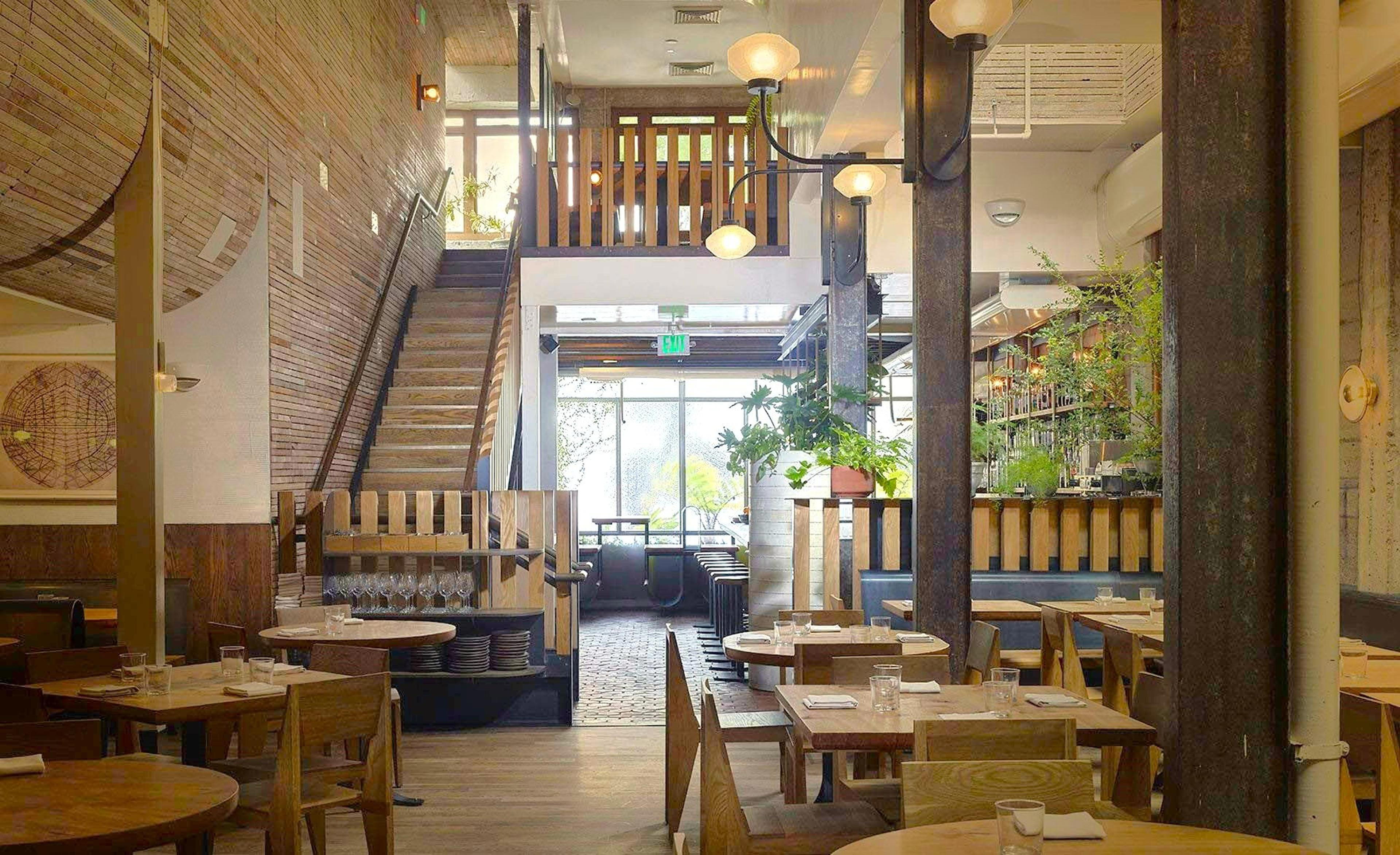
Bars in San Francisco
All bars in San Francisco →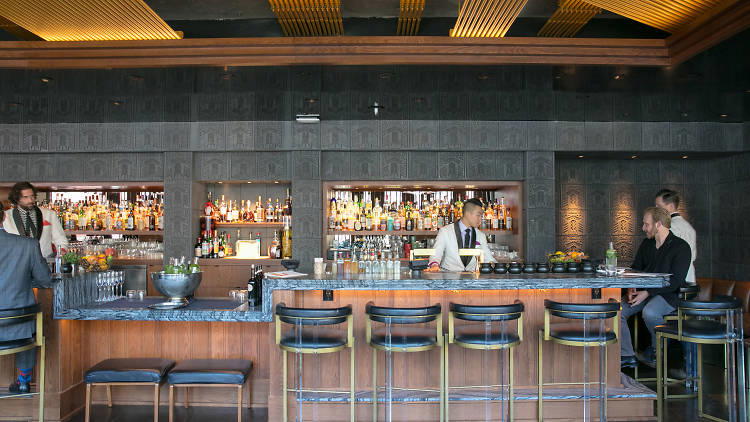

Details
- Trendy
- Lively
- Modern
- Cozy
- Date Night
- Brunch
- Casual Hangout
- Group Dining
- Craft Cocktails
- Street Scene
- Small Plates
- A La Carte
- Craft Cocktails
Current opening hours
- Monday
- 4–9 PM
- Tuesday
- 4–9 PM
- Wednesday
- 4–9 PM
- Thursday
- 4–9 PM
- Friday
- 4–11 PM
- Saturday
- 10 AM–11 PM
- Sunday
- 10 AM–9 PM
Hours can change for holidays and private events. Hours as of .
Groovy and immersive atmosphere with boppy music, superb cocktails, sangria, and notable local art and decor creating a positive dining experience.