The Harlequin
The Harlequin occupies a considered position in San Francisco's SoMa dining corridor, where the city's appetite for technique-driven cooking meets a commitment to Northern California's seasonal produce. Sitting at 68 4th Street, the address places it inside a neighbourhood that has been remaking its culinary identity for years, drawing a crowd that reads the room before ordering.
Pearl is the En Primeur Club membership app — saves, bookings, and concierge access live there. Same editors, same standards.
- Address
- 68 4th St, San Francisco, CA 94103
- Phone
- +14154885950
- Website
- harlequinsf.com
- Directions
- Get directions
 Saves & bookings on Pearl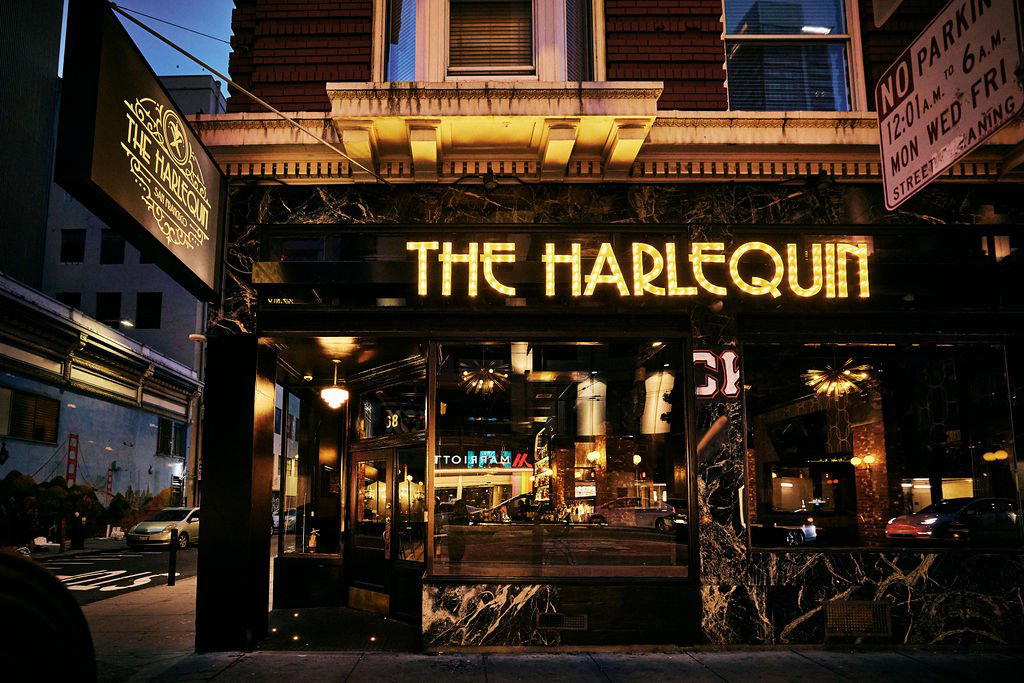
SoMa's Evolving Table: Where San Francisco's Technique-Led Dining Lands
San Francisco's SoMa district has spent the better part of two decades cycling through identities, from warehouse clubs and dot-com canteens to a more considered dining corridor that now includes addresses serious enough to hold their own against the city's established fine-dining tier. The Harlequin is a New American restaurant at 68 4th Street, San Francisco. Its address alone says something useful: a short walk from Yerba Buena Gardens and the Moscone Centre, the location draws both neighbourhood regulars and visitors who have already worked through the obvious tourist circuits and are looking for something that rewards attention.
In San Francisco, that means the agricultural wealth of the Central Valley, the Sonoma and Marin coasts, the mushroom foragers working the coastal ranges, and the small-boat fishing operations that supply the city's better kitchens with Dungeness crab, halibut, and Pacific salmon on their own seasonal schedules. The approach is not distinctive to this city, but few cities execute it as consistently. Places like Saison and Lazy Bear helped establish the vocabulary here: fire, fermentation, and a calendar that answers to what the land actually produces rather than what a printed menu promised six months ago.
The Technique Question: Imported Methods, California Materials
The tension at the core of this style of cooking, and the reason it keeps producing interesting results, is that the techniques are largely borrowed from traditions with nothing to do with California. French brigade discipline, Japanese precision around temperature and texture, Scandinavian preservation instincts applied to summer abundance so it survives into winter: these are the imports. The indigenous contribution is the raw material itself, and in Northern California that material is formidable enough to make the exchange feel fair.
Across the city's top tier, this has produced a recognisable set of priorities: sourcing relationships that get named in the same breath as the dish, cooking methods chosen for what they do to a specific product rather than for their own sake, and a restraint around seasoning that trusts the ingredient to carry the work. Atelier Crenn takes this toward poetic abstraction; Benu runs it through a Korean-French lens; Quince holds to Italian structure while sourcing from California's soil. The Harlequin operates within this same broader conversation, contributing its own reading of how imported discipline and local product meet on the plate.
Blue Hill at Stone Barns in Tarrytown built its reputation on farm-to-table rigour applied with fine-dining precision. Single Thread Farm in Healdsburg, a short drive north of San Francisco, does one complete version of this synthesis in the wider Bay Area. The French Laundry in Napa remains the historical benchmark for technique applied to California produce. The Harlequin enters a conversation with serious precedents.
Reading the Room: What the SoMa Address Signals
Location shapes expectation and, by extension, what a restaurant can reasonably ask of its guests. SoMa is not the Financial District, where a power-lunch dynamic still sets the pace, and it is not the Mission, where casualness is a point of principle. It occupies a middle register that has historically allowed for more experimentation and a more varied clientele. The neighbourhood's cultural venues, the SFMOMA a few minutes away, the contemporary galleries and design studios nearby, attract an audience comfortable with work that requires some engagement. That context suits a restaurant operating in the technique-led tier.
By comparison, other American cities where this calibre of dining clusters tend to anchor in similarly transitional neighbourhoods. Alinea in Chicago settled in Lincoln Park rather than the Loop. Atomix in New York occupies a deliberately quiet Midtown block. Providence in Los Angeles sits in a residential stretch of Melrose rather than on a high-traffic restaurant row.
California's Seasonal Calendar and What It Demands of a Kitchen
Cooking to California's actual seasons, rather than a generic Western seasonal framework, is more demanding than it sounds. The state's microclimates mean that peak timing for any given product can shift by weeks depending on where it was grown and what the weather did. A kitchen committed to this approach needs sourcing relationships that function more like ongoing conversations than quarterly purchase orders. The Dungeness crab season, which typically runs from November into spring, sets a rhythm that shapes menus across the city's better tables. Morel mushrooms from the coastal forests, citrus from the Central Valley in the depths of winter, stone fruit peaking through July and August: these are the markers that a technique-led California kitchen organises itself around.
That seasonal discipline is part of what connects San Francisco's dining scene to peers further afield. Addison in San Diego operates within a similar Southern California seasonal framework, albeit with a different agricultural palette. Emeril's in New Orleans built its reputation on the seasonal and hyper-local character of Gulf Coast produce. Even Le Bernardin in New York, a kitchen defined by classical French technique, organises its seafood program around what the seasons actually deliver. The commitment to working with rather than around natural supply cycles is one of the markers that separates this tier of dining from the rest.
For those exploring this corner of American fine dining more broadly, restaurants like Bacchanalia in Atlanta and The Inn at Little Washington in Virginia show how the local-technique synthesis plays out in different regional contexts. The comparison is instructive: what makes San Francisco's version of this approach distinctive is the sheer density of notable produce within a short radius, combined with a dining culture that has been demanding this kind of rigor long enough for the supply chains to mature around it. International technique-led addresses like 8 1/2 Otto e Mezzo Bombana in Hong Kong demonstrate that the Italian-inflected end of this same conversation produces compelling results in entirely different ingredient environments.
Planning a Visit
The Harlequin is located at 68 4th Street in SoMa, within walking distance of the Powell Street BART station and the major downtown hotel cluster along Market Street. The address is practical for visitors staying centrally and for locals arriving by transit. Reservations are recommended.
Category Peers
Comparable venues nearby, for context on price, style, and recognition.
| Venue | Cuisine | Price | Notes |
|---|---|---|---|
| The HarlequinThis venue — the venue you are viewing | New American | $$$ | Not listed |
| Presidio Social Club | California Comfort Cuisine | $$$ | Presidio |
| Bix | Modern American Supper Club | $$$ | Chinatown |
| Curio | Modern American Gastropub | $$$ | Mission |
| Fifty Vara | Modern California Gastropub | $$$ | Sunset/Parkside |
| John's Grill | Classic American Steakhouse | $$$ | Financial District/South Beach |
Continue exploring
More in San Francisco
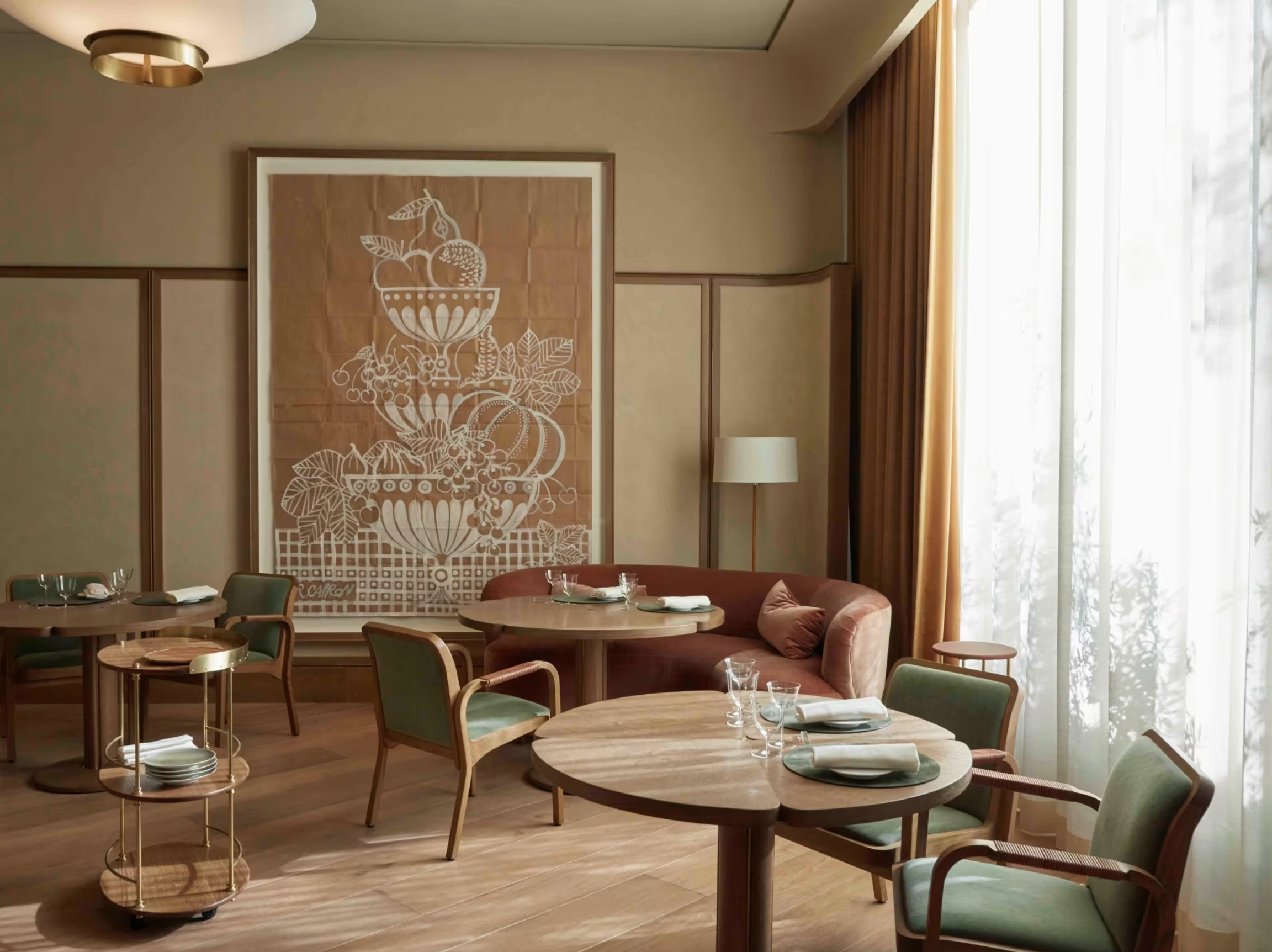
Restaurants in San Francisco
Browse all →
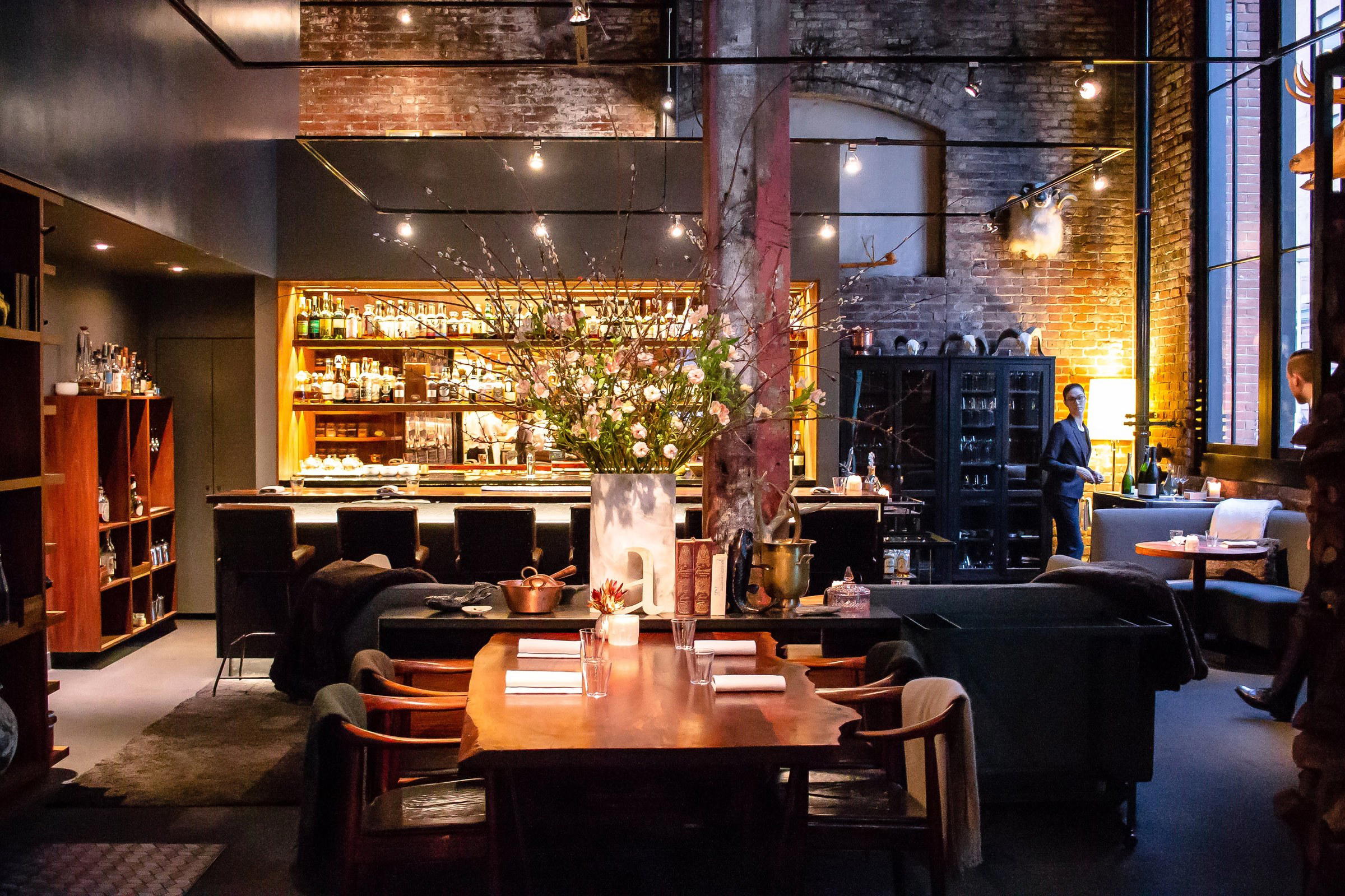
Bars in San Francisco
Browse all →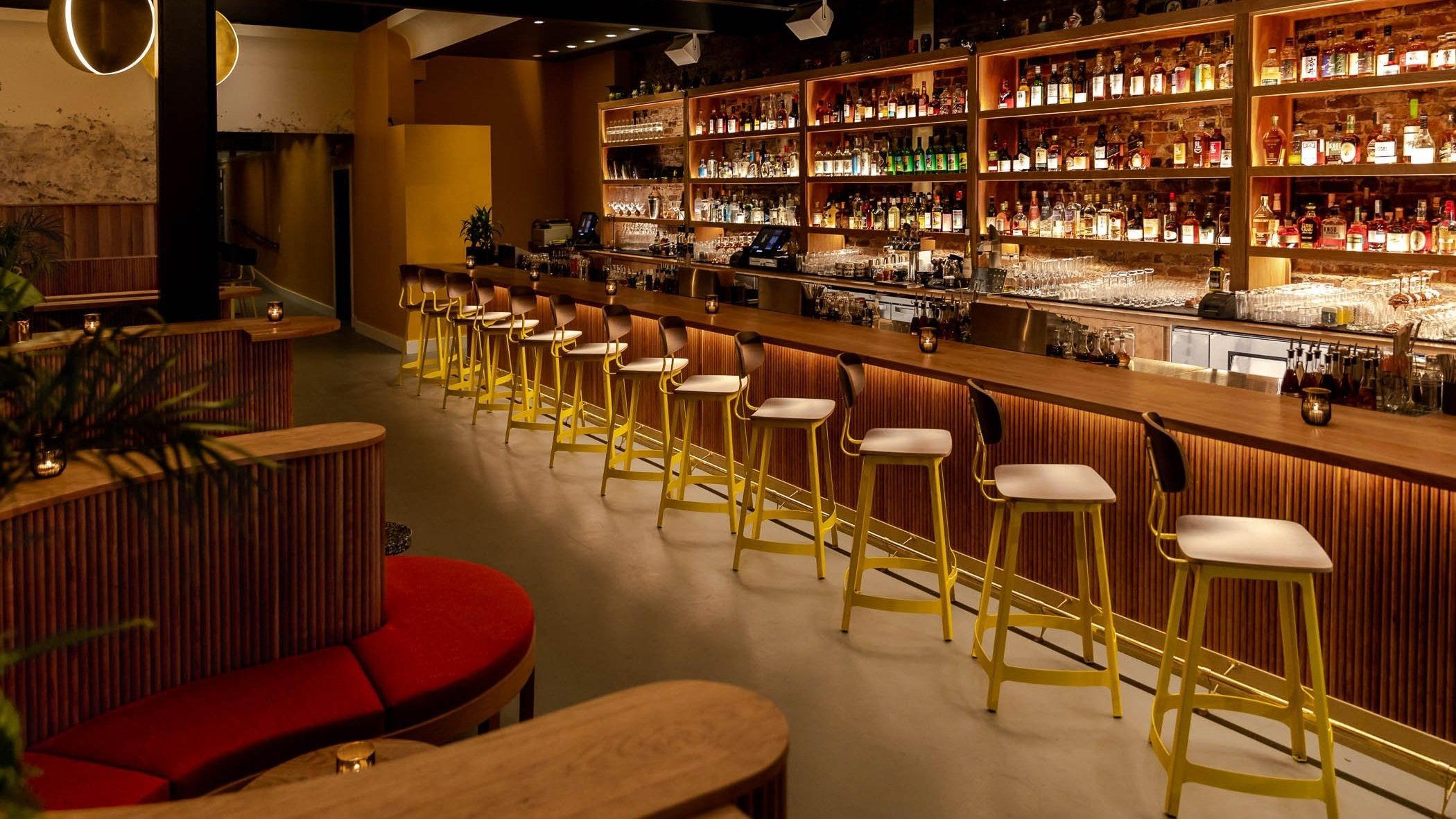
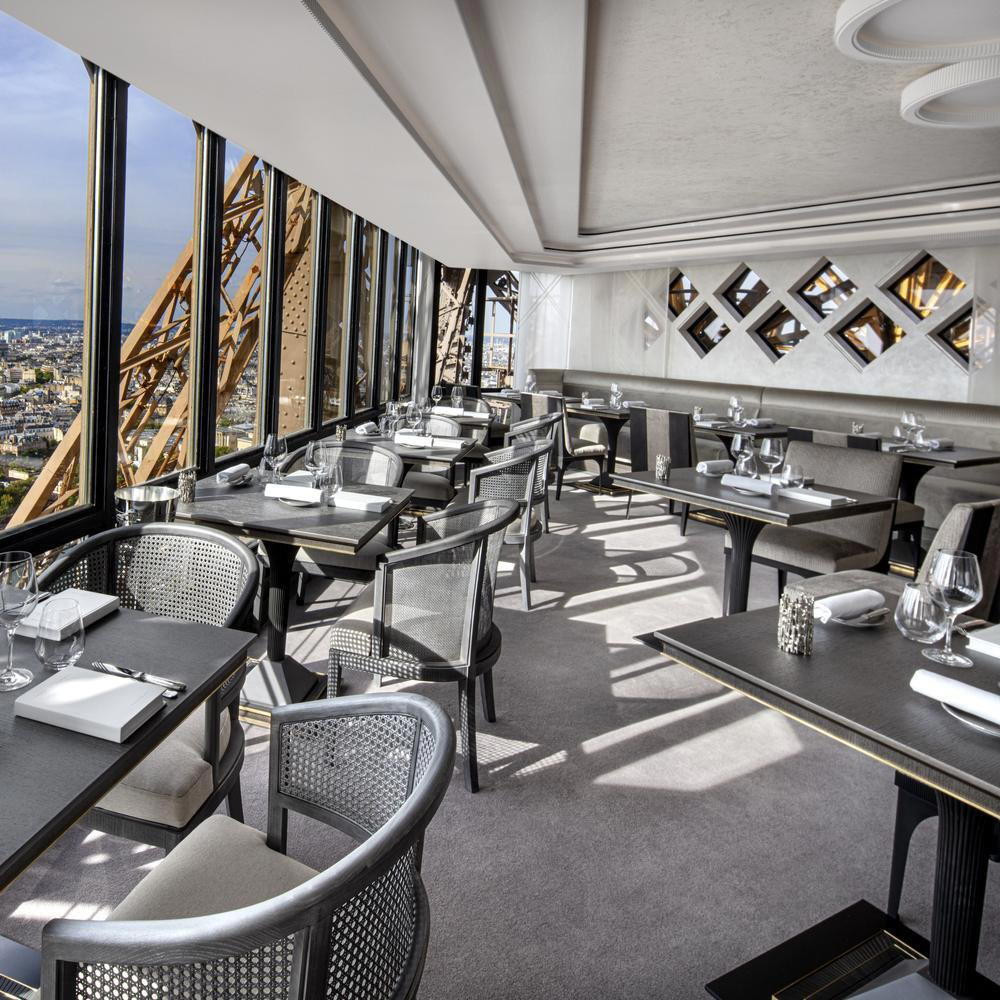
Hotels in San Francisco
Browse all →
At a Glance
- Elegant
- Sophisticated
- Ornate
- Whimsical
- Date Night
- Group Dining
- Happy Hour
- Celebration
- Private Dining
- Craft Cocktails
- Local Sourcing
Current opening hours
- Monday
- 4–11 PM
- Tuesday
- 4–11 PM
- Wednesday
- 11 AM–11 PM
- Thursday
- 11 AM–12 AM
- Friday
- 11 AM–12 AM
- Saturday
- 11 AM–12 AM
- Sunday
- 11 AM–11 PM
Hours can change for holidays and private events. Last verified .
Ornate 1920s Great Gatsby-inspired atmosphere with crystal chandeliers, black-and-white tiled floors, and lively energy well-suited for happy hours and celebrations.