Bella Trento
Bella Trento occupies the Km Três corridor on the western edge of Santa Maria, where the Italian colonial heritage of Rio Grande do Sul shapes how the region thinks about food and provenance. The restaurant draws on that tradition in a city whose dining scene runs from Italian-inflected cantinas to contemporary Brazilian formats. Visitors to Santa Maria with an interest in regional sourcing and local culinary lineage will find it a useful reference point.
Pearl is the En Primeur Club membership app — saves, bookings, and concierge access live there. Same editors, same standards.
- Address
- Av. João Luiz Pozzobon, 1599 - Km Três, Santa Maria - RS, 97095-465, Brazil
- Phone
- +555532239229
- Website
- delivery.bellatrento.com.br
- Directions
- Get directions
 Saves & bookings on Pearl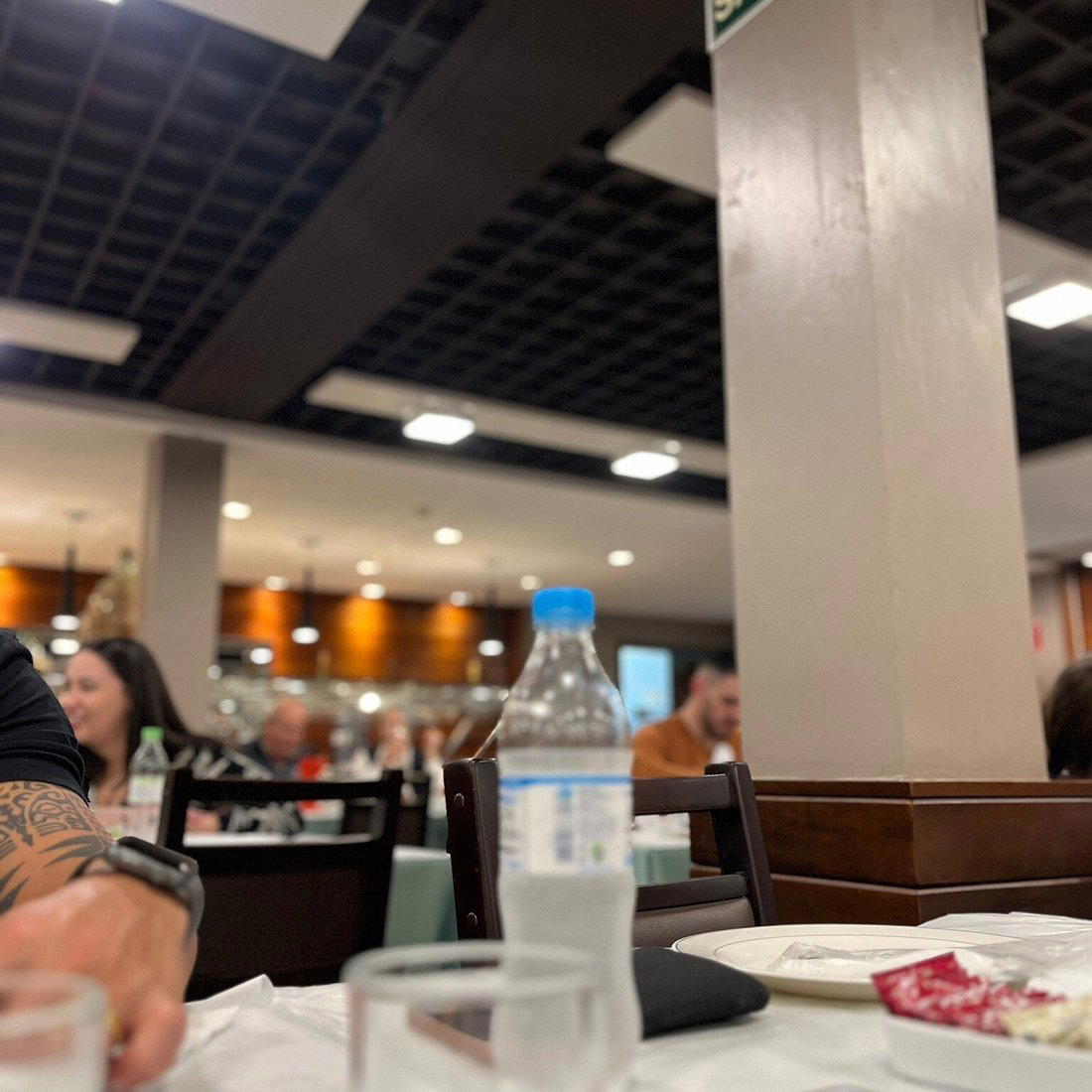
Where Rio Grande do Sul's Italian Roots Meet the Table
The western stretch of Avenida João Luiz Pozzobon, out past the Km Três mark on Santa Maria's edge, does not announce itself as a dining destination. The approach is functional: a broad state highway, low commercial sprawl, and then, set back from the road, Bella Trento. That address tells you something immediate about the restaurant's orientation. It is not positioning for foot traffic or a downtown lunch crowd. It is the kind of place that people drive to with intent, which in a mid-sized Gaucho city like Santa Maria tends to mean the food has earned the trip.
Santa Maria sits within Rio Grande do Sul, the Brazilian state whose southern European immigrant heritage runs deepest. The serra gaúcha — the highland corridor stretching from Caxias do Sul through Bento Gonçalves — is better known internationally for its Italian-descended cantinas and its emerging wine production, but the food culture of that tradition extends well into the broader state. In Santa Maria, Italian-inflected cooking shares the table with churrasco, German-Brazilian kolonie food, and increasingly, the kind of regional sourcing awareness that has reshaped how serious restaurants across Brazil think about their supply chains. For context on how that conversation is playing out at the sharp end of Brazilian fine dining, Oteque in Rio de Janeiro and D.O.M. in São Paulo have spent years framing the argument around native ingredients and local producers. In Rio Grande do Sul, the equivalent conversation happens at a regional scale, where cantina-format restaurants often hold the most direct relationship with local agriculture.
The Sourcing Argument in Southern Brazilian Cooking
The name Trento is not incidental. Trentino, the northeastern Italian region, supplied a significant wave of immigrants to Rio Grande do Sul in the late nineteenth century, and their descendants shaped the food culture of the serra and, by extension, the wider state. What that heritage produced, over generations, was a practical relationship with the land: preserved meats, hand-made pasta, slow-cooked braises, and vegetables grown close to the kitchen. The cantina tradition in Rio Grande do Sul is as much an agricultural model as a culinary one.
That context matters when assessing what a restaurant named for Trento, positioned outside the city centre of Santa Maria, is likely doing well. The Gaucho south has a functioning small-farm network that supplies polenta, cured pork, fresh pasta ingredients, and seasonal vegetables through channels that larger Brazilian cities often lack. Restaurants in this tradition are not importing their identity through a menu concept; they are drawing on supply relationships that have operated for decades. Compare that to Birosca S2 in Belo Horizonte or Orixás | North Restaurant in Itacaré, both of which have built reputations around direct producer relationships within their respective regions. The impulse is the same; the ingredient set is different.
Within Santa Maria itself, the restaurant sits alongside a small set of dining options that cover different registers. Cantina Pozzobon occupies similar Italian-heritage territory, while Ichiban Japanese Restaurant, Na Brasa Burger, and Vietnamese Restaurant represent the city's more international registers. Bella Trento's positioning on the city's outskirts, with a name grounded in regional immigrant history, places it firmly in the cantina-adjacent bracket, where the editorial interest lies less in innovation and more in fidelity to a food tradition with genuine local roots.
The Broader Rio Grande do Sul Dining Picture
Visitors arriving in Santa Maria from the serra gaúcha's better-known dining corridor, or from destinations like Primrose in Gramado or Castelo Saint Andrews in Vale do Bosque, will find a different register in Santa Maria. Gramado and the surrounding highlands have developed a tourism-facing hospitality industry; Santa Maria functions as a university city and regional hub, which produces a dining scene that is less curated but often more authentic in its relationship to everyday Gaucho food culture. That is not a consolation; it is a different value proposition.
The Italian-Brazilian cantina format, at its finest, is about abundance without waste: pasta made from flour milled nearby, sauces built from pork fat and local tomatoes, wine chosen for the table rather than the list. The south of Brazil has been producing its own wines since the early twentieth century, and while the fine-wine conversation in Brazil now extends to newer appellations like the Vale do São Francisco, Rio Grande do Sul remains the state where the everyday wine culture at table feels most embedded. Restaurants like Olivetto Restaurante E Enoteca in Campinas or Mina in Campos do Jordão operate in more refined enoteca formats, but the baseline wine literacy in the Gaucho south is often higher at the everyday cantina level. For a broader view of the national dining conversation, our full Santa Maria restaurants guide maps how the city's options distribute across cuisine type and price point.
Planning a Visit
Bella Trento is located at Av. João Luiz Pozzobon, 1599, in the Km Três district on Santa Maria's western periphery. A car or rideshare from the city centre is the practical option; this is not a neighbourhood that rewards walking from the main commercial districts. For reference on how Santa Maria's restaurant scene compares to broader Brazilian dining, Manu in Curitiba and Manga in Salvador represent the kind of regional restaurant seriousness that the south of Brazil is increasingly capable of producing at the right address.
Continue exploring
More in Santa Maria
Restaurants in Santa Maria
Browse all →
At a Glance
- Lively
- Classic
- Group Dining
- Family
- Casual Hangout
- Open Kitchen
Current opening hours
- Monday
- Closed
- Tuesday
- 11:15 AM–2:15 PM, 7–11 PM
- Wednesday
- 11:15 AM–2:15 PM, 7–11 PM
- Thursday
- 11:15 AM–2:15 PM, 7–11 PM
- Friday
- 11:15 AM–2:15 PM, 7–11 PM
- Saturday
- 11:15 AM–3 PM, 7–11 PM
- Sunday
- 11:15 AM–3 PM, 7–11 PM
Hours can change for holidays and private events. Last verified .
Casual and bustling atmosphere typical of a popular pizza rodizio spot, with lively service and focus on abundant food offerings.
Know Before You Go
- Getting there
- Av. João Luiz Pozzobon, 1599 - Km Três, Santa Maria - RS, 97095-465, Brazil