Ichiban Japanese Restaurant
Ichiban Japanese Restaurant occupies a strip-mall address on South Broadway in Santa Maria, California, placing Japanese cooking inside a Central Coast city better known for its strawberry fields and wine-country proximity than its Asian dining scene. The restaurant serves a local community that has few alternatives for Japanese food at this end of the 101 corridor, making it a reliable fixture in a thin market segment.
Pearl is the En Primeur Club membership app — saves, bookings, and concierge access live there. Same editors, same standards.
- Address
- 2011 S Broadway # L, Santa Maria, CA 93454
- Phone
- +18056149808
- Website
- ichibansushi.top
- Directions
- Get directions
 Saves & bookings on Pearl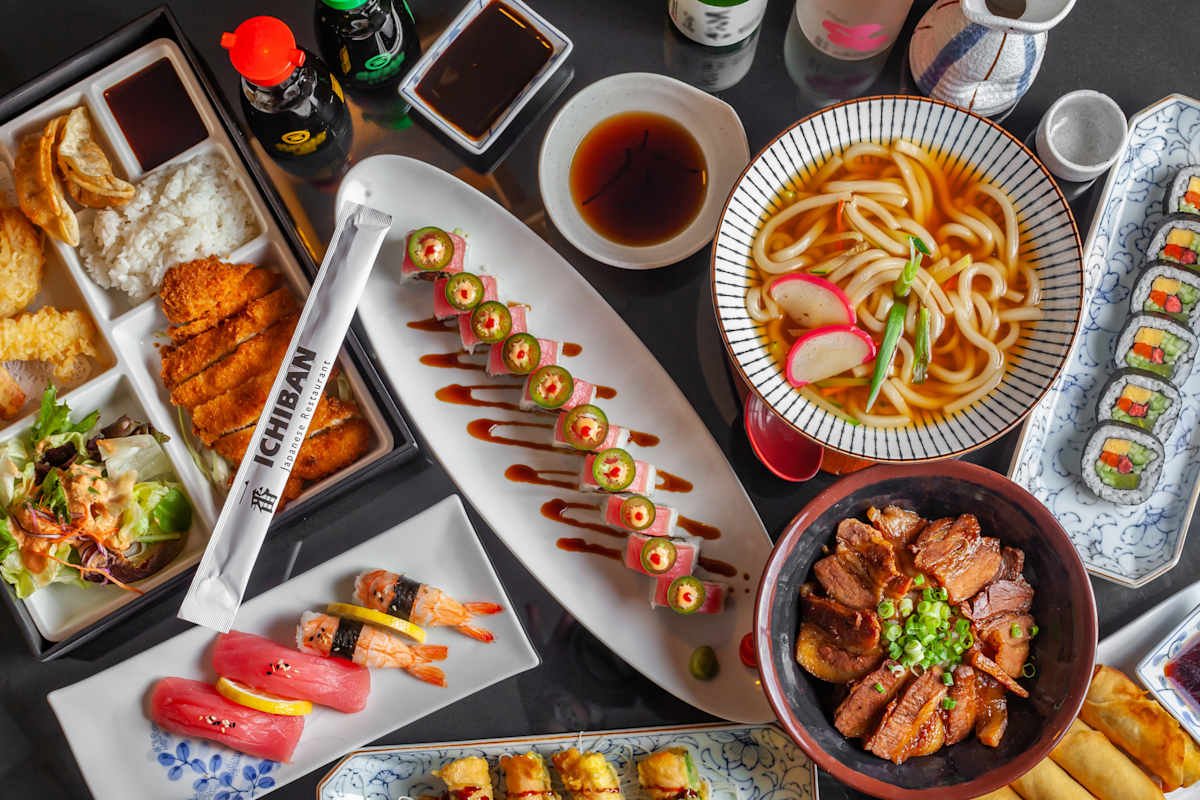
Japanese Food on the Central Coast: Context Before the Chopsticks
Santa Maria sits at an agricultural crossroads. The city's surrounding fields produce strawberries, broccoli, and wine grapes at commercial scale, feeding supply chains that reach well beyond California. What the city does not have, at least not in abundance, is a deep bench of Japanese restaurants. The corridor between San Luis Obispo and Santa Barbara thins out quickly when you are looking for anything beyond the casual sushi-and-teriyaki format, which makes any established Japanese address worth placing carefully in that local context.
Ichiban Japanese Restaurant at 2011 S Broadway operates in a strip-mall setting that is entirely typical of how Japanese food found its footing in mid-sized American cities during the 1980s and 1990s. That format, the plaza unit with modest signage, tells you something about the economic logic of Japanese dining outside major metropolitan markets: lower overhead, higher tenure, and a clientele built on repetition rather than novelty. In a city like Santa Maria, that profile often signals a kitchen that has been cooking for the same regulars for years, adjusting to local palate without abandoning core technique.
Ingredient Sourcing in an Agricultural City
The ingredient question is worth pausing on, because Santa Maria's food geography creates an unusual set of conditions. The Central Coast is not short of quality produce. The Lompoc Valley and the Santa Maria Valley collectively generate agricultural output that supplies premium restaurant kitchens as far north as San Francisco, including operations like Single Thread Farm in Healdsburg and Blue Hill at Stone Barns in Tarrytown, both of which build their culinary identity explicitly around provenance. A Japanese kitchen in Santa Maria, even one operating at a neighbourhood price point, sits within reach of some of the leading seasonal produce in the American West.
Whether a given restaurant chooses to prioritise that proximity is a separate question. Japanese cuisine in its traditional form already carries a strong sourcing philosophy: the concept of shun, or seasonal ingredients at their peak, is embedded in the cooking culture long before farm-to-table became a marketing category in the United States. A kitchen that respects that philosophy, even informally, benefits from its Santa Maria address more than a comparable kitchen in a landlocked city with fewer agricultural options. The strawberry fields visible from the highway are not incidental to the food conversation here; they are part of the regional larder.
Seafood sourcing follows a different logic. California's Pacific coast provides access to Dungeness crab, local halibut, and albacore tuna through regional distributors, though the quality and frequency of those sourcing relationships vary considerably between restaurant tiers. Destination-level Japanese kitchens in California, such as Providence in Los Angeles, build their identity partly on direct supplier relationships for fish. A neighbourhood Japanese restaurant in Santa Maria operates further down that supply chain, typically through wholesale distributors, which means the sourcing conversation is less about direct procurement and more about what a kitchen selects and how it handles what arrives.
Santa Maria's Dining Scene: Where Japanese Fits
Santa Maria's restaurant mix is weighted toward casual American, Mexican, and barbecue formats, the last of which is genuinely distinctive: Santa Maria-style barbecue, cooked over red oak and served with pinquito beans, is a regional tradition with real historical depth, not a marketing construct. Within that context, Japanese food occupies a quieter niche. The dining strip along Broadway and the surrounding commercial corridors includes a scatter of international options, among them Vietnamese Restaurant and Italian options like Bella Trento and Cantina Pozzobon. Na Brasa Burger represents the casual end of the spectrum. Japanese dining at Ichiban competes for a share of a mid-week dinner market that is not especially large, which tends to produce either a very focused menu or a broad one designed to reduce any reason to go elsewhere.
For comparison, Japanese restaurants in cities with larger Japanese-American communities, such as Los Angeles or San Francisco's Japantown, often specialise tightly: one counter for omakase, another for ramen, another for yakitori. In Santa Maria, a single Japanese restaurant is more likely to offer range than depth, covering sushi, cooked dishes, and noodles under one menu. That breadth is a structural response to market size, not a culinary compromise.
The Broader American Japanese Dining Conversation
Japanese cuisine currently sits at two ends of the American market simultaneously. At the high end, counter-format omakase has pushed into a price tier that rivals tasting menus at Alinea in Chicago or The French Laundry in Napa. Korean fine dining, at places like Atomix in New York City, has pushed East Asian cuisine further into the prestige tier alongside Japanese. At the neighbourhood end, Japanese food remains one of the more accessible international cuisines in American cities, with a comfort-food register that travels well across demographics.
Ichiban operates clearly in that neighbourhood register rather than the prestige one. That is not a criticism; most diners in Santa Maria on a Tuesday evening are not looking for the level of ceremony attached to a reservation at Le Bernardin in New York City or Addison in San Diego. They are looking for well-executed food at a reasonable price, served without theatre. For the reader building a week of dining in the area, Ichiban fills a specific gap in Santa Maria's international dining coverage.
For a broader picture of where to eat across the city, the full Santa Maria restaurants guide maps the dining options by format and neighbourhood.
Planning a Visit
Ichiban is located at 2011 S Broadway, Suite L, in a commercial plaza on the southern end of the Broadway corridor in Santa Maria. The strip-mall format means parking is direct and walk-in access is generally easier than at destination restaurants with advance booking requirements. For confirmation of current hours, seasonal closures, and any reservation options, contacting the restaurant directly or checking current listings is the safest approach, as operational details can shift without notice and no booking data is confirmed in this record. Visitors coming from the wine country around Los Olivos or Buellton pass through Santa Maria on the 101, making Ichiban a practical stop rather than a detour.
How Ichiban Japanese Restaurant Santa Maria compares with similar nearby venues.
| Venue | Cuisine | Price |
|---|---|---|
| Jocko Steakhouse | Santa Maria Barbecue | Not listed |
| Bell's | French | $$ |
Continue exploring
More in Santa Maria
Restaurants in Santa Maria
Browse all →
Bars in Santa Maria
Browse all →
Hotels in Santa Maria
Browse all →
At a Glance
- Cozy
- Casual Hangout
- Family
- Sake Program
Current opening hours
- Monday
- 11:30 AM–2 PM, 5–9 PM
- Tuesday
- 11:30 AM–2 PM, 5–9 PM
- Wednesday
- 11:30 AM–2 PM, 5–9 PM
- Thursday
- 11:30 AM–2 PM, 5–9 PM
- Friday
- 11:30 AM–2 PM, 5–9 PM
- Saturday
- 5–9 PM
- Sunday
- Closed
Hours can change for holidays and private events. Last verified .
Warm and inviting atmosphere focused on authentic Japanese dining.
Know Before You Go
- Getting there
- 2011 S Broadway # L, Santa Maria, CA 93454