Au Cœur Couronné sits at 6 Rue de la Ferronnerie in Paris's 1st arrondissement, steps from the historic Les Innocents quarter. The address places it inside one of the city's oldest and most storied dining corridors, where the weight of French culinary tradition is felt in the architecture as much as the plate.
Pearl is the En Primeur Club membership app — saves, bookings, and concierge access live there. Same editors, same standards.
- Address
- 6 Rue de la Ferronnerie, 9 Rue des Innocents, 75001 Paris, France
- Phone
- +33974640237
- Website
- aucoeurcouronne.fr
- Directions
- Get directions
 Saves & bookings on Pearl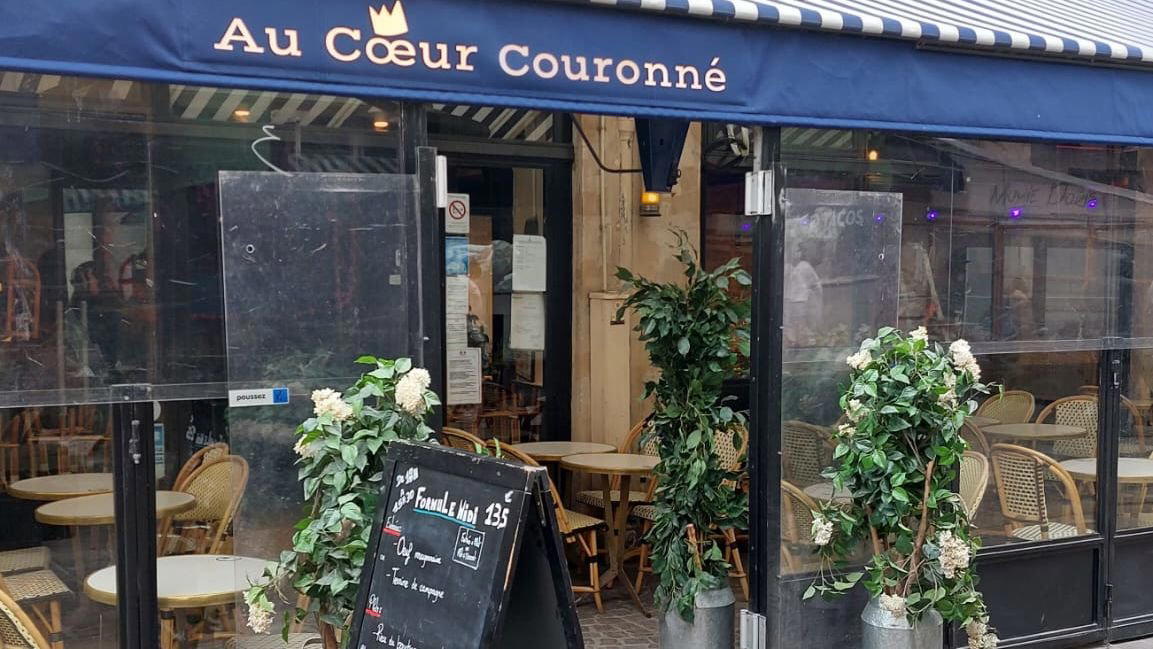
Where the 1st Arrondissement Still Remembers Its Past
The streets around Rue de la Ferronnerie carry a particular kind of gravity in Paris. This is among the oldest continuously inhabited quarters of the city, a district where medieval ironmongers once traded and where the geometry of narrow lanes has barely shifted in centuries. The address shared by Au Cœur Couronné, stretching across both Rue de la Ferronnerie and the adjacent Rue des Innocents, places the venue inside a corridor that predates the Haussmann boulevards by several hundred years. In a city where dining rooms frequently trade on heritage, this one arrives with the genuine article already embedded in the stonework outside.
That physical context shapes how any table here is experienced before a single dish arrives. The 1st arrondissement around Les Halles and the former Marché des Innocents has long oscillated between tourist-facing convenience and genuine culinary seriousness. What distinguishes the latter from the former in this part of Paris is largely a question of intention: whether a kitchen is speaking to the neighbourhood's deep French larder tradition or simply occupying its geography. Au Cœur Couronné occupies a position on that spectrum that warrants attention.
The Cultural Weight of the Address
French classic cuisine, as it has evolved from the post-Escoffier canon through the regional rebellions of nouvelle cuisine and into today's more pluralist moment, has always been in dialogue with place. The restaurants that matter in this tradition, from L'Ambroisie on Place des Vosges to Alléno Paris au Pavillon Ledoyen on the Champs-Élysées edge, are inseparable from the architectural settings that give them meaning. The 1st arrondissement's particular contribution to that tradition is its density: within a few hundred metres, you are walking the same ground as the city's earliest market culture, its oldest guild streets, and the culinary infrastructure that fed Paris before refrigeration made seasonality optional.
That context matters to how a venue in this location should be read. The French kitchen at its most serious has always been rooted in provenance, where the ingredients come from, how the regional identity of a dish maps onto the geography of the cook. Across France, that conversation plays out at different scales: at Bras in Laguiole, it is an almost philosophical engagement with the Aubrac plateau; at Auberge de l'Ill in Illhaeusern, it is the accumulated weight of Alsatian technique across generations. In Paris itself, the conversation is more compressed, the city is the provenance, and the neighbourhood is often the specific claim a kitchen can make.
Paris's 1st Arrondissement in the Current Dining Picture
The dining tier that occupies the upper-middle register of Paris, above the neighbourhood bistro, below the full ceremony of a multi-Michelin room, is where most serious decisions about the city's food culture actually happen. At the summit of the Paris market, venues like Le Cinq at the Four Seasons George V and Arpège operate at price points and ceremony levels that filter the room before service begins. Slightly below that, and far more interesting for the texture of the city's actual dining life, is a group of kitchens that price at the middle-high range without the full institutional weight, rooms where the cooking is the point rather than the occasion.
Within that tier, the 1st arrondissement competes with the 6th, the 7th, and increasingly the 11th for serious attention. The neighbourhood's challenge is that the heavy tourist infrastructure around Les Halles creates a noise floor of convenience dining that any serious kitchen has to distinguish itself from. Venues that succeed here tend to do so through a combination of format discipline and cooking that has a clear point of view, the same qualities that separate, at the French regional level, a place like Flocons de Sel in Megève from the alpine resort dining around it.
For international context, the French culinary tradition that a Paris address like this one draws from has shown its reach at places like Le Bernardin in New York City, where classical French rigour applied to seafood has sustained multi-decade relevance. The discipline of that tradition, the insistence on technique as a foundation rather than an end, is precisely what distinguishes the serious tier of Paris dining from its more decorative competitors.
What the Address Implies for the Current Season
The area around Rue de la Ferronnerie is at its most navigable in spring and autumn, when the tourist density of Les Halles drops to levels where the older street rhythm reasserts itself. The proximity to the Rue des Innocents, the former site of one of Paris's great medieval cemeteries, later transformed into a market, gives the immediate neighbourhood a particular late-evening quiet that the broader Les Halles grid does not share. For a dinner reservation in this district, the months between mid-September and mid-November offer the combination of seasonal kitchen energy and a more measured street-level experience than the summer peak.
Across France, autumn is when serious kitchens receive their most interesting raw material: game from the hunt, fungi from the forest floor, the last of the summer stone fruit giving way to quince and pear. The kitchens that take those seasonal signals seriously, from Troisgros in Ouches to Mirazur in Menton, tend to show the clearest difference between their autumn and summer menus. Whether Au Cœur Couronné programmes its kitchen to that seasonal rhythm remains an open question.
Planning Your Visit
Specific booking method, hours, and price range for Au Cœur Couronné are not confirmed in current public records.
| Venue | Price Tier | Format | Cuisine Approach |
|---|---|---|---|
| The restaurant | Not confirmed | Not confirmed | Not confirmed |
| Kei | €€€€ | Tasting menu | Contemporary French / Modern |
| L'Ambroisie | €€€€ | À la carte | French Classic |
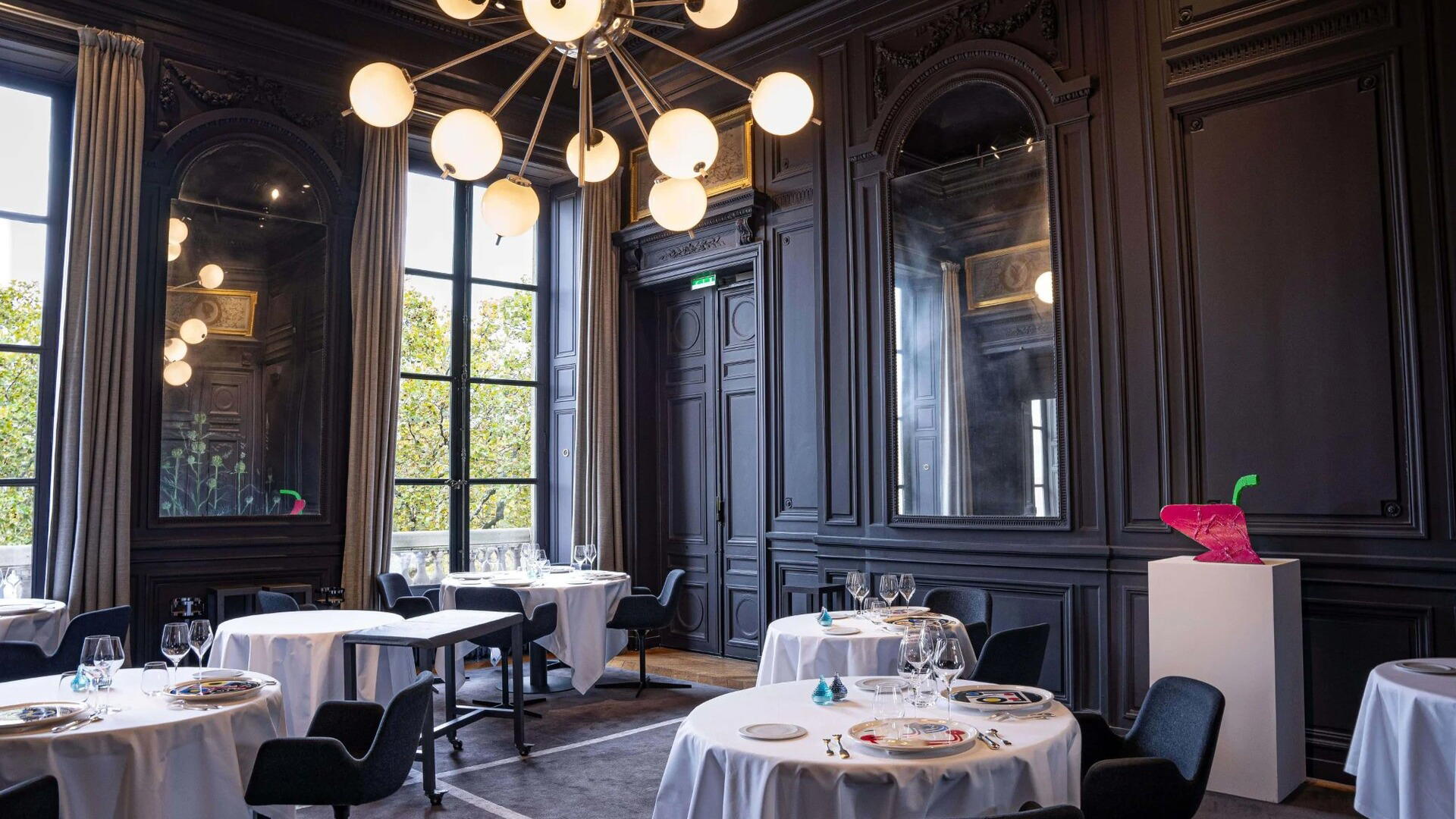
| Le Cinq | €€€€ | Tasting / à la carte | French Modern |
For the broader Paris dining picture, see our full Paris restaurants guide. For regional French context, the programmes at Les Prés d'Eugénie in Eugénie-les-Bains, Georges Blanc in Vonnas, Auberge du Vieux Puits in Fontjoncouse, La Table du Castellet, and Paul Bocuse at Collonges-au-Mont-d'Or offer comparison points for how the French classical tradition operates outside the capital. For an alternative approach to community-led tasting format dining, Lazy Bear in San Francisco provides a useful transatlantic counterpoint.
Nearby-ish Comparables
Comparable venues nearby, for context on price, style, and recognition.
| Venue | Cuisine | Price | Notes |
|---|---|---|---|
| Au Cœur CouronnéThis venue — the venue you are viewing | French Brasserie | $$ | Not listed |
| Groot | French Street Food Pies | $$ | Sentier |
| Lobineau | French Seafood | $$ | Saint-Germain-des-Prés |
| Maison Perchée | French Bistro with Mediterranean Touches | $$ | 5e arrondissement |
| Chanceux | Gourmet Sandwiches & Café | $$ | Latin Quarter |
| LE PINCEAU | Seasonal French Bistro | $$ | Belleville |
Continue exploring
More in Paris
Restaurants in Paris
Browse all →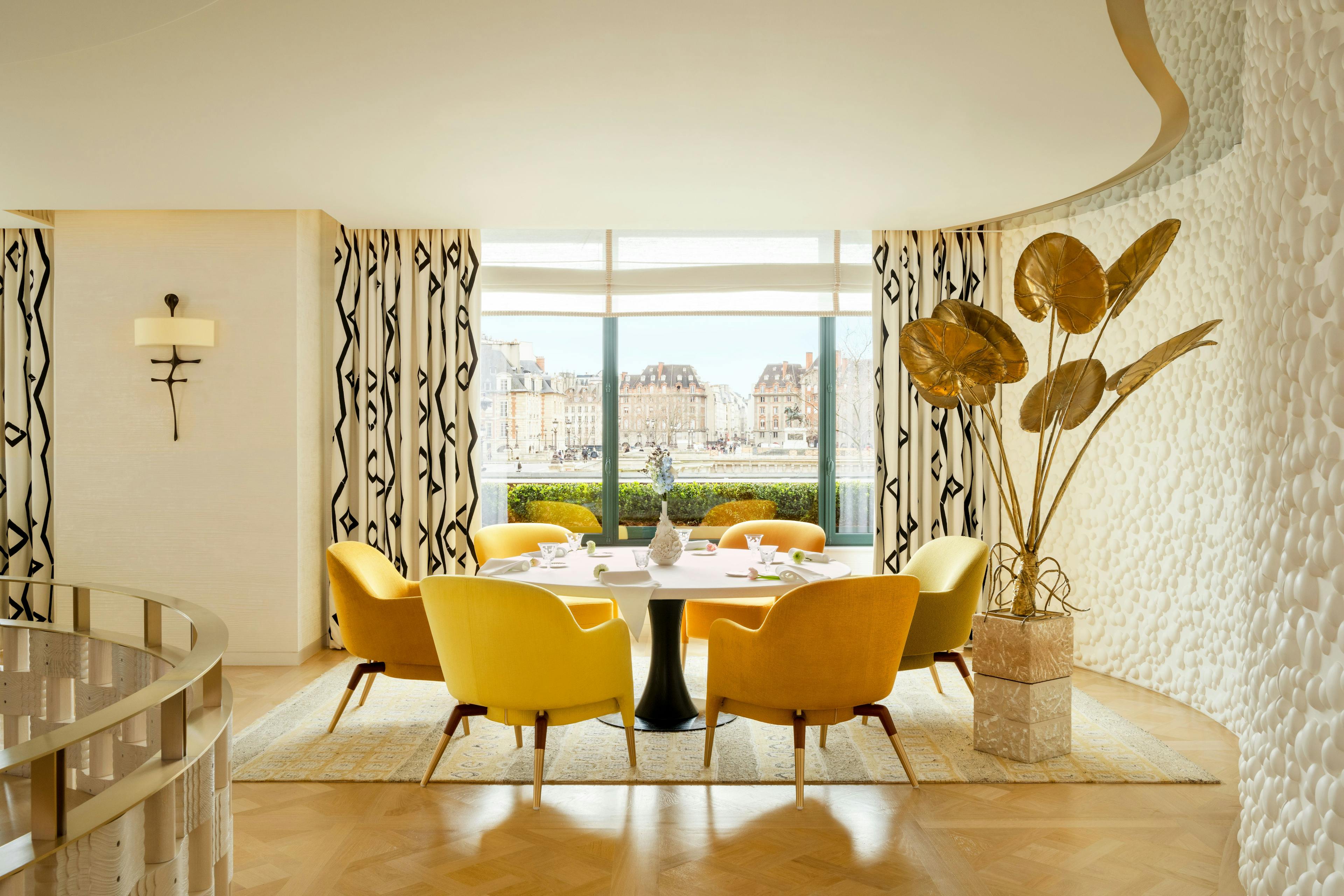
Bars in Paris
Browse all →
Hotels in Paris
Browse all →
At a Glance
- Lively
- Trendy
- Cozy
- Casual Hangout
- After Work
- Brunch
- Terrace
- Craft Cocktails
- Street Scene
Current opening hours
- Monday
- 11 AM–11:45 PM
- Tuesday
- 11 AM–11:45 PM
- Wednesday
- 11 AM–11:45 PM
- Thursday
- 11 AM–1:45 AM
- Friday
- 11 AM–1:45 AM
- Saturday
- 10 AM–1:45 AM
- Sunday
- 10 AM–11:30 PM
Hours can change for holidays and private events. Last verified .
Modern and warm interior with a chic bistro vibe and animated terrace atmosphere.