Located at 8 Rue de Maubeuge in Paris's 9th arrondissement, Pristine sits within a neighbourhood that has become a reference point for serious dining away from the grand boulevard institutions. The address places it among a cohort of Paris restaurants where technique and sourcing carry more weight than formal room credentials. Advance planning is advisable for this part of the city's dining circuit.
Pearl is the En Primeur Club membership app — saves, bookings, and concierge access live there. Same editors, same standards.
- Address
- 8 Rue de Maubeuge, 75009 Paris, France
- Phone
- +33955674754
- Website
- pristineparis.com
- Directions
- Get directions
 Saves & bookings on Pearl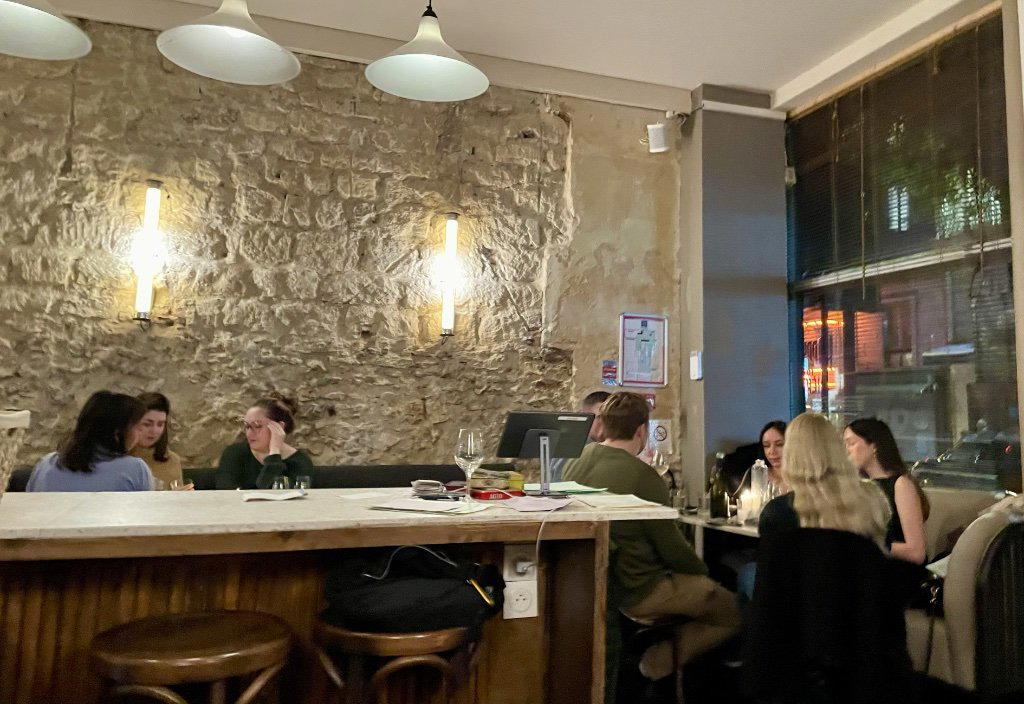
The 9th Arrondissement and the Shift in Paris Fine Dining
Paris fine dining has reorganised itself over the past decade. The traditional gravity centres — the 8th arrondissement palaces, the Left Bank temples — remain intact, with houses like Alléno Paris au Pavillon Ledoyen and Le Cinq at the Four Seasons Hôtel George V anchoring the upper tier in grand rooms with long institutional histories. But a parallel circuit has developed in the 9th and surrounding arrondissements, where smaller addresses operate without the overhead of chandeliered dining rooms and where the conversation tends to focus more directly on what arrives on the plate. Pristine, at 8 Rue de Maubeuge, occupies this newer tier.
The 9th sits between Montmartre to the north and the Grands Boulevards to the south, a district that mixes 19th-century Haussmann fabric with a denser, more neighbourhood-scaled street life than the formal 8th. For diners, this matters: the context shapes expectation. You are not arriving at a palace hotel annexe. You are arriving at a Paris address where the room's credentials are secondary to the kitchen's.
Local Ingredients, Global Technique: The Organising Logic of Contemporary Paris
The most consequential debate in French fine dining over the past generation has concerned the relationship between French product and non-French method. For much of the 20th century, classical technique, codified, hierarchical, rooted in the brigade system, was assumed to be the only legitimate frame for exceptional French ingredients. That assumption has fractured. Today, Paris contains kitchens that apply Japanese knife discipline, Scandinavian fermentation logic, or Latin American acid balance to Breton seafood, Périgord truffle, and Loire Valley vegetables. The results sit in a genuinely new category: neither fusion in the dismissive sense nor classical in the traditional one.
Kei, on the Right Bank, became one of the clearer markers of this shift, threading Japanese sensibility through a French product base in a way that earned three Michelin stars. Mirazur in Menton, at the French-Italian border, demonstrated that global biographical range in a chef could produce cooking with strong regional rootedness rather than rootlessness. These are the reference points against which Paris addresses working at the intersection of imported method and indigenous product are now read.
Pristine enters this conversation from the 9th, an arrondissement without the institutional dining weight of Place de la Madeleine or the quai-side prestige of the Left Bank. That positioning is itself a signal. Addresses in this part of Paris are chosen for proximity to markets, to smaller supplier networks, and to a clientele that tends to prioritise what is in the glass and on the plate over room spectacle.
France's Regional Kitchen as a Competitive Context
Any serious Paris address competes not only with its immediate neighbourhood peers but with the broader French fine dining circuit. The provincial houses set a high baseline: Troisgros in Ouches and Auberge de l'Ill in Illhaeusern represent decades-deep relationships between kitchen and terroir that Paris kitchens, by definition, must replicate through supply chain rather than geography. Bras in Laguiole built an international reputation on the singular premise that the Aubrac plateau was itself a creative vocabulary. Flocons de Sel in Megève and Auberge du Vieux Puits in Fontjoncouse operate in specific landscapes that anchor their sourcing in ways Paris cannot replicate.
What Paris can offer instead is access: to the widest range of French regional product arriving daily through the professional market system at Rungis, and to a concentration of technique, from classical training at L'Ambroisie and Arpège to the more disruptive approaches at houses like AM par Alexandre Mazzia in Marseille, whose influence has extended well beyond the South. The question for any Paris kitchen working at the local-global intersection is whether the sourcing relationships are deep enough to produce cooking that feels rooted rather than assembled.
Beyond France, the same structural question appears in international kitchens at the same tier. Le Bernardin in New York has spent decades demonstrating that classical French seafood discipline translates with full integrity across the Atlantic when the sourcing infrastructure is treated seriously. Atomix in New York works the opposite direction, bringing Korean fermentation and seasonal logic into a fine dining frame that reads fluently to a Western audience. Both models suggest that the intersection of imported method and local product is now a global organising principle, not a French exception.
Rue de Maubeuge: Reading the Address
8 Rue de Maubeuge is a specific location within the 9th: east of the main shopping arteries, close to the Cadet and Poissonnière areas, in a stretch that functions as a working Paris street rather than a dining destination in the way that the Palais-Royal gardens or the quais operate. Arriving here by foot from the Cadet metro station takes roughly five minutes. The Gare du Nord is within fifteen minutes on foot, which makes the address accessible from both the Eurostar terminus and the main northern rail hub, a practical consideration for visitors combining a Paris meal with onward travel.
This kind of address, away from the tourist-facing concentrations, tends to attract a predominantly French clientele on weekday evenings, with a higher proportion of international visitors at weekends. That mix shapes the room's register in ways that matter to first-time visitors: expect a room that is not performing for an audience but that functions at its own pace.
For planning purposes, Paris addresses at this level of seriousness, kitchens operating in the upper-middle tier between bistro ambition and three-star formality, typically require booking between two and six weeks ahead on weekdays and further ahead for prime Friday and Saturday slots. The addresses comparable to Pristine's positioning, including Assiette Champenoise in Reims and Au Crocodile in Strasbourg in regional terms, operate on similar booking horizons when demand is at its highest. Paul Bocuse's Auberge du Pont de Collonges remains the historical anchor of the French grand tradition, a useful reference point for understanding how much the centre of gravity in French fine dining has shifted toward addresses like this one.
How Pristine Paris compares with similar nearby venues.
| Venue | Cuisine | Price |
|---|---|---|
| Caillebotte | Modern Cuisine | €€ |
| Brion | Modern Cuisine | €€€ |
| La Condesa | Modern French, Mexican, Creative | €€€€ |

At a Glance
- Cozy
- Modern
- Intimate
- Date Night
- Casual Hangout
- Special Occasion
- Open Kitchen
- Natural Wine
- Local Sourcing
Current opening hours
- Monday
- 7–11 PM
- Tuesday
- 7–11 PM
- Wednesday
- 7–11 PM
- Thursday
- 12–2 PM, 7–11 PM
- Friday
- 12–2 PM, 7–11 PM
- Saturday
- 12–2 PM, 7–11 PM
- Sunday
- Closed
Hours can change for holidays and private events. Last verified .
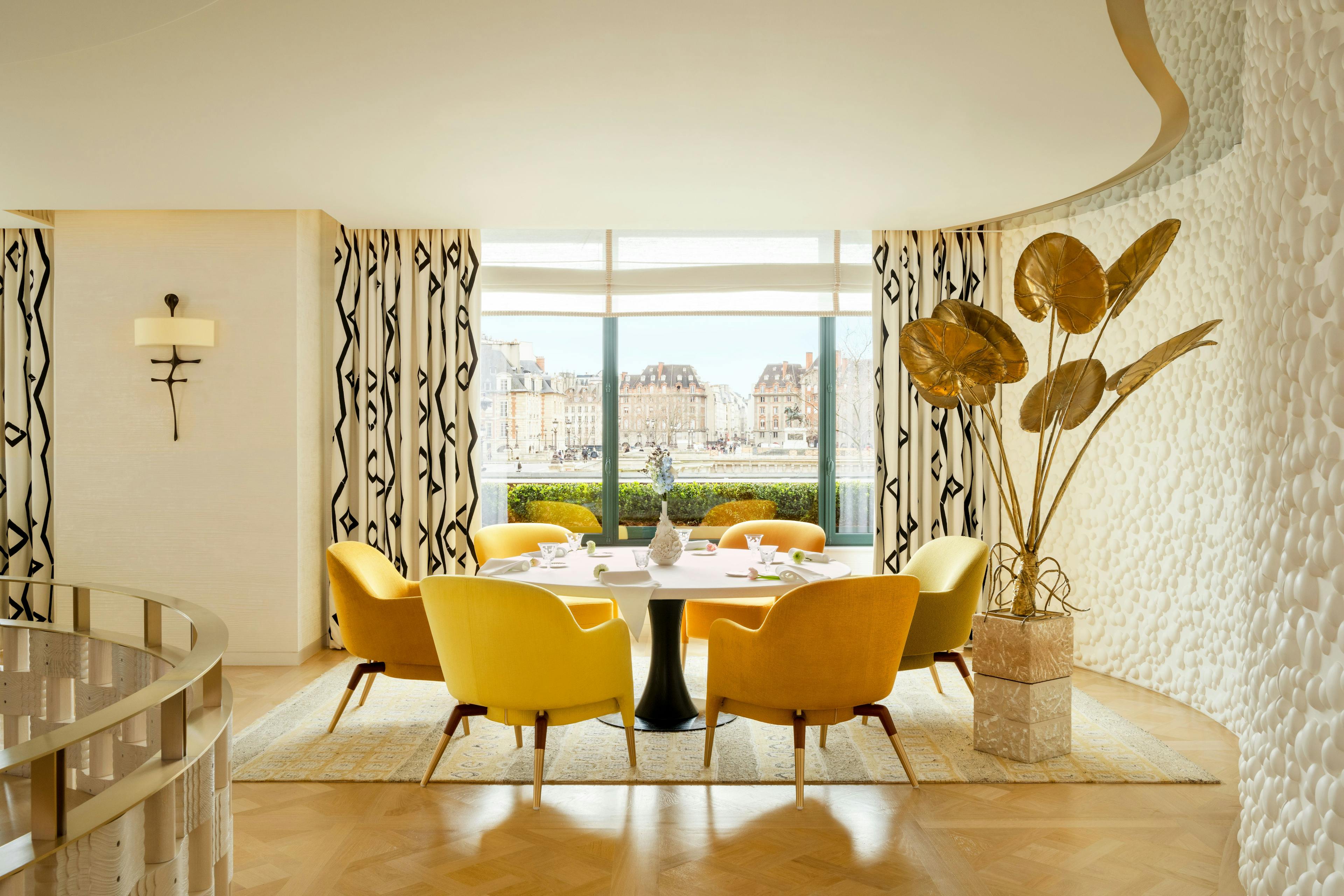
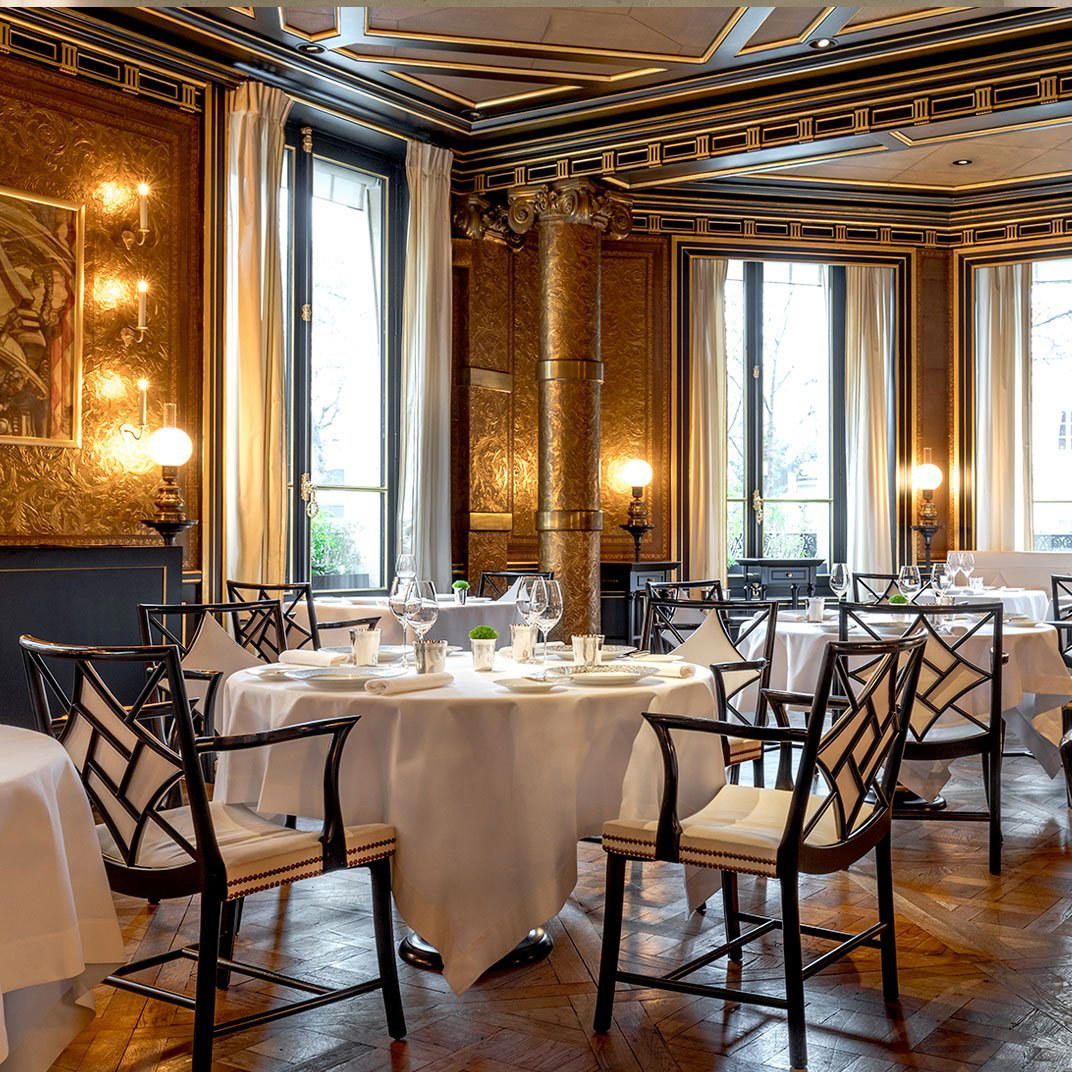
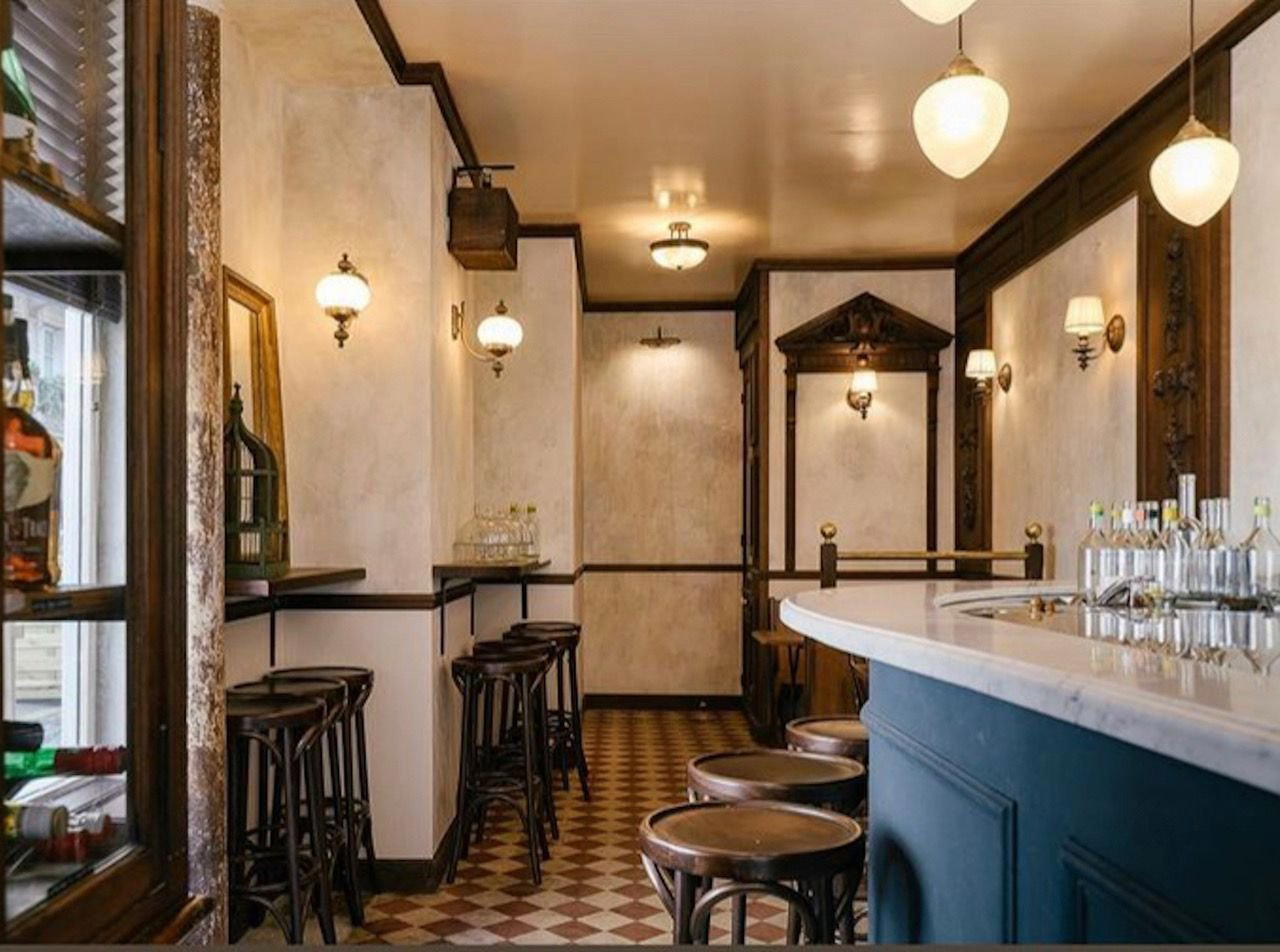
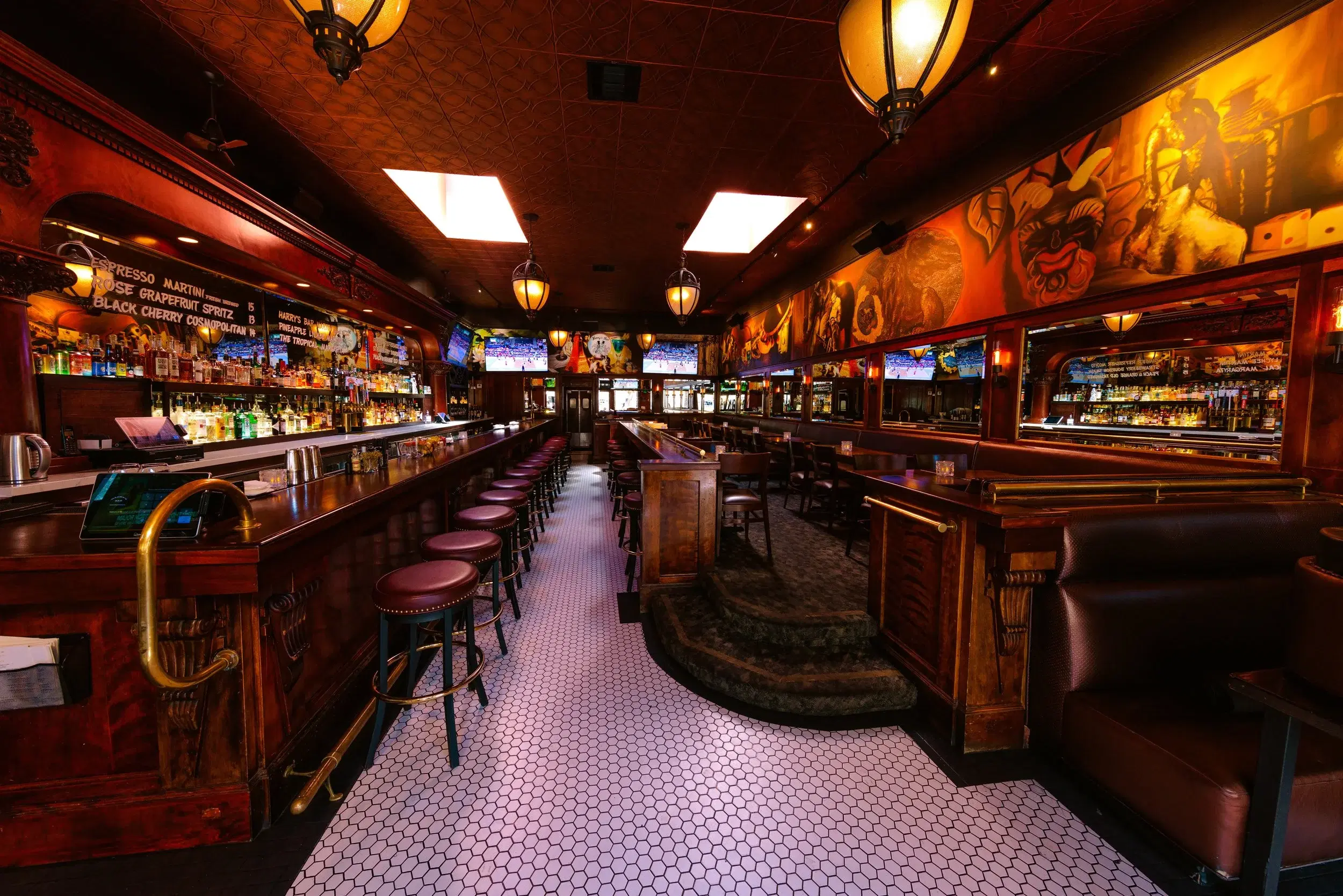
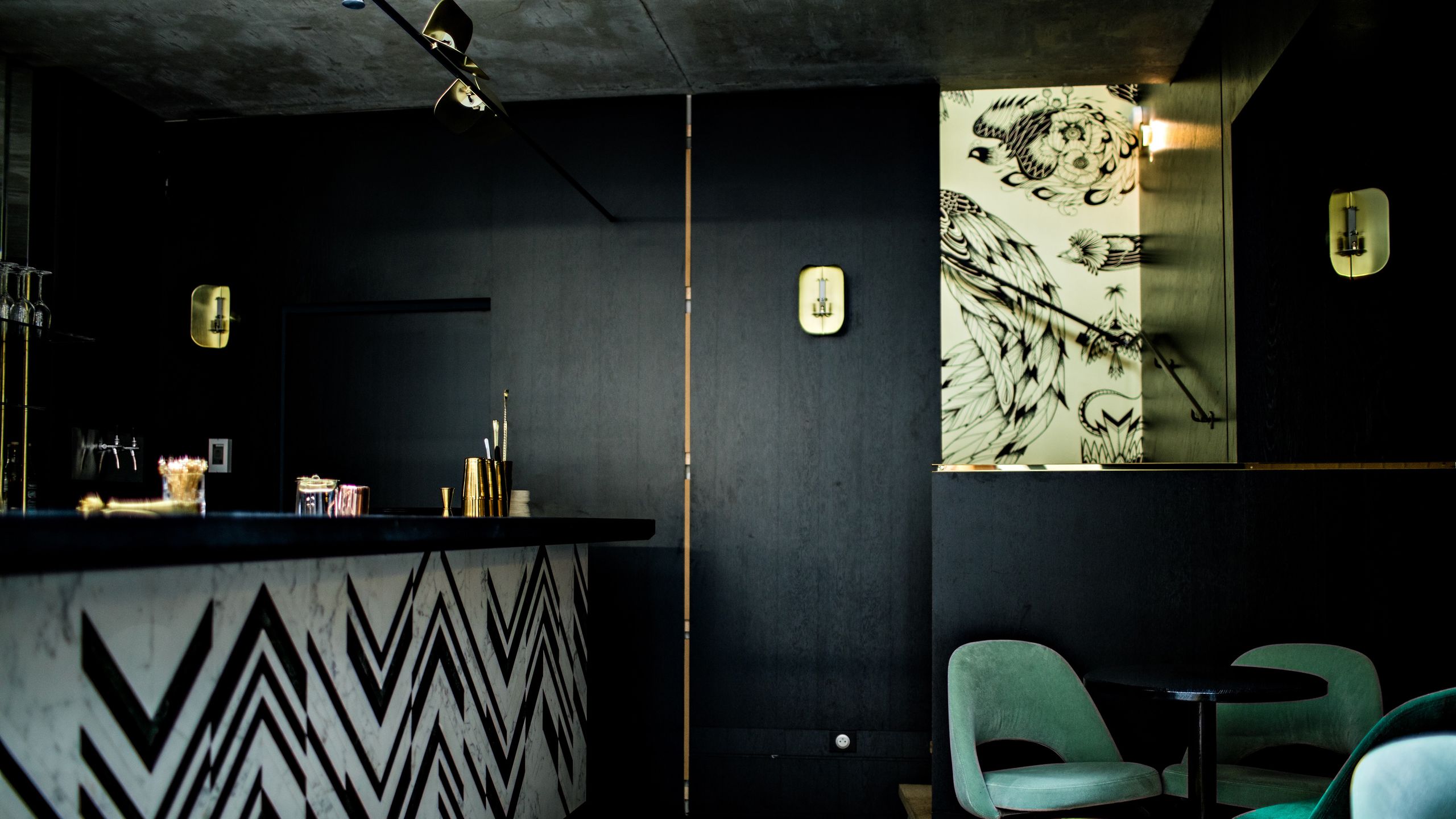
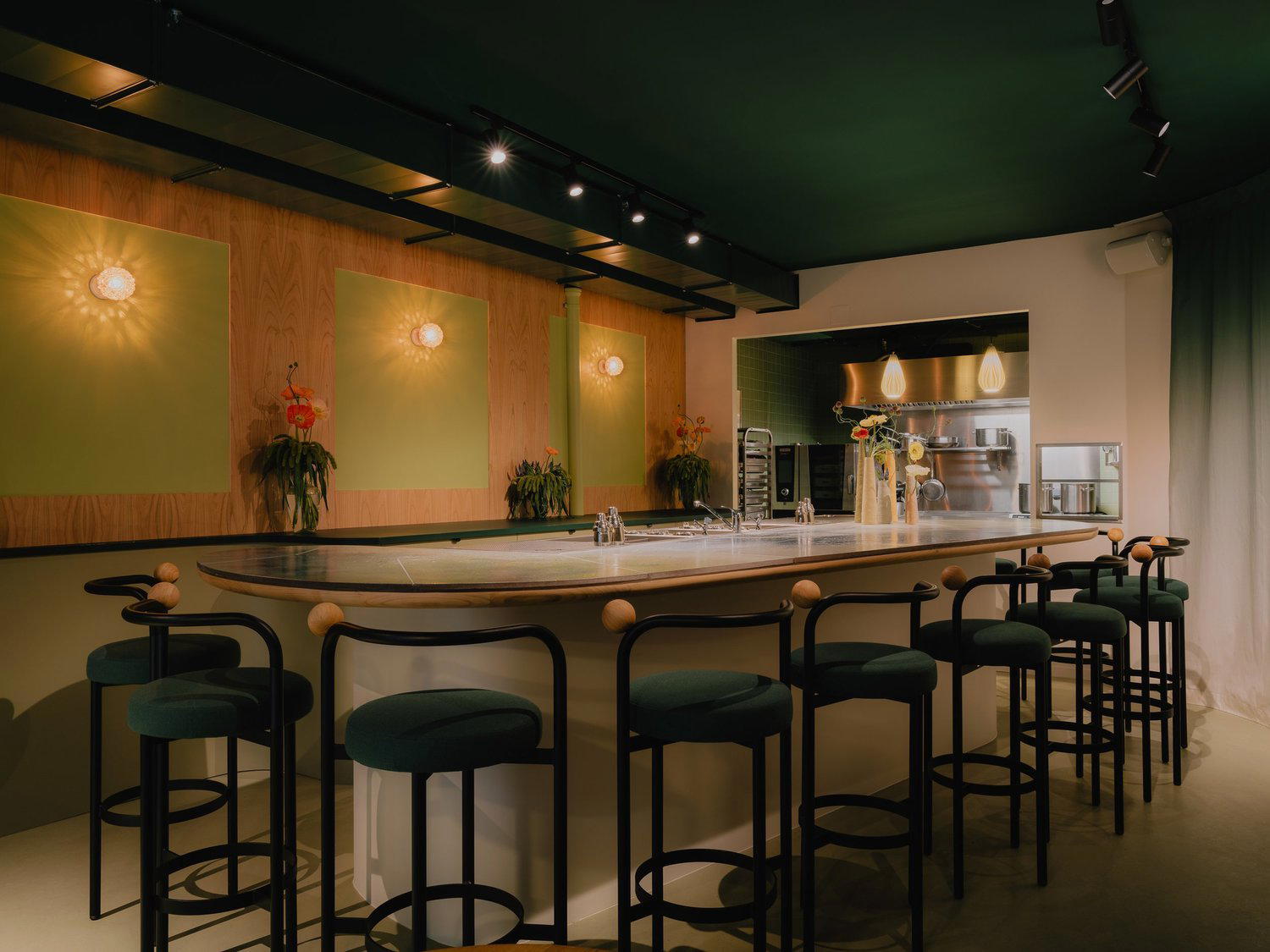
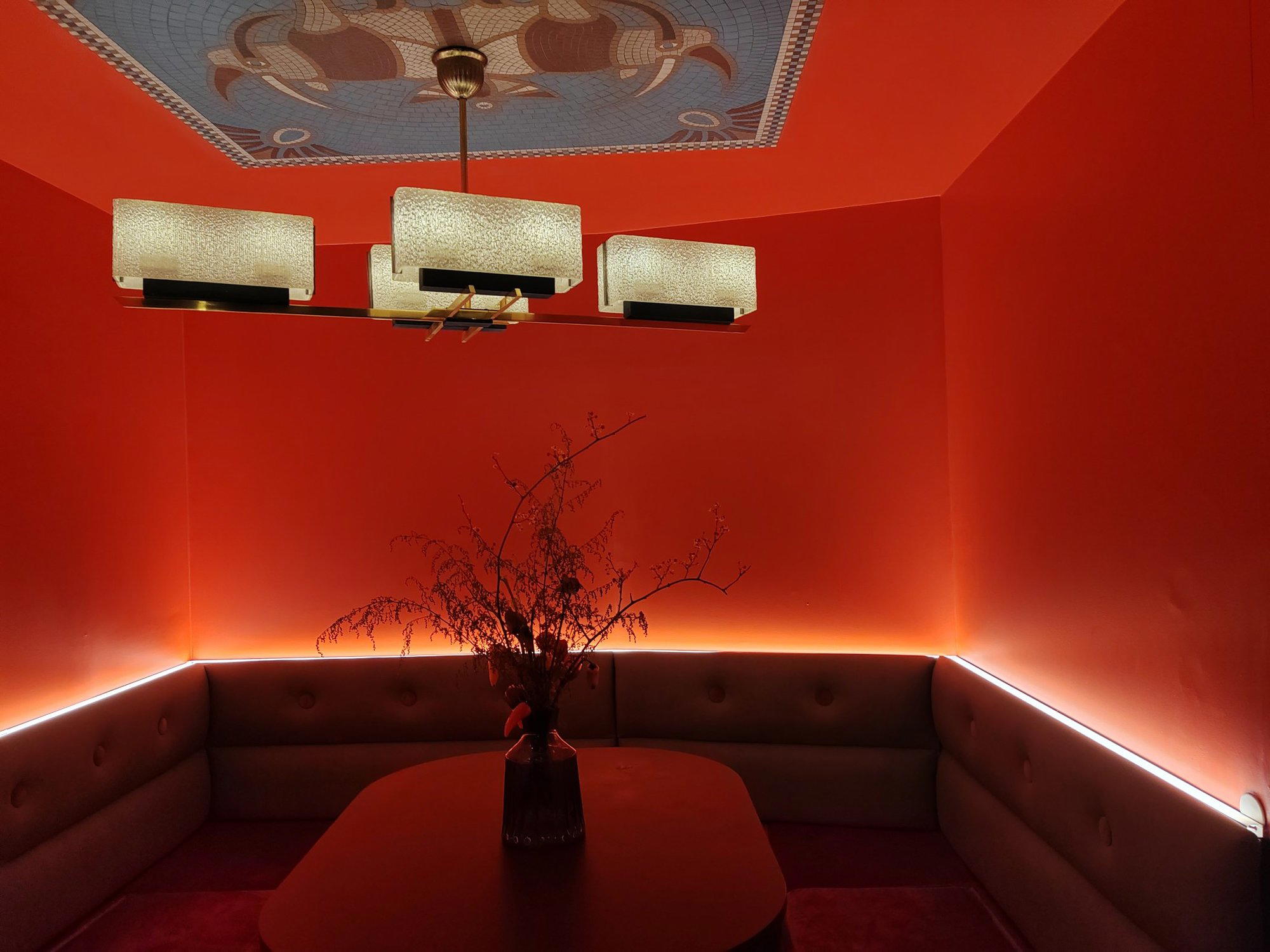
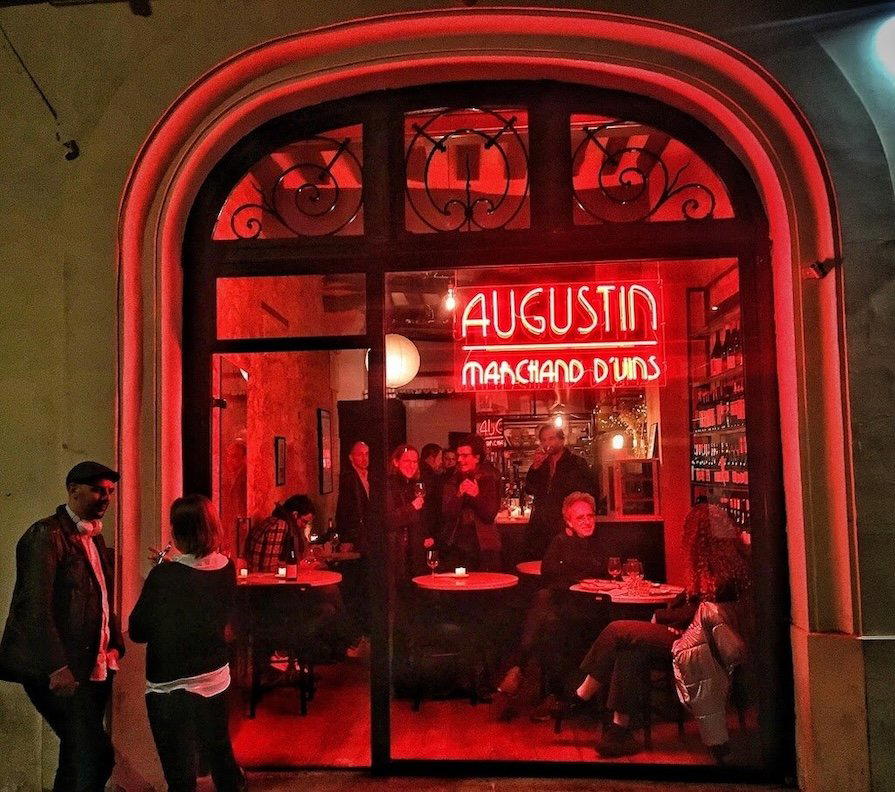
Dim lighting, rustic minimalist decor with exposed stone walls, wooden counter, open kitchen, and cozy homey atmosphere.
Know Before You Go
- Getting there
- 8 Rue de Maubeuge, 75009 Paris, France