
Restaurant Harzfenster sits in Seesen at the edge of the Harz region, where the agricultural character of Lower Saxony shapes what reaches the kitchen. The restaurant draws on the produce traditions of its immediate geography, positioning it within a broader German dining movement that prizes regional sourcing over cosmopolitan breadth. For travellers passing through or based in the region, it represents a practical anchor for locally-grounded cooking.
Pearl is the En Primeur Club membership app — saves, bookings, and concierge access live there. Same editors, same standards.
- Address
- Bulkstraße 1, 38723 Seesen, Germany
- Phone
- +4949538178877
- Website
- restaurant-harzfenster.de
- Directions
- Get directions
 Saves & bookings on Pearl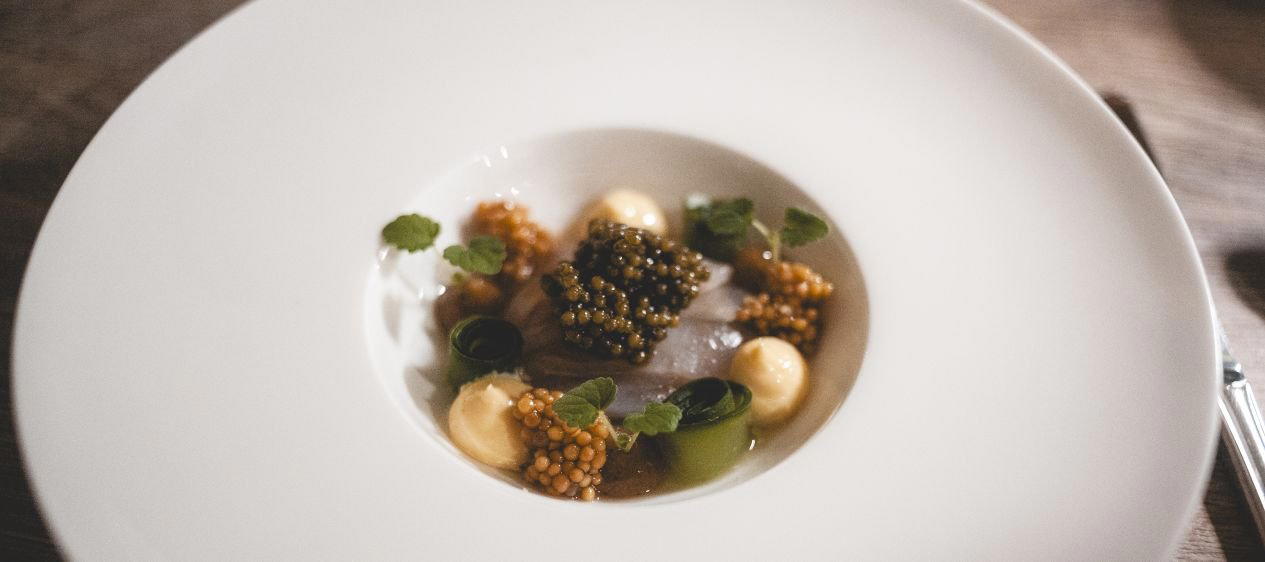
Where the Harz Meets the Plate
The Harz mountain range has defined the agricultural and culinary identity of its surrounding lowland towns for centuries. Seesen, sitting at the western foothills, occupies a transitional zone between the forested uplands and the open farmland of Lower Saxony — a geography that has historically meant access to both highland game and dairy traditions and the grain and root vegetable cultures of the plain below. Restaurant Harzfenster, at Bulkstraße 1, takes its name directly from this setting, and that naming choice signals an editorial commitment: this is a kitchen that frames itself through its landscape rather than against it.
In the broader context of German regional dining, that framing matters. A significant thread running through contemporary German restaurant culture — visible at very different price points, from the creative tasting menus at ES:SENZ in Grassau to the classic French discipline at Schwarzwaldstube in Baiersbronn, is an insistence on naming the region as part of the offer. Harzfenster sits in that tradition, though at a local, community-anchored register rather than the destination-fine-dining tier.
Sourcing from the Harz Foothills
Lower Saxony's farming character is often underrepresented in German food writing, which tends to cluster its attention on Bavaria, Baden-Württemberg, and the Rhine corridor. Yet the region produces a credible range of ingredients: cold-climate root vegetables, forest mushrooms from the Harz uplands, freshwater fish from the rivers that drain southward off the mountains, and pork and dairy from the pastoral lowland farms. A restaurant naming itself a "window onto the Harz" is making an implicit promise about where its ingredients come from and why that geography is the relevant frame of reference.
This sourcing logic is not unique to Harzfenster, it connects to a pattern visible across German regional kitchens. The argument, broadly, is that a chef working within a defined agricultural zone should be accountable to that zone's seasonal rhythms rather than importing ingredients from outside it for consistency's sake. At the Michelin-starred end of the spectrum, that argument is made with high technical elaboration, consider the sourcing philosophy embedded in the formats at Aqua in Wolfsburg or the hyper-regional framing at AURA by Alexander Herrmann and Tobias Bätz in Wirsberg. At Harzfenster, the same underlying logic applies at a more everyday register.
Seesen as a Dining Context
Seesen is a town of roughly 20,000 people, small enough that a restaurant here is, almost by definition, serving a local audience first and visitors second. That context matters for how you read the offer. This is not a destination restaurant in the way that Vendôme in Bergisch Gladbach or Victor's Fine Dining by Christian Bau in Perl operates, drawing guests from across Germany and beyond for a specific tasting-menu experience. Restaurant Harzfenster operates in the register of the serious regional restaurant: a place where the local farming and food culture is taken seriously, where the menu follows the season because the supply chain demands it, and where the dining room is likely to be a mix of residents and travellers who have paused their journey through the Harz for a proper meal.
For context on how Germany's serious regional restaurant tier fits within the wider national picture, our full Seesen restaurants guide maps the local options in detail. Those looking to benchmark the creative end of German contemporary cooking can reference the tasting formats at CODA Dessert Dining in Berlin or the classical European ambition at Restaurant Haerlin in Hamburg, both of which represent the upper pole of a spectrum on which Seesen's offering sits at a more grounded, accessible position.
The Regional Restaurant as a Category
There is a tendency in premium food writing to attend only to the Michelin-starred or critically garlanded end of the restaurant world, treating everything below that threshold as undifferentiated. That framing misses something real. Germany has a dense network of serious regional restaurants, kitchens that are not chasing international recognition but are doing credible, seasonally-driven work for local communities. These restaurants often sustain cooking traditions that the fine-dining tier has left behind or stylised beyond recognition. The wild mushroom preparations of the Harz, the slow-braised game dishes of Lower Saxony's hunting estates, the cold-smoked fish from the upland streams, these are not ingredients or techniques that appear on the menus of Schanz in Piesport or Waldhotel Sonnora in Dreis, but they have their own integrity and their own audience.
Internationally, the question of what a regional restaurant owes its geography is asked with equal seriousness at very different price points. The sourcing discipline visible at Le Bernardin in New York City, where provenance of fish is a central editorial commitment, and at Atomix in New York City, where Korean ingredient logic structures a technically demanding tasting menu, both reflect the same underlying belief that where ingredients come from is not a secondary detail. That belief, applied at a community restaurant scale in a small Lower Saxon town, is what the name Harzfenster suggests.
Planning Your Visit
Seesen is accessible from Hanover by road in under an hour, and sits close to the A7 motorway corridor, making it a practical stop for travellers moving between northern and central Germany. The town is also a reasonable base for those exploring the Harz National Park, whose western edge is within easy reach. Restaurant Harzfenster's address at Bulkstraße 1 places it within the town itself. Seesen's scale means that forward planning is worth the effort, a town of this size does not offer the redundancy of a city dining scene, and arriving without a reservation on a busy evening carries genuine risk of disappointment. Those combining the visit with broader Harz-area dining exploration will find that the regional restaurant tier here rewards unhurried travel more than rushed itinerary-building.
How Restaurant Harzfenster Seesen compares with similar nearby venues.
| Venue | Cuisine | Price |
|---|---|---|
| Ratsstube | Modern Cuisine | €€ |
| Novalis | Classic Cuisine | €€€ |
Recognition history
Dated appearances from independent guides and award organizations, with the underlying list record or original source where available.
Michelin 1 Star
Michelin


At a Glance
- Cozy
- Elegant
- Intimate
- Sophisticated
- Special Occasion
- Date Night
- Celebration
- Open Kitchen
- Extensive Wine List
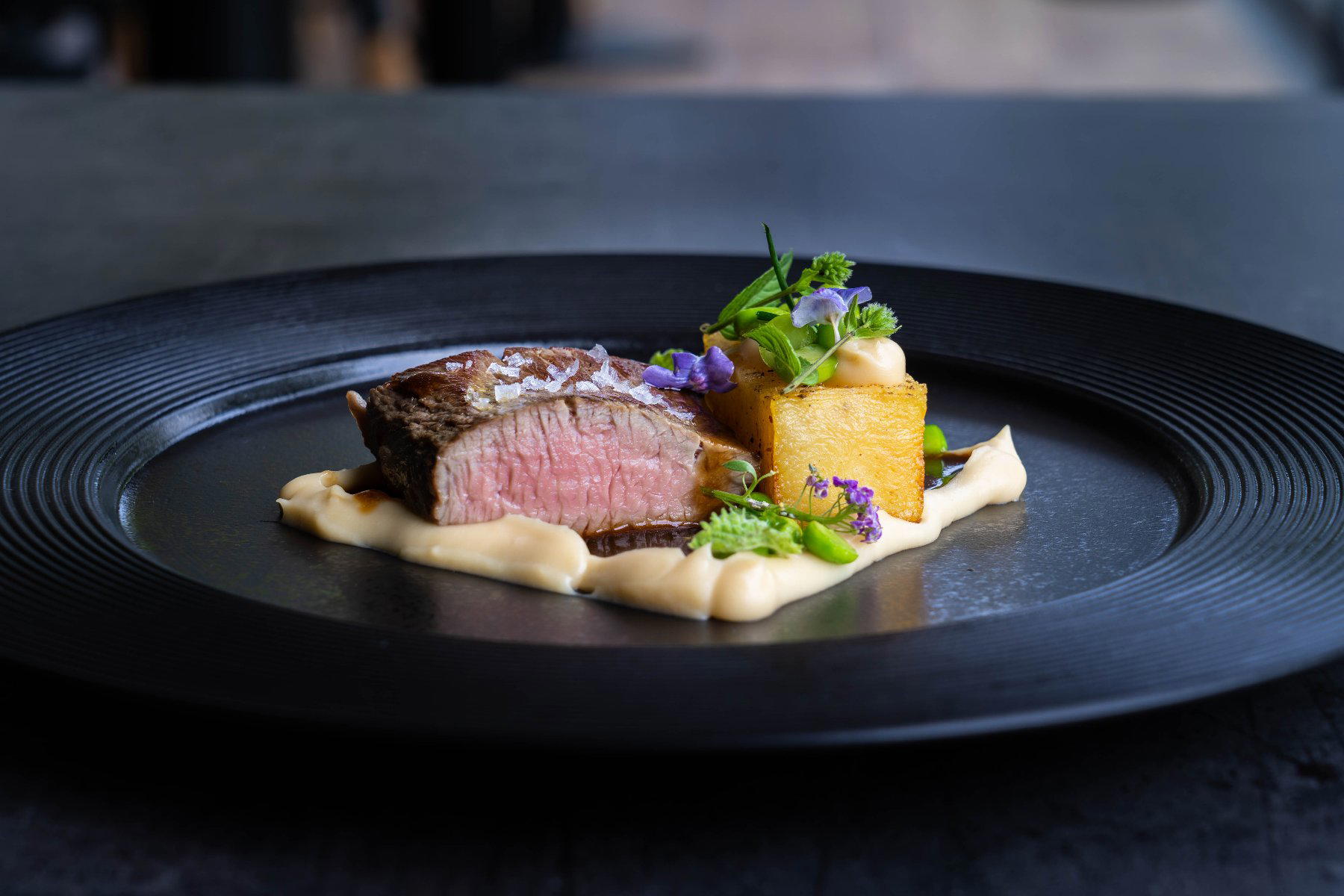
- Local Sourcing
Current opening hours
- Monday
- Closed
- Tuesday
- Closed
- Wednesday
- 5:30–10 PM
- Thursday
- 5:30–10 PM
- Friday
- 5:30–10 PM
- Saturday
- 5:30–10 PM
- Sunday
- Closed
Hours can change for holidays and private events. Last verified .
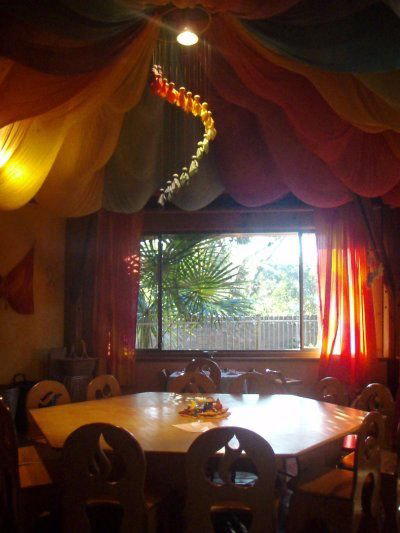
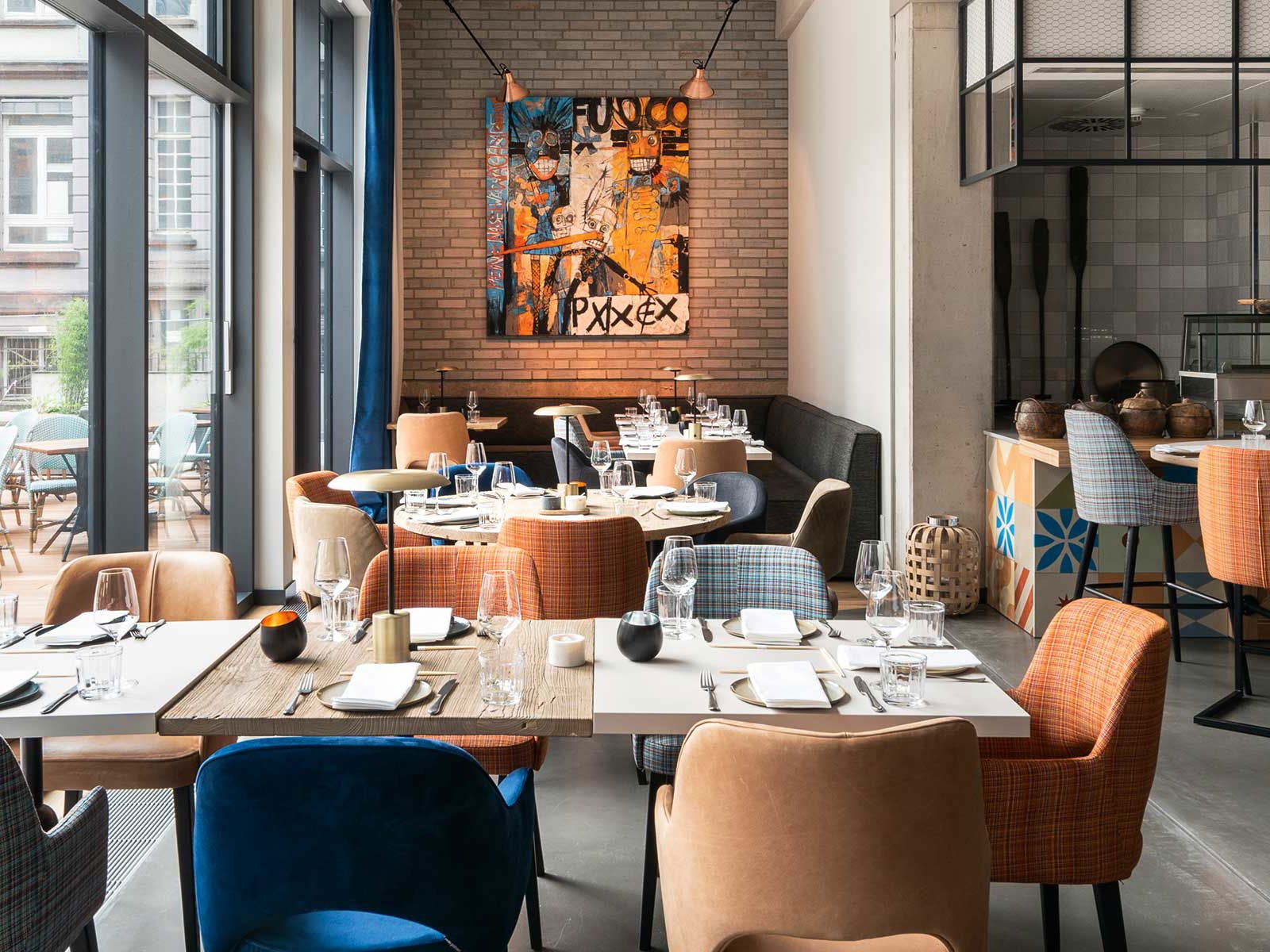
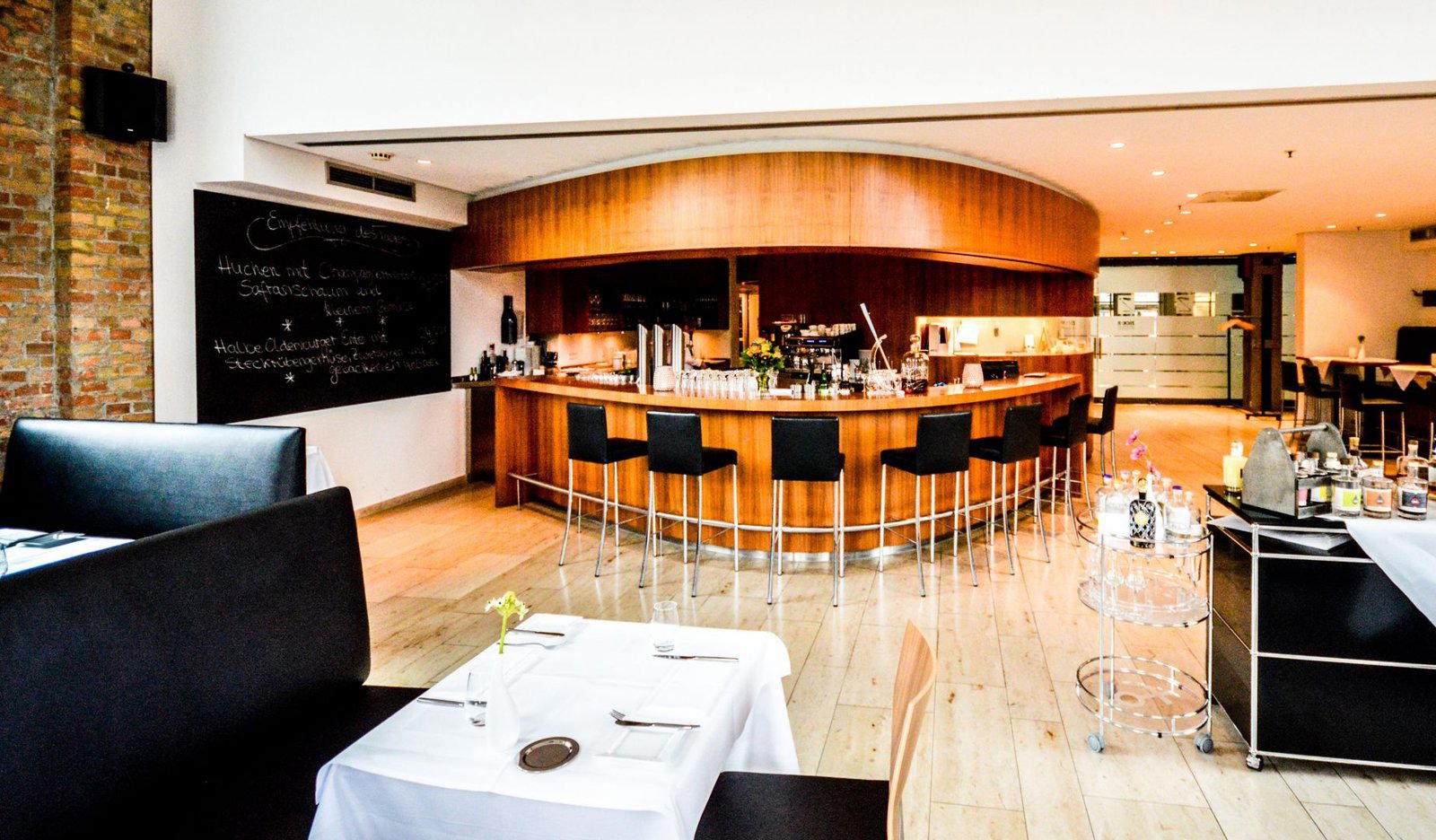
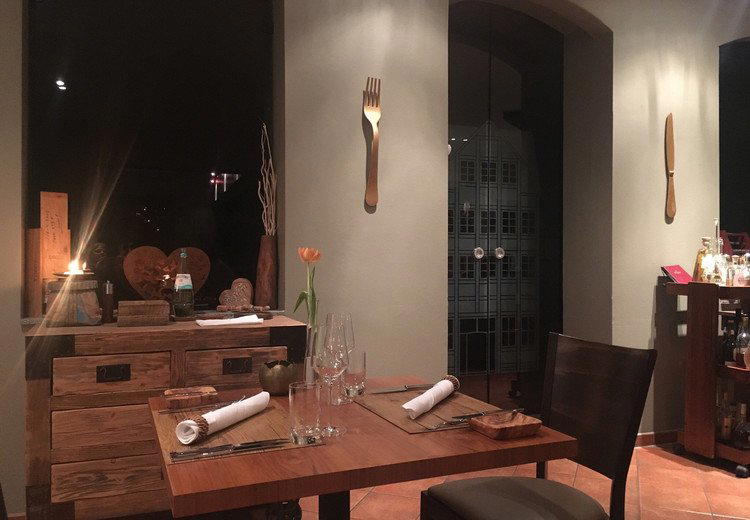
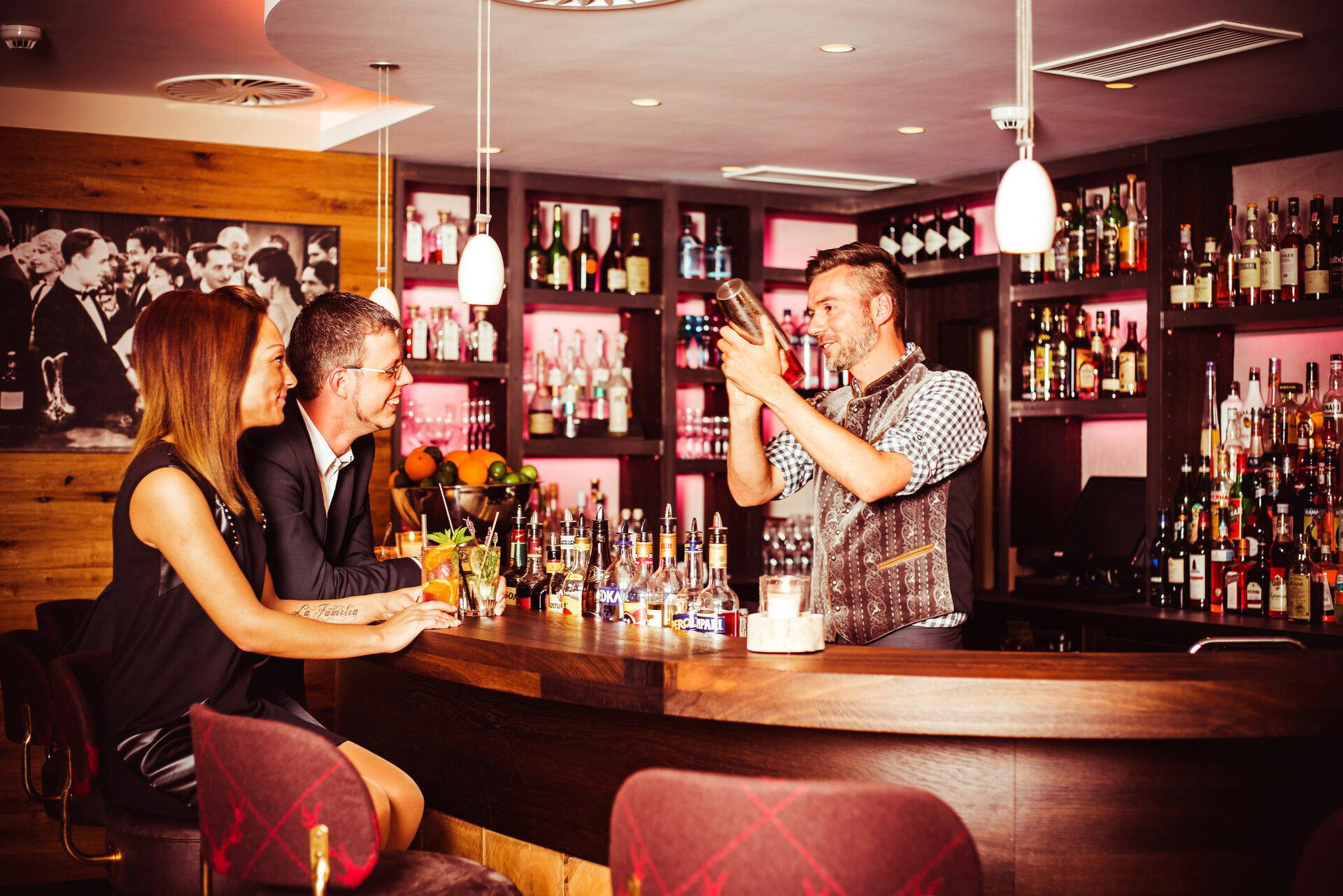
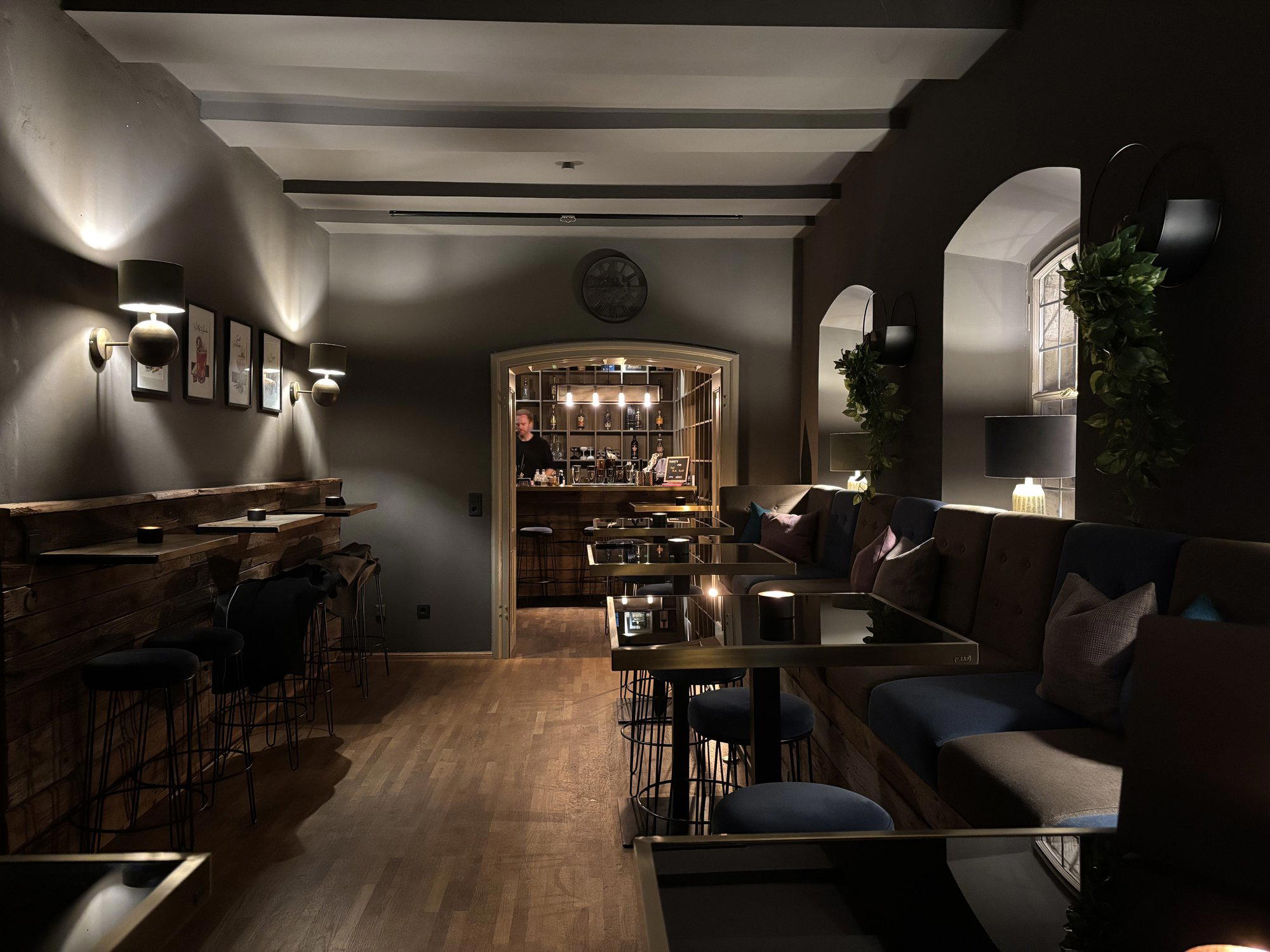
Modern yet cozy atmosphere with tasteful design, warm lighting, and family-like hospitality praised in guest reviews.