On Jalan LLRE Martadinata in Bandung's Cihapit quarter, Bonfire Roast & Grill occupies a stretch of road that has become one of the city's more reliably good corridors for casual fire-cooked dining. The format centres on open-flame technique applied to Indonesian and regional ingredients, placing it within a broader Bandung dining tradition that values smoke and char alongside the city's cooler highland climate.
Pearl is the En Primeur Club membership app — saves, bookings, and concierge access live there. Same editors, same standards.
- Address
- LLRE Martadinata St No.137, Cihapit, Bandung Wetan, Bandung City, West Java 40114, Indonesia
- Phone
- +6282110008545
- Website
- wa.me
- Directions
- Get directions
 Saves & bookings on Pearl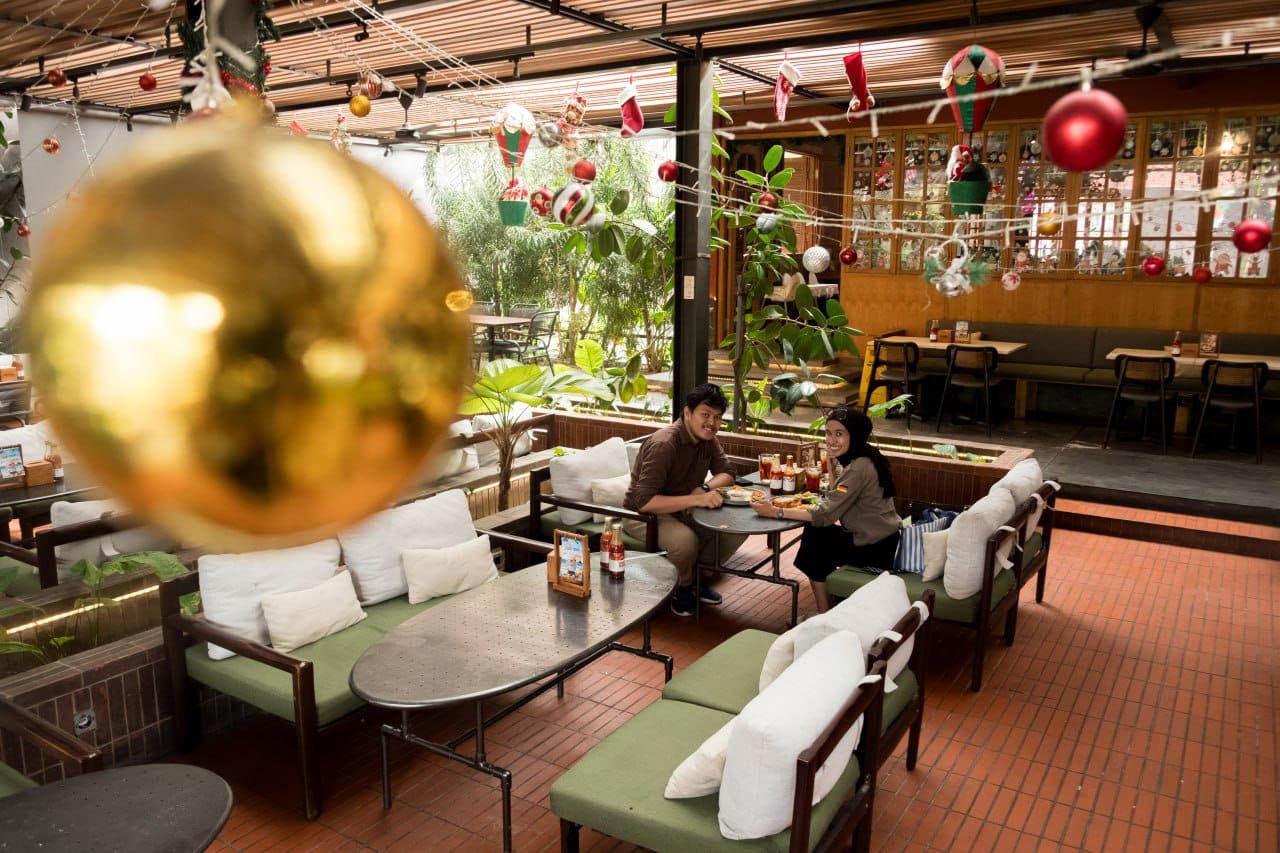
Smoke, Sourcing, and the Bandung Approach to Fire-Cooked Dining
Bandung's restaurant scene has long operated in the productive tension between its highland geography and its appetite for cooking that uses fire directly. Bandung sits in West Java, and the cooler air of the Parahyangan plateau has historically made it a natural corridor for produce moving from nearby farming districts into urban kitchens. That relationship between agricultural supply and city restaurant is not incidental to how places like Bonfire Roast and Grill read within the local context: when a venue anchors itself to grilling and roasting technique, the sourcing story behind the proteins and vegetables matters as much as the flame itself.
On Jalan LLRE Martadinata, the address places Bonfire within Cihapit, a sub-district of Bandung Wetan that sits closer to the commercial and dining density of central Bandung than the city's outer residential quarters. The street is a functional artery rather than a destination dining strip in the way that parts of Jakarta's Kemang or Senopati corridors operate, which means restaurants along it tend to attract a reliable neighbourhood and commuter audience rather than destination seekers. For a grill-format venue, this is a logical positioning: the demand is daily and practical rather than occasion-driven.
The Regional Logic of Roast and Grill Formats in West Java
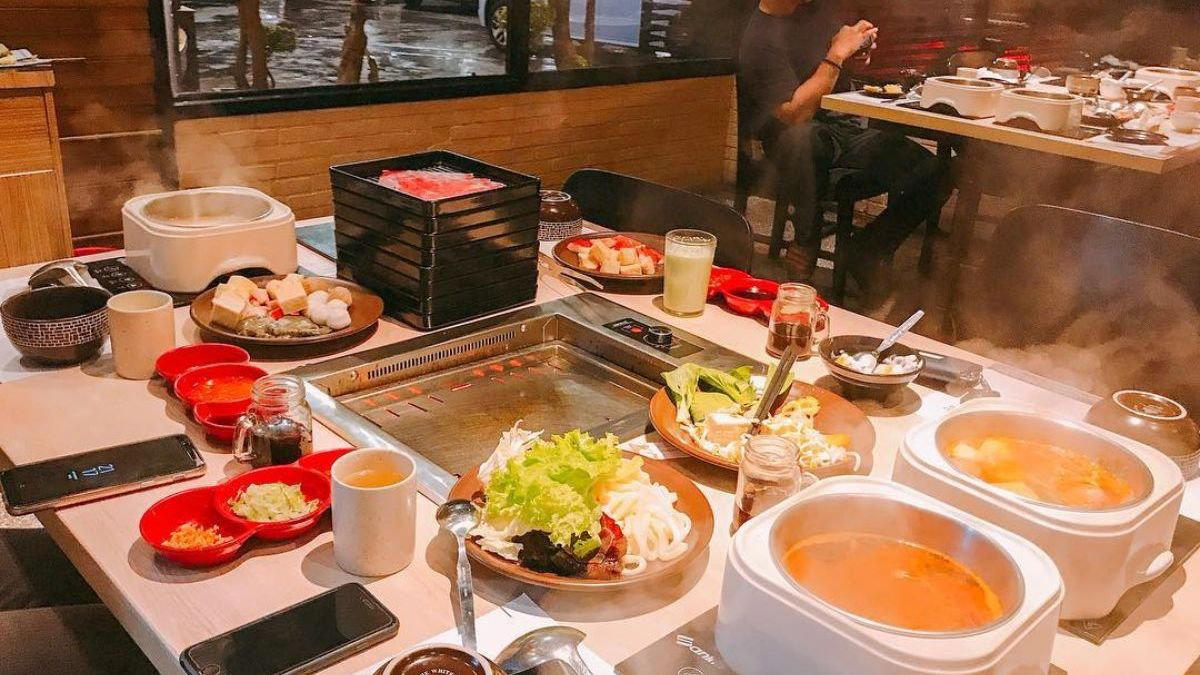
Across Indonesia's urban dining culture, the grill format has undergone a quiet sorting process over the past decade. At one end sit high-capacity Japanese barbecue concepts, several of which have taken root in Bandung. Kakkoii All You Can Eat Japanese BBQ and Shabu-Shabu, Bandung represents that all-you-can-eat format, built around volume and a standardised protein selection rather than sourcing provenance. At the other end, smaller grill-focused kitchens have leaned into the West Javanese agricultural supply chain, using the relative proximity to Lembang's dairy farms, Pangalengan's vegetable producers, and the highland livestock routes that feed Bandung's wet markets.
Bonfire Roast and Grill operates closer to the latter orientation. The name itself signals a cooking philosophy rooted in direct fire rather than the table-side gas-burner model that defines many of the city's Japanese-influenced competitors. Where venues like Hachi Grill Sutami Bandung position themselves within the East Asian grill tradition, Bonfire's framing points toward Western-inflected roast and grill technique applied to local ingredients. That distinction is relevant to the sourcing story: a kitchen committed to roasting tends to work with whole or larger cuts, which in turn demands a more deliberate relationship with butchers and suppliers than the portioned, marinated cuts that suit high-turnover table-grill formats.
This broader pattern is visible across Indonesia's more considered grill kitchens. August in Jakarta has demonstrated how fire-forward technique can coexist with serious ingredient curation within an Indonesian urban context. In Bali, venues including Sarong Bali in Canggu and Locavore NXT in Ubud have shown how regional sourcing narratives can anchor fine-casual and fine-dining formats. Bandung, with its agricultural geography, is logically positioned to support the same kind of ingredient-led approach at a more everyday price point.
What Fire Cooking Demands of Its Ingredients
Grilling and roasting are techniques that expose ingredient quality with little room for compensation. A braised or slow-cooked preparation can accommodate a wider range of protein grades; direct flame cannot. This is why, in markets where fire-cooking is taken seriously, the sourcing conversation tends to surface more explicitly in how a restaurant communicates about itself. Across Indonesia, particularly credible grill formats have started to reference the provenance of their beef, whether sourced from local Javanese cattle breeds or imported grain-fed product, and the origin of their charcoal, with coconut-shell lump charcoal remaining a regional standard that burns hotter and cleaner than wood alternatives.
For a venue on Jalan LLRE Martadinata, the practical sourcing infrastructure is accessible. Bandung's Pasar Cihapit and the wider network of wet markets in Bandung Wetan provide a daily supply of fresh produce, and the city's position within West Java means that highland vegetables from Lembang arrive in the urban supply chain with minimal transit time. Whether Bonfire Roast and Grill draws directly from these sources is not confirmed, but the format logic and location make that supply chain a plausible fit.
Bandung's Grill Scene in Peer Context
Within Bandung's restaurant category, the grill and roast format sits alongside a broader set of casual dining options that have made the city one of Indonesia's more active provincial restaurant markets. Kunyit Restaurant and Purnawarman Restaurant represent the Indonesian-cuisine anchors in the city's dining mix, while Musouya adds a Japanese-influenced counter to the conversation. The spread reflects Bandung's dual appetite for its own regional food traditions and for internationally influenced formats.
Bonfire Roast and Grill occupies a position within that spread that is neither purely local nor straightforwardly international. The roast-and-grill format has roots in both Western steakhouse traditions and in Indonesian techniques for cooking over open fire, from Sundanese sate to whole-roasted meats. Venues that find a workable synthesis between those two registers tend to build a consistent return audience in Indonesian cities, because they satisfy both the familiarity of local flavour logic and the appetite for cooking formats associated with dining out as an experience in itself.
For a broader comparison across Indonesia's fire-forward restaurant culture, Rumari in Jimbaran and Cuca Restaurant in Badung offer reference points for how grill-influenced menus operate in premium Bali contexts, while CARANO Masakan Padang in Bekasi illustrates how fire-cooked proteins anchor the Padang tradition that runs through much of West Java's food culture. Internationally, the wood-fire cooking discipline that informs premium grill restaurants has been explored at different scales, from the hearth-centred format at Lazy Bear in San Francisco to the precision-driven seafood fire work at Le Bernardin in New York City.
Planning Your Visit
Bonfire Roast and Grill is located at LLRE Martadinata Street No. 137, Cihapit, Bandung Wetan, Bandung City, West Java. The address is within central Bandung and accessible by private vehicle or ride-hailing services, which remain the practical standard for moving around the city. Related fire-cooking and grill options in the city include Hachi Grill Sutami Bandung and Kakkoii All You Can Eat Japanese BBQ and Shabu-Shabu for those whose preference runs toward the table-grill format.
Side-by-Side Snapshot
Comparable venues nearby, for context on price, style, and recognition.
| Venue | Cuisine | Price | Notes |
|---|---|---|---|
| Bonfire Roast & GrillThis venue — the venue you are viewing | Western-Indonesian Grill & Roast | $$ | Not listed |
| Kakkoii All You Can Eat Japanese BBQ & Shabu - Shabu, Bandung | All You Can Eat Japanese BBQ & Shabu-Shabu | $$ | Karangsari |
| Kunyit Restaurant | Authentic Indonesian | $$ | central Bandung |
| Musouya | Authentic Japanese Cuisine | $$ | Hegarmanah |
| Beintema’s | Neapolitan Pizza & Artisan Bread | $$ | Kota Baru Parahyangan, Padalarang |
| Shabu Hachi Cilaki Bandung | Japanese Shabu-Shabu & Yakiniku All-You-Can-Eat | $$ | Cihapit |
At a Glance
- Cozy
- Romantic
- Lively
- Date Night
- Casual Hangout
- Family
- Open Kitchen
- Beer Program
Current opening hours
- Monday
- 10 AM–10 PM
- Tuesday
- 10 AM–10 PM
- Wednesday
- 10 AM–10 PM
- Thursday
- 10 AM–10 PM
- Friday
- 10 AM–11 PM
- Saturday
- 10 AM–11 PM
- Sunday
- 10 AM–10 PM
Hours can change for holidays and private events. Last verified .
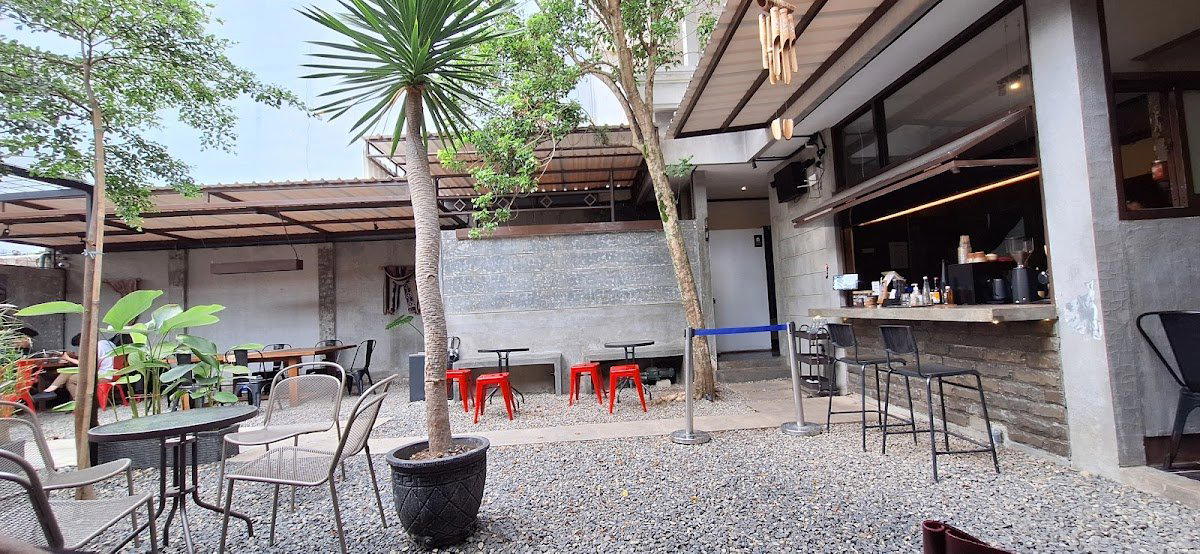
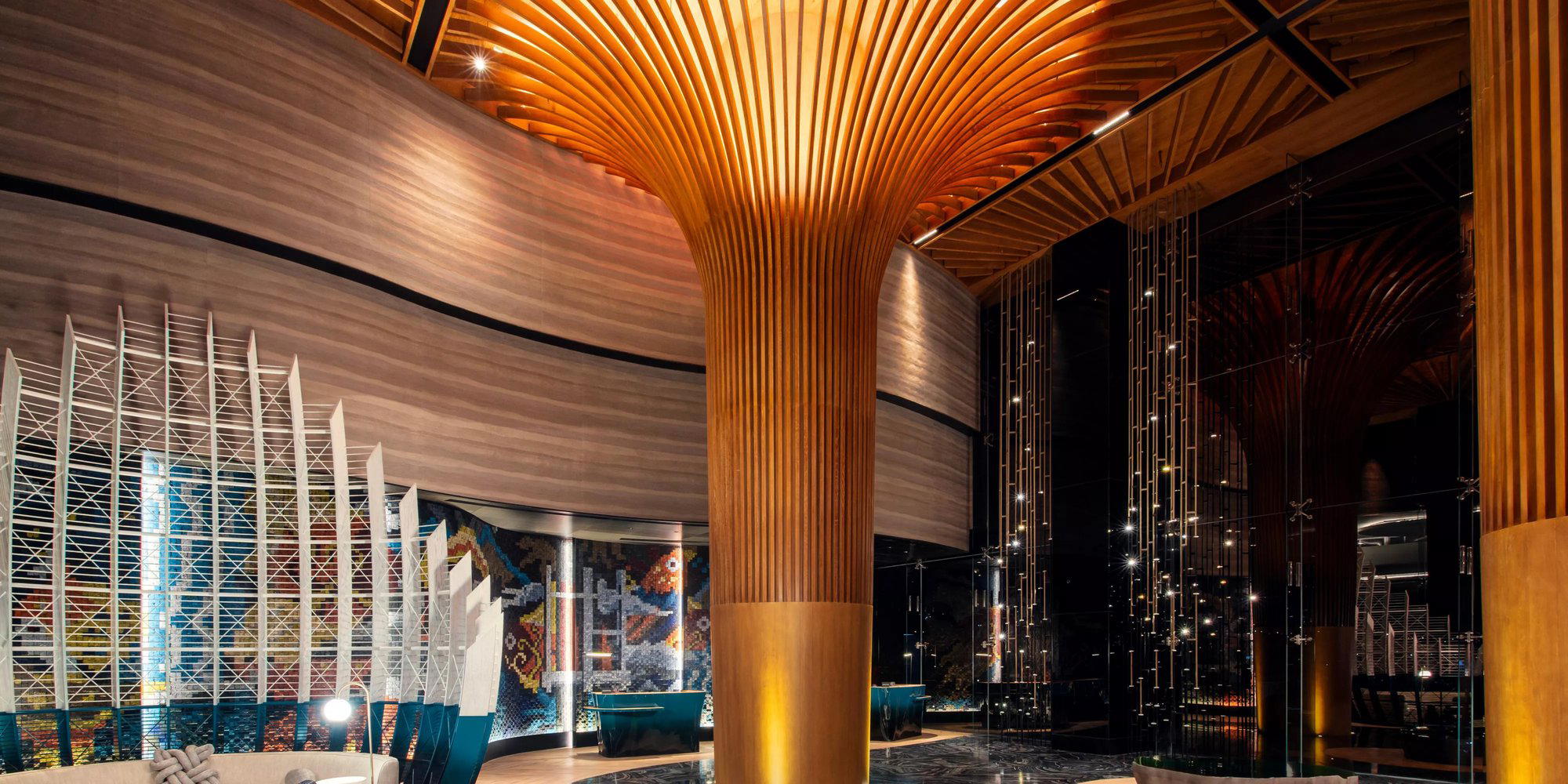
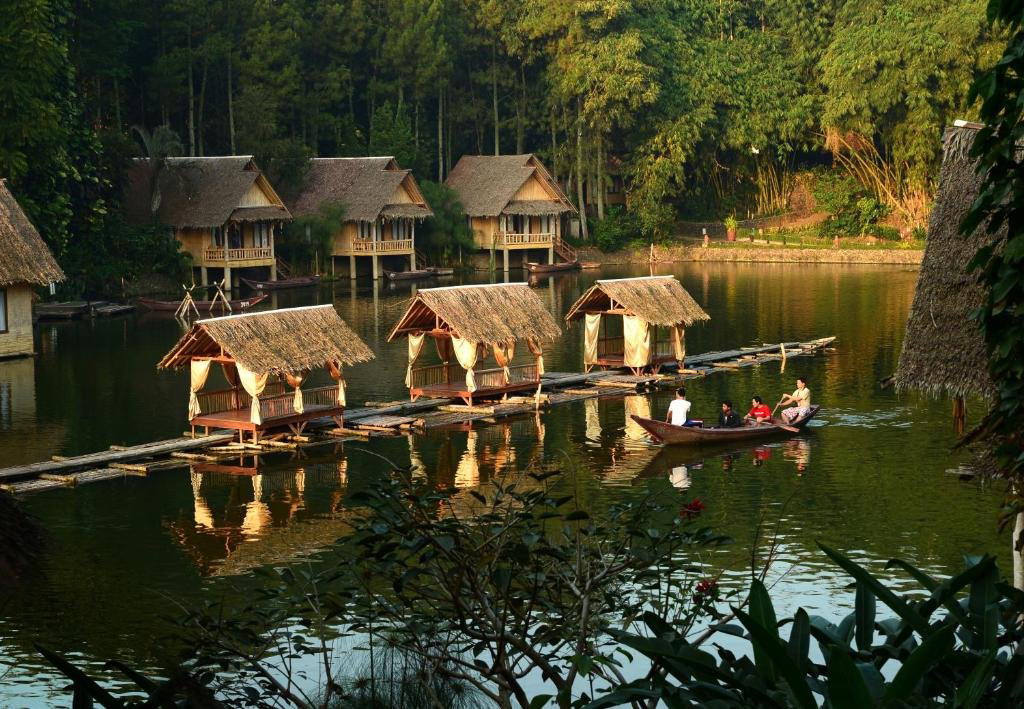
Laid-back casual atmosphere in a leafy dining room with cozy and romantic vibes.