
Tabelog 100 #62
Our verdict
Bebe gives Aichi-gun’s sweets scene a small-format counterpoint to Nagoya’s department-store patisserie culture: cake and cafe craft at neighborhood scale, with recognition from Tabelog 100 Sweets EAST in 2019, 2020, 2022, and 2023. The appeal is less spectacle than discipline, a concise confectionery format where sourcing, turnover, and restraint matter more than grand dining-room theatre.

Pearl is the En Primeur Club membership app, where members save venues, book tables and use the concierge.
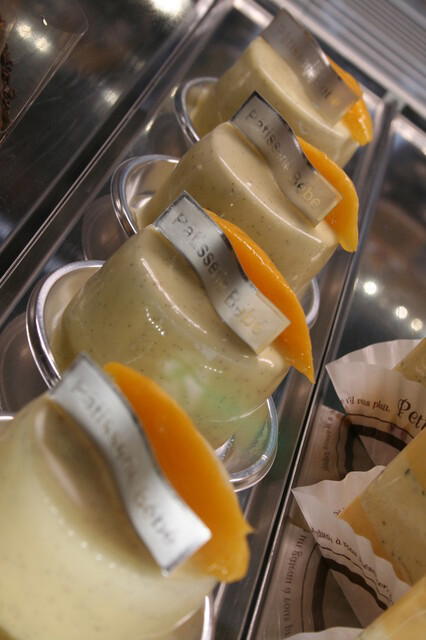
Approaching a serious Japanese confectionery shop outside Nagoya’s dense retail corridors changes expectations. The cues are quieter: compact frontage, narrow daily range, and production scale as a point, not a limitation. In Aichi-gun, that matters. Sweets culture here need not imitate station-hall patisserie abundance; it works through short supply lines, small batches, and local repeat custom that punishes inconsistency faster than any critic.
Bebe belongs to that contained tradition. Its category is cake and cafe, but it reads more usefully as a small confectionery shop between French-derived patisserie technique and Japanese expectations around seasonality, portion control, and gifting. Tabelog 100 Sweets EAST selections in 2019, 2020, 2022, and 2023 place it in a regional sweets conversation rather than a broad restaurant one. That distinction matters: a recognized cake shop is judged on precision, freshness, balance, and counter reliability, not long-meal choreography.
Small-batch sweets culture beyond Nagoya's retail patisserie circuit
Aichi’s dessert map is often read through Nagoya, where department stores, station basements, and hotel lounges shape visible pastry consumption. Aichi-gun works differently. Suburban confectionery shops rely less on tourist footfall than repeat customers who know what sells out, travels well, and feels seasonal. Here, ingredient sourcing is not abstract virtue; it determines accessible pricing while keeping freshness high and waste low.
The price band is everyday-premium Japan: not luxury tasting format, not convenience sweet. That sharpens sourcing. Craft lies in calibration: cream, fruit, sponge, chocolate, custard, and pastry components must read cleanly without excess sugar or decorative mass. Japanese patisserie at this tier succeeds when ingredients carry texture and aroma without being overworked. The better shops know restraint is not minimalism; it is control.
Tabelog’s Sweets EAST list signals consistency within a competitive field including Tokyo-adjacent, Kanto, Chubu, and broader eastern Japan dessert addresses. It is not a Michelin star, but for sweets specialists it is a meaningful public marker because the category is narrow and repeat-driven. Bebe’s repeated appearances suggest appeal beyond one moment of local enthusiasm.
Why the format matters as much as the cake
The tiny eat-in capacity shapes how to read the place. Two seats are not cafe culture in the lingering, laptop-and-latte sense. They are closer to a tasting pause attached to a working cake shop, with takeaway the natural mode. That structure supports freshness: small confectionery can move product through a tighter window, especially when the offering follows daily production rather than a sprawling menu. It also asks something of the customer. This is not for groups, long catch-ups, or elaborate service rituals.
That limitation is useful. Japan’s better small sweets shops often sit outside the hospitality habits international travelers bring to restaurants. The transaction can be brief, the room spare, and the reward lies in product discipline rather than mood-setting. Compared with low-cost casual peers in the broader region such as Taiyaki Murasakiya, or meal-focused addresses like Ramen mellow, Kondo Meshinosuke, Ramen Aigoya, and Hana Ichi, this price band buys craft in a different unit: not satiety, but precision and perishability.
Sourcing also separates confectionery from savory dining. A ramen shop can build identity through broth density, tare, noodle texture, and service cadence; a cake shop has fewer places to hide. Dairy quality, fruit condition, chocolate handling, and bake timing register quickly. In a small format, inconsistency is visible. Repeated sweets-list recognition therefore carries weight: it points to operational steadiness in a category where ingredients and climate can shift the daily result.
How to place Bebe in an Aichi-gun itinerary
This is a focused sweets stop, not an all-purpose dining plan. It makes sense as a daytime detour for travelers building an Aichi-gun food day around smaller local addresses rather than central Nagoya showpieces. For planning, Our full Aichi-gun restaurants guide gives dining context, while Our full Aichi-gun hotels guide, Our full Aichi-gun bars guide, Our full Aichi-gun wineries guide, and Our full Aichi-gun experiences guide frame the area beyond one counter.
The useful comparison is not a formal dessert course at a tasting-menu restaurant. It is the broader Japanese habit of treating sweets as a serious standalone purchase: a box to take home, a controlled afternoon pause, or a seasonal marker expressed through fruit and cream rather than ceremony. Bebe’s scale becomes an advantage. The shop needs no long narrative. It sits where repeat selection, concise production, and ingredient clarity make the argument.
Travelers mapping sweets across Japan can use it as a contrast point against other formats: cafe minimalism at .cafe in Osaka, Kyoto dining restraint at [ki:] in Kyoto, or casual Japanese specialization at 1000 in Yokohama. For a wider national route, the register shifts again at -Grilled beef Sukiyaki- KAMAKURA TANUKIAN 鎌倉 たぬき庵 in Kamakura. 鮪と炭火焼き うお炭 秋葉原店 in Tokyo.know in Kumamoto, (Shoku) Vietnam in Kawasaki, [Curry Senmon Ten] Maruyama Kyoju. in Sapporo, #肉といえば松田 奈良本店 in Kashihara, 1/3 HAMBURGER FACTORY in Kanazawa, and 1000mヒュッテ 1000m Hut in Kutchan. Outside Japan, Jōdo Saké Bar in Los Angeles and Onigiri Time in Pasadena show how Japanese formats translate when sourcing chains and customer habits change.
The editorial case is simple: Bebe is for travelers who take sweets seriously enough to value scale, repetition, and ingredient condition. Aichi-gun need not compete with central-city glamour to produce a worthwhile dessert address. Here, the smaller frame makes the craft legible.
Frequently asked questions
Would Bebe be comfortable with kids?
The 2-seat format makes Bebe a tight fit for larger groups, and eat-in use for three or four people is not possible. For a child-friendly stop, the practical limit is a very small party, especially at the JPY 1,000–JPY 1,999 price point.
Is Bebe formal or casual?
Bebe reads as casual rather than formal: it is a cake and cafe shop in Aichi-gun with a simple two-seat eating area. The setup is compact, non-smoking, and geared to short daytime visits.
What's the price range at Bebe?
Pricing at Bebe is listed as JPY 1,000 - JPY 1,999.
What part of town is Bebe in?
Bebe is located in Aichi-gun.
Can I walk in to Bebe?
Walk-ins are possible, but reservations are also available, and same-day bookings are not accepted on busy days. The shop operates daily from 1:00 PM to 7:00 PM, with irregular closures announced on its social media.
What's the standout thing about Bebe?
Its strongest credential is the Tabelog Sweets EAST 100 selection for 2023, backed by repeat selections in 2022, 2020, and 2019. The second draw is the format itself: just 2 seats, which keeps the visit focused on cake rather than linger-time cafe culture.
Comparison Snapshot
Comparable venues by cuisine and price in the same metro.
| Venue | Cuisine | Price | Awards | Notes |
|---|---|---|---|---|
| BebeThis venue (the venue you are viewing) | Japanese patisserie & cake shop | Not listed | Tabelog 100 #62 | Not listed |
| Pont-l'Eveque | Bakery café with cocotte stews and bread | $10–20 | Tabelog 100 #7 | Kanie-cho |
| Matsujirou no Mise Matsusaka honten | Honey specialty shop & ice cream | $1–10 | Tabelog 100 #28 | Not listed |
| International Village | Pakistani & Middle Eastern (Halal) | Not listed | Tabelog 100 #37 | Yatomi |
| COFFEE HOUSE maki | Traditional Kyoto coffee house & sandwich cafe | Not listed | Not listed | Kamigyō |
| St. Anton (レストラン サンアントン) | Grill Cuisine | Not listed | Not listed | Myoko City |
Recognition history
Dated appearances from independent guides and award organizations, with the underlying list record or original source where available.
Tabelog 100 #62 · No. 62
Tabelog · Tabelog 100 - Sweets - EAST - 2023
Continue exploring
More in Aichi-gun
Restaurants in Aichi-gun
All restaurants in Aichi-gun →


Details
- Cozy
- Quiet
- Casual Hangout
- Solo
- Family
- After Work
- Standalone
- A La Carte
Simple, low-key cake shop atmosphere oriented around takeaway sweets rather than sit-down dining, with a quiet and relaxed feel typical of local Japanese patisseries.