BBI sits on Pannierstraße in Neukölln, one of Berlin's most actively evolving dining corridors. The address places it squarely in a neighbourhood where serious cooking and low-key room design regularly coexist, a combination Berlin has refined into something resembling a house style. For visitors mapping the city's creative dining circuit, Neukölln rewards attention.
Pearl is the En Primeur Club membership app — saves, bookings, and concierge access live there. Same editors, same standards.
- Address
- Pannierstraße 5, 12047 Berlin, Germany
- Phone
- +491630141038
- Website
- wolt.com
- Directions
- Get directions
 Saves & bookings on Pearl
Pannierstraße and the Neukölln Dining Shift
Berlin's serious dining scene has never concentrated in one postcode the way Paris clusters around the 6th or Tokyo around Ginza. Instead, it distributes across neighbourhoods, each with its own register. Neukölln, where BBI occupies a spot at Pannierstraße 5, represents one of the more consequential shifts in that distribution over the past decade. What was once a neighbourhood associated primarily with affordable migrant-run kitchens has added a layer of creative cooking without displacing what came before. The result is a street-level density of culinary range that few Berlin corridors can match.
That context matters when you're deciding how to approach BBI and what to expect from the booking process. Neukölln addresses don't carry the institutional weight of a Mitte hotel dining room or the Michelin-circuit familiarity of a Charlottenburg address, which means visitors who haven't done the research often overlook them entirely. That gap between local standing and external visibility shapes how planning works here: you need to arrive with homework done, not with the assumption that a concierge will have sorted it.
The Booking Reality for Berlin's Neukölln Circuit
Berlin's creative dining tier, which includes addresses like Nobelhart & Schmutzig and CODA Dessert Dining, operates on a different booking logic than Germany's more trophy-laden restaurant destinations. Venues such as Schwarzwaldstube in Baiersbronn, Aqua in Wolfsburg, or Vendôme in Bergisch Gladbach carry Michelin star counts that make their booking windows predictable and well-documented. Berlin's neighbourhood-rooted spots often work on shorter, faster cycles, with reservations opening on rolling windows rather than months-long queues, though popular services can fill within days of release.
Arriving in Neukölln without a confirmed table at your target restaurant is a gamble; the neighbourhood has enough alternatives to salvage an evening, but not enough to guarantee a like-for-like substitution at the specific register you came for.
Compare this to booking a destination restaurant in a smaller German city. Schanz in Piesport or Waldhotel Sonnora in Dreis anchor a trip by definition; you plan the journey around the table. Urban neighbourhood dining in Berlin functions the other way: the table confirms the neighbourhood visit, but the neighbourhood itself is reason enough to be there.
Where BBI Sits in Berlin's Wider Creative Dining Map
Berlin's upper-mid and fine dining tier has developed a recognisable signature over the past fifteen years: restrained rooms, technically precise cooking, sourcing narratives that foreground German producers, and price points that remain meaningfully below comparable ambition levels in London, Paris, or Copenhagen. Rutz and FACIL represent the Michelin-anchored end of that register, while Nobelhart & Schmutzig operates with a more ideological strictness around Brandenburg sourcing. Restaurant Tim Raue occupies its own category, applying two-Michelin-star technique to a Southeast Asian flavour framework that has no direct equivalent in the city.
Neukölln addresses like BBI operate below that starred tier in terms of formal recognition but within it in terms of the dining public that seeks them out. The neighbourhood draws the same visitors who know to book JAN in Munich or Restaurant Haerlin in Hamburg well in advance, but who also understand that Berlin's energy distributes into corners that awards circuits haven't yet fully mapped. That positioning creates a specific kind of anticipation: less institutional certainty, more active discovery.
Internationally, the closest structural parallel might be something like Lazy Bear in San Francisco, a venue that built a serious following through format and neighbourhood identity before formal recognition caught up. Berlin's creative neighbourhood spots operate in a similar mode, credentialed by word-of-mouth density and repeat local custom rather than by stars alone. By contrast, Le Bernardin in New York City represents the other pole: a venue where institutional recognition and booking infrastructure are as precisely engineered as the cooking itself.
Planning a Neukölln Visit Around BBI
Pannierstraße 5 sits in the core of Neukölln's denser residential and commercial grid, accessible from Hermannplatz U-Bahn station, which serves both the U7 and U8 lines, putting it within a direct connection from most Berlin accommodation clusters. The neighbourhood rewards time: arriving early enough to walk Weserstraße and the surrounding streets before a reservation gives useful context for understanding why this part of the city generates the dining attention it does.
For visitors building a multi-day Berlin itinerary with serious eating as a priority, the sequencing matters. Michelin-recognised addresses like Rutz or FACIL should be booked first, given their documented reservation windows. Neighbourhood spots fill the remaining slots, but shouldn't be treated as easy walk-ins. Berlin's better small-room restaurants, including those in Neukölln, are known to operate at capacity on Thursday through Saturday evenings, with Sunday and Monday the more accessible entry points for shorter-notice planning.
Venues at this level in Berlin often operate without a heavy digital footprint by design, preferring direct contact or platform-mediated bookings over elaborate web presences. Treating the search itself as part of the planning process is, appropriate preparation for what the dining tends to reward: attentiveness and a degree of effort upfront.
For those extending their German dining itinerary beyond Berlin, the broader circuit includes Victor's Fine Dining by Christian Bau in Perl, ES:SENZ in Grassau, and Bagatelle in Trier, each representing different registers of the country's current cooking ambitions. Berlin, with addresses like BBI anchoring its neighbourhood tier, offers something those destination restaurants don't: the experience of serious food embedded in a living, dense urban environment rather than extracted from it.
Reputation First
Comparable venues nearby, for context on price, style, and recognition.
| Venue | Cuisine | Price | Notes |
|---|---|---|---|
| BBIThis venue — the venue you are viewing | Gourmet American Burgers | $$ | Not listed |
| Burger Turm | Handcrafted American Burgers | $$ | Tiergarten |
| Birds in the Kitchen | Polished Fried Chicken Sandwiches | $ | Mitte |
| Cabslam | American Comfort Brunch | $$ | Neukolln |
| Goldadelux | Israeli Street Food - Sabich | $$ | Kreuzberg |
| W The Imbiss | Vegan Indo-Mexi-Cal-Italian Fusion | $$ | Scheunenviertel |
Continue exploring
More in Berlin
Restaurants in Berlin
Browse all →
Bars in Berlin
Browse all →
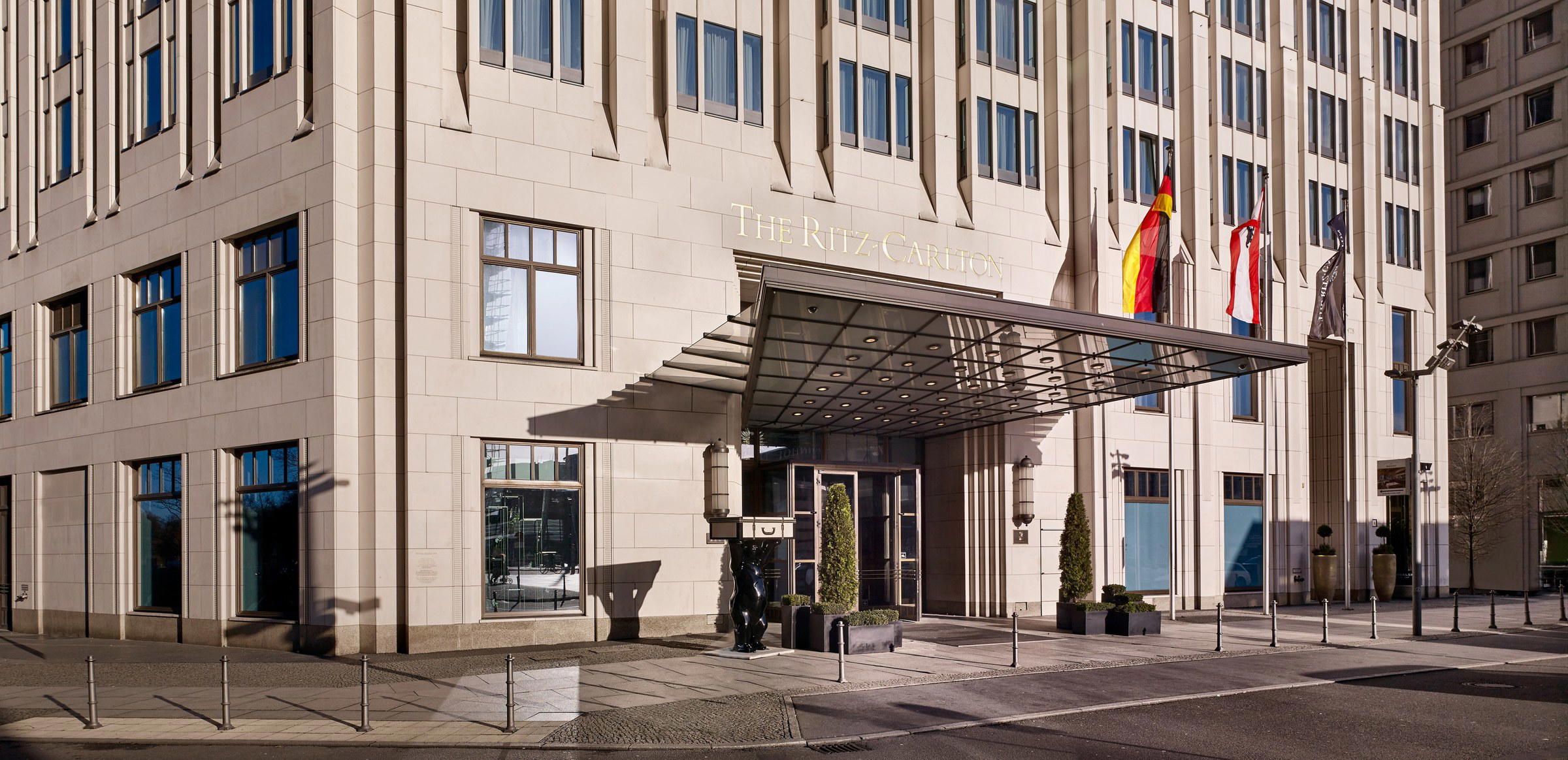
Hotels in Berlin
Browse all →


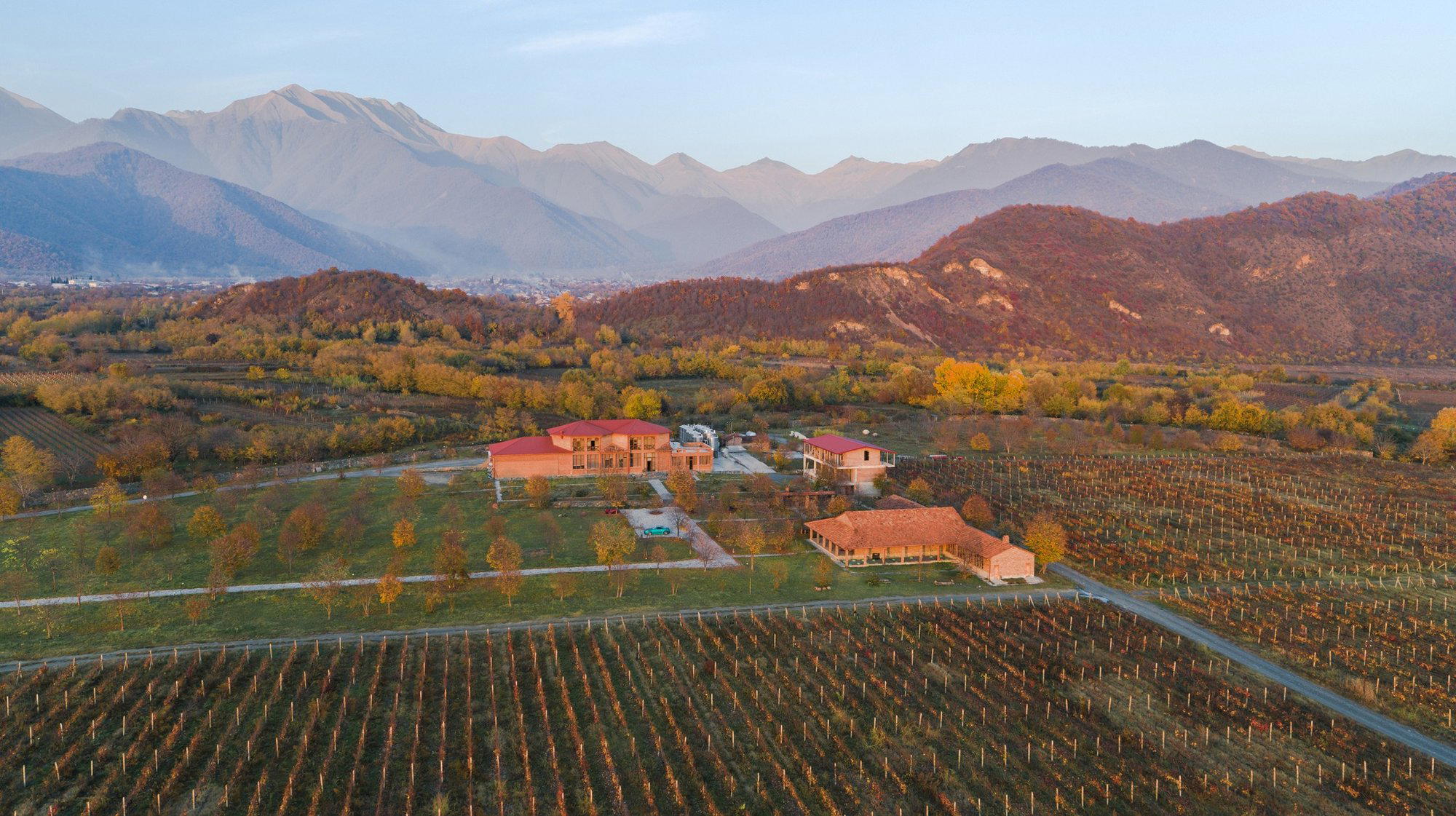
Wineries in Berlin
Browse all →
At a Glance
- Trendy
- Lively
- Modern
- Casual Hangout
- Late Night
- Beer Program
Current opening hours
- Monday
- 12–9 PM
- Tuesday
- 12–9 PM
- Wednesday
- 12–9 PM
- Thursday
- 12–9 PM
- Friday
- 12–10 PM
- Saturday
- 12–10 PM
- Sunday
- 12–10 PM
Hours can change for holidays and private events. Last verified .
Edgy modern decor in a tiny space with limited indoor seating, mostly outdoors in a casual, non-touristy neighborhood spot.