Bazaar
Our verdict
Bazaar occupies a address on Dronningens Tværgade in Copenhagen's Frederiksstaden quarter, placing it within walking distance of the city's most formal dining corridor yet at a remove from it. With sparse public data and no declared awards or prix-fixe format, it sits in a category of Copenhagen restaurants that resists easy classification — worth investigating for travellers building an itinerary beyond the tasting-menu circuit.

Pearl is the En Primeur Club membership app — saves, bookings, and concierge access live there. Same editors, same standards.
- Address
- Dronningens Tværgade 21, 1302 København, Denmark
- Phone
- +4538414171
- Hours
- Mon–Thu 5:30 PM–12 AMFri–Sat 5:30 PM–2 AMSun Closed
- Website
- madklubben.dk
- Directions
- Get directions
- Booking
- Book on the venue's website
The menu
What to order
- Cauliflower flatbread with garlic and falafel
- Hummus platter
Frederiksstaden After Dark — and at Noon
Copenhagen's dining geography rewards close reading. The stretch between Kongens Nytorv and the harbour shelters the city's most decorated tables — Geranium, Noma, and Alchemist all operate within the broader orbit of this zone, but the neighbourhood also contains a quieter residential and embassy district that has, over the past decade, accumulated a different kind of restaurant: places that do not announce themselves through awards cycles or media campaigns, but hold their regulars through consistency and setting. Bazaar, at Dronningens Tværgade 21 in Frederiksstaden, fits that pattern. The address places it a short walk from Kongens Nytorv, on a street that reads more embassy quarter than dining destination, which is part of what shapes its atmosphere before you step inside.
The Lunch-to-Dinner Shift in Copenhagen's Mid-Format Scene
The lunch versus dinner divide matters more in Copenhagen than in most European capitals, largely because the city's tasting-menu culture has driven dinner prices into a tier that few casual visits can absorb. The €€€€ bracket occupied by peers like Koan and Kadeau commands a different kind of commitment, multi-hour formats, advance booking windows measured in weeks, no walk-in culture. Restaurants operating outside that bracket, particularly those without declared tasting menus or Michelin recognition, tend to behave differently at noon and at eight in the evening. Lunch in Copenhagen often functions as the city's great equaliser: shorter formats, lighter spending, more spontaneous access. Dinner at the same address typically shifts the mood, the pacing, and the expectation.
Where Bazaar sits in that continuum is not fully documented in the public record, which itself says something. Copenhagen's most-booked restaurants exist in a state of constant documentation, press coverage, social media, aggregator scores, Michelin commentary. Restaurants with thin public footprints either opened recently, operate for a local clientele that does not generate international coverage, or are deliberately low-profile. Any of those conditions produces a different experience from what you get at the city's major tasting counters, and that difference has value for a certain kind of traveller.
What Copenhagen's Neighbourhood Restaurant Scene Looks Like
Outside the headline tier, Geranium with its three Michelin stars, Alchemist with its 50 Best recognition, Copenhagen sustains a parallel dining culture that is harder to profile but easier to inhabit. It runs through neighbourhood bistros, wine-forward small-plates rooms, and imported formats (Middle Eastern, Southern European, pan-Asian) that have taken root in a city historically monocultural in its restaurant offer. The name Bazaar carries clear associations with that latter category: market culture, informal sharing formats, spice-led cooking. Whether the kitchen at Dronningens Tværgade executes within that tradition or repurposes the name for a different register is something the venue's limited public record does not confirm.
What the address does confirm is context. Frederiksstaden is not a restaurant neighbourhood in the way that Vesterbro or Nørrebro are. It is formal, architecturally consistent, and draws a mix of locals working in the adjacent institutions and tourists navigating between Amalienborg and the Design Museum. A restaurant here serves a different rhythm from one operating in a dense street-dining corridor, which tends to push kitchens toward formats that suit both a quick lunch turnover and a longer evening sitting.
Placing Bazaar in the Broader Danish Picture
Copenhagen's restaurant scene does not exist in isolation from the wider Danish fine-dining network. Travellers building multi-city Danish itineraries often move between the capital and strong regional tables: Jordnær in Gentofte sits just outside the city with two Michelin stars; Frederikshøj in Aarhus and Henne Kirkeby Kro anchor the Jutland and West Coast circuits; Frederiksminde in Præstø, Ti Trin Ned in Fredericia, Dragsholm Slot Gourmet in Hørve, LYST in Vejle, Tri in Agger, Pearl by Paul Proffitt in Kruså, and Syttende in Sønderborg make up a secondary tier that serious food travellers increasingly include on Denmark routes. Against that backdrop, a Copenhagen address without declared awards operates in a clearly different register, not a competitor to those tables, but a different use of a meal slot. Internationally, the contrast is starker still: a Michelin-weighted counter like Le Bernardin in New York City or a format-driven communal room like Lazy Bear in San Francisco both telegraph their intent clearly through format, price, and credentials. Venues that do not do so require a different kind of research.
Planning a Visit
Bazaar is located at Dronningens Tværgade 21, 1302 København, a ten-minute walk from Kongens Nytorv metro station and well within reach of the central hotel corridor. Because no booking method, hours, or contact details are confirmed in the public record, the most reliable approach is to check current information directly through the venue or a Copenhagen-local dining resource before visiting, the city's restaurant scene moves quickly, and formats can shift between seasons. For a fuller picture of where Bazaar sits within the Copenhagen dining map, see our full Copenhagen restaurants guide.
Frequently asked questions
What do people recommend at Bazaar?
The venue's address in Frederiksstaden and its name suggest a menu register that may draw on market or sharing-plate traditions, but confirmed details on signature plates or menu format have not been documented here. For cuisine-specific guidance, Copenhagen's more extensively covered tables, including Kadeau and Koan, offer clearer public profiles to compare against.
Can I walk in to Bazaar?
In Copenhagen generally, restaurants without tasting-menu formats and without heavy awards recognition tend to have more walk-in availability than the Michelin tier, but this varies by day and season.
What's the defining dish or idea at Bazaar?
Cross-referencing with Noma's influence on the city's broader approach to sourcing and format may provide useful context for what Copenhagen kitchens in this neighbourhood tend to prioritise.
What if I have allergies at Bazaar?
Copenhagen's dining culture is generally well-practised at handling dietary requests, but venues without published menus require direct dialogue rather than assumptions.
Is Bazaar good value for money?
No price range is confirmed in the available record. In the Copenhagen context, restaurants without declared tasting menus and without Michelin recognition typically occupy a more accessible price tier than the €€€€ bracket that covers Geranium and its peer group. Whether Bazaar represents strong value depends on the format and execution, factors that require current first-hand or press-verified reporting rather than inference from the address alone.
How does Bazaar compare to other Copenhagen restaurants with a Middle Eastern or Mediterranean influence?
Copenhagen's appetite for non-Nordic formats has grown steadily since the early 2010s, and the city now sustains several well-regarded tables drawing on Middle Eastern, North African, and Mediterranean traditions. For travellers specifically seeking that register, cross-referencing with Copenhagen-based food media and current aggregator listings will give a more accurate picture of where Bazaar sits relative to the city's other market-inflected or sharing-plate rooms.
Comparable Venues
Comparable venues nearby, for context on price, style, and recognition.
| Venue | Cuisine | Price | Awards | Notes |
|---|---|---|---|---|
| BazaarThis venue — the venue you are viewing | Moorish Middle Eastern Fusion | $100–150 | Not listed | Not listed |
| Elippa | Authentic Lebanese | $20–30 | Not listed | Amager Vest |
| Brasserie Hugo | Mediterranean Brasserie with Italian & French Influences | $50–100 | Not listed | Indre By |
| Le Saint Jacques | Classic French Brasserie | $30–50 | Not listed | Østerbro |
| Esmée | Modern French Brasserie with Nordic Twist | $50–100 | White Guide Denmark Restaurants - Masters Level | Indre By |
| Fishmarket | French-Inspired Seafood Bistro | $50–100 | Not listed | Indre By |
Bazaar
Featured Guides

Continue exploring
More in Copenhagen
Restaurants in Copenhagen
Browse all →
Bars in Copenhagen
Browse all →
Hotels in Copenhagen
Browse all →

Details
- Lively
- Trendy
- Elegant
- Group Dining
- Celebration
- Casual Hangout
- Open Kitchen
- Craft Cocktails
- Small Plates
- Family Style
- Vegetarian Friendly
Current opening hours
- Monday
- 5:30 PM–12 AM
- Tuesday
- 5:30 PM–12 AM
- Wednesday
- 5:30 PM–12 AM
- Thursday
- 5:30 PM–12 AM
- Friday
- 5:30 PM–2 AM
- Saturday
- 5:30 PM–2 AM
- Sunday
- Closed
Hours can change for holidays and private events. Last verified .
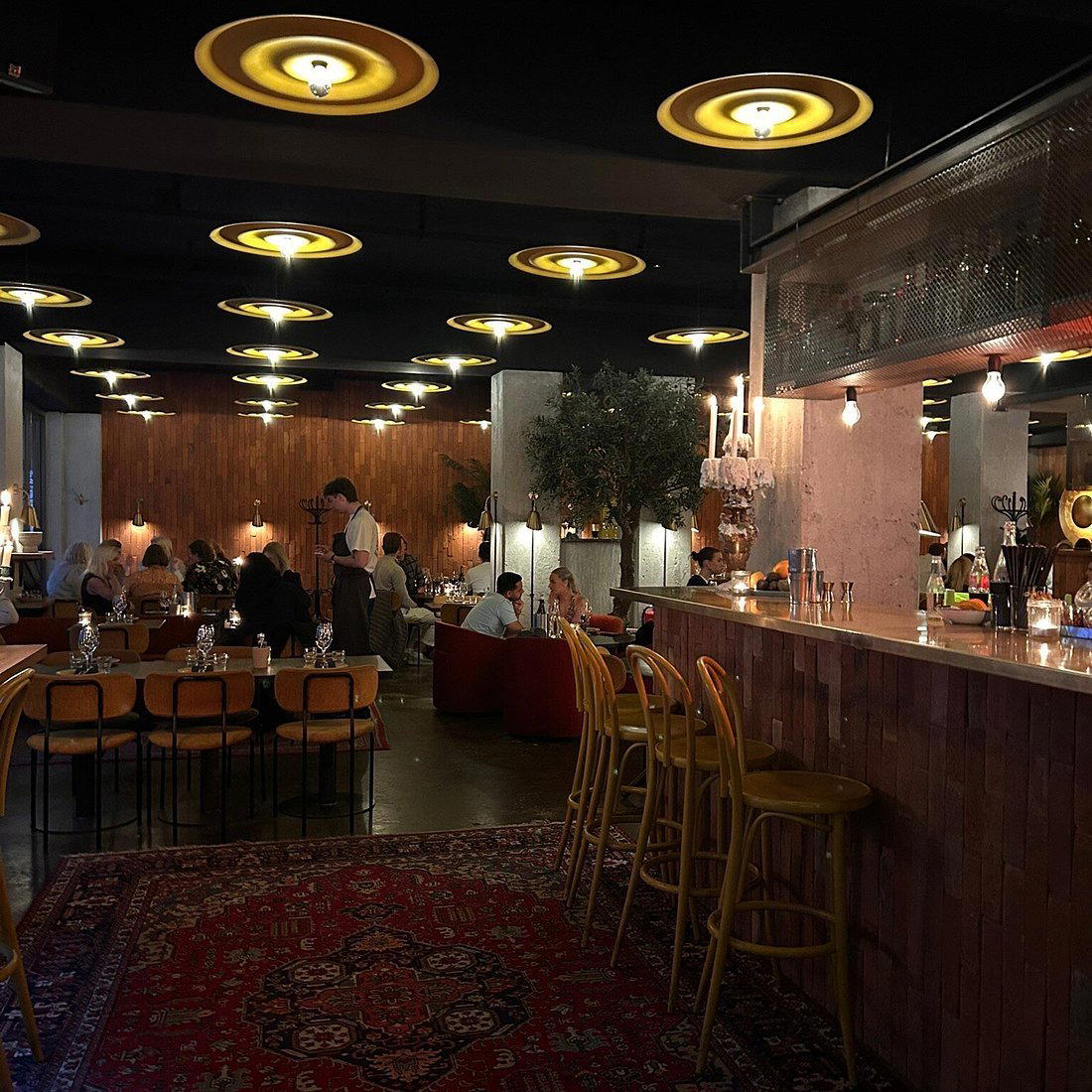
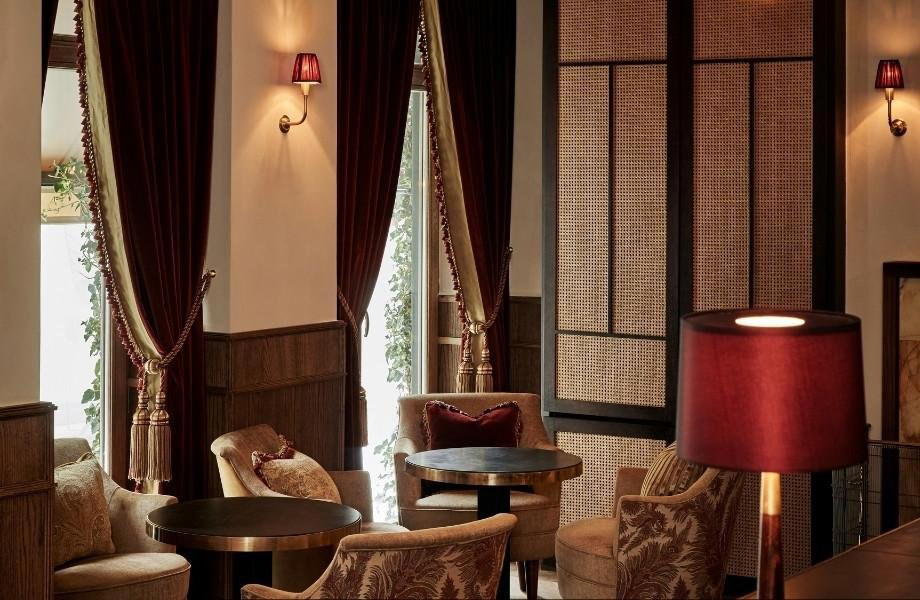
Dimly lit with crooked tile walls, high black ceilings, extravagant upholstered seating, and fascinating carpets creating a laidback yet posh atmosphere amid loud music.