Elippa
Elippa occupies an address in Copenhagen's 2300 postal district, a city whose fine-dining scene has spent two decades redefining what northern European cooking can mean.
Pearl is the En Primeur Club membership app — saves, bookings, and concierge access live there. Same editors, same standards.
- Address
- Martha Christensens Vej 51, 2300 København, Denmark
- Phone
- +4561948181
- Website
- elippa.dk
- Directions
- Get directions
 Saves & bookings on Pearl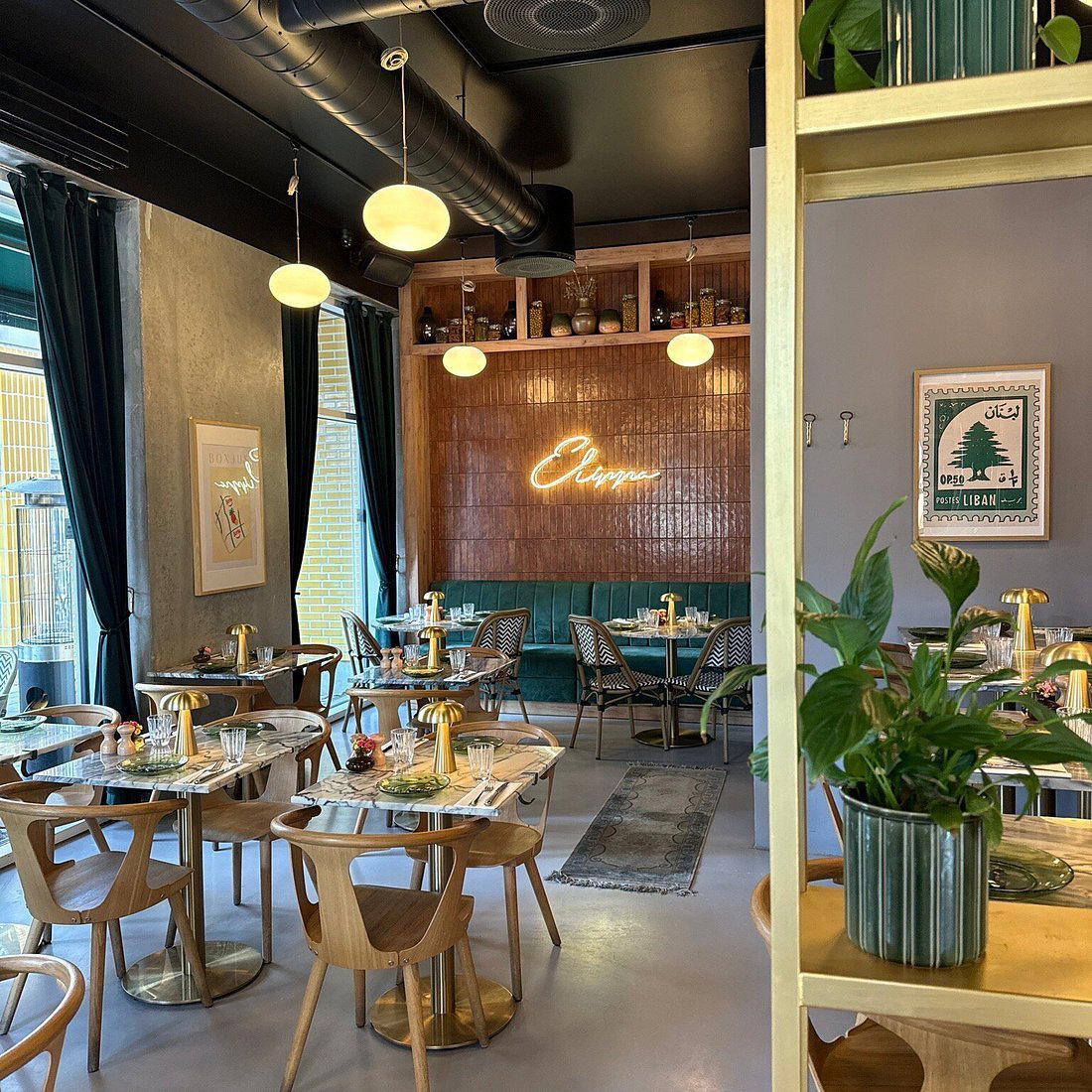
Copenhagen's Southern Neighbourhoods and the Restaurants That Don't Announce Themselves
The restaurants that generate sustained critical attention in Copenhagen rarely sit in the obvious tourist corridors. The city's dining culture has, over the past decade, distributed outward from the historic centre, partly as a consequence of rising rents, partly as a deliberate positioning signal. A Copenhagen address in the 2300 postal district, which covers the Amager Vest and Islands Brygge periphery, places a restaurant inside a neighbourhood that reads differently from the Vesterbro or Nørreport clusters where most international visitors anchor their evenings. That geographic choice is itself a statement about audience and intent.
Elippa operates from Martha Christensens Vej 51 in this southern stretch of the city. What the address signals, before any menu detail, is that the restaurant has opted out of the gravitational pull of Copenhagen's most visible fine-dining corridor. That is not unusual in a city where Alchemist chose a repurposed theatre on Refshaleøen, a former industrial island with no passing foot traffic, and still commands months-long waiting lists.
What the Copenhagen Scene Asks of Any New Entry
Copenhagen's fine-dining ecosystem is, by any reasonable measure, among the more competitive in Europe relative to city size. Geranium holds three Michelin stars and has ranked at stronger examples from the World's 50 Best list. Noma spent years as one discussed restaurant on the planet before choosing to close its iteration as a full-service restaurant. Koan has grafted kaiseki discipline onto New Nordic produce logic with notable critical results. Kadeau has demonstrated how deep a single island's larder, Bornholm, in that case, can carry a serious tasting menu.
The cumulative effect of that context is that any restaurant operating in Copenhagen at a serious level is, whether it seeks that comparison or not, measured against a generation of kitchens that have fundamentally changed what Nordic cooking means internationally. The city's critics and its dining public are among the more informed in Europe. That context shapes how restaurants here communicate, price, and position themselves, and it shapes how a restaurant like Elippa, about which public data is currently limited, should be approached by anyone building a considered visit.
The Sensory Logic of Copenhagen's Most Serious Rooms
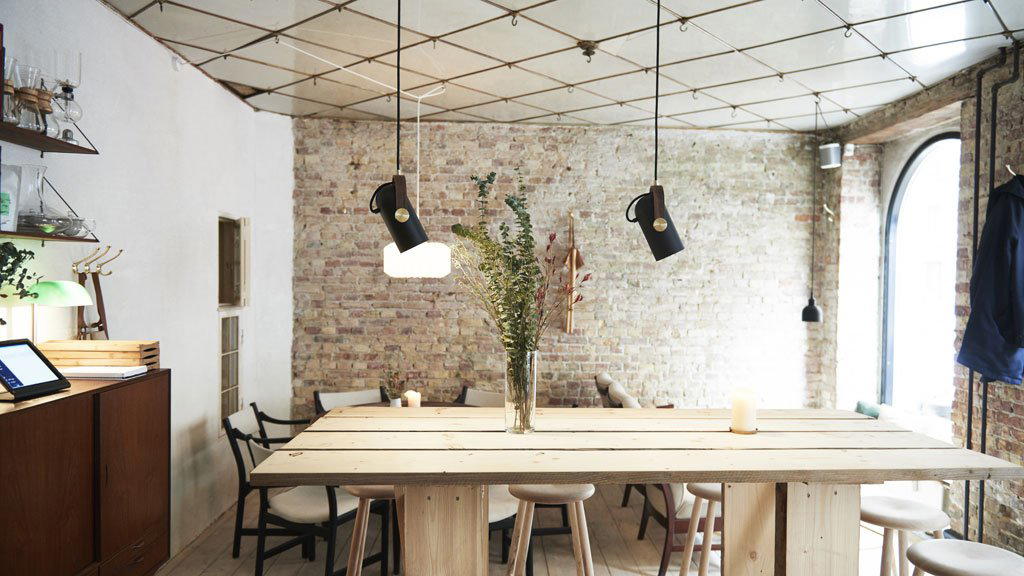
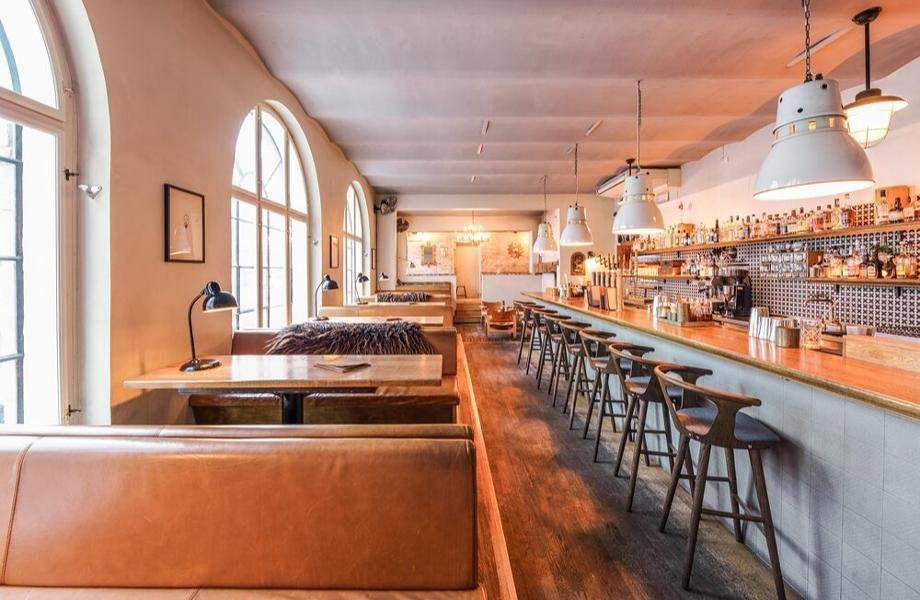
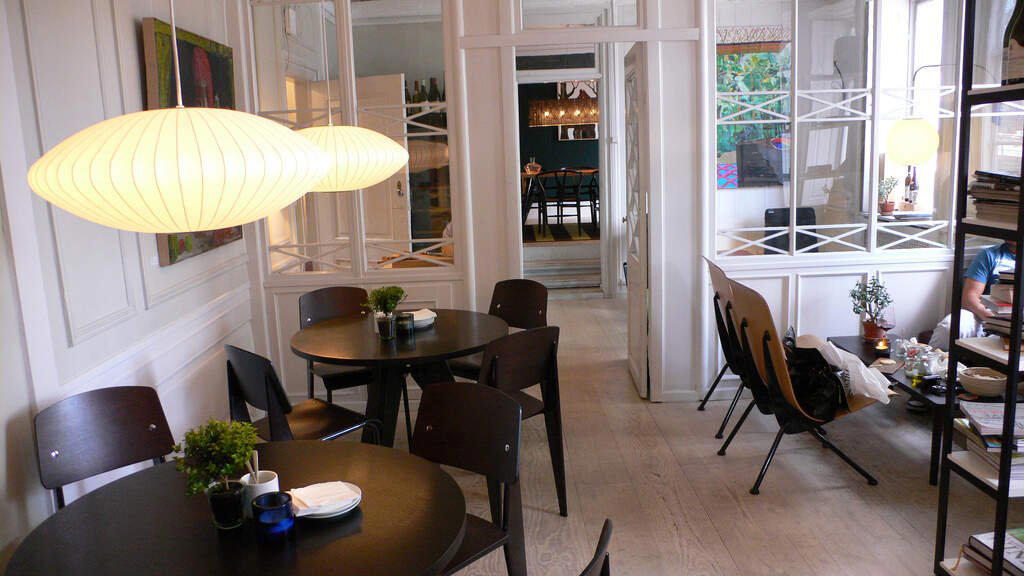
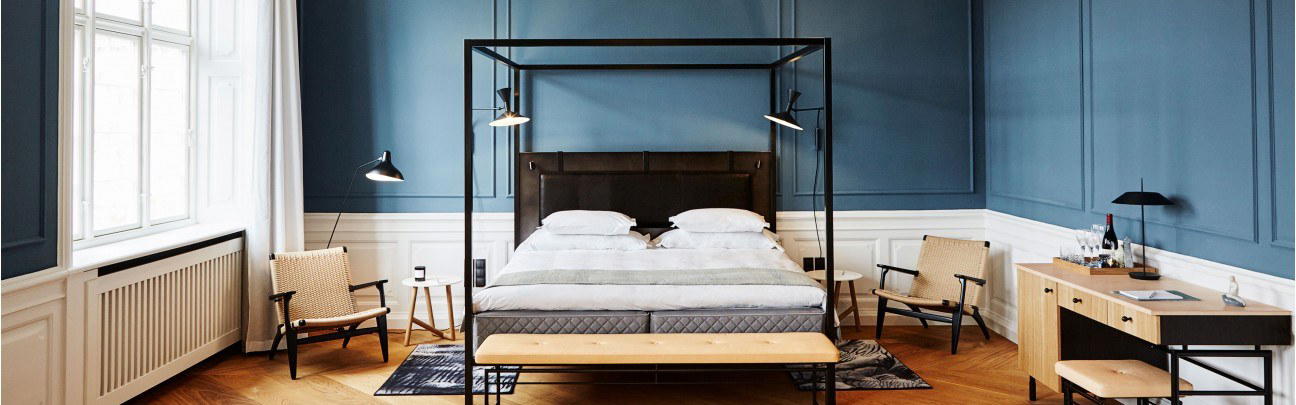
Among the things that Copenhagen's leading restaurants share, regardless of whether they chase Michelin recognition or resist it, is a consistent approach to physical environment. The rooms tend to be spare rather than ornate: pale wood, controlled light, acoustics calibrated so that conversation is possible without effort. The sensory restraint is deliberate. It reflects the same reduction philosophy that shapes the cooking: remove anything that competes with the primary experience, and what remains carries more weight.
That aesthetic has become so associated with Scandinavian fine dining that it has now been exported globally, influencing restaurant design from Seoul to São Paulo. But in Copenhagen itself, the approach continues to evolve. Some newer rooms push against the minimalist template, introducing texture, darkness, and material contrast as a counterpoint to the decade of stripped-back interiors. The question for any new or under-documented restaurant in the city is where it lands on that spectrum, and whether it extends the tradition or offers a variation on it.
For Elippa, with limited public documentation currently available, the honest position is that the sensory specifics, the light quality, the room's proportions, the sound levels, the sequence in which the experience arrives, are not yet verifiable through published sources. What is knowable is that the address places it in a residential southern neighbourhood where atmosphere, by necessity, must be generated from within the room rather than borrowed from a busy street.
Denmark's Wider Fine-Dining Geography
Copenhagen concentrates Denmark's most-discussed restaurant names, but the country's serious dining scene extends well beyond the capital. Jordnær in Gentofte holds two Michelin stars and operates just north of the city. Further afield, Frederikshøj in Aarhus has sustained serious recognition in Denmark's second city, while Henne Kirkeby Kro in Henne represents the tradition of the destination inn, a format that asks guests to commit to a journey in exchange for something that couldn't exist in a city. Frederiksminde in Præstø, Ti Trin Ned in Fredericia, Dragsholm Slot Gourmet in Hørve, LYST in Vejle, Tri in Agger, Pearl by Paul Proffitt in Kruså, and Syttende in Sønderborg collectively demonstrate that serious cooking in Denmark is no longer a purely Copenhagen phenomenon.
Globally, the community-format dinner and the non-traditional venue have produced particularly discussed restaurant experiences of the past decade. Lazy Bear in San Francisco built a long-term reputation around a communal table format that started as a series of underground dinners. The format prioritises shared experience over formal service hierarchy. At the other end of the register, Le Bernardin in New York City demonstrates what decades of consistent technical discipline produce in terms of institutional trust and booking demand. Both represent legitimate points on the spectrum of what serious dining can look like, and Copenhagen's own scene spans a similar range.
For those building a considered Copenhagen itinerary, the full picture of what the city offers is covered in our full Copenhagen restaurants guide.
Know Before You Go
Address: Martha Christensens Vej 51, 2300 København, Denmark
Neighbourhood: Southern Copenhagen (2300 postal district, Amager Vest area)
Reservations: Recommended
Price range: About $25 per person
Cuisine type: Authentic Lebanese
Awards: No Michelin stars or other major awards recorded
Getting there: The 2300 district is accessible via Copenhagen Metro (Christianshavn or DR Byen stations) or by bicycle.
Price Lens
Comparable venues nearby, for context on price, style, and recognition.
| Venue | Cuisine | Price | Notes |
|---|---|---|---|
| ElippaThis venue — the venue you are viewing | Amager Vest, Authentic Lebanese | $$ | Not listed |
| NOHO | Not listed | $$ | Vesterbro-Kongens Enghave, Latin-Inspired Fusion |
| Parterre Christianshavn | Indre By, Danish Café | $$ | Not listed |
| Ristorante Buono | Not listed | $$ | Vesterbro-Kongens Enghave, Authentic Italian |
| Osteria 16 | Not listed | $$ | Vesterbro-Kongens Enghave, Authentic Italian Antipasti |
| Reffen | Indre By, Global Street Food Market | $$ | Not listed |
Continue exploring
More in Copenhagen
Restaurants in Copenhagen
Browse all →
Bars in Copenhagen
Browse all →

At a Glance
- Cozy
- Modern
- Group Dining
- Family
- Casual Hangout
- Open Kitchen
- Extensive Wine List
- Craft Cocktails
- Organic
Current opening hours
- Monday
- 10 AM–10 PM
- Tuesday
- 10 AM–10 PM
- Wednesday
- 10 AM–10 PM
- Thursday
- 10 AM–10 PM
- Friday
- 10 AM–11 PM
- Saturday
- 10 AM–11 PM
- Sunday
- 10 AM–10 PM
Hours can change for holidays and private events. Last verified .
Laid-back and inviting with a warm, welcoming atmosphere.