
At the foot of the limestone massif of Les Baux-de-Provence, Baumanière Hôtel & Spa has operated under four generations of the same family and holds three Michelin stars alongside a Green Star for sustainability in 2025. The property anchors the upper tier of Provençal fine dining, where terroir is not a talking point but a structural commitment.
Pearl is the En Primeur Club membership app — saves, bookings, and concierge access live there. Same editors, same standards.
- Address
- 7 Pl. du Chapitre, 30400 Villeneuve-lès-Avignon, France
- Phone
- +33 4 90 15 90 15
- Website
- leprieure.com
- Directions
- Get directions
 Saves & bookings on Pearl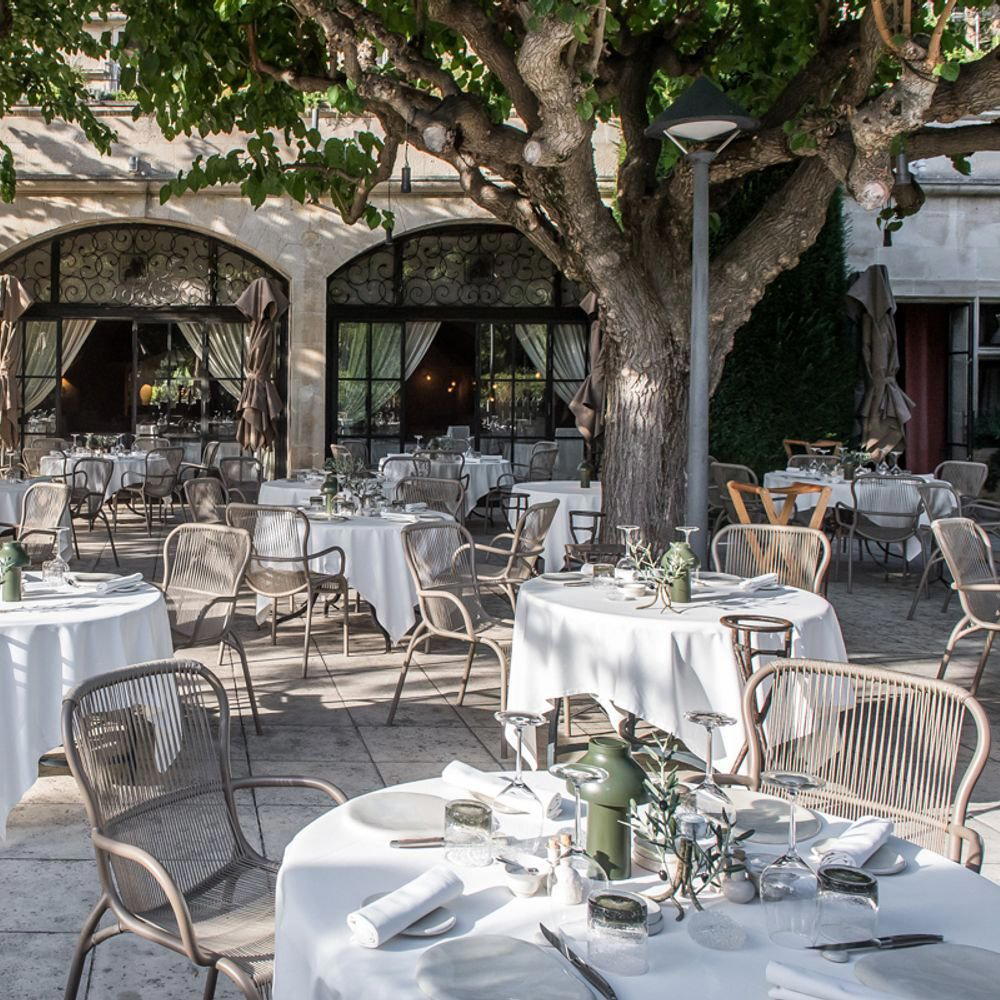
Where the Alpilles Meet the Plate
The approach to Les Baux-de-Provence sets expectations before you arrive at any table. The limestone massif rises abruptly from the Alpilles scrubland, and the light on those pale rock faces shifts through the afternoon in ways that painters have documented since Van Gogh was institutionalised nearby in Saint-Rémy. Baumanière Hôtel & Spa sits at 7 Pl. du Chapitre, 30400 Villeneuve-lès-Avignon, France, and serves modern Provençal fine dining.
The property is fourth-generation family-run, which in the Provençal fine dining context means something specific: the sourcing relationships, the supplier network, and the seasonal rhythms of the kitchen are institutional, not aspirational. That continuity is part of what separates Baumanière from properties that arrive at terroir-driven cooking as a positioning exercise. Here it is structural. In a region where French Provençal cuisine risks becoming a tourist-facing shorthand for rosé, olive oil, and lavender-scented everything, four generations of proximity to the same land creates a different kind of authority.
Three Stars in a Region of Serious Tables
South of France now operates one of the more competitive tiers of Michelin-starred dining in the country. Mirazur in Menton sits at the Mediterranean edge with its own kitchen-garden logic. AM par Alexandre Mazzia in Marseille represents a more urban, technically radical strand of southern French cooking. Baumanière holds no Michelin stars and no Green Star, according to the record, which places it outside that peer group. Alléno Paris au Pavillon Ledoyen, Flocons de Sel in Megève, Troisgros in Ouches, Auberge de l'Ill in Illhaeusern, Bras in Laguiole, and Paul Bocuse in Collonges-au-Mont-d'Or.
Its single award on record is recognition from the broader dining press. In France, that designation has become a meaningful differentiator among properties at the summit tier, reflecting sourcing transparency, food waste reduction, and supply chain ethics rather than vague environmental goodwill. That Baumanière holds both simultaneously suggests the kitchen's terroir commitment extends beyond sourcing rhetoric into operational structure.
Chef Richard Picard-Edwards leads the kitchen. The cooking at Baumanière falls into the tradition of place-rooted cuisine rather than the technique-forward, Paris-centric register of houses like Ledoyen. The comparison to Moulin de Mougins in Mougins or Château de Berne in Flayosc is instructive: all operate in the southern French register, but the star count and the Green Star together position Baumanière on a different plane of institutional recognition.
The Terroir Frame: Land, Ingredient, Plate
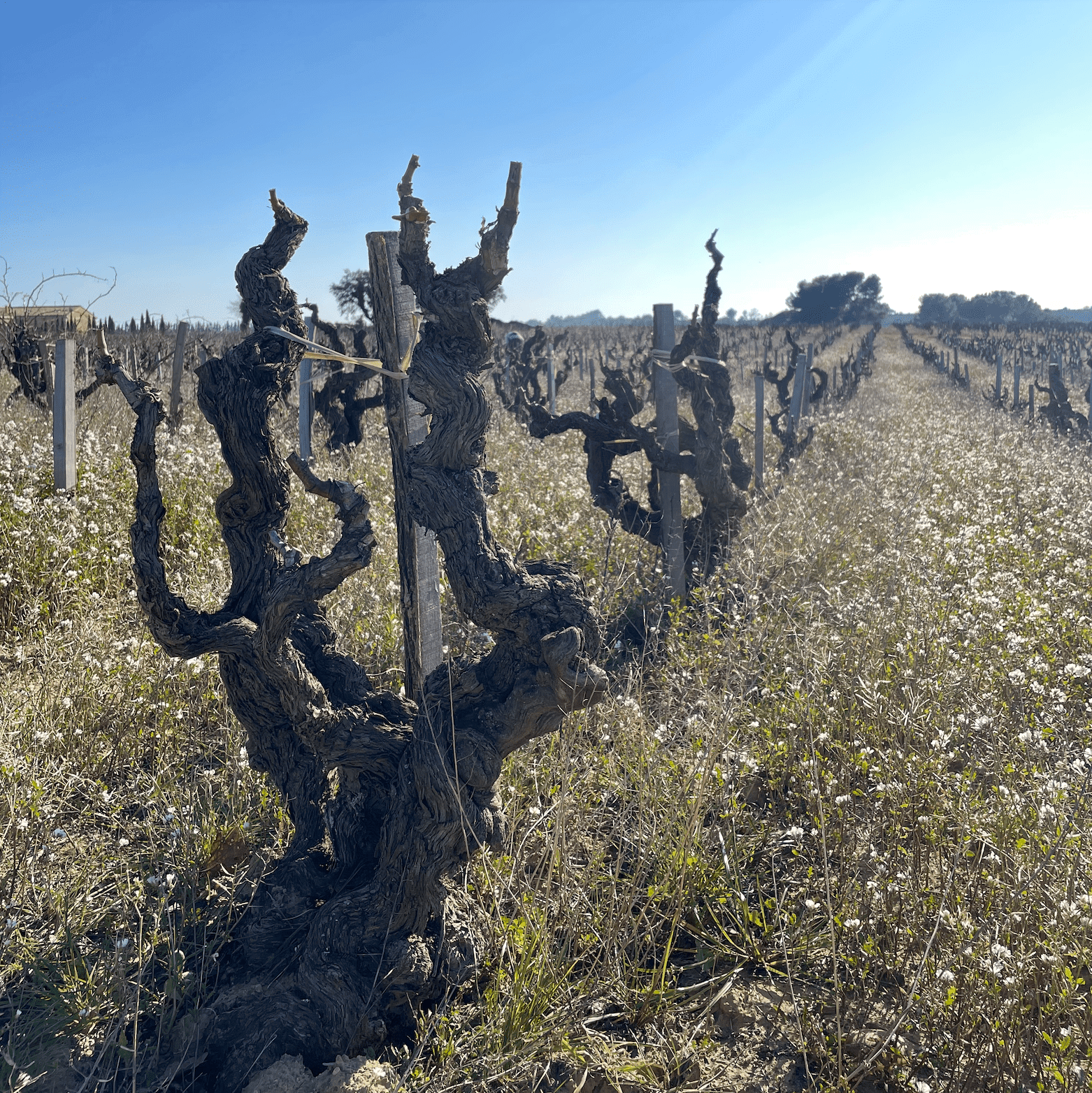
Provençal cuisine at its most serious is an exercise in restraint applied to notable raw material. The Alpilles produce olives among the more protected in France under the Vallée des Baux-de-Provence AOC, a designation covering one of the smallest olive oil appellations in the country. The garrigues surrounding the property yield wild herbs whose concentration is a function of poor soil and dry summers, conditions that intensify flavour rather than encourage yield. This is the ingredient context that defines what a kitchen situated here can credibly claim.
The Green Star recognises that provenance claims need operational backing. In that sense, Baumanière's dual 2025 recognition is self-reinforcing: the three culinary stars confirm the quality of execution, while the Green Star suggests the sourcing behind that execution meets a documented standard. For visitors whose interest in terroir extends beyond reading menus, the proximity of the Alpilles AOC olive groves and the kitchen's demonstrated sourcing commitments give the experience a verifiable grounding that many fine dining properties in France cannot match.
The Property in Context: Quiet by Design
Les Baux-de-Provence draws day visitors to its medieval citadel in significant numbers, particularly between spring and early autumn. The village itself occupies a ridge that can feel crowded by midday in high season. Baumanière's position at the base of the massif, with the property designed around peace and quiet, functions as a deliberate counterpoint to that flow. A hotel and spa property at this level prices and pitches against retreat-focused peers in the Luberon and the broader Alpilles corridor, not against the village's more accessible offerings.
Guests approaching via the D27 from Saint-Rémy-de-Provence, roughly twelve kilometres to the northeast, arrive through a landscape shift that the property has never had to manufacture: the road narrows, the limestone intensifies, and the garrigue smell enters the car before the property comes into view. It is that approach, as much as any interior detail, that establishes the property's register.
Within Les Baux: Placing Baumanière in the Local Hierarchy
The Les Baux dining scene concentrates a disproportionate amount of serious French cooking for a village of its size. L'Oustau de Baumanière, the creative restaurant operating within the same estate, holds three Michelin stars of its own and represents the more experimental strand of the property's output. La Cabro d'Or operates at the €€€€ level in a Provençal register without the starred credential. L'Aupiho at Domaine de Manville holds one Michelin star and offers a modern cuisine alternative at a comparable price point.
Planning a Stay
Baumanière operates as a hotel and spa, which means the dining experience is most naturally framed as part of a longer stay rather than a single-service visit. Reservations are essential. Spring and early autumn are the natural windows for visiting the Alpilles: the light is at its most legible, the markets at their most productive, and the garrigue in its most aromatic state before summer desiccation sets in.
- Feuilleté of Sweetbreads
- Fattened Young Hen with Morels
- Leg of Lamb from the Alpilles in a Crust
- Mille-feuille
- Tender Red Mullet in Farmhouse Cream
- Blue Lobster on Baby Leek Bed
Comparable Spots, Quickly
Comparable venues nearby, for context on price, style, and recognition.
| Venue | Cuisine | Price | Awards | Notes |
|---|---|---|---|---|
| Baumanière Hôtel & Spa | Modern Provençal Fine Dining | $$$$ | Not listed | Les Baux-de-Provence |
| La Cabro d'Or | Refined Provençal Fine Dining | $$$$ | Michelin Plate | Les Baux-de-Provence |
| L'Aupiho - Domaine de Manville | French Author Cuisine | $$$$ | Michelin 1 Star | Les Baux-de-Provence |
| L'Oustau de Baumanière | Provençal Fine Dining | $$$$ | Michelin 3 Star | Les Baux de Provence |
| Auberge de Noves | Traditional Provençal French | $$$$ | Not listed | Noves |
| Restaurant Gastronomique Le Prieuré | Michelin-starred Seasonal French Gastronomic Cuisine | $$$$ | Not listed | Villeneuve-lès-Avignon |
Recognition history
Dated appearances from independent guides and award organizations, with the underlying list record or original source where available.
Relais Chateaux Award
Relais Chateaux
Continue exploring
More in Les Baux
Restaurants in Les Baux
Browse all →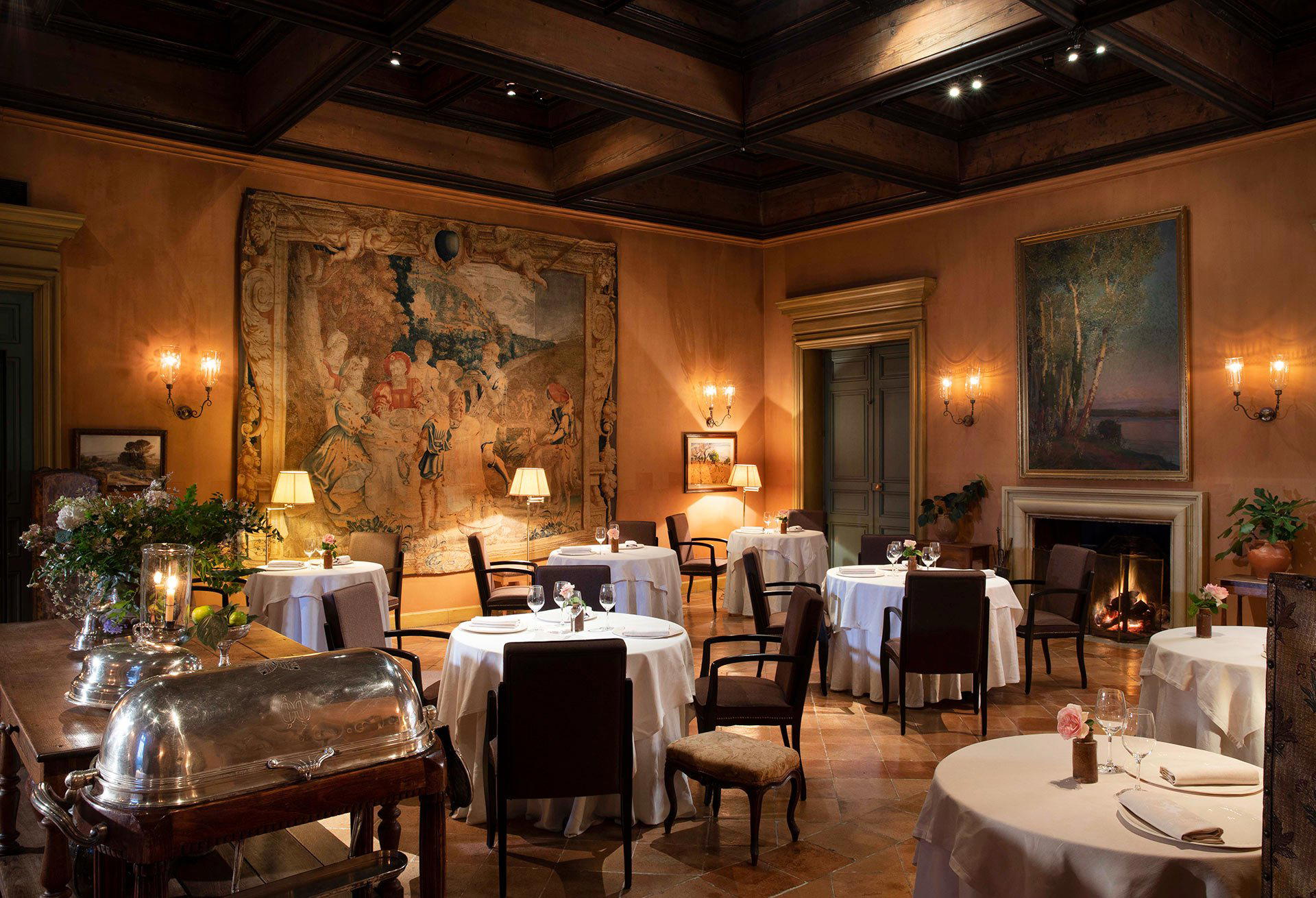
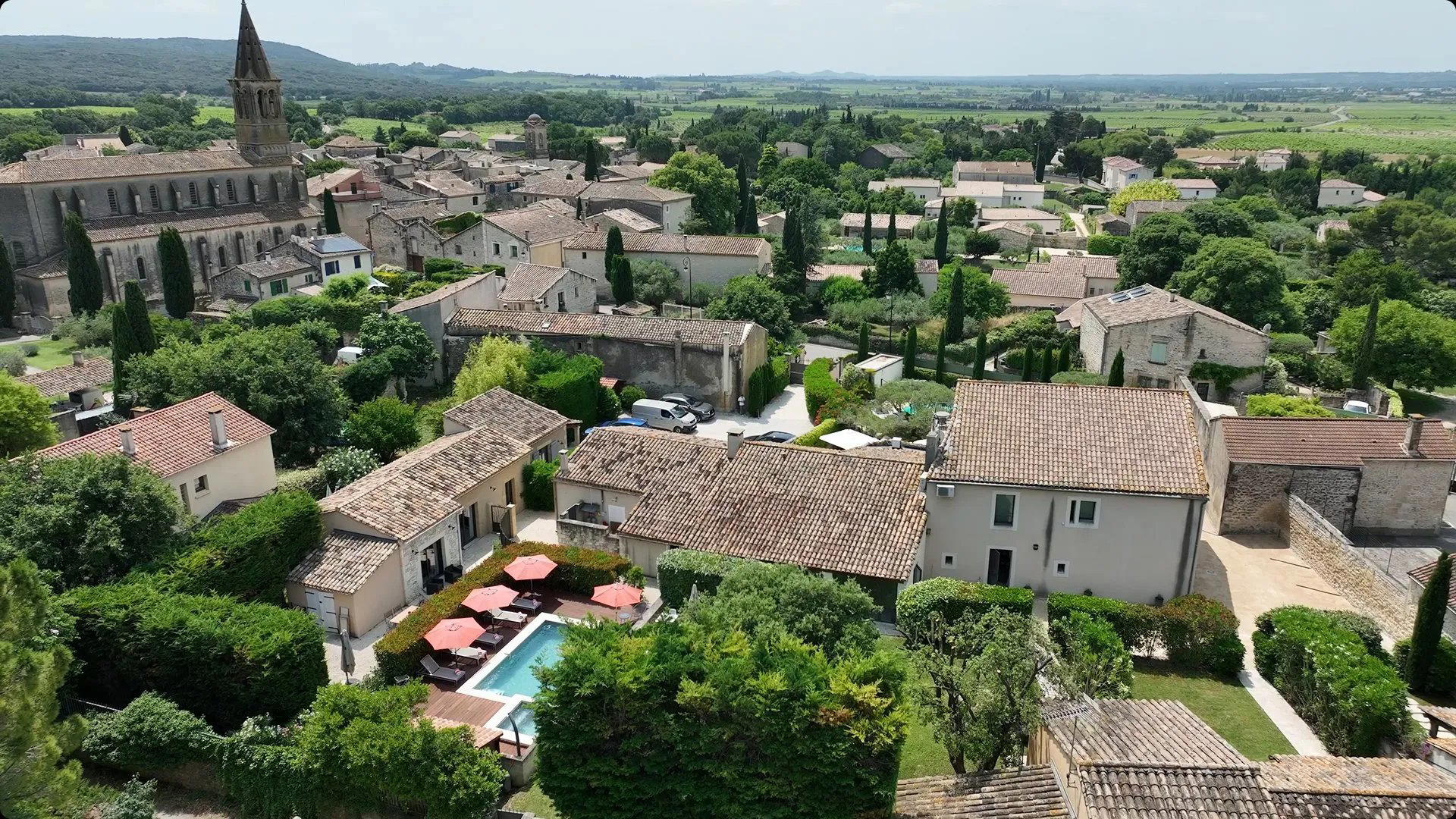
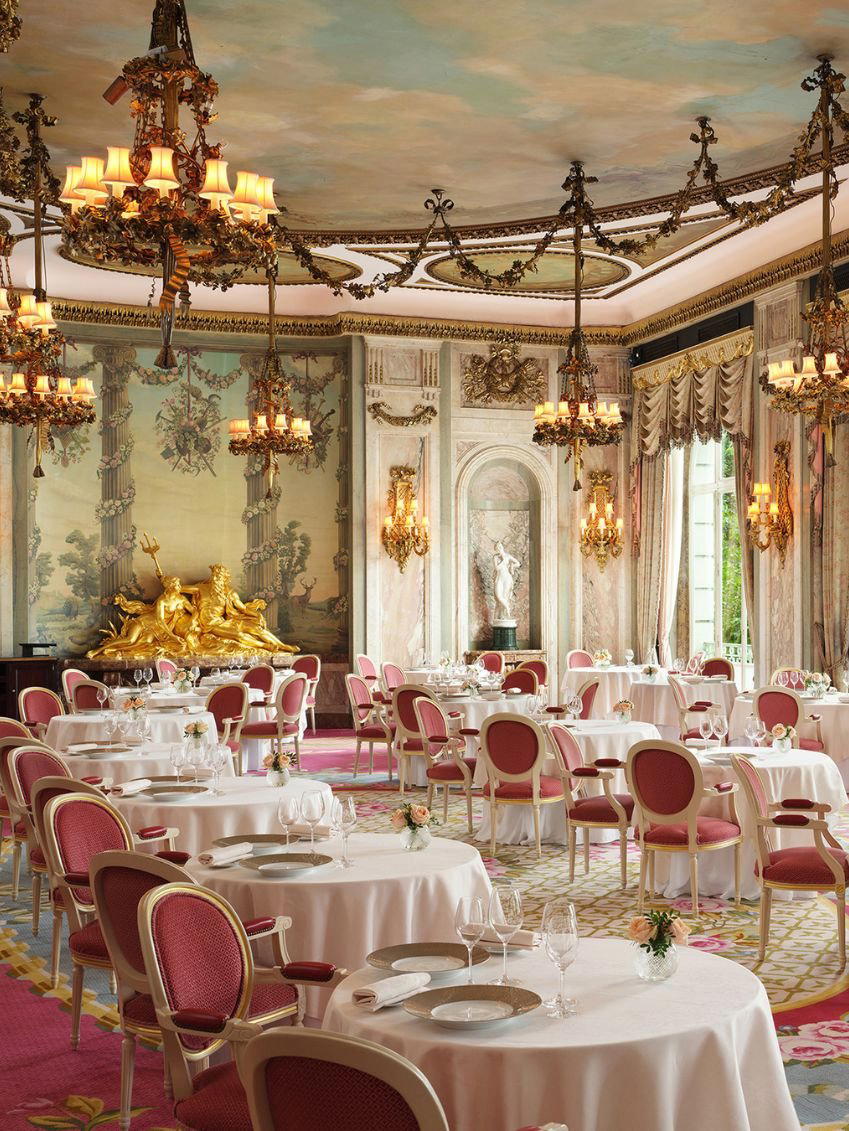
Bars in Les Baux
Browse all →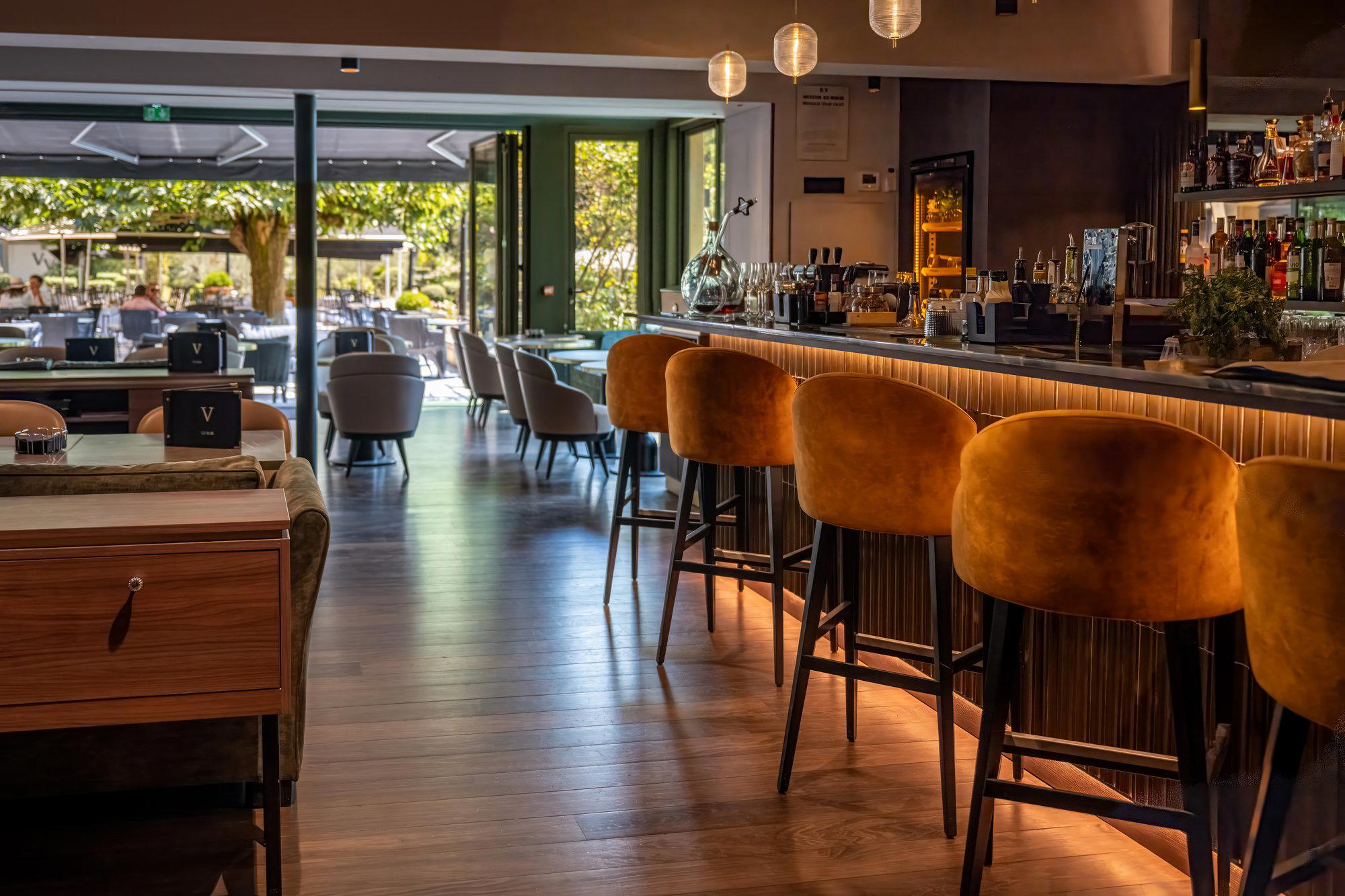
Hotels in Les Baux
Browse all →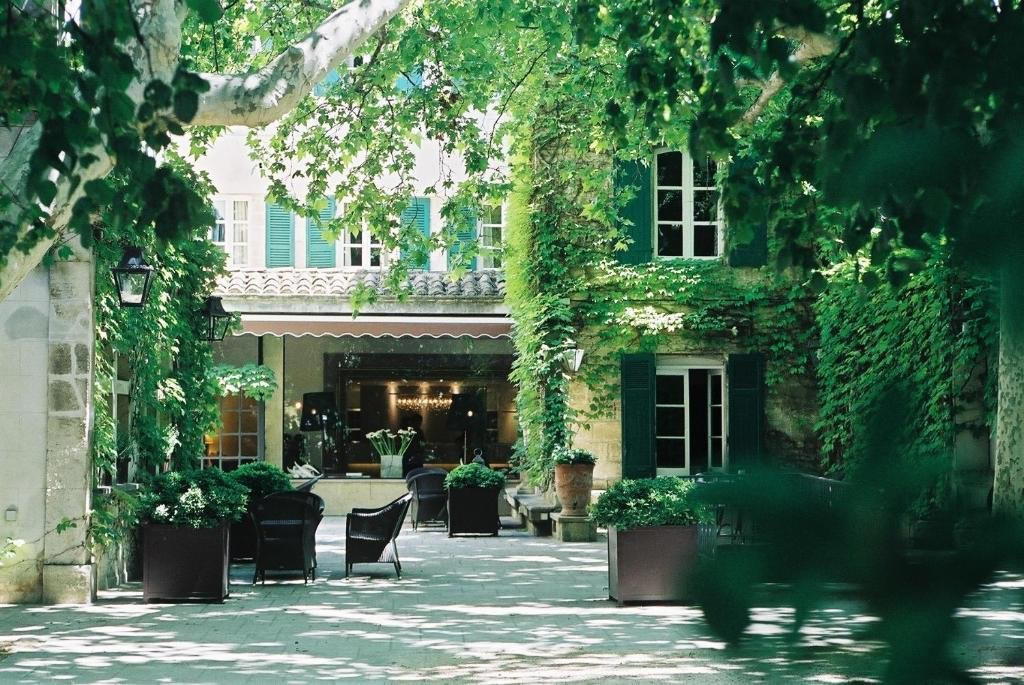
At a Glance
- Elegant
- Romantic
- Sophisticated
- Well Known
- Special Occasion
- Celebration
- Date Night
- Business Dinner
- Wine Cellar
- Garden
- Terrace
- Historic Building
- Private Dining
- Hotel Restaurant
- Extensive Wine List
- Sommelier Led
- Farm To Table
- Organic
- Local Sourcing
- Biodynamic
- Garden
- Mountain
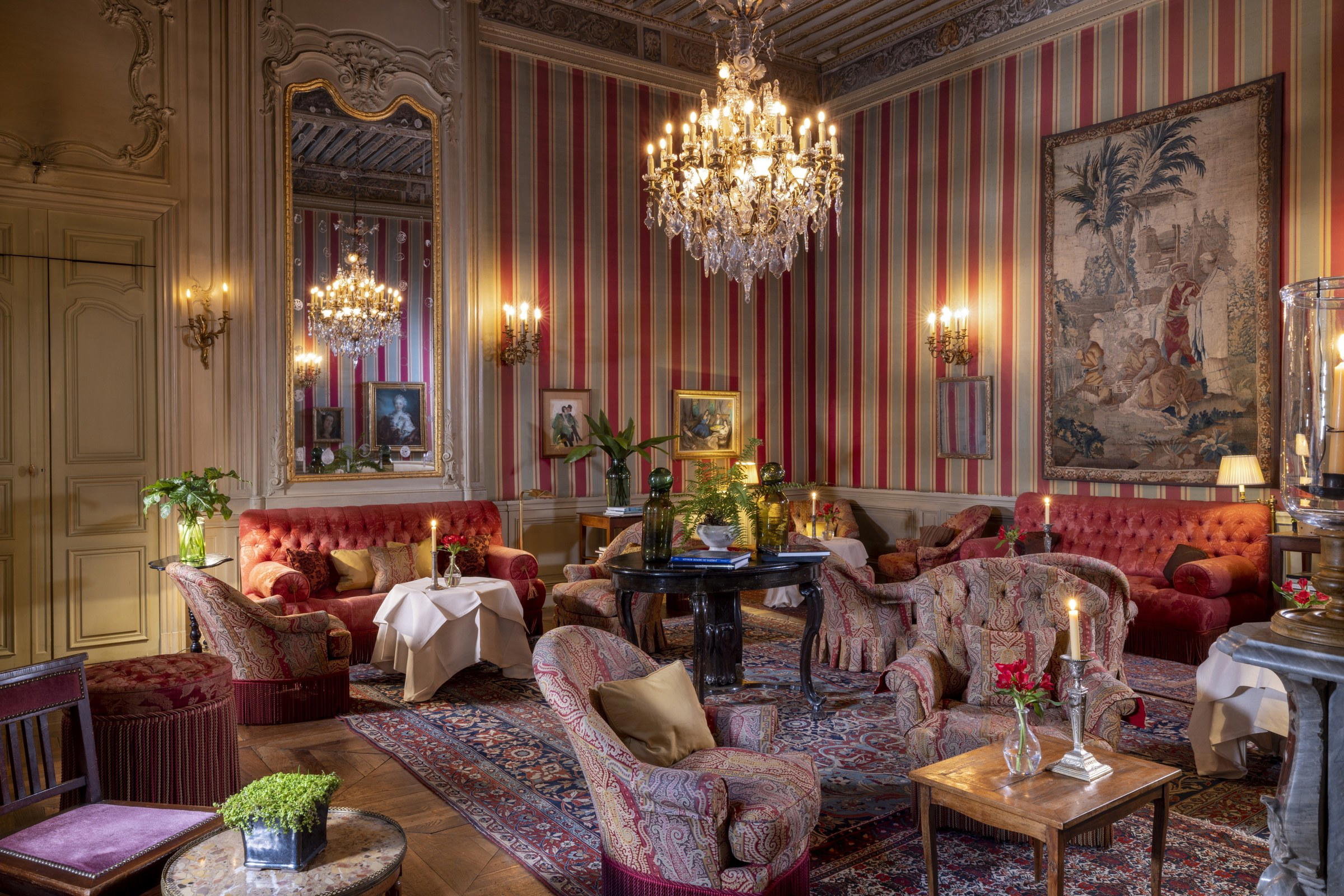
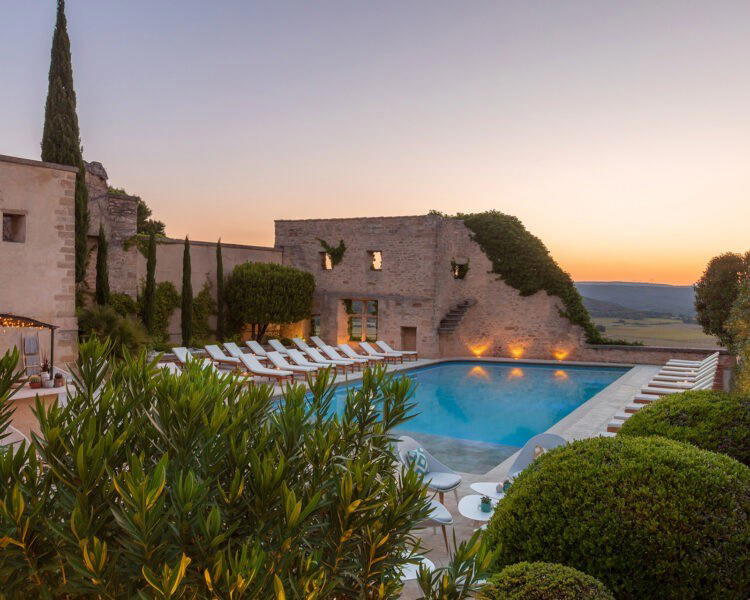
Refined and elegant with soft, sophisticated lighting; guests describe the setting as magical and enchanting, with polished service and a dreamlike atmosphere that balances rusticity with luxury.