
Michelin Bib Gourmand
Our verdict
Basta! holds a 2025 Michelin Plate on the Chaussée de Tirlemont in Wanze, serving Italian cuisine at a mid-range price point that makes it one of the few Michelin-recognised tables in the Meuse valley.

Pearl is the En Primeur Club membership app, where members save venues, book tables and use the concierge.
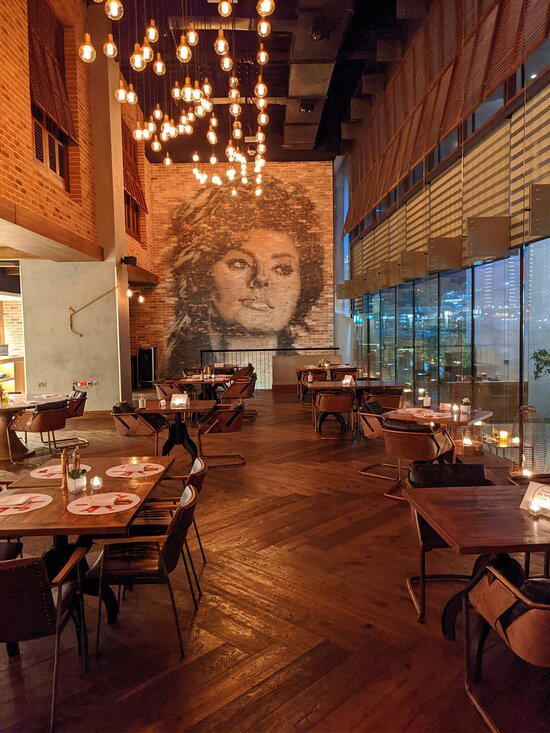
Italian at the Meuse Valley Table
Belgium's recognised restaurant circuit tilts heavily toward French-inflected cooking. The Michelin Guide's Belgian listings are dominated by creative Flemish kitchens and classical French-Belgian formats, with multi-starred addresses like Boury in Roeselare, Castor in Beveren, and Cuchara in Lommel defining much of the upper bracket. Italian cuisine in this context is not a secondary concern, but it does occupy a different kind of position: it succeeds here not by chasing the tasting-menu format that dominates Belgium's starred tier, but by anchoring itself to something more direct. Basta! holding a 2025 Michelin Plate on Chaussée de Tirlemont in Wanze, sits inside that alternative current.
The Michelin Plate is a specific and underrated signal. It marks a restaurant that Michelin's inspectors consider worthy of attention for quality cooking, without the additional theatre of multi-course escalation or elaborate presentation that accompanies starred houses. In Belgium's mid-valley towns, where the restaurant density thins considerably compared to Brussels, Bruges, or Ghent, a Plate acknowledgement carries more weight than it might in a city where the competition is denser. For a town like Wanze, on the Meuse between Liège and Huy, it is a meaningful credential.
What the Italian Tradition Means Here
Italian cooking in Belgium has historically arrived through two distinct channels. The first is the post-war immigration wave into the mining and industrial zones of Wallonia and Limburg, which produced generations of family-run trattorias operating on comfort and familiarity. The second, more recent, is a professionalized layer of Italian restaurants drawing from specific regional traditions: Neapolitan pizza culture, Roman pasta formats, Milanese risotto disciplines, or the produce-first logic of Tuscany and Piedmont. These two channels produce very different restaurants, and the distinction matters when assessing what a place like Basta! represents in its local setting.
Italy's regional kitchen identities are not interchangeable. Roman cooking is built on economy and technique: the carbonaras, cacio e pepes, and amatriciane that arrive at their effect through fat ratios and pasta geometry, not ingredient cost. Neapolitan cooking is about sourcing fundamentalism, with San Marzano tomatoes and fior di latte standing as non-negotiable variables. Tuscan food runs on olive oil quality and protein restraint. Milanese preparations tend toward the richer and more structured. Each tradition makes different demands on a kitchen, and each tells a different story about what the chef values as foundational.
At the €€ price point, Basta! positions itself in accessible mid-range territory rather than the premium end occupied by addresses like De Jonkman in Sint-Kruis or Zilte in Antwerp. That mid-range positioning, combined with Michelin recognition, is not a contradiction. It reflects a model where quality is achieved through execution and sourcing discipline rather than through the escalation of format or ingredient luxury.
Placing Basta! in the Belgian Italian Scene
Belgium's Italian restaurant tier has produced a small number of genuinely ambitious addresses, but most serious Italian cooking recognised in international contexts happens further afield. For comparison, 8 1/2 Otto e Mezzo Bombana in Hong Kong operates at the formal three-star level, and cenci in Kyoto represents what happens when Italian discipline meets Japanese sourcing culture. These are useful reference points not because Basta! competes with them, but because they illustrate how Italian cooking, when taken seriously at different price points and in different cultural contexts, adapts its rigour to its conditions. A mid-range Belgian address with Michelin recognition occupies its own valid position in that broader field.
Within Wallonia, the comparison set for Basta! is not the multi-starred tables further north or in Brussels. The more relevant peer group is the cluster of serious, independently operated restaurants serving good cooking at accessible prices in smaller cities and towns across the Meuse valley and the Province of Liège. In that local context, Michelin's attention is a differentiator. Most restaurants in Wanze and its immediate surroundings operate without any external recognition. Pollen in Wanze, the modern French table on the same restaurant circuit, provides a useful local contrast in style and approach.
The Wanze Context
Wanze is not a dining destination in the sense that Bruges or Brussels draw visitors specifically to eat. It is a working town in the Province of Liège, positioned along the Meuse river and the agricultural flat between Huy and the Liège agglomeration. The restaurant scene here serves a local and regional clientele rather than touring food visitors, which shapes what success looks like: a full room on a Friday, consistent return custom, and word-of-mouth that extends to neighbouring communes rather than international media coverage.
That context makes Basta!'s Michelin Plate more interesting, not less. When Michelin inspects and recognises a restaurant in a town of this size, it is not chasing the press attention that comes from a new urban opening. It is documenting that quality cooking is being produced somewhere it could easily be overlooked. The address on Chaussée de Tirlemont places the restaurant on one of the main arterial roads through the area, accessible rather than hidden, serving the kind of neighbourhood that builds regulars rather than collectors.
Visitors planning a broader Belgian dining circuit can reference the full Wanze restaurants guide for the complete local picture, and cross-reference the Wanze hotels guide for accommodation options in the area. Those extending into the wider Wallonian and Flemish dining scene will find relevant context through addresses like Bozar Restaurant in Brussels, Hof van Cleve in Kruishoutem, Bartholomeus in Heist, d'Eugénie à Emilie in Baudour, and Willem Hiele in Oudenburg. The Wanze bars guide, wineries guide, and experiences guide round out the local planning picture.
Planning a Visit
Basta! is located at Chaussée de Tirlemont 118, 4520 Wanze. The €€ price range positions it comfortably for a mid-week dinner or weekend lunch without the pre-planning that starred restaurants in the region typically require. Specific hours and booking methods are best confirmed directly with the restaurant, as these are not currently published through third-party channels. The Michelin Plate recognition for 2025 represents the most recent external validation of the kitchen's consistency.
Frequently asked questions
What kind of recognition has Basta! received?
Basta! has received recognition including: Michelin Plate (2025).
What's the must-try dish at Basta!?
Basta! does not publish a set menu online, so no single dish can be confirmed from available data. What the 2025 Michelin Plate does confirm is consistent kitchen quality across the Italian repertoire. Ask the kitchen on arrival what is running that day.
A Quick Peer Check
Comparable venues nearby, for context on price, style, and recognition.
| Venue | Cuisine | Price | Awards | Notes |
|---|---|---|---|---|
| Basta!This venue (the venue you are viewing) | Contemporary Sicilian Fine Dining | $100–150 | Michelin Bib Gourmand | Not listed |
| POLLEN | Modern French Vegetable Cuisine | $100–150 | Michelin Plate · We're Smart World 3 Radishes | Wanze |
| Le Collet Gourmand | Modern French Regional | $50–100 | Not listed | Wanze |
| L'inizio | Modern Italian | Not listed | Michelin Plate | Herve |
| Osteria Romana | Authentic Roman Italian | $50–100 | Michelin Plate | Avenue Louise |
| La Baita | Modern Italian Fusion | $100–150 | Michelin Plate | Pelt |
Recognition history
Dated appearances from independent guides and award organizations, with the underlying list record or original source where available.
Michelin Bib Gourmand
Michelin
Full recognition history (2 entries)
Michelin Plate
Michelin
Continue exploring
More in Wanze
Restaurants in Wanze
All restaurants in Wanze →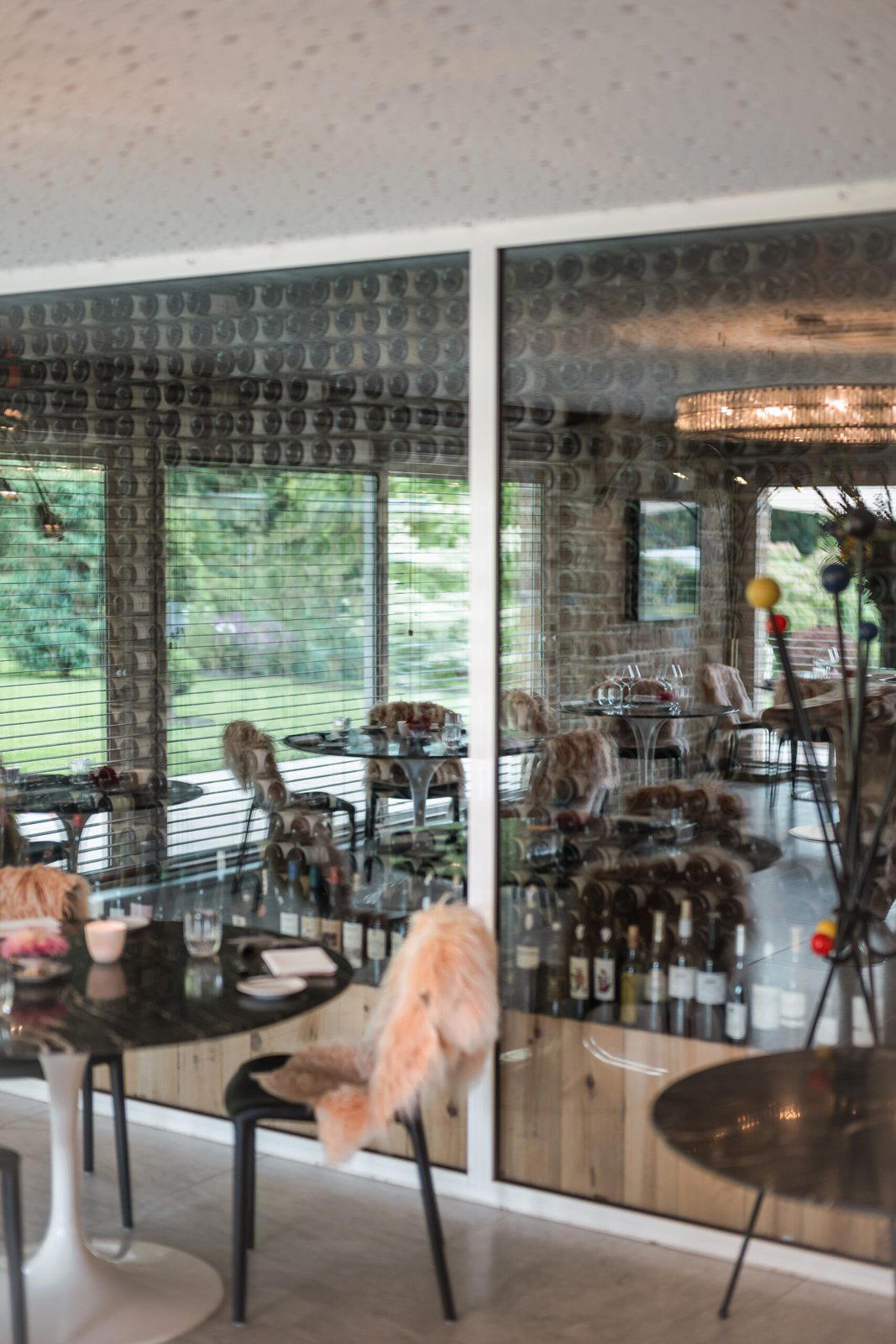
Bars in Wanze
Browse all →
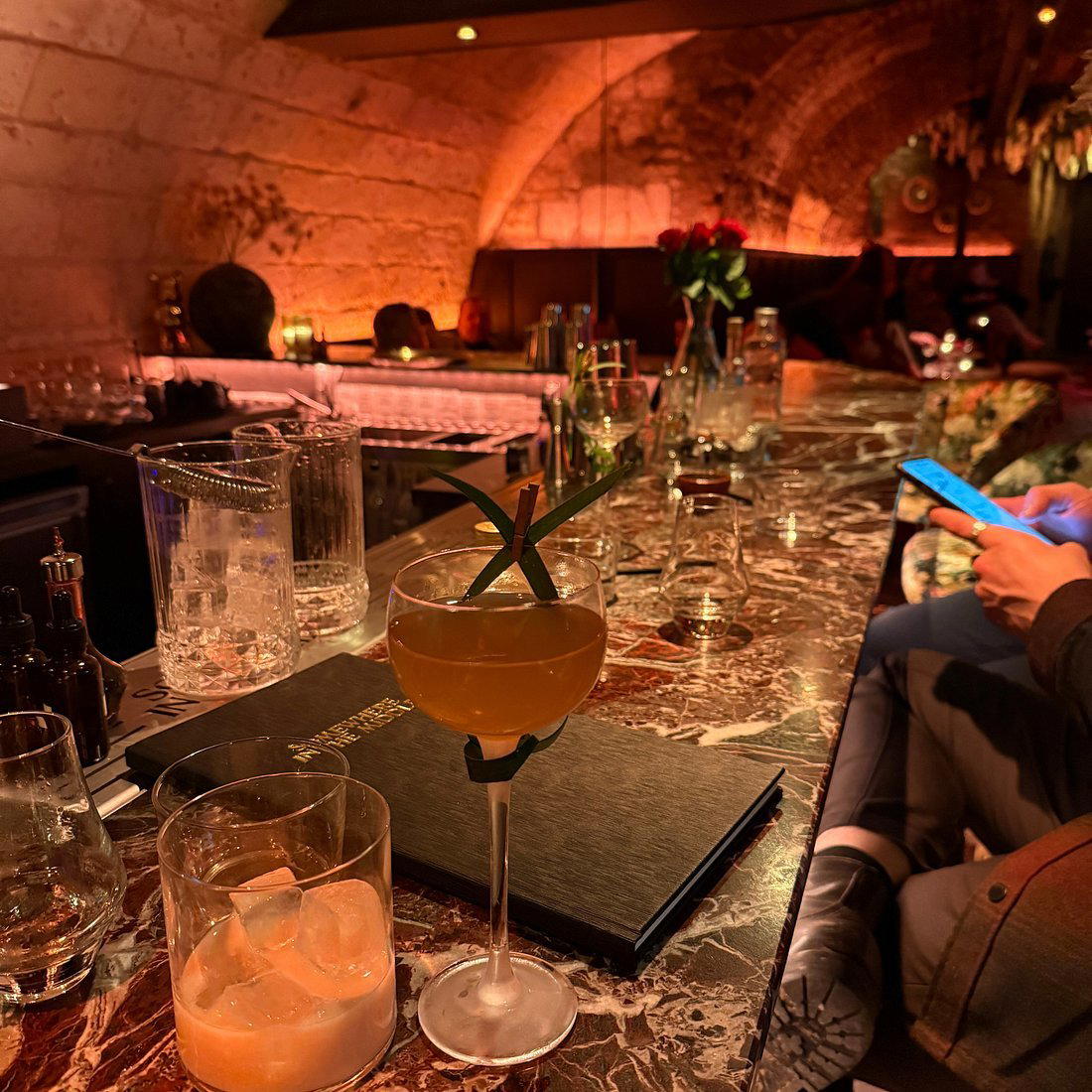
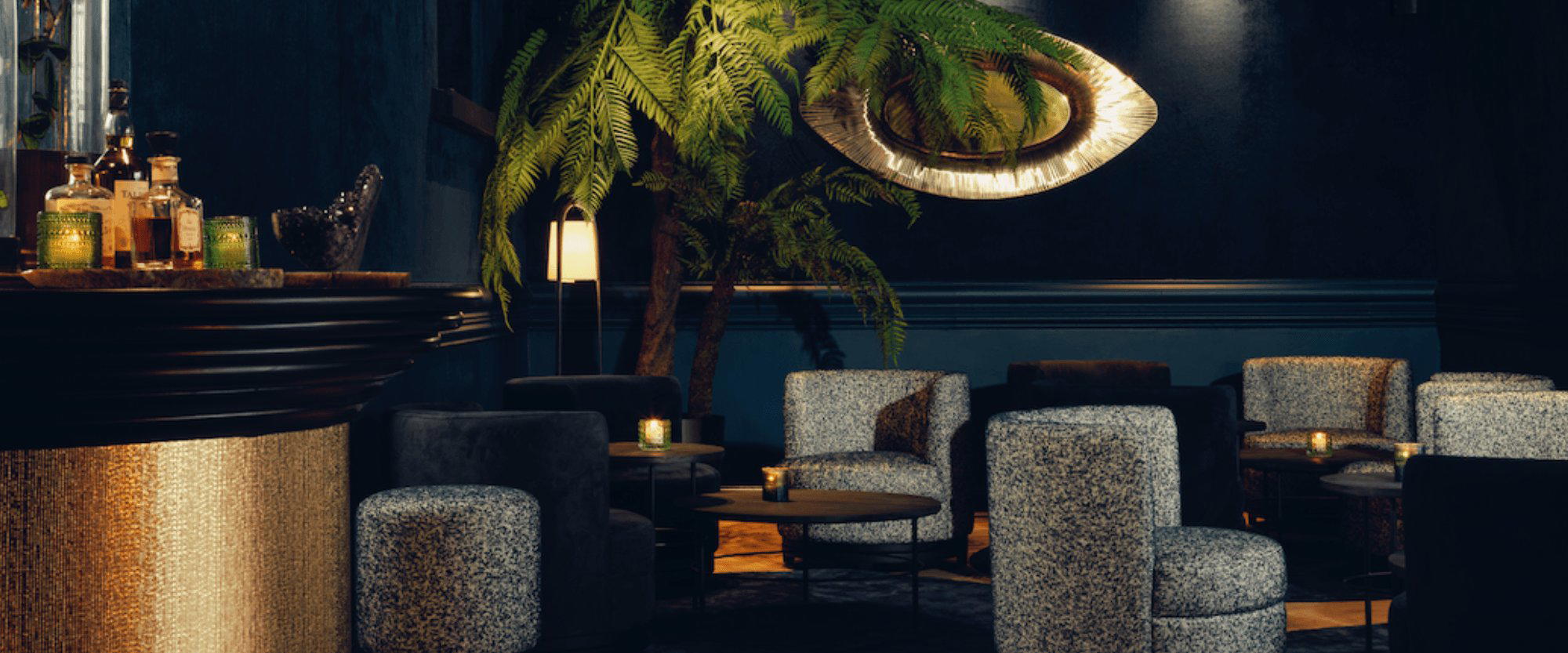
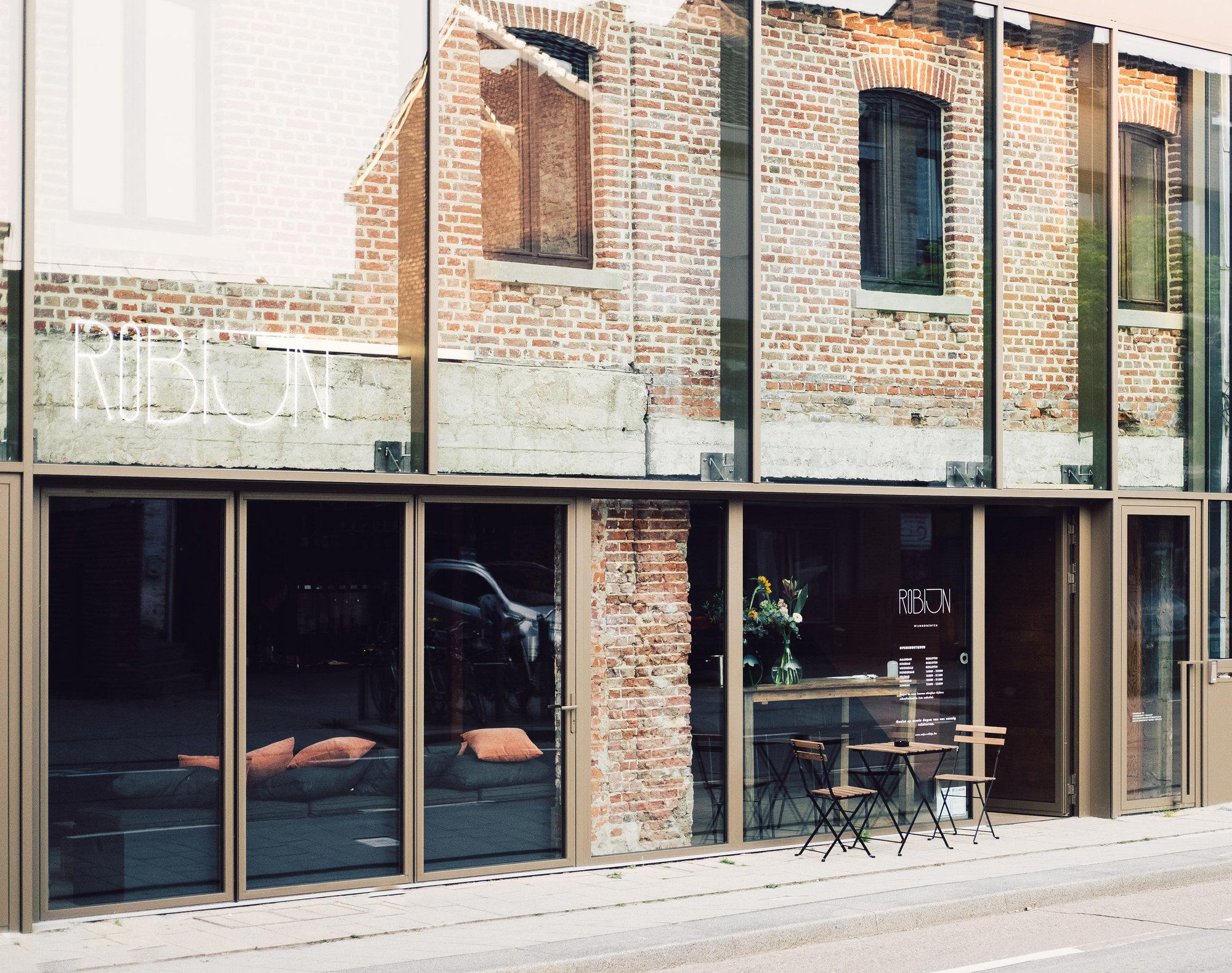
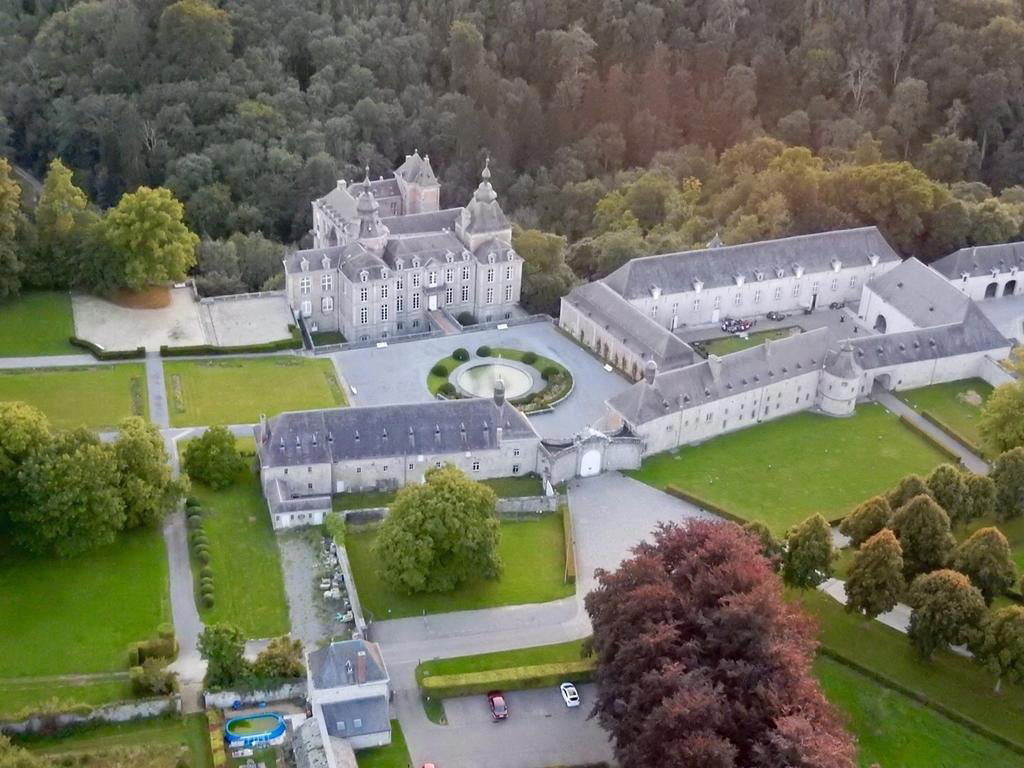
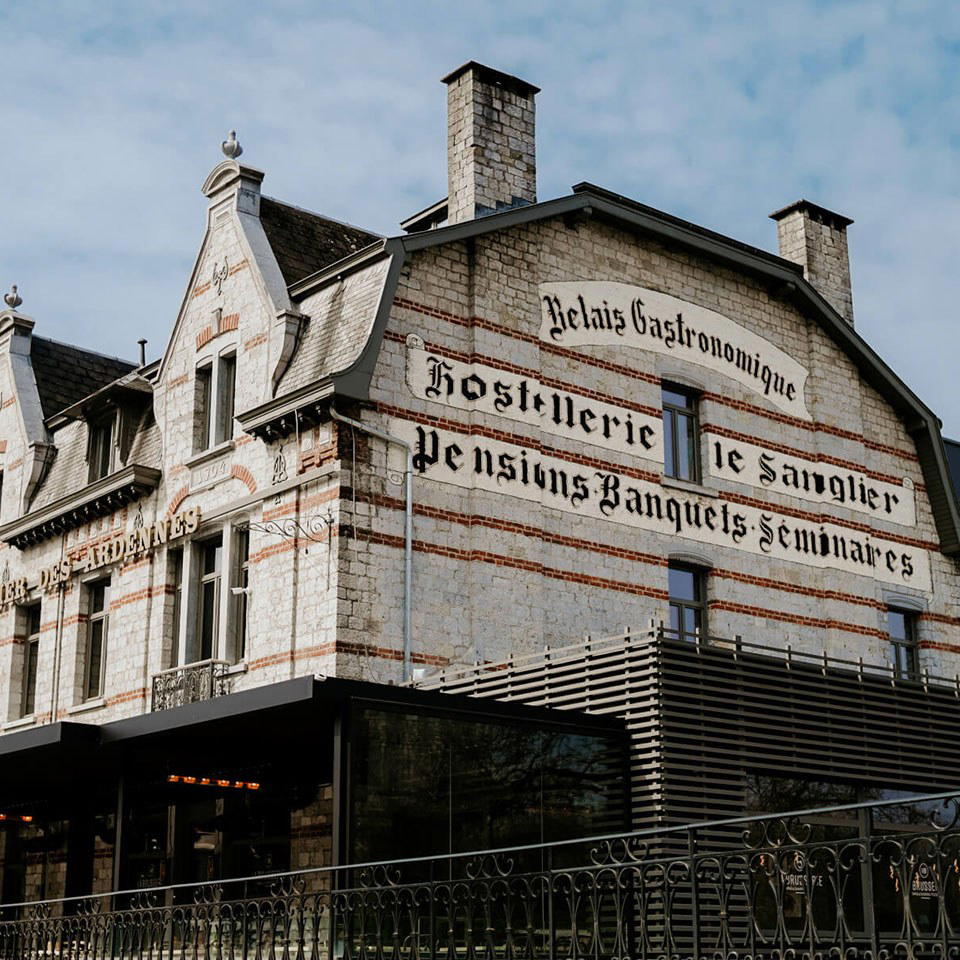
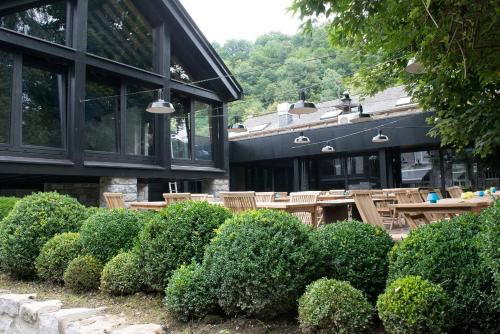
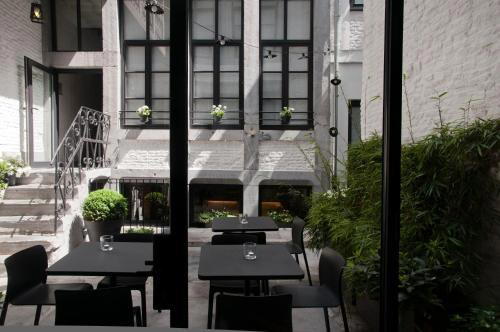
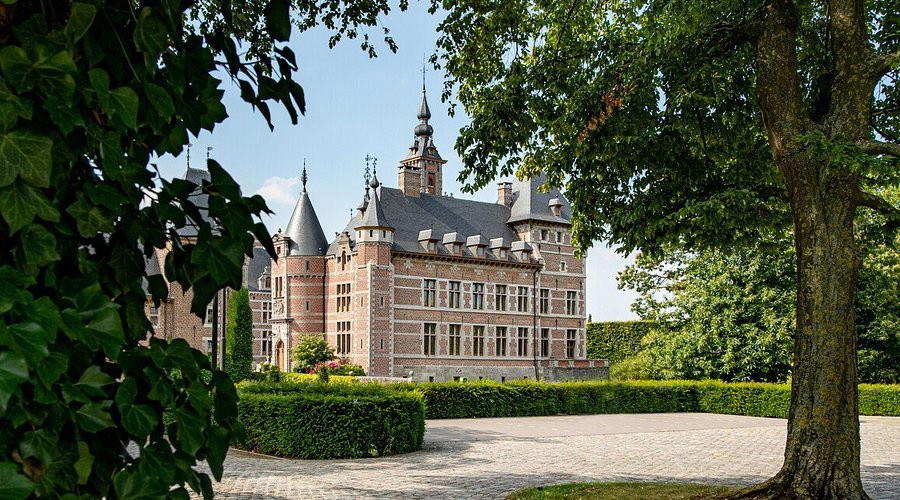

Basta!
The wine
- Wine program
- Deep wine list
- Extensive wine list
- Sommelier-led
Details
- Elegant
- Romantic
- Sophisticated
- Modern
- Date Night
- Special Occasion
- Celebration
- Business Dinner
- Terrace
- Garden
- Open Kitchen
- Extensive Wine List
- Sommelier Led
- Local Sourcing
- Farm To Table
- Garden
- Tasting Menu
- Prix Fixe
- Italian Wines
- Allergy Accommodating
Current opening hours
- Monday
- 12–1:30 PM, 7–9:30 PM
- Tuesday
- Closed
- Wednesday
- Closed
- Thursday
- 12–1:30 PM, 7–9:30 PM
- Friday
- 12–1:30 PM, 7–9:30 PM
- Saturday
- 7–9:30 PM
- Sunday
- Closed
Hours can change for holidays and private events. Hours as of .
Bright, contemporary dining room with Italian warmth; garden terrace ideal for alfresco dining in fine weather.