Bey
Bey brings Lebanese cooking into Boston’s dining mix, a category defined as much by charcoal, skewers, herbs, and shared plates as by any single dish. The draw is the kebab craft: marinades, grill timing, and the balance between meat, bread, pickles, and bright salads in a city better known for seafood, steak, and New American rooms.
Pearl is the En Primeur Club membership app — saves, bookings, and concierge access live there. Same editors, same standards.
- Address
- 280 Shawmut Ave, Boston, MA 02118
- Website
- beyboston.com
- Directions
- Get directions
 Saves & bookings on Pearl
Lebanese restaurants announce themselves differently from Boston’s louder dining rooms. The first signals are usually not theatrical plating or cellar display, but the warmer grammar of the grill: smoke, flatbread, lemon, parsley, garlic, and the expectation that the table will share rather than sequence courses like a formal tasting menu. Bey belongs to that tradition, where the meal is built around contrast: char against acidity, yogurt against spice, herbs against fat.
Boston’s restaurant conversation often defaults to waterfront seafood, Back Bay steak, and omakase counters, but the city’s more interesting casual-to-polished meals increasingly sit outside those lanes. For a broader read on that spread, Our full Boston restaurants guide tracks the city beyond the obvious categories, from hotel dining rooms such as 1928 Rowes Wharf to Japanese counters like 311 Omakase, waterfront American rooms including 75 on Liberty Wharf, and steakhouse stalwarts such as Abe & Louie’s (Steakhouse). Lebanese cooking gives that map another register: less about ceremony, more about rhythm, heat, and abundance controlled by restraint.
Lebanese kebab craft is about timing, not ornament
The strongest Lebanese grill cooking depends on details that are easy to miss. Ground meat skewers need enough fat to stay tender over heat, but not so much that the seasoning disappears. Chicken marinades often work through yogurt, citrus, garlic, and spice rather than heavy sauces. Lamb and beef benefit from smoke and a disciplined finish, because the point is not brute char; it is the moment when the outside tightens while the interior remains juicy. In this context, kebab is not a single order but a test of technique.
That is why the supporting cast matters. Tabbouleh, fattoush, pickles, toum, hummus, and warm bread are not side attractions in Lebanese dining. They reset the palate between bites of grilled meat and turn the table into a set of small adjustments. A good Lebanese meal moves by assembly: skewer, bread, herb, acid, garlic, repeat. Bey’s Lebanese identity places it in that shared-plate tradition rather than the plated-main-course model that dominates much of Boston’s higher-spend dining.
Regional variation also matters. Lebanese kebab culture sits within the wider Levant, but its table tends to prize brightness and balance over the heavier spice profiles associated with some neighboring grill traditions. The useful comparison is not a steakhouse grill, where cut and aging dominate, but a mezze table where heat is one part of a broader structure. Readers tracking Lebanese dining internationally can see the category stretch from Al Kasbah, Lebanese in St Julian's to Al Mandaloun, Lebanese in Dubai, where the same grammar of bread, smoke, herbs, and shared plates adapts to different cities.
Where it fits in Boston's dining range
Bey is useful in Boston because it fills a different need from the city’s familiar special-occasion formats. It is not trying to compete with tasting-menu precision or waterfront polish. Its lane is the communal Lebanese table, where the value is in ordering across categories and letting the meal build from dips and salads toward grilled meat. That makes it a stronger choice for groups than for diners who want a rigid progression.
The city’s range is broad enough that context helps. A guest choosing between a pan-American casual format like 110 Grill, a seafood-adjacent harbor meal, and Lebanese skewers is choosing the structure of the evening. Lebanese dining rewards tables that order collectively and do not mind overlapping plates. It is less successful when treated as a single entrée with a garnish.
Boston’s wider travel ecosystem also shapes restaurant choices. Visitors pairing dinner with hotels, bars, or cultural planning can use Our full Boston hotels guide, Our full Boston bars guide, Our full Boston wineries guide, and Our full Boston experiences guide to build around the meal rather than treat dinner as an isolated booking. That matters with Lebanese food because the format works well before or after a less formal evening: shared plates, moderate pacing, and enough freshness to avoid the heaviness of a steak-and-cocktail itinerary.
How to read the menu without over-ordering
The smart approach is to think in layers. Start with something creamy, something raw or herb-driven, something pickled or sharp, then move to the grill. If the table orders only meat, it misses the logic of Lebanese cooking. If it orders only mezze, it misses the charcoal argument. The middle path is the point: cold and hot mezze first, skewers after, bread throughout.
This is also where Bey’s category has an advantage over more rigid dining formats. A Lebanese table can flex for vegetarians through dips, salads, grains, and vegetable preparations, while meat eaters focus on kebab and grilled proteins. The cuisine is naturally modular, which makes it easier for mixed groups than omakase counters or steakhouse menus built around individual commitments.
For readers who follow category-driven dining across cities, the comparison is less about direct peers and more about how a restaurant teaches a city to eat differently. Japanese minimalism at Jōdo Saké Bar in Los Angeles or Onigiri Time in Pasadena, Mexican casual cooking at ¿Por Qué No? in Portland, and Hawaiian-leaning restaurants such as 'Ai Love Nalo in Waimanalo Beach, 'āina in San Francisco, and 'Ama 'Ama in Kapolei all ask diners to understand a food culture on its own terms. Bey asks the same of Lebanese kebab culture in Boston: read the grill, respect the mezze, and let the table do the work.
Comparable venues nearby, for context on price, style, and recognition.
| Venue | Cuisine | Price | Notes |
|---|---|---|---|
| BeyThis venue — the venue you are viewing | Modern Lebanese | $$$ | Not listed |
| Little Whale | Classic New England Seafood Raw Bar | $$$ | Back Bay |
| Pappare Ristorante | Rustic Italian Pasta | $$$ | North End |
| Rosa Mexicano Boston | Upscale Authentic Mexican | $$$ | Inner Harbor |
| Stephanie's On Newbury | Contemporary American Comfort Food | $$$ | Back Bay |
| SAVR | Spirited American Bistro | $$$ | South Boston Waterfront |
Continue exploring
More in Boston
Restaurants in Boston
Browse all →
Bars in Boston
Browse all →
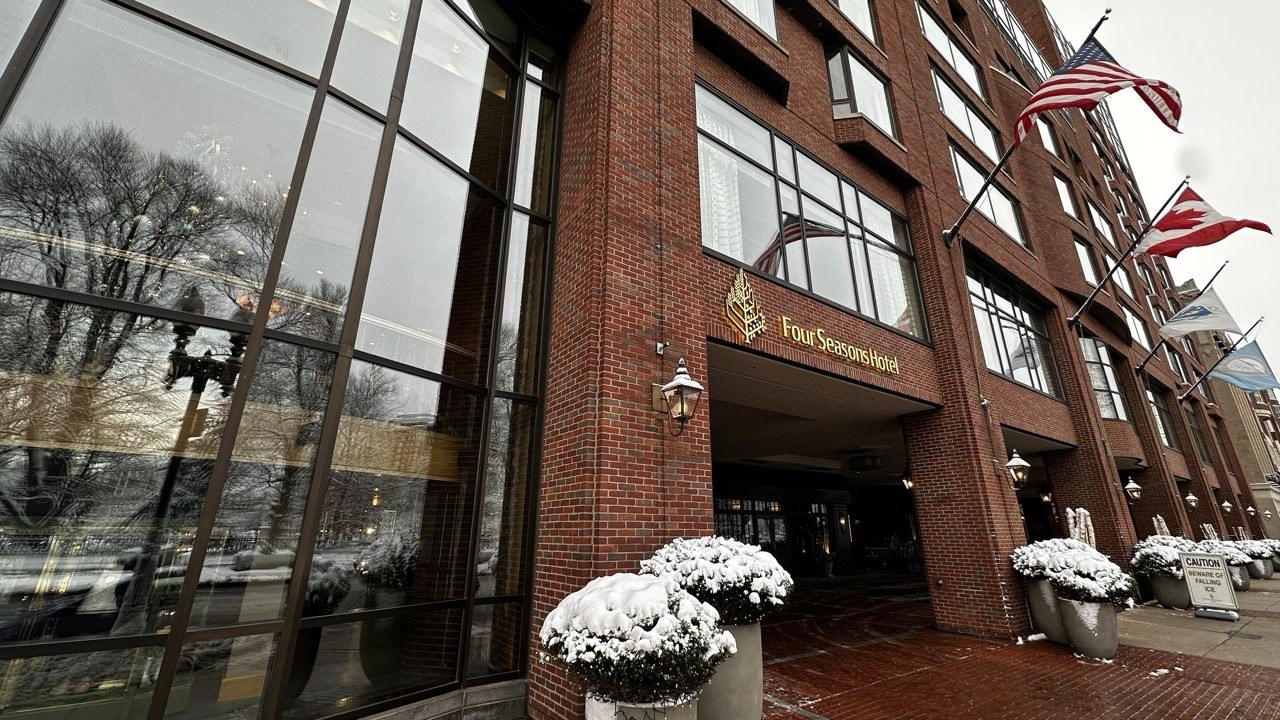
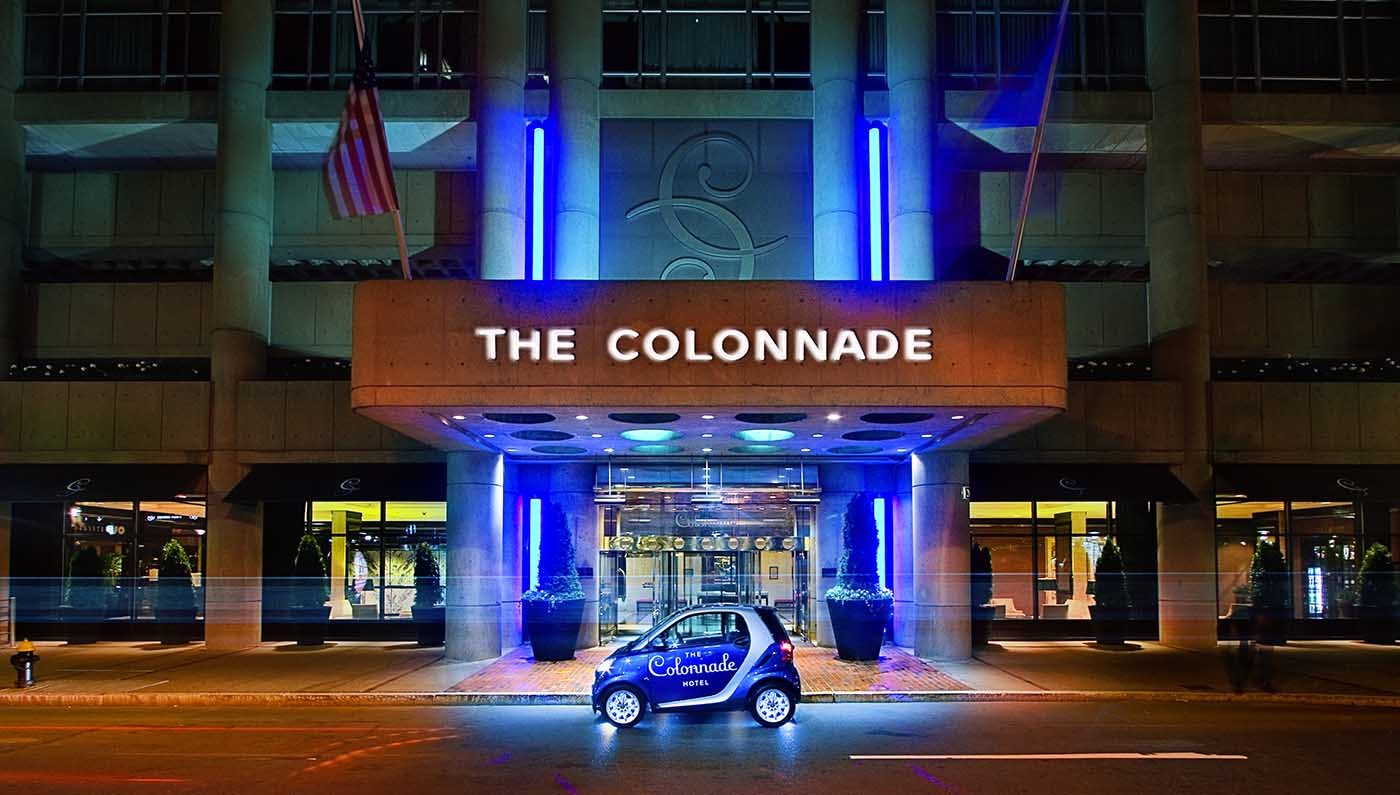
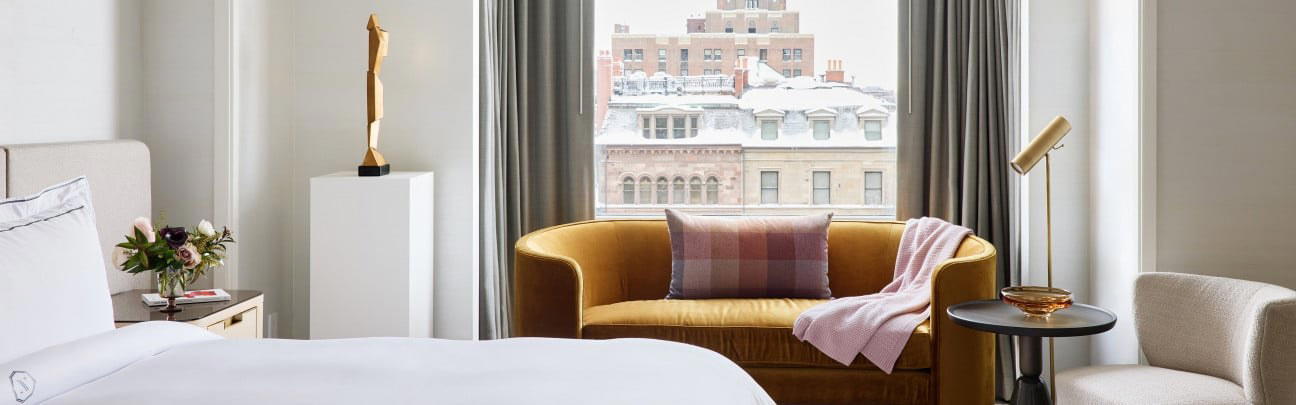
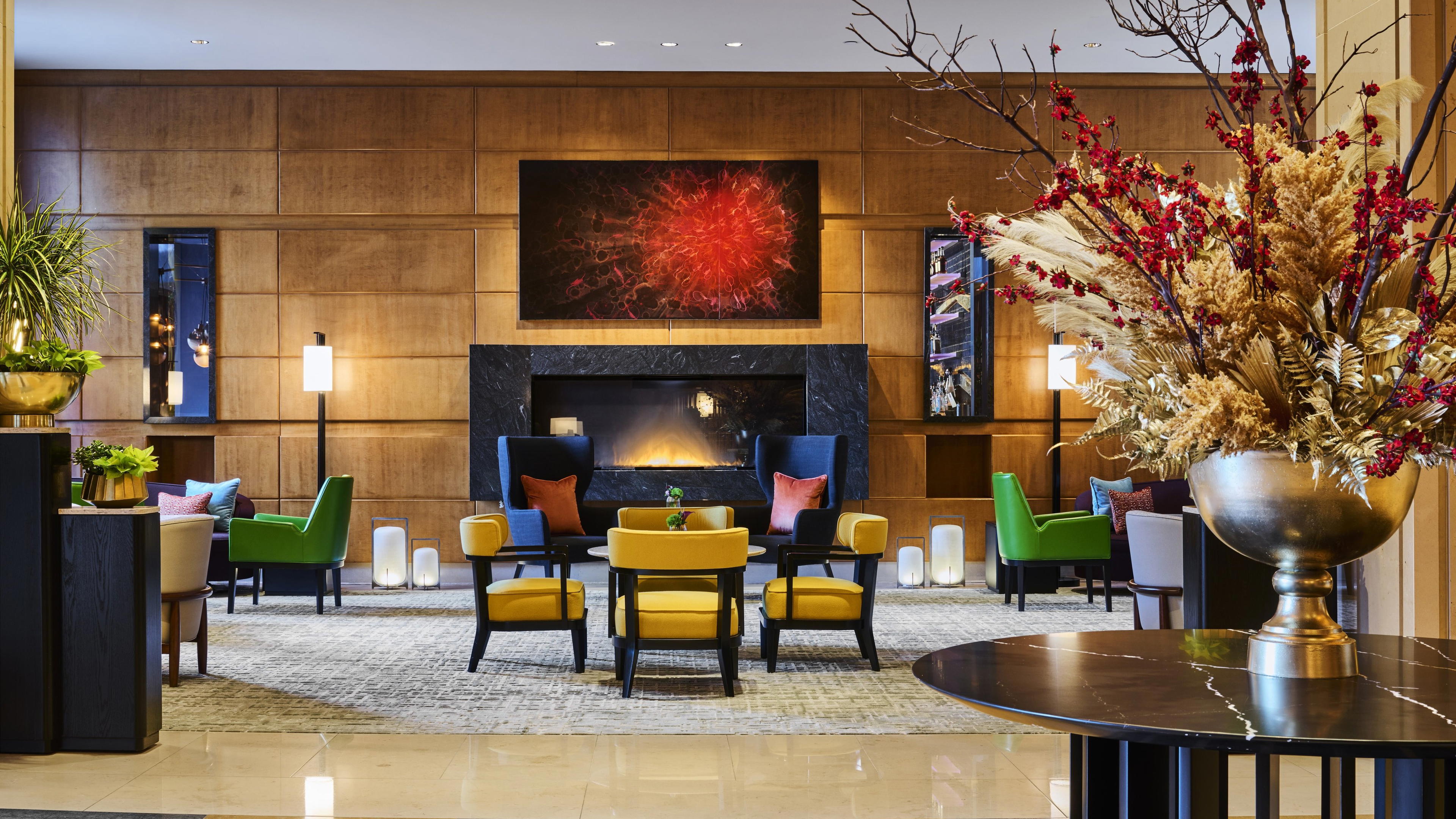
Hotels in Boston
Browse all →
Wineries in Boston
Browse all →
At a Glance
- Sophisticated
- Modern
- Elegant
- Intimate
- Date Night
- Special Occasion
- Group Dining
- After Work
- Standalone
- Craft Cocktails
- Extensive Wine List
- Beer Program
- Zero Proof
- Street Scene
Current opening hours
- Monday
- Closed
- Tuesday
- 5 PM–12 AM
- Wednesday
- 5 PM–12 AM
- Thursday
- 5 PM–12 AM
- Friday
- 5 PM–1 AM
- Saturday
- 5 PM–1 AM
- Sunday
- 5 PM–12 AM
Hours can change for holidays and private events. Last verified .
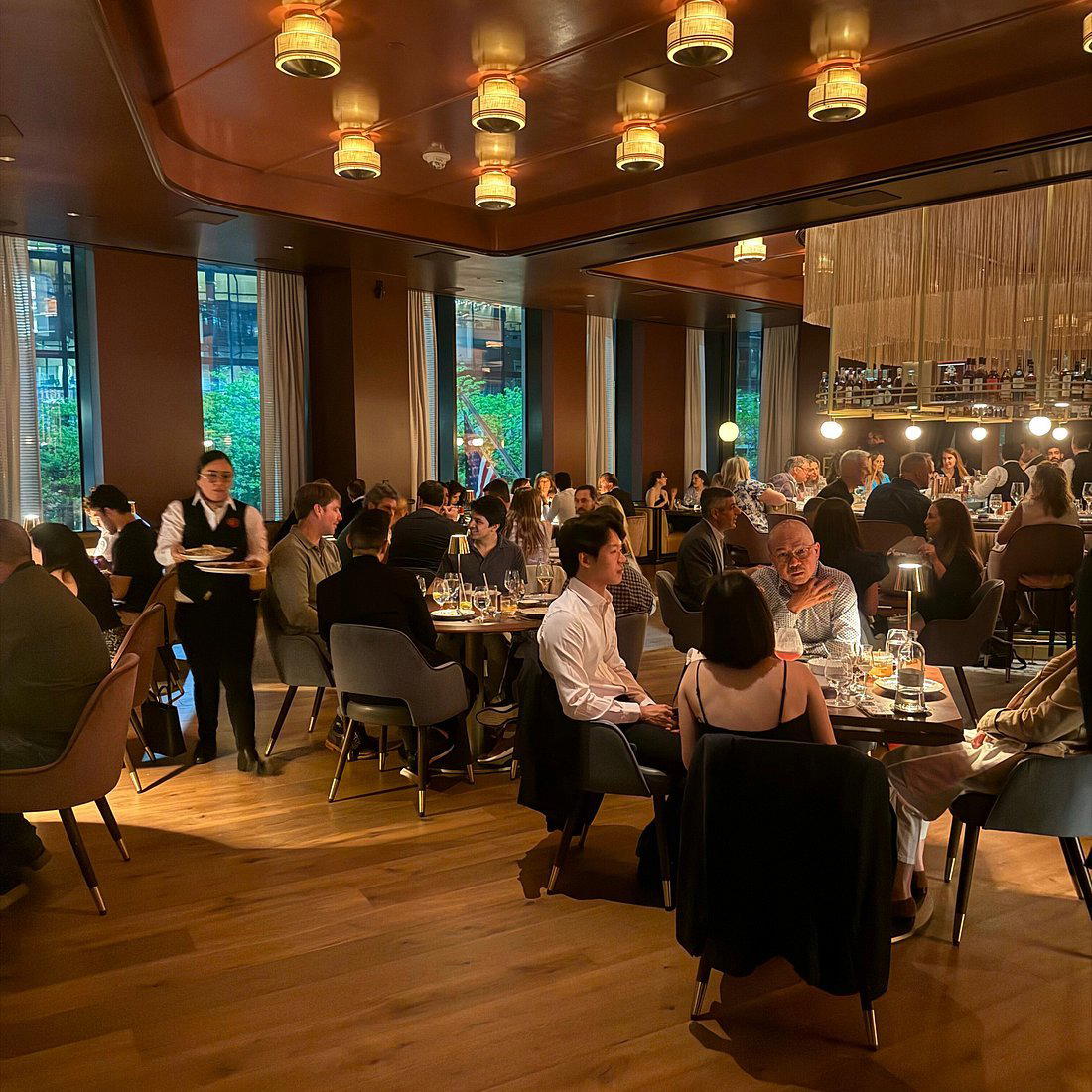
Refined and polished, with a dining room designed for an upscale, lively evening out rather than a casual neighborhood meal.