Barmini
Barmini operates as the cocktail laboratory adjacent to minibar in Penn Quarter, where José Andrés's team applies avant-garde technique to the bar format. The program draws on the same experimental kitchen logic that defines minibar, translating molecular and sensory play into drinks and small bites. It sits in a narrow tier of D.C. bars where the line between kitchen and bar counter has effectively dissolved.
 Discover on Pearl
Pearl is the En Primeur Club membership app — saves, bookings, and concierge access live there. Same editors, same standards.
- Address
- 501 9th St NW (9th St NW between E and F St NW), Washington, D.C. 20004
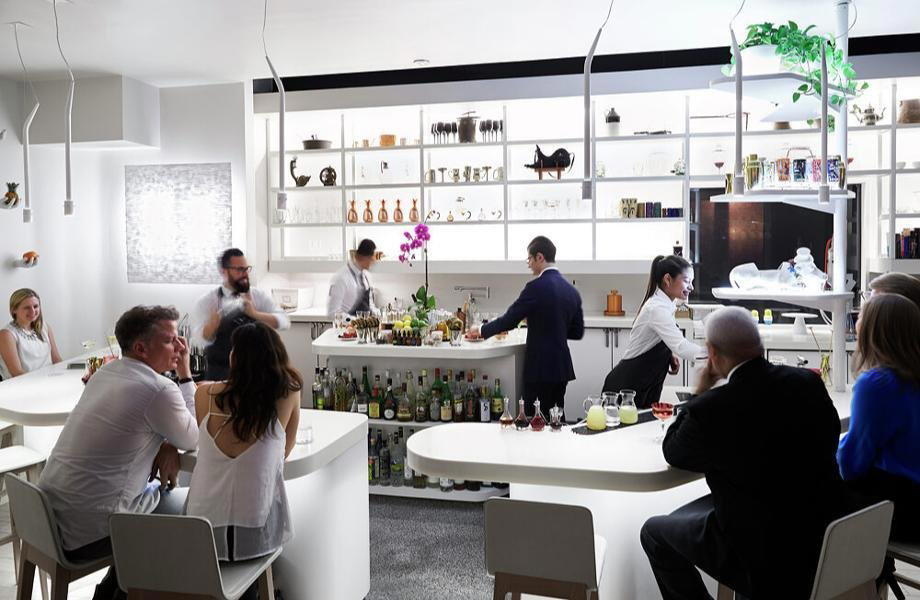
Where the Bar Counter Becomes a Laboratory
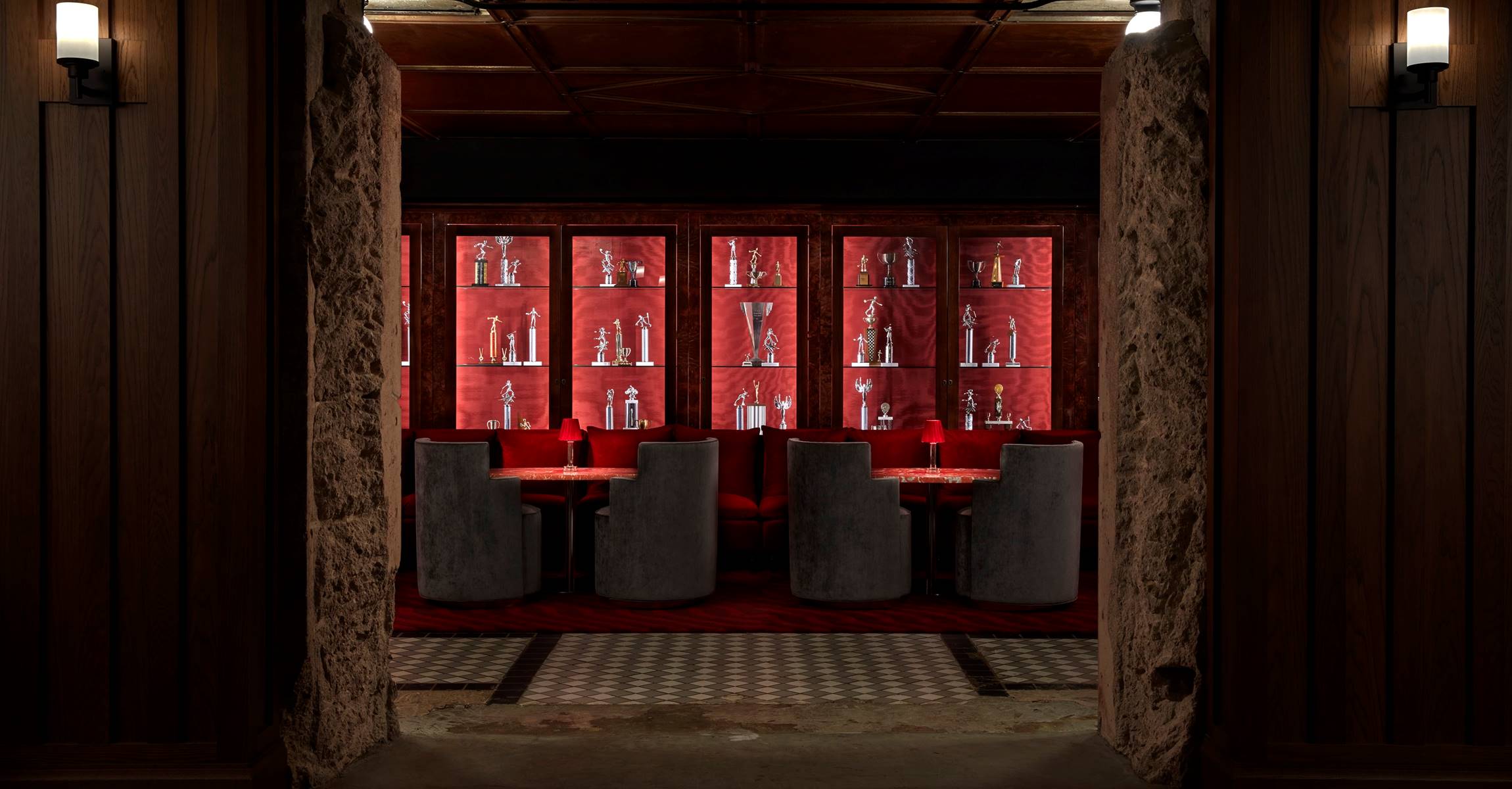
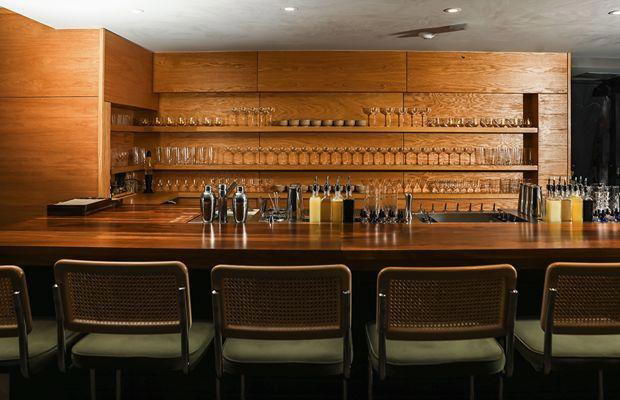
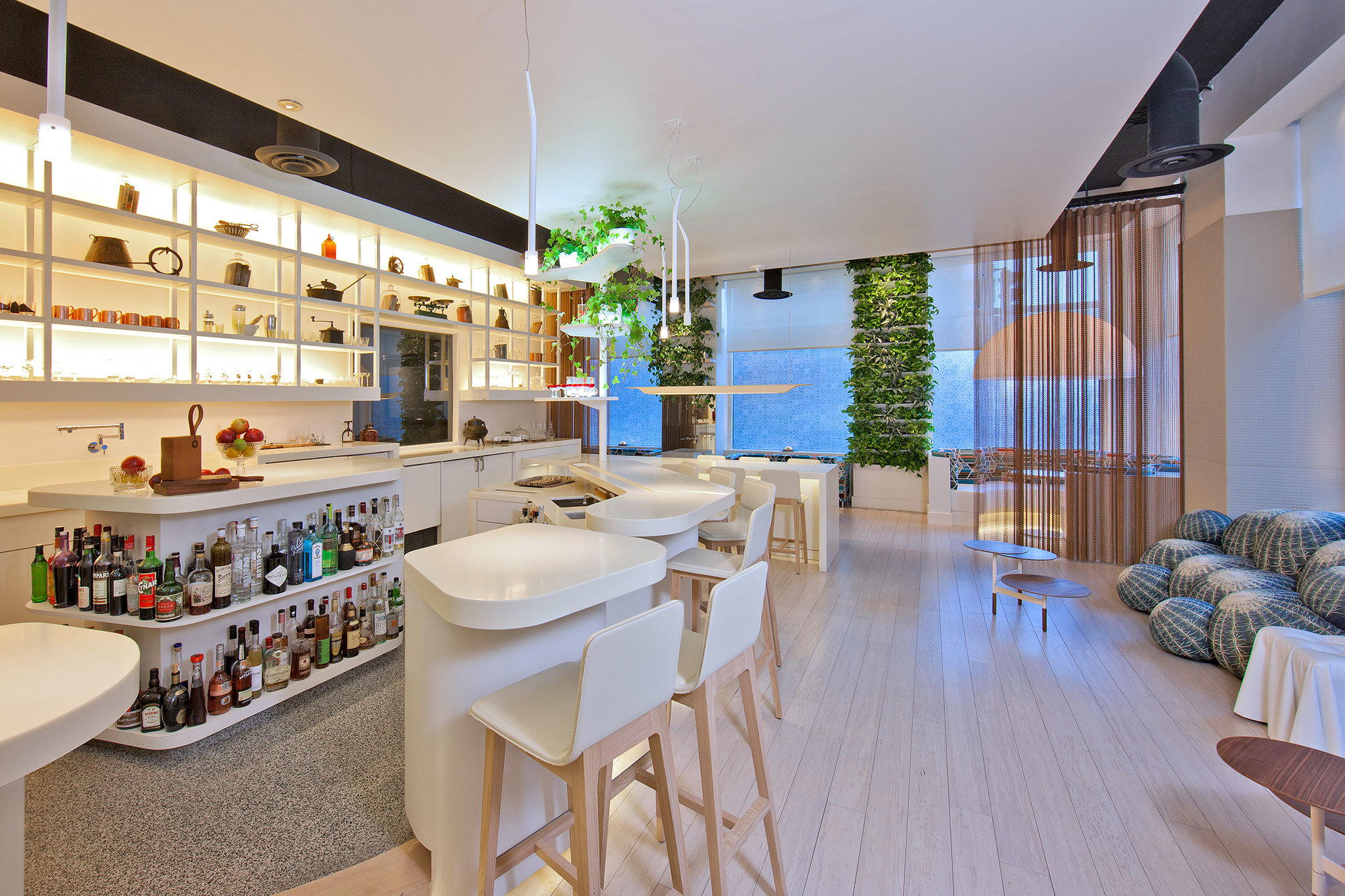
Penn Quarter's drinking scene has long orbited the political and professional gravity of downtown Washington, producing a range of hotel bars, rooftop pours, and expense-account wine lists. Barmini, at 501 9th Street NW, operates in a different register entirely. The space functions as the cocktail annex to minibar, the molecularly driven tasting counter that sits in the same building and represents the furthest edge of technique-led dining in the city. Entering Barmini, you step into an environment shaped by precision, wit, and the deliberate blurring of categories that usually keep food and drink in separate columns.
That blurring is the point worth dwelling on. American cocktail culture spent much of the 2010s in one of two modes: the reverent spirits-forward bar stressing provenance and restraint, or the theatrical speakeasy leaning on atmosphere and novelty. Barmini has occupied a third position, one closer to a research kitchen than either of those formats. The drinks here are developed with the same iterative discipline applied to the tasting menus next door at minibar. It places Barmini in a comparable set that includes programs like the bar at Alinea in Chicago or the beverage dimension at Lazy Bear in San Francisco, where the drink is treated as an extension of culinary thinking rather than a complement to it.
Technique as the Through-Line
The editorial angle most applicable to Barmini is the intersection of imported method and local or indigenous product. This is not unique to D.C., but the city's bar scene makes it particularly visible. Washington sits at the confluence of mid-Atlantic agricultural tradition, Chesapeake produce cycles, and the kind of globally trained culinary talent that flows into major policy and cultural capitals. At Barmini, that convergence produces drinks that apply laboratory technique, think clarification, fat-washing, controlled carbonation, and centrifuge work, to flavor profiles drawn from regional references.
This approach mirrors what has happened at the food level across D.C.'s more ambitious restaurants. Oyster Oyster treats Chesapeake ingredients through a fine-dining sustainability lens. Causa imports Peruvian culinary logic into a city with a significant Latin American diaspora. Albi draws on Levantine cooking tradition while operating squarely within the premium American dining tier at $$$$. The pattern in each case is the same: a codified technique applied to a product story with regional roots. Barmini extends that pattern into the bar format.
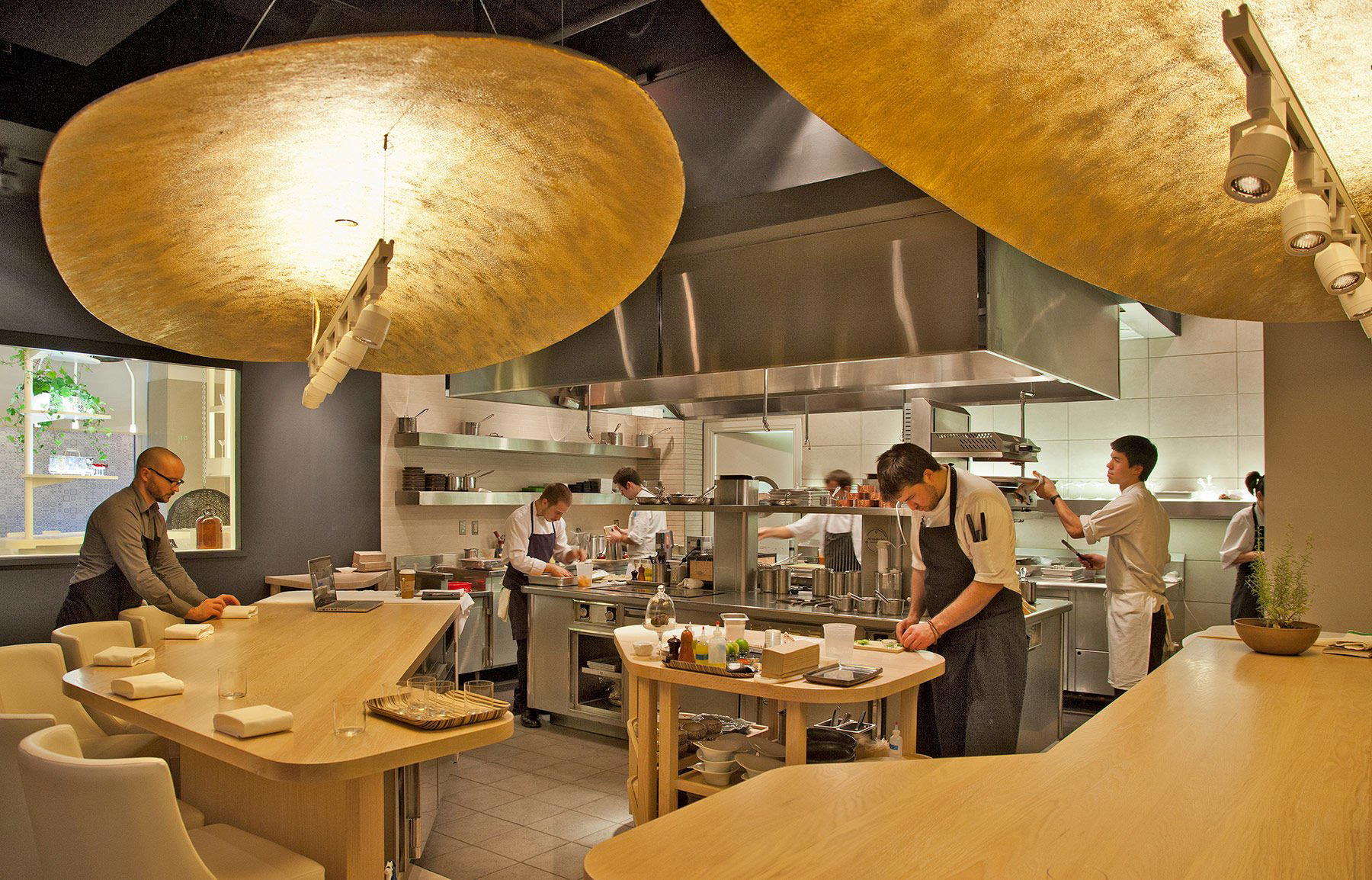
What distinguishes the technical cocktail program in this model from novelty-driven mixology is reproducibility and intellectual rigor. A clarified drink that reads clearly on the palate, holds structure, and still communicates the source ingredient is harder to execute than a theatrically smoked glass. The latter is spectacle; the former is craft. Barmini's position, sitting directly beside one of the most technique-intensive kitchens in the country, has meant that the bar program operates with access to the same tools and personnel culture that shapes the food side.
D.C. as a Context for This Kind of Bar
Washington's dining and drinking scene has undergone sustained development over the past decade and a half. The city now sustains a range of formats that would have been inconceivable in its earlier reputation as a steakhouse-and-power-lunch capital. The Penn Quarter and downtown corridor in particular have density of fine-dining ambition, with Jônt operating its reservation-only chef's counter format nearby. Farther afield, The Inn at Little Washington continues to represent the Virginia edge of D.C.'s extended culinary reach.
In national terms, Barmini's closest analogs are not other D.C. bars but the beverage programs attached to high-technique kitchens in other cities. The bar team at Single Thread Farm in Healdsburg operates with a similar farm-to-glass discipline. The cocktail dimension at Addison in San Diego reflects a comparable investment in technique at the drink level. In New York, Atomix has developed a beverage pairing program that treats the drink as an equal creative voice to the kitchen. These are the relevant comparisons, not Penn Quarter's conventional bar stock.
For the reader building a D.C. itinerary around serious food and drink, Barmini functions as a logical complement to the tasting menu circuit rather than a standalone bar destination in the conventional sense. It rewards the same mode of attention that a multi-course meal requires: sequential, curious, and willing to engage with format as part of the experience.
Planning Your Visit
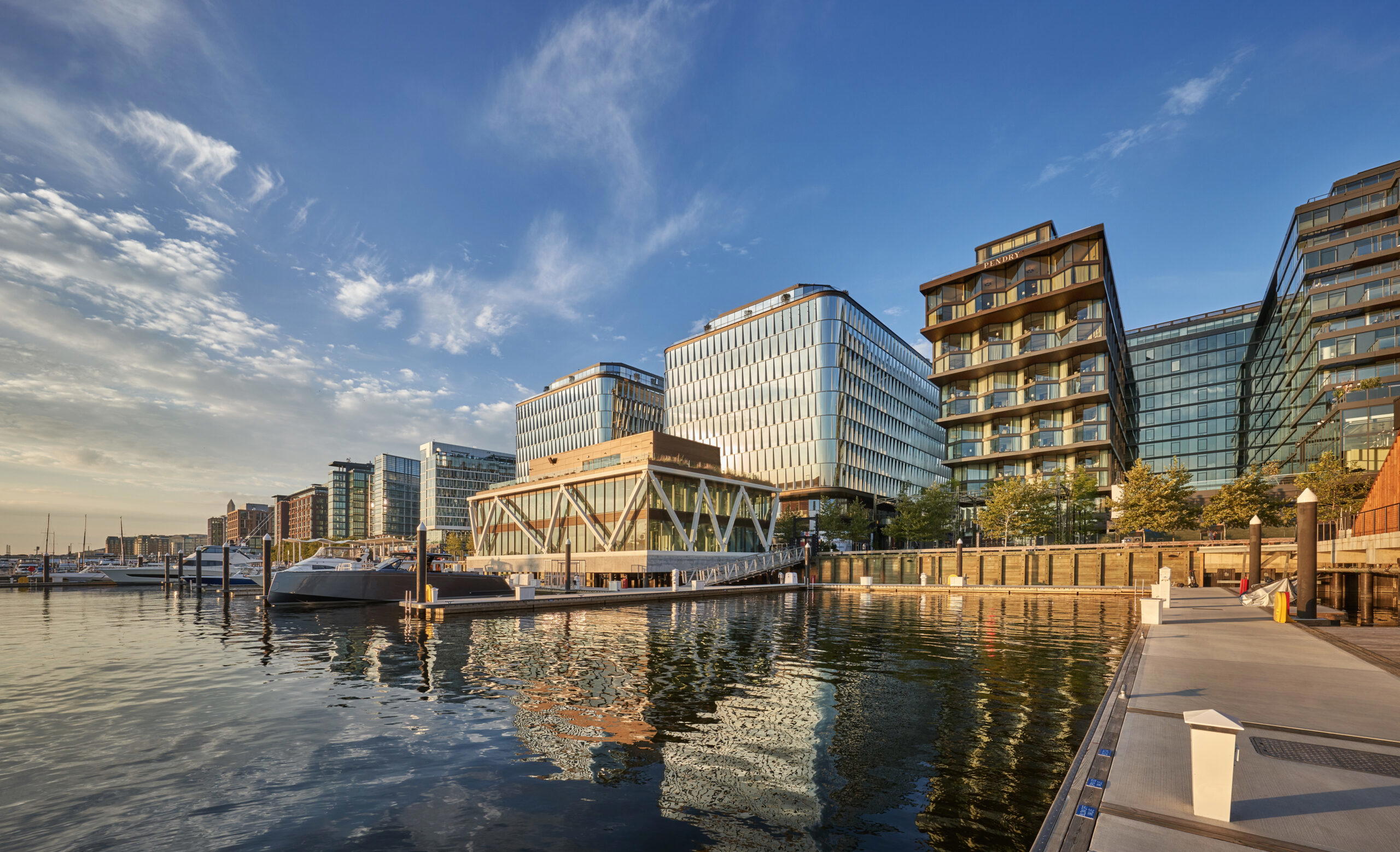
Barmini is located at 501 9th Street NW, between E and F Streets NW in Penn Quarter. Given the bar's position adjacent to minibar, reservations are recommended. Planning ahead is the sensible approach. Visitors should arrive with time and engage with the menu sequentially. For comparison with other high-technique American restaurant programs, Le Bernardin in New York City and The French Laundry in Napa represent the formal dining end of a spectrum that Barmini's bar-kitchen hybrid occupies at a different, more social register. Blue Hill at Stone Barns in Tarrytown and Providence in Los Angeles offer further reference points for the broader national conversation around technique and ingredient sourcing at this level. Emeril's in New Orleans and 8½ Otto e Mezzo Bombana in Hong Kong mark the international brackets of a dining culture that takes the drink program as seriously as the food.
Comparable Spots
Comparable venues nearby, for context on price, style, and recognition.
| Venue | Cuisine | Price | Notes |
|---|---|---|---|
| BarminiThis venue — the venue you are viewing | Modernist Cocktail Bar | $$$$ | |
| Bobby Van's Grill | Classic American Steakhouse | $$$$ | East End |
| Cosmos Club | Refined American Fine Dining | $$$$ | Embassy Row |
| Marcus DC | Modern American with Black Culinary Traditions | $$$$ | NoMa |
| Jardenea | Modern American Farm-to-Table | $$$ | West End |
| Juniper | Seasonal American Brasserie | $$$ | West End |
Continue exploring
More in Washington DC
Restaurants in Washington DC
Browse all →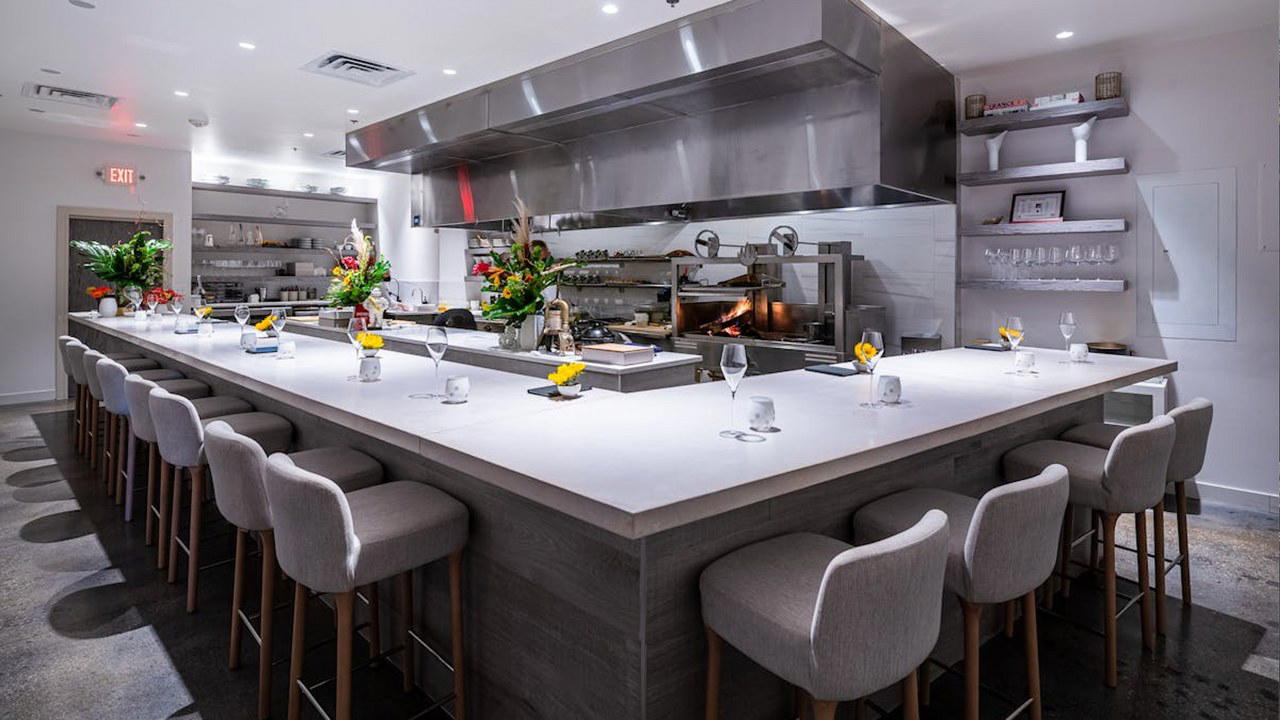
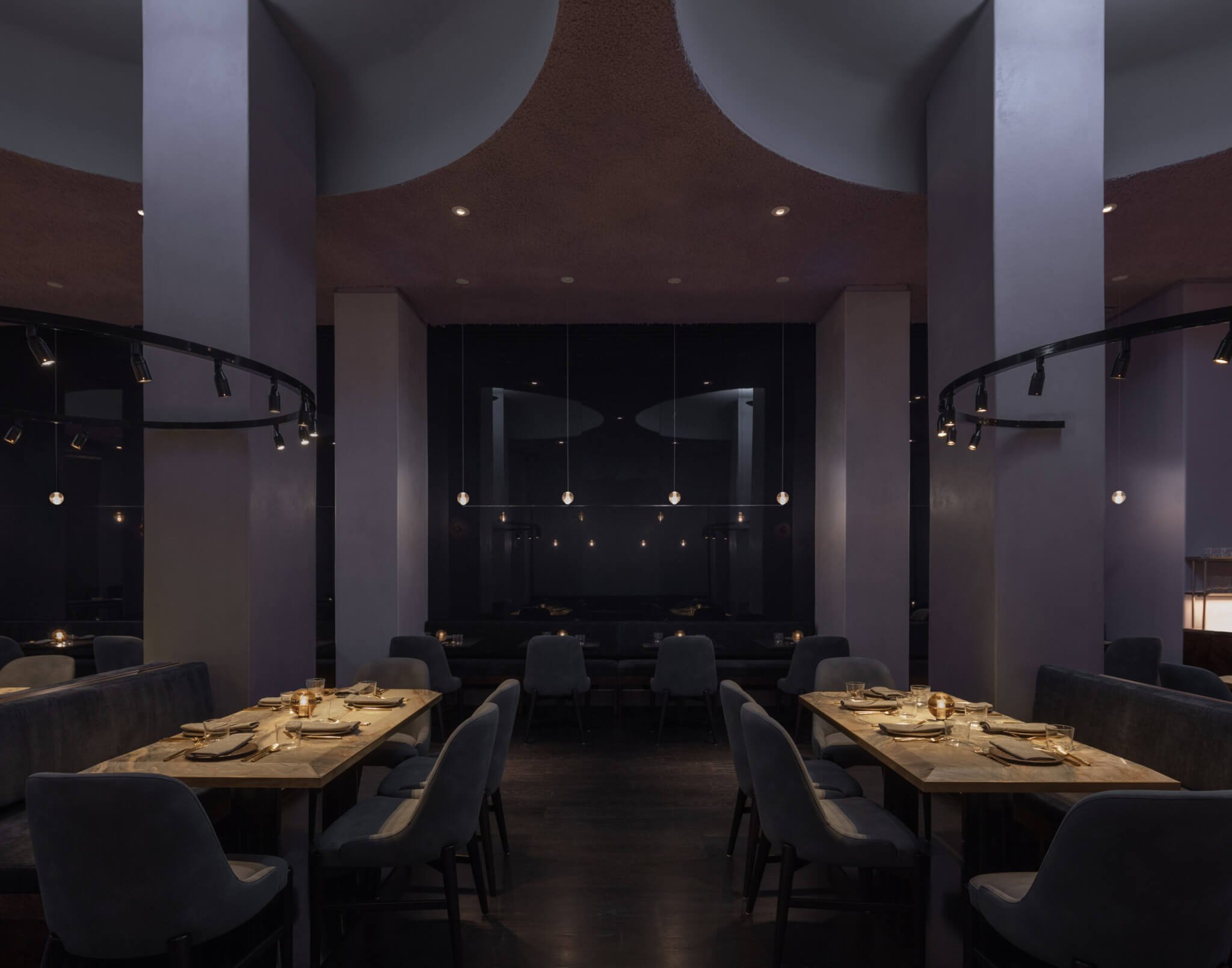
Bars in Washington DC
Browse all →

At a Glance
- Modern
- Trendy
- Intimate
- Sophisticated
- Whimsical
- Date Night
- Special Occasion
- Design Destination
- Craft Cocktails
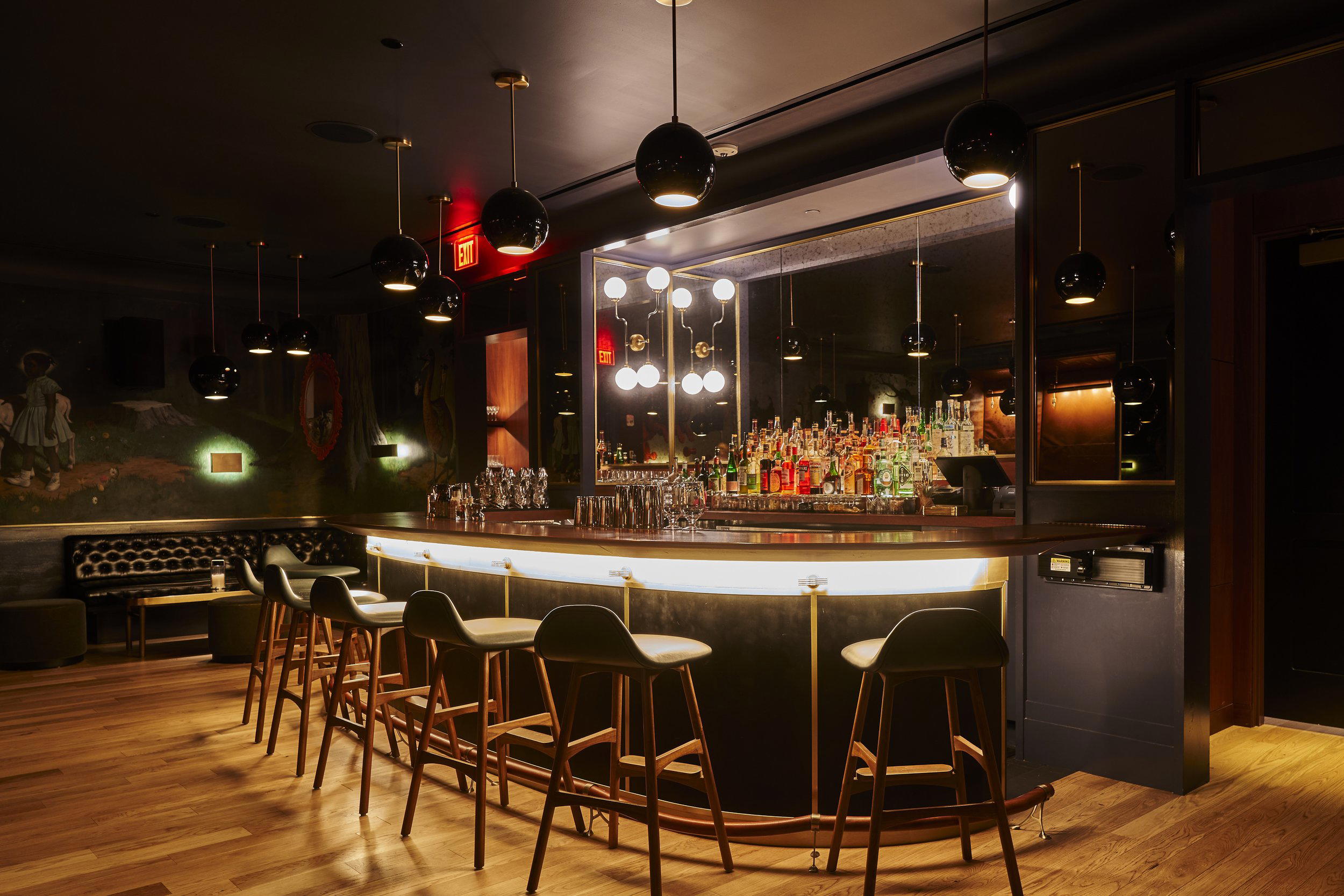
Tucked away and unique with an innovative atmosphere blending heritage and modernist cocktail experimentation.