Barbavin sits in La Hulpe, a quiet Brabant commune southeast of Brussels where the Forêt de Soignes shapes both the pace of life and the expectations diners bring to the table. The address places it within a small constellation of destination restaurants drawing Brussels-area residents out of the city for serious cooking in calmer surroundings. Check current availability directly with the venue.
Pearl is the En Primeur Club membership app — saves, bookings, and concierge access live there. Same editors, same standards.
- Address
- Av. Reine Astrid 27, 1310 La Hulpe, Belgium
- Phone
- +3226532972
- Website
- barbavin.be
- Directions
- Get directions
 Saves & bookings on Pearl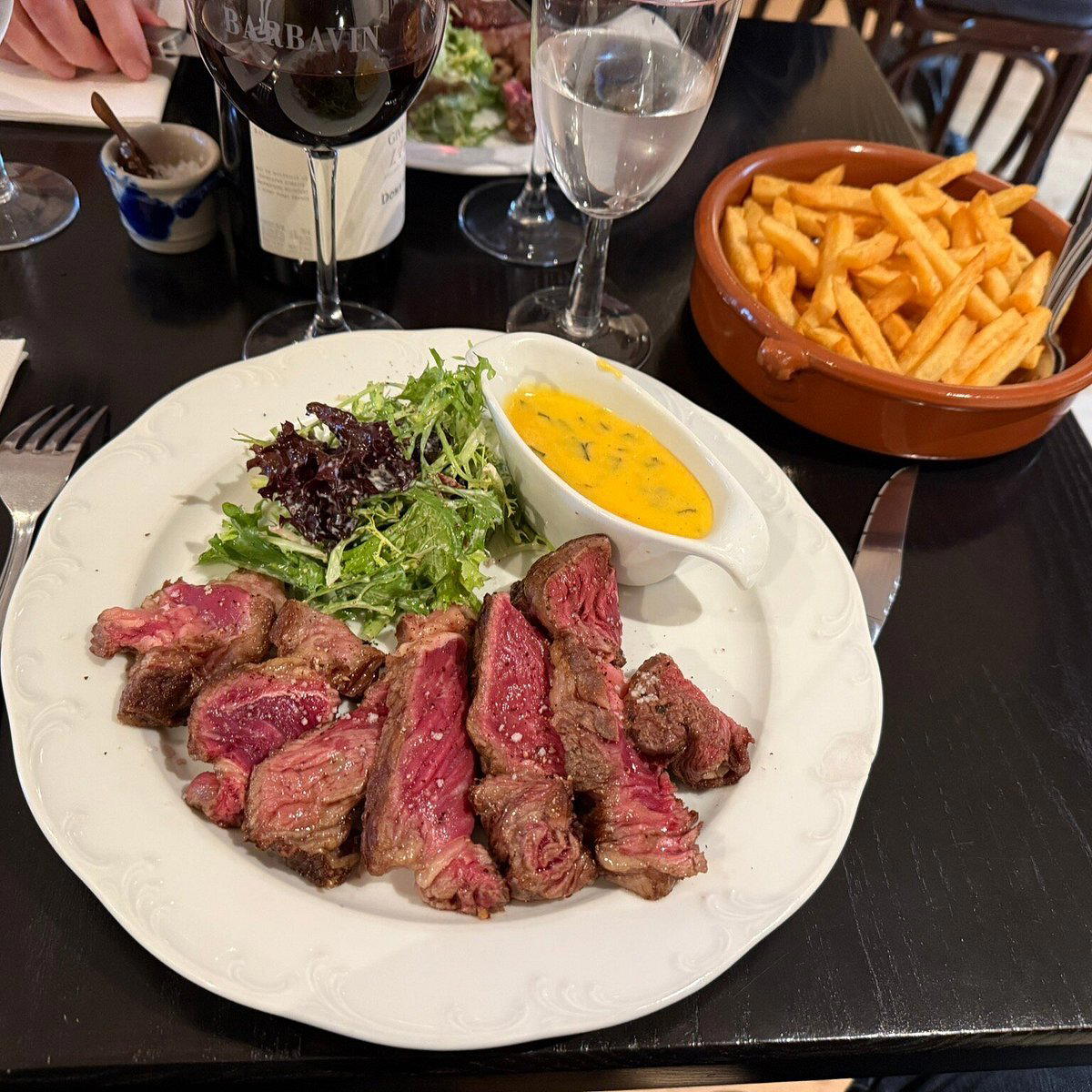
La Hulpe and the Quiet Ambition of Brabant Dining
The Forêt de Soignes runs a corridor of beech forest from the southern edge of Brussels deep into Flemish Brabant, and the towns along its rim have long attracted a particular kind of restaurant: serious cooking in quiet surroundings, pitched at diners willing to leave the capital behind for something more considered. La Hulpe sits in that corridor. Avenue Reine Astrid, where Barbavin is addressed, runs through the civic core of a commune that reads as suburban calm on the surface but has the spending power and dining expectations of a Brussels satellite. That context matters when reading any restaurant here. The competition is not the brasserie down the street; it is the drive back into Brussels, or across to a destination address in Wallonia or Flanders.
Belgium's broader fine-dining geography rewards this kind of decentralisation. Addresses like Hof van Cleve in Kruishoutem, Boury in Roeselare, and Willem Hiele in Oudenburg have all demonstrated that the country's most compelling cooking often happens outside its major urban centres. The pattern is consistent enough to count as a structural feature of the Belgian restaurant scene rather than an anomaly. Barbavin operates in a similar logic, positioned where the density of wealthy Brabant residential areas meets the expectation of something worth the detour.
The Cultural Roots of Belgian Gastronomy
To understand a restaurant in this part of Belgium, it helps to understand what Belgian gastronomy has historically meant and where it currently sits in European terms. The country's cuisine draws from two strong traditions: the French-inflected classicism of Wallonia and Brussels, where sauces, technique, and formal service have remained touchstones, and the more ingredient-led, seasonal instinct that has come to define modern Flemish cooking. Both traditions share a seriousness about produce that outsiders sometimes underestimate. Belgium's position at the intersection of North Sea fishing grounds, Ardennes game country, and some of northern Europe's most productive market-garden land gives its kitchens a larder that rewards precision.
The contemporary generation of Belgian chefs has largely moved away from classical formality without abandoning rigour. The dominant mode across the country's leading addresses, whether Vrijmoed in Gent or La Durée in Izegem, tends toward creative precision: menus built around seasonal transitions, sourcing that is specific enough to name producers, and plating that reflects current European fine-dining vocabulary without wholesale importing it from elsewhere. This positions Belgian serious cooking as confident and internally consistent rather than derivative, which is a harder distinction to earn than it sounds in a country that shares borders with France, the Netherlands, and Germany.
For diners approaching Barbavin from Brussels, the relevant comparison set includes not just Brabant neighbours but the full range of ambitious Belgian cooking. Bozar Restaurant in Brussels represents one pole of that spectrum, operating in a landmark cultural building with a formal register. Addresses in Wallonia, such as d'Eugénie à Emilie in Baudour and La Table de Maxime in Our, pull in a different direction, rooted in Walloon produce and slower rhythms. Barbavin's La Hulpe address places it between those poles geographically, in a commune that is administratively Wallonia but culturally shaped by its proximity to the capital and the Flemish ring around it.
The Neighbourhood and the Approach
La Hulpe's restaurant scene is small enough that each address carries weight. The closest peer within the commune is Amarante, and taken together these two addresses define what serious dining means locally. For a fuller picture of what the area offers, our full La Hulpe restaurants guide maps the options across price points and registers.
The Avenue Reine Astrid address is accessible by car from central Brussels in under thirty minutes depending on traffic, and the commune is served by train connections to Brussels-Luxembourg. For visitors arriving from further afield, the proximity to Brussels means the restaurant fits naturally into a broader Belgian itinerary that might also include addresses in Antwerp, such as Zilte, or in the Flemish interior. The Belgian fine-dining circuit rewards planning across multiple days and regions; a single-city visit leaves most of the country's leading cooking unvisited.
Internationally minded diners comparing Belgium's serious restaurants to peer addresses in other markets will find useful reference points in how European fine dining at this level is structured elsewhere. Le Bernardin in New York City and Lazy Bear in San Francisco both represent the kind of singular, technically grounded experience that Belgium's leading tables have consistently delivered, often with less international profile than the cooking warrants.
Other Belgian addresses that demonstrate the breadth of the national scene include Ralf Berendsen in Neerharen, Cuchara in Lommel, Castor in Beveren, De Jonkman in Sint-Kruis, and Le Chalet de la Forêt in Uccle, each occupying a distinct position in the country's culinary geography.
Planning Your Visit
Prospective visitors should confirm opening days, reservation requirements, and current menu format directly with the venue at its Avenue Reine Astrid address before planning travel around it. La Hulpe is easiest reached by car if combining with other Brabant or Walloon destinations, or by train from Brussels if travelling without a vehicle. As with most serious Belgian restaurants at this address tier, reservations are advisable rather than optional, and booking in advance, particularly for weekends, reflects the general pattern across comparable Belgian addresses.
Price and Positioning
Comparable venues nearby, for context on price, style, and recognition.
| Venue | Cuisine | Price | Notes |
|---|---|---|---|
| BarbavinThis venue — the venue you are viewing | La Hulpe, French-Belgian Bistro | $$ | Not listed |
| Amarante | La Hulpe, French Gastropub | $$ | Not listed |
| Café des Spores | Not listed | $$ | Saint-Gilles, Mushroom-Centric French Bistro |
| Au Grand Forestier | Not listed | $$ | Watermael-Boitsfort, Traditional Belgian Brasserie |
| Cachet de Cire | Turnhout center, French-Belgian Fusion | $$ | Not listed |
| Emulsion | Floreffe, Bistronomic French | $$ | Not listed |
At a Glance
- Cozy
- Classic
- Intimate
- Date Night
- Business Dinner
- Group Dining
- Wine Cellar
- Extensive Wine List
- Local Sourcing
Current opening hours
- Monday
- 12–2 PM, 7–10 PM
- Tuesday
- 12–2 PM, 7–10 PM
- Wednesday
- 12–2 PM, 7–10 PM
- Thursday
- 12–2 PM, 7–10 PM
- Friday
- 12–2 PM, 7–10 PM
- Saturday
- Closed
- Sunday
- Closed
Hours can change for holidays and private events. Last verified .
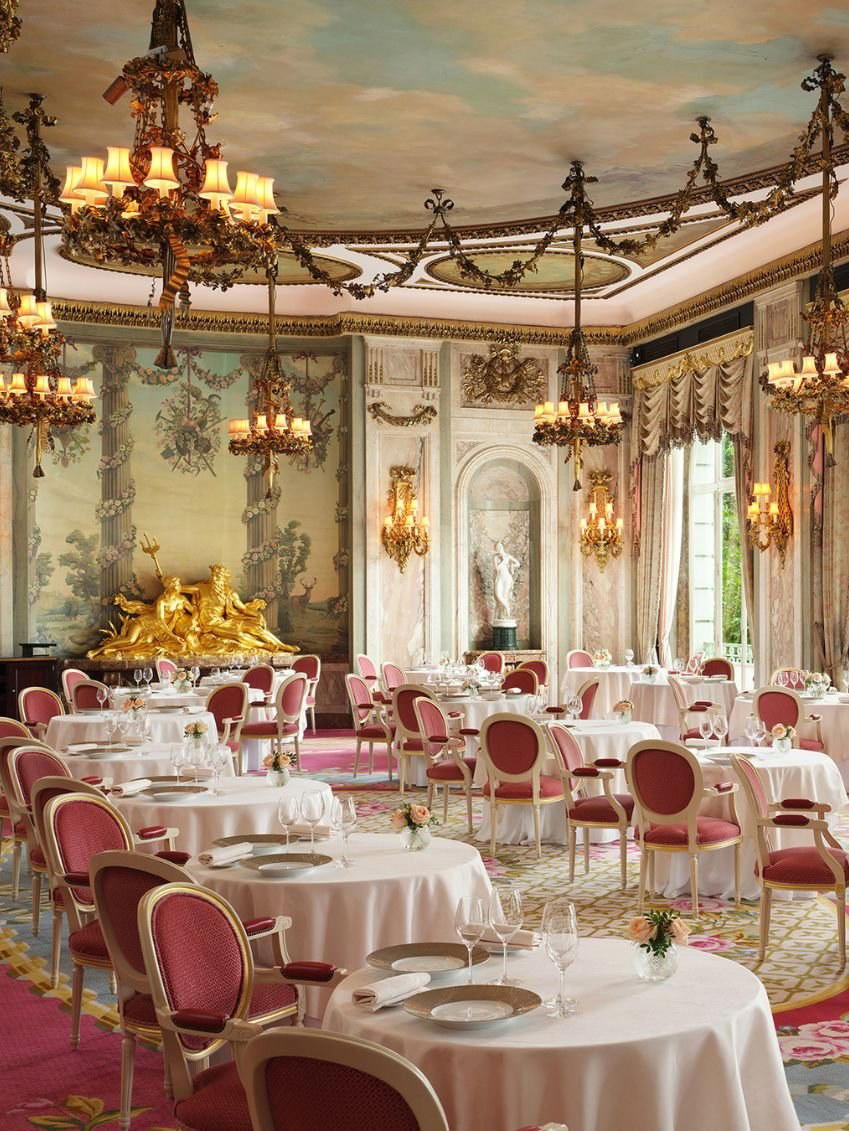
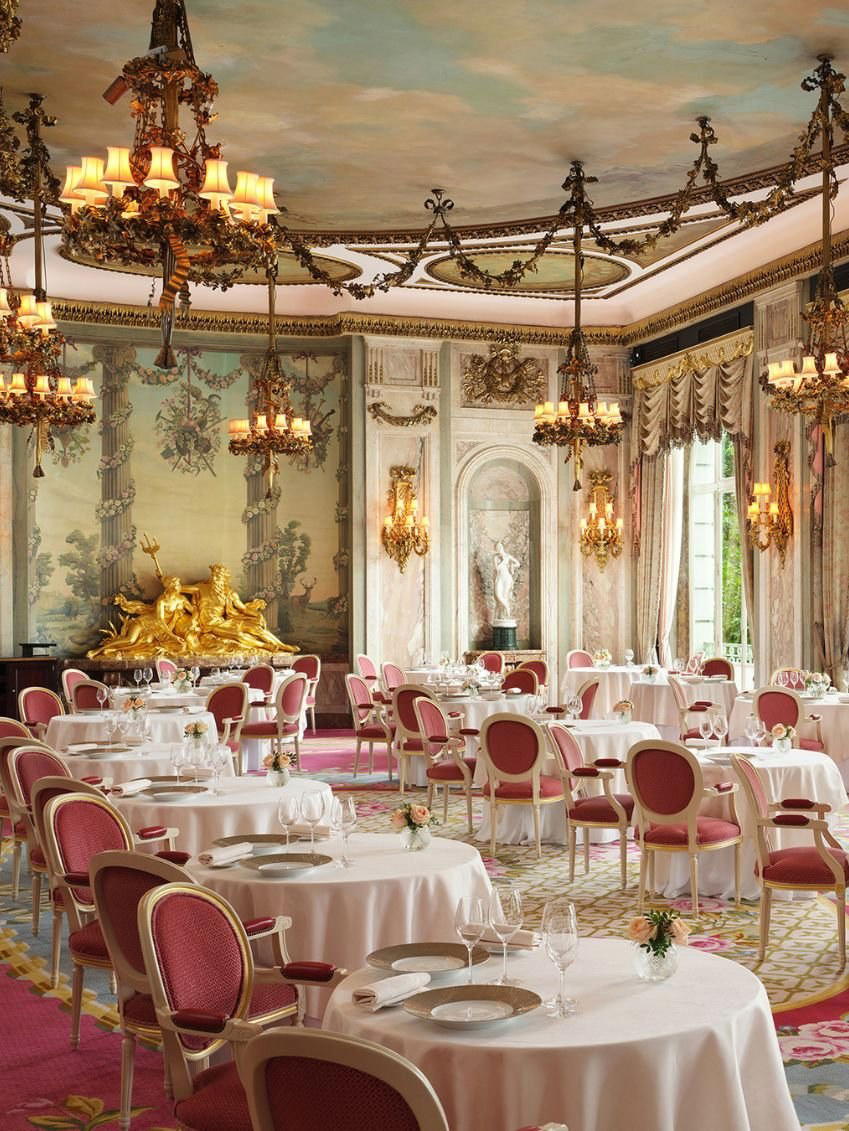
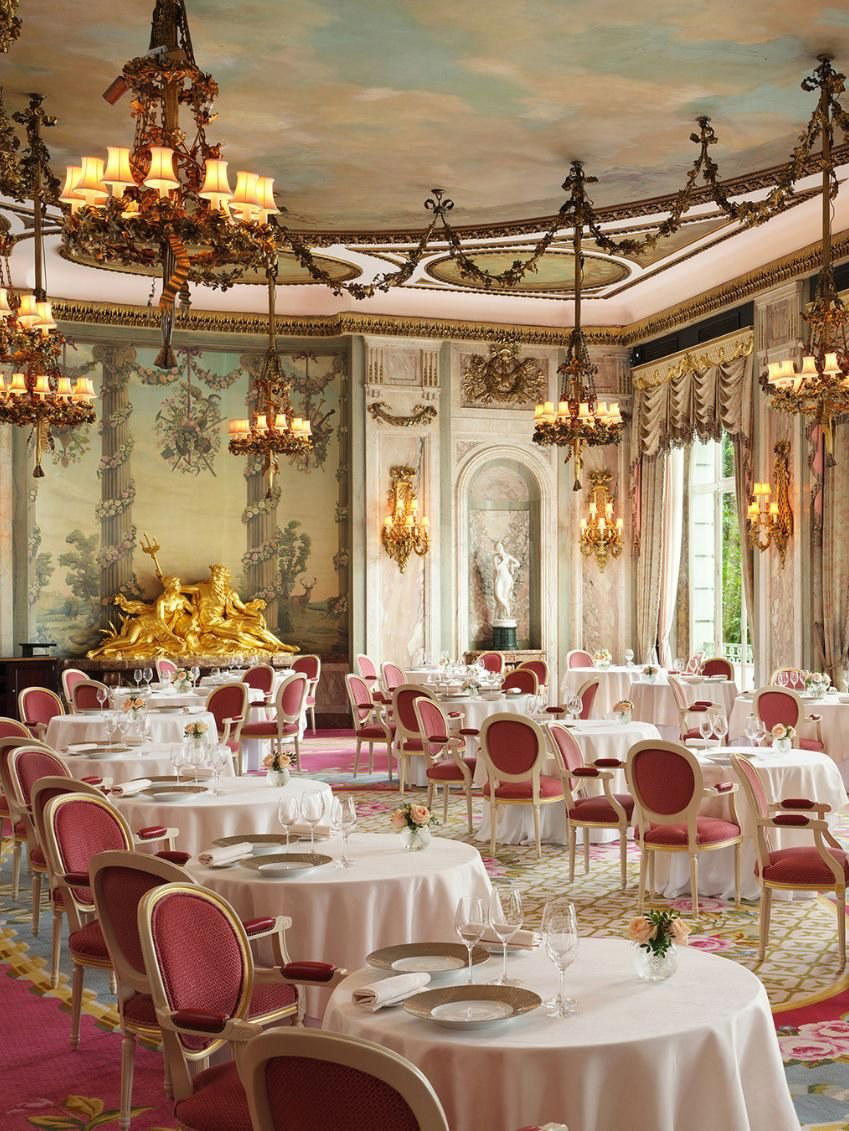
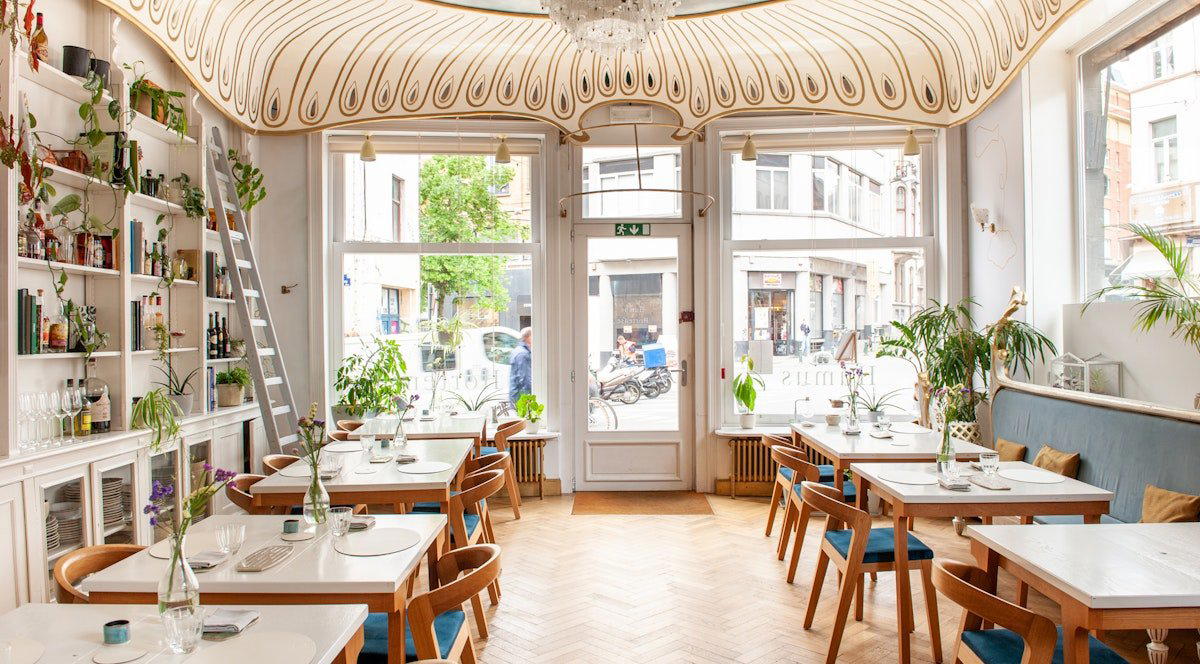
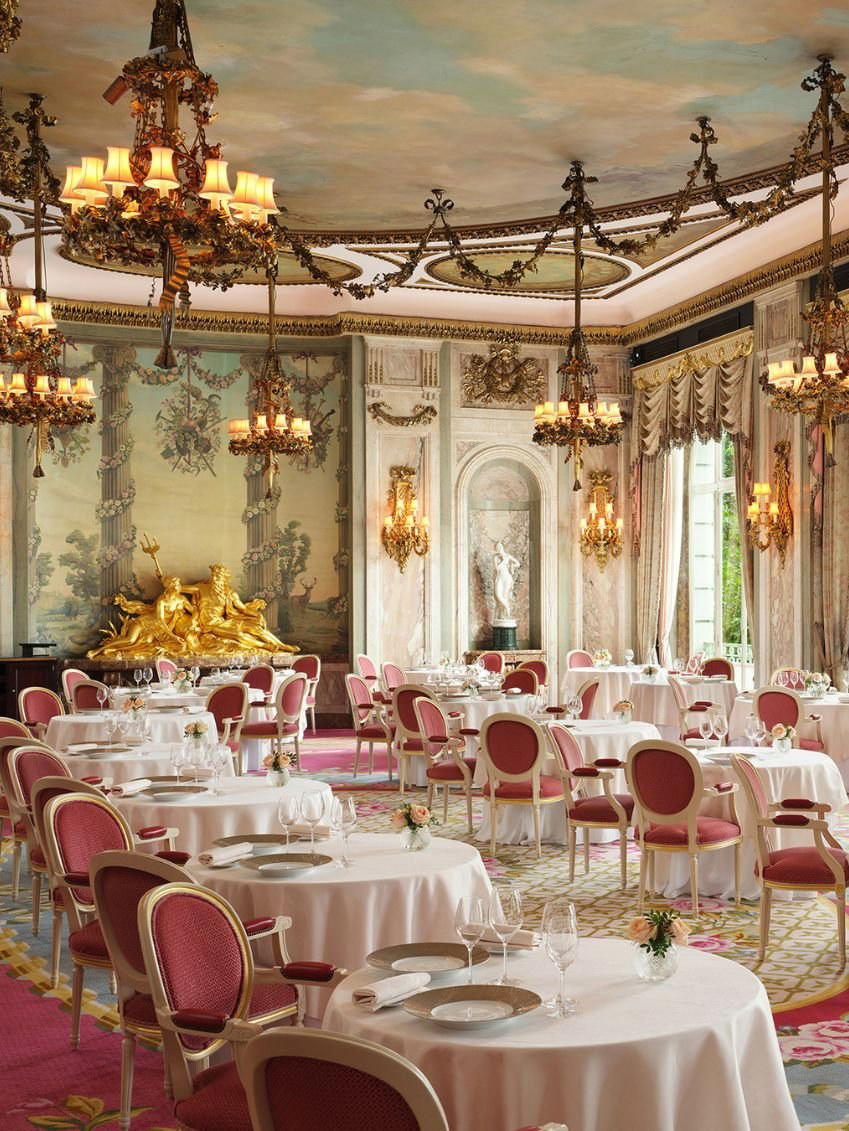
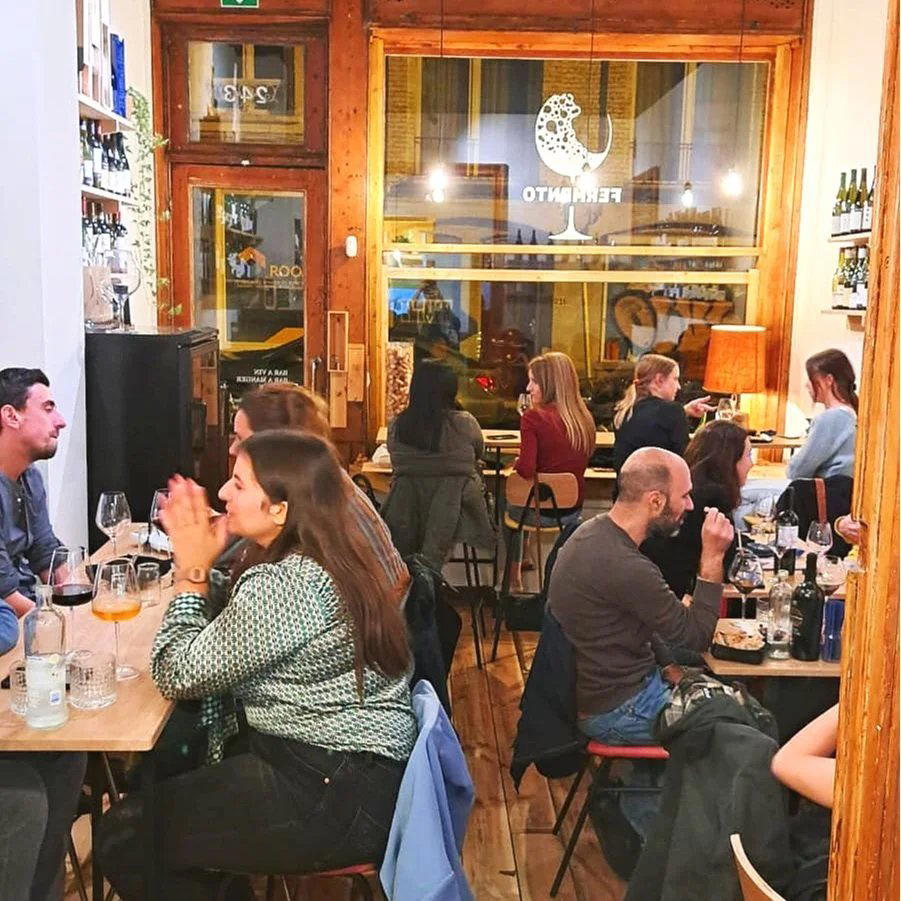
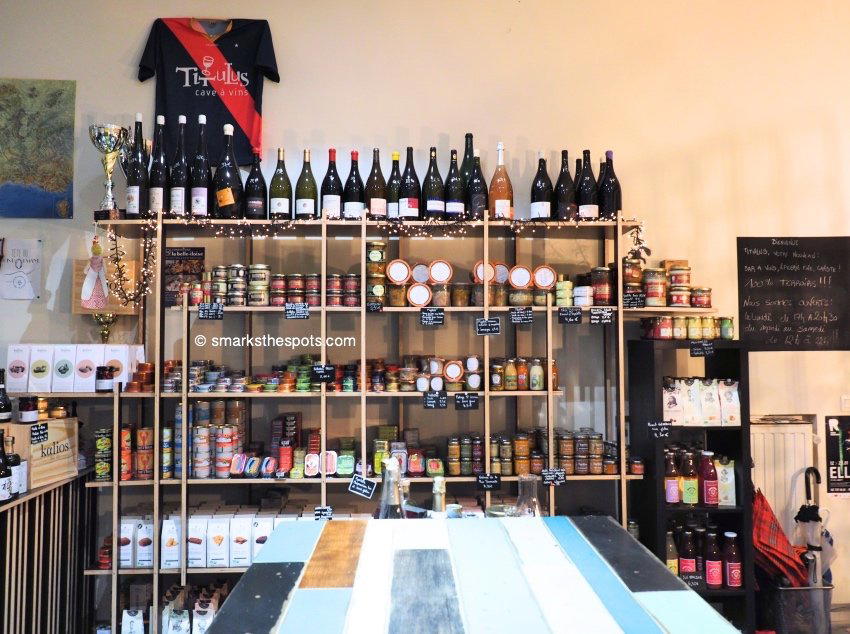
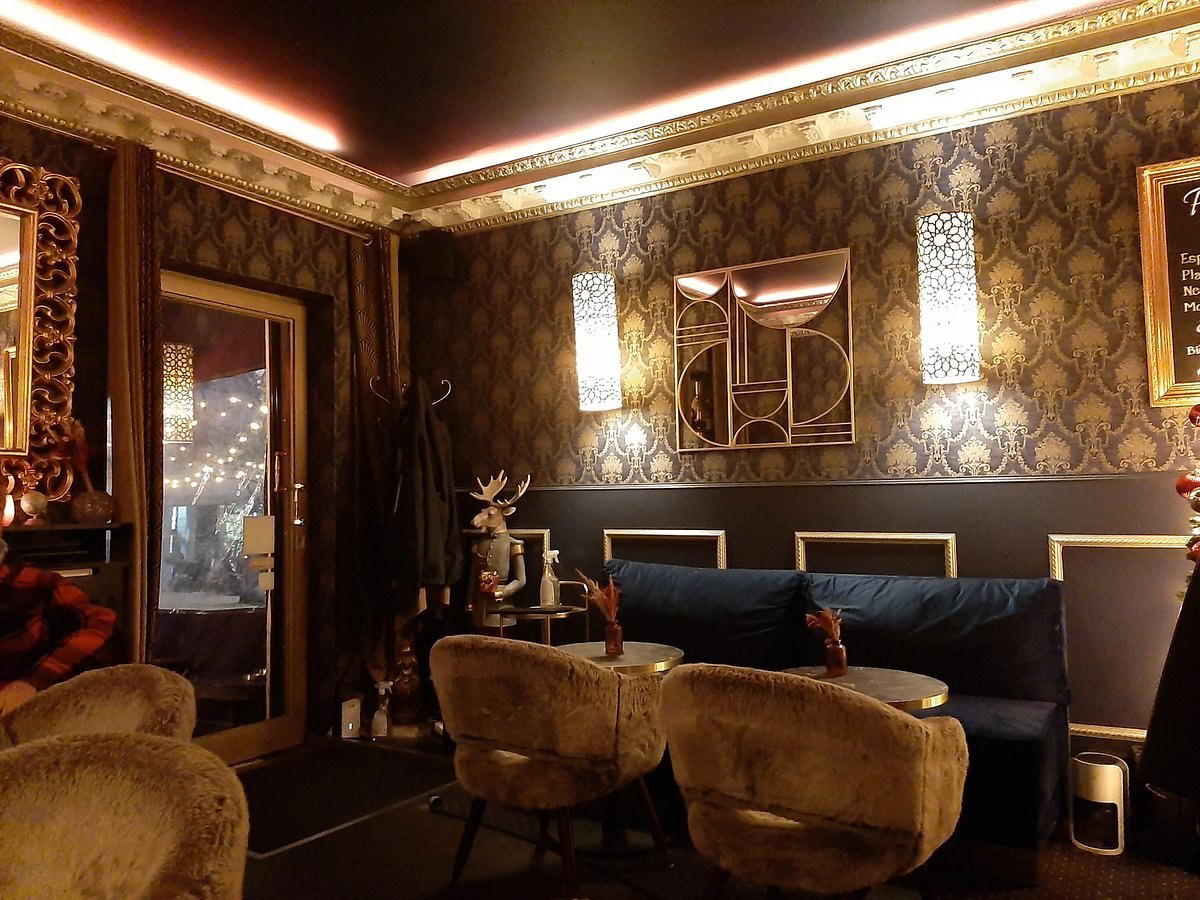
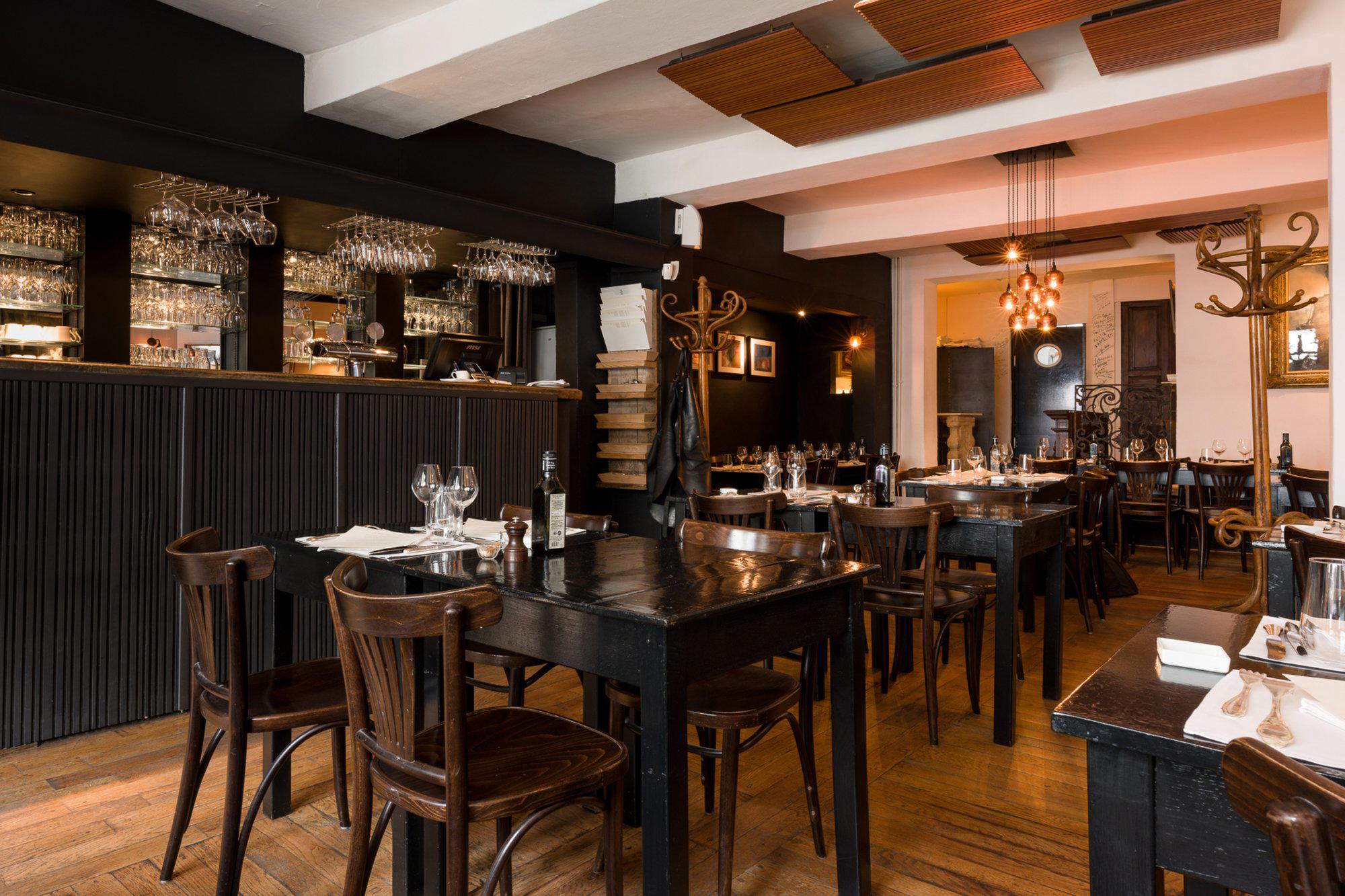
Warm, timeless, and cozy atmosphere with friendly service, though acoustics can be challenging in smaller rooms.