Au Grand Forestier
Au Grand Forestier sits on the edge of the Sonian Forest in Watermael-Boitsfort, one of Brussels' quietest and most architecturally distinct southern communes. The address places it within a neighbourhood that has historically attracted a serious local dining crowd rather than destination tourists, making it worth attention for anyone tracing Belgian cuisine beyond the city centre.
Pearl is the En Primeur Club membership app — saves, bookings, and concierge access live there. Same editors, same standards.
- Address
- Av. du Grand Forestier 2, 1170 Watermael-Boitsfort, Belgium
- Phone
- +3226725779
- Website
- augrandforestier.be
- Directions
- Get directions
 Saves & bookings on Pearl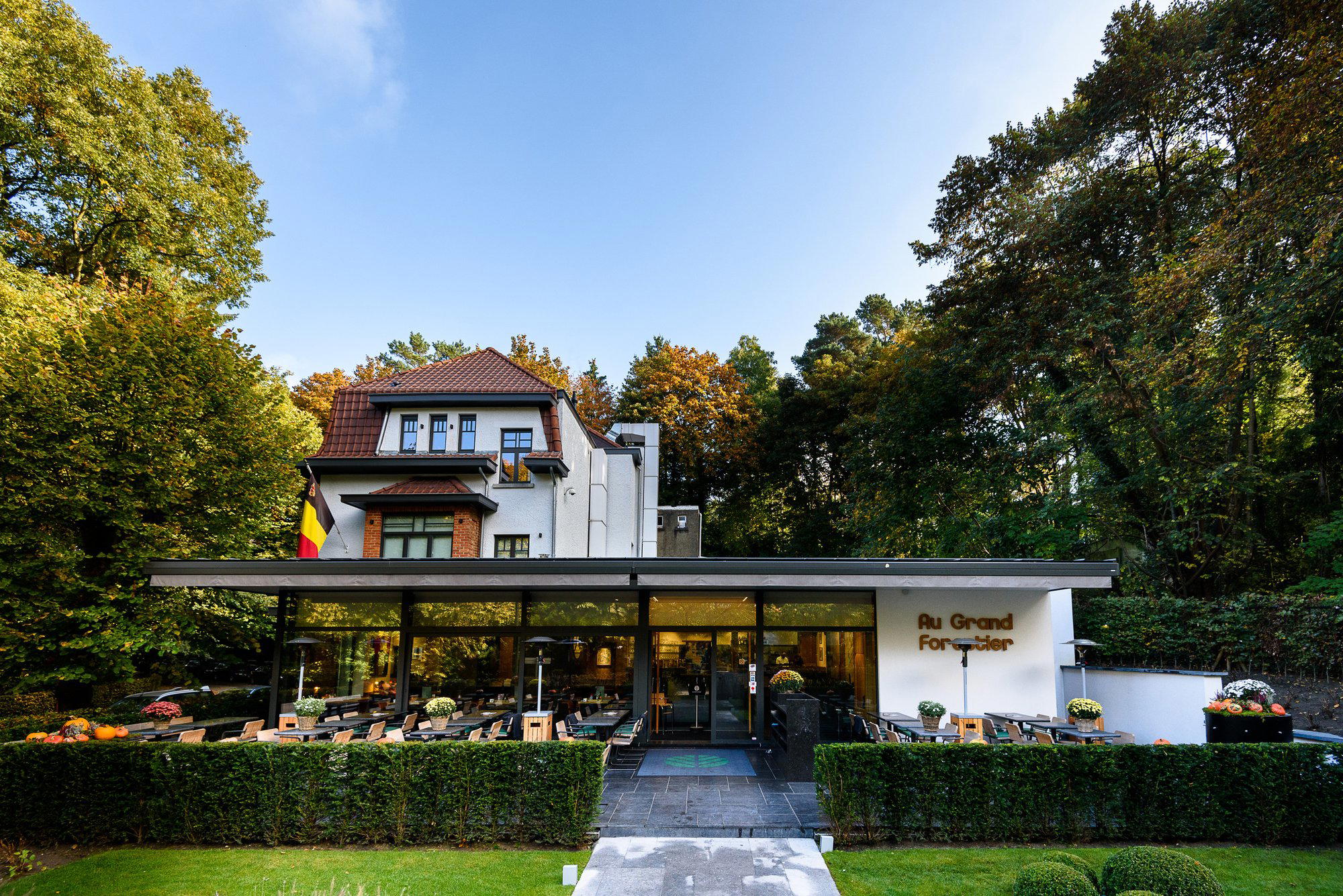
Where the Forest Meets the Table
Watermael-Boitsfort is not where most visitors to Brussels begin their eating. The commune sits at the city's southeastern edge, pressed up against the Sonian Forest, and its restaurant culture reflects that remove: quieter, more locally anchored, less dependent on the tourist circuits that sustain dining rooms closer to the Grand-Place. Avenue du Grand Forestier runs through a neighbourhood defined by garden-city architecture and deep residential character, the kind of street where a restaurant earns its audience through consistency rather than novelty. That context shapes what Au Grand Forestier is and who it serves. Au Grand Forestier is a traditional Belgian brasserie in Watermael-Boitsfort, Brussels.
The area belongs to a specific Brussels dining tradition: neighbourhood tables that hold serious culinary ambitions without the stagecraft of destination restaurants. This is not the register of Bozar Restaurant in Brussels, with its cultural institution backdrop, nor the maximalist tasting-menu format associated with Belgium's most decorated kitchens. The Sonian corridor has always favoured a different pace.
Ingredient Sourcing and the Sonian Context
Belgium's leading kitchens have spent the past decade making sourcing a visible part of their identity. At the €€€€ tier, houses like Boury in Roeselare and Vrijmoed in Gent have built menus explicitly around regional producers, seasonal shifts, and terroir legibility. The same pressure exists at every price point: Belgian diners increasingly expect to know where a dish begins, not just how it ends up on the plate.
Watermael-Boitsfort's geography makes that conversation locally specific. The Sonian Forest, a beech woodland stretching across roughly 4,400 hectares and protected under UNESCO designation, puts the commune within reach of foraging traditions, game sourcing, and a seasonal rhythm that follows the forest rather than the city. Restaurants in this part of Brussels occupy a position that kitchens closer to the centre can only approximate. The proximity to wild ingredients is structural, not aesthetic.
Across Belgium, the sourcing debate has split between two broad camps: those who frame it as a premium signal (small producers, named farms, imported prestige ingredients treated as luxury markers) and those who read it as a discipline of restraint (work with what is nearby, adjust the menu as the season moves, let the ingredient carry the plate rather than technique). The neighbourhood around Avenue du Grand Forestier has historically leaned toward the latter. Brussels' southern commune dining culture is not built on spectacle.
For comparison, the sourcing argument in Flemish fine dining reaches its most resolved form at places like Hof van Cleve in Kruishoutem or Willem Hiele in Oudenburg, where the surrounding agricultural and coastal terrain actively drives menu construction. In the Sonian corridor, the forest does equivalent work. The question any kitchen at this address must answer is how directly it chooses to engage with that inheritance.
Watermael-Boitsfort in the Brussels Dining Map
Brussels restaurant culture concentrates heavily in the centre and the inner communes. Ixelles, Saint-Gilles, and Uccle carry most of the city's critical attention, with Le Chalet de la Forêt in Uccle representing the kind of forest-adjacent fine dining that has accumulated serious recognition over time. Watermael-Boitsfort sits further out, and that distance has kept it outside the primary critical circuit while preserving the conditions that make neighbourhood dining coherent: a stable local clientele, lower operational pressure, and a kitchen that does not need to reinvent itself with every season to maintain relevance.
The commune has a counterpart in Timber, another address in the area worth tracking for anyone building an itinerary around this part of Brussels. Together, they represent a dining cluster that operates below the radar of most international coverage while serving an audience with genuine culinary expectations.
Belgian dining at this tier shares competitive reference points with addresses across the country. La Durée in Izegem, Cuchara in Lommel, and Ralf Berendsen in Neerharen all anchor serious cooking in provincial addresses rather than city centres, a pattern that has become more common as Belgian gastronomy spreads its weight more evenly across regions. d'Eugénie à Emilie in Baudour, De Jonkman in Sint-Kruis, and La Table de Maxime in Our follow the same logic. So do Castor in Beveren and Zilte in Antwerp, the latter operating at a scale and recognition level that most addresses outside Antwerp or Brussels cannot match. The broader point is that Belgium's most interesting kitchens no longer cluster exclusively in the capital.
For reference points outside Belgium, the sourcing-led neighbourhood restaurant format has parallels at addresses like Lazy Bear in San Francisco, where a defined local-ingredient philosophy anchors a format that deliberately sidesteps the conventional fine dining register. The comparison is structural rather than culinary: both exist at some remove from the dominant critical hierarchy and build their authority through consistency and sourcing discipline rather than through awards accumulation. Le Bernardin in New York City represents the opposite trajectory, where ingredient sourcing at the highest level becomes inseparable from global recognition.
Planning a Visit
Avenue du Grand Forestier 2 is accessible from central Brussels by public transport, with the commune well connected to the city's tram and bus network. Watermael-Boitsfort functions more naturally as a destination in itself than as a quick detour: the neighbourhood rewards a slower approach, particularly if combined with time in the Sonian Forest, which borders the area directly. The restaurant is recommended for reservations and is open daily from 10 AM to 11 PM.
Comparison Snapshot
Comparable venues nearby, for context on price, style, and recognition.
| Venue | Cuisine | Price | Awards | Notes |
|---|---|---|---|---|
| Au Grand ForestierThis venue — the venue you are viewing | Traditional Belgian Brasserie | $$ | Not listed | Not listed |
| Timber | Modern Belgian Brasserie with Smokehouse Techniques | $$$ | Not listed | Watermael-Boitsfort |
| Babam | Contemporary French Bistronomie | $$$ | Bib Gourmand | Watermael-Boitsfort |
| Le Coriandre | Modern French with Asian Accents | $$$ | Michelin Plate | Watermael-Boitsfort |
| Wine Fever | French Wine Bar | $$ | Not listed | Ixelles |
| Kartouche | Franco-Belgian Bistro | $$ | Not listed | Ixelles |
Continue exploring
More in Watermael-Boitsfort
Restaurants in Watermael-Boitsfort
Browse all →
Bars in Watermael-Boitsfort
Browse all →
At a Glance
- Cozy
- Scenic
- Classic
- Family
- Casual Hangout
- Terrace
Current opening hours
- Monday
- 10 AM–11 PM
- Tuesday
- 10 AM–11 PM
- Wednesday
- 10 AM–11 PM
- Thursday
- 10 AM–11 PM
- Friday
- 10 AM–11 PM
- Saturday
- 10 AM–11 PM
- Sunday
- 10 AM–11 PM
Hours can change for holidays and private events. Last verified .
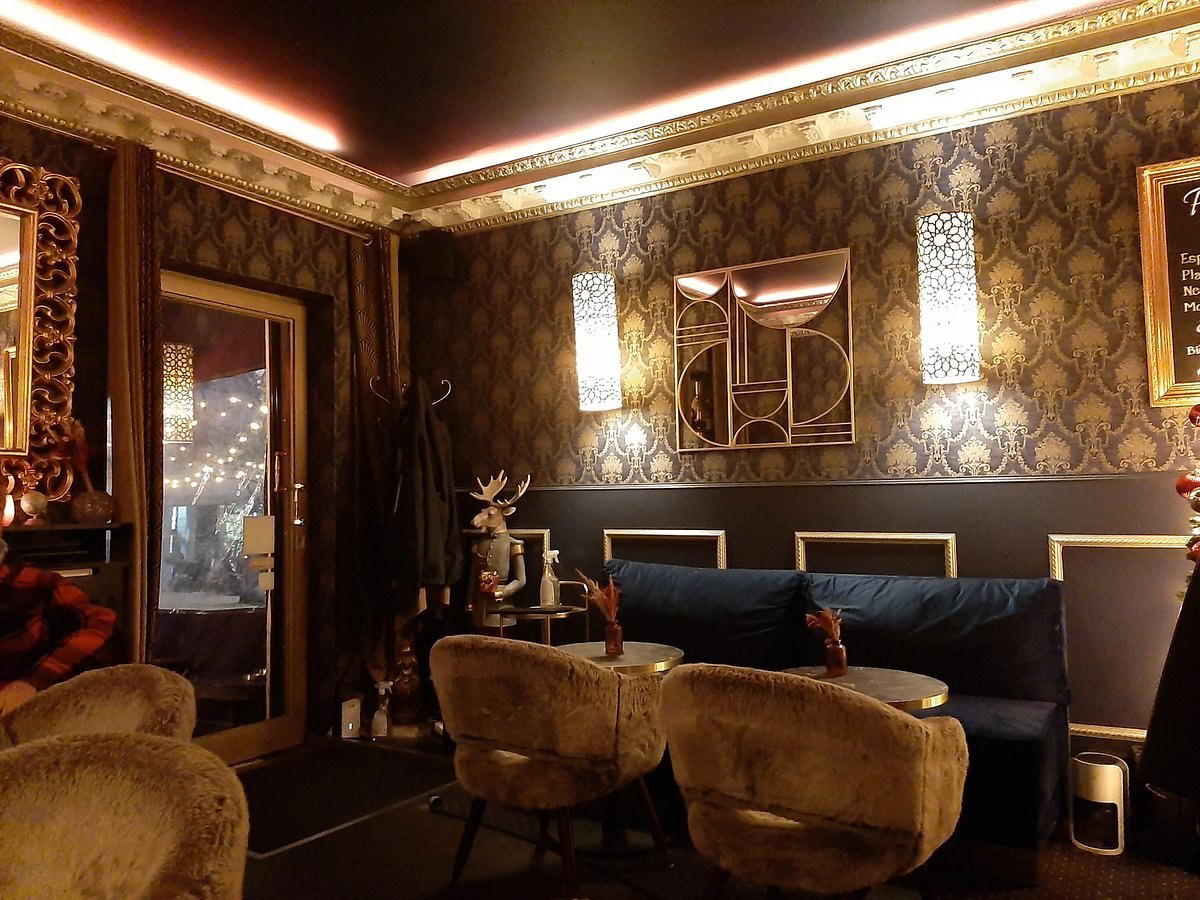
Inviting and relaxed family-friendly atmosphere with beautiful outdoor terrace and warm hospitality.