Amarante sits on the Place A. Favresse in La Hulpe, a Brabant Wallon commune where the Sonian Forest sets the seasonal rhythm of the table. The restaurant occupies a quieter tier of Belgian fine dining, removed from Brussels by only a short drive, yet operating at some distance from the capital's density and noise. For those tracing Belgium's serious restaurant geography beyond the major cities, Amarante is a reference point worth understanding.
Pearl is the En Primeur Club membership app — saves, bookings, and concierge access live there. Same editors, same standards.
- Address
- Pl. A. Favresse 51, 1310 La Hulpe, Belgium
- Phone
- +3224115981
- Website
- amarante-restaurant.be
- Directions
- Get directions
 Saves & bookings on Pearl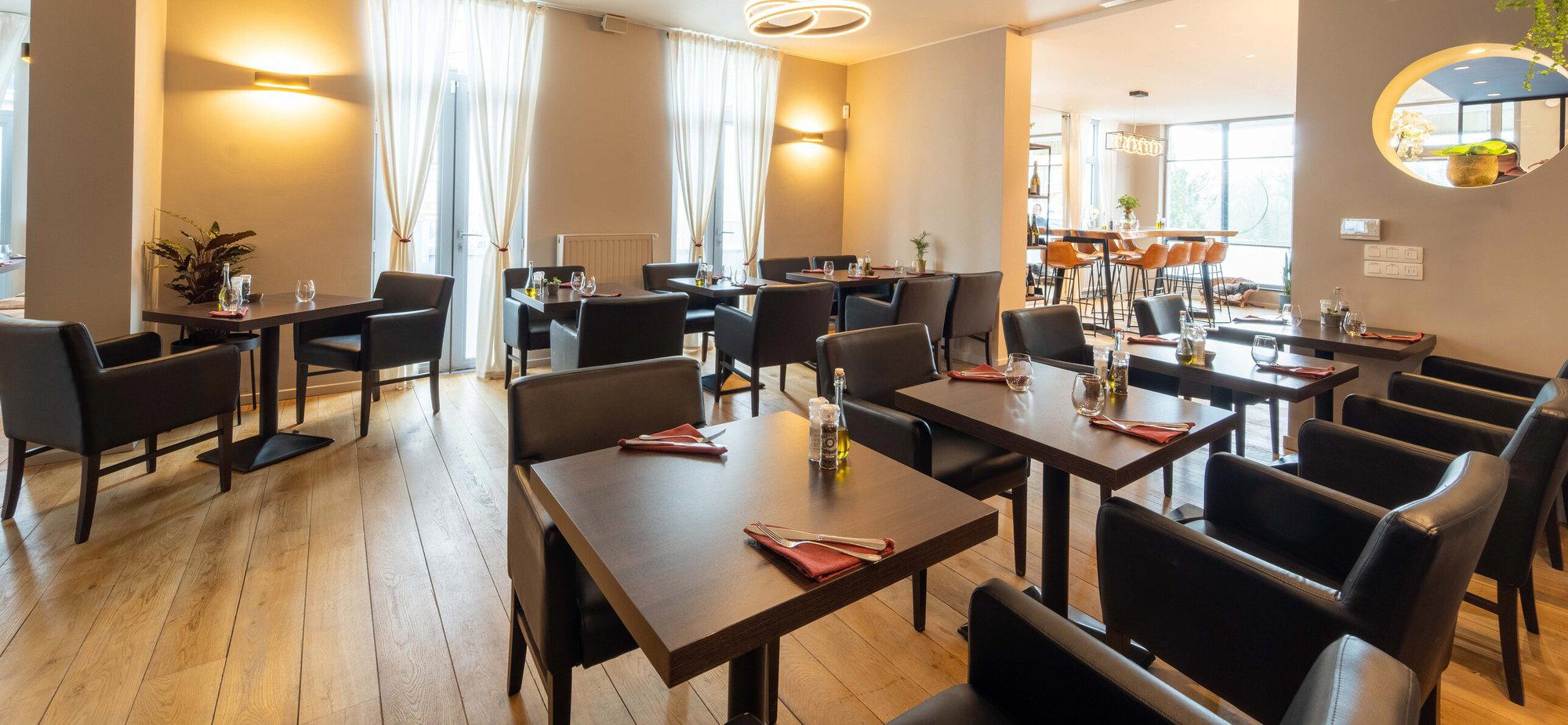
La Hulpe and the Forest at the Edge of the Plate
Amarante is a restaurant in La Hulpe, Belgium, serving French Gastropub cuisine. A second geography runs through the country's smaller communes, where restaurants work in closer proximity to producers, forests, and seasonal rhythms that a city kitchen can approximate but rarely replicate at the same proximity. La Hulpe belongs to this second geography. The commune sits at the southern edge of the Sonian Forest, one of the oldest beech forest systems in Western Europe, and that proximity has long shaped how kitchens in this part of Brabant Wallon source and think about their ingredients. Amarante, on the Place A. Favresse, is part of that context.
The square itself is the kind of address that repays the drive from Brussels, a low-traffic setting at municipal scale, where the restaurant occupies a position quite different from the dense competitive field of the capital. Belgian restaurants operating in this register tend to draw from the forest's foragers, from the agricultural belt running south toward Namur, and from the small-scale Walloon producers whose volumes are too limited for large urban kitchens. That supply structure is not a marketing position; it is a practical reality of cooking in a place where relationships with suppliers are measurable in kilometres rather than regional generalisations.
How Belgium's Sourcing-Led Fine Dining Works at This Scale
Across Belgium's upper-tier restaurant field, houses like Hof van Cleve in Kruishoutem, Boury in Roeselare, or Zilte in Antwerp, there is a consistent tension between ambition and ingredient honesty. The strongest kitchens at this level tend to resolve that tension through discipline about sourcing: short supply chains, seasonal menus that shift meaningfully rather than cosmetically, and a willingness to work with what a region actually produces rather than importing prestige ingredients to signal effort.
The Brabant Wallon and wider Walloon corridor offers a specific pantry: wild herbs and mushrooms from the Sonian and Ardennes-adjacent forests, freshwater fish, quality pork and poultry from small farms, and a growing number of market gardeners whose output is designed for professional kitchens. Restaurants at the scale Amarante operates, a local address rather than a destination-circuit flagship, often access this pantry more directly than their Brussels counterparts, whose size and visibility can create supply pressures that push toward standardised sources. That is the structural advantage of cooking in a place like La Hulpe: the forest is not a backdrop, it is a usable larder.
Comparable houses in Belgium's smaller-town tier, such as Willem Hiele in Oudenburg or Ralf Berendsen in Neerharen, have built reputations precisely on this premise: that cooking rooted in a specific, non-metropolitan geography produces results that metropolitan kitchens cannot simply replicate by purchasing the same ingredients.
The Brussels Commuter Belt and Its Dining Character
La Hulpe sits roughly twenty kilometres southeast of central Brussels, well within the commuter belt that draws professionals who value proximity to the capital while living at lower density. This demographic has historically supported a restaurant culture that punches above the commune's population weight: diners are accustomed to serious tables, hold reasonable points of reference from Brussels and beyond, and are prepared to spend at fine-dining levels without requiring the social spectacle that accompanies high-profile urban addresses.
That audience supports a particular restaurant posture: focused rather than performative, with cooking that rewards attention rather than demanding it through theatre. Barbavin represents another point on La Hulpe's dining map; for a fuller orientation to the commune's restaurant offer, the EP Club La Hulpe restaurants guide covers the broader field. Amarante's position on the central square places it in one accessible part of the commune for visitors arriving by car from Brussels or from the wider Walloon Brabant area.
Amarante in the Belgian Fine Dining comparable set
Belgium's fine dining field operates across a wide geographic spread, and the country's Michelin coverage reflects this: starred restaurants appear in communes of different scales and characters. Houses like Vrijmoed in Gent, La Durée in Izegem, and Cuchara in Lommel each occupy a specific geographic and culinary niche rather than competing on a single urban ladder. Amarante sits within this dispersed model, where the relevant comparable set is defined by format and sourcing approach rather than by proximity to a major city.
For those contextualising Amarante against restaurants in different geographies, international reference points like Le Bernardin in New York City or Lazy Bear in San Francisco illustrate how sourcing-driven fine dining operates at different scales and price points globally. Closer to home, Walloon addresses such as d'Eugénie à Emilie in Baudour and La Table de Maxime in Our show how the French-speaking Belgian kitchen tradition plays out in smaller commune settings. De Jonkman in Sint-Kruis and Castor in Beveren extend the comparison further into Flanders. Bozar Restaurant in Brussels and Le Chalet de la Forêt in Uccle represent the capital-adjacent tier against which Amarante's forest-edge address reads as a deliberate departure.
Planning a Visit
Amarante's address at Pl. A. Favresse 51 in La Hulpe places it on the commune's central square, accessible by car from Brussels in under thirty minutes via the E411. Public transport connections to La Hulpe exist via the Brussels-Luxembourg rail line, though a car remains the practical choice for most visitors.
Comparable Spots, Quickly
Comparable venues nearby, for context on price, style, and recognition.
| Venue | Cuisine | Price | Notes |
|---|---|---|---|
| AmaranteThis venue — the venue you are viewing | French Gastropub | $$ | Not listed |
| Barbavin | French-Belgian Bistro | $$ | La Hulpe |
| Au Grand Forestier | Traditional Belgian Brasserie | $$ | Watermael-Boitsfort |
| 7ICI | French-Belgian Bistro | $$ | Chaumont-Gistoux |
| Brasserie de l'Alliance | French-Belgian Brasserie | $$ | Braine-l'Alleud |
| MOme | Modern French Bistro | $$ | Ixelles |
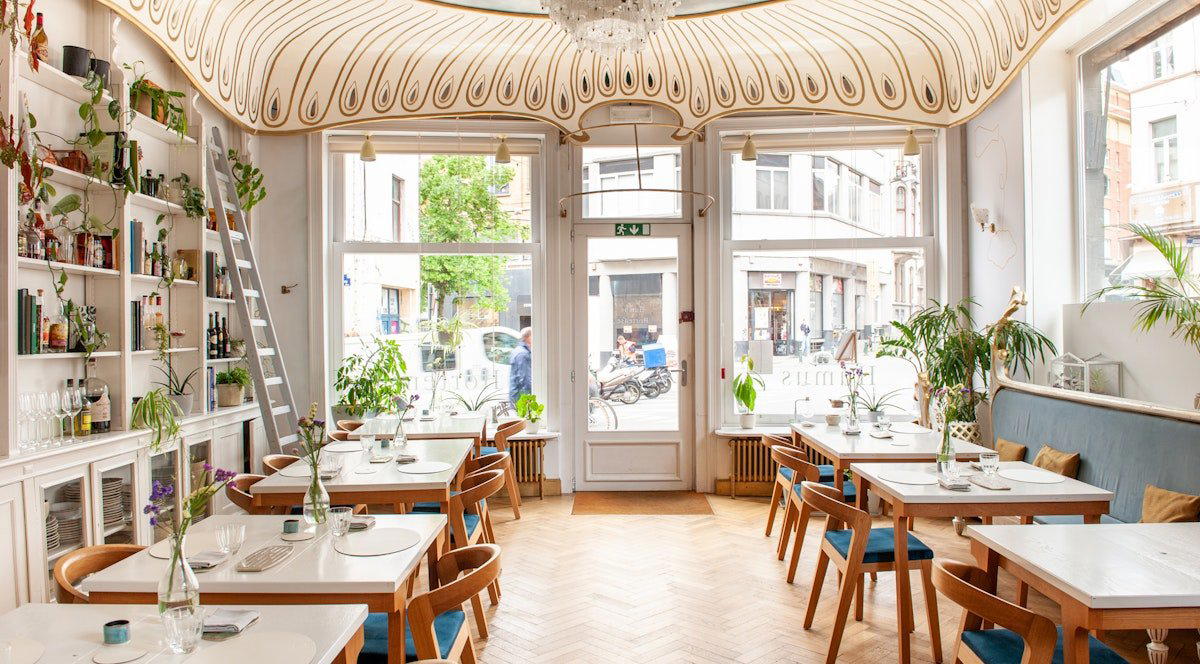
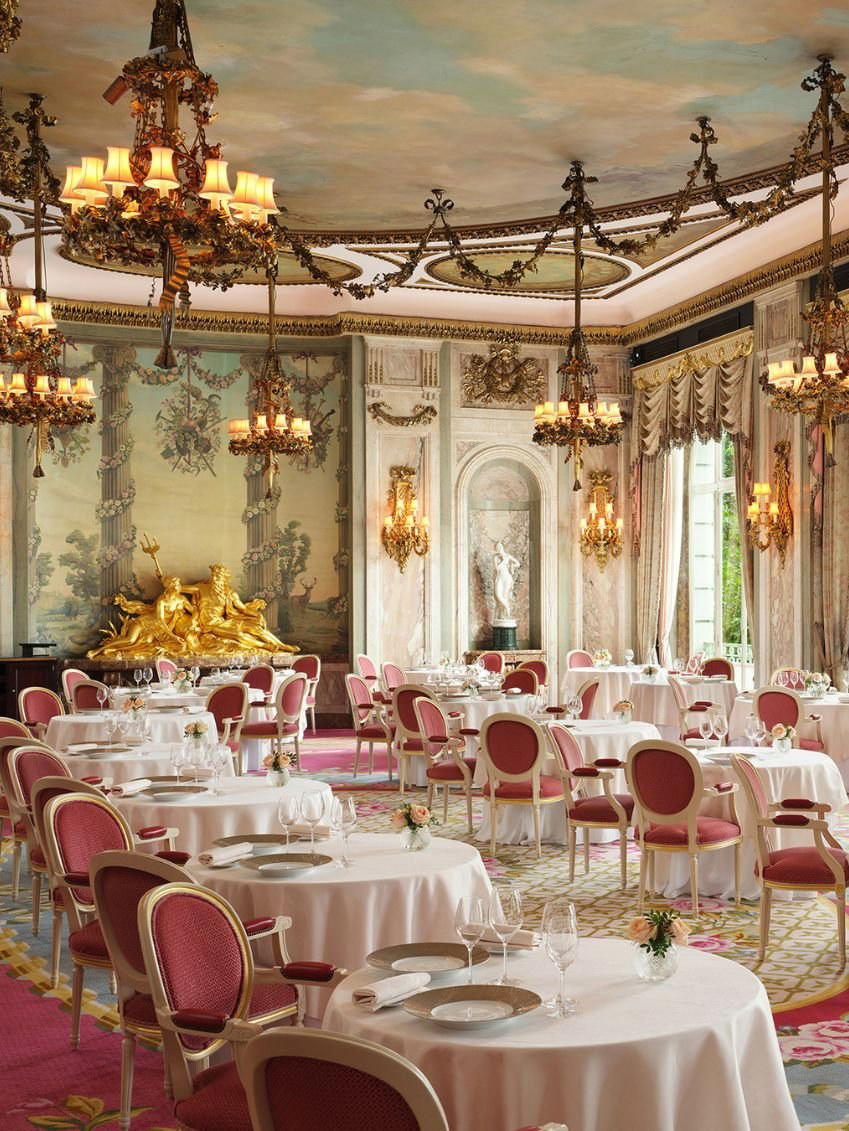
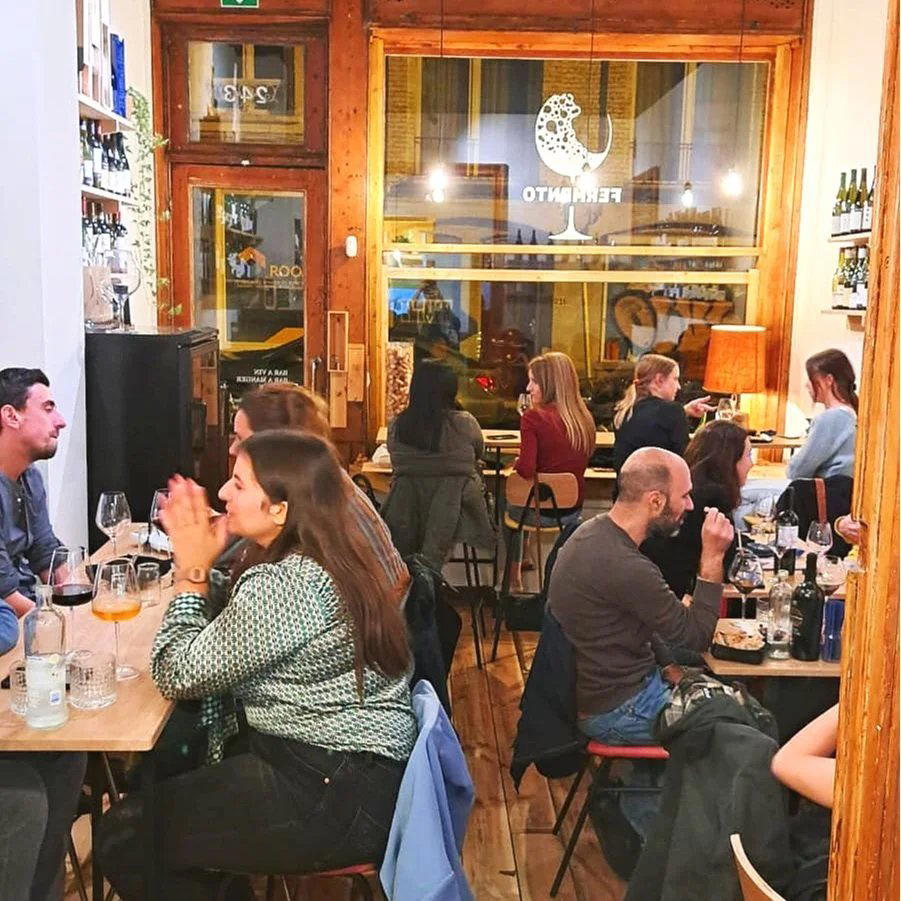
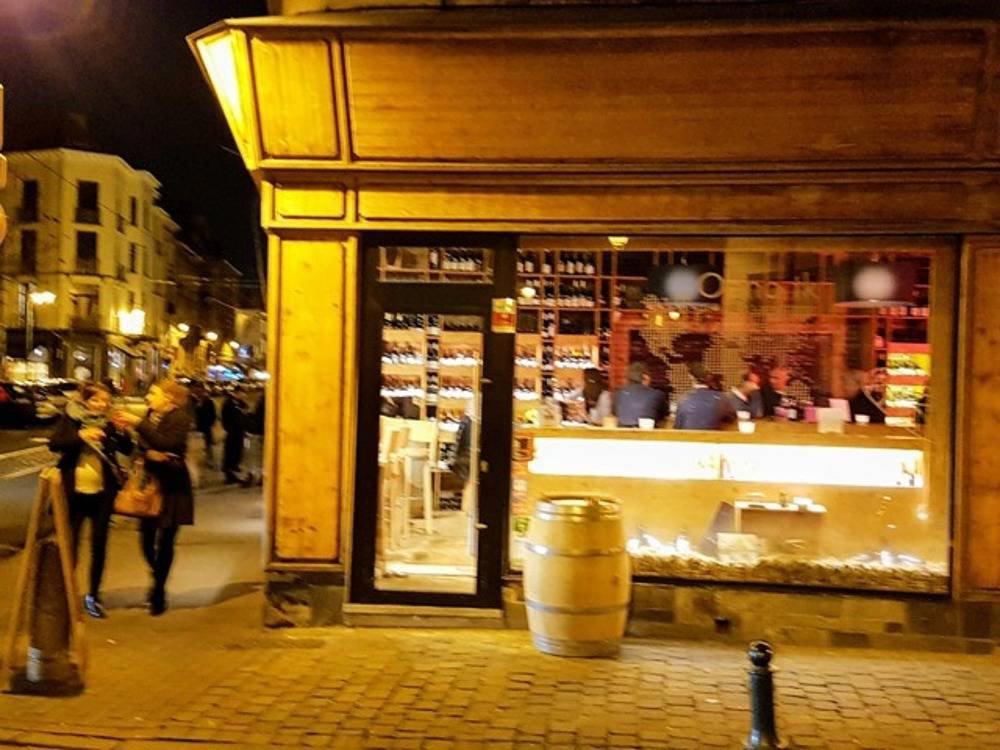
At a Glance
- Cozy
- Elegant
- Intimate
- Sophisticated
- Date Night
- Special Occasion
- Open Kitchen
- Local Sourcing
- Zero Waste
Current opening hours
- Monday
- Closed
- Tuesday
- 12–2:30 PM, 7–9:30 PM
- Wednesday
- 12–2:30 PM, 7–9:30 PM
- Thursday
- 12–2:30 PM
- Friday
- 12–2:30 PM, 7–9:30 PM
- Saturday
- 7–9:30 PM
- Sunday
- Closed
Hours can change for holidays and private events. Last verified .
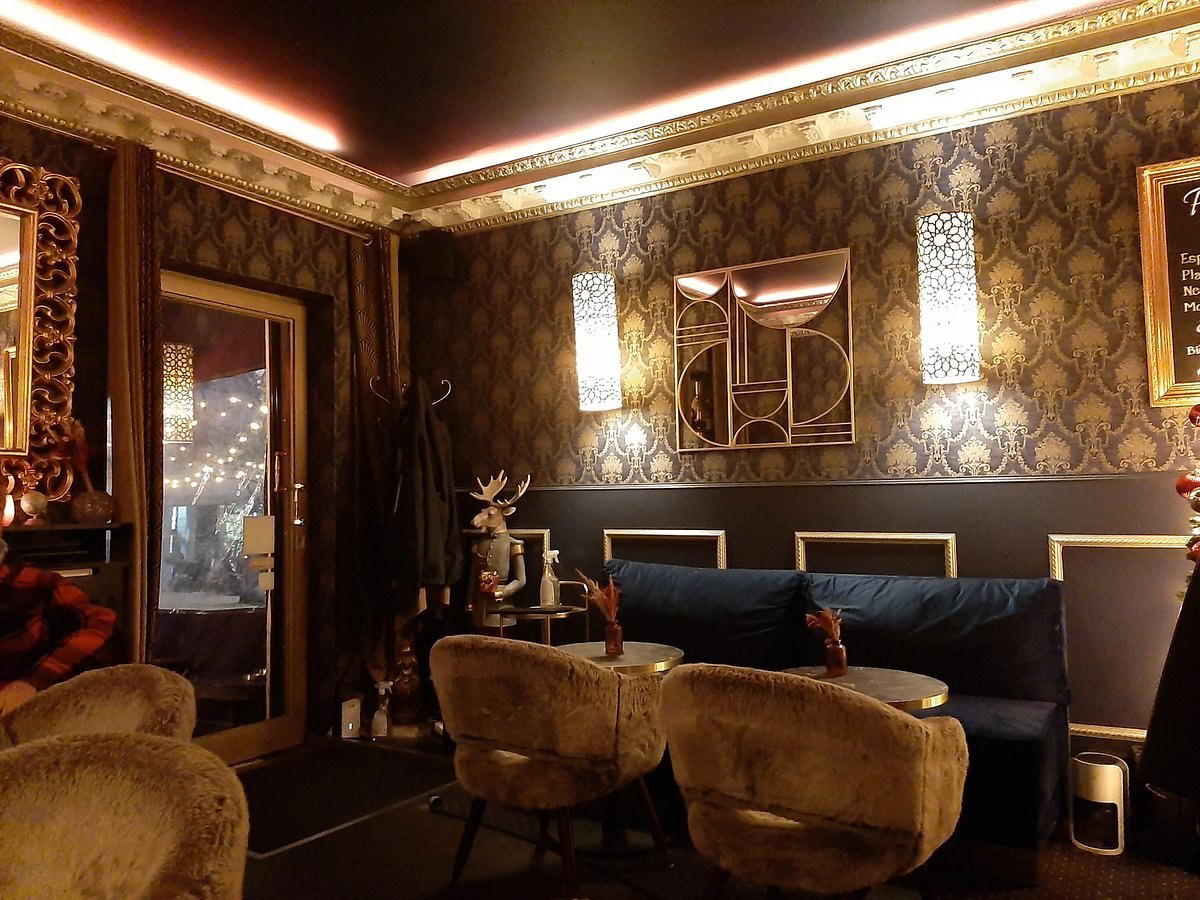
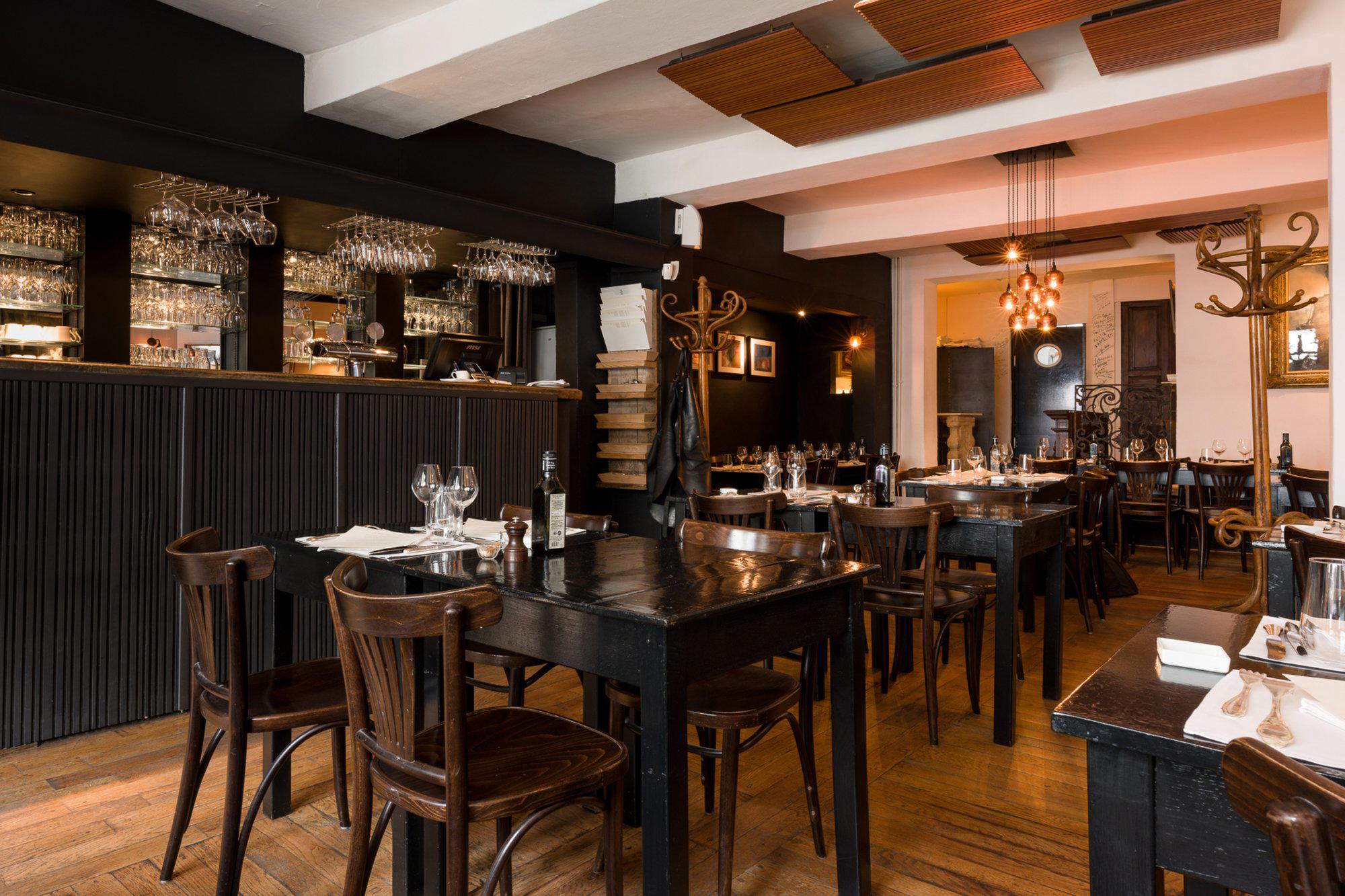
Warm and cozy atmosphere with refined, comfortable decor featuring an open kitchen, creating an intimate and convivial dining experience.