Harbor Cookhouse serves Mediterranean seafood and steakhouse cooking at Obala kneza Branimira 6A in Zadar, with waterfront views and dry-aged steak tartare, octopus, and sea bass on the menu.
Pearl is the En Primeur Club membership app — saves, bookings, and concierge access live there. Same editors, same standards.
- Address
- Obala kneza Branimira 6A, 23000, Zadar, Croatia
- Phone
- +385 23 301 520
- Website
- harbor.hr
- Directions
- Get directions
 Saves & bookings on Pearl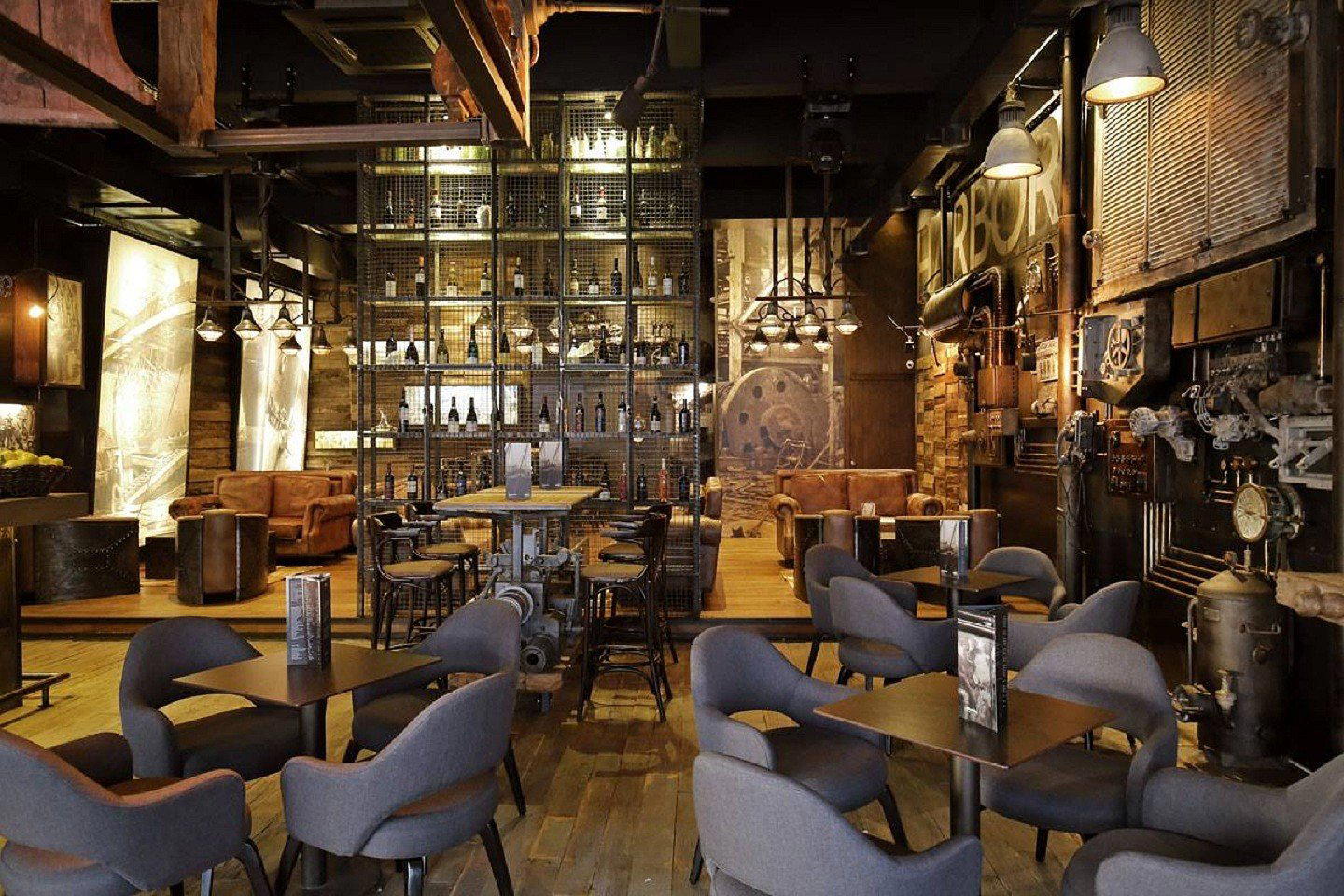
Where the Adriatic Puts Itself on the Plate
Obala kneza Branimira runs along Zadar's eastern waterfront, the stretch where working harbour logic gives way to open-air restaurants and the stone-paved promenade catches the afternoon light off the channel. Harbor Cookhouse sits at number 6A, close enough to the water that arriving on foot, you cross from the ambient sounds of the old town into something quieter and more deliberate. The name signals intent: this is a kitchen-forward address on a strip where the view often does most of the work.
Zadar's dining scene has matured considerably over the past decade. The city operates at a lower profile than Dubrovnik or Split in the international travel conversation, which has kept some of its restaurant culture grounded in local supply chains and regional technique rather than resort-calibrated menus built for tourist turnover. Foša and Kornat, both established Croatian classics in the €€€ tier, have long anchored the serious end of the market; a newer generation of addresses has been filling out the mid-range with more focused, less ceremonial formats.
The Wine Dimension on the Dalmatian Coast
Any honest assessment of a waterfront restaurant in Dalmatia has to reckon with the wine context, because the region is producing at a level that most international visitors dramatically underestimate. Indigenous varieties like Plavac Mali, Pošip, and Grk have attracted sustained critical attention over the past fifteen years, and the better cellars in coastal Croatian restaurants now reflect that. Where you once found token domestic selections beside a standard European list, the sharper addresses are building programs that argue seriously for Dalmatian terroir on its own terms.
Pošip, grown primarily on the island of Korčula, is the benchmark white: full-bodied, with the kind of textural weight that holds up to grilled fish and shellfish preparations without dissolving into the food. Plavac Mali, the dominant red, has a tannic structure that rewards time in the cellar and pairs with the richer meat and slow-cooked preparations that appear on Croatian menus once you move past the obvious coastal dishes. A wine program at a Zadar address like Harbor Cookhouse would logically draw on producers from the Dalmatian hinterland and the islands, the question is always whether the curation goes beyond familiar labels and into the smaller-production estates that define what the region is capable of at its ceiling. Boskinac in Novalja on Pag Island has built its cellar program into a reference point for the Adriatic region.
Cookhouse Logic in a Mediterranean Port City
The term "cookhouse" in a restaurant name tends to signal an anti-formality stance: a kitchen that wants to be seen as productive and direct rather than ceremonial. In a Croatian coastal context, that positioning sits against a long tradition of konoba-style eating, where the format is inherently relaxed but the sourcing is taken seriously. Whether Harbor Cookhouse operates closer to that konoba register or pushes toward something more contemporary in technique is something the address on Obala kneza Branimira communicates most clearly through its kitchen output and wine list rather than its branding.
Zadar's geography gives any serious kitchen here access to notable primary ingredients: the Zadarsko more channel produces some of the Adriatic's better shellfish, and the Dalmatian hinterland supplies olive oil, lamb, and seasonal produce that anchor the regional cooking tradition. 4kantuna, Bistro Pjat, and Bruschetta represent different points on that spectrum locally, from traditional to contemporary casual.
Reading Harbor Cookhouse Against the Zadar Field
The competitive set in Zadar's €€€ tier includes addresses with decades of local reputation: Foša occupies a position in a medieval tower at the city walls, Kaštel offers a Mediterranean format with waterfront positioning, and Kornat has operated as a seafood reference point for Croatian and international visitors alike. Against these, a newer waterfront address has to demonstrate either a distinct format, a sharper wine program, or a kitchen approach that differentiates it from the established bracket.
The broader Croatian fine dining conversation is worth keeping in mind for scale. Pelegrini in Sibenik and Restaurant 360 in Dubrovnik have set regional reference points with Michelin recognition; Agli Amici Rovinj in Rovinj operates in the premium tier in Istria; LD Restaurant in Korčula and Nebo by Deni Srdoč in Rijeka anchor their respective cities. Zadar's serious restaurants tend to compete on consistency and sourcing intelligence rather than tasting-menu spectacle. For a broader look at Croatia's waterfront dining addresses, Alfred Keller in Mali Losinj and Korak in Jastrebarsko show the range of format and approach across the country's regions.
Zagreb's more developed fine-dining scene, represented by addresses like Dubravkin Put and Krug in Split, provides a mainland counterpoint to what coastal Dalmatian restaurants are doing. The coastal addresses tend to weight seafood and simplicity; the inland operators often work with longer, more technically complex preparations. The restaurant's waterfront location places it firmly in the coastal register. For visitors more familiar with international fine dining benchmarks, Le Bernardin in New York City and Atomix in New York City represent the kind of precision-seafood and tasting-menu formats against which serious coastal European restaurants are increasingly measured.
Planning Your Visit
The address at Obala kneza Branimira 6A places the restaurant on Zadar's main eastern waterfront, accessible on foot from the old town peninsula in under ten minutes. The summer months bring the heaviest tourist traffic to Zadar, with July and August compressing the reservation window considerably at any serious waterfront address. Early June and September offer better availability and more temperate conditions for waterfront dining. Reservations are recommended, and the current opening hours are Mon: 7 AM to 11 PM; Tue: 7 AM to 11 PM; Wed: 7 AM to 11 PM; Thu: 7 AM to 11:30 PM; Fri: 7 AM to 11:30 PM; Sat: 7 AM to 11:30 PM; Sun: 8 AM to 11:30 PM. Other waterfront options in Zadar include A'mare POP and Antiquus sushi@more POP if your dates are constrained.
At-a-Glance Comparison
Comparable venues nearby, for context on price, style, and recognition.
| Venue | Cuisine | Price | Awards | Notes |
|---|---|---|---|---|
| Harbor CookhouseThis venue — the venue you are viewing | Mediterranean Seafood & Steakhouse | $$$ | Not listed | Not listed |
| Kornat | North Dalmatian Fine Dining Seafood | $$$ | Not listed | Zadar Seafront |
| Niko | Traditional Adriatic Seafood | $$$ | Not listed | Puntamika |
| Kapric | Modern Steakhouse & Seafood Grill | $$ | Not listed | Zadar Old Town |
| Pet bunara Dine&Wine | Dalmatian Slow Food | $$ | Not listed | Zadar Old Town |
| Kaštel | Modern Dalmatian Mediterranean | $$$ | Michelin Plate | Old Town |
Continue exploring
More in Zadar
Restaurants in Zadar
Browse all →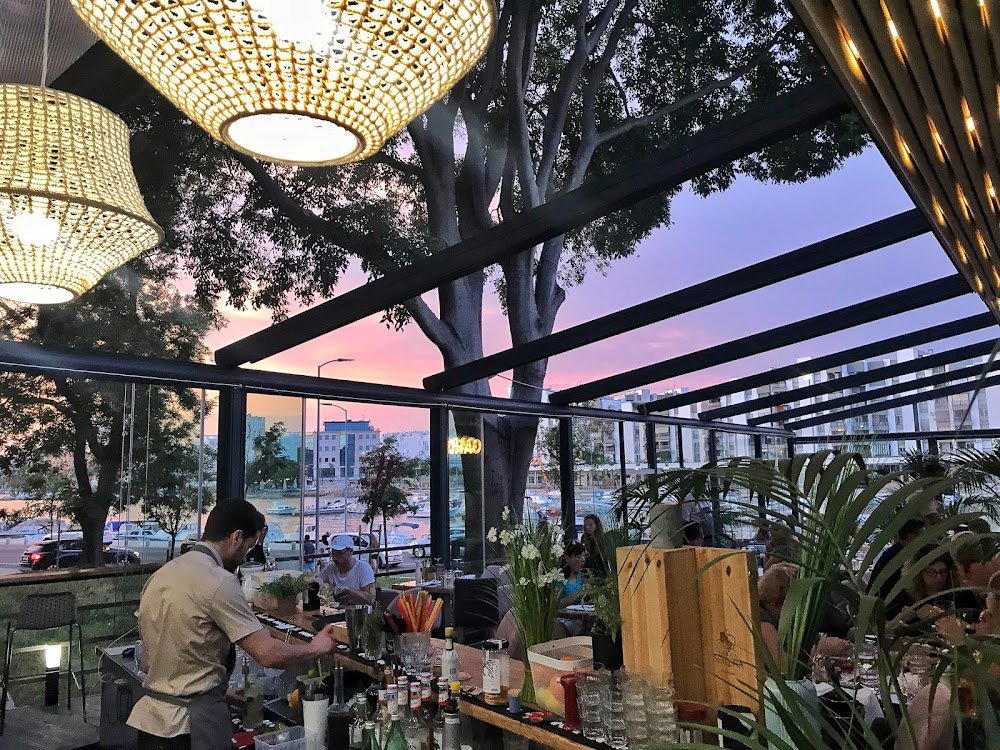
Bars in Zadar
Browse all →
Hotels in Zadar
Browse all →
Wineries in Zadar
Browse all →
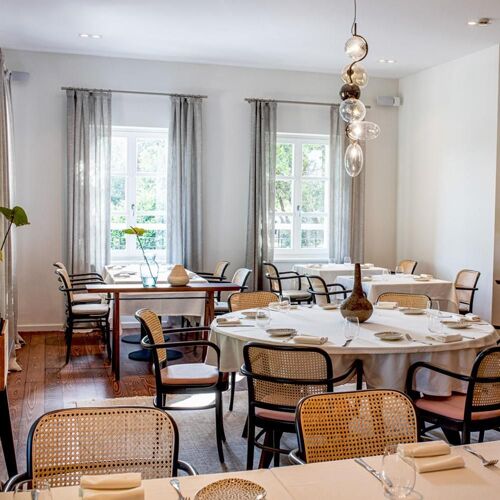
At a Glance
- Elegant
- Industrial
- Date Night
- Group Dining
- Special Occasion
- Waterfront
- Terrace
- Waterfront
Current opening hours
- Monday
- 7 AM–11 PM
- Tuesday
- 7 AM–11 PM
- Wednesday
- 7 AM–11 PM
- Thursday
- 7 AM–11:30 PM
- Friday
- 7 AM–11:30 PM
- Saturday
- 7 AM–11:30 PM
- Sunday
- 8 AM–11:30 PM
Hours can change for holidays and private events. Last verified .
Industrial flair with stylish nautical decor, offering a relaxed daytime atmosphere that transforms into a lively clubbing scene with DJs and live bands at night.