
Tabelog 100 #30
Our verdict
Bar la Hulotte belongs to Tokyo’s quieter school of serious drinking: small counter, tight etiquette, and recognition that comes from bar regulars as much as awards panels. Its Tabelog Bar 100 selection in 2022 and Time Out LOVE TOKYO AWARDS 2017 Grand Prize place it in a reputation tier where restraint, not spectacle, does the work.

Pearl is the En Primeur Club membership app, where members save venues, book tables and use the concierge.
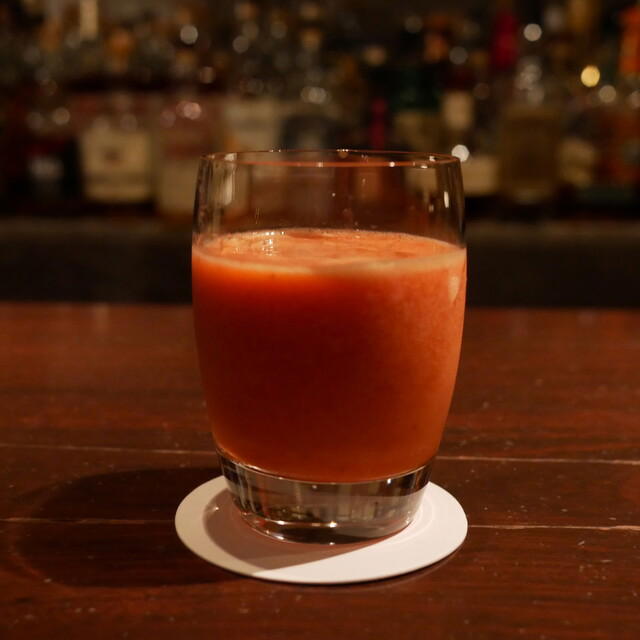
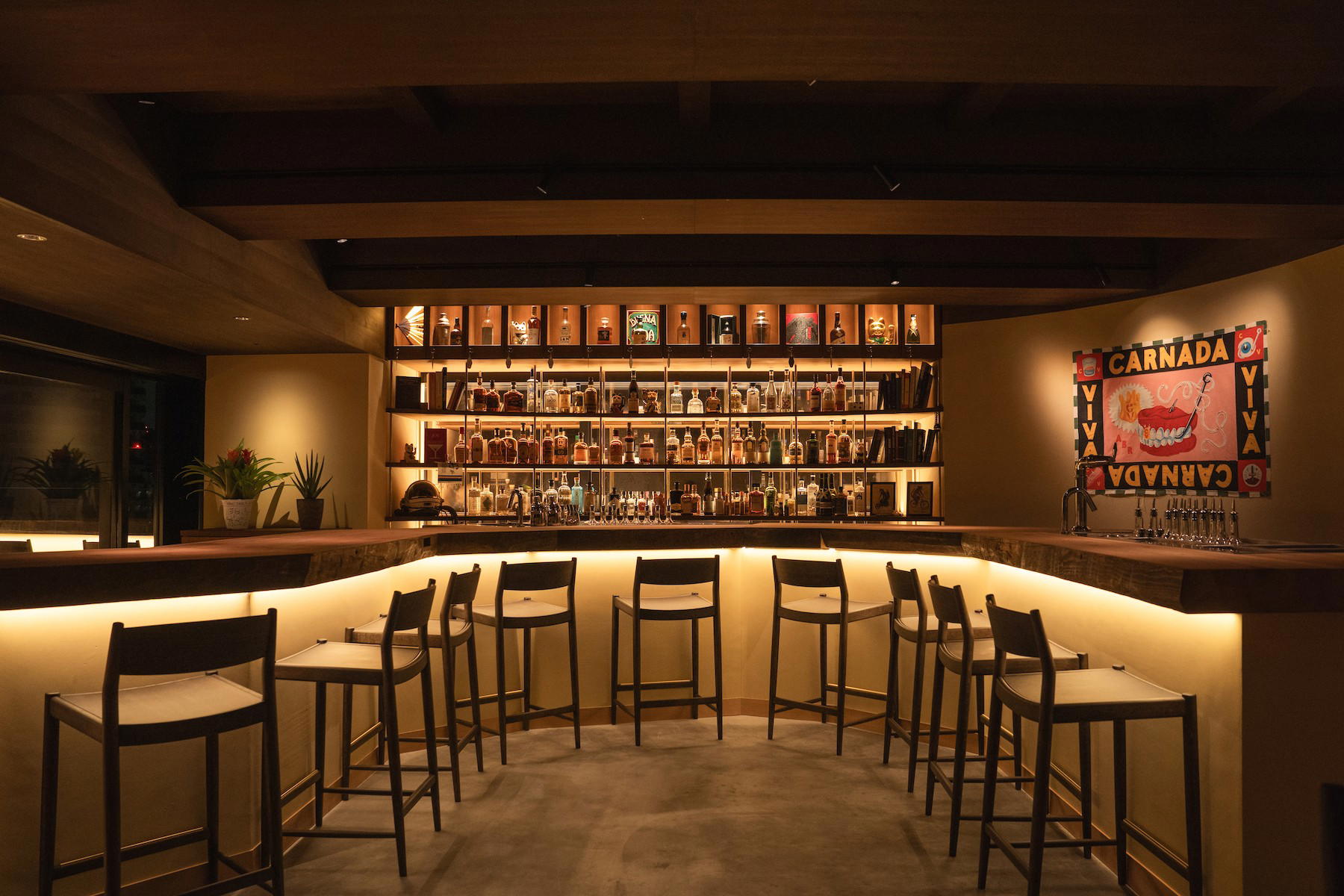
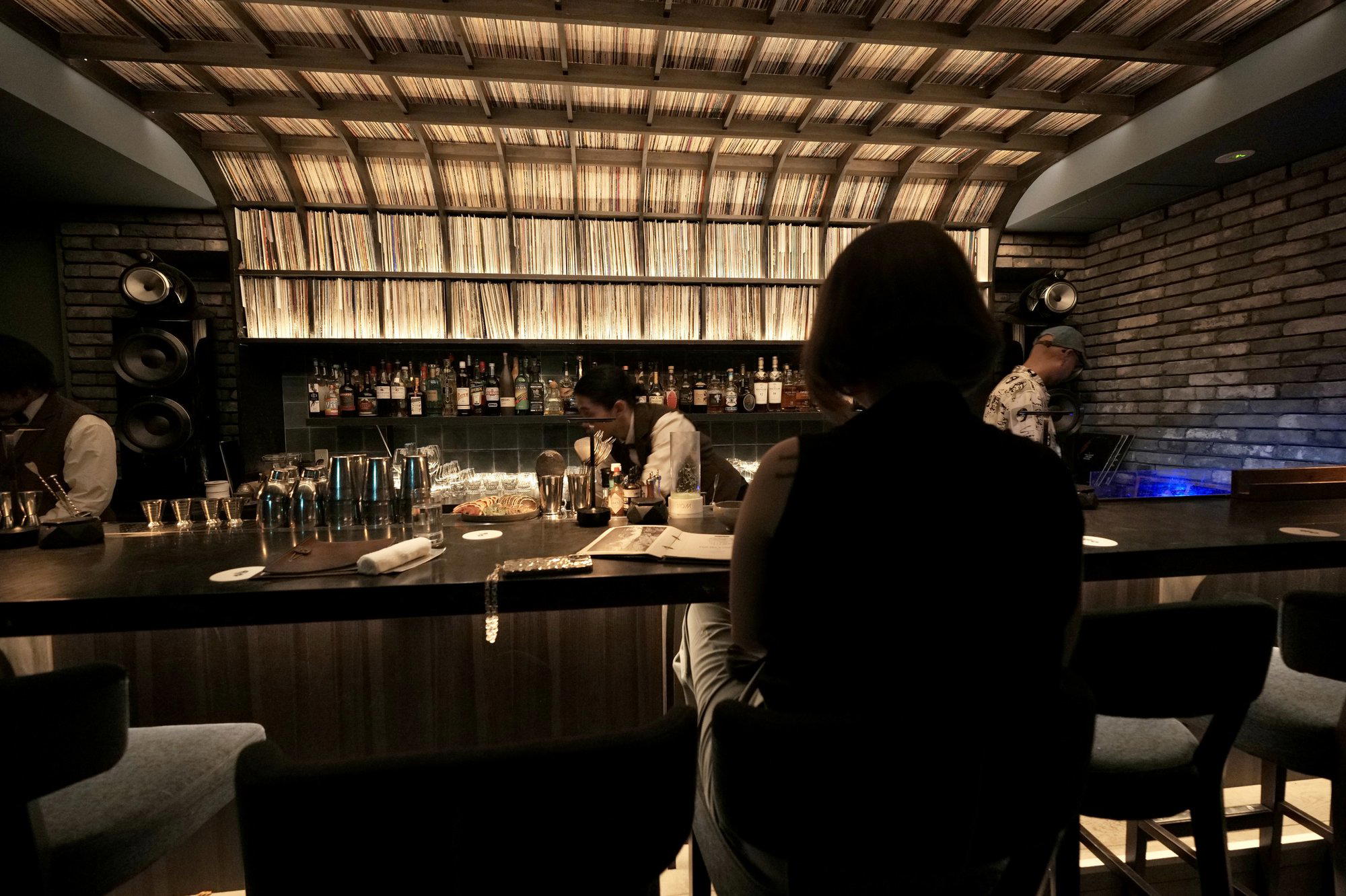
In Motoazabu, the city’s noise thins into residential streets, embassy edges, and discreet drinking rooms built for people who do not need a performance with every pour. Tokyo’s serious bar culture has long rewarded scale in reverse: fewer seats, less chatter, a sharper relationship between bartender and guest. Bar la Hulotte fits that tradition with a seven-seat counter, a wine-and-cocktail focus, and the sort of room discipline that makes a small bar feel less casual than its footprint suggests.
That matters in Tokyo because the bar scene divides cleanly between hotel-lounge polish, Ginza-style classicism, and neighbourhood counters that treat drinking as a precise social ritual. Motoazabu sits away from the brighter restaurant grids of Roppongi and Azabu-Juban, but close enough to both to draw drinkers who have already eaten elsewhere and want the evening to narrow rather than expand. The category is not about novelty; it is about whether a small room can hold attention without volume, menu theatrics, or architectural drama.
A seven-seat counter in Tokyo's reputation economy
Recognition in Japan’s bar world is often quieter than in restaurants, but it is rarely accidental. Bar la Hulotte was selected for Tabelog Bar 100 in 2022, a list that gives useful signal in a city where many serious bars operate below the international press line. It also took the Grand Prize in the Bar category at the Time Out LOVE TOKYO AWARDS 2017. Those two markers point to a venue with both local staying power and broader editorial notice, not merely a new opening enjoying a cycle of attention.
The opening date, 14 February 2006, adds another useful filter. Tokyo bars that survive across two decades tend to do so by building repeat custom, not by leaning on concept-heavy interiors or single-season menus. The point is endurance. In a city where cocktail fashion has moved from speakeasy mimicry to technical clarity, older counter bars occupy a different lane: regulars, etiquette, and a house rhythm that visitors either understand quickly or feel from the first few minutes.
The drink brief is broad but controlled: wine and cocktails are both part of the program, with a noted emphasis on each. That combination places the bar outside the narrower single-spirit temple and away from the casual standing-bar model. It also gives it a different function from dinner-led peers in the area. Nearby comparison venues such as Motoazabu Kushima, Tasogare, Ippei Hanten, Yakitori Hinata, and Ten Yokota map the neighbourhood’s restaurant side across Japanese, French, Chinese, yakitori, and tempura formats; Bar la Hulotte belongs to the after-dinner counter category that makes the district more than a dining stop.
Etiquette is part of the format, not an afterthought
Tokyo’s small bars ask more of the guest than large-format cocktail rooms. Counter seating compresses the room into a shared social contract: voices lower, gestures shrink, and the bartender’s pace shapes the night. At Bar la Hulotte, the no-phone-calls rule at counter seats is not decorative etiquette. It protects the bar’s central asset, which is concentration. In a seven-seat room, one call changes the entire room.
This is also why solo drinking works particularly well in this tier of Tokyo bar culture. A counter removes the awkwardness of a table for one, and a serious drinks program gives the evening enough structure without requiring a full meal. The venue’s solo-friendly reputation aligns with a broader Tokyo habit: the city remains unusually good at making solitary dining and drinking feel normal, even refined, rather than improvised.
Smoking is permitted, which will be a deciding factor for some guests. In Tokyo, this detail still separates older bar culture from the cleaner-air expectations of newer hotel bars and international cocktail rooms. The decision is less about quality than compatibility. Guests sensitive to smoke should choose accordingly; guests who understand that many long-running Japanese counters preserve older social codes will read it as part of the operating context.
How to place it in a Tokyo night
The strongest use case is not a loud group crawl. It is a compact second stop after dinner in Azabu-Juban, Roppongi, or Motoazabu, where the evening benefits from a slower register. The counter scale makes it better suited to one or two people than a celebratory party. It is also a poor fit for anyone who wants a long written menu to browse like a restaurant list; bars in this tradition tend to reward conversation, restraint, and letting the room set the pace.
For travellers building a broader Tokyo itinerary, the distinction is useful. Restaurant-led nights can move through yakitori, tempura, sushi, curry, or grill formats, while bar-led nights should be planned around intimacy and timing. For the wider dining map, see Our full Tokyo restaurants guide, Our full Tokyo bars guide, Our full Tokyo hotels guide, Our full Tokyo wineries guide, and Our full Tokyo experiences guide.
Tokyo’s range is clearest when small bars are set beside its everyday and specialist restaurants. A night might start with the casual specificity of. 鮪と炭火焼き うお炭 秋葉原店, the Shinjuku energy around 12/10 Shinjuku ten, the skewer grammar of 124. KAGURAZAKA (Yakitori), the graphic-café appeal of 2D Cafe, or the comfort-food precision of 3 Chome no Curry Ya San. Beyond Tokyo, the same editorial map stretches to -Grilled beef Sukiyaki- KAMAKURA TANUKIAN 鎌倉 たぬき庵 in Kamakura.cafe in Osaka.know in Kumamoto, (Shoku) Vietnam in Kawasaki, [Curry Senmon Ten] Maruyama Kyoju. in Sapporo, [ki:] in Kyoto, Jōdo Saké Bar in Los Angeles, and Onigiri Time in Pasadena.
Quick Comparison
Comparable venues to anchor price and recognition.
| Venue | Cuisine | Price | Awards | Notes |
|---|---|---|---|---|
| Bar la HulotteThis venue (the venue you are viewing) | Japanese-International Fusion Bar | $30–50 | Tabelog 100 #30 | Not listed |
| Dining & Bar Lavarock (ラヴァロック) | Modern Grilled Bistro | $50–100 | Not listed | Kyobashi |
| Tiger Peak | Sino-Japanese Tasting Menu | $50–100 | Black Pearl 2 Diamond | Minato |
| Toranomon Yokocho | Modern Japanese Multi-Cuisine Food Hall | $10–20 | Not listed | Toranomon, Minato-ku |
| the lounge by aman | International all-day lounge with Japanese influences | $50–100 | Tabelog 100 #83 | Chiyoda |
| The Tokyo EDITION, Toranomon | Modern British-Japanese Fusion | $200–300 | Not listed | Minato |
Recognition history
Dated appearances from independent guides and award organizations, with the underlying list record or original source where available.
Tabelog 100 #30 · No. 30
Tabelog · Tabelog 100 - Bar - 2022
Continue exploring
More in Tokyo
Restaurants in Tokyo
All restaurants in Tokyo →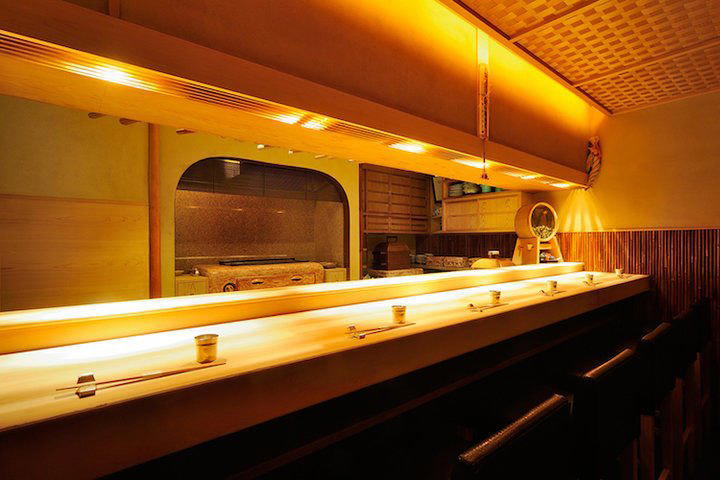


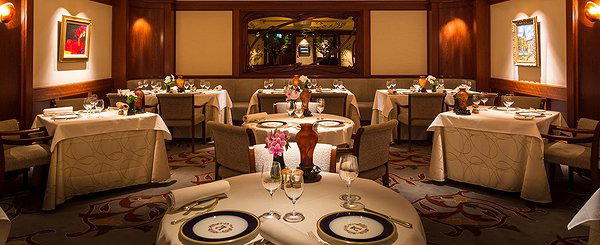
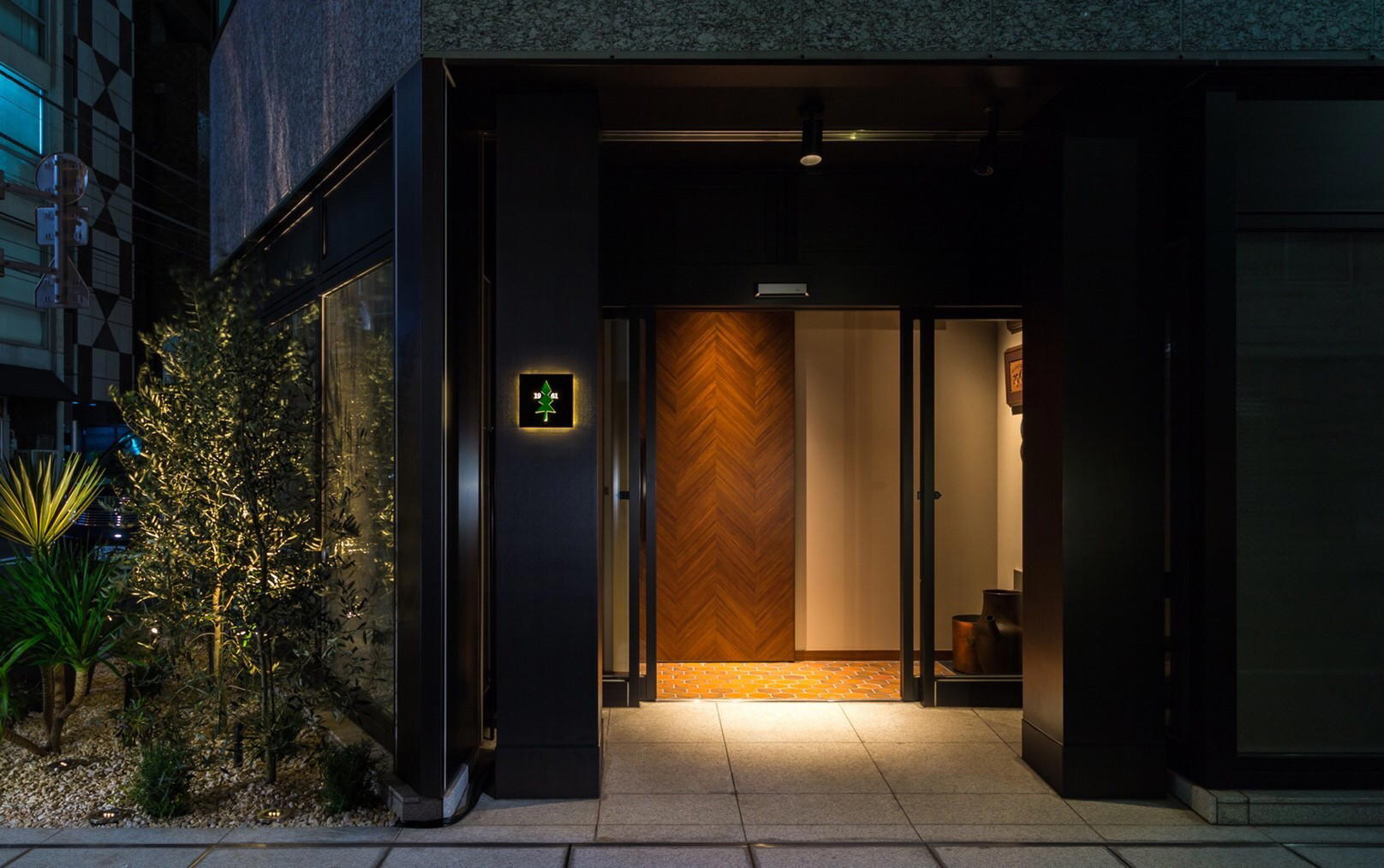
Bars in Tokyo
All bars in Tokyo →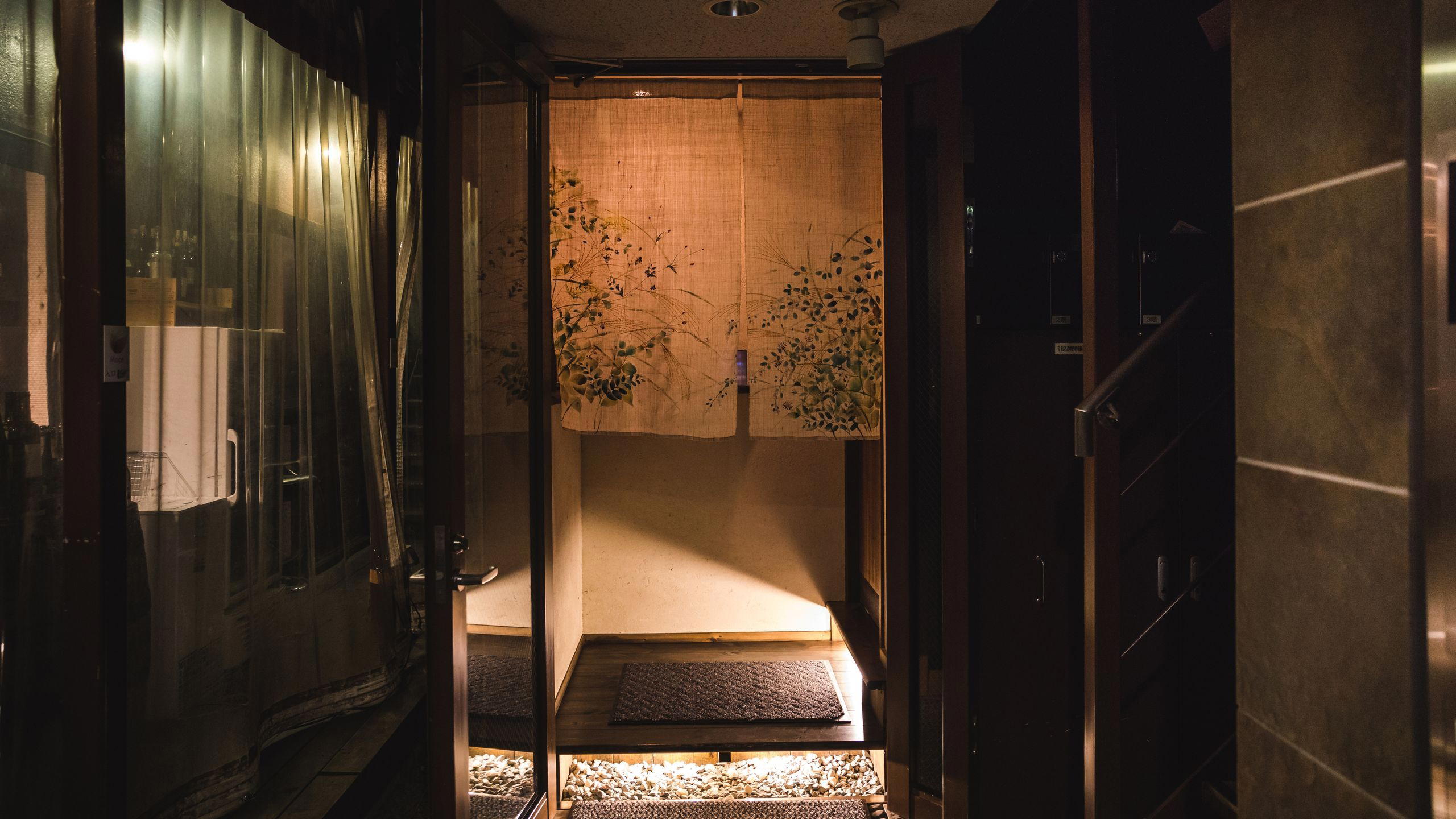




Details
- Intimate
- Cozy
- Classic
- Quiet
- Sophisticated
- Solo
- After Work
- Late Night
- Standalone
- Craft Cocktails
- Extensive Wine List
- Counter Dining
- Cocktails
- Wine
Current opening hours
- Monday
- 7 PM–12 AM
- Tuesday
- 7 PM–12 AM
- Wednesday
- 7 PM–12 AM
- Thursday
- 7 PM–12 AM
- Friday
- 7 PM–12 AM
- Saturday
- 7 PM–12 AM
- Sunday
- Closed
Hours can change for holidays and private events. Hours as of .
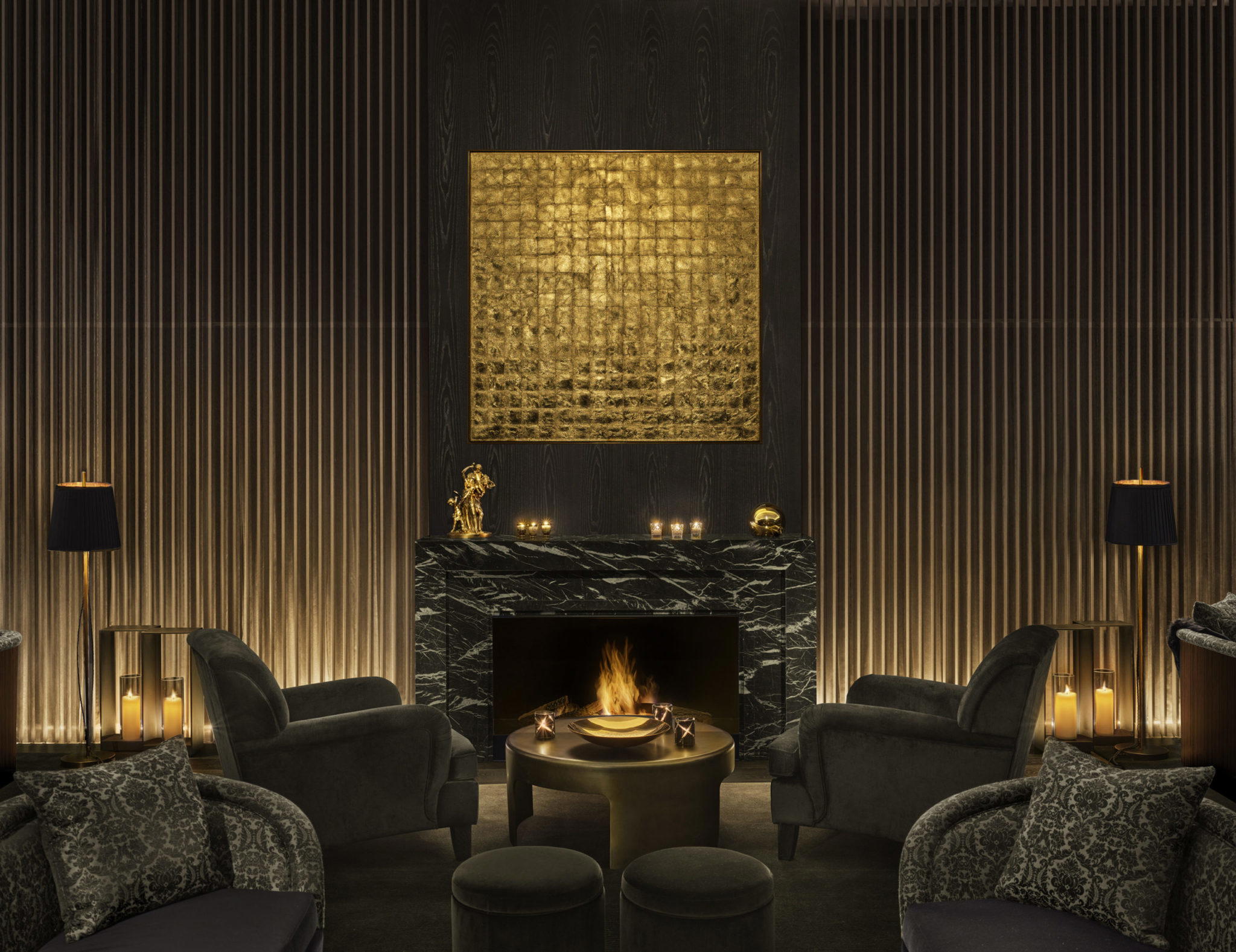
A secluded, cozy, rustic-feeling hideout with a magical atmosphere and counter-only intimacy.