Bar Bolinas
Bar Bolinas occupies a corner of Myrtle Avenue in Brooklyn where the neighbourhood's industrial past and its current creative identity sit in close proximity. The bar operates within a Brooklyn drinking scene increasingly shaped by sourcing transparency and low-waste bar programs. For those tracing the shift in how New York's neighbourhood bars think about sustainability, it is a useful address to know.
- Address
- 455 Myrtle Ave, Brooklyn, NY 11205
- Phone
- +1 718 935 9331
- Directions
- Get directions
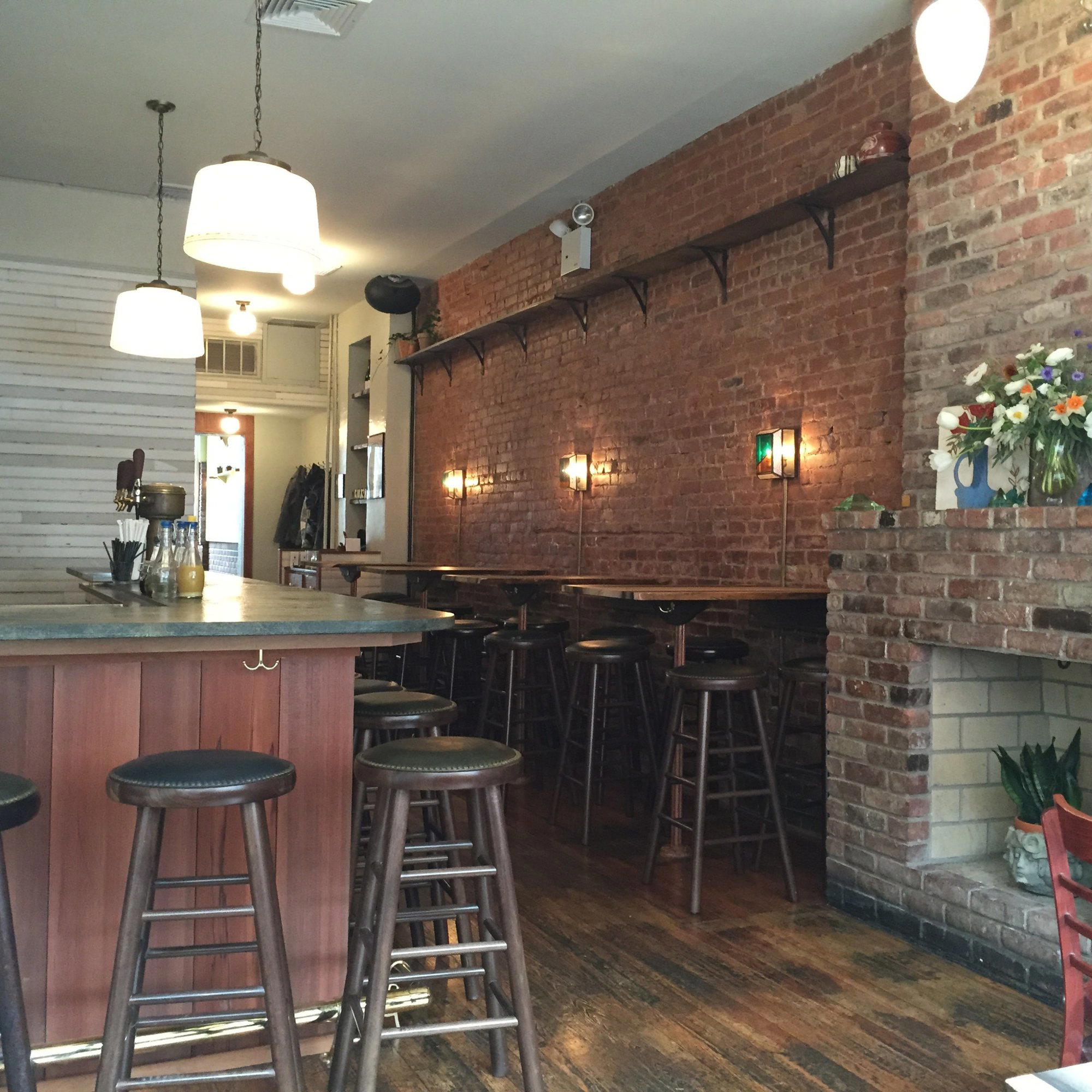
Myrtle Avenue and the New Brooklyn Bar
Myrtle Avenue runs through Clinton Hill and into Bedford-Stuyvesant, connecting blocks that shifted from light industry to artist studios to settled residential life over the past two decades. Bar Bolinas, at 455 Myrtle Ave, sits within that pattern: a bar address that belongs to the block rather than to a broader nightlife circuit. Bar Bolinas is a casual Northern California-Inspired American restaurant in Brooklyn, with a price point around $25 per person.
That neighbourhood orientation matters because it shapes what kind of bar program makes sense here. Brooklyn's most-discussed bar openings of the past several years have increasingly centred on transparency, whether that means local sourcing, seasonal ingredient rotation, or low-waste operational practices. The borough's bar scene has diverged from Manhattan's, where flagship programs at hotel bars and fine-dining adjacents still dominate conversation. Out here on Myrtle, the reference points are different.
Sustainability as Bar Practice, Not Bar Marketing
Across American cities with serious bar cultures, the conversation around environmental responsibility has split into two distinct camps. The first is performative: bars that list a single local spirit or compostable straw on their menu and consider the matter closed. The second is structural: programs where sourcing decisions, waste reduction, and ingredient utilisation are baked into how the menu is built from the start. The latter approach is more demanding and produces more interesting drinking.
Brooklyn has become one of the more productive places in the country to watch this structural approach develop. The density of small producers in the region, from the distilleries of the Finger Lakes to the farm-driven producers of the Hudson Valley, gives bar programs genuine options when they want to work with local or traceable ingredients. Operations like Blue Hill at Stone Barns in Tarrytown have demonstrated, on the food side, what it looks like to build an entire programme around land-to-table accountability. Bar Bolinas operates in that broader current, applying similar thinking to a neighbourhood bar context rather than a destination fine-dining one.
The comparison is instructive. When restaurants at the level of Eleven Madison Park or Le Bernardin make sourcing commitments, those decisions happen within programs that have procurement teams, significant budgets, and institutional infrastructure. A neighbourhood bar doing the same work operates with none of those resources. The constraint tends to produce more creative outcomes: repurposed citrus, house-made shrubs from fruit that would otherwise be discarded, spirits selected for provenance rather than distributor relationship. The limiting factor becomes a generative one.
Where Bar Bolinas Sits in the Wider Conversation
The sustainability-forward bar movement has been documented most thoroughly on the West Coast, where venues like Lazy Bear in San Francisco and farm-integrated operations in the Pacific Northwest helped establish the template. East Coast adoption followed, initially in spots attached to fine-dining rooms and later in standalone bar programs. New York's contribution to this shift has been less headline-driven than its California counterpart, but it has been consistent, particularly in Brooklyn neighbourhoods where the clientele expects sourcing conversations and where rents, while high, have not yet collapsed the space for independent operators.
Bars with a similar orientation in other cities include Smyth in Chicago and, at a higher price point and more formal register, Single Thread Farm in Healdsburg, where the beverage program is built in direct relationship with the property's own farming operation. The restaurant is not operating at those levels of vertical integration, but it shares the underlying premise: that what goes into a glass should be traceable, and that the bar's relationship to its supply chain is worth thinking about carefully.
Further afield, operations like Atelier Moessmer Norbert Niederkofler in Brunico have taken regional sourcing to its logical extreme, building menus entirely from alpine producers within a defined radius. The American neighbourhood bar equivalent is less codified, but the directional logic is the same: reduce distance in the supply chain, increase accountability, and let the resulting constraints shape the creative output.
The Brooklyn Neighbourhood Bar in 2025
New York's fine-dining conversation tends to concentrate in Manhattan, where Atomix, Per Se, and Masa anchor a top tier defined by tasting menus, significant price points, and advance booking requirements that run months out. Brooklyn's contribution to the city's dining and drinking identity operates at a different scale and with different priorities. The neighbourhood bar is where Brooklyn has consistently made its most durable contribution: spaces that function for regulars across years, that adapt to the blocks they serve, and that carry the texture of the neighbourhood rather than importing an aesthetic from elsewhere.
Myrtle Avenue in 2025 is a street in the middle of that process. The blocks around 455 are mixed in the way that characterises much of this part of Brooklyn: longtime residents alongside newer arrivals, older storefronts next to more recent openings. A bar that works in this context needs to serve both sets of expectations, which tends to produce a more grounded program than one designed primarily for destination traffic. The sustainable sourcing angle fits that profile: it signals values without signalling exclusivity, and it gives the bar a coherent identity that is not dependent on celebrity adjacency or awards recognition.
Comparable sourcing-conscious programs worth tracking include Providence in Los Angeles and Addison in San Diego on the food side, and Frasca Food & Wine in Boulder for a comparable beverage-forward independent in a neighbourhood context. For those interested in the broader American farm-to-table tradition that informs this approach, The French Laundry in Napa, Emeril's in New Orleans, and The Inn at Little Washington represent earlier anchoring points in that lineage. And Dal Pescatore in Runate offers a European model of multigenerational, place-rooted hospitality that shares the same underlying commitment to sourcing integrity.
Know Before You Go
- Address: 455 Myrtle Ave, Brooklyn, NY 11205
- Neighbourhood: Clinton Hill / Bedford-Stuyvesant border, Brooklyn
- Price range: About $25 per person
- Booking: Walk-ins welcome
How It Stacks Up
Comparable venues nearby, for context on price, style, and recognition.
| Venue | Cuisine | Price | Notes |
|---|---|---|---|
| Bar BolinasThis venue — the venue you are viewing | Northern California-Inspired American | $$ | Not listed |
| Cafeteria | Modern American Comfort | $$ | Chelsea-Hudson Yards |
| The Grey Dog - Chelsea | American Comfort Food | $$ | Chelsea-Hudson Yards |
| Copinette | American with French influences | $$ | East Midtown-Turtle Bay |
| Cookshop | New American | $$ | Chelsea-Hudson Yards |
| Kings of Kobe | American Wagyu Burgers & Steakhouse | $$ | Hell's Kitchen |
Continue exploring
More in New York City
Restaurants in New York City
Browse all →
Bars in New York City
Browse all →
Hotels in New York City
Browse all →





At a Glance
- Cozy
- Casual
- Trendy
- Casual Hangout
- Brunch
- Group Dining
- Standalone
- Craft Cocktails
- Local Sourcing
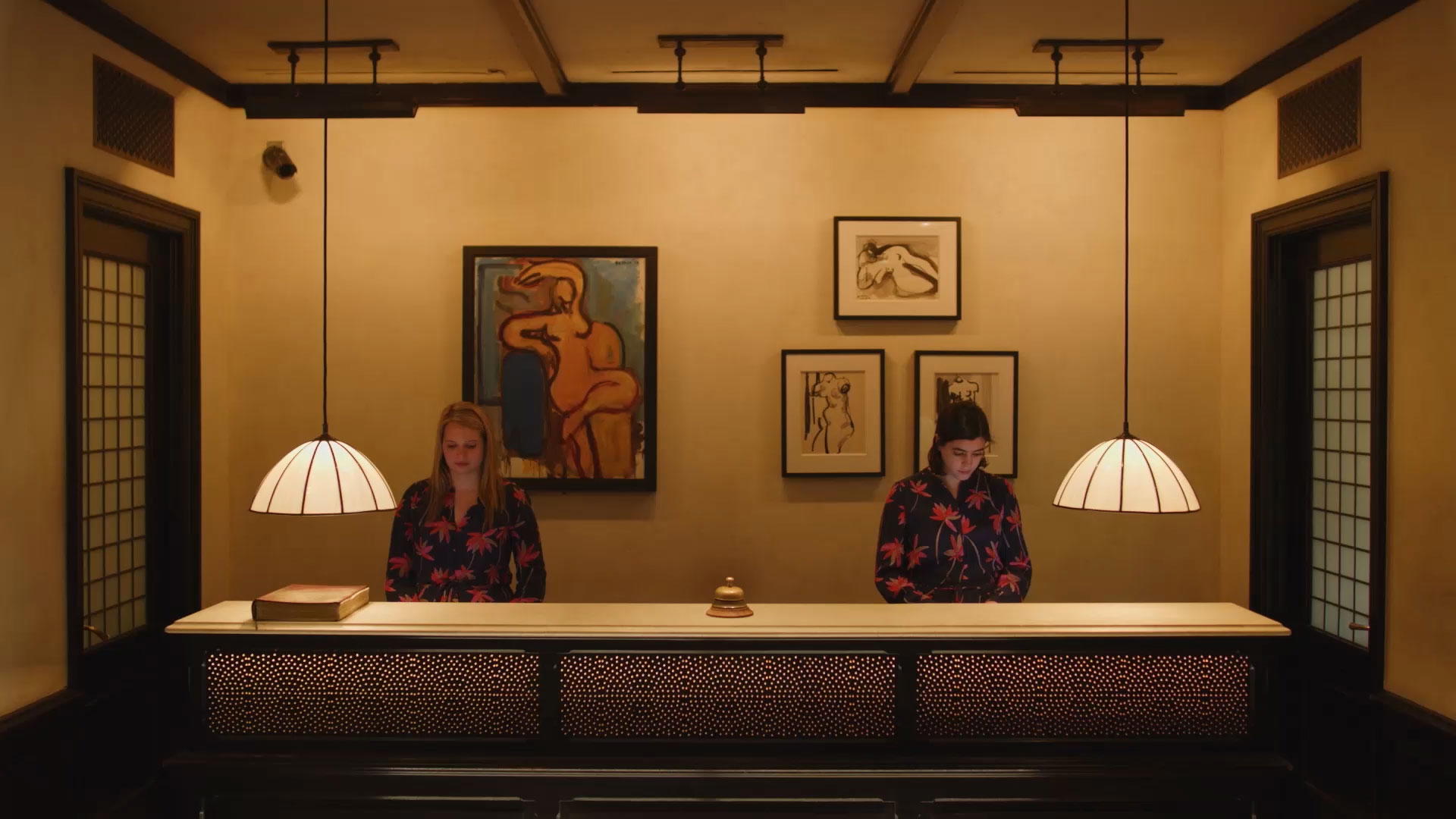
Casual neighborhood spot with a small, intimate dining space that feels welcoming and unpretentious.