Copinette

Copinette at 891 First Avenue sits in Midtown East's increasingly serious dining corridor, where the sourcing story behind a plate carries as much weight as the technique applied to it. With limited published data available, the restaurant occupies a category of newer New York openings that earn attention through word-of-mouth and neighbourhood positioning rather than awards infrastructure. Worth tracking as the picture clarifies.
Pearl is the En Primeur Club membership app — saves, bookings, and concierge access live there. Same editors, same standards.
- Address
- 891 1st Ave, New York, NY 10022
- Phone
- +12129034001
- Website
- copinettenyc.com
- Directions
- Get directions
 Saves & bookings on Pearl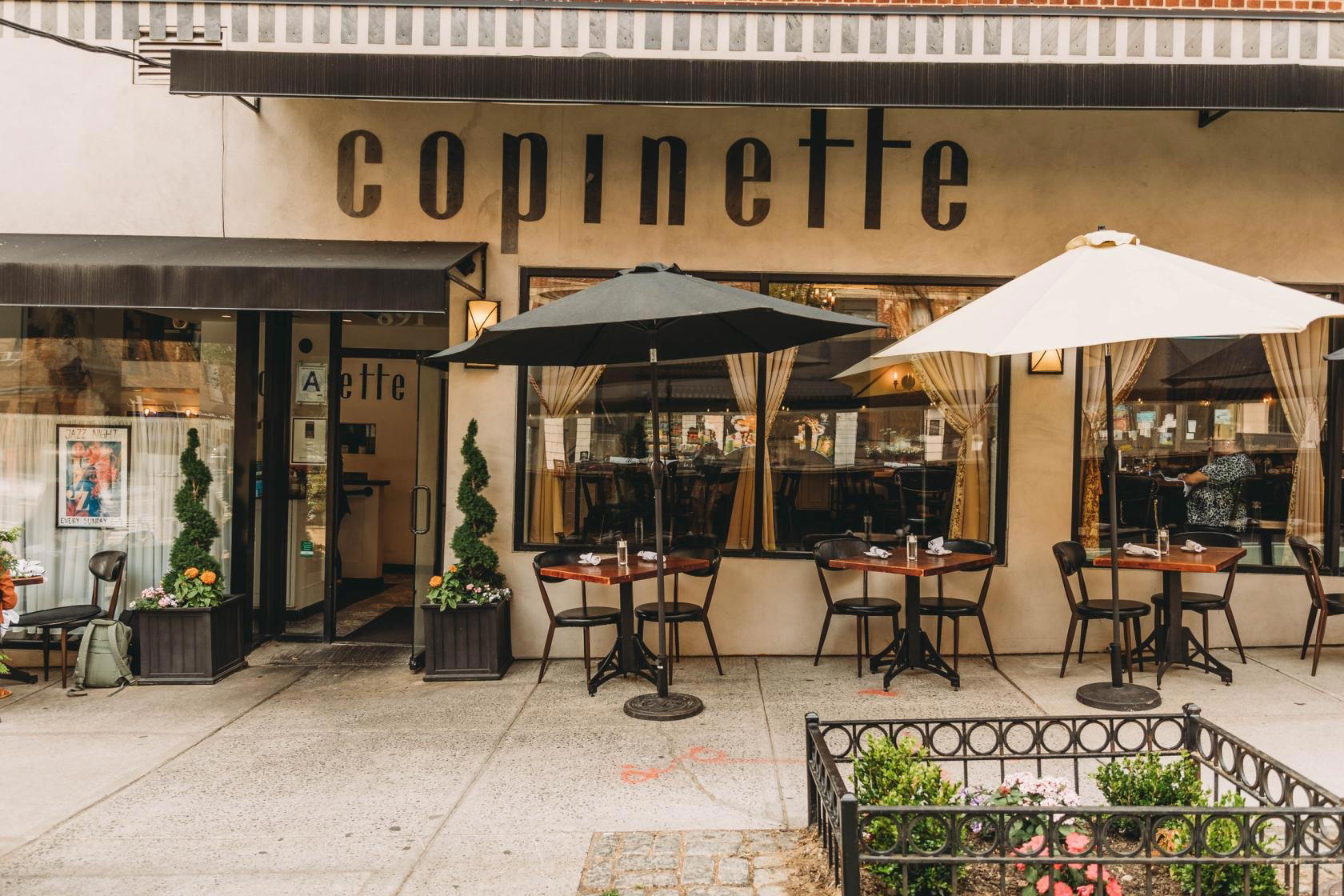
First Avenue's Quiet Shift Toward Sourcing-Led Dining
Midtown East has long played second fiddle to the West Side's trophy-restaurant concentration, where Le Bernardin, Per Se, and Eleven Madison Park have anchored the city's highest-stakes dining for decades. But the eastern stretch of Midtown, particularly around First Avenue, has been accumulating a quieter kind of restaurant: smaller in scale, lighter on ceremony, and increasingly focused on where ingredients come from rather than how dramatically they arrive at the table. Copinette, at 891 First Avenue, is an American restaurant with French influences in New York City, with a $45 per person price point.
The sourcing-led format represents a distinct category in contemporary New York dining. Rather than organizing a menu around a marquee technique or a chef's personal biography, these restaurants build their identity around supplier relationships, seasonal availability, and the argument that good produce prepared cleanly outperforms elaborate construction. It is a philosophy with deep roots in French bistro tradition, in the farm-to-table movement that accelerated after 2010, and in a broader urban dining fatigue with theatrical tasting-menu formats that peaked around the same period.
What Sourcing-Led Actually Means in a Manhattan Context
In New York, sourcing claims range from marketing language to operational commitment. At one end, restaurants name-drop farms on their menus without meaningful purchasing relationships. At the other, venues like Blue Hill at Stone Barns in Tarrytown have made ingredient provenance the architectural principle of everything from the menu format to the dining room design. Copinette's First Avenue address places it in the city proper rather than the Hudson Valley hinterland, which means it operates within a different set of supply constraints: urban wholesale markets, greenmarket access, and the logistical realities of running a kitchen at a dense Midtown ZIP code.
The restaurants that handle this tension most credibly tend to focus on a narrow category of produce or protein rather than claiming across-the-board local sourcing. Across comparable American cities, operations like Single Thread Farm in Healdsburg and Smyth in Chicago have demonstrated that deep sourcing relationships within a defined category carry more editorial weight than broad claims applied loosely. The question for any newer Manhattan entry operating in this register is whether its sourcing story holds up past the menu copy.
The Midtown East Dining Tier
The block around 891 First Avenue sits in a neighbourhood that skews toward expense-account regulars, hospital-adjacent lunch traffic from nearby Weill Cornell, and the residential base of the Sutton Place and Beekman corridors. These demographics shape what survives here: rooms that work for both a business lunch and a neighbourhood dinner tend to outlast either-or propositions. The stronger New York sourcing-format openings of the last several years, from casual wine-bar kitchens in the West Village to the more structured mid-range operations in the Flatiron, have generally found their footing by being legible to multiple use cases without diluting their ingredient focus to do it.
Within New York's broader premium tier, venues like Atomix and Masa operate at a price and formality level where sourcing is a given rather than a differentiator. Copinette's positioning, insofar as it can be read from its address and category, suggests a different competitive register: the mid-to-upper-mid tier where sourcing language functions as a genuine point of distinction rather than baseline expectation. This is the more contested space in New York right now, with significant competition from wine-bar-adjacent kitchens, French-inflected bistros, and the newer class of ingredient-forward openings that have absorbed lessons from the farm-to-table decade without its earnestness.
Comparisons That Sharpen the Picture
For readers calibrating expectations against a wider American frame, the sourcing-led format has found some of its clearest expressions outside New York. Lazy Bear in San Francisco built a following around communal sourcing-narrative dining; Providence in Los Angeles applies the same rigour to seafood provenance that European operations like Atelier Moessmer Norbert Niederkofler in Brunico apply to alpine ingredients. The Italian comparison is instructive because it illustrates the difference between sourcing as aesthetic choice and sourcing as bioregional necessity. In Manhattan, the former is always at least partly a decision, which makes the commitment more legible as editorial signal when it holds.
Domestically, The French Laundry in Napa, Addison in San Diego, The Inn at Little Washington, and Frasca Food and Wine in Boulder each represent different registers of the sourcing conversation, from agricultural estate integration to regional import discipline. New York's version tends toward the market-driven and more improvisational, shaped by what the Greenmarket and regional purveyors make available week to week. Emeril's in New Orleans and Dal Pescatore in Runate both demonstrate how deeply a specific local supply ecosystem can define a restaurant's identity over time, a standard that younger New York openings are still working toward.
Budget and Context
Comparable venues nearby, for context on price, style, and recognition.
| Venue | Price | Notes |
|---|---|---|
| CopinetteThis venue — the venue you are viewing | $$ | Not listed |
| Virgil's Real BBQ | $$ | Midtown-Times Square, Southern-Style Real BBQ |
| Sarabeth's Upper West Side | $$ | Upper West Side (Central), Classic American Brunch |
| MUD | $$ | East Village, American Cafe with Coffee and Brunch |
| Breakfast by Salt's Cure | $$ | West Village, American Breakfast Griddle Cakes |
| Ainsworth Brooklyn | $$ | East Williamsburg, Classic American Gastropub |
Recognition history
Dated appearances from independent guides and award organizations, with the underlying list record or original source where available.
Wine Spectator Award of Excellence
Wine Spectator
Continue exploring
More in New York City
Restaurants in New York City
Browse all →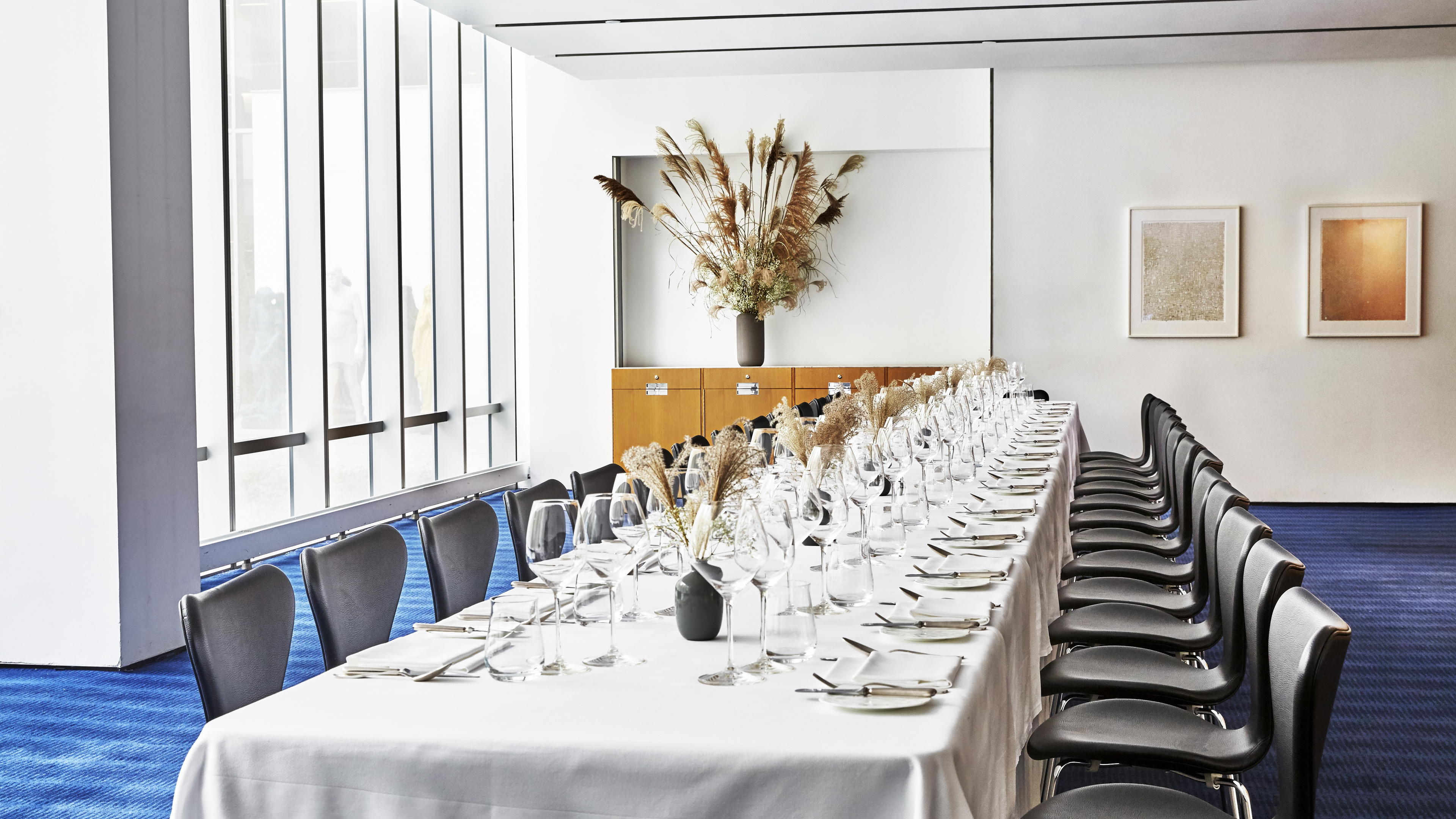
Bars in New York City
Browse all →
Hotels in New York City
Browse all →





At a Glance
- Modern
- Elegant
- Cozy
- Sophisticated
- Brunch
- Date Night
- Business Dinner
- Open Kitchen
- Extensive Wine List
Current opening hours
- Monday
- 12–10 PM
- Tuesday
- 12–10 PM
- Wednesday
- 12–10 PM
- Thursday
- 12–10 PM
- Friday
- 12–11 PM
- Saturday
- 11 AM–11 PM
- Sunday
- 11 AM–10 PM
Hours can change for holidays and private events. Last verified .
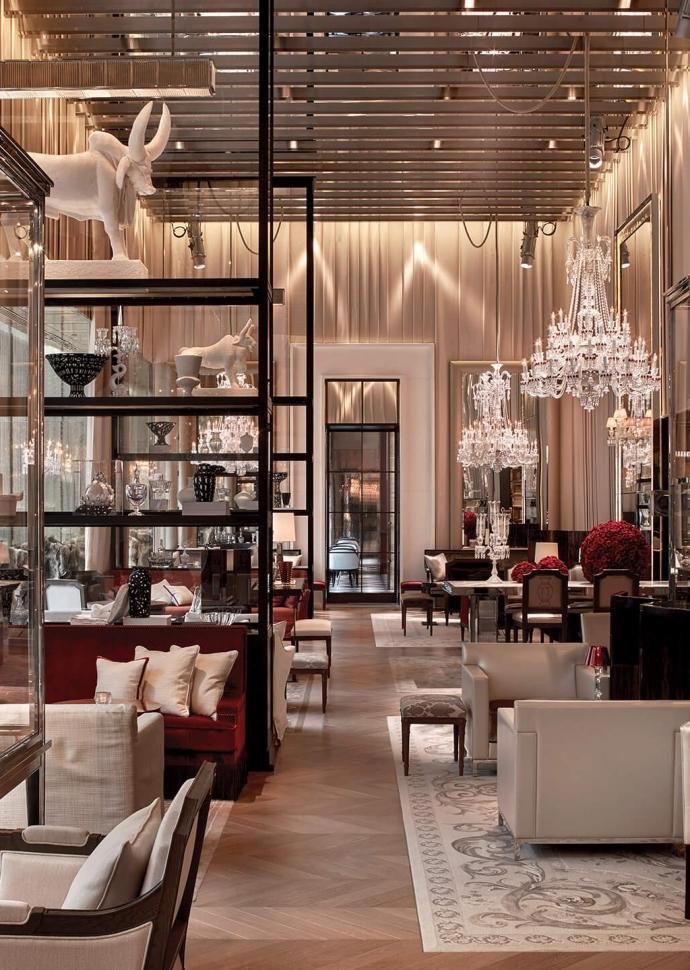
Relaxed and refined dining room featuring feminine touches, beautiful chandeliers, modern decor, and a classy upscale ambiance.