Cookshop
On Tenth Avenue at the edge of Chelsea Market's orbit, Cookshop occupies a position in New York's farm-driven dining conversation that predates the trend's mainstream moment. The kitchen's sourcing orientation places it alongside a cohort of American restaurants where the supply chain is the editorial statement. A solid neighbourhood anchor with a loyal following and a practical all-day format.
Pearl is the En Primeur Club membership app — saves, bookings, and concierge access live there. Same editors, same standards.
- Address
- 156 10th Ave, New York, NY 10011
- Phone
- +1 212 924 4440
- Website
- cookshopny.com
- Directions
- Get directions
 Saves & bookings on Pearl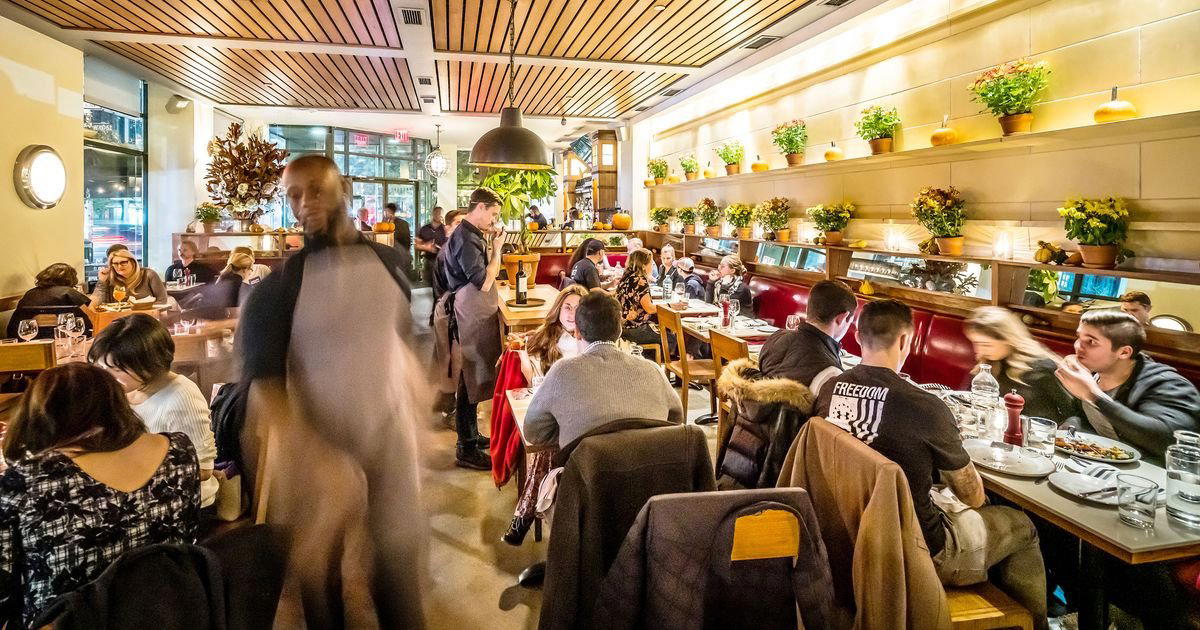
Where Chelsea's Market Mentality Meets the Table
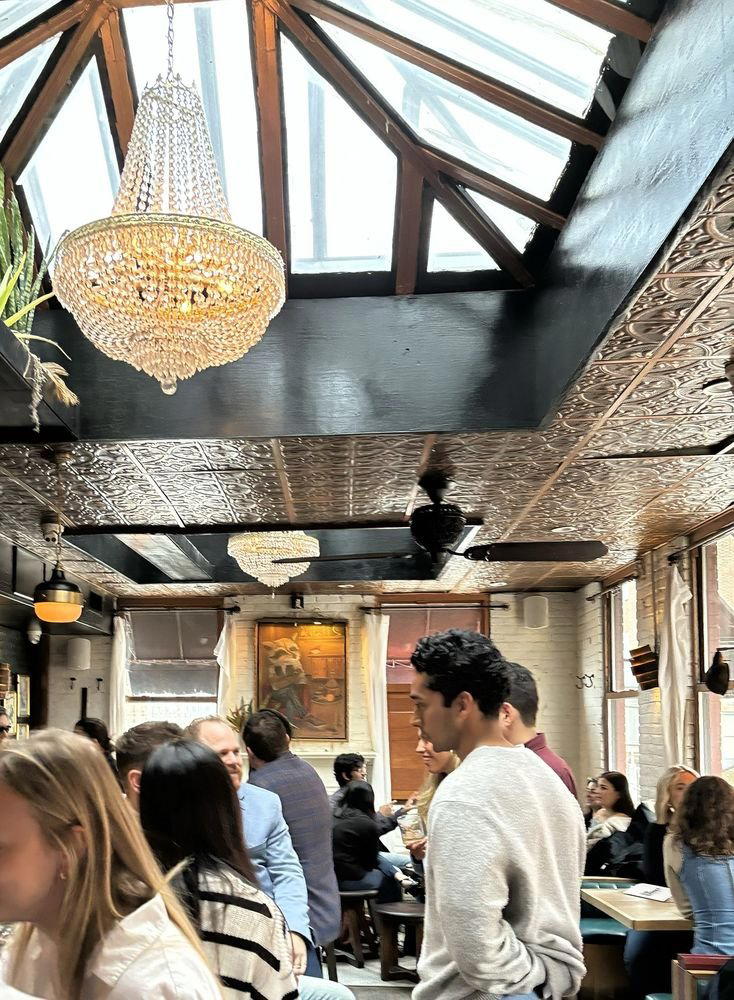
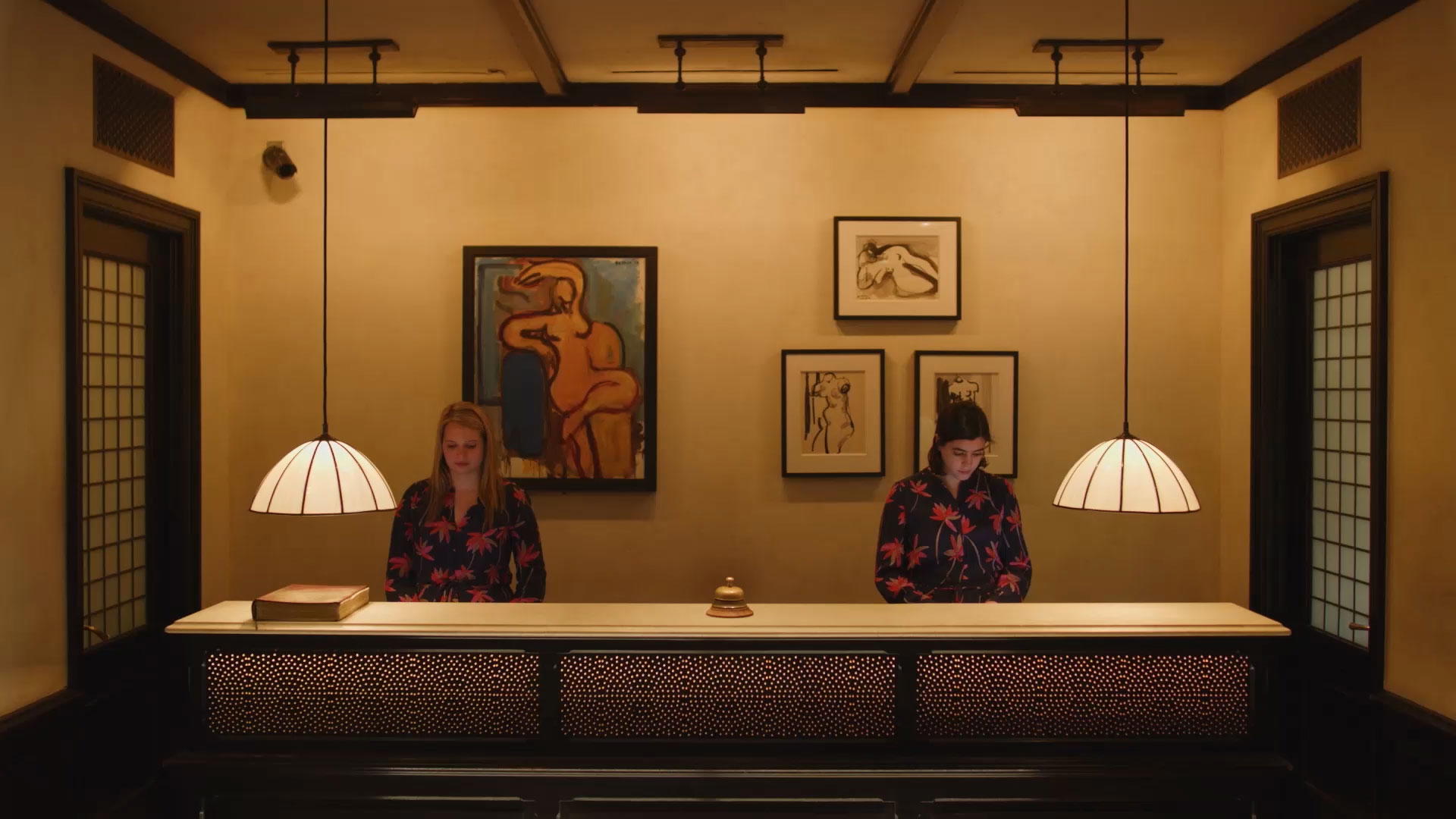
Tenth Avenue in Chelsea carries a particular quality of light in the late afternoon, especially in the months between September and November when the Hudson air sharpens and the neighbourhood's industrial past reasserts itself against the gallery polish. It is in this stretch of the avenue, where the street still feels more functional than fashionable, that Cookshop sits as a consistent point of reference for the area's dining character. The room itself reads as deliberately unfussy: the kind of space where the absence of theatrical design is itself a position, a signal that the argument is being made on the plate rather than in the architecture.
That argument, at Cookshop, is fundamentally about sourcing. The restaurant sits within a tradition of American cooking that treats the supply chain as primary editorial content, a tradition that gained significant cultural traction in New York through the early 2000s and has since become one of the defining organising principles of the city's mid-to-upper casual dining register. In that context, Cookshop arrived early enough that its sourcing orientation was a statement rather than a convention, and it has maintained that positioning across a market that has since crowded considerably around the same values.
The Sourcing Framework as Kitchen Logic
The farm-to-table framing, by now familiar to the point of cliché in American restaurant culture, means something more specific at the operational level than its marketing shorthand suggests. Kitchens that commit to regional and seasonal sourcing as a structural practice, rather than a selective accent, accept real constraints: shorter shelf lives, variable yield, menus that require genuine revision rather than superficial seasonal updates. Cookshop operates within those constraints, placing it in a cohort of American restaurants where the sourcing relationship shapes the menu architecture from the ground up.
This approach has parallels across the country. Blue Hill at Stone Barns in Tarrytown pushes that logic to its furthest expression, with the restaurant embedded directly in the farm operation. Single Thread Farm in Healdsburg builds its entire format around the agricultural calendar of a single property. Smyth in Chicago operates with a sourcing rigour that filters through to both its tasting and à la carte registers. Cookshop operates at a different scale and price point than those references, but the underlying philosophical alignment is genuine: the kitchen's decisions are constrained and informed by what the regional supply chain delivers, season by season.
Beyond New York, the same sourcing-first logic appears at Lazy Bear in San Francisco, Addison in San Diego, and Frasca Food and Wine in Boulder, each in different regional and price-tier expressions. Internationally, the principle finds a particularly rigorous articulation at Atelier Moessmer Norbert Niederkofler in Brunico, where alpine regionality is the total organising logic of the kitchen. Cookshop's version is more accessible and more urban, but the underlying commitment to provenance as kitchen discipline connects it to that broader conversation.
Chelsea's Dining Position and Cookshop's Place Within It
Chelsea's restaurant character has shifted considerably over the past two decades. The neighbourhood once functioned primarily as a gallery district with secondary food infrastructure; it now contains a more developed dining ecosystem, anchored partly by Chelsea Market and extended northward through a mix of neighbourhood anchors and destination restaurants. Cookshop operates in the anchor tier of that ecosystem: a restaurant with genuine neighbourhood loyalty and a format broad enough to accommodate both the weekday lunch crowd from the surrounding creative and tech offices and the more deliberate weekend brunch and dinner visitor.
That position is meaningfully different from the destination-dining tier occupied by Le Bernardin, Per Se, Eleven Madison Park, Masa, or Atomix, all of which operate in a different competitive register where tasting menu formats, Michelin recognition, and international visitor draw define the comparable set. Cookshop's comparable set is the cohort of serious American cooking restaurants that operate without tasting-menu formality, that accept walk-ins alongside reservations, and that build their following through consistent daily execution rather than event-dining occasions. Within New York, that is a competitive cohort, and holding a stable position within it across years of operation is its own credential.
For a fuller map of where Cookshop sits within the city's dining fabric, the EP Club New York City restaurants guide covers the range from neighbourhood anchors through to the formal fine-dining tier.
Seasonal Timing and Practical Notes
The autumn months bring a particularly broad range of Northeast regional produce, and the kitchen's sourcing orientation means the menu carries more depth during that window. Root vegetables, late-season alliums, squash, and the transition proteins of the cooler months give the kitchen material to work with, and the dining room benefits from the seasonal shift in the neighbourhood's energy as the gallery season opens and Chelsea's foot traffic changes character.
Cookshop operates at 156 Tenth Avenue, which puts it within easy reach of the High Line's southern end and the broader Chelsea gallery circuit. The restaurant functions across multiple dayparts, which makes it a practical option for visitors structuring a Chelsea afternoon around both the art district and dinner. Reservations are recommended, especially for weekend brunch and dinner; weekday lunch tends to offer more flexibility for walk-ins. The price positioning sits in New York's casual dining market and aligns with the neighbourhood anchor cohort it occupies.
Comparable sourcing-led American restaurants at different price and formality levels include Providence in Los Angeles, Emeril's in New Orleans, The French Laundry in Napa, The Inn at Little Washington, and Dal Pescatore in Runate, each offering a different register of the farm-informed American cooking tradition that Cookshop represents at its particular Chelsea scale.
Peers Worth Knowing
Comparable venues nearby, for context on price, style, and recognition.
| Venue | Cuisine | Price | Notes |
|---|---|---|---|
| CookshopThis venue — the venue you are viewing | New American | $$ | Not listed |
| Schnipper's | Classic American Burgers & Salads | $$ | Midtown-Times Square |
| Deux Luxe | Gourmet Wagyu Burgers | $$ | SoHo-Little Italy-Hudson Square |
| Park Avenue Tavern | Classic American Tavern | $$ | Midtown-Times Square |
| Brooklyn Bowl | American Comfort Food by Blue Ribbon | $$ | Williamsburg |
| Baby's All Right | American Gastropub | $$ | Williamsburg |
Continue exploring
More in New York City
Restaurants in New York City
Browse all →
Bars in New York City
Browse all →
Hotels in New York City
Browse all →






At a Glance
- Modern
- Cozy
- Trendy
- Brunch
- Family
- Casual Hangout
- Open Kitchen
- Craft Cocktails
- Farm To Table
- Local Sourcing
Current opening hours
- Monday
- 12–3:30 PM, 4:30–10 PM
- Tuesday
- 12–3:30 PM, 4:30–11 PM
- Wednesday
- 12–3:30 PM, 4:30–11 PM
- Thursday
- 12–3:30 PM, 4:30–11 PM
- Friday
- 12–3:30 PM, 4:30–11 PM
- Saturday
- 10 AM–3:30 PM, 4:30–11 PM
- Sunday
- 10 AM–3:30 PM, 4:30–10 PM
Hours can change for holidays and private events. Last verified .
Warm, modern atmosphere with a comfortable, spirited vibe ideal for families and casual dining.