Kings of Kobe
Kings of Kobe sits at 650 W 42nd St in Midtown Manhattan, positioning itself within New York's high-end beef dining tier where sourcing provenance and preparation discipline define the competitive gap. The address places it in the Hell's Kitchen corridor, where the concentration of premium dining has grown steadily over the past decade. For visitors tracking where serious Kobe and wagyu programs are operating in the city, this is one address that warrants attention.
Pearl is the En Primeur Club membership app — saves, bookings, and concierge access live there. Same editors, same standards.
- Address
- 650 W 42nd St, New York, NY 10036
- Phone
- +16463705121
- Website
- kingsofkobe.com
- Directions
- Get directions
 Saves & bookings on Pearl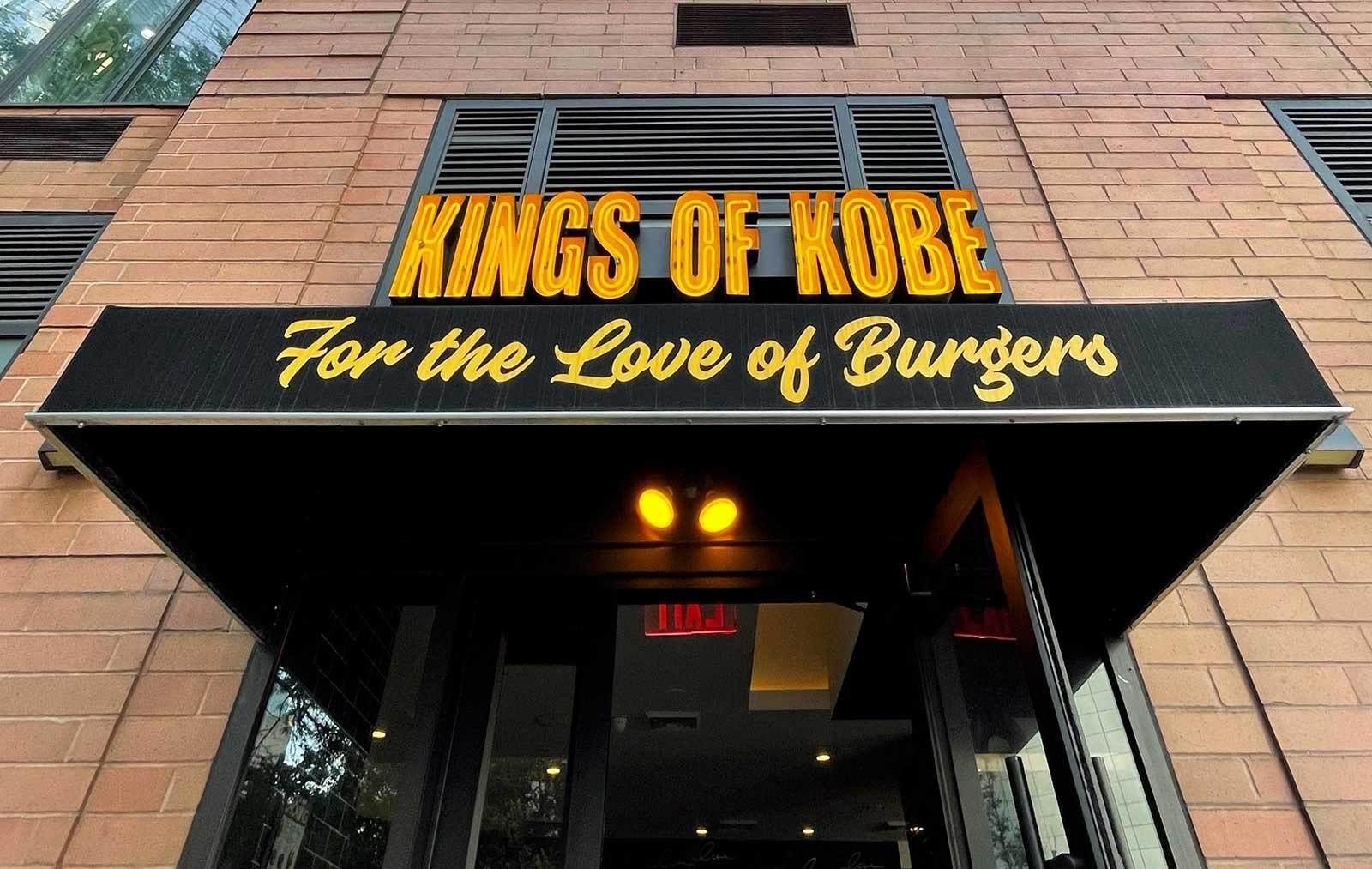
Midtown's Beef Sourcing Conversation, and Where Kings of Kobe Fits
The question of what 'Kobe beef' actually means on an American menu has been one of the more consequential sourcing debates in New York dining over the past fifteen years. Genuine Kobe, certified Tajima-strain Wagyu raised in Hyogo Prefecture, slaughtered at licensed facilities, and graded at A4 or A5, was effectively absent from the United States market until import restrictions eased in 2012. Before that, menus freely used 'Kobe-style' as a marketing shorthand for domestic Wagyu crossbreeds, a practice that trained diners to associate the word with a texture profile rather than a verifiable supply chain. That legacy still shapes how premium beef restaurants are read by informed guests. Kings of Kobe is a restaurant in New York City serving American Wagyu Burgers & Steakhouse cuisine at 650 W 42nd St.
Hell's Kitchen's dining density has shifted meaningfully since 2015. What was once a neighbourhood defined by mid-range pre-theatre options has accumulated a cluster of more ambitious programs, driven partly by the residential development along the Hudson Yards axis and partly by the spillover of Midtown dining demand westward. The 42nd Street address puts Kings of Kobe within walking distance of the Lincoln Tunnel approach and a short distance from the Javits Center corridor, a location that draws both a local dinner trade and a nationally travelling audience, the kind of guest who arrives with prior experience of premium beef programs in Tokyo, Osaka, or Los Angeles and applies those reference points directly.
The Sourcing Framework That Defines High-End Beef Dining
At the category level, New York's premium beef programs split along a clear axis: those that anchor their identity in certified Japanese Wagyu with traceable prefectural provenance, and those that work with domestic American Wagyu producers, some operating with full-blood Wagyu genetics and serious grading protocols, others blending breeds to hit a target marbling score. Neither approach is inherently superior, but they signal different commitments and attract different guests. Certified Japanese Kobe requires a restaurant to maintain a relationship with one of the small number of licensed importers operating in the United States, a supply chain that carries cost, allocation constraints, and traceability obligations that function as a form of quality signaling in their own right.
For context, the American restaurants that have built particularly durable reputations around ingredient provenance, Blue Hill at Stone Barns in Tarrytown, Single Thread Farm in Healdsburg, The French Laundry in Napa, have done so by making the supply relationship legible to the guest. The sourcing narrative is not decorative; it is the mechanism by which trust is established. In a beef context, the same principle applies: the difference between a restaurant that names its Wagyu producer, the prefecture of origin, and the grading standard it accepts, and one that simply prints 'Kobe' as a modifier on a menu, is a gap that experienced diners now read immediately.
Nationally, kitchens operating serious Japanese beef programs, Providence in Los Angeles, Addison in San Diego, and destination operations like Alinea in Chicago, have approached premium ingredient sourcing as a form of editorial statement, not just procurement. The sourcing choice shapes the menu architecture, the service script, and the price structure.
New York's High-End Dining Reference Points
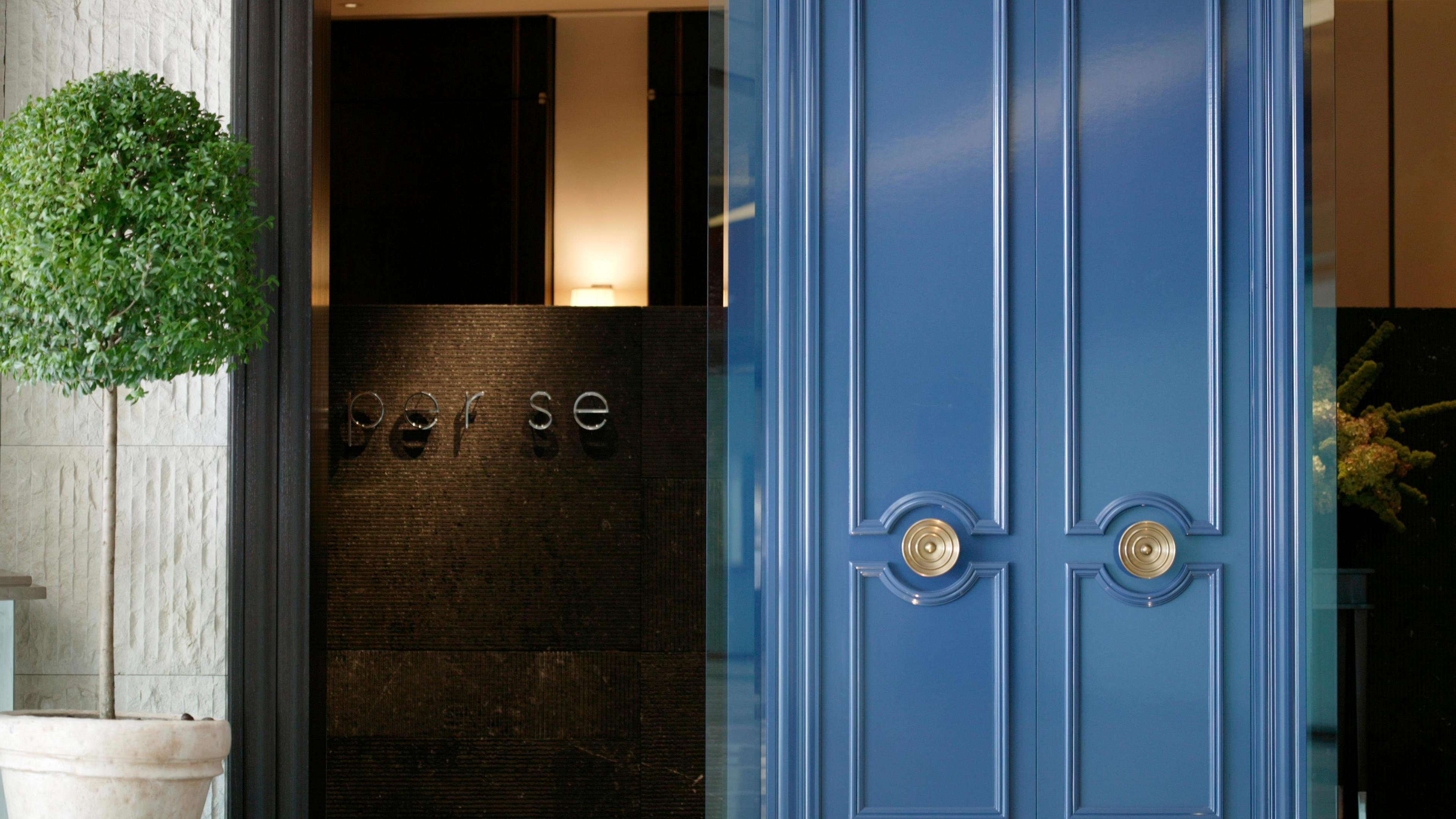
Within New York itself, the restaurants that occupy the leading price tier in the city's competitive set, Masa, Le Bernardin, Per Se, derive their standing partly from absolute sourcing standards applied with consistency over time. Masa's tuna sourcing from Japanese auction markets is as integral to its identity as its counter format. Le Bernardin's seafood procurement is a house discipline built over decades. Per Se's relationships with Californian producers are documented and named. These are not marketing details; they are the operational commitments that create the kind of consistency award bodies and long-term guests rely on.
The Korean-influenced end of New York's premium dining has demonstrated a similar principle through Atomix and Jungsik New York, where ingredient sourcing and preparation technique are positioned as complementary pillars rather than alternatives. Both have received sustained Michelin recognition in a city where the Guide's assessors have consistently rewarded sourcing transparency alongside technical precision.
For a beef-focused program like Kings of Kobe, the comparable reference set is narrower but no less rigorous. The relevant question is not whether Kobe or Wagyu appears on the menu, but what the supply chain behind that claim looks like, and how the kitchen's preparation approach reflects an understanding of why high-marbling beef requires different handling than commodity cuts. At A5 marbling levels, fat render rates change the thermal calculus of cooking; the temperature at which the meat is served, the cut thickness, and the resting protocol all become consequential in ways that don't apply at lower grades.
Planning Your Visit: Practical Orientation
The restaurant is located at 650 W 42nd St, New York, NY 10036, in the Hell's Kitchen district of Midtown Manhattan. The nearest transit access is the Port Authority Bus Terminal at 42nd Street and Eighth Avenue, with the A, C, E lines and the 7 line at Hudson Yards providing coverage from multiple directions. For visitors arriving from out of town, the address is roughly equidistant from Penn Station and the Javits Center, making it a practical dinner option for guests with daytime Midtown commitments.
Comparative Logistics: Hell's Kitchen Premium Tier
| Venue | Category | Price Tier | Booking Lead Time |
|---|---|---|---|
| The restaurant | Premium Beef | Confirm directly | Confirm directly |
| Masa | Omakase Sushi | $$$$ | 4-8 weeks |
| Per Se | French Contemporary | $$$$ | 3-6 weeks |
| Atomix | Modern Korean | $$$$ | 4-8 weeks |
| Le Bernardin | French Seafood | $$$$ | 2-4 weeks |
Similar Picks
Comparable venues nearby, for context on price, style, and recognition.
| Venue | Cuisine | Price | Notes |
|---|---|---|---|
| Kings of KobeThis venue — the venue you are viewing | American Wagyu Burgers & Steakhouse | $$ | Not listed |
| Chimera | Eclectic American Cafe with Vegetarian Focus | $$ | Downtown Tulsa |
| The Cannibal Beer & Butcher | New American Gastropub | $$ | Murray Hill |
| Park Avenue Tavern | Classic American Tavern | $$ | Midtown-Times Square |
| Beatnic Vegan Restaurant - West Village | Vegan Fast Casual | $$ | Greenwich Village |
| Good Time Country Buffet | Southern Country Buffet | $$ | East Village |
Continue exploring
More in New York City
Restaurants in New York City
Browse all →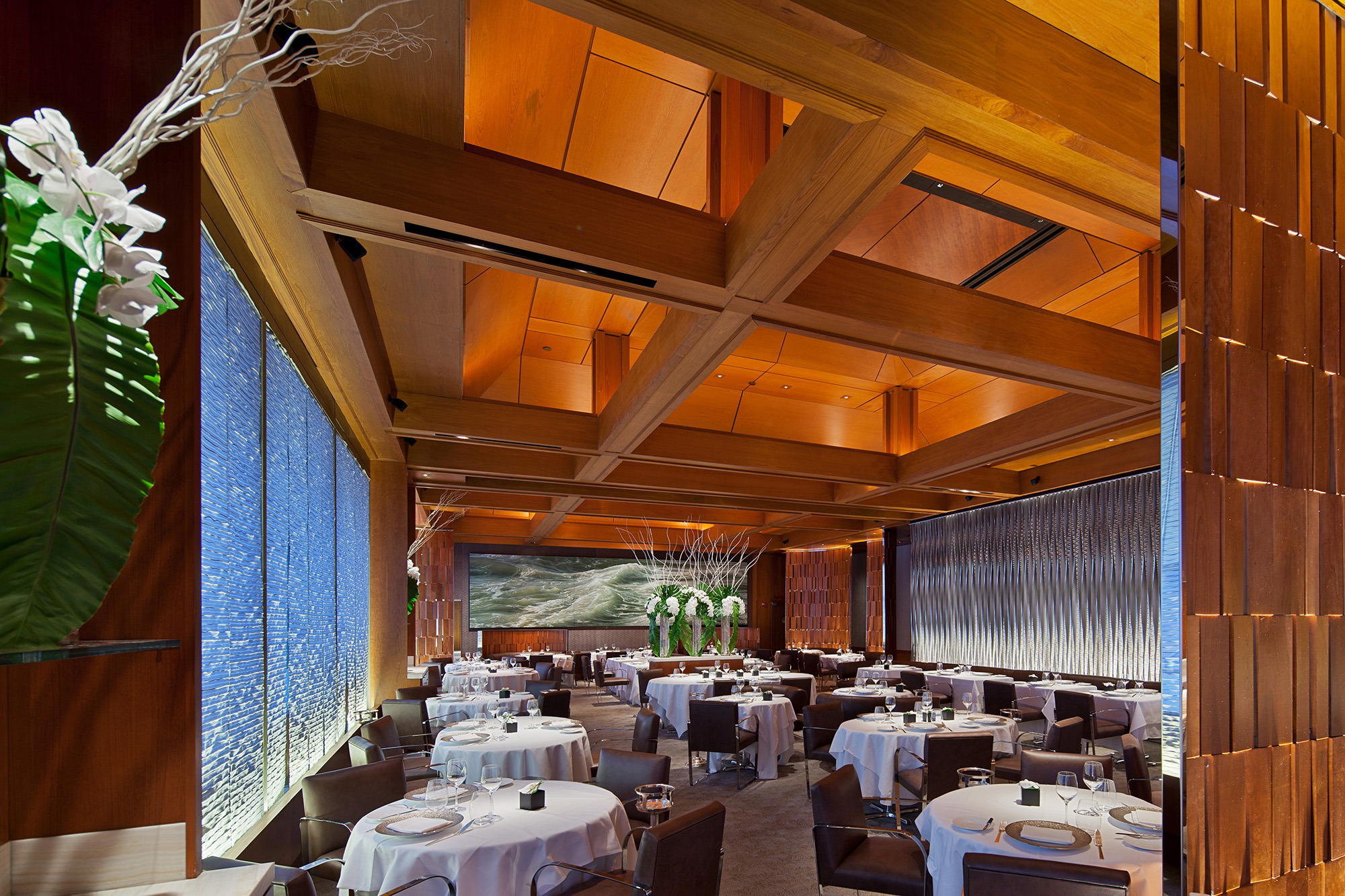
Bars in New York City
Browse all →
Hotels in New York City
Browse all →






At a Glance
- Lively
- Trendy
- Energetic
- Casual Hangout
- Group Dining
- Late Night
- Open Kitchen
- Street Scene
Current opening hours
- Monday
- 12–10 PM
- Tuesday
- 12–10 PM
- Wednesday
- 12–10 PM
- Thursday
- 12–10 PM
- Friday
- 12–10 PM
- Saturday
- 12–10 PM
- Sunday
- 12–10 PM
Hours can change for holidays and private events. Last verified .
Fun and energetic space more casual than formal, with a lively vibe; some guests note it can be dark inside and music occasionally loud.