Bao Kitchen
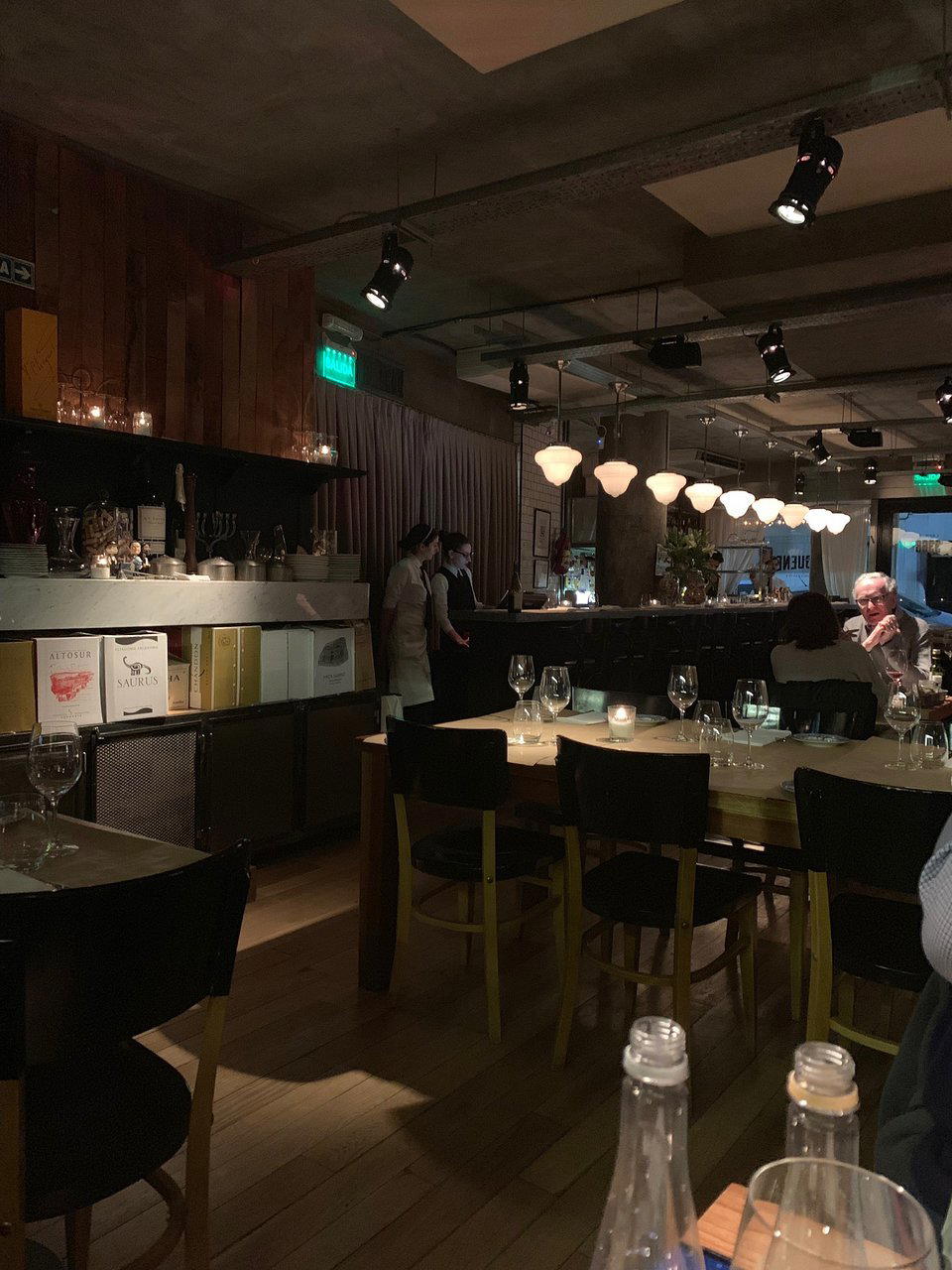
Bao Kitchen sits on Avenida Pueyrredón in Buenos Aires, a stretch that positions it squarely within the city's dense, neighbourhood-driven dining fabric rather than the tourist-facing circuits of Palermo or San Telmo. The kitchen works within a part of the city where regulars set the pace and repeat visits are the norm. Booking details and current hours are best confirmed directly with the venue.
Pearl is the En Primeur Club membership app — saves, bookings, and concierge access live there. Same editors, same standards.
- Address
- Av. Pueyrredón 1790, C1119ACN Cdad. Autónoma de Buenos Aires, Argentina
- Phone
- +541148210269
- Website
- baokitchen.com.ar
- Directions
- Get directions
 Saves & bookings on Pearl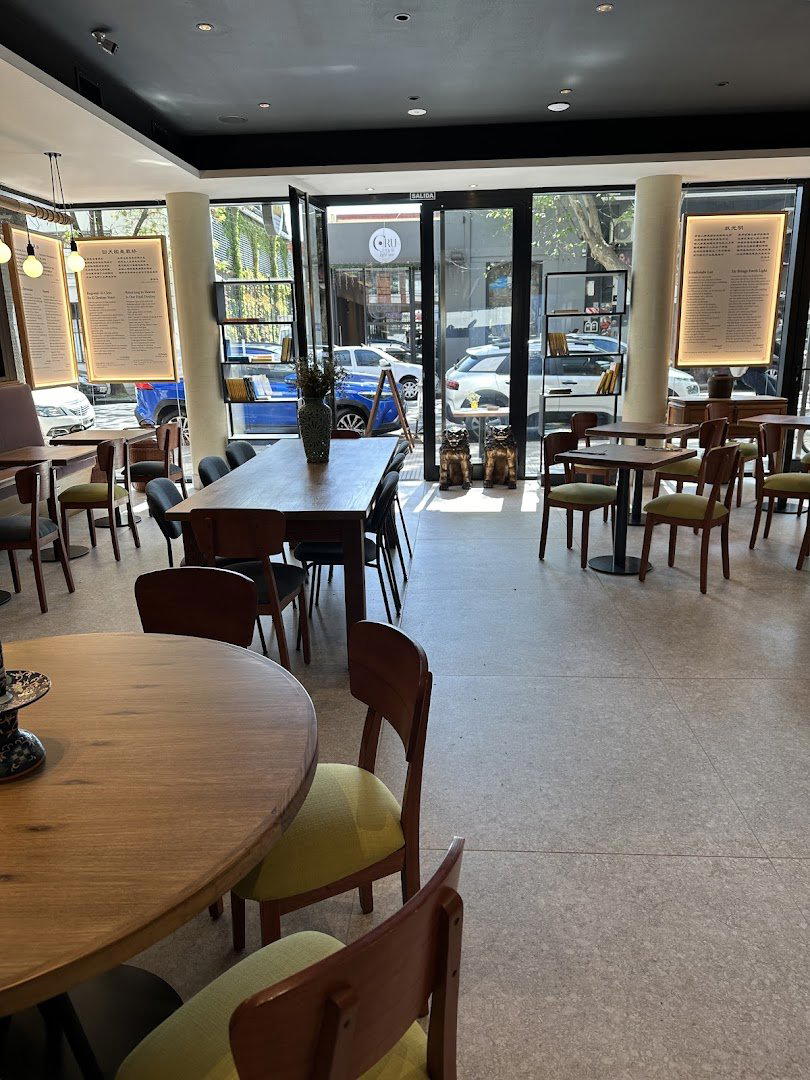
Bao Kitchen is a Taiwanese bistro in Buenos Aires, at Av. Avenida Pueyrredón and the Dining Logic of Buenos Aires's Middle Corridors
Buenos Aires restaurant culture tends to be mapped by foreigners through a handful of postcard neighbourhoods: the cobbled streets of San Telmo, the tree-lined blocks of Palermo Hollywood, the polished addresses of Puerto Madero. What that framing misses is the substantial, neighbourhood-embedded dining life that runs through the city's central corridors, where the clientele is local, the rhythm is different, and the restaurants answer to a more demanding constituency than passing tourists.
Avenida Pueyrredón, where Bao Kitchen is addressed at number 1790, cuts through this middle ground. The avenue connects Recoleta to Balvanera, passing through a stretch of the city that is dense, residential, and commercially active without being especially curated for international visitors. Restaurants here compete on repeat business. The nearby barrios carry a dining culture shaped by everyday use, not occasion dining, which places different demands on a kitchen's consistency and value proposition than a destination address in Las Cañitas or the Soho blocks of Palermo would.
Where This Address Sits in the Buenos Aires Dining Spectrum
Buenos Aires has spent the better part of two decades building an internationally legible fine dining tier. Venues like Aramburu, working in modern Argentinian creative cuisine, and Trescha, have attracted the kind of international attention that pulls travellers specifically for the table. At the other end, the city's parrilla culture, anchored by addresses like Don Julio in Palermo, operates as a Buenos Aires institution with a booking window that stretches weeks ahead. Between those poles sits a broad mid-register of neighbourhood-facing kitchens that rarely appear in international rankings but sustain the actual daily dining life of the city.
Bao Kitchen on Pueyrredón sits within that mid-register geography. The name signals an Asian-influenced format in a city where that category has expanded considerably over the past decade. Buenos Aires now has a credible spread of Japanese, Peruvian-influenced, and pan-Asian kitchens, particularly concentrated in Palermo and Belgrano, but extending into adjacent zones as those formats find neighbourhood audiences beyond the initial trendsetter clusters. The Pueyrredón address places Bao Kitchen closer to the Recoleta-Balvanera boundary, which is a different catchment from the Palermo concentration, serving a mix of residents from surrounding blocks rather than the dining-circuit crowd.
For context on what a neighbourhood-embedded Asian-influenced kitchen means in the Buenos Aires competitive environment: the city's most prominent contemporary addresses, including Crizia and Anafe, occupy specific niches in the contemporary dining tier with corresponding price points and booking friction. Venues operating outside those premium circuits typically offer more accessibility, both logistically and financially, which is part of the value of neighbourhood-anchored addresses.
The Asian-Influenced Format in an Argentinian Context
Argentina's relationship with Asian food traditions is older and more complex than the recent wave of pan-Asian casual restaurants would suggest. Buenos Aires has carried Japanese, Korean, and Chinese communities for generations, and the culinary traces of that history are embedded in the city in ways that go beyond trend-driven dining. The more recent expansion of bao-format restaurants, ramen counters, and Nikkei-influenced kitchens represents a different movement: the absorption of Asian culinary formats into a broader Buenos Aires appetite for variety and technical novelty.
The bao format specifically, a steamed or baked bun with filled variants popularised in part by Taiwanese and Hong Kong street food culture and then adapted across Western dining cities, arrived in Buenos Aires as part of a wider informal dining shift away from the traditional asado-and-pasta axis. In cities like New York, venues such as Le Bernardin represent the formal, French-technique end of a spectrum that runs all the way down to the informal street-food-derived formats that bao kitchens typically occupy. Buenos Aires has compressed that spectrum in interesting ways, with formats that elsewhere read as casual carrying more polish and care at the kitchen level than the price point might imply.
In San Francisco, the communal-dining format at places like Lazy Bear shows how informal formats can be reframed as premium experiences when the kitchen investment is serious. The Buenos Aires equivalent tends to run in the opposite direction: technically capable kitchens presenting accessible formats without the theatrical premium layered on leading. That gap between kitchen capability and format positioning is where neighbourhood-facing Asian kitchens in Buenos Aires tend to find their audience.
Argentina Beyond Buenos Aires: Context for Travelling Diners
Visitors planning a longer Argentina itinerary often pair Buenos Aires with Mendoza or Patagonia. The wine country dining at addresses like Azafrán in Mendoza, the estate experiences at Cavas Wine Lodge, and the remote luxury of Las Balsas in Villa La Angostura represent a different register entirely from neighbourhood dining in the capital. Within the Buenos Aires frame, the city rewards lateral exploration: getting off the Palermo-San Telmo circuit and into corridors like Pueyrredón is where the city's actual daily character surfaces.
Further afield, Awasi Iguazu near Puerto Iguazu and La Bamba de Areco in San Antonio de Areco offer a sense of Argentina's range beyond the capital's urban dining scene. For those prioritising the Buenos Aires dining map specifically, the full Buenos Aires restaurants guide covers the city's tiers and neighbourhoods in depth, from the premium parrilla circuit to contemporary tasting menus and the neighbourhood kitchens that don't feature in international rankings but matter to how the city actually eats.
Regional options within greater Buenos Aires extend to addresses like Los Talas del Entrerriano in General San Martín, which represents the estancia-style dining tradition distinct from the urban restaurant scene. The spread across these formats gives a visiting diner enough range to understand that Buenos Aires dining is not a single type.
Planning a Visit to Bao Kitchen
The venue is recommended for reservations, and it is open Monday through Saturday from 12 to 4 PM and 6 to 11 PM, with Sunday closed. The address at Av. Pueyrredón 1790 places it in a well-connected stretch of the city, accessible from Recoleta and the surrounding barrios without requiring significant travel from the central hotel districts. For practical Buenos Aires navigation, the city's Subte lines and the dense taxi and remis network make most addresses across the central zones manageable.
A Pricing-First Comparison
Comparable venues nearby, for context on price, style, and recognition.
| Venue | Cuisine | Price |
|---|---|---|
| Bao KitchenThis venue — the venue you are viewing | Recoleta, Taiwanese Bistro | $$ |
| London City | Montserrat, Classic Argentine Café | $$ |
| Siamo nel Forno | Palermo, Authentic Neapolitan Pizza | $$ |
| La Más Querida | Belgrano, Pizza a la Parrilla | $$ |
| Don Carlos | La Boca, Traditional Argentine Bodegón | $$ |
| Cantina Patio La Boca | La Boca, Argentine Asado & Craft Beer | $$ |
Continue exploring
More in Buenos Aires
Restaurants in Buenos Aires
Browse all →
Bars in Buenos Aires
Browse all →
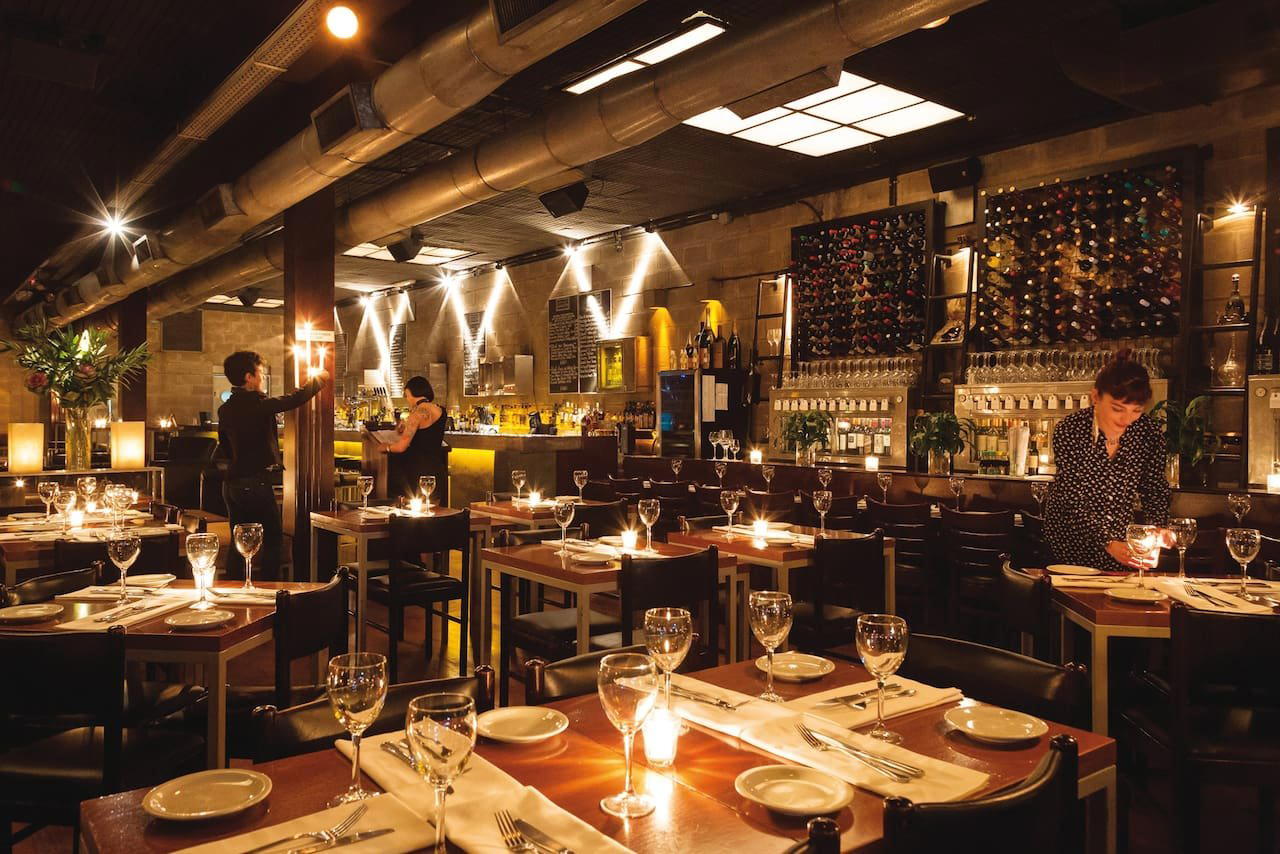
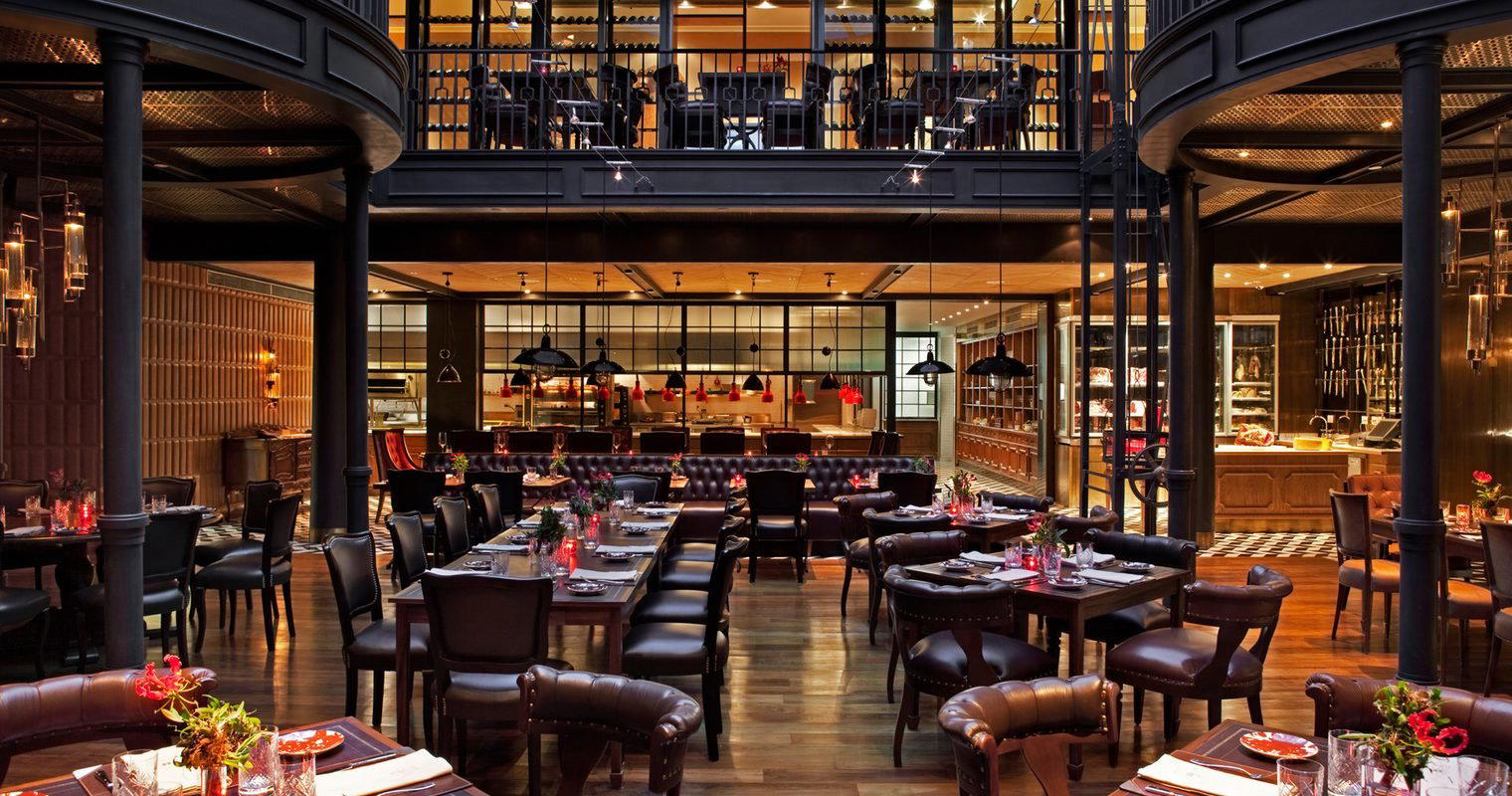
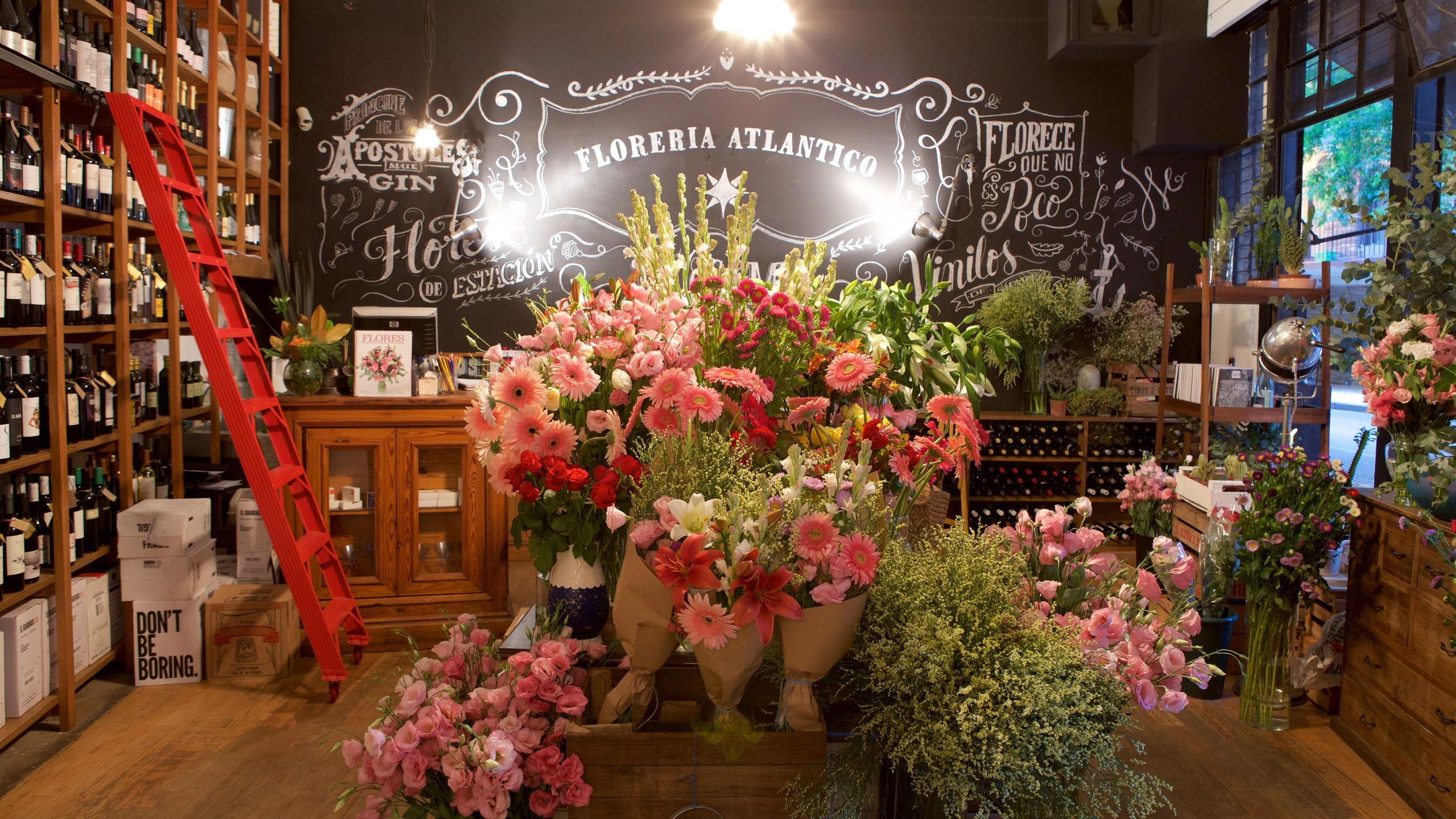
Hotels in Buenos Aires
Browse all →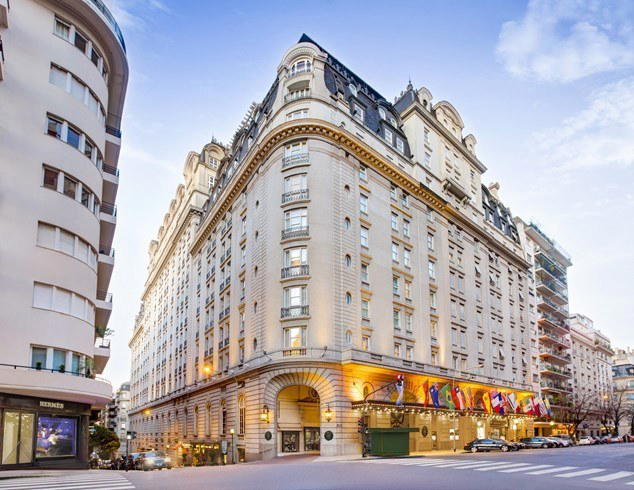
Wineries in Buenos Aires
Browse all →
At a Glance
- Trendy
- Cozy
- Casual Hangout
- Open Kitchen
Current opening hours
- Monday
- 12–4 PM, 6–11 PM
- Tuesday
- 12–4 PM, 6–11 PM
- Wednesday
- 12–4 PM, 6–11 PM
- Thursday
- 12–4 PM, 6–11 PM
- Friday
- 12–4 PM, 6–11 PM
- Saturday
- 12–4 PM, 6–11 PM
- Sunday
- Closed
Hours can change for holidays and private events. Last verified .
Casual bistro atmosphere with attentive table service and beautifully presented home-cooked dishes.