L' Orangerie Alvear Palace Hotel
L'Orangerie at the Alvear Palace Hotel occupies one of Buenos Aires' most architecturally significant dining rooms, a Louis XVI-styled space on Avenida Alvear in Recoleta that has hosted heads of state and cultural figures since the hotel opened in 1932. The setting positions it firmly within the old-world European tradition that defines the neighbourhood's grandest addresses, making it a reference point for formal dining in the Argentine capital.

Pearl is the En Primeur Club membership app — saves, bookings, and concierge access live there. Same editors, same standards.
- Address
- Av. Alvear 1891, C1129AAA Cdad. Autónoma de Buenos Aires, Argentina
- Phone
- +54 11 4808 2100
- Website
- alvearpalace.com
- Directions
- Get directions
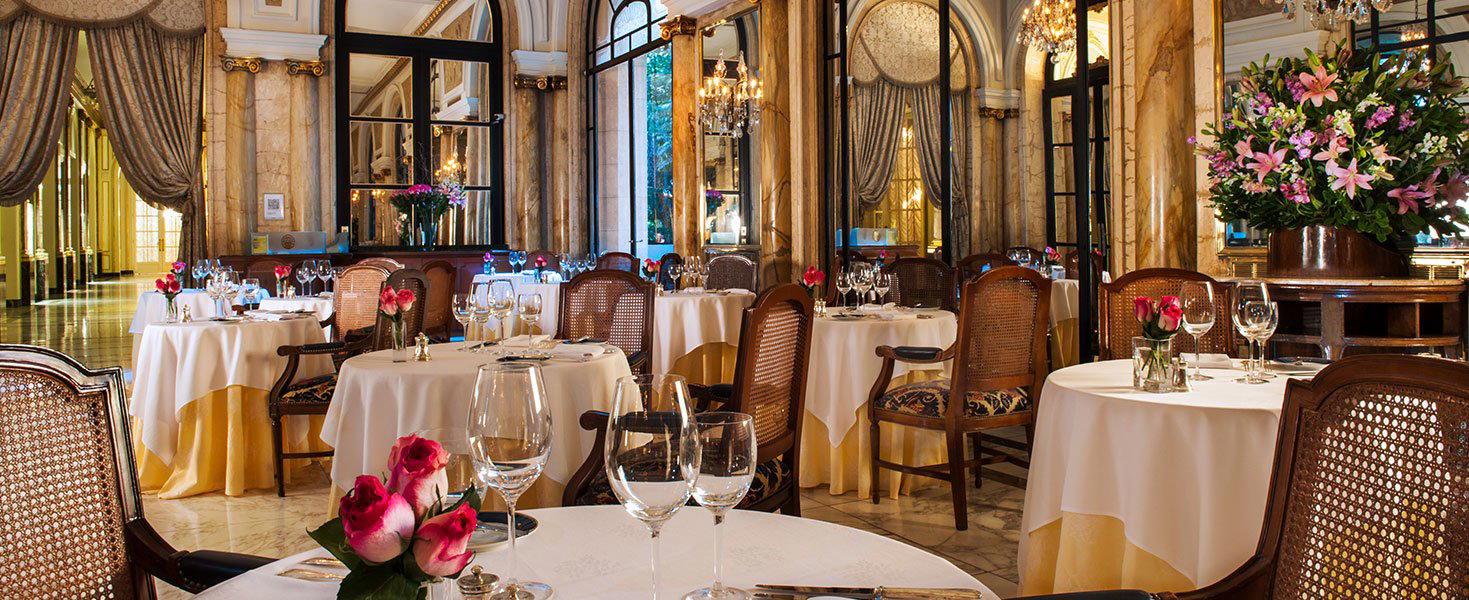
Recoleta's Grand Dining Tradition, Set in Stone Since 1932
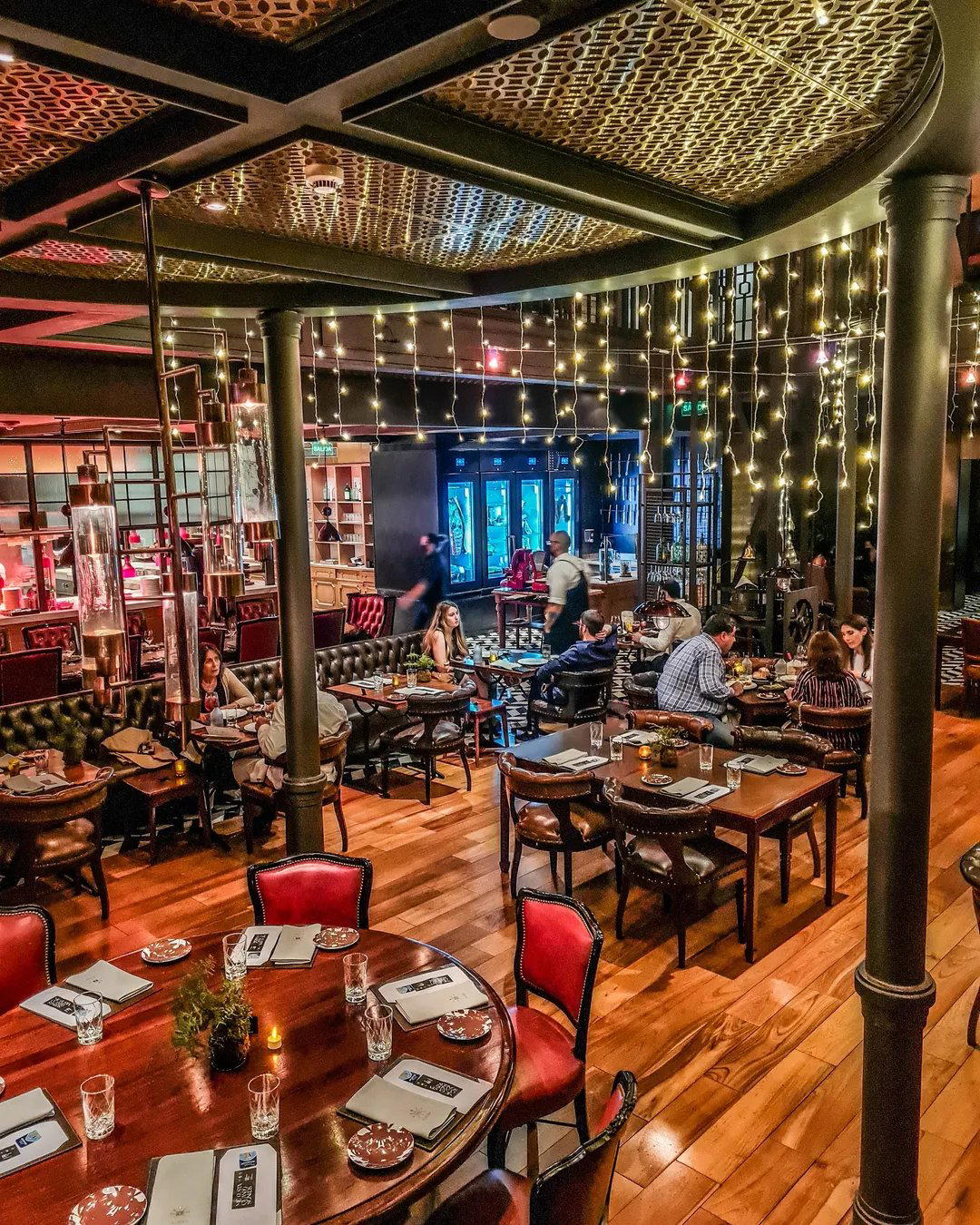
On Avenida Alvear, where Recoleta's Belle Époque architecture reaches its most concentrated expression, the Alvear Palace Hotel has anchored the neighbourhood's social and ceremonial life for nearly a century. L'Orangerie, the hotel's principal dining room, is one of the few spaces in Buenos Aires where the physical environment carries the full weight of that history. The room is dressed in Louis XVI style: high ceilings, natural light filtered through tall windows, and a formal symmetry that places it in a tradition closer to a Parisian brasserie de luxe than anything native to South America. Approaching the space, before a menu has been consulted or a glass poured, the architecture itself communicates a particular set of expectations about what formal dining in this city once meant and, in this address, still does.
That continuity is not incidental. Buenos Aires developed its luxury hospitality identity in close dialogue with European, and specifically French, models during the early twentieth century. The Alvear Palace opened in 1932 at a moment when Argentina's landed elite expected their grand hotels to mirror the standards of the Place Vendôme. L'Orangerie has operated within that frame ever since, making it one of the longest-standing formal dining rooms in the city and a reference point against which newer properties measure their own ambitions.
Where the Alvear Sits in Buenos Aires' Luxury Hotel Tier
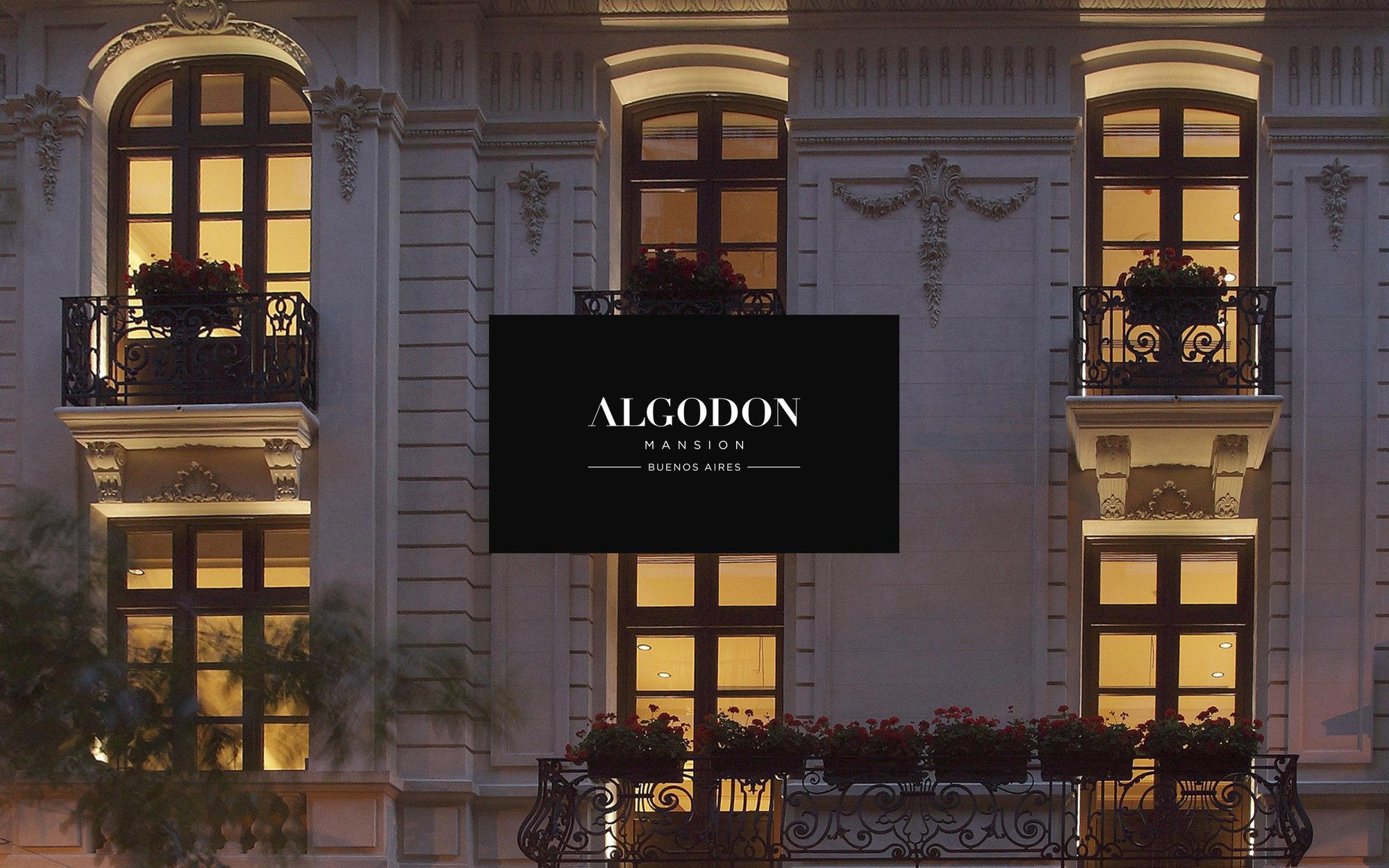
Buenos Aires' upper hotel tier now spreads across several neighbourhoods and formats. Properties like Faena Buenos Aires in Puerto Madero represent the design-forward, arts-integrated approach that attracted international attention from the mid-2000s onward. Boutique addresses such as Algodon Mansion and Be Jardín Escondido by Coppola offer limited-key intimacy in Palermo and San Telmo. The Anselmo Buenos Aires and Fierro Hotel position themselves within the contemporary lifestyle segment. The Alvear occupies a different bracket entirely: a grande dame property whose authority derives from uninterrupted operation and a physical plant that cannot be replicated. L'Orangerie is the room where that distinction is most legible, a dining space whose heritage is structural rather than curated.
Within Recoleta specifically, the competition for formal dining is limited. The neighbourhood's residential character and concentration of embassies and cultural institutions have historically supported a style of hospitality oriented toward ceremony rather than novelty. L'Orangerie sits at the centre of that tradition, drawing a clientele that includes visiting dignitaries, long-standing local families, and international travellers who seek the particular experience of dining in a room with documented social history. The Four Seasons and Palacio Duhau Park Hyatt offer comparable formality nearby, but neither dining room carries the same unbroken institutional continuity.
The Heritage Case: A Room That Has Witnessed a Century of Argentine Life
The argument for L'Orangerie as a historically significant space rests less on any single event than on the cumulative weight of nearly a century of continuous operation. Buenos Aires has cycled through extraordinary economic and political turbulence since 1932, and the Alvear Palace has remained open through all of it, functioning as a kind of fixed point in a city that has periodically reinvented itself. The dining room has received presidents, foreign ministers, artists, and industrialists across multiple generations, making it a primary source site for understanding how Buenos Aires' upper social tier conducted itself in formal settings.
That kind of documented continuity is rare in South American hospitality. Most of the continent's grand hotels from the early twentieth century have either been converted, subdivided, or demolished. The Alvear's survival in its original form, and L'Orangerie's survival as a functioning formal dining room rather than a museum piece or event space, gives it a standing that goes beyond aesthetic preference. For a certain type of traveller, dining there is an act of historical engagement as much as a gastronomic one.
Planning Your Visit: Seasonal Timing and Practical Considerations
Buenos Aires' dining scene shifts perceptibly with the seasons. The Southern Hemisphere autumn (March to May) and spring (September to November) produce the most temperate conditions for the city's outdoor life, but L'Orangerie's interior setting makes it a year-round destination largely independent of weather. The winter months (June through August) see a concentration of cultural programming at nearby institutions including the Teatro Colón and MALBA, and the combination of a formal dinner at the Alvear with an evening at one of those venues represents a particular Buenos Aires itinerary with a long historical precedent.
The hotel's address at Av. Alvear 1891 in Recoleta places it within walking distance of the Recoleta Cemetery and the core of the neighbourhood's gallery and cultural zone. Travellers extending their Argentine itinerary beyond Buenos Aires have a range of options: wine-country properties such as Awasi Mendoza, Cavas Wine Lodge, Casa de Uco, and Algodon Wine Estates in Mendoza province offer a natural counterpoint to the formality of Recoleta, while Colomé Winery in the Calchaquí Valleys and Awasi Iguazu extend the itinerary toward the country's more remote extremes. For the Patagonian south, Arakur Ushuaia Resort and Spa and Charming Luxury Lodge in Bariloche represent the premium tier. The estancia tradition is represented by Estancia El Ombú de Areco in San Antonio de Areco, a logical day trip or overnight from Buenos Aires.
For comparable grande dame hotel dining in other contexts, Aman Venice and The Fifth Avenue Hotel in New York occupy a similar position in their respective cities: properties where the physical and historical setting does much of the work that newer addresses must accomplish through programming and design. Aman New York represents the more recent, design-capital approach to urban luxury, useful for comparison. Our full Buenos Aires restaurants guide maps the wider dining context across neighbourhoods and price tiers.
| Venue | Cuisine | Price | Awards |
|---|---|---|---|
| L' Orangerie Alvear Palace HotelThis venue — the venue you are viewing | This venue | Not listed | Not listed |
| Alvear Palace Hotel | Not listed | Not listed | 2 Michelin Keys · Forbes 4-Star |
| Four Seasons Hotel Buenos Aires | Not listed | $300–500 | 2 Michelin Keys · La Liste Top Hotels |
| Palacio Duhau - Park Hyatt Buenos Aires | Not listed | Not listed | 1 Michelin Key · La Liste Top Hotels |
| Faena Buenos Aires | Not listed | $300–500 | Michelin Selected · Forbes 4-Star |
| Park Tower, A Luxury Collection Hotel | Not listed | Not listed | Forbes Recommended |
Continue exploring
More in Buenos Aires
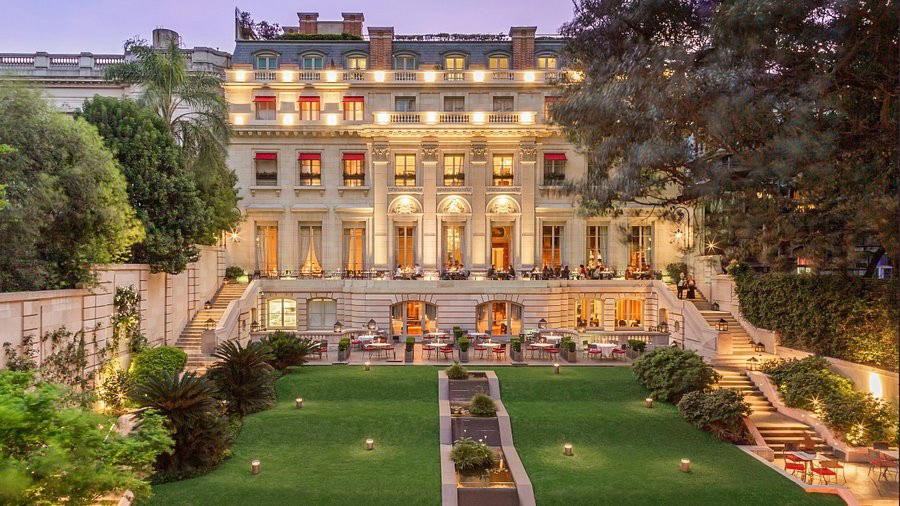
Hotels in Buenos Aires
Browse all →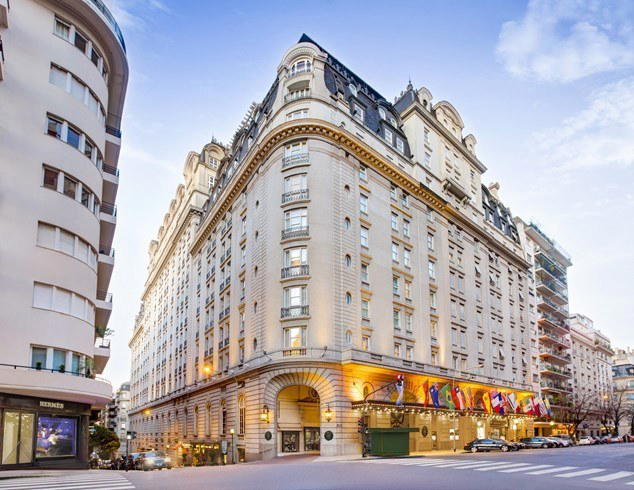
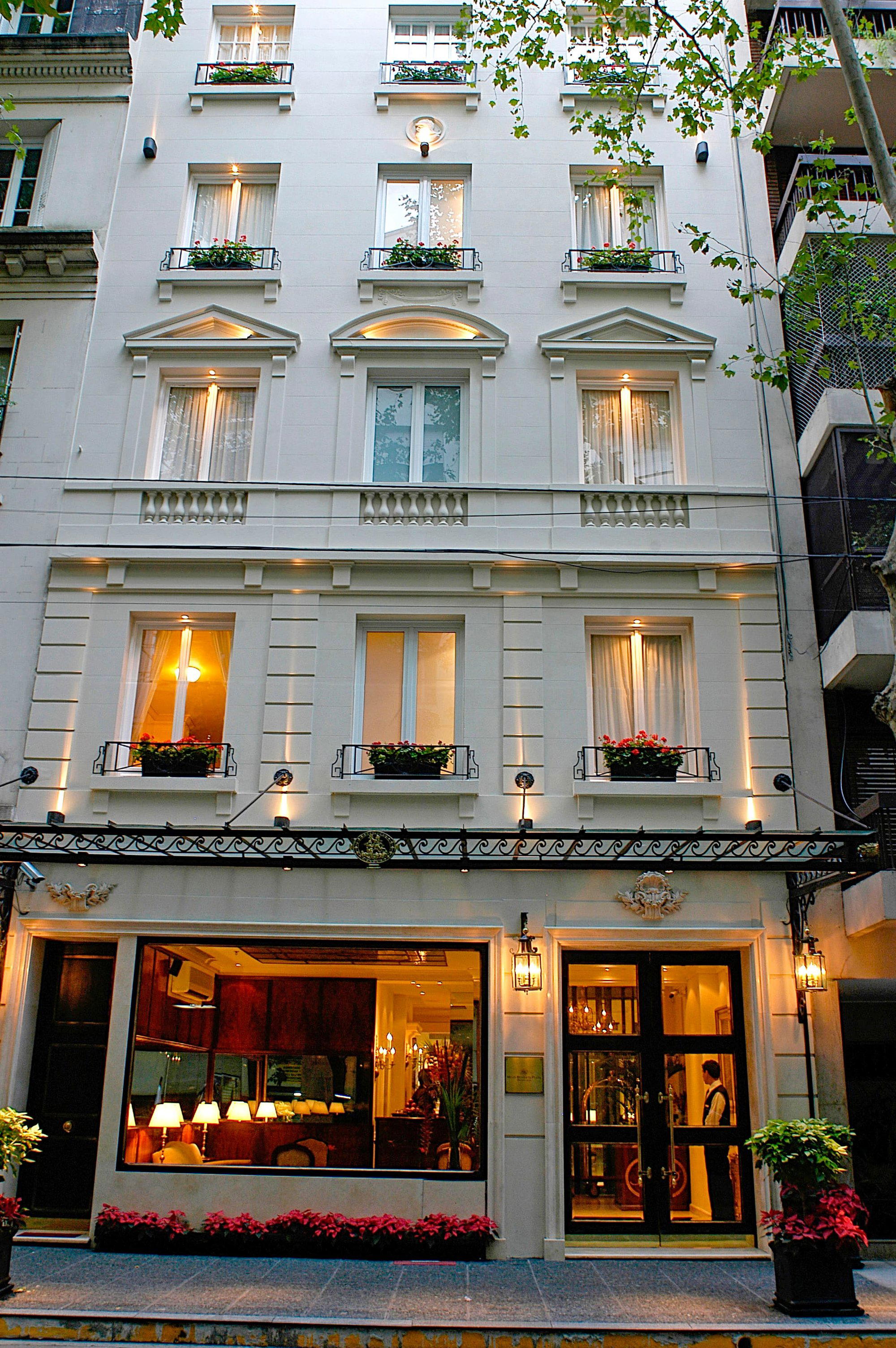
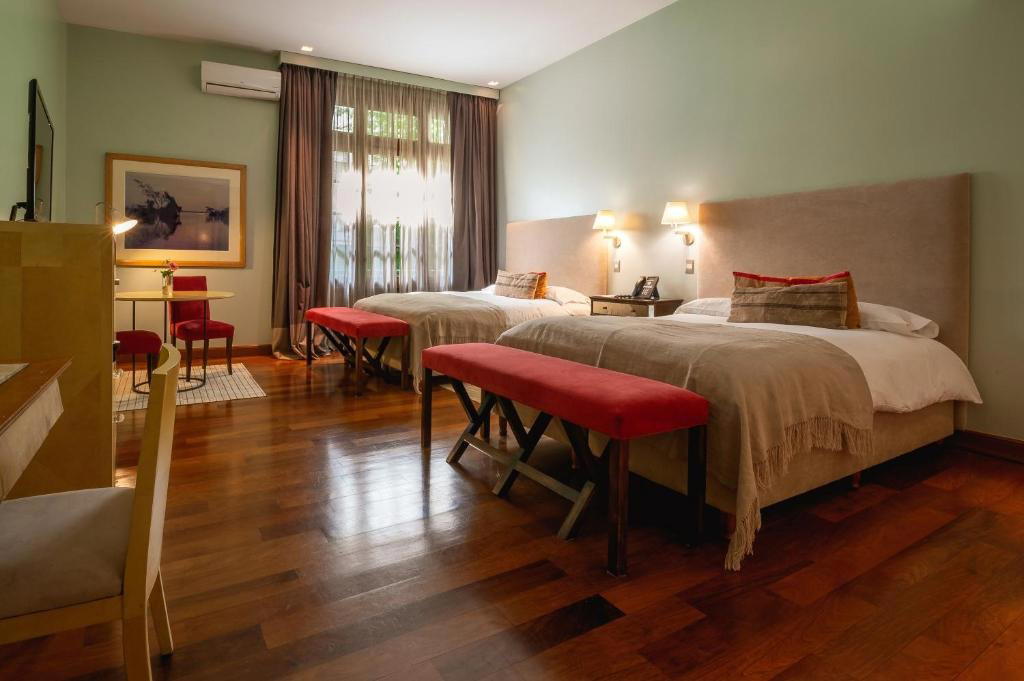
Bars in Buenos Aires
Browse all →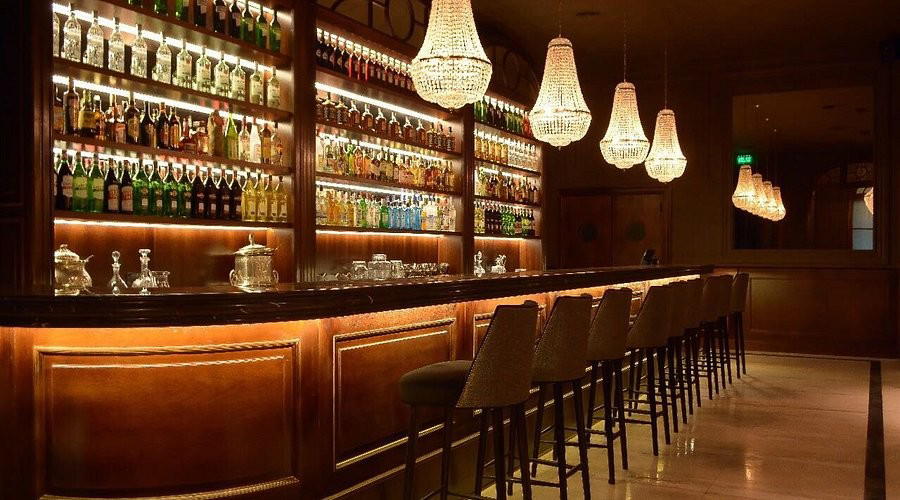
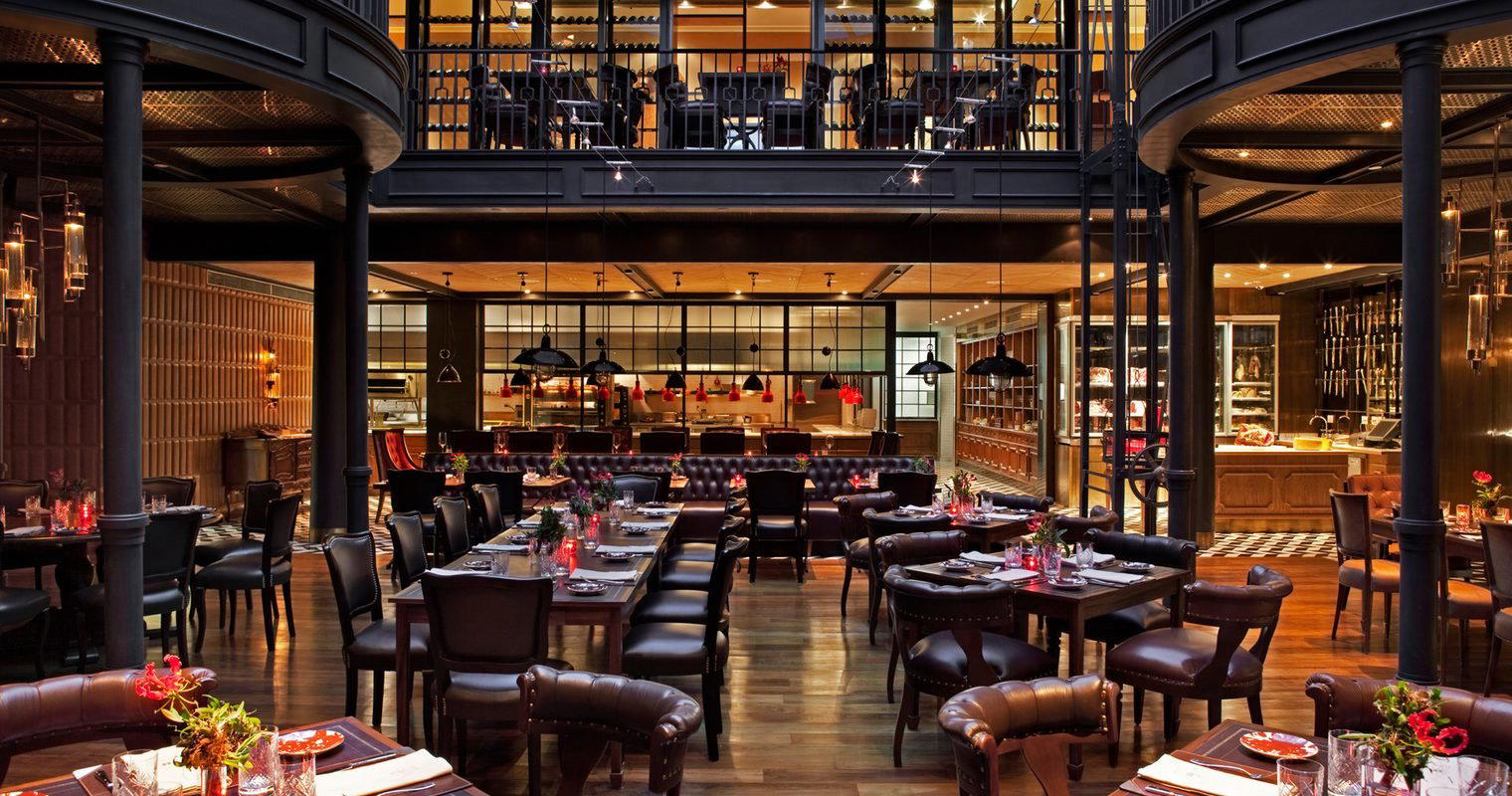
Restaurants in Buenos Aires
Browse all →
Wineries in Buenos Aires
Browse all →
Details
- Elegant
- Classic
- Ornate
- Sophisticated
- Romantic Getaway
- Anniversary
- Business Trip
- Historic Building
- Rooftop Pool
- Butler Service
- Pool
- Spa
- Fitness Center
- Room Service
- Concierge
- Wi Fi
- Valet Parking
- Elevator
Current opening hours
- Monday
- 7 AM–3:30 PM
- Tuesday
- 7 AM–3:30 PM
- Wednesday
- 7:30 AM–7 PM
- Thursday
- 7 AM–7 PM
- Friday
- 7 AM–7 PM
- Saturday
- 7 AM–7 PM
- Sunday
- 7 AM–7 PM
Hours can change for holidays and private events. Last verified .
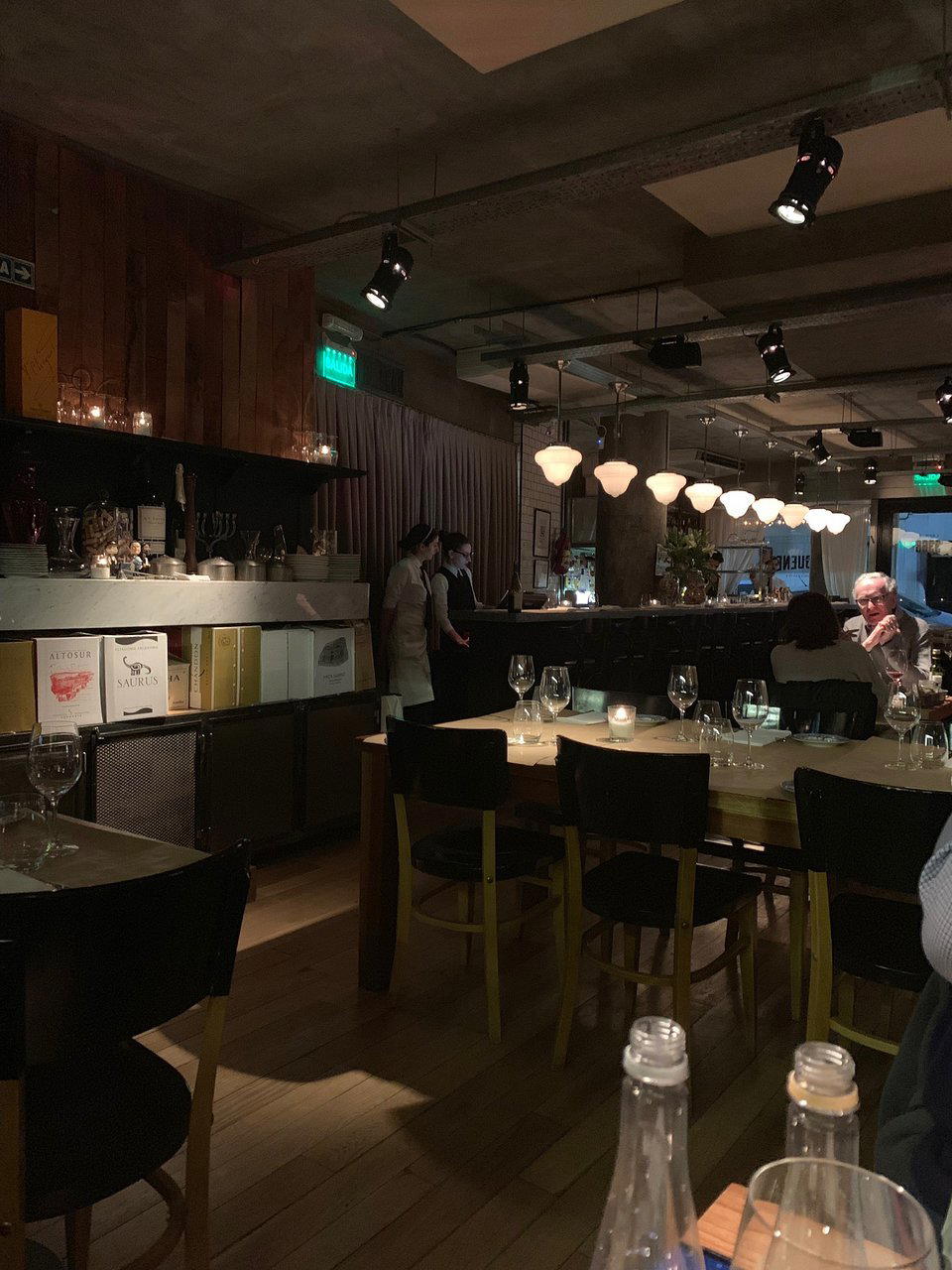
Ornate interiors with marble columns, crystal chandeliers, gilt mirrors, and natural light in L'Orangerie creating a lavish, historic atmosphere.