BAMcafé
BAMcafé sits inside the Brooklyn Academy of Music at 30 Lafayette Avenue, one of the oldest performing arts institutions in the United States. The café operates as a cultural extension of BAM's programming, drawing a theatrically minded crowd to Fort Greene before and after performances. For Brooklyn dining with a distinct arts-district character, it occupies a position few venues in the borough can replicate.
Pearl is the En Primeur Club membership app — saves, bookings, and concierge access live there. Same editors, same standards.
- Address
- 30 Lafayette Ave, Brooklyn, NY 11217
- Phone
- +17186364139
- Website
- bam.org
- Directions
- Get directions
 Saves & bookings on Pearl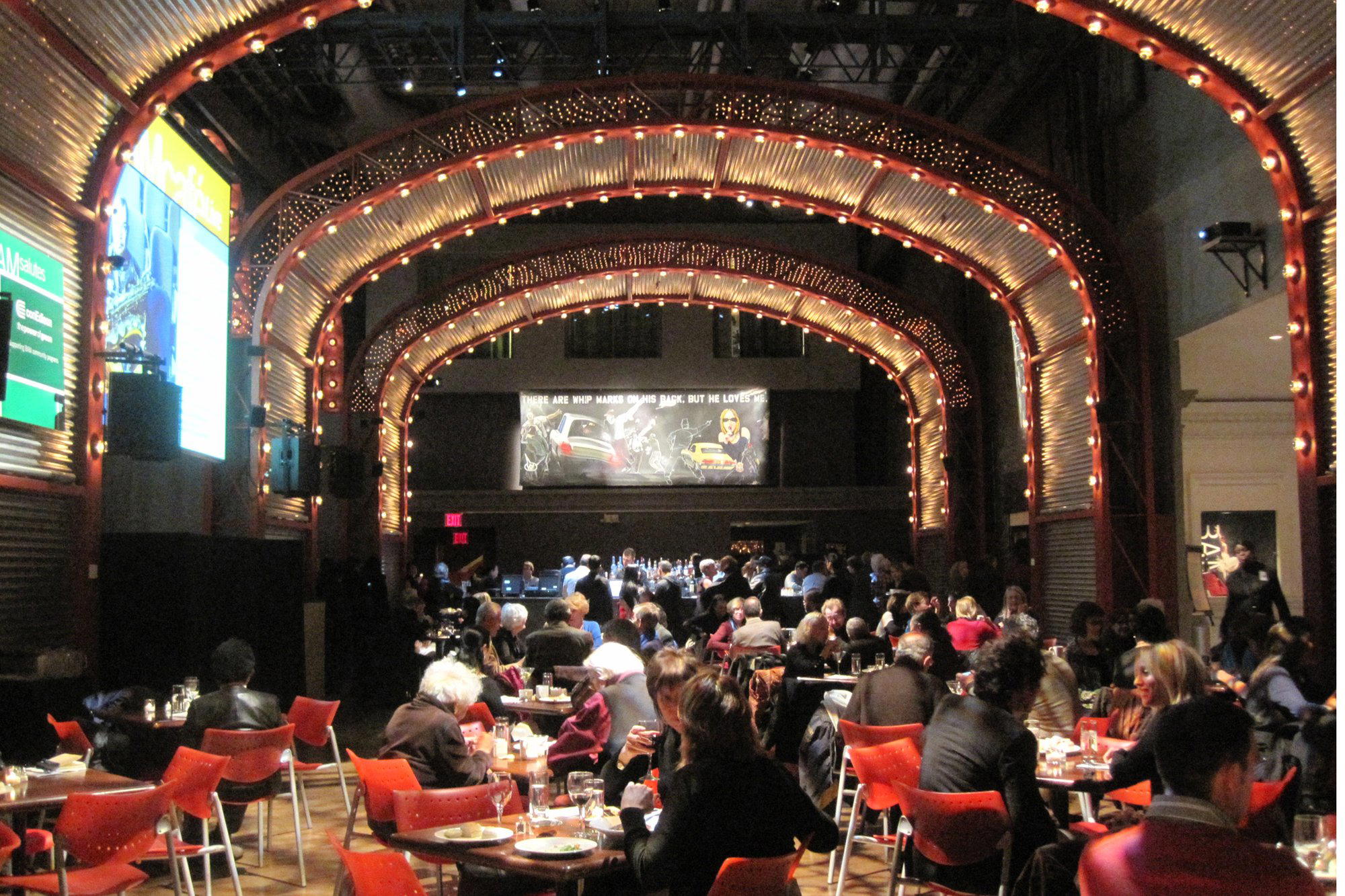
Where the Arts District Sets the Table
Fort Greene's dining identity has been shaped, more than in most Brooklyn neighbourhoods, by a single institution. BAMcafé is a restaurant in Fort Greene, Brooklyn, at 30 Lafayette Ave. It sits within the Brooklyn Academy of Music building and serves a casual, walk-in-friendly modern American café menu at about $25 per person. Understanding BAMcafé means understanding that dynamic first, and the venue second.
The café model attached to a major performing arts institution is common enough in European cities, think the cafés adjoining opera houses in Vienna or the brasseries that cluster around Paris's Palais Garnier, but in New York, the integration tends to be more purposeful. BAMcafé is not a lobby concession or an afterthought; it functions as a gathering point for the BAM audience across the season, with programming and atmosphere calibrated to the cultural calendar around it. That calendar runs deep: BAM's Next Wave Festival, which has introduced American audiences to figures across theatre, dance, and opera since 1983, draws an audience that expects a certain quality of experience before the curtain rises.
The Collaborative Character of an Arts-Adjacent Room
The editorial angle that matters most at BAMcafé is the team dynamic that defines how arts-adjacent dining rooms function. In venues like this, the front-of-house carries an outsize share of the experience. The rhythm is pre-curtain and post-performance, which means service teams work against hard time constraints in a way that purely destination restaurants do not. Tables turn before 7:30 pm; the room quiets and then fills again after 10 pm. A front-of-house that cannot read those two distinct sittings, the hurried pre-show crowd, the unwinding post-performance guest, will lose the room quickly.
What distinguishes well-run arts-district cafés from their less coherent counterparts is coordination between the floor and the bar. The bar program at venues in this category tends to carry the heavier editorial weight in late-evening sittings, when performance-goers return less interested in a full meal than in a drink and sustained conversation. New York's broader shift from high-concept cocktail theatrics toward technically grounded, approachable programs is relevant here: the audience at a BAM performance skews toward cultural engagement over novelty, and a bar program that mirrors that sensibility will outperform one chasing trend. For comparable thinking about how collaboration between beverage and floor teams shapes a room's identity, the work being done at Smyth in Chicago and Frasca Food & Wine in Boulder offers instructive reference points, though both operate at a considerably higher price tier.
Fort Greene and the Brooklyn Context
Fort Greene sits between Downtown Brooklyn and Clinton Hill, and the neighbourhood's character has stabilised into something that resists easy categorisation. It is not the hyper-saturated restaurant strip of Williamsburg, nor the quieter residential pocket of Carroll Gardens. The blocks immediately around BAM support a range of dining options, but the institution itself acts as the anchor, and BAMcafé benefits from foot traffic that no independent restaurant on those blocks can organically generate. This is a structural advantage that shapes both the audience composition and the expectations visitors bring to the table.
For New York dining overall, Brooklyn's ascent as a serious food destination is well documented. The borough now supports a range of venues from neighbourhood-scale wine bars to tasting-menu destinations, and Fort Greene participates in that range without being defined by any single tier. Visitors using BAMcafé as a pre-show dinner destination are making a different choice than those who would book a counter at one of Manhattan's tasting-menu rooms, Eleven Madison Park, Per Se, or Atomix operate in a separate tier entirely, both in price and in the kind of attention they demand from a diner. BAMcafé's role is more flexible and more social, which is precisely what the context requires.
The comparison to purely destination-led dining also clarifies what BAMcafé is not competing against. Venues like Le Bernardin, Masa, Blue Hill at Stone Barns in Tarrytown, or The French Laundry in Napa require the meal itself to be the evening's primary event. BAMcafé operates where the meal is context-setting for something else, a performance, a conversation, a cultural evening. That is a different discipline, and one that the leading arts-adjacent rooms have learned to execute with genuine craft.
Timing and the Performance Calendar
The practical reality of dining at BAMcafé is governed by BAM's programming schedule more than by conventional restaurant hours. The Next Wave Festival runs in autumn; the Spring Season brings a separate roster of international and American companies. These periods represent the highest-traffic windows for the café, and the atmosphere during festival runs differs materially from off-peak weeks. Visitors planning a pre-show dinner should account for the compressed timeline between curtain calls, particularly for evening performances that begin at 7:30 pm or 8 pm, a common BAM slot. Post-performance dining tends to be more relaxed, with the room filling from 10 pm onward during active programming weeks.
For comparison, arts-adjacent dining elsewhere in the country, venues like Emeril's in New Orleans, which occupies a similar cultural-district role, or Providence in Los Angeles, illustrates how geography and institution type shape the dining room's rhythm. BAMcafé's Brooklyn identity adds a layer of neighbourhood informality that distinguishes it from comparable venues in more tourist-dense arts districts. The audience here tends to be local and culturally engaged rather than tourist-driven, which affects pace, noise level, and the overall social register of the room. Additional reference points across formats and regions include Lazy Bear in San Francisco, Single Thread Farm in Healdsburg, Addison in San Diego, The Inn at Little Washington, Atelier Moessmer Norbert Niederkofler in Brunico, and Dal Pescatore in Runate, each of which illustrates how institutional setting and regional character shape a room's identity.
Planning Your Visit
Address: 30 Lafayette Ave, Brooklyn, NY 11217. Reservations: Walk-ins are welcome. Dress code: casual. Price: about $25 per person.
Comparable Spots, Quickly
Comparable venues nearby, for context on price, style, and recognition.
| Venue | Cuisine | Price | Notes |
|---|---|---|---|
| BAMcaféThis venue — the venue you are viewing | Modern American Café | $$ | Not listed |
| Brookvin | American Small Plates & Wine Bar | $$ | Park Slope |
| Egg | Egg-Centric American Cafe | $$ | Williamsburg |
| Back Forty | Farm-to-Table American | $$ | East Village |
| Dig Inn | Farm-to-Table American Bowls | $$ | Midtown South-Flatiron-Union Square |
| Morgan Café | American Café | $$ | Midtown-Times Square |
Continue exploring
More in New York City
Restaurants in New York City
Browse all →
Bars in New York City
Browse all →
Hotels in New York City
Browse all →





At a Glance
- Modern
- Lively
- Trendy
- Casual Hangout
- After Work
- Special Occasion
- Live Music
- Open Kitchen
- Craft Cocktails
Sleek, spacious interior with lit arches, high ceilings, and a relaxed atmosphere enhanced by live performances.