A Williamsburg breakfast and brunch institution on North 3rd Street in Brooklyn, Egg has anchored the neighborhood's morning dining scene for years with a focused, ingredient-led approach to American comfort food. The format is intentionally modest: a compact room, a short menu, and a front-of-house rhythm built around steady weekend queues rather than reservation systems.
- Address
- 109 N 3rd St, Brooklyn, NY 11249
- Phone
- +1 718 302 5151
- Directions
- Get directions
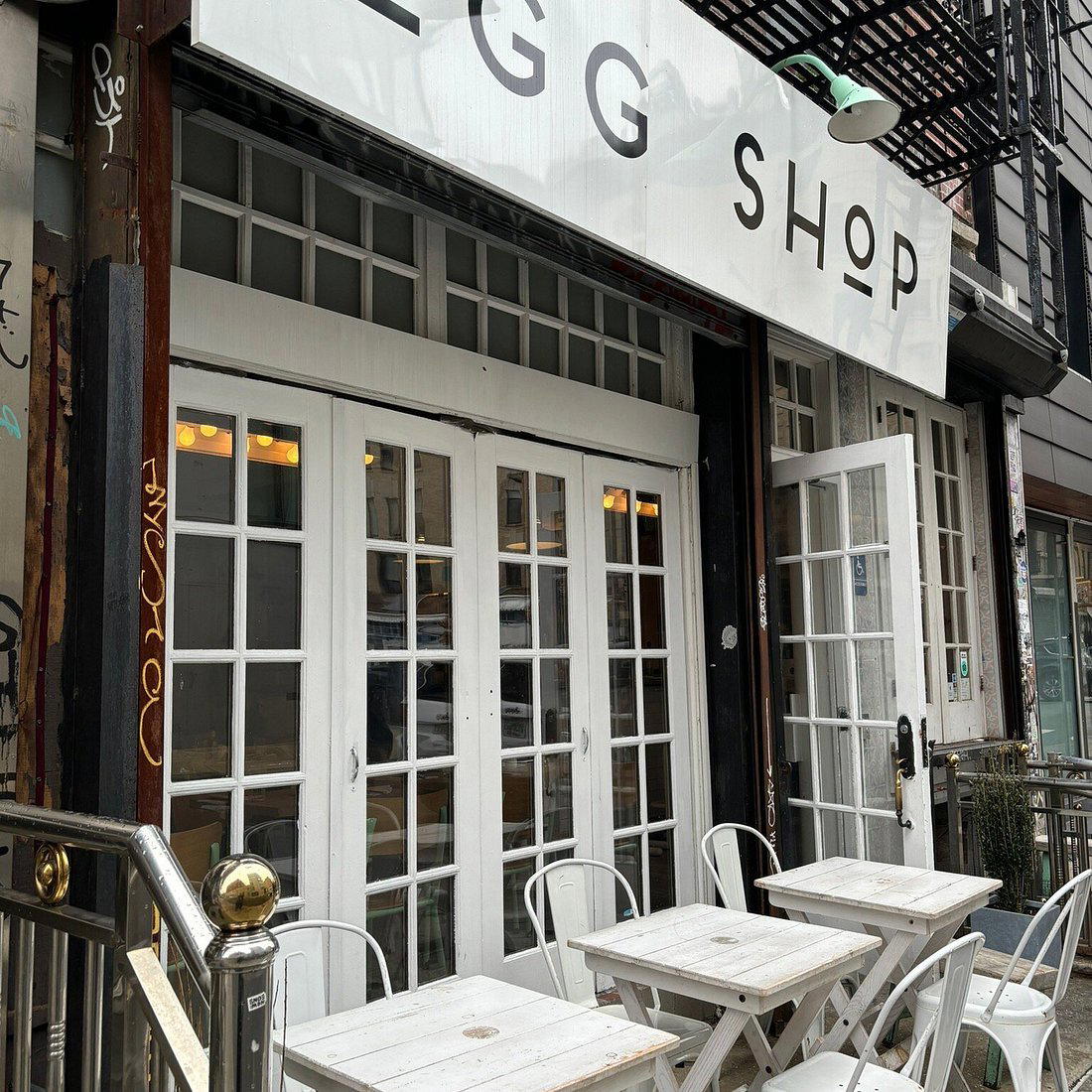
Morning Ritual on North 3rd Street
Egg is a casual breakfast and brunch restaurant in Williamsburg, Brooklyn, with a price tier of about $20 per person. North 3rd Street in Williamsburg has that quality in concentrated form, and Egg has been one of its most consistent anchors. The building is low-key to the point of anonymity from the outside, which is appropriate: this is a room that earns its reputation through what comes out of the kitchen, not through design gestures or destination-hotel adjacency.
Williamsburg's dining character has shifted considerably over the past fifteen years. The neighborhood that once drew attention for its low rents and artist-run spaces now contains some of the more considered restaurants in outer-borough New York. Within that context, breakfast and brunch venues occupy a specific tier: they live or die on repeat patronage, and the ones that survive longest tend to do so by doing a small number of things with consistent discipline rather than chasing menu trends. Egg belongs to that cohort. Its longevity in a neighborhood that has cycled through restaurant openings at a considerable pace is itself a form of editorial argument.
The Collaborative Engine Behind a Short Menu
The editorial angle that applies most clearly to Egg is the one that matters most in small-format American breakfast restaurants: the dynamic between kitchen execution, floor management, and the guest relationship. In rooms of this scale, where the menu is deliberately constrained and the format is repeated dozens of times each service, the quality of the experience is almost entirely a function of team cohesion. There is no twelve-course arc to carry a guest through, no wine pairing to structure the evening. The front-of-house and kitchen are working in close proximity, managing a fast-moving service where timing matters more than ceremony.
This model contrasts sharply with the tasting-menu format that dominates fine dining conversation in New York. At the $$$$ tier, venues like Le Bernardin, Atomix, Eleven Madison Park, Masa, and Per Se build team structure around extended service windows and formalized roles. Egg operates in a different register entirely: the collaboration here is compressed, informal, and calibrated to the specific pressures of a high-volume morning service. Getting that right over years of operation is not a small achievement in a city with New York's staff turnover rates.
Across the wider American restaurant scene, the breakfast-and-brunch model that Egg represents has been replicated with varying success. The discipline required is genuinely different from dinner service: ingredient sourcing needs to account for the morning-specific supply chain, and the kitchen team is often executing the same preparations in rapid sequence rather than building complex multi-component dishes. Venues like Lazy Bear in San Francisco and Smyth in Chicago have demonstrated that focused, ingredient-led formats can build durable reputations, though both operate in the dinner format. The morning equivalent in New York is a smaller, less-documented category, which is part of what gives Egg its standing among locals who track this kind of thing.
Ingredient Discipline and American Comfort Food
The broader American farm-to-table movement has had its most consistent expression not in ambitious tasting menus but in everyday-format restaurants that treat sourcing as a baseline rather than a marketing point. Properties like Blue Hill at Stone Barns in Tarrytown and Single Thread Farm in Healdsburg have made the farm-restaurant relationship explicit and formal. The neighborhood breakfast restaurant operates on the same principle but without the institutional apparatus: the sourcing commitment is expressed through what ends up on the plate rather than through a stated mission.
This is the competitive frame in which Egg sits. Brooklyn's morning dining scene contains several operators who take ingredient provenance seriously, and the ones that have remained relevant tend to be those where the sourcing commitment is visible in the food without being performed at the table. That discipline over time, applied consistently to a short menu, is what separates a neighborhood fixture from a venue that generates interest for a season and then fades.
Comparable American restaurants that have built sustained reputations through focused formats rather than scale include Frasca Food and Wine in Boulder, Emeril's in New Orleans, Providence in Los Angeles, and Addison in San Diego. Each operates in a different price tier and format, but the common thread is a team-driven approach where consistency is the primary measure of quality. For international reference, the same discipline shows up in European institutions like Dal Pescatore in Runate and Atelier Moessmer Norbert Niederkofler in Brunico, where longevity and team stability are treated as quality signals in themselves.
Williamsburg's Position in Outer-Borough Dining
New York's dining geography has decentralized over the past decade. The concentration of critical attention on Manhattan venues, particularly those in the $$$$ tasting-menu category, has gradually given way to a more distributed map. Brooklyn's North Side, and Williamsburg in particular, contains a range of formats that span from the kind of ambitious cooking that attracts international attention to the neighborhood-scale operations that matter most to people who live within walking distance.
Egg operates in the latter zone, which is not a lesser zone: it is a different discipline. The venues that define a neighborhood's daily character are often more revealing of what a city's food culture actually values than the outlier occasions that generate press. In that sense, Williamsburg's morning dining scene, with its combination of ingredient-focused short menus and high repeat-patronage models, is a useful lens for understanding how Brooklyn has developed its dining identity over time.
Destinations with comparable neighborhood-fixture status in other American cities include The French Laundry in Napa and The Inn at Little Washington, both of which have built their standing through sustained local presence over decades. Egg's reference point is different in price and format, but the underlying logic of building a durable reputation through consistency rather than spectacle applies across categories.
Know Before You Go
- Address: 109 N 3rd St, Brooklyn, NY 11249
- Neighbourhood: Williamsburg, Brooklyn
- Format: Breakfast and brunch, walk-in format typical; check current booking policy directly with the venue
- Price: About $20 per person
- Hours: not confirmed; verify before visiting
- Reservations: Walk-in friendly
Cuisine Context
Comparable venues nearby, for context on price, style, and recognition.
| Venue | Cuisine | Price | Notes |
|---|---|---|---|
| EggThis venue — the venue you are viewing | Egg-Centric American Cafe | $$ | Not listed |
| Westville Dumbo | Market-Driven American Comfort Food | $$ | Downtown Brooklyn-DUMBO-Boerum Hill |
| Park Avenue Tavern | Classic American Tavern | $$ | Midtown-Times Square |
| Breakfast by Salt's Cure | American Breakfast Griddle Cakes | $$ | West Village |
| Westville Wall Street | American Market-Driven Comfort | $$ | Financial District-Battery Park City |
| FREEHOLD | American Gastropub | $$ | Williamsburg |
Continue exploring
More in New York City
Restaurants in New York City
Browse all →
Bars in New York City
Browse all →
Hotels in New York City
Browse all →

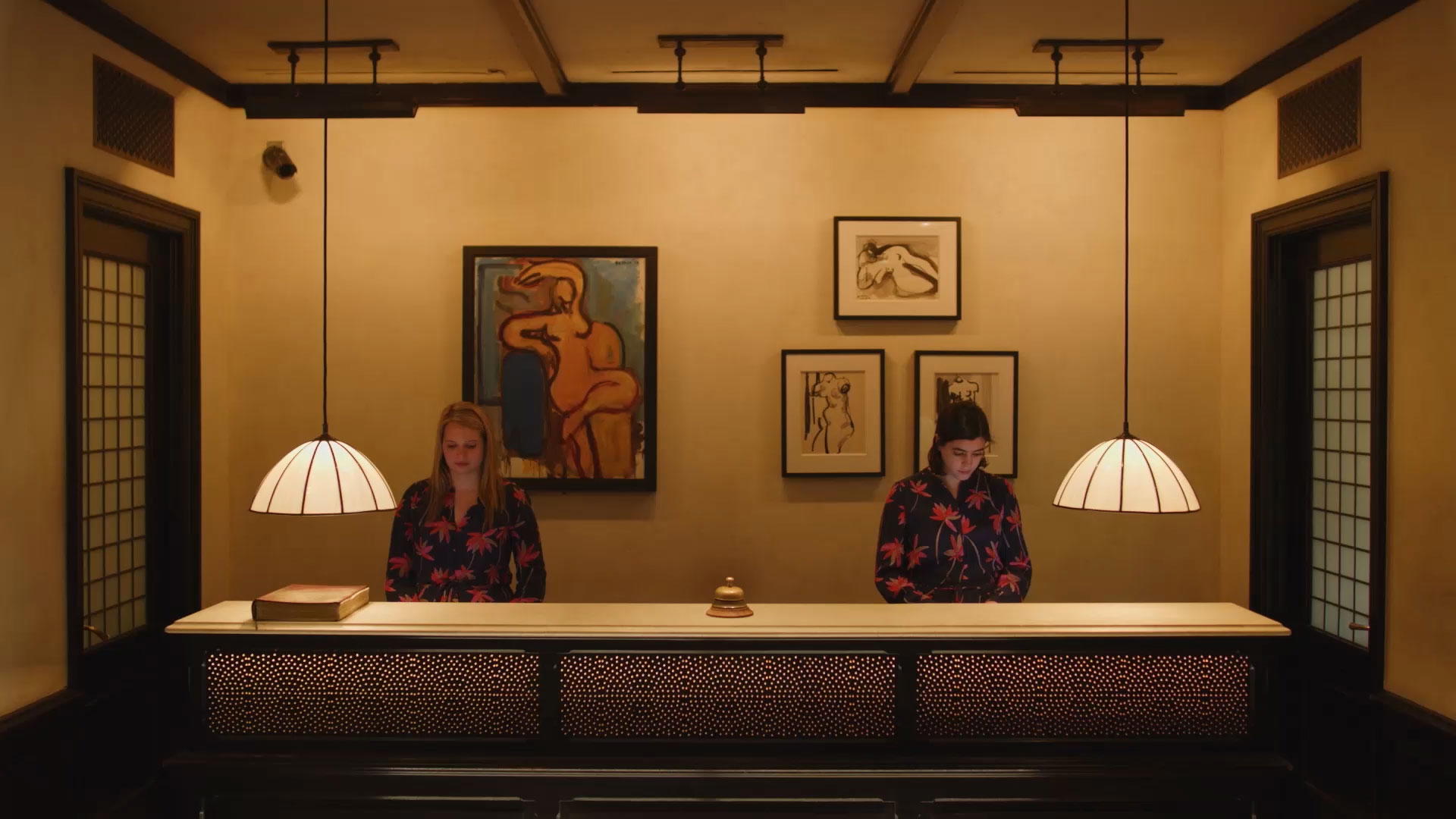






At a Glance
- Cozy
- Trendy
- Brunch
- Casual Hangout
- Standalone
- Craft Cocktails
- Local Sourcing
- Organic
Cozy and quirky atmosphere ideal for breakfast with a modern, casual feel.