
Tabelog 100 #86
Our verdict
Baci brings Nagoya’s small-room Italian dining into a tighter, wine-led register, with an eight-seat scale and course-only format that reward repeat visitors rather than spectacle. Its selection for Tabelog Italian EAST 100 in 2023 and 2025 places it among Japan’s serious Italian addresses outside the capital’s louder dining circuits.

Pearl is the En Primeur Club membership app, where members save venues, book tables and use the concierge.
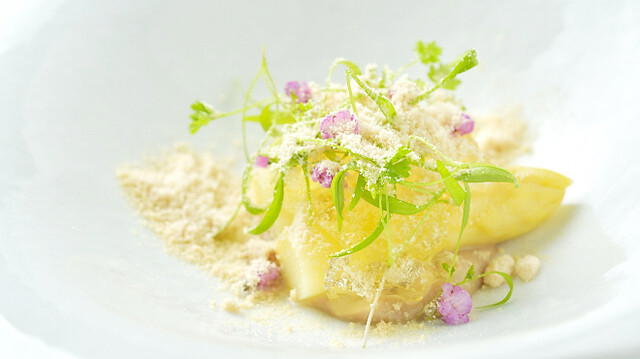
In Izumi, ambitious dining is quieter than Nagoya Station’s hotel restaurants or Sakae’s late-night rooms. The appeal is not theatre, but the small-room rhythm of regulars returning to a familiar format: a course meal, a wine-minded kitchen, and a pace that assumes the table has come to listen rather than perform. Baci compresses that Nagoya pattern into eight seats, counter and table seating, fish-focused Italian technique, and a wine bar sensibility, making the room feel closer to a private conversation than a public dining room.
Nagoya has always been more interesting at this scale than outsiders expect. Its dining identity is often reduced to miso katsu, hitsumabushi, and tebasaki, yet its upper tier is full of compact specialist rooms where Japanese sourcing meets imported technique. Italian cooking fits naturally: pasta and wine are familiar, while serious rooms use the format for seasonality, seafood handling, and restraint. Baci’s inclusion in Tabelog Italian EAST 100 in 2023 and 2025 is useful evidence, not decoration. It places the restaurant inside a regional Italian conversation beyond Tokyo and treats Aichi as more than a stop between Kansai and Kanto.
Fish-led Italian for Nagoya regulars who prefer discipline over display
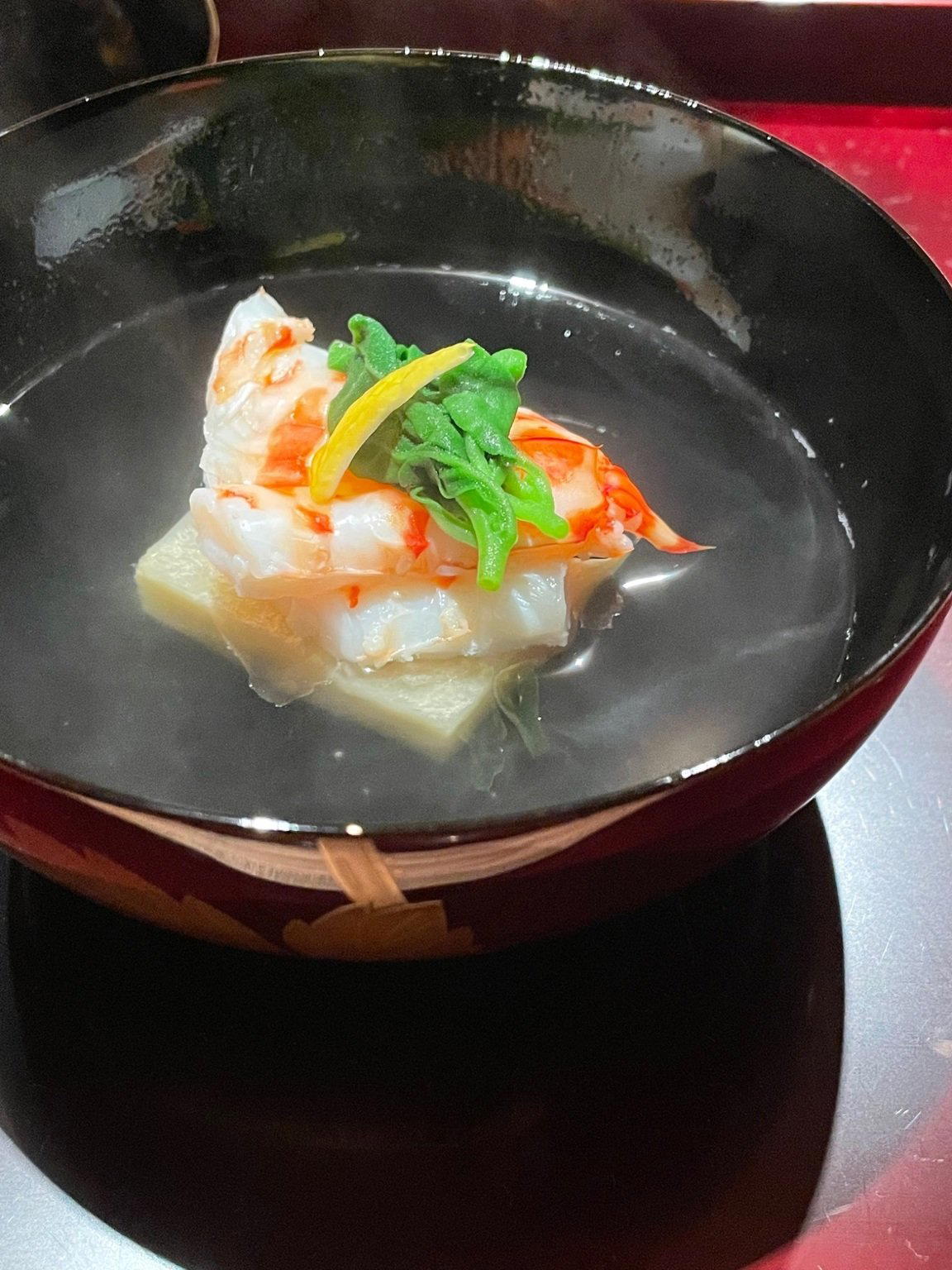
The cuisine is listed as Italian, innovative, and wine bar, which says more than one label could. In Japan, that combination often signals a kitchen less interested in red-sauce comfort than in Italian structure applied to local fish, vegetables, and controlled courses. Baci is specifically noted for fish, important in Nagoya, where premium diners already know sushi counters, kappo rooms, and seasonal Japanese cooking. Italian has to earn attention through texture, acidity, sauce work, and wine pairing logic rather than the familiar authority of raw fish or charcoal.
The regulars’ perspective is the right lens. A small course-only restaurant cannot thrive on novelty alone; it depends on guests who trust the room to change within a known frame. The unwritten menu is a set of expectations: fish anchors the meal, wine matters, and the cooking sits between Italian reference points and Japanese seasonality. This differs from a broad trattoria and from a formal dégustation room that announces itself through luxury cues. The draw is repetition with variation.
Against Nagoya peers, the positioning is clear. Kappo Hosono and Gyutei sit in a lower dinner band, while Sushi Isao reaches a higher sushi-counter bracket; le Lotus occupies a comparable French-inflected price tier. Baci’s lane is narrower: Italian technique, wine orientation, and a room size that makes the evening close-range. For travelers comparing styles across the city, Our full Nagoya restaurants guide is the better starting point, with nearby contrasts such as 1022, 451, Aaron, Alan., and All Day Dining Montmartre mapping other versions of Nagoya dining ambition.
A compact room where wine sets the tempo
The wine emphasis is central. In small Japanese Italian rooms, wine often organizes the meal: acidity against fish, bottle choice against course pacing, and service that rewards diners comfortable giving the room latitude. Baci’s wine-bar classification and wine-focused listing place it closer to that culture than to broad à la carte Italian dining. The result suits diners who value sequence and conversation over menu autonomy.
The eight-seat scale changes the social contract. A room this small has little tolerance for drifting in late, over-ordering, or treating the meal as background to a night out. The fragrance guidance and avoidance of extremely casual attire are not fussy details; they belong to Japanese counter-adjacent etiquette, where close seating and wine service expose other guests’ experience. The same logic applies to the age guidance for children, tied to the ability to take a full course meal. This is not a family-restaurant format dressed up in linen, but a compact adult dining room built around concentration.
For visitors, the decision is simple. Choose Baci for wine-led Italian cooking in a small Nagoya room, not for a long à la carte browse, private-room privacy, or a broad group dinner. Private use is possible, fitting the scale, but the restaurant’s character lies in the tension between intimacy and structure. Solo dining is also credible, especially in Japan, where counter and small-room formats make eating alone feel deliberate rather than improvised.
How to place it in a Nagoya itinerary
Izumi and the Takaoka area suit travelers who want Nagoya beyond department-store restaurant floors. The neighborhood has a more residential, controlled pace than Sakae, which helps explain why a low-capacity Italian room works here. It is destination dining without a grand arrival. The practical advantage is subway proximity; the editorial advantage is that dinner feels detached from the city’s heavier commercial corridors.
In a longer Nagoya stay, pair this table with Japanese formats on surrounding nights rather than another Western tasting room. A kappo dinner, a sushi counter, and a fish-led Italian course meal will say more about the city than repeating one category. Travelers building the wider trip can connect the restaurant plan with Our full Nagoya hotels guide, Our full Nagoya bars guide, Our full Nagoya wineries guide, and Our full Nagoya experiences guide. For broader Japan context, compare how specialist formats read in other cities: -Grilled beef Sukiyaki- KAMAKURA TANUKIAN 鎌倉 たぬき庵 in Kamakura. 鮪と炭火焼き うお炭 秋葉原店 in Tokyo.cafe in Osaka.know in Kumamoto, (Shoku) Vietnam in Kawasaki, [Curry Senmon Ten] Maruyama Kyoju. in Sapporo, Jōdo Saké Bar in Los Angeles, and Onigiri Time in Pasadena.
The critical case for Baci is not that it tries to outshine Nagoya’s Japanese counters. It offers a different kind of regulars’ table: Italian in grammar, Japanese in scale, wine-led in tempo, and selective enough to reward diners who understand why a small room can carry more authority than a large one.
Frequently asked questions
What part of town is Baci in?
Baci is located in Nagoya.
Is Baci more mid-range or high-end?
Pricing at Baci is listed as JPY 15,000 - JPY 19,999.
What are the opening hours for Baci?
Hours at Baci: Mon: 6–10 PM; Tue: Closed; Wed: Closed; Thu: 6–10 PM; Fri: 12–2:30 PM, 6–10 PM; Sat: 12–2:30 PM, 6–10 PM; Sun: 6–10 PM.
What's the standout thing about Baci?
Its clearest draw is the combination of Tabelog 100 Italian EAST 2025 recognition and an eight-seat room in Nagoya’s Izumi district. The restaurant runs on course meals only, with wine given real weight in the experience.
Can Baci accommodate dietary restrictions?
Baci’s fixed course format means any dietary restriction should be raised before booking, using the reservation contact listed for the Nagoya address on 2 Chome-29-26 Izumi. With a 10% service charge and a 1,000 yen seating charge, it sits firmly in the structured end of the Italian dining spectrum.
Recognition, Side-by-Side
Comparable venues by cuisine and category.
| Venue | Cuisine | Price | Awards | Notes |
|---|---|---|---|---|
| BaciThis venue (the venue you are viewing) | Italian Fine Dining | $100–150 | Tabelog 100 #86 | Not listed |
| Ecco | Seasonal Italian | $100–150 | Not listed | Nishi |
| Lilla | Italian Fine Dining | Not listed | Tabelog 100 #11 | Higashi |
| ミオオルト | Authentic Italian Regional | $50–100 | Tabelog 100 #67 | Nishi |
| Japan no Italian Ryori Ten sai | Japanese Italian Cuisine | $100–150 | Tabelog Bronze #380 | Naka |
| Bottegon | Innovative Italian with a fish-focused tasting menu | $100–150 | Tabelog 100 #65 | Higashi |
Recognition history
Dated appearances from independent guides and award organizations, with the underlying list record or original source where available.
Tabelog 100 #86 · No. 86
Tabelog · Tabelog 100 - Italian - EAST - 2025
Continue exploring
More in Nagoya
Restaurants in Nagoya
All restaurants in Nagoya →





Details
- Intimate
- Sophisticated
- Cozy
- Modern
- Date Night
- Celebration
- Special Occasion
- Business Dinner
- Wine Cellar
- Design Destination
- Standalone
- Extensive Wine List
- Sommelier Led
- Local Sourcing
- Tasting Menu
- Prix Fixe
- Set Menu
- Wine
Current opening hours
- Monday
- 6–10 PM
- Tuesday
- Closed
- Wednesday
- Closed
- Thursday
- 6–10 PM
- Friday
- 12–2:30 PM, 6–10 PM
- Saturday
- 12–2:30 PM, 6–10 PM
- Sunday
- 6–10 PM
Hours can change for holidays and private events. Hours as of .
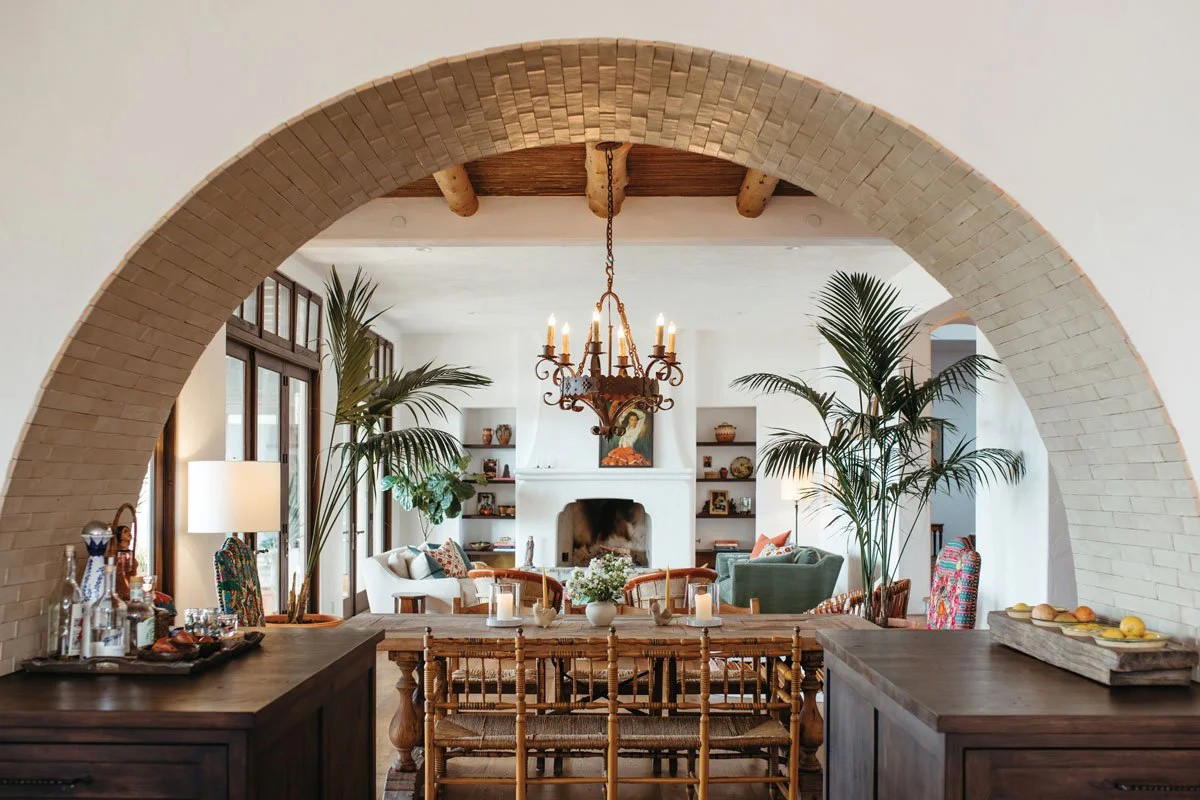
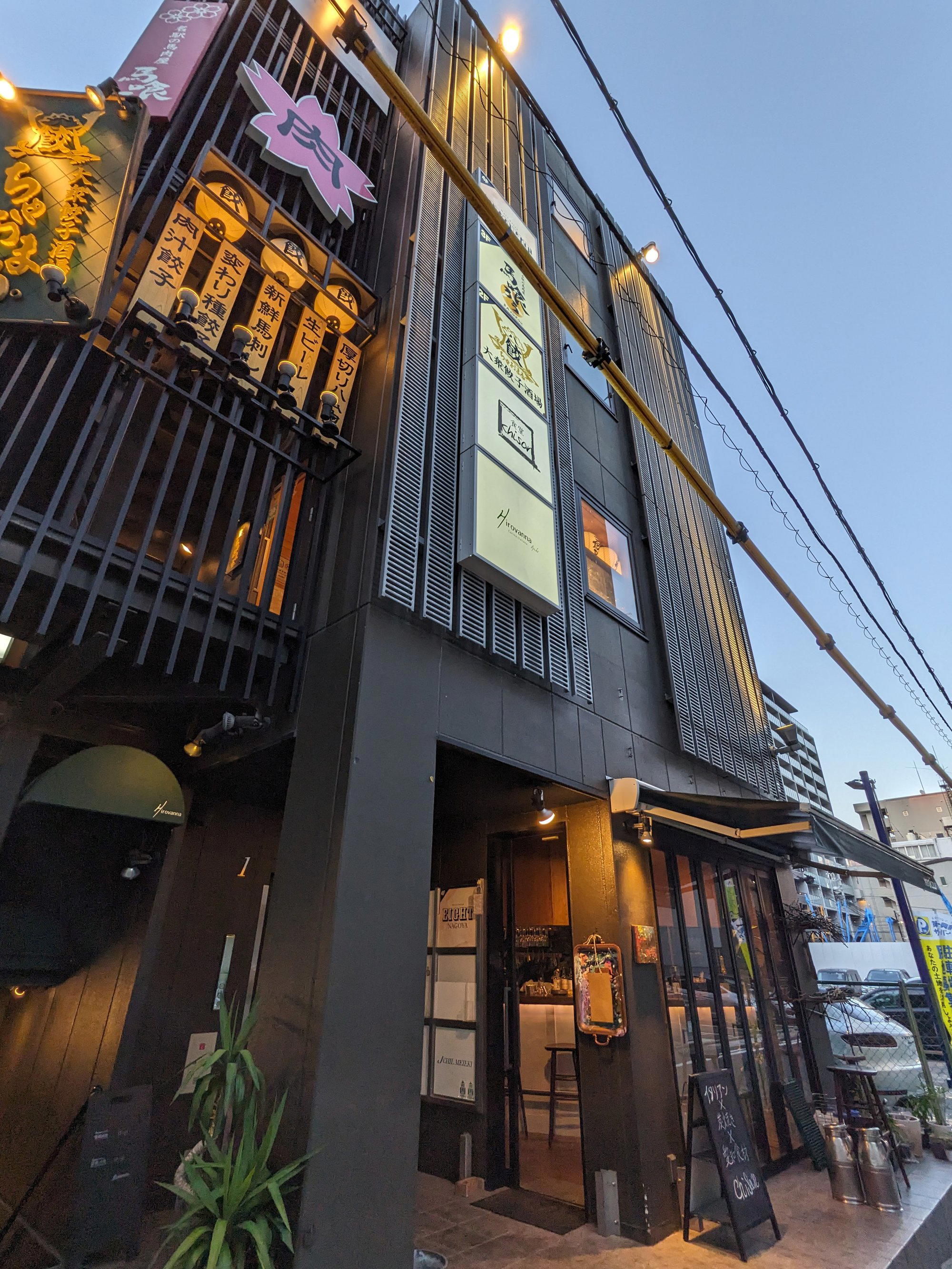
A discreet exterior opens into a private, non-everyday space that feels both special and warmly home-like, with a quiet, intimate atmosphere and carefully set tableware and glassware.