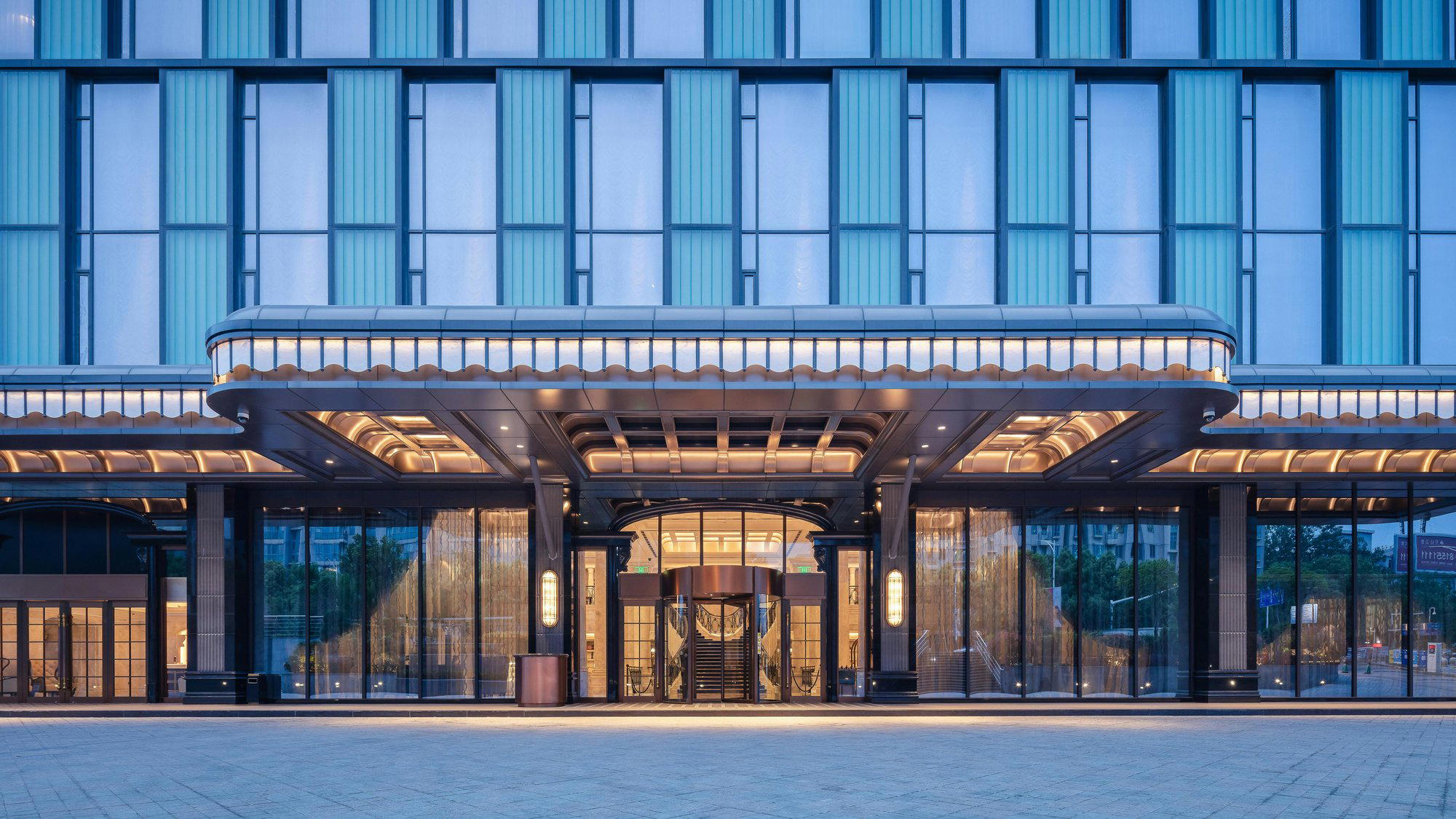
Michelin Plate
Our verdict
The kitchen draws on the restrained, produce-led tradition that defines Jiangsu and Zhejiang cooking, light stocks, precise seasoning, and dishes that follow the season rather than the spectacle. For visitors cross-referencing Nanjing's serious Chinese dining options, this is a house worth scheduling.

Pearl is the En Primeur Club membership app, where members save venues, book tables and use the concierge.

The menu
What to order
- Hazelnut duck liver pâté with scallion pancakes
- Braised pork with abalone
- Drunken crab
- Tea-flavored braised milk
Where Jiangzhe Tradition Sets the Pace
The Gu Lou district occupies Nanjing's older northern core, a neighbourhood where Republican-era architecture sits alongside university campuses and the kind of restaurants that fill at lunch on weekdays without needing social media to drive the room. Purple Mountain Garden operates in that context: a Jiangzhe table in a part of the city that takes its food seriously and where the dining ritual itself carries as much weight as any individual dish.
Jiangzhe cuisine, drawing from both Jiangsu and Zhejiang provinces, is among the more disciplined branches of Chinese regional cooking. It does not announce itself through heat or spice. The tradition prizes light, clear stocks; seasonal produce handled with minimal intervention; and a sequencing of dishes designed to build rather than overwhelm. A meal structured around these principles has its own tempo: slower, more considered, the kind of pacing that makes you notice the difference between a broth that has been rushed and one that has not.
The Architecture of a Jiangzhe Meal
In Jiangzhe cooking, the order of a meal is not incidental. Cold dishes arrive first, not as appetisers in the Western sense, but as a calibration of the palate. Vinegared vegetables, chilled proteins, preserved elements: these establish a register that the hot courses will play against. The middle courses tend to be where the kitchen makes its clearest statements, with braised and steamed preparations that require both time and restraint to execute at any level. Finishing dishes are often lighter again, sometimes a simple congee or clear soup, a deliberate unwinding of the meal's intensity.
This structure is worth understanding before you sit down, because the pacing of a Jiangzhe meal at the ¥¥¥ price point assumes that the diner is in no hurry. Ordering a large table's worth of dishes simultaneously, as one might at a Cantonese dim sum house, misreads the format. The better approach is to let courses arrive sequentially and to resist the instinct to fill every available surface immediately. That discipline is part of what the Michelin Plate recognition signals: this is not a casual noodle stop, and the kitchen is not optimised for turnover.
Nanjing's Jiangzhe Tier
Nanjing has a credible spread of Jiangzhe and closely related Huaiyang options across different price points. At the entry end, Chi Man represents the ¥¥ tier of Jiangzhe cooking in the city, accessible and high-volume. Moving up, Yuan Space & Feast and Du Shi Li De Xiang Cun offer different interpretations of the region's culinary language, while Xin Fang Yuan sits as another reference point in the city's broader Chinese dining circuit. Dai Yuet Heen shifts the register toward Cantonese at the same ¥¥¥ price tier, useful if you are building a week-long itinerary and want variety across traditions.
Purple Mountain Garden at ¥¥¥ with a 2025 Michelin Plate occupies a specific position in that map: not the most expensive option in the city, but recognised by the same inspection system that awards stars to the tier above. The Plate designation, introduced by Michelin to acknowledge kitchens producing food of consistent quality without reaching starred territory, is a meaningful signal at this price level.
For broader reference in the wider region, 102 House in Shanghai, Xin Rong Ji (Xinyuan South Road) in Beijing, Xin Rong Ji in Chengdu, Chef Tam's Seasons in Macau, and Imperial Treasure Fine Chinese Cuisine in Guangzhou each illustrate how the broader fine Chinese dining category plays out across different cities and formats.
Planning Your Visit
Purple Mountain Garden is located at Shi Zi Qiao in the Gu Lou district (postal area 210008), in the northern part of Nanjing that concentrates several of the city's serious dining addresses. The ¥¥¥ pricing positions a full meal in the moderate-premium range for Nanjing, meaningfully above a neighbourhood restaurant but below the city's highest-end special-occasion tables. That positioning makes it workable as a regular dinner choice for visitors staying multiple nights, rather than a single-occasion splurge.
Arriving without a reservation on a quiet weekday afternoon is lower risk; a Friday or Saturday dinner without advance confirmation is not.
For a fuller picture of what the city offers across dining, accommodation, and after-dinner options, see our full Nanjing restaurants guide, our full Nanjing hotels guide, our full Nanjing bars guide, our full Nanjing wineries guide, and our full Nanjing experiences guide.
Frequently asked questions
Would Purple Mountain Garden be comfortable with kids?
Purple Mountain Garden is a Michelin Plate-recognised Jiangzhe restaurant, which signals a considered dining environment where the meal follows a formal sequence of cold dishes, mains, and soup. That structure suits older children who can sit through a multi-course format comfortably. Families with young children should factor in the pace of a traditional Jiangzhe meal, which is unhurried by design.
What kind of setting is Purple Mountain Garden?
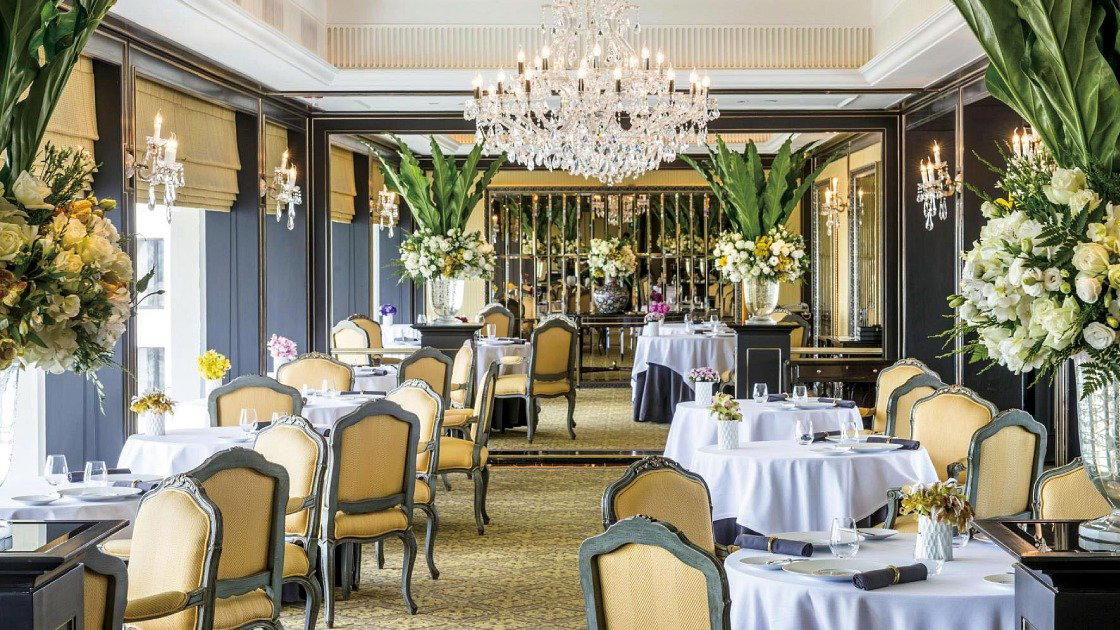
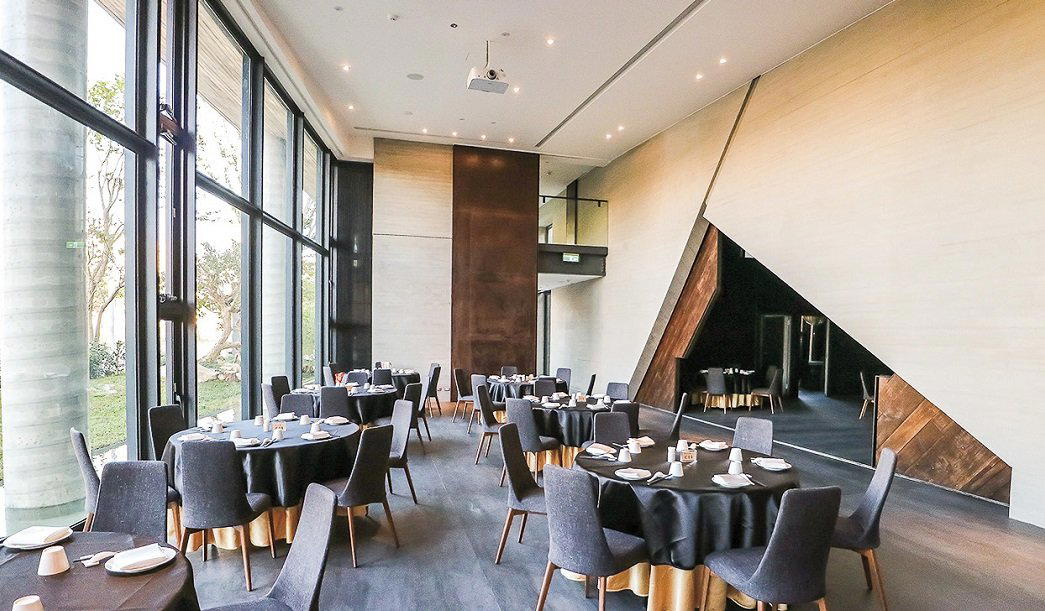
The restaurant sits in Nanjing's Gu Lou district at Shi Zi Qiao, a northern neighbourhood known for Republican-era architecture and a slower tempo than the city's commercial south. The 2025 Michelin Plate recognition places it in Nanjing's tier of credentialed regional dining rooms rather than casual canteen cooking. Expect a setting calibrated to the classical rhythms of Jiangzhe hospitality.
What distinctions does Purple Mountain Garden have?
Purple Mountain Garden has received recognition including: Michelin Plate (2025).
What dish is Purple Mountain Garden famous for?
The restaurant specialises in Jiangzhe cuisine, a tradition that draws from both Jiangsu and Zhejiang cooking and prizes precise seasoning, textural contrast, and slow-braised preparations over heavy spicing. Cold appetiser platters are a structural centrepiece of any Jiangzhe meal and typically reflect where a kitchen's craft is most visible.
What's the cuisine at Purple Mountain Garden?
A Tight Comparison
Comparable venues nearby, for context on price, style, and recognition.
| Venue | Cuisine | Price | Awards | Notes |
|---|---|---|---|---|
| Purple Mountain GardenThis venue (the venue you are viewing) | Traditional Huaiyang Chinese Fine Dining | $50–100 | Michelin Plate | Not listed |
| Plum Garden | Huaiyang & Nanjing Classics | $50–100 | Michelin Plate · Black Pearl 1 Diamond | Xinjiekou, Huaiyang & Nanjing Classics |
| Longyin Shanfang (Jiangning) | Modern Huaiyang Cuisine | $50–100 | Michelin Plate · Black Pearl 1 Diamond | Jiangning, Modern Huaiyang Cuisine |
| Jiangnan Wok | Modern Huaiyang Cuisine | $20–30 | Michelin Plate · Black Pearl 1 Diamond | Xuanwu Lake Scenic Area, Modern Huaiyang Cuisine |
| San Bai Wan Bao Ying Chang Yu Mian | Baoying Rice Paddy Eel Noodles | Not listed | Michelin Bib Gourmand | Xuanwu, Baoying Rice Paddy Eel Noodles |
| The Kitchen | International Buffet with Huaiyang and Cantonese Influences | $30–50 | Not listed | Jiangning District, International Buffet with Huaiyang and Cantonese Influences |
Recognition history
Dated appearances from independent guides and award organizations, with the underlying list record or original source where available.
Michelin Plate
Michelin