Our verdict
Azekura gives Nara’s hotel-dining scene a polished, centrally placed option inside JW Marriott Hotel Nara, useful for travelers who want a composed meal without crossing the city. The stronger editorial reason to pay attention is sourcing: in Nara, serious kitchens are judged by how they handle local produce, mountain vegetables, Yamato traditions, and the seasonal restraint expected across Kansai dining.

Pearl is the En Primeur Club membership app, where members save venues, book tables and use the concierge.
The menu
What to order
- Assorted sushi
- Japanese Kuroge beef sirloin
- Deep fried fish and vegetables
Approaching a hotel dining room in Nara changes the tempo of the meal before a menu appears. The city’s older food culture and quieter dining habits give formal meals a different rhythm from bigger restaurant markets nearby; its newer hotel dining rooms translate that regional vocabulary into a more controlled setting. Azekura sits within a hotel environment in Nara, which places it in a different category from the small independent counters and neighborhood restaurants that shape much of the city’s dining identity.
That distinction matters because Nara is not simply a quieter version of a larger destination, and it should not be read that way. The city’s dining is less theatrical, more dependent on season, texture, and local supply. In this context, the question for a hotel restaurant is not whether it can create spectacle, but whether it can give visitors a coherent way into the region’s ingredients without flattening them into generic luxury-hotel cooking.
Hotel dining in Nara works when the region stays in the foreground
Nara’s ingredient story is older than its current restaurant scene. Local produce, seasonal supply, preserved-food traditions, and a preference for restraint all sit behind the way the city eats. A serious kitchen here has to respect quietness: seasoning that does not bury ingredients, pacing that allows simple courses to carry weight, and a sense that seasonality is not decoration but structure.
Azekura is useful to read against that standard. A hotel dining room has access to travelers who may be eating only one formal meal in Nara. That makes ingredient clarity more important, not less. The room has to translate the place quickly: what grows nearby, what the season is doing, and how Nara differs from louder dining circuits elsewhere in Kansai.
The local comparison is instructive. GOKAN UOGIN and Shikinoaji Enzu sit in the city’s dining conversation, while Shikinosushi KROUTO narrows the frame and BANCHETTI moves the conversation in another direction. Against that group, Azekura’s hotel setting gives it a broader traveler-facing role. It is not competing only on intimacy or specialization; it is competing on whether a polished room can carry regional identity with enough discipline.
The smarter order is guided by season, not spectacle
In Nara, ordering well usually means watching for the ingredients that mark the place rather than chasing a named dish. The city’s food memory is built on restraint, preservation, and the relationship between local habits and season. A menu that leans into those signals will say more about the region than one built around imported luxury markers.
That is the reason ingredient sourcing is the right lens here. Nara’s appeal at the table is not volume or showmanship; it is the way local produce and older techniques can make a meal feel anchored. Travelers moving through Kansai often compare cities by headline restaurants, but Nara rewards a slower reading. A composed hotel restaurant can be valuable when it gives structure to that reading, especially for visitors staying in the city rather than making a brief day trip.
It is whether the kitchen keeps the region visible. If the meal foregrounds seasonal produce, measured pacing, and Nara’s quieter culinary references, the setting makes sense. If it leans too far into anonymous luxury cues, the city around it becomes more interesting than the plate.
Where it fits into a Nara itinerary
Azekura works well as a controlled, low-friction dining choice for travelers who want the comfort of a hotel setting while staying connected to Nara’s local food logic. It is not the same proposition as a small dining room, a counter, or a casual specialist. The advantage is composure: a meal that can absorb different dining needs without requiring the guest to decode the city’s smaller restaurants in advance.
For a wider view of the city, compare it with other Nara dining rooms across different formats and levels of formality. Those contrasts show how compact Nara’s dining range can be: local tradition, imported technique, hotel polish, and neighborhood scale all sit close together.
Use the city guides as a planning frame rather than a checklist: Our full Nara restaurants guide, Our full Nara hotels guide, Our full Nara bars guide, Our full Nara wineries guide, and Our full Nara experiences guide. For broader Japan and overseas context, look to comparable destination guides and other city dining pages rather than treating a single Nara booking as the whole story.
Frequently asked questions
Does Azekura work for a family meal?
Yes. Azekura is in Nara, which makes it a practical choice for mixed-age groups staying in the city. The hotel-style setting is usually easier for families than a small standalone dining room.
What's the vibe at Azekura?
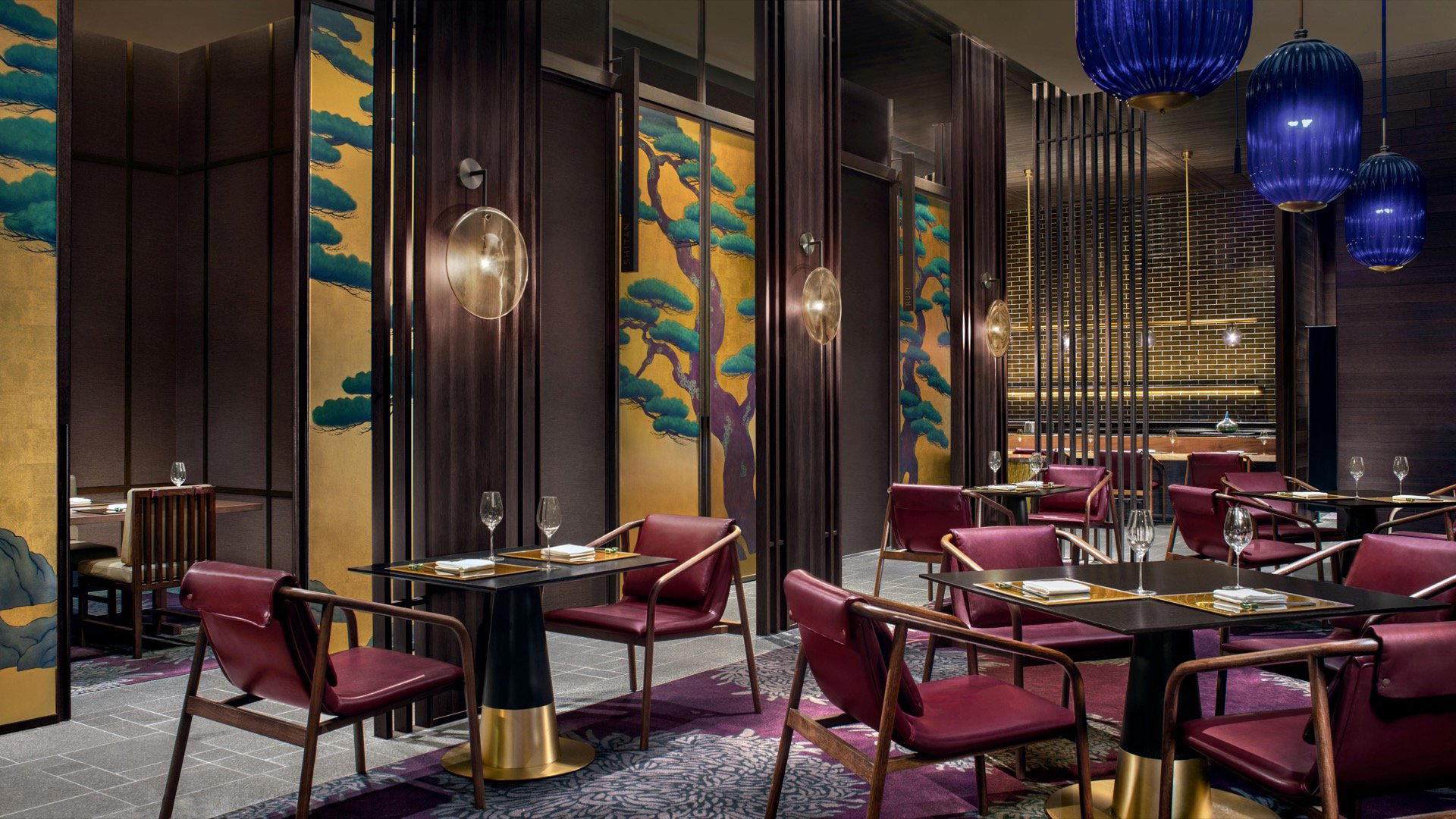
The setting is hotel-based rather than street-front, so the mood is controlled and low-friction. Azekura is in Nara, which points to a polished dining room aimed at travelers staying in or passing through the city.
Where is Azekura in Nara?
Nara.
How hard is it to get a table at Azekura?
Those details are not published. That format usually reads as more accessible than a tiny chef-counter, though availability can still shift with hotel occupancy and local demand. Check the venue's official channels for the latest details.
What's the signature at Azekura?
No specific signature dish is named in the public record. The safest read is a hotel restaurant menu in Nara rather than a single-plate destination, with the city as the main location identifier. Check the venue's official channels for the latest details.
How It Stacks Up
Comparable venues by cuisine and price in the same metro.
| Venue | Cuisine | Price | Awards |
|---|---|---|---|
| AzekuraThis venue (the venue you are viewing) | Japanese Fine Dining | $150–200 | Not listed |
| Silk Road Dining | Japanese-International Fusion | Not listed | Not listed |
| GOKAN UOGIN | Michelin-Starred Seasonal Japanese | $150–200 | 1 Michelin Star |
| Shikinoaji Enzu | Seasonal Kappo | $50–100 | Michelin Bib Gourmand |
| BANCHETTI | Italian with Japanese Fusion | $30–50 | Michelin Plate |
| Shikinosushi KROUTO | Seasonal Sushi | Not listed | Michelin Plate |
Continue exploring
More in Nara
Restaurants in Nara
All restaurants in Nara →
Bars in Nara
All bars in Nara →


Hotels in Nara
All hotels in Nara →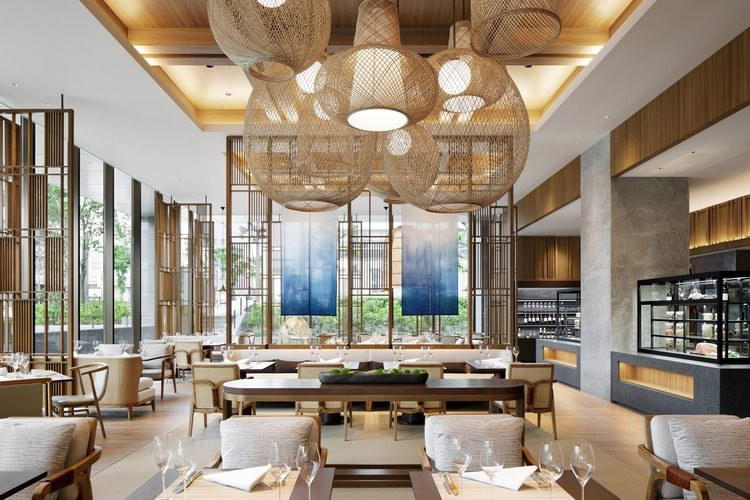
Wineries in Nara
Browse all →
Details
- Elegant
- Sophisticated
- Quiet
- Classic
- Intimate
- Date Night
- Business Dinner
- Group Dining
- Special Occasion
- Hotel Restaurant
- Design Destination
- Private Dining
- Sake Program
- Local Sourcing
- A La Carte
- Set Menu
- Sake
Current opening hours
- Monday
- 11:30 AM–2 PM, 5:30–8:30 PM
- Tuesday
- 11:30 AM–2 PM, 5:30–8:30 PM
- Wednesday
- 11:30 AM–2 PM, 5:30–8:30 PM
- Thursday
- 11:30 AM–2 PM, 5:30–8:30 PM
- Friday
- 11:30 AM–2 PM, 5:30–8:30 PM
- Saturday
- 11:30 AM–2 PM, 5:30–8:30 PM
- Sunday
- 11:30 AM–2 PM, 5:30–8:30 PM
Hours can change for holidays and private events. Hours as of .
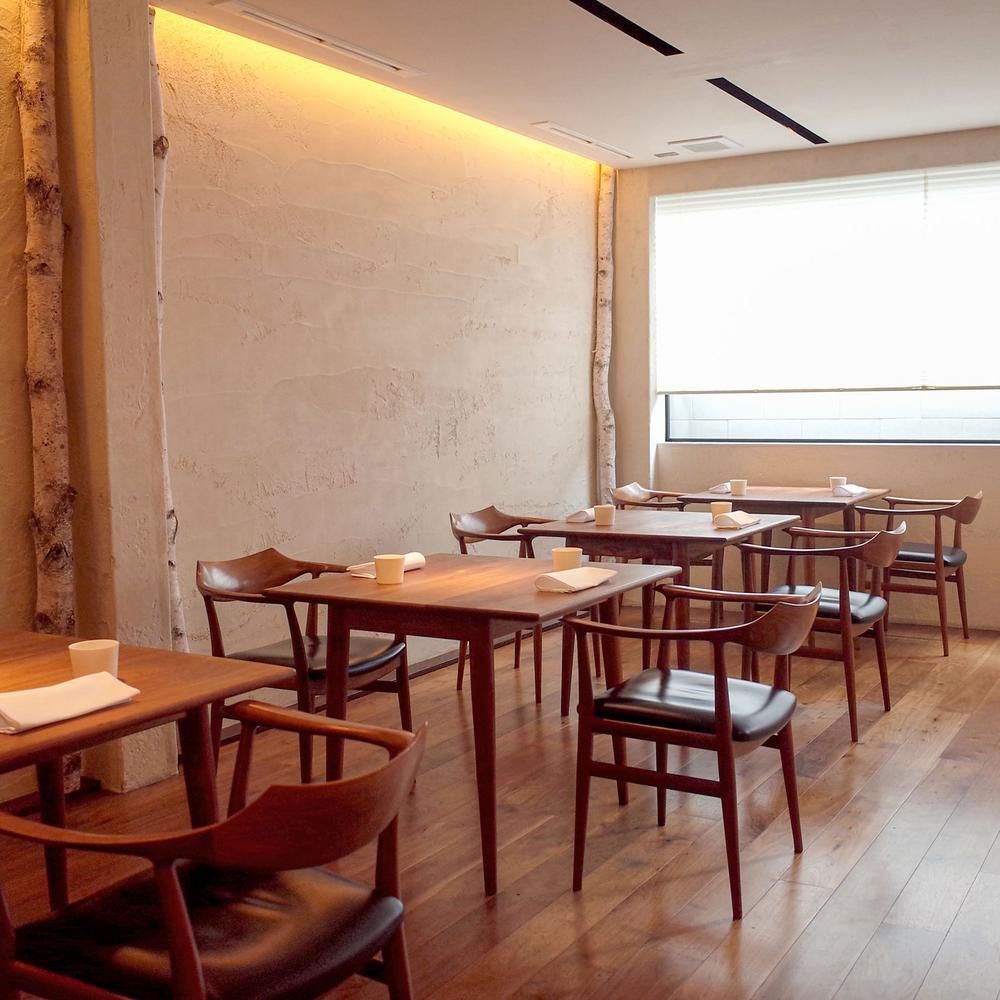
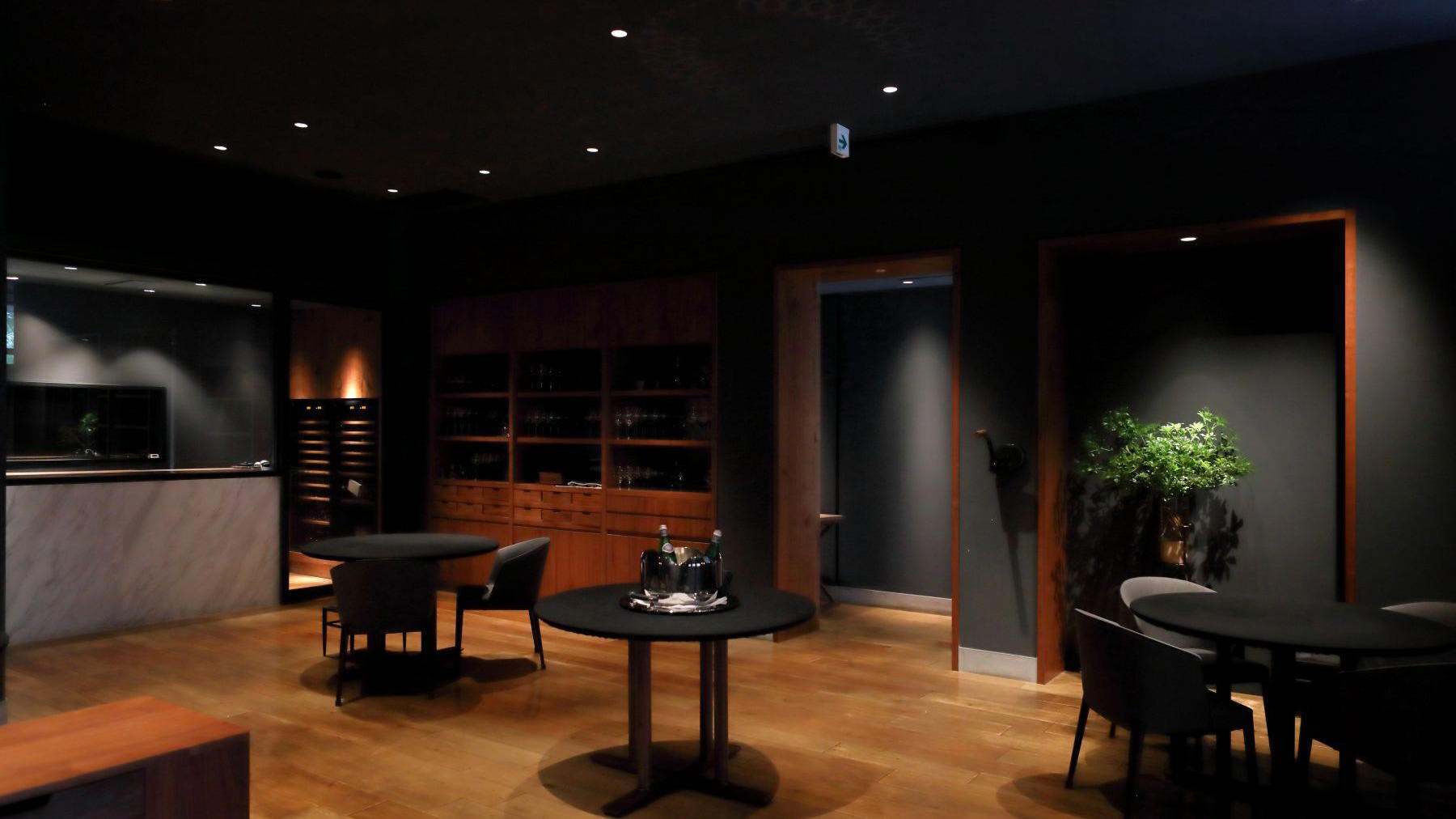
Refined and serene, with an intimate, traditional Japanese atmosphere and design cues drawn from an ancient treasure warehouse.