
Michelin Plate
Our verdict
Coya brings Lima's ceviches, anticuchos, and Nikkei-inflected cooking to the W Doha, earning a Michelin Plate recognition in 2025 and holding. The price point sits at the higher end of Doha's restaurant scene, making it a natural reference point for Peruvian cuisine in the Gulf. For anyone tracing the global spread of Peru's dining culture, this is where it lands in Qatar.

Pearl is the En Primeur Club membership app, where members save venues, book tables and use the concierge.
The menu
What to order
- Salmon nikkei
- Beef short ribs
- Ceviche
Where Andean Traditions Meet the Gulf
Doha's international dining scene has, over the past decade, sorted itself into recognizable tiers: hotel flagships competing with peer properties, mid-market concepts filling the volume trade, and a small cohort of cuisine-specific destinations serious enough to draw guests who travel with a shortlist. Peruvian cooking occupies a curious position in this map. It arrived in the Gulf later than Japanese or Italian, but it arrived with momentum, carried by the global reach of Lima-trained chefs and the reproducible discipline of ceviche technique, Nikkei fusion, and pisco-based drinking culture.
The W Doha address does specific work here. That context shapes how Coya positions itself, pricing at the higher end of the city's scale and drawing a clientele that arrives with prior exposure to the brand from London, Dubai, or elsewhere in the Coya international network.
The Peruvian Template and What It Produces at This Level
Peruvian cuisine, at the premium international tier where Coya operates, is built around a handful of structural pillars: the acid-citrus discipline of ceviche and leche de tigre, the smoke and char of anticucho-style grilling, the Japanese inflections that define Nikkei cooking, and the pisco-driven cocktail program that functions as both aperitivo and signature. These elements are not improvised locally; they follow a template refined in Lima and deployed through international outposts with deliberate consistency.
The Michelin Plate designation, which recognizes cooking of quality without conferring stars, is a meaningful signal in Doha's context. The city's Michelin Guide presence is still developing, and a Plate award at this stage of the guide's local evolution places Coya in a small group of venues receiving formal recognition. For comparison, IDAM by Alain Ducasse holds a full Michelin Star in the same city at the same price tier, which gives some indication of where the Plate sits on the local credibility scale. The gap between Plate and Star is real, but the Plate still signals that the kitchen is operating with consistency and discipline.
The Sweet Side of the Menu: Dessert in the Peruvian Tradition
The dessert chapter of Peruvian restaurant cooking is often where international outposts either commit fully to tradition or drift toward safe, crowd-pleasing neutrality. Lima's pastry heritage draws from Spanish colonial influence, Andean ingredients, and Japanese technique, a combination that produces distinctive results when taken seriously. Tres leches, in its Peruvian iteration, carries a denser milk soak than its Mexican counterpart and frequently incorporates lucuma or maracuya as flavouring agents. Churros in Andean-influenced cooking arrive with a different dipping culture than the Spanish original, often paired with chancaca-based sauces or chocolate blends that carry bitterness alongside sweetness.
At the premium international tier where Coya operates, these dessert traditions serve as a test of how seriously the kitchen is engaging with its source material. The global Coya network has built its reputation on visual presentation and ingredient sourcing, and the dessert course is where that investment either pays off or reveals shortcuts.
For readers who want to compare how Peruvian dessert traditions translate across different international markets, the spread is genuinely wide: Amaru by Claudia Canessa in St. Moritz operates in an Alpine luxury context, while Miraflores in Lyon interprets the tradition through a French culinary lens. In Latin America, Ama.zo in São Paulo and its sibling Ama.zo at Pátio Higienópolis place the cuisine within Brazil's own hybrid food culture.
Coya in Doha's Competitive Frame
At the ﷼﷼﷼﷼ price tier, Coya shares its bracket with a small group of Doha restaurants. IDAM by Alain Ducasse anchors the French end of that tier with a Michelin Star. Hakkasan occupies the Chinese position at equivalent pricing. Against these peers, Coya's Peruvian focus gives it a cuisine-specific distinction that the other high-end hotel restaurants in the city do not replicate. La Mar by Gastón Acurio is the other significant Peruvian address in Doha, and the two operate as the primary reference points for the cuisine in the city, serving different guest profiles at comparable quality registers.
The broader Doha dining picture extends to Baron for Middle Eastern cooking, Alba for Italian, and TONO as another option worth considering in the city's evolving contemporary scene. For a full view of where Coya sits among Doha's restaurants, our full Doha restaurants guide maps the complete picture across cuisines and price tiers.
Peruvian cooking at this international level now has enough reference points across cities to allow meaningful comparison. Causa in Washington D.C., ITAMAE in Miami, Maty's in Miami, and Papa Llama in Orlando each interpret the cuisine for their local markets. The Gulf iteration, as represented by Coya Doha, skews toward presentation-led formality and international consistency over local adaptation.
Planning a Visit
Coya operates from the W Doha Hotel and Residences at Building 262, Street 831, Diplomatic Street. The hotel address makes it accessible by taxi or ride-share from central Doha, and the diplomatic quarter location means parking availability if arriving by car. As a ﷼﷼﷼﷼-tier restaurant, budget accordingly for a full dinner with cocktails. For further context on Doha's hotel properties, drinking options, and experiences worth combining with a visit to Coya, see our Doha hotels guide, Doha bars guide, and Doha experiences guide. A Doha wineries guide is also available for those exploring the wine options in the city.
Frequently asked questions
What does dinner at Coya typically cost?
Pricing at Coya is listed as ﷼﷼﷼﷼.
Where exactly is Coya?
Coya is located at W Doha Hotel & Residences, Diplomatic St, Building 262, Street 831, Doha, Qatar, Doha.
Cuisine and Recognition
Comparable venues nearby, for context on price, style, and recognition.
| Venue | Cuisine | Price | Awards | Notes |
|---|---|---|---|---|
| CoyaThis venue (the venue you are viewing) | Modern Peruvian | Not listed | Michelin Plate | Not listed |
| Shanghai Me Doha | Modern Cantonese Fine Dining | $50–100 | Michelin Plate | West Bay |
| Rivaaj | Heritage Indian Fine Dining | Not listed | Michelin Plate | West Bay |
| Nobu | Japanese Fusion Fine Dining | Not listed | Michelin Plate · We're Smart World 1 Radish | West Bay |
| Hakkasan | Modern Cantonese | $100–150 | Michelin Plate | West Bay |
| yūn | Modern Cantonese & Taishanese | $100–150 | Michelin Plate | West Bay |
Recognition history
Dated appearances from independent guides and award organizations, with the underlying list record or original source where available.
Michelin Plate
Michelin
Continue exploring
More in Doha
Restaurants in Doha
All restaurants in Doha →
Bars in Doha
All bars in Doha →

Details
- Lively
- Elegant
- Trendy
- Energetic
- Sophisticated
- Date Night
- Special Occasion
- Group Dining
- Celebration
- Open Kitchen
- Hotel Restaurant
- Craft Cocktails
- Small Plates
- A La Carte
- Pisco Bar
- Vegetarian Friendly
- Vegan Options
- Gluten Free Options
Current opening hours
- Monday
- 12 PM–1 AM
- Tuesday
- 12 PM–1 AM
- Wednesday
- 12 PM–1 AM
- Thursday
- 12 PM–1 AM
- Friday
- 12 PM–1 AM
- Saturday
- 12 PM–1 AM
- Sunday
- 12 PM–1 AM
Hours can change for holidays and private events. Hours as of .
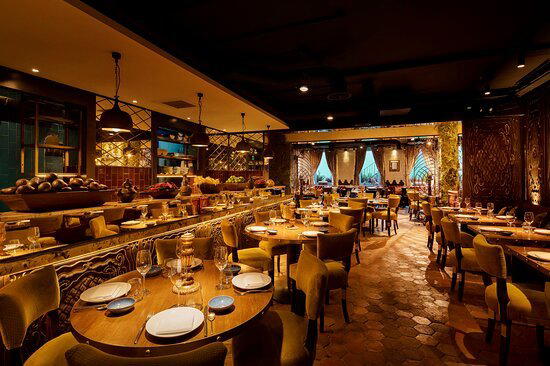
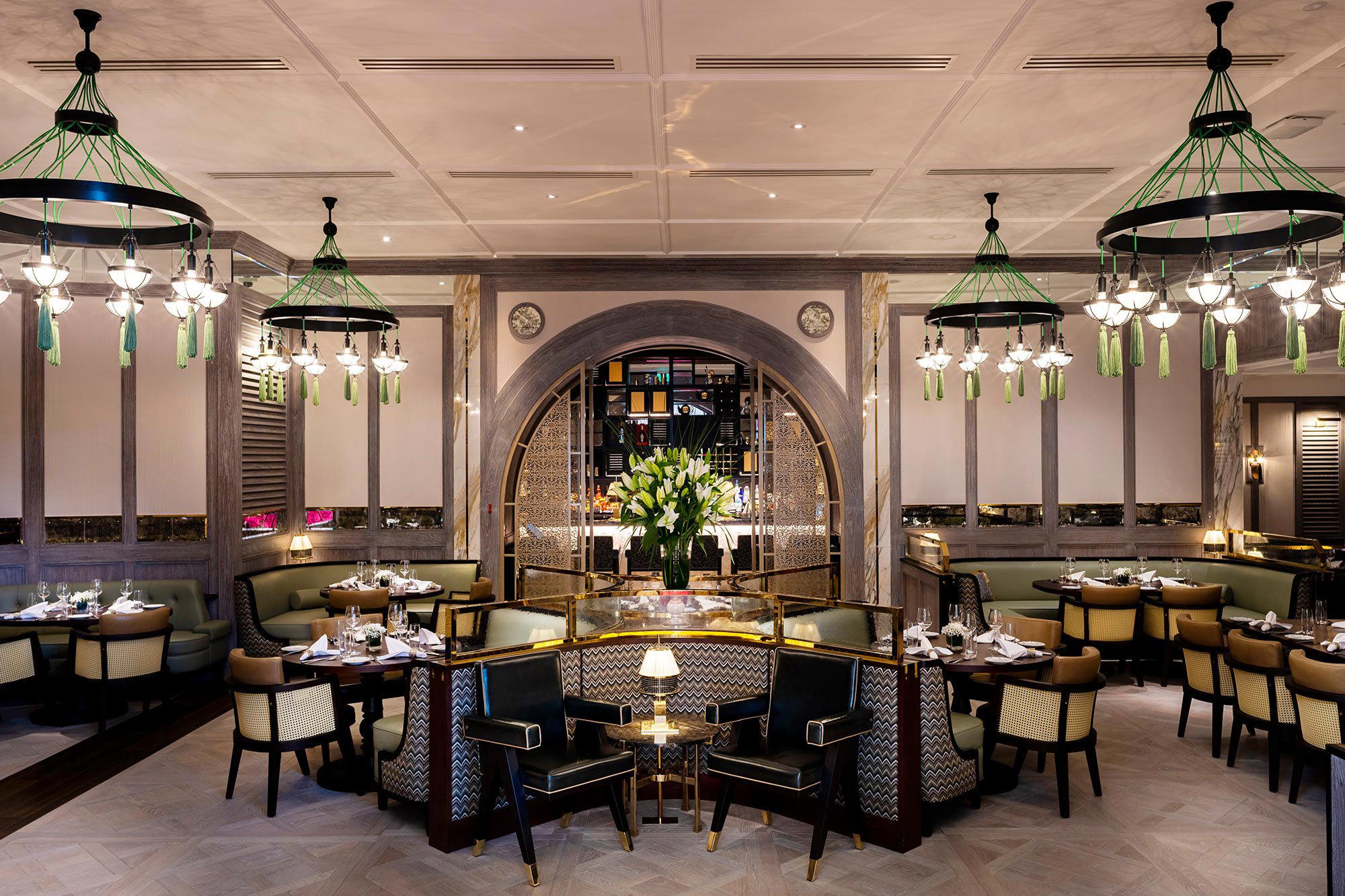
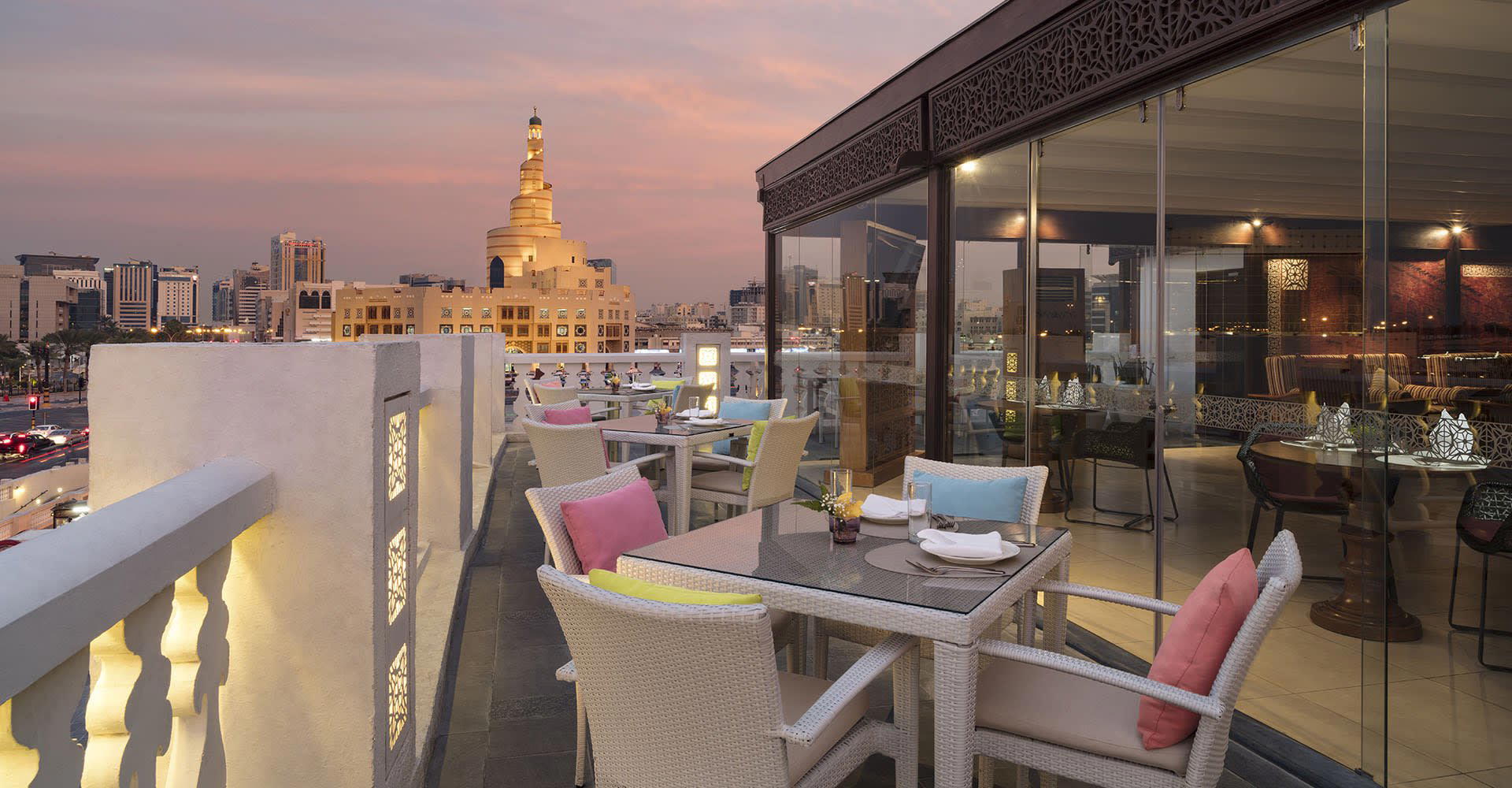
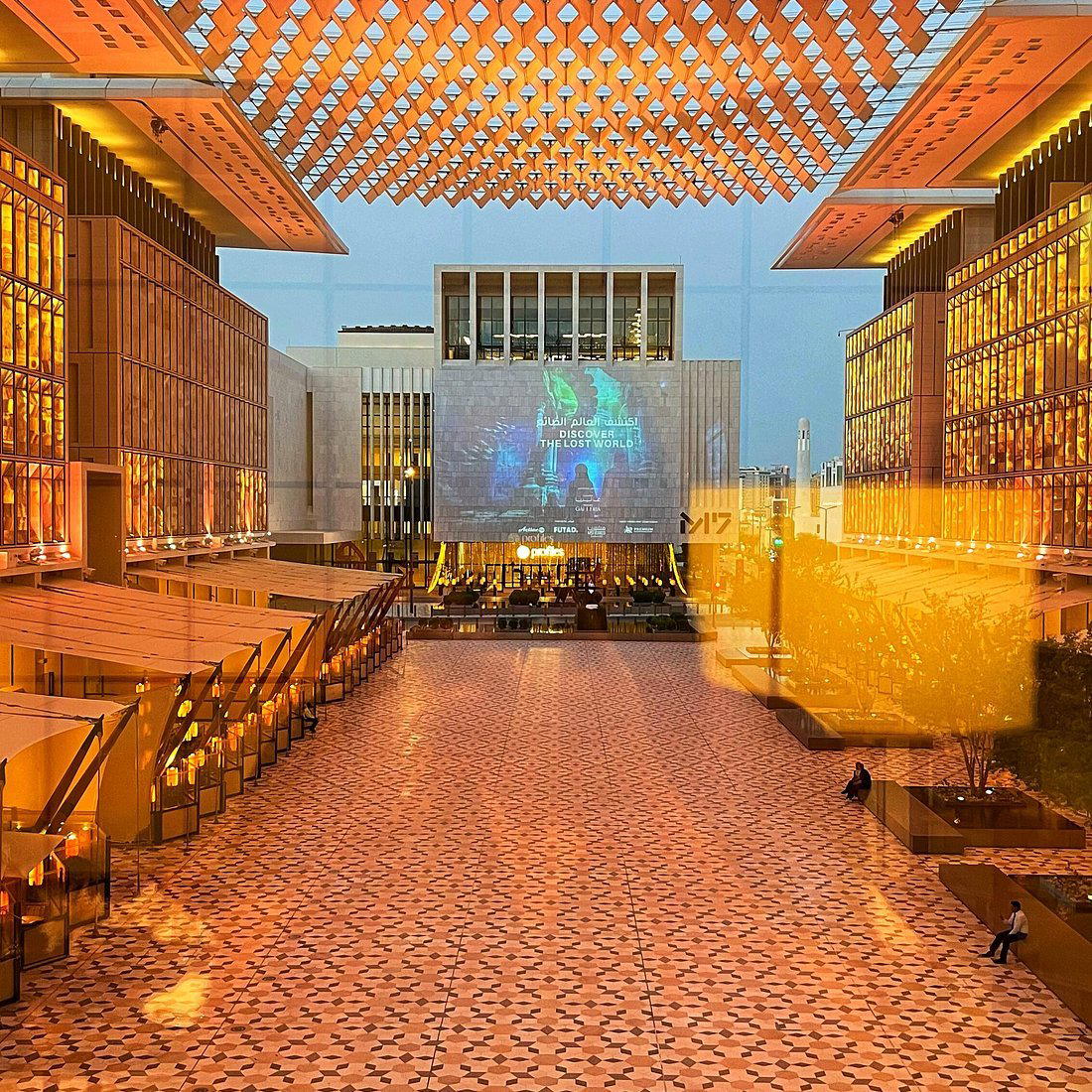
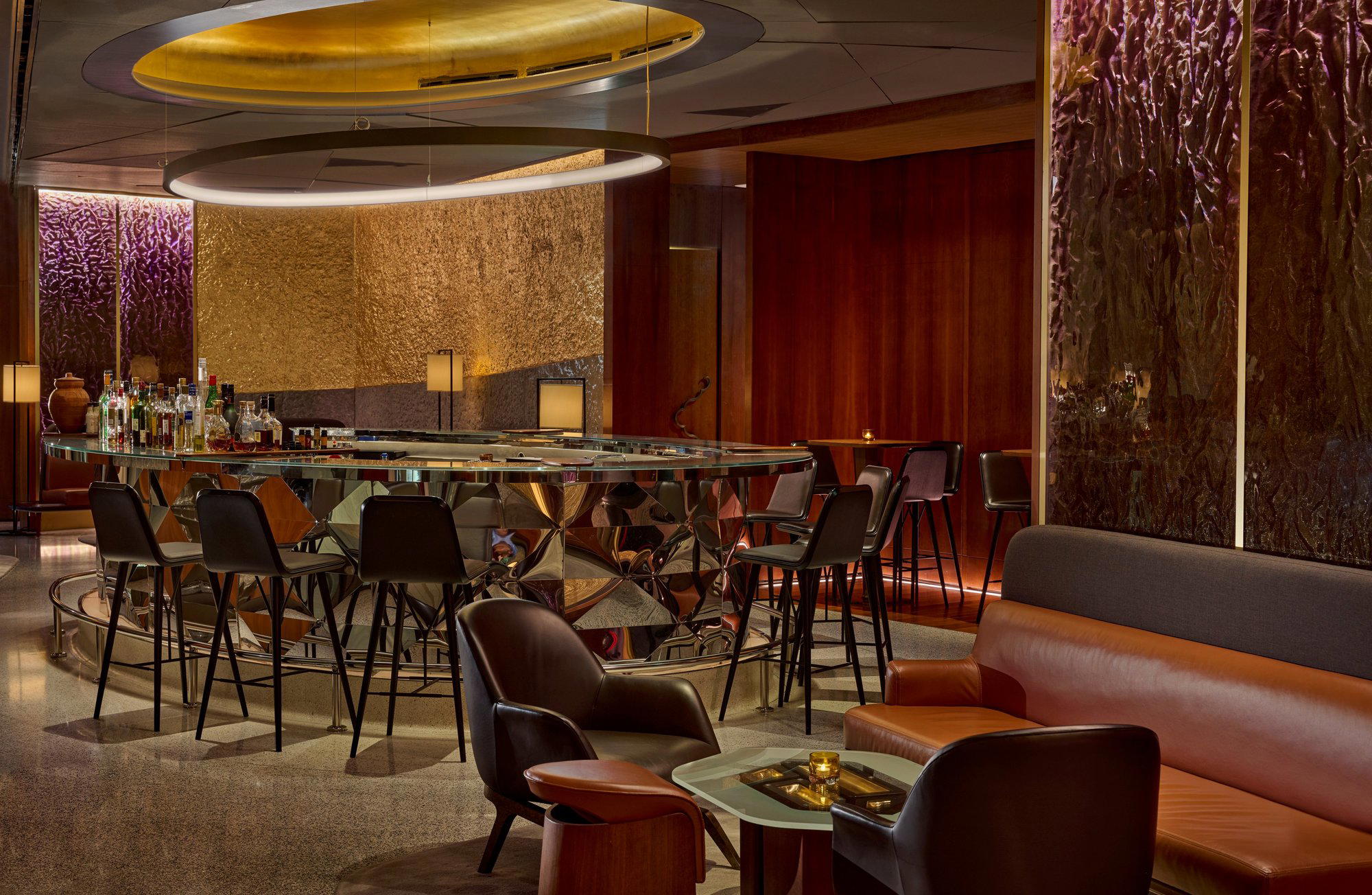
Lively and lively atmosphere with moody, intimate split-level lighting, dramatic Aztec-inspired decor, and energetic music that creates a fun, sophisticated dining vibe.