


La Liste Top Restaurants · Wine Spectator Award of Excellence · Tatler Listed in Best Restaurants Asia-Pacific
Our verdict
Inside ITC Grand Chola in Chennai's Guindy district, Avartana reframes South Indian cooking through tasting menus of seven to thirteen courses that treat spice as architecture rather than background heat. Scoring 89 points in La Liste's 2026 global ranking, the restaurant holds a place at the serious end of India's fine-dining tier. Book ahead; it does not operate as a walk-in destination.

Pearl is the En Primeur Club membership app — saves, bookings, and concierge access live there. Same editors, same standards.
- Address
- ITC Grand Chola, Little Mount, Guindy, Chennai, Tamil Nadu 600032, India
- Phone
- +91 44 2220 0000
- Hours
- Mon–Fri 7–11 PMSat–Sun 12–2:30 PM
- Website
- itchotels.in
- Directions
- Get directions
- Booking
- Book on the venue's website
The menu
What to order
- Cauliflower Crunch
- Spiced Aubergine
- Fennel Panna Cotta
- Uthukuli Morel
- Pan Seared Lobster
Where South Indian Spice Becomes Structure
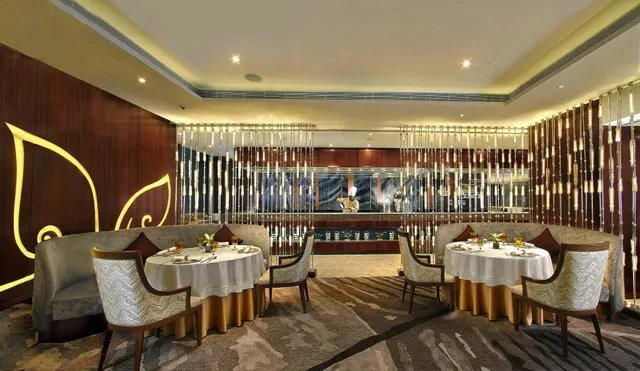
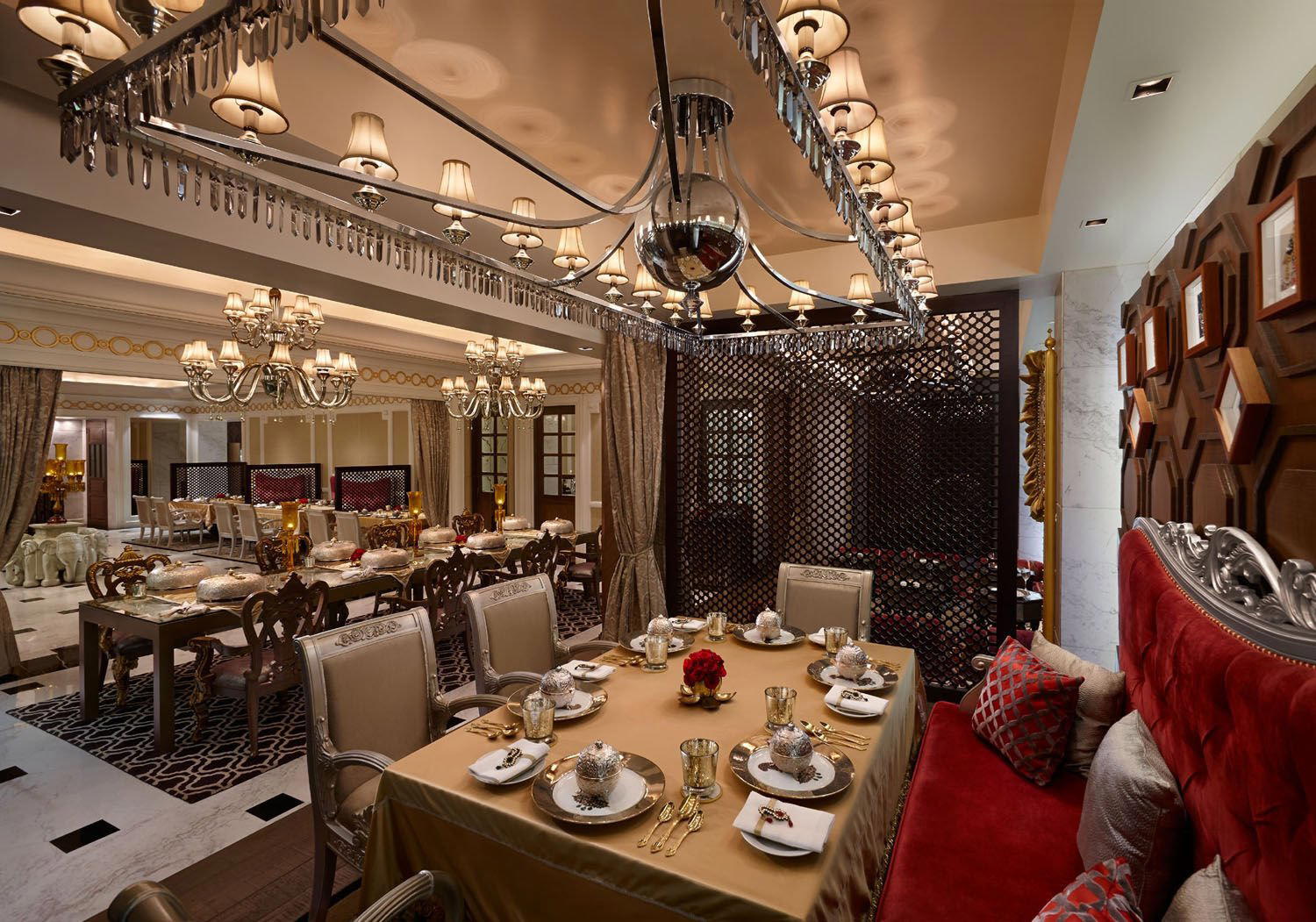
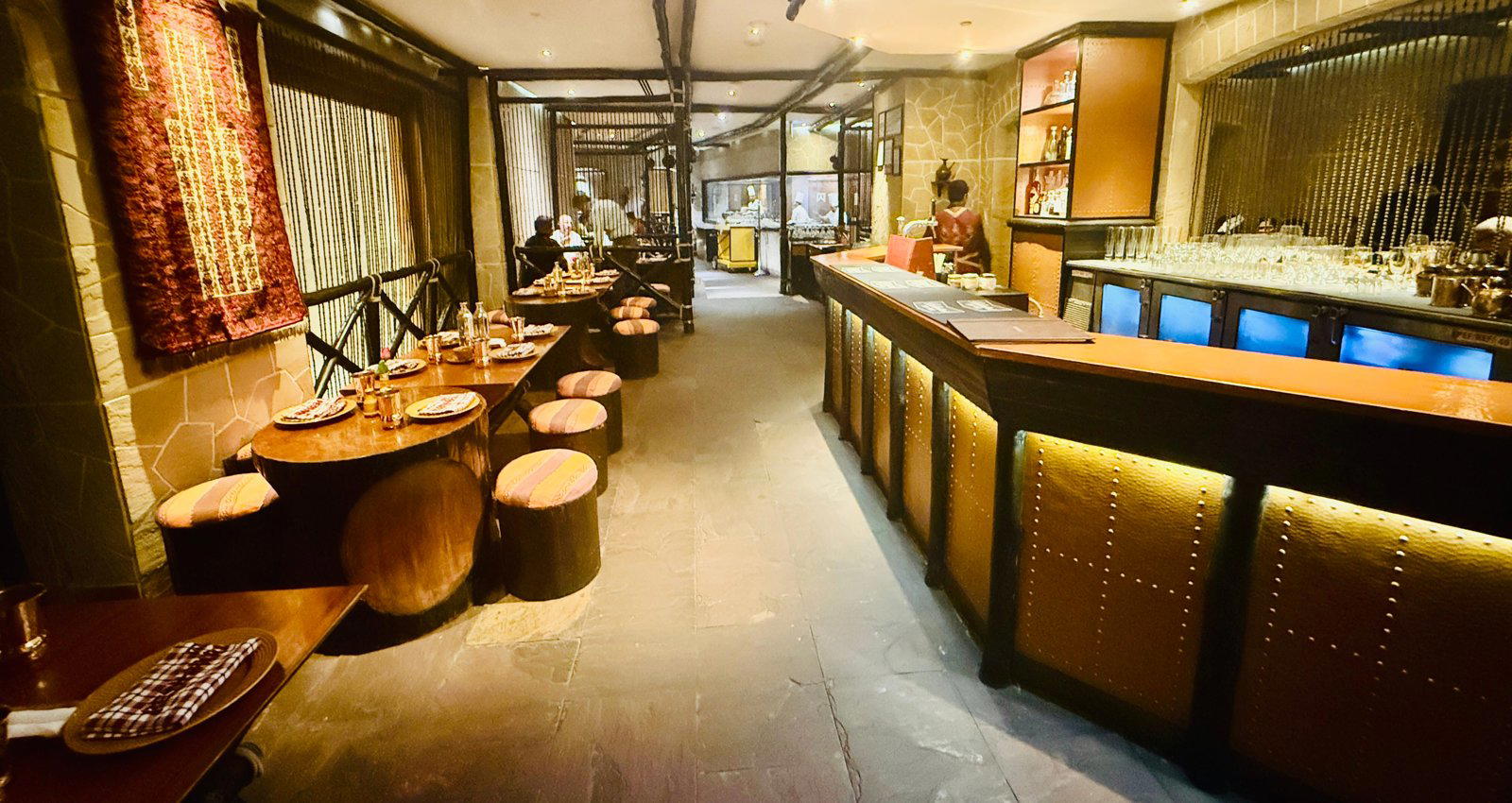
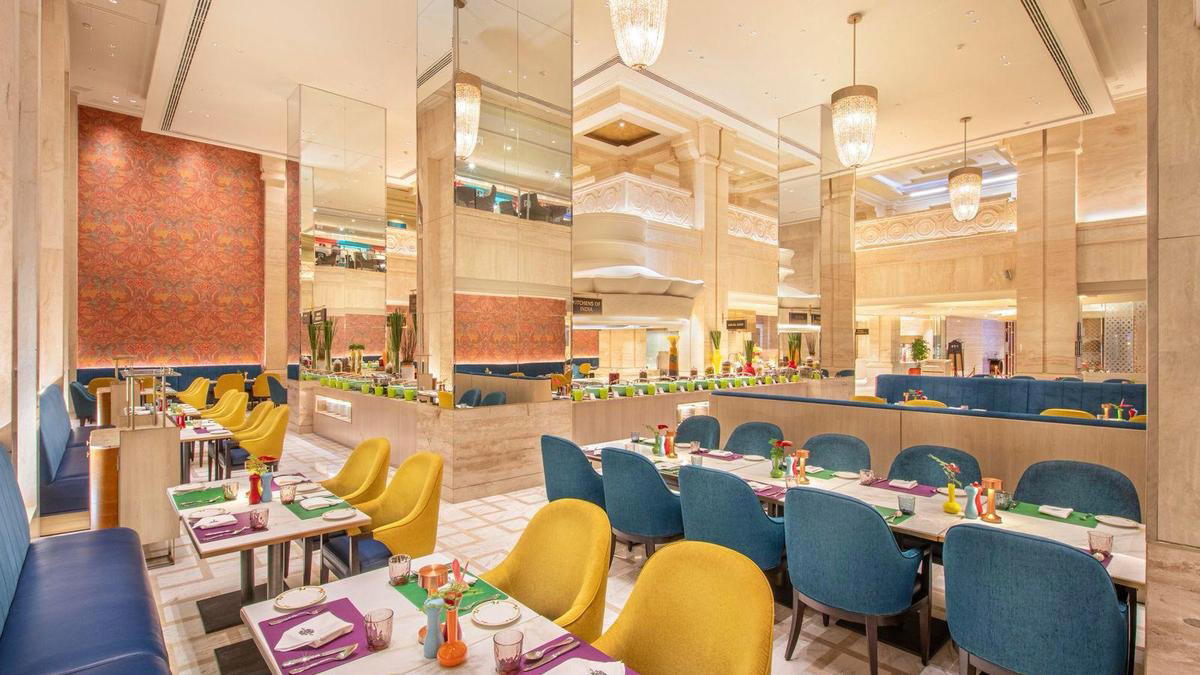
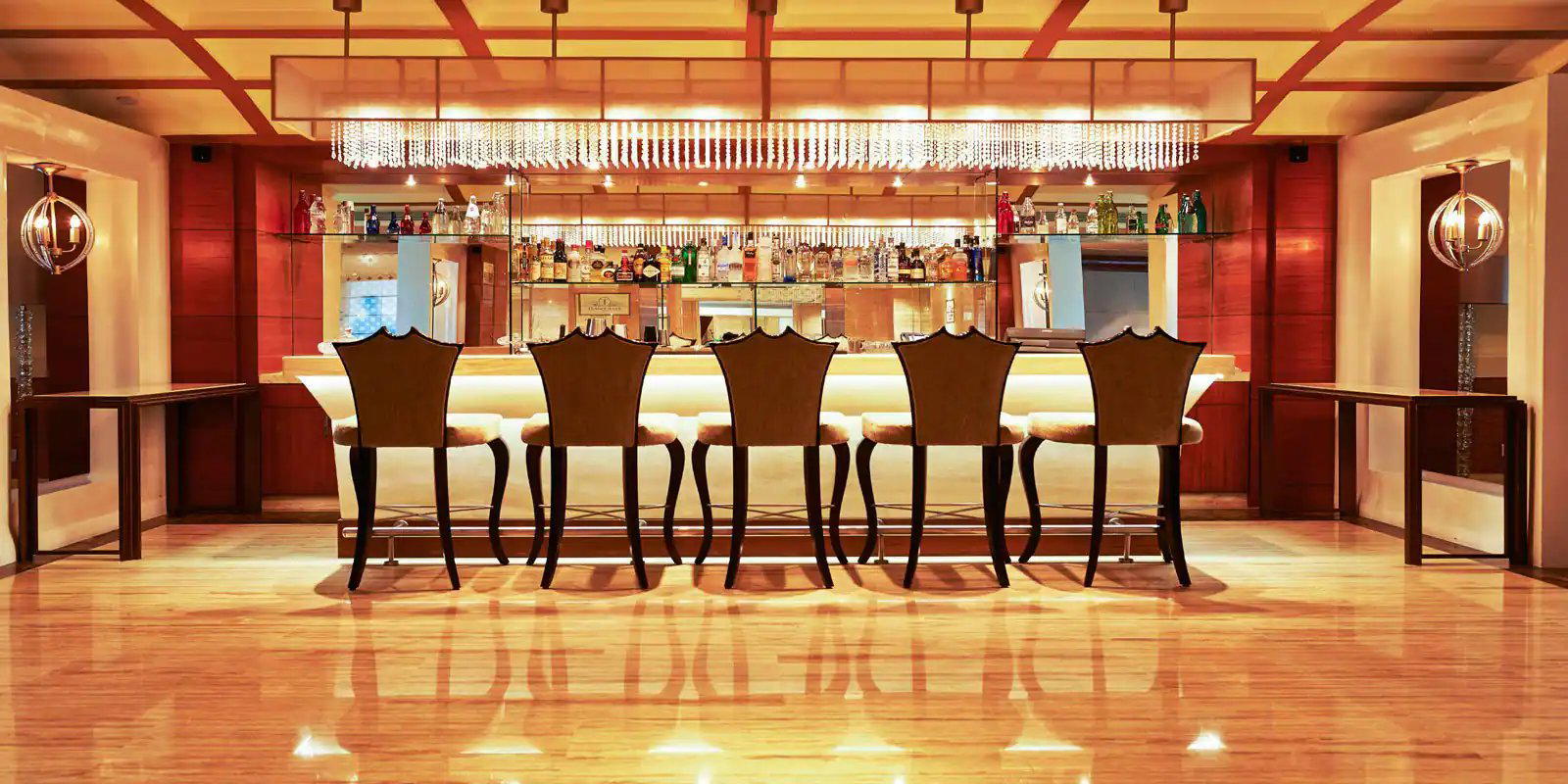
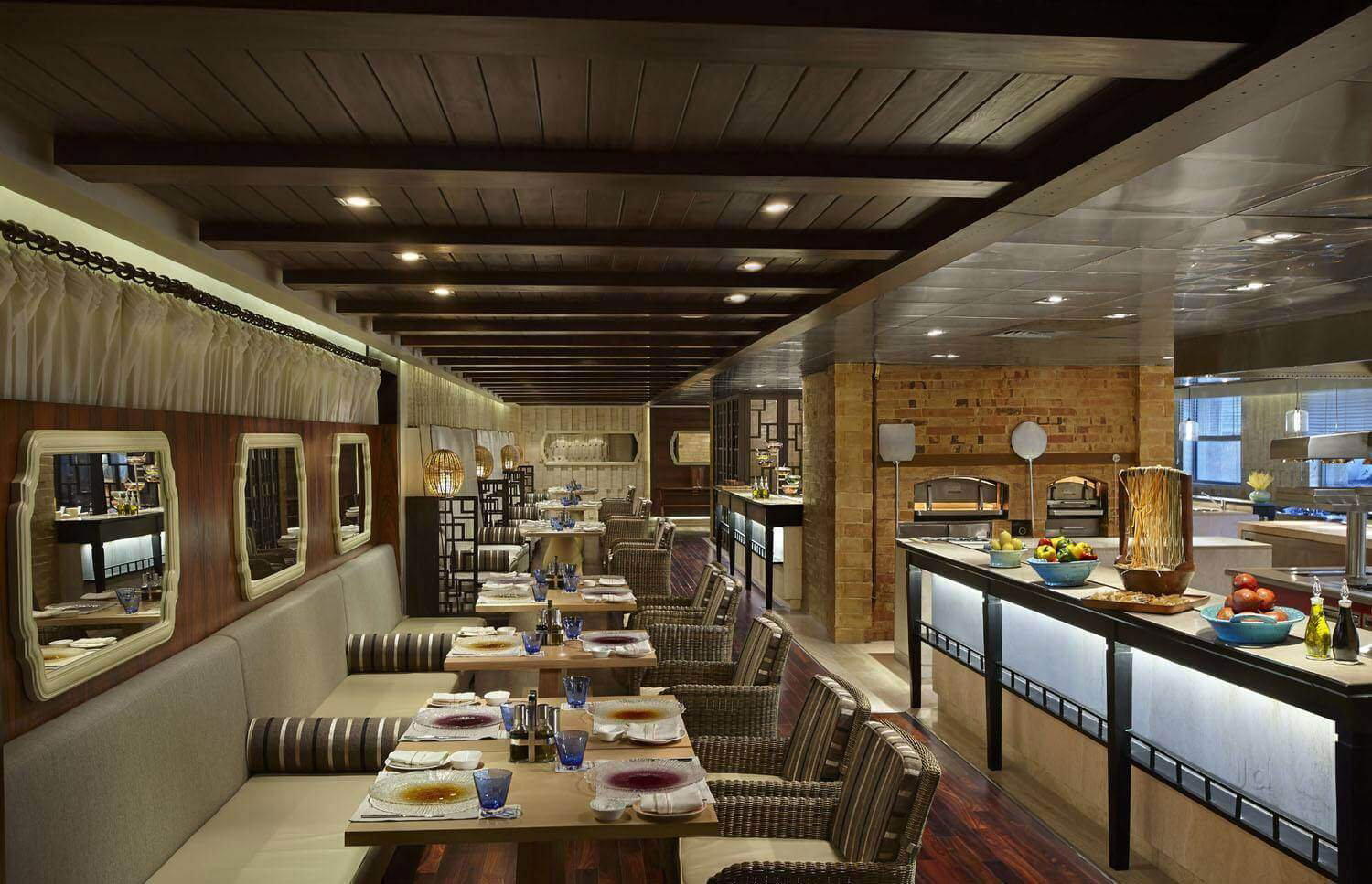
The dining rooms of India's serious tasting-menu restaurants share a common challenge: how do you honour a cooking tradition defined by bold, layered flavour while shifting it into a format that requires precision, restraint, and sequence? At Avartana, inside the ITC Grand Chola on Little Mount in Chennai's Guindy district, the answer is built into the spice logic itself. Chandelier-inspired lighting fractures across a jewel-like interior, and a Kerala canoe mural anchors the room to the geography the kitchen draws from. The physical environment signals intent before the first course arrives.
Avartana sits in a tier of Indian fine dining that has grown more defined over the past decade, where the reference points are not North Indian Mughal lineage (as at Dum Pukht in New Delhi) but the spice economies of the Deccan plateau and the Coromandel and Malabar coasts. That tradition — coconut, curry leaf, tamarind, black pepper, mustard seed, dried chilli — has its own architecture, one that depends on sequence: which spices are whole, which are tempered, which are bloomed in fat, which arrive ground into a paste that has cooked for hours. Avartana uses contemporary technique not to replace that architecture but to make it legible at a tasting-menu pace.
The Spice Logic of the Tasting Menu
Across Indian culinary traditions, the distinction between a spice that is whole-toasted, one that is bloomed in hot oil, and one that is ground fresh carries enormous flavour consequence. A mustard seed that pops in ghee delivers a nutty, almost smoky note; the same seed left whole in a dry preparation tastes sharp and raw. Tamarind reduced long and slow concentrates into something close to aged balsamic; added late, it reads as acid. These are not decorative decisions. They are structural ones, and they require the same kind of disciplined sequencing that defines any serious tasting menu format, whether at Atomix in New York City threading Korean pantry logic through a modern kaiseki framework, or at Le Bernardin in New York City treating classical French sauce work as load-bearing infrastructure.
Avartana's menus run from seven to thirteen courses, each built as a small bite that isolates or layers specific spice moments. Infusions appear alongside delicate textures; familiar South Indian ingredients arrive in forms that clarify rather than disguise their flavour identity. The approach aligns Avartana with a cohort of Indian restaurants, including Farmlore in Bangalore and Naar in Kasauli, that treat regional ingredient culture as the primary creative material rather than as decoration over an international framework.
What the La Liste Score Tells You
La Liste's 2026 ranking placed Avartana at 89 points, up from 76 points in 2025. That trajectory, thirteen points in a single cycle, is not a minor revision. In a ranking that aggregates critical reviews, food authority scores, and digital signals across roughly 1,000 restaurants globally, a gain of that size reflects sustained critical attention rather than a single favourable cycle. The 2025 score already placed Avartana inside the top tier of Indian restaurants on the global list; the 2026 figure confirms the positioning rather than announcing it for the first time.
Within Chennai specifically, the restaurant operates in a different register from the city's other serious South Indian addresses. Southern Spice at the Taj Coromandel works within a traditional format, a broad regional menu served à la carte, with deep coverage of Tamil, Andhra, Karnataka, and Kerala cooking. Kappa Chakka Kandhari focuses specifically on Kerala cuisine with a community-rooted sensibility. Avartana operates in neither register.
Setting and Context Inside ITC Grand Chola
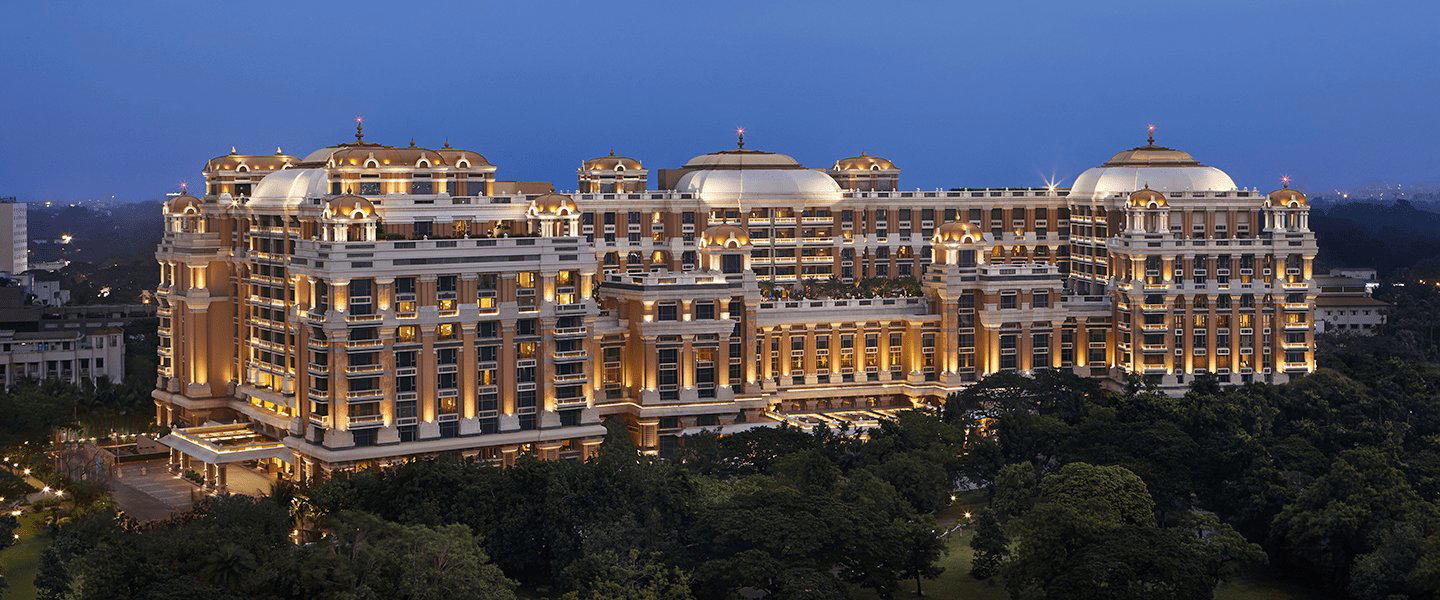
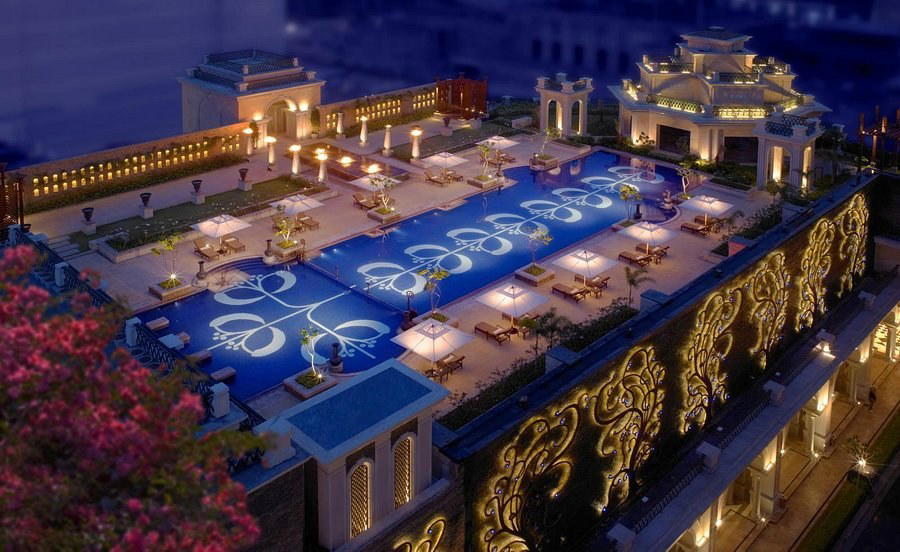
The ITC Grand Chola is one of the larger luxury hotel footprints in South India, and its scale shapes the experience of reaching Avartana. The hotel's public architecture draws from Chola temple design, with high ceilings and stone detailing that front a property of considerable size. Avartana sits within this context as a specialist room, a contained, low-capacity environment designed to operate at a different register from the hotel's other dining outlets. This model, where a large luxury hotel creates a single high-concept restaurant as a flagship, has precedents across the subcontinent, but the execution varies considerably. At Avartana, the interior design choices do real work: the lighting scheme and the Kerala mural create a sense of specific geographic and cultural location that earns its place in a room designed for a global hotel audience.
For travellers combining Avartana with broader Chennai dining, the city's coastal restaurants, including Taj Fisherman's Cove, offer a contrasting register focused on fresh seafood in an open-air setting. The two experiences address completely different parts of a Chennai dining itinerary. Avartana is an evening of deliberate sequencing; the coastal options are about immediate, place-specific pleasure. Both are worth the time, and neither substitutes for the other.
Planning a Visit
Avartana is located at ITC Grand Chola, Little Mount, Guindy, Chennai, a district in the south of the city, accessible by metro (Guindy station on the Green Line) or by road from the central hotel and restaurant corridors around Anna Salai. The tasting-menu format and the restaurant's La Liste recognition mean that advance booking is advisable, particularly on weekends and during the November-to-February period when Chennai's climate draws more visitors and corporate travel peaks. Walk-in availability depends entirely on occupancy; given the restaurant's scoring trajectory and the structured menu format, arriving without a reservation carries real risk of not being seated. Confirmation of current hours and booking method is leading done directly through ITC Grand Chola's reservations team.
For wider context on where Avartana sits within Chennai's dining scene, and for coverage of bars, hotels, and experiences in the city, see our full Chennai restaurants guide, our full Chennai hotels guide, our full Chennai bars guide, our full Chennai wineries guide, and our full Chennai experiences guide. For comparable tasting-menu ambition elsewhere in India, Bomras in Anjuna, Baan Thai in Kolkata, and Chandni in Udaipur each take a different regional tradition through a similarly deliberate format lens.
Frequently asked questions
What awards or recognition does Avartana have?
Avartana has received recognition including: La Liste Top Restaurants (2026): 89pts; Avartana creates a couture dining experience inside a jewel like space, where chandelier inspired lighting and a Kerala canoe mural set a refined mood. The tasting menus span seven to thirteen courses….
What do regulars order at Avartana?
Avartana operates on a fixed tasting-menu format spanning seven to thirteen courses, so there is no à la carte selection. Regulars choose between the menu lengths based on appetite and time — the thirteen-course format gives the fullest reading of the kitchen's approach to South Indian tradition through contemporary technique. La Liste awarded the restaurant 89 points in 2026, which reflects the consistency that brings guests back rather than variety of choice.
What's the address for Avartana?
Avartana is located at ITC Grand Chola, Little Mount, Guindy, Chennai, Tamil Nadu 600032, India, Chennai.
Do they take walk-ins at Avartana?
Walk-in availability is not guaranteed. The tasting-menu format, the restaurant's position inside ITC Grand Chola, and a La Liste score of 89 points in 2026 — up from 76 in 2025 — all point to a venue where advance reservations are the practical default. Contacting ITC Grand Chola directly at Little Mount, Guindy, Chennai is the most reliable route to securing a table.
What has Avartana built its reputation on?
Avartana's reputation rests on treating South Indian cuisine as the primary creative framework for a multi-course tasting format, rather than using Western fine-dining structures as the template and adding regional notes as garnish. The kitchen works with South Indian spice logic — whole-toasted, bloomed, ground fresh — as structural decisions, not decoration. La Liste recognised this positioning with 89 points in 2026, a thirteen-point gain over its 2025 score.
Is Avartana suitable for guests unfamiliar with South Indian cuisine?
The tasting-menu format at Avartana, which runs seven to thirteen courses, is designed to guide guests through South Indian culinary traditions sequentially rather than assume prior familiarity. Each course reframes classic ingredients and spice techniques within a contemporary structure, giving context through the progression itself. La Liste's 89-point rating in 2026 reflects a kitchen that communicates its regional identity legibly, which makes the format accessible to guests approaching Chennai's fine-dining scene for the first time.
Side-by-Side Snapshot
| Venue | Cuisine | Price | Awards |
|---|---|---|---|
| AvartanaThis venue — the venue you are viewing | Progressive Southern Indian Fine Dining | $50–100 | La Liste Top Restaurants · Wine Spectator Award of Excellence |
| Kappa Chakka Kandhari | Authentic Kerala Cuisine | $10–20 | The Best Chef One Knife |
| Southern Spice | Authentic Southern Indian Fine Dining | Not listed | Not listed |
| Taj Fisherman's Cove | Coastal Seafood and Multi-Cuisine | $50–100 | Not listed |
Recognition history
Dated appearances from independent guides and award organizations, with the underlying list record or original source where available.
La Liste Top Restaurants
La Liste
Wine Spectator Award of Excellence
Wine Spectator
Tatler Listed in Best Restaurants Asia-Pacific
Tatler
Full recognition history (4 entries)
La Liste Top Restaurants
La Liste
Continue exploring
More in Chennai
Restaurants in Chennai
Browse all →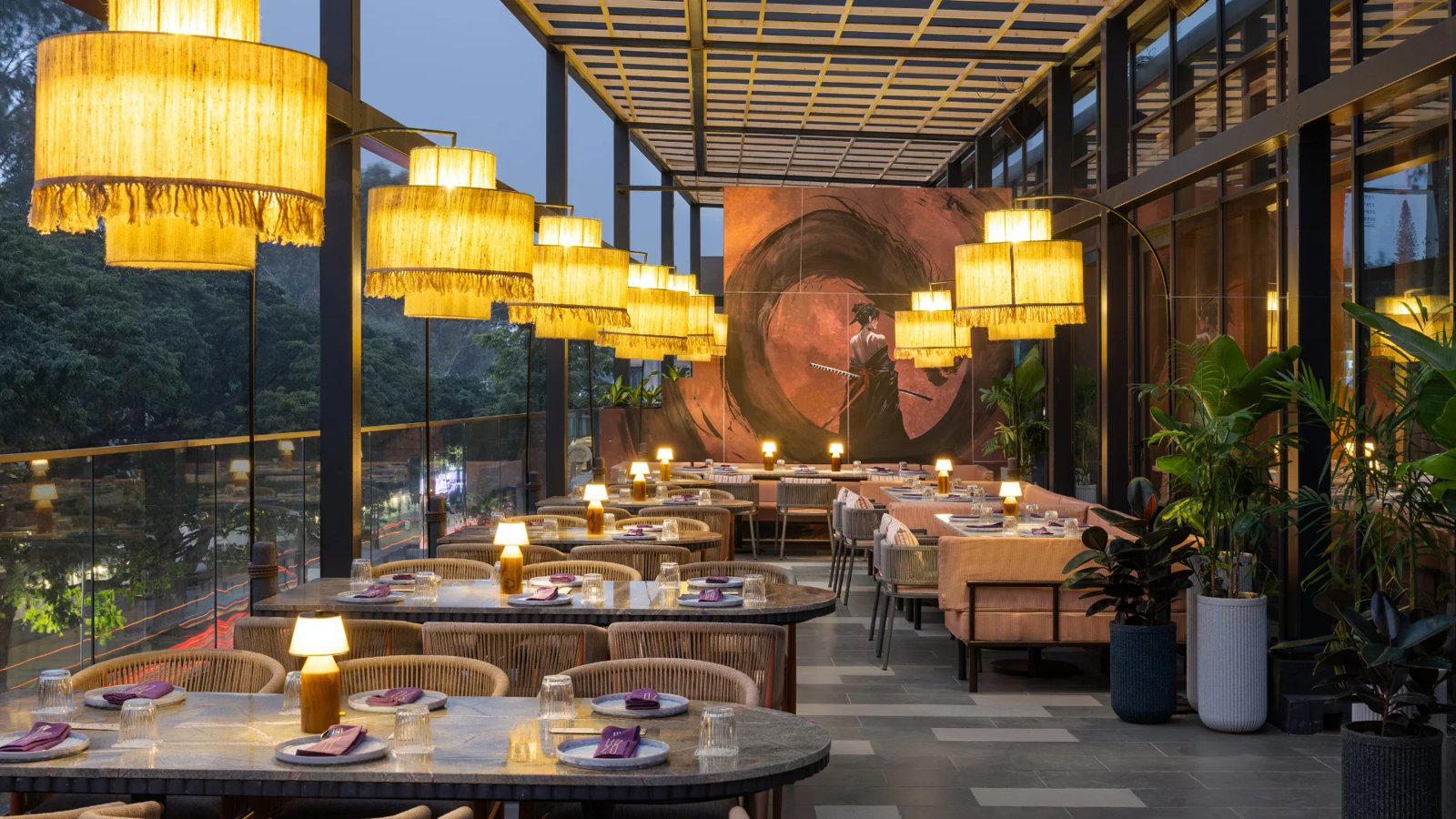
Details
- Elegant
- Sophisticated
- Modern
- Special Occasion
- Date Night
- Celebration
- Hotel Restaurant
- Private Dining
- Craft Cocktails
- Sommelier Led
- Local Sourcing
- Tasting Menu
- Vegetarian Friendly
- Vegan Options
- Gluten Free Options
Current opening hours
- Monday
- 7–11 PM
- Tuesday
- 7–11 PM
- Wednesday
- 7–11 PM
- Thursday
- 7–11 PM
- Friday
- 7–11 PM
- Saturday
- 12–2:30 PM
- Sunday
- 12–2:30 PM
Hours can change for holidays and private events. Last verified .
Glittering chandelier-walled dining room with subtle sophistication, lively and funky shaped area fostering an elegant atmosphere.