Chez Michèle

1 Michelin Star
Our verdict
A Michelin-starred table in the Moselle lake district, Chez Michèle has evolved from village café to serious gourmet destination under chef Bruno Poiré, who trained with Georges Blanc and Antoine Westermann. The kitchen produces precise, generous modern cuisine with a Mediterranean inflection, served in a contemporary room on Languimberg's main street.

Pearl is the En Primeur Club membership app, where members save venues, book tables and use the concierge.
The menu
What to order
- Homard breton tranché au caviar
- Bar breton aux petits pois
A Village Address, a Wider Culinary Conversation
In the Moselle département of northeastern France, the stretch of lakes and forested hillsides around Languimberg occupies an unlikely position in French fine dining. This is not a corridor most international travellers associate with starred kitchens. The grands maisons of Alsace Auberge de l'Ill in Illhaeusern and Au Crocodile in Strasbourg, have long anchored the region's culinary reputation. Yet Moselle has its own, quieter story, and Chez Michèle at 57 Rue Principale is the clearest evidence of it. The building has carried several identities over the decades: village café, family inn, and now a Michelin-starred table that draws guests from well beyond the lake district. That trajectory from local fixture to recognised destination is a pattern seen in other remote French addresses, from Bras in Laguiole to Auberge du Vieux Puits in Fontjoncouse, where geographic isolation became a point of identity rather than a constraint.
The Room and the Setting
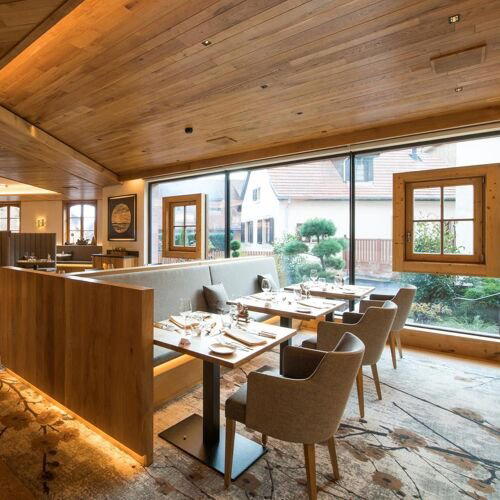
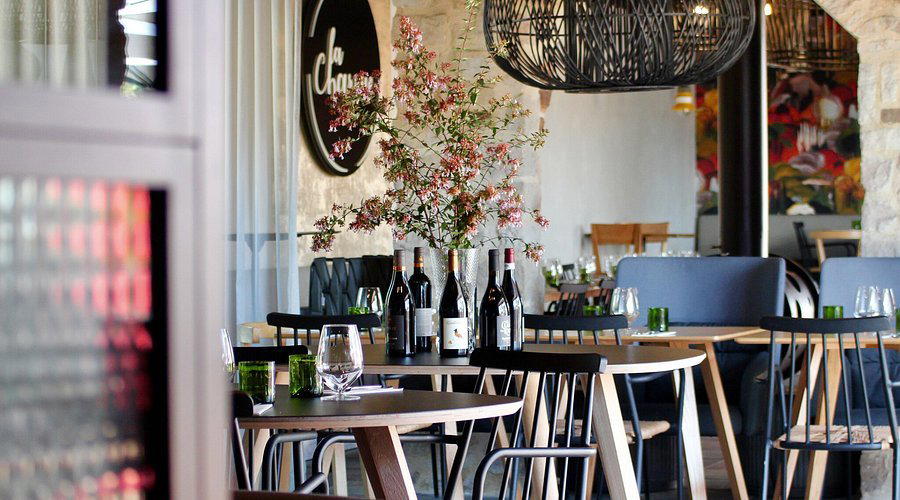
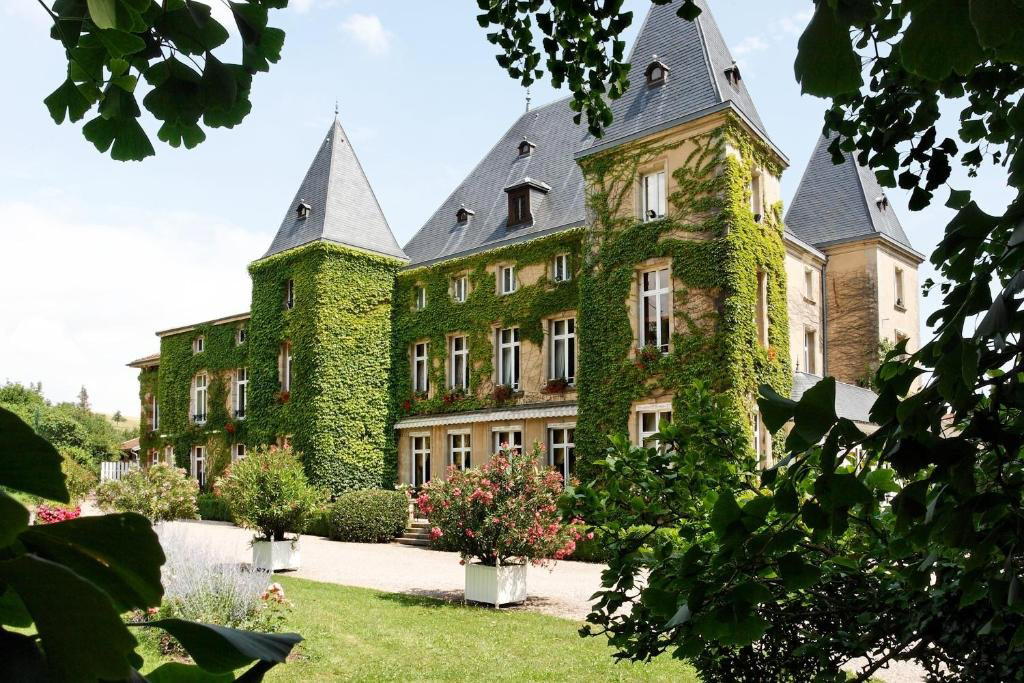
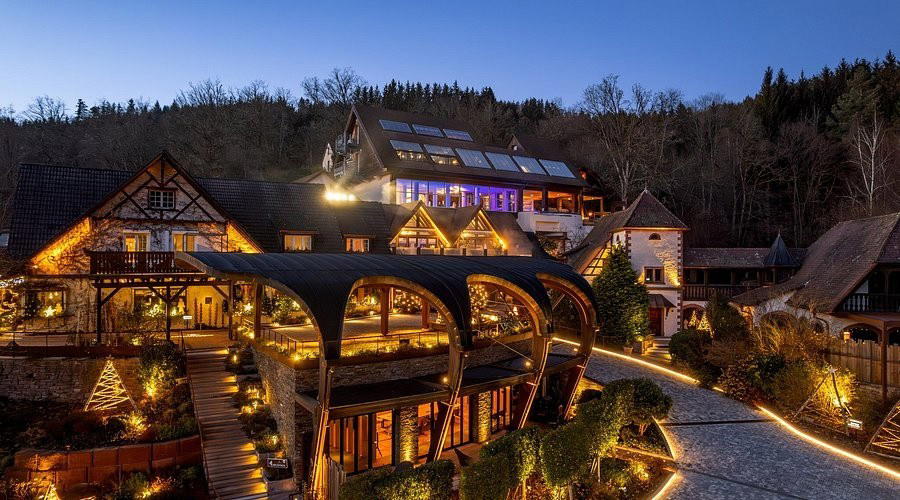
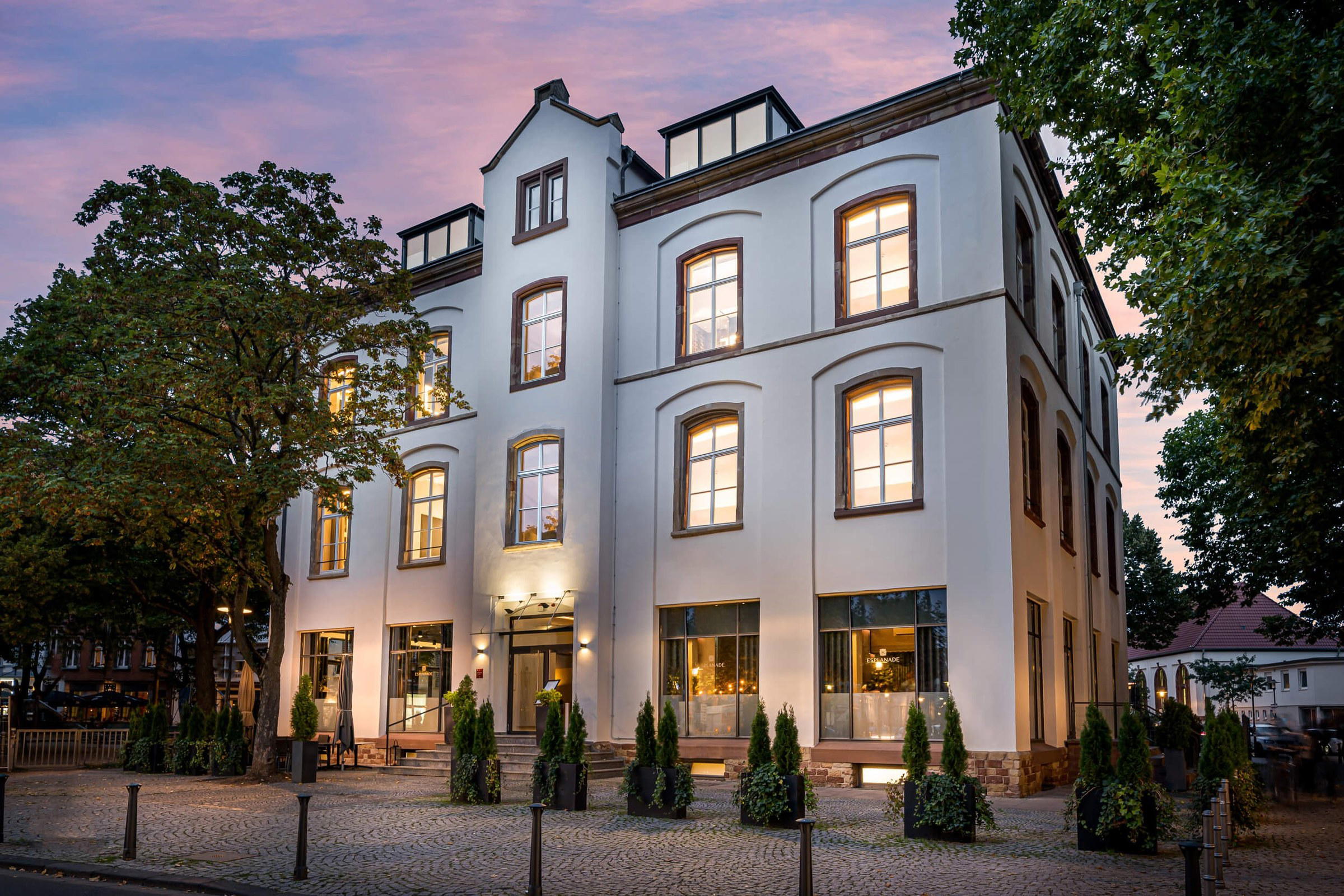
Approaching along Languimberg's main road, the address reads as a contained, unhurried provincial building. The contemporary interior signals the shift from the property's inn-and-café past: the room has been recalibrated to suit a fine dining register, with attentive service as a deliberate structural element rather than an afterthought. In restaurants that carry a Michelin star in rural France, the dining room often functions as a kind of argument, the attention paid to environment and service makes the case that the kitchen's ambitions are matched by the front of house. At Chez Michèle, by multiple accounts, that argument holds.
Where the Ingredients Come From, and Why That Matters
Modern cuisine in France is not a single style so much as a set of shared commitments, and sourcing is among the most consequential. The northeastern corner of the country has a distinct larder: freshwater fish from the Moselle and Saar river systems, game from the Vosges forests, local cheeses from small producers across Lorraine, and a market garden tradition that pre-dates the current French obsession with provenance. Kitchens operating at the starred level in this region have natural access to ingredients that their urban counterparts in Paris spend significant effort and logistics trying to replicate.
At Chez Michèle, this regional larder meets a culinary sensibility that pulls in a different direction. The kitchen's documented affinity for Mediterranean recipes introduces a productive tension into the menu: the produce of landlocked Lorraine filtered through cooking instincts shaped by the south. This kind of geographic dialogue, northern ingredients, southern technique or flavour profile, is not uncommon in French starred kitchens, but it requires precision to avoid incoherence. That the restaurant has held its Michelin star into 2024 suggests the balance is being managed with care. For comparison, the three-star registers of France, from Mirazur in Menton to Alléno Paris au Pavillon Ledoyen, each articulate a distinct regional or conceptual sourcing logic. At Chez Michèle, the logic is local-meets-Mediterranean, and the kitchen's Michelin recognition places it inside a credible tradition of French one-star tables that draw on terroir without being restricted by it.
The sourcing emphasis here also speaks to a broader shift in how French fine dining outside Paris positions itself. Restaurants like Flocons de Sel in Megève and Troisgros in Ouches have demonstrated that serious cooking in provincial France does not need to defer to the capital. The ingredients available outside Paris are often superior in freshness and specificity. The question is whether a kitchen can deploy them with a technique equal to the material, and that is precisely what Michelin's one-star designation is designed to identify.
The Kitchen's Training Arc and What It Means for the Plate
In French culinary culture, training lineage functions as a kind of shorthand for technique and palate. Chef Bruno Poiré, who grew up in the family business before staging with Georges Blanc at Vonnas and Antoine Westermann at the Buerehiesel, carries credentials that belong firmly in the upper tier of the French classical tradition. Georges Blanc's kitchen at Vonnas represents the Bresse-and-Burgundy school, ingredient-centric, technically exacting, rooted in product quality over theatrical presentation. Westermann's Buerehiesel in Strasbourg sits inside the Alsatian fine dining tradition, where Franco-German ingredients and classical French structure have long produced some of the country's most technically grounded cooking. Both represent approaches where sourcing and precision carry more weight than fashion. That formation shapes what arrives at the table at Chez Michèle: dishes described as precise and generous, in tune with contemporary sensibility, but underpinned by a classical foundation that is neither apology nor affectation.Assiette Champenoise in Reims offers an instructive parallel in the grand est region.
Where Chez Michèle Sits in Its Price Tier
The €€€ pricing positions Chez Michèle below the four-bracket ceiling occupied by three-star operations in Paris and the Mediterranean coast, and above the casual bistro registers common across the Moselle lake district. In France's one-star category, this middle tier is well populated, and the discipline required to hold Michelin recognition at €€€ rather than €€€€ is meaningful: the kitchen cannot rely on luxury ingredient spend alone to justify the star. Technique, consistency, and sourcing intelligence have to carry more of the weight. That dynamic tends to produce focused, confident menus rather than sprawling ones, and it is one reason why one-star provincial tables often deliver a more coherent meal than their three-star urban counterparts at twice the price.
For travellers whose reference points are drawn from European fine dining more broadly, from Frantzén in Stockholm to FZN by Björn Frantzén in Dubai or AM par Alexandre Mazzia in Marseille, the Chez Michèle proposition is quite different in register and scale, but not necessarily in ambition per course. Rural Michelin tables in France frequently deliver the most honest expression of their respective terroirs precisely because they are not managing the overhead pressures of a capital-city kitchen.
Planning a Visit
Chez Michèle opens for lunch and dinner from Thursday through Monday, with service running 12pm to 3:30pm and 7pm to midnight. The restaurant is closed Tuesday and Wednesday. The address, 57 Rue Principale, 57810 Languimberg, sits in the Moselle lake district of the Sarrebourg area, roughly accessible from Strasbourg and Nancy by road. Given the limited opening days and the volume of demand that Michelin recognition generates in small-village restaurants, booking ahead is the practical default. The price tier at €€€ should be factored against the regional average, where this represents the upper bracket for the immediate area. For travellers building a wider itinerary in the region, our full Languimberg restaurants guide covers the broader dining picture, and guides to hotels, bars, wineries, and experiences in Languimberg are available as companion references. For Paul Bocuse's Auberge du Pont de Collonges in Collonges-au-Mont-d'Or, the comparison is generational rather than direct, but it speaks to the same French tradition of family-rooted, terroir-honest cooking that Chez Michèle operates within today.
Frequently asked questions
Would Chez Michèle be comfortable with kids?
Chez Michèle holds a Michelin star and operates as a gourmet table with a deliberate, contemporary dining format, which suggests the experience is paced for adults. Service runs until midnight, and the room is described as contemporary rather than casual. Families with young children should consider whether the multi-course rhythm and extended dinner hours suit their party before booking.
What kind of setting is Chez Michèle?
The restaurant occupies a provincial building on Languimberg's main road, 57 Rue Principale, with a contemporary interior that reflects the kitchen's ambitions rather than its village address. The Michelin guide notes attentive service alongside the gourmet table designation, placing the atmosphere closer to composed and precise than to relaxed bistro. The Moselle lake district surroundings add a rural quietness that contrasts with the sophistication inside.
Has Chez Michèle won any awards?
Chez Michèle has received recognition including: Once a village café, then a family inn, it is now a gourmet table with an enviable reputation in the Moselle “lake district”. This illustrious restaurant is in the capable hands of Bruno Poiré, Michèle’s son, who after learning the ropes in….
What do people recommend at Chez Michèle?
Within the €€€ price tier, the tasting-led format typically showcases the kitchen's seasonal sourcing most clearly. The Michelin star awarded in 2024 signals that the cooking is consistent enough to reward whatever the menu offers on a given day.
What's the price range at Chez Michèle?
Pricing at Chez Michèle is listed as €€€.
Is Chez Michèle open every day?
Hours at Chez Michèle: Monday 12 PM-3:30 PM 7 PM-12 AM Tuesday closed Wednesday closed Thursday 12 PM-3:30 PM 7 PM-12 AM Friday 12 PM-3:30 PM 7 PM-12 AM Saturday 12 PM-3:30 PM 7 PM-12 AM Sunday 12 PM-3:30 PM 7 PM-12 AM.
Fast Comparison
| Venue | Cuisine | Price | Awards | Notes |
|---|---|---|---|---|
| Chez MichèleThis venue (the venue you are viewing) | Modern French Fine Dining | $50–100 | 1 Michelin Star | Not listed |
| Alléno Paris au Pavillon Ledoyen | Modern French Fine Dining | $150–200 | 3 Michelin Stars · World's 50 Best #79 | Creative |
| Kei | Contemporary French, Modern Cuisine | Not listed | Michelin 3 Star | Not listed |
| L'Ambroisie | Classic French Haute Cuisine | $300–500 | 2 Michelin Stars · World's 50 Best #23 | French, Classic Cuisine |
| Le Cinq - Four Seasons Hôtel George V | Modern French Fine Dining | $300–500 | 3 Michelin Stars · World's 50 Best #24 | French, Modern Cuisine |
| Plénitude | Modern French Sauce-Led Fine Dining | $300–500 | 3 Michelin Stars · World's 50 Best #14 | Contemporary French |
Recognition history
Dated appearances from independent guides and award organizations, with the underlying list record or original source where available.
Michelin 1 Star
Michelin
Full recognition history (3 entries)
Michelin 1 Star
Michelin
Michelin 1 Star
Michelin
Continue exploring
More in Languimberg
Chez Michèle
The wine
- Wine program
- Deep wine list
- Extensive wine list
Details
- Elegant
- Cozy
- Sophisticated
- Intimate
- Date Night
- Special Occasion
- Celebration
- Garden
- Extensive Wine List
- Garden
- A La Carte
- Tasting Menu
- Vegetarian Friendly
Current opening hours
- Monday
- 12–10 PM
- Tuesday
- Closed
- Wednesday
- Closed
- Thursday
- 12–10 PM
- Friday
- 12–10 PM
- Saturday
- 12–10 PM
- Sunday
- 12–10 PM
Hours can change for holidays and private events. Hours as of .
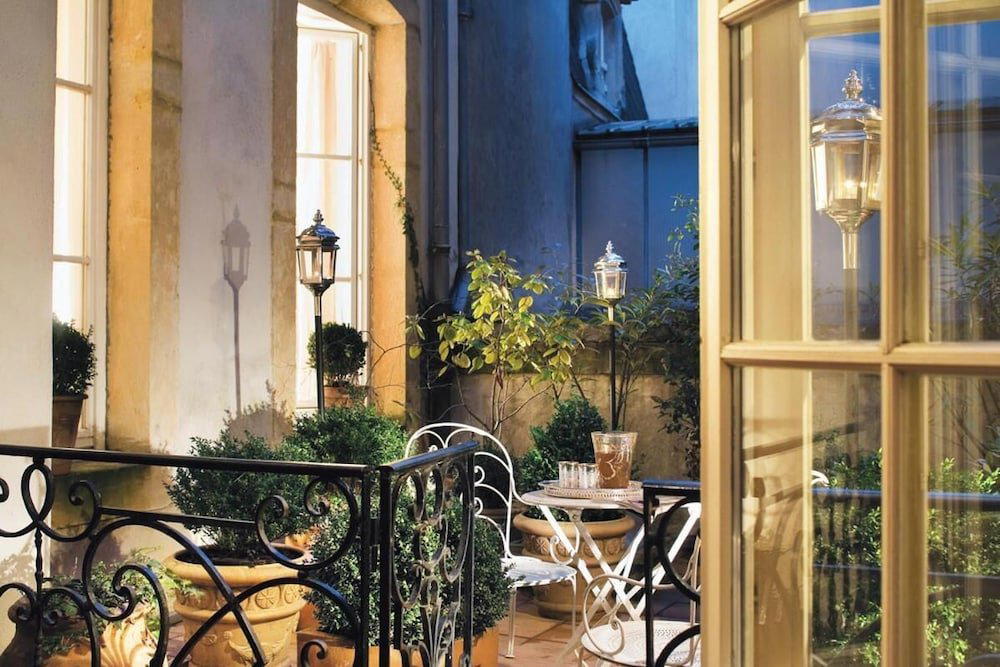
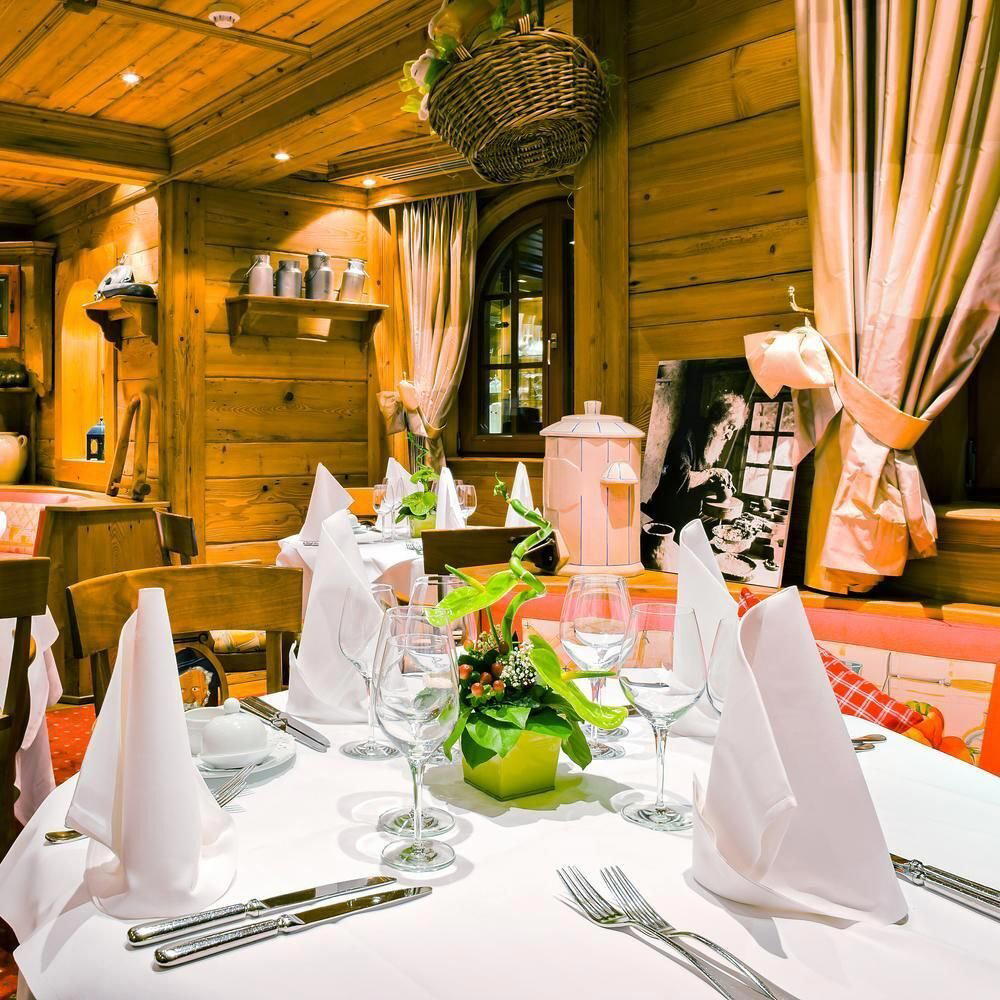
Contemporary and luminous interior with an elegant, épuré style, cozy salon, and peaceful terrace overlooking a garden in a verdant natural setting.