Our verdict
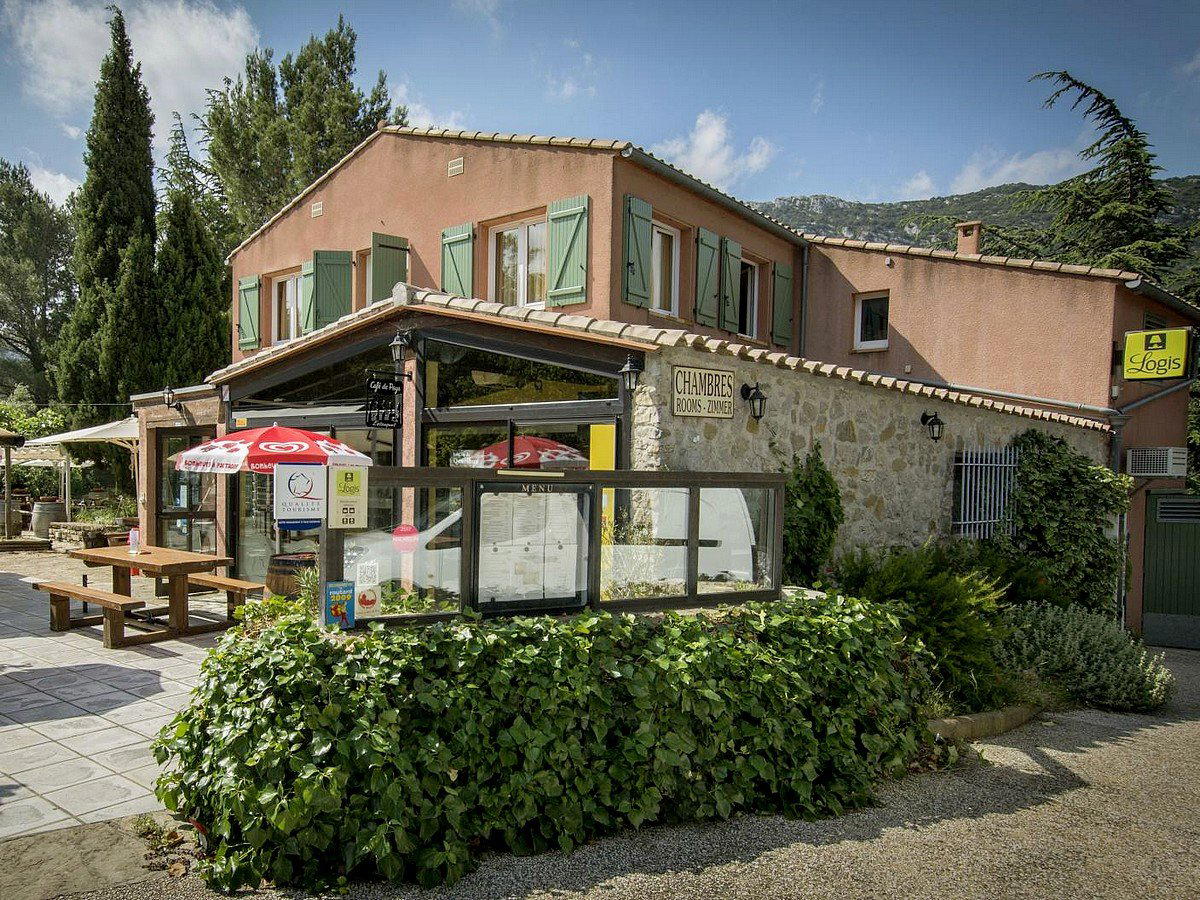
La Table du Curé serves traditional French with Texas barbecue in Cucugnan, with terrace, garden, and private dining for leisurely lunch or dinner plans.

Pearl is the En Primeur Club membership app — saves, bookings, and concierge access live there. Same editors, same standards.
- Address
- 25 Rue Alphonse Daudet, 11350 Cucugnan, France
- Phone
- +33468450146
- Website
- latableducure.fr
- Directions
- Get directions
The menu
What to order
- Duck foie gras
- Veal kidney fricassée with fresh pasta
- Cassoulet
- Texas barbecue meats
- Chocolate mousse with red berries
A Village Table at the Edge of the Corbières
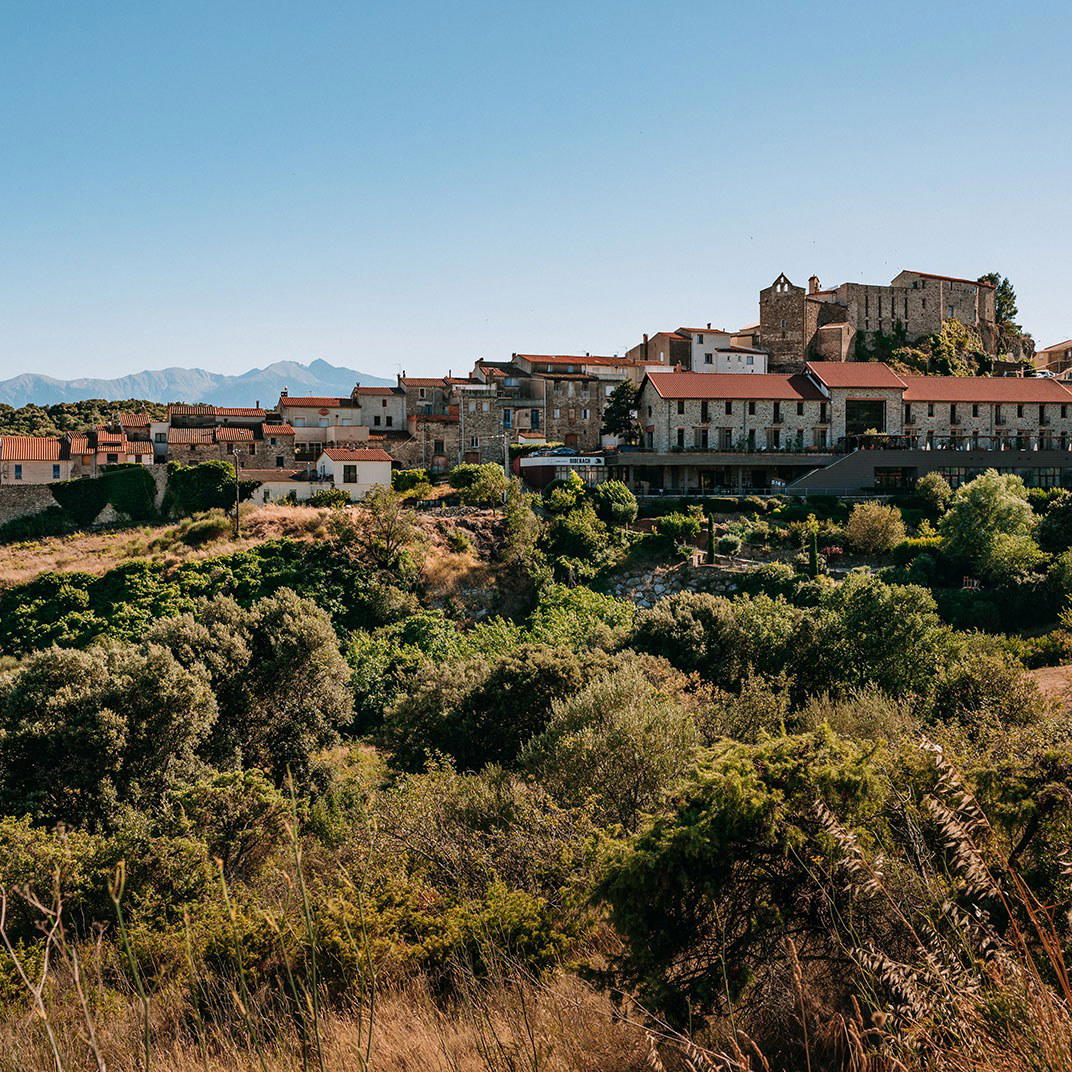
Cucugnan sits at the southern fringe of the Corbières massif, a limestone village of fewer than a hundred permanent residents strung along a ridge below the ruined Cathar castle of Quéribus. Arriving on foot or by car along the D14, the scale of the surrounding garrigue — rosemary, thyme, wild juniper pressing against the road — sets the context before you reach the door of La Table du Curé. The address, 25 Rue Alphonse Daudet, places it on the street named for the author who made Cucugnan briefly famous in nineteenth-century French letters. That literary association gives the village a faint claim on cultural memory, and the restaurant sits inside that frame without straining for it.
The Corbières is one of those regions where the table is inseparable from the land immediately around it. At this latitude and altitude, the ingredients that define local cooking arrive with a directness that the more systemised supply chains of larger cities tend to smooth away. Wild herbs cut from the hillsides above the village, lamb grazed on the plateau, cheeses from the Fenouillèdes to the south: these are the raw materials of a cooking tradition that predates any formal culinary categorisation. La Table du Curé operates inside that tradition, in a village where the alternative, driving forty minutes to Perpignan or an hour to Carcassonne for dinner, concentrates the question of why you eat here rather than there.
Sourcing at this Scale: What the Corbières Produces
The ingredient story in this part of the Languedoc-Roussillon is not one of prestige provenance in the way that, say, the truffle markets of Périgord or the fish docks of La Rochelle (see Christopher Coutanceau in La Rochelle for that particular register) define a kitchen's identity. It is more granular than that. The Corbières produces Grenache and Carignan-based wines from some of the oldest ungrafted vines in France, and the same volcanic and schist soils that give those wines their mineral edge also shape what grows nearby. Thyme and savory appear in meat preparations not as a stylistic flourish but because they grow within walking distance and have always done so.
This hyper-local sourcing pattern is common to the small auberge tradition across rural southern France, but it carries particular weight in isolated villages where a restaurant cannot rely on daily deliveries from specialised suppliers. The kitchen has to work with what the region offers across the season, which in the Corbières means a spring and summer abundance of stone fruit, wild greens, and young lamb, followed by a autumn pivot toward game, dried legumes, and preserved vegetables. Restaurants working in this mode share a structural similarity with the approach documented at Bras in Laguiole, where the surrounding plateau dictates the menu's rhythm, though at a considerably different level of formality and scale. The same logic applies: the land is the brief.
In the broader context of French fine dining, where kitchens like Mirazur in Menton, Flocons de Sel in Megève, and Alléno Paris au Pavillon Ledoyen have built elaborate sourcing narratives into tasting menus priced at several hundred euros per head, a village table in the Corbières occupies a different register entirely. The sourcing is no less serious for being less publicised. It is simply less mediated.
The Village Dining Format
Small auberge dining in rural France operates on terms that differ from destination restaurant formats in cities or in well-touristed wine regions. The rhythm of service in a village like Cucugnan follows the seasonal flow of visitors: summer hikers working the Cathar trail, autumn wine tourists exploring the Corbières appellations, occasional day-trippers from the coast. The kitchen adapts to that cycle rather than maintaining a fixed year-round format. This is worth factoring into any visit, since the availability of La Table du Curé will vary considerably between the low season (roughly November to March, when Cucugnan is near-empty) and the peak months of July and August.
The closest comparable in the immediate area is Auberge du Vigneron, also in Cucugnan, which frames its offer around the local wine tradition. Between the two, the village covers the essential bases of a proper meal stop for anyone touring the southern Corbières. For a broader map of the area's options, our full Cucugnan restaurants guide places both in context.
The wider Aude department offers a sharper reference point for what serious regional cooking looks like at its most developed. Auberge du Vieux Puits in Fontjoncouse, roughly forty kilometres to the northeast, has held three Michelin stars and represents the outer limit of what this corner of southern France produces at formal level. La Table du Curé operates nowhere near that tier, nor does it set out to. The comparison is useful precisely because it clarifies the range: from a three-star destination that draws international visitors to a village table serving the needs of travellers passing through one of the Corbières' most remote communes.
Placing La Table du Curé in the French Auberge Tradition
France's auberge tradition, distinct from both the bistro and the grand restaurant, is built around hospitality scaled to the traveller rather than the committed diner. The auberge historically provided shelter and a meal, and in villages like Cucugnan the form has not entirely shed that practical origin. A meal at La Table du Curé is, in that sense, continuous with a long domestic tradition of feeding people who have come a long way and need to eat well before going further. This is a different kind of cultural weight from the one carried by institutions like Paul Bocuse - L'Auberge du Pont de Collonges or Auberge de l'Ill in Illhaeusern, but it is weight nonetheless.
For visitors building a southern France itinerary that also takes in AM par Alexandre Mazzia in Marseille or planning a longer regional pass through kitchens like Troisgros, Assiette Champenoise, Au Crocodile, Georges Blanc, or L'Oustau de Baumanière, a stop in Cucugnan represents something those restaurants cannot offer: the chance to eat in a village that functions entirely outside the formal dining circuit, on its own terms, in its own season.
Planning a Visit
Cucugnan is approximately twenty-five kilometres southwest of Tuchan and around forty kilometres from the coast at Leucate. Access is by car; there is no practical public transport to the village. Given the remoteness, it is worth confirming opening hours and availability before making the drive, particularly outside the summer and early autumn window. Parking in the village is limited but generally manageable outside peak season. Those combining the visit with a broader Corbières wine circuit will find the drive along the D123 ridge road, which connects Cucugnan to the Château de Peyrepertuse and Château de Quéribus, rewards the detour independently of the meal.
Frequently asked questions
Can I bring kids to La Table du Curé?
The auberge format in Cucugnan is more practical for families than a formal restaurant setting. Relaxed pacing, a village atmosphere, and regional cooking without elaborate tasting-menu structure make it a reasonable choice with children. The address on Rue Alphonse Daudet sits within the village itself, so there is no complex logistics involved once you arrive.
What's the overall feel of La Table du Curé?
Expect a functional regional table rather than a destination dining room. Cucugnan has fewer than a hundred permanent residents, and the feel at a village address like this reflects that scale: unhurried, local in orientation, and grounded in the auberge tradition of feeding travellers passing through the Corbières rather than courting critics. It is closer in character to a curé's lunch table than to a Michelin-circuit stop.
Is La Table du Curé a good base for exploring the Corbières wine villages?
Cucugnan sits roughly twenty-five kilometres southwest of Tuchan and around forty kilometres from the coast at Leucate, placing it within reach of the Corbières AOC vineyard villages that stretch across the Aude. A meal at a village table in this part of the massif pairs logically with a drive through the appellation rather than as a standalone urban dining trip. Access is by car, as no rail connection serves the village.
What's the must-try dish at La Table du Curé?
The kitchen sits within Corbières lamb country, and the surrounding garrigue produces wild thyme, rosemary, and herbs that define the flavour register of this part of the Aude. Meat-based regional dishes drawing on that local terrain are the most grounded choice on any menu here.
Where is La Table du Curé in Cucugnan?
La Table du Curé is located at 25 Rue Alphonse Daudet, 11350 Cucugnan, France, Cucugnan.
How It Stacks Up
| Venue | Cuisine | Price | Awards | Notes |
|---|---|---|---|---|
| La Table du CuréThis venue — the venue you are viewing | Traditional French with Texas Barbecue | $30–50 | Not listed | Not listed |
| Alléno Paris au Pavillon Ledoyen | Modern French Fine Dining | $150–200 | 3 Michelin Stars · World's 50 Best #79 | Creative |
| Kei | Modern French with Japanese Influences | $300–500 | 3 Michelin Stars · World's 50 Best #93 | Contemporary French, Modern Cuisine |
| L'Ambroisie | Classic French Haute Cuisine | $300–500 | 2 Michelin Stars · World's 50 Best #23 | French, Classic Cuisine |
| Le Cinq - Four Seasons Hôtel George V | Modern French Fine Dining | $300–500 | 3 Michelin Stars · World's 50 Best #24 | French, Modern Cuisine |
| Mirazur | Modern French Fine Dining | $300–500 | 3 Michelin Stars · World's 50 Best #1 | Modern French, Creative |

Details
- Rustic
- Cozy
- Intimate
- Classic
- Group Dining
- Family
- Casual Hangout
- Special Occasion
- Terrace
- Garden
- Private Dining
- Local Sourcing
- Farm To Table
- Garden
- A La Carte
- Family Style
- Vegetarian Friendly
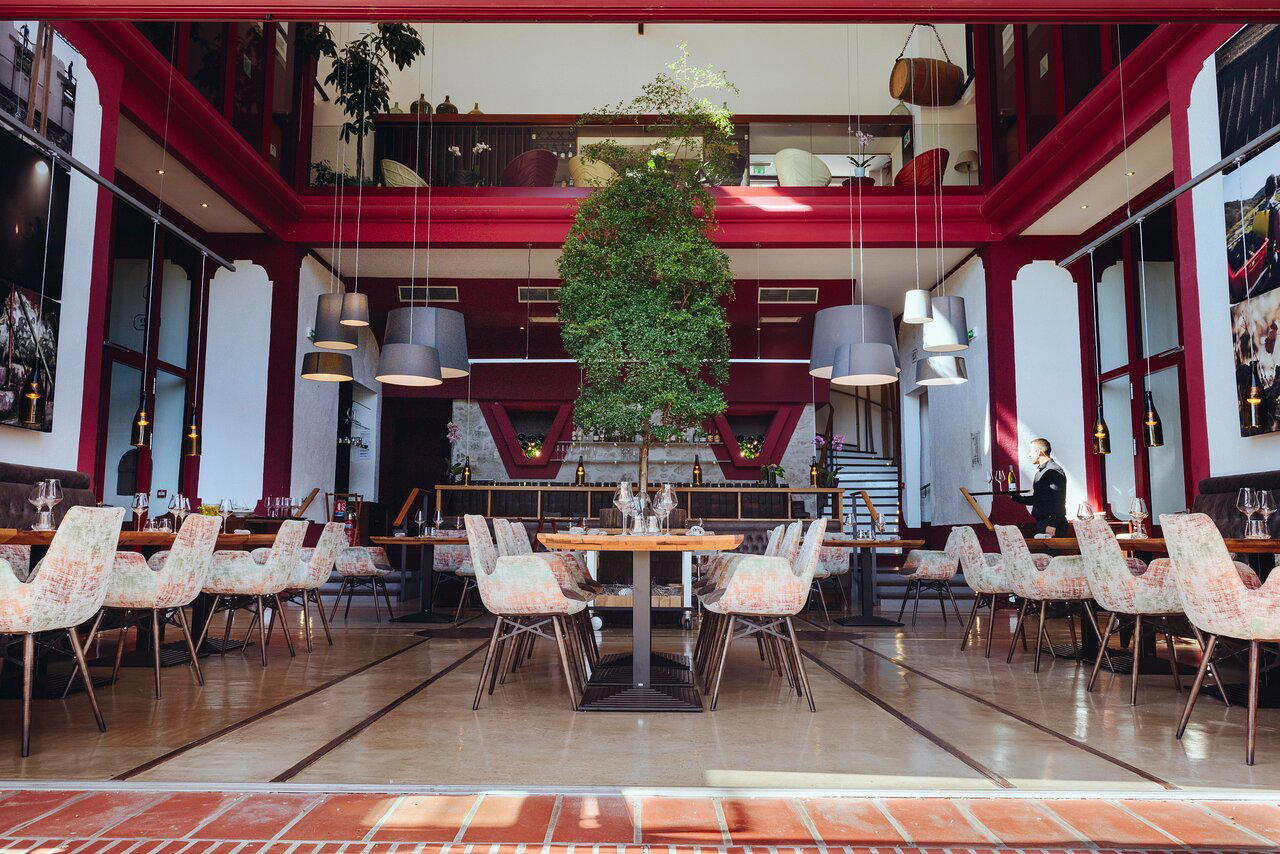
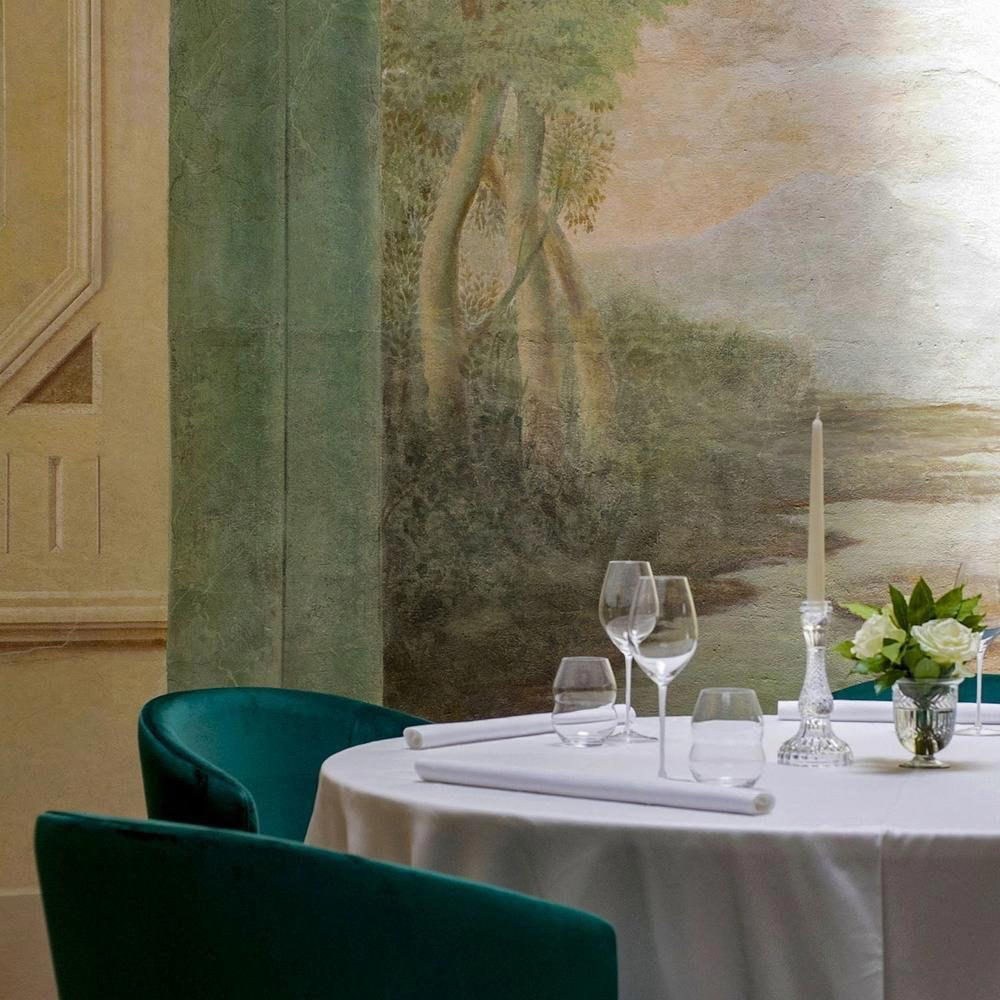
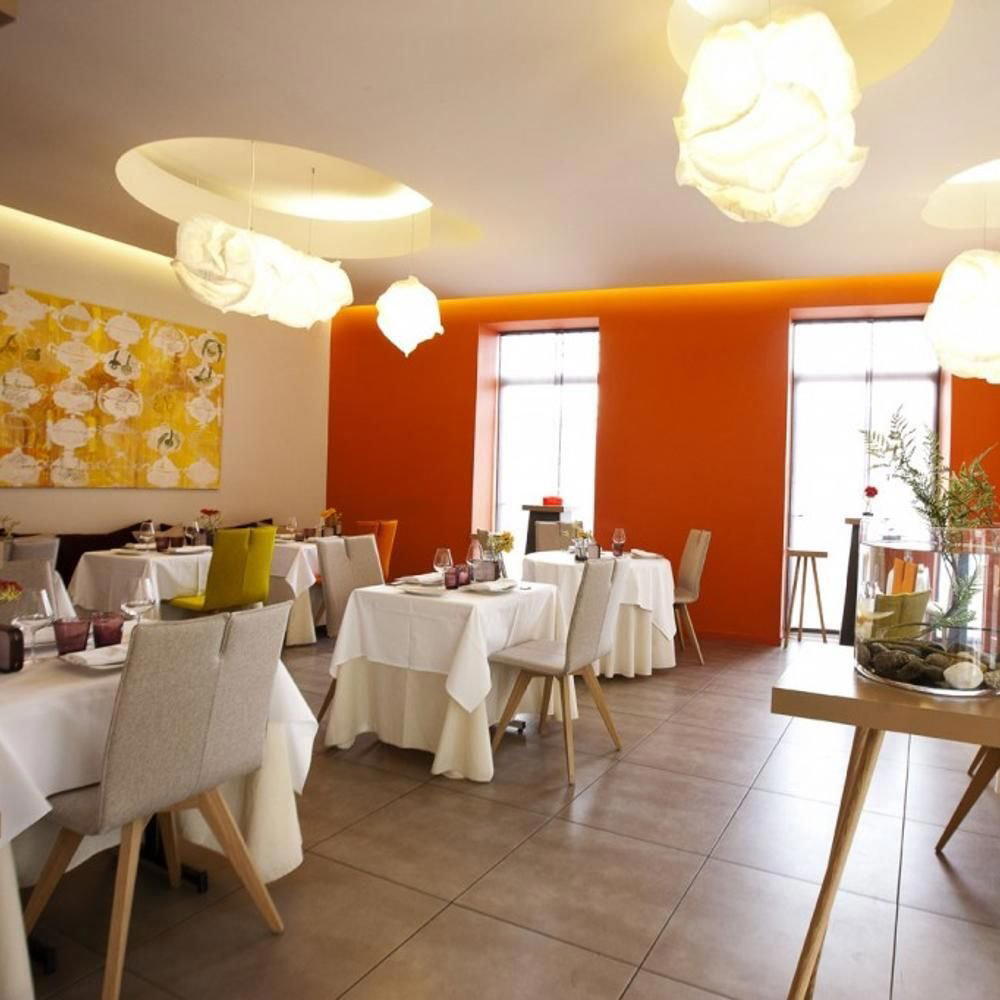
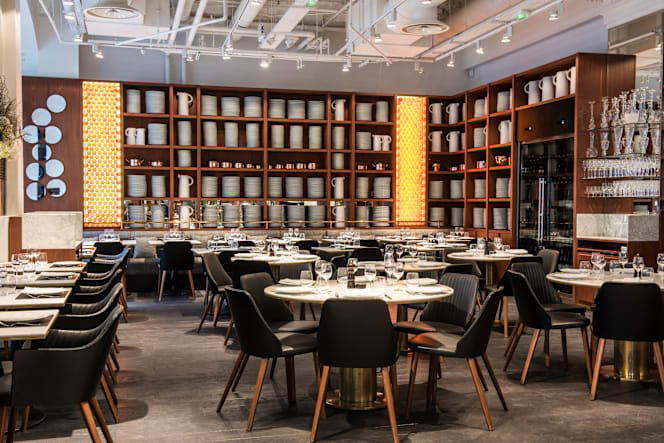
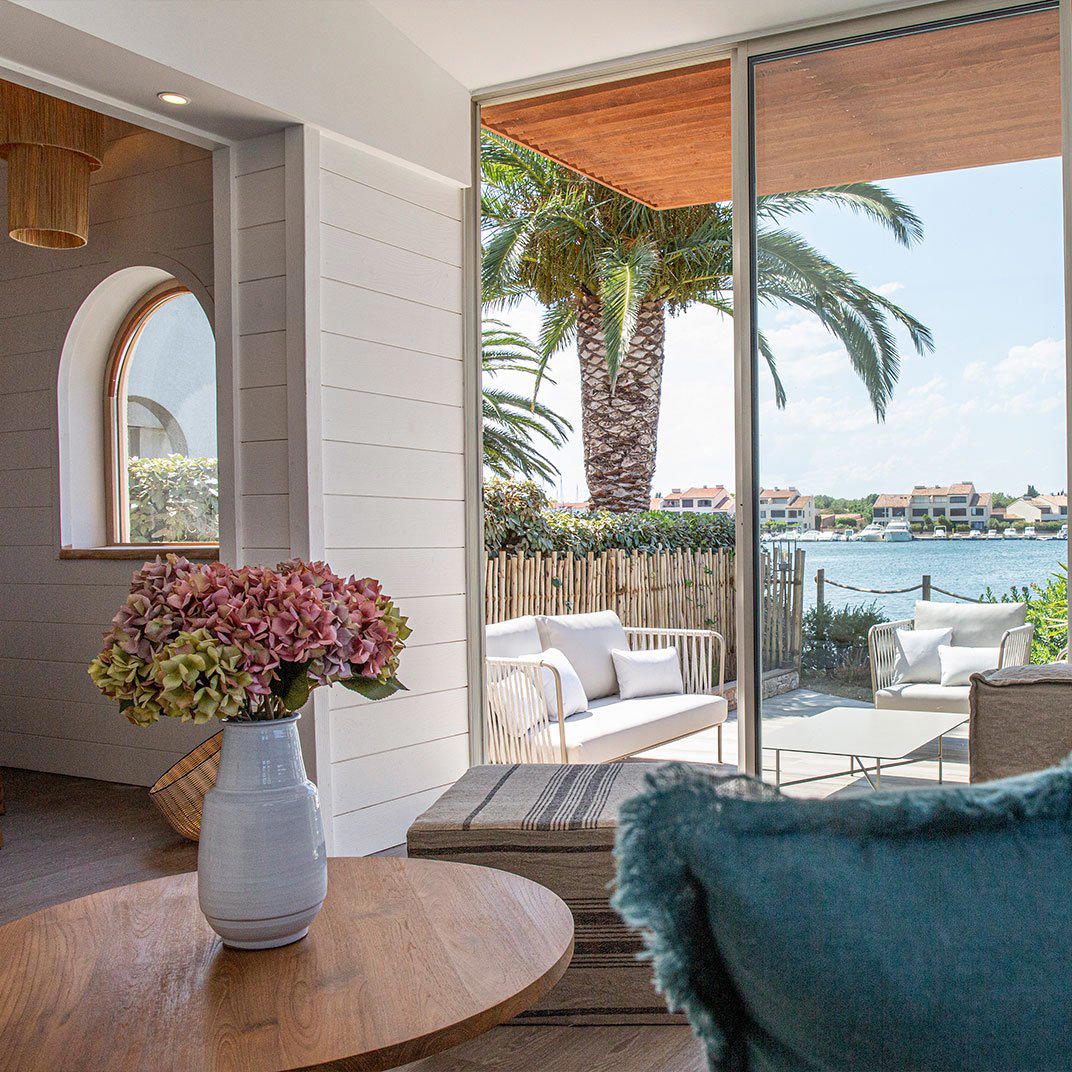
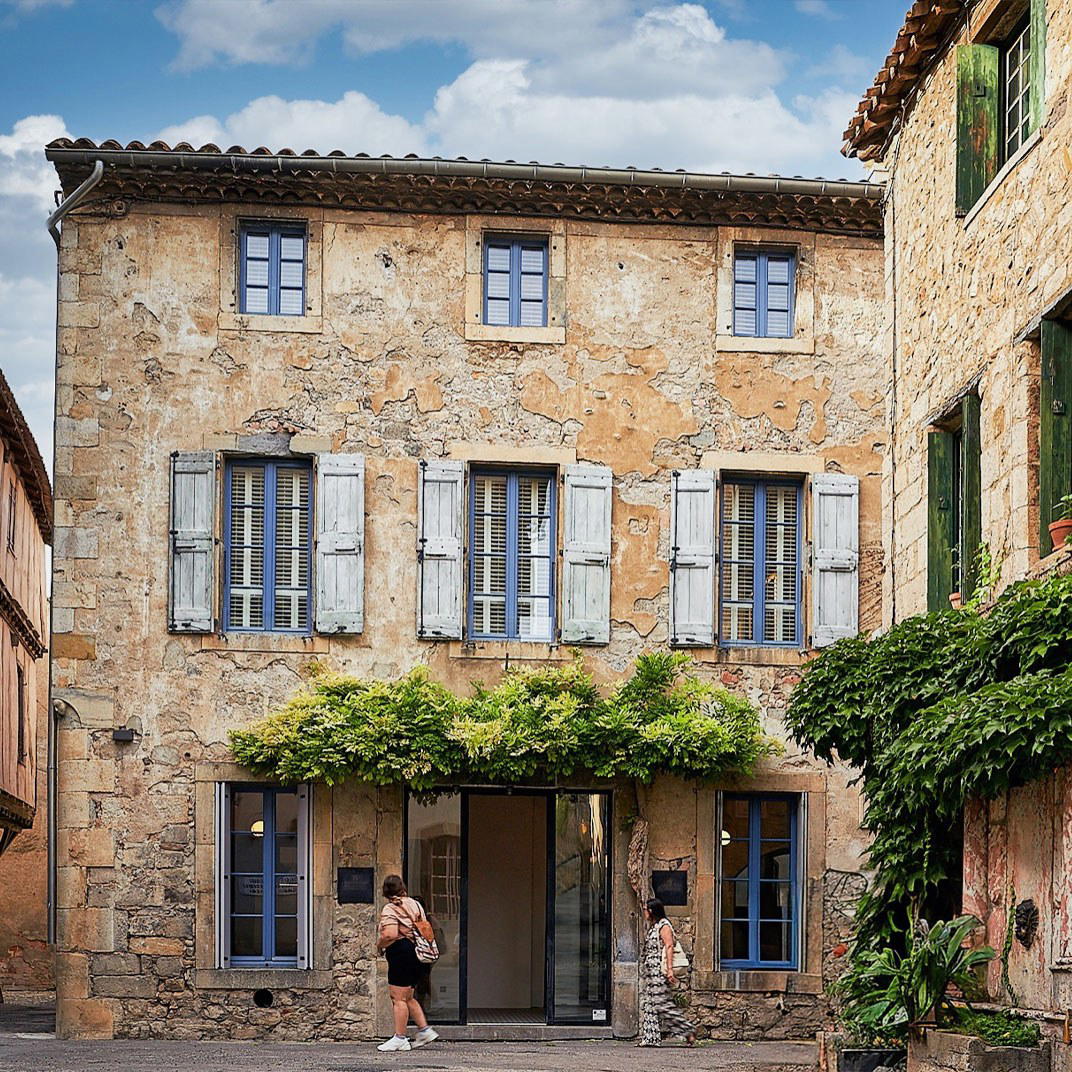
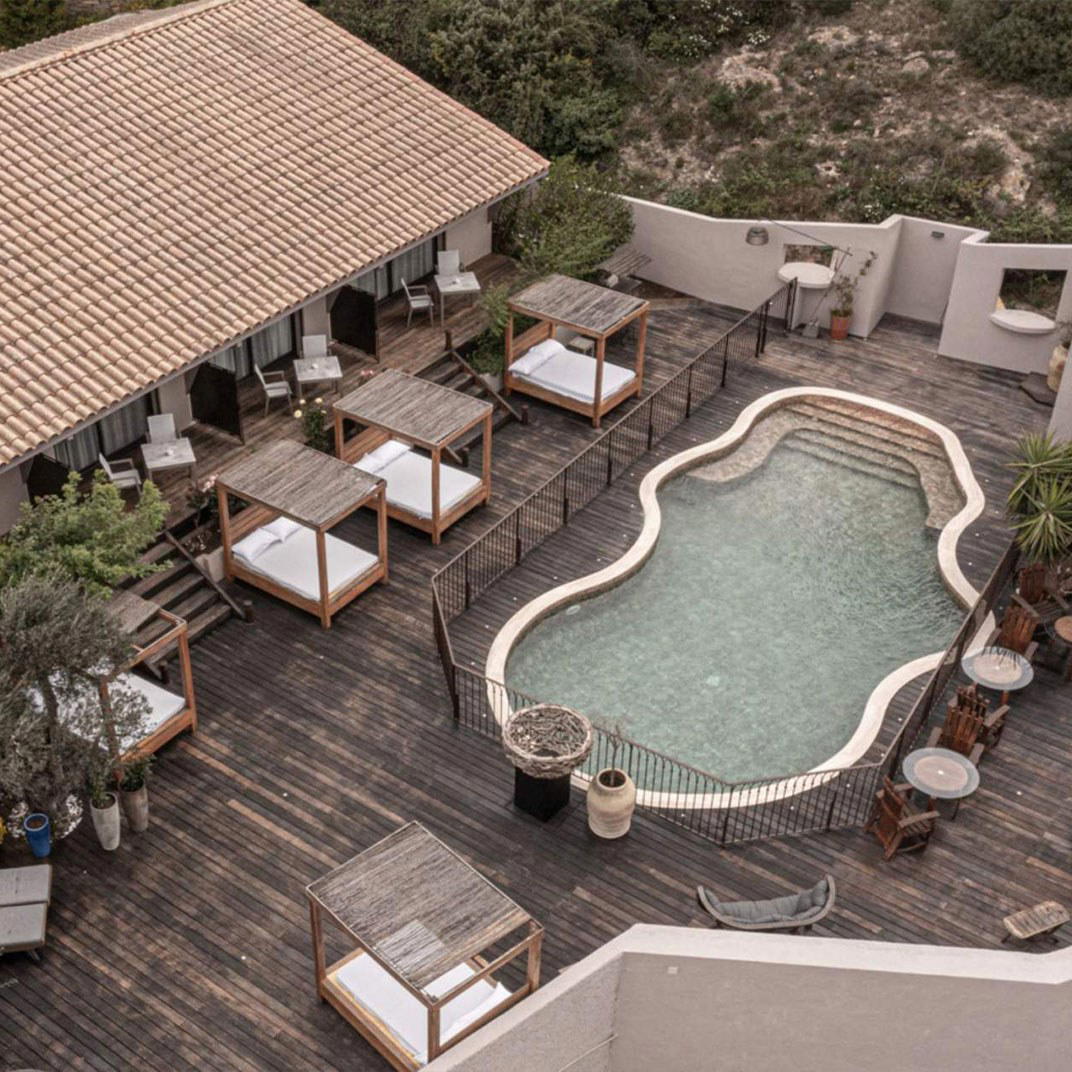
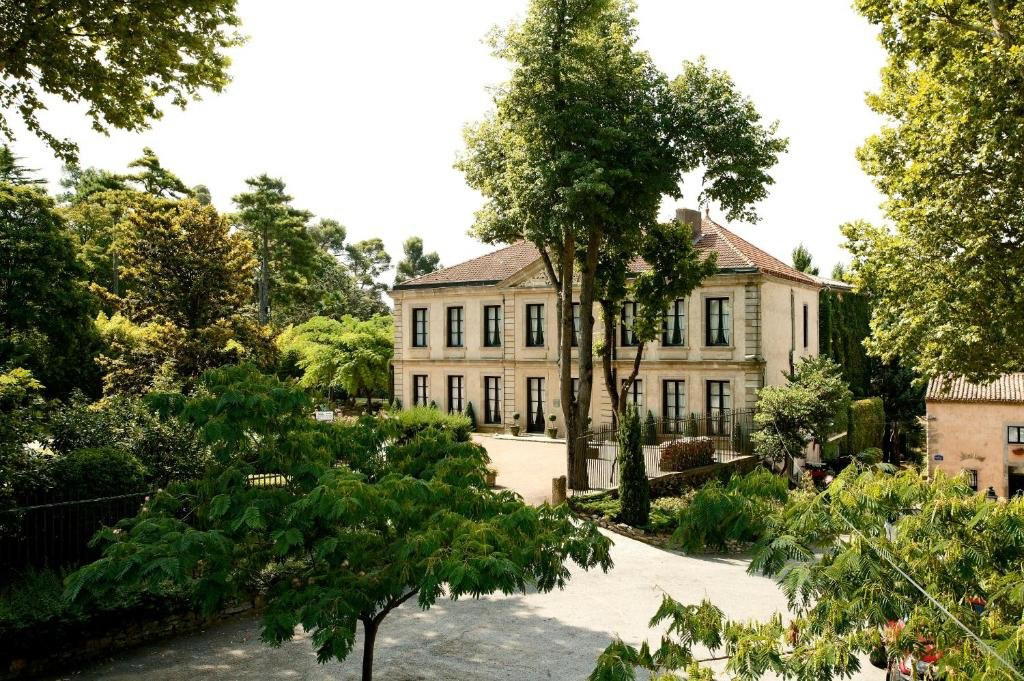
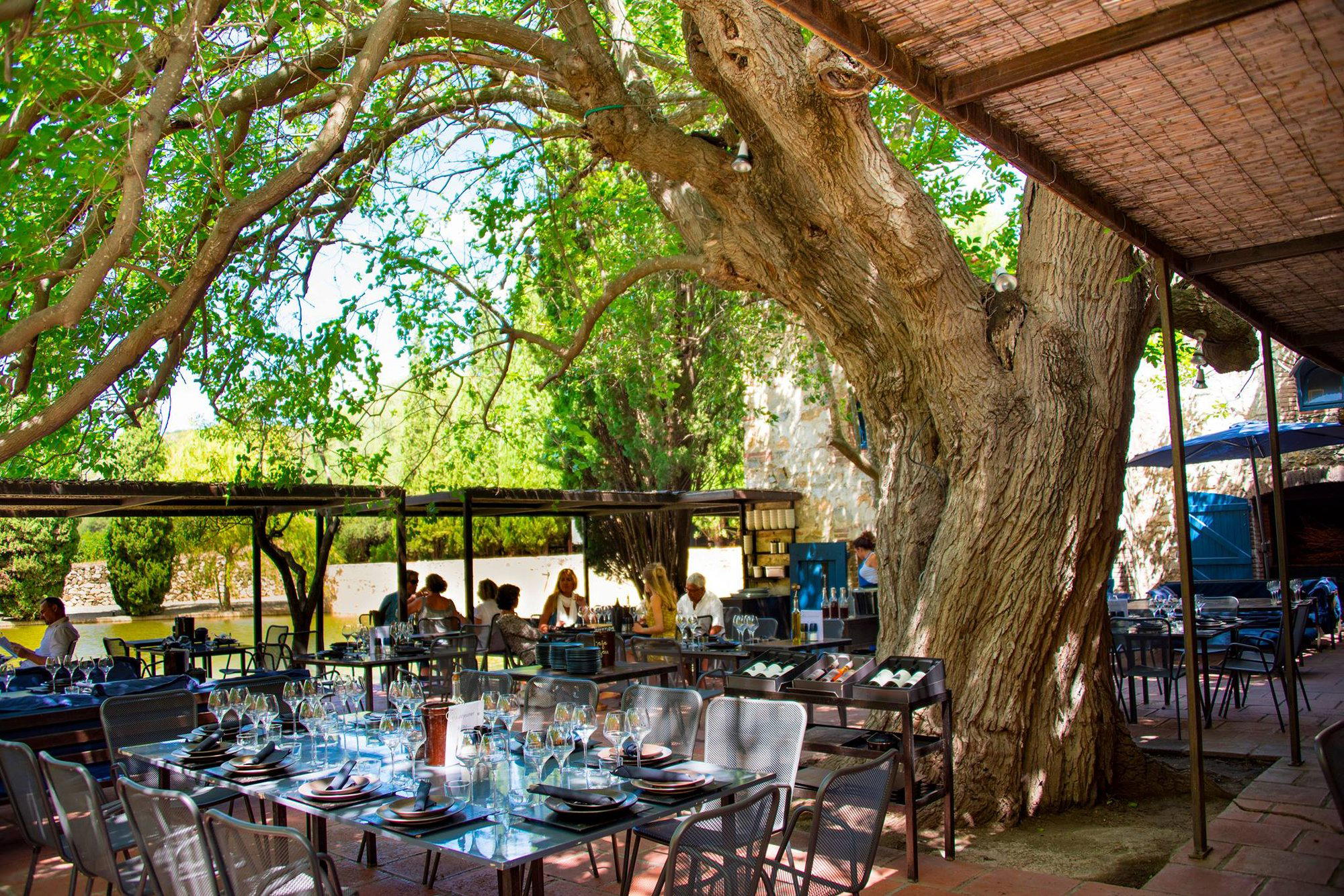
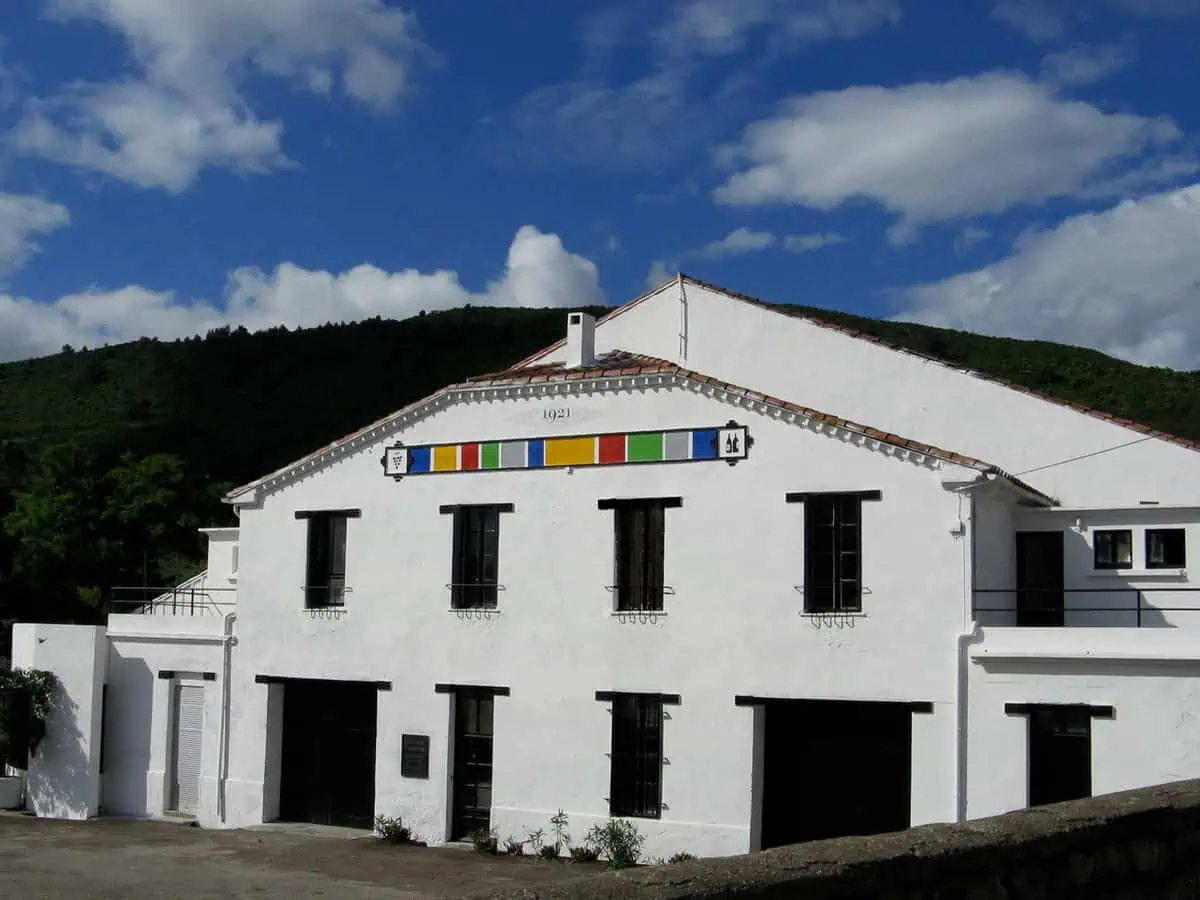
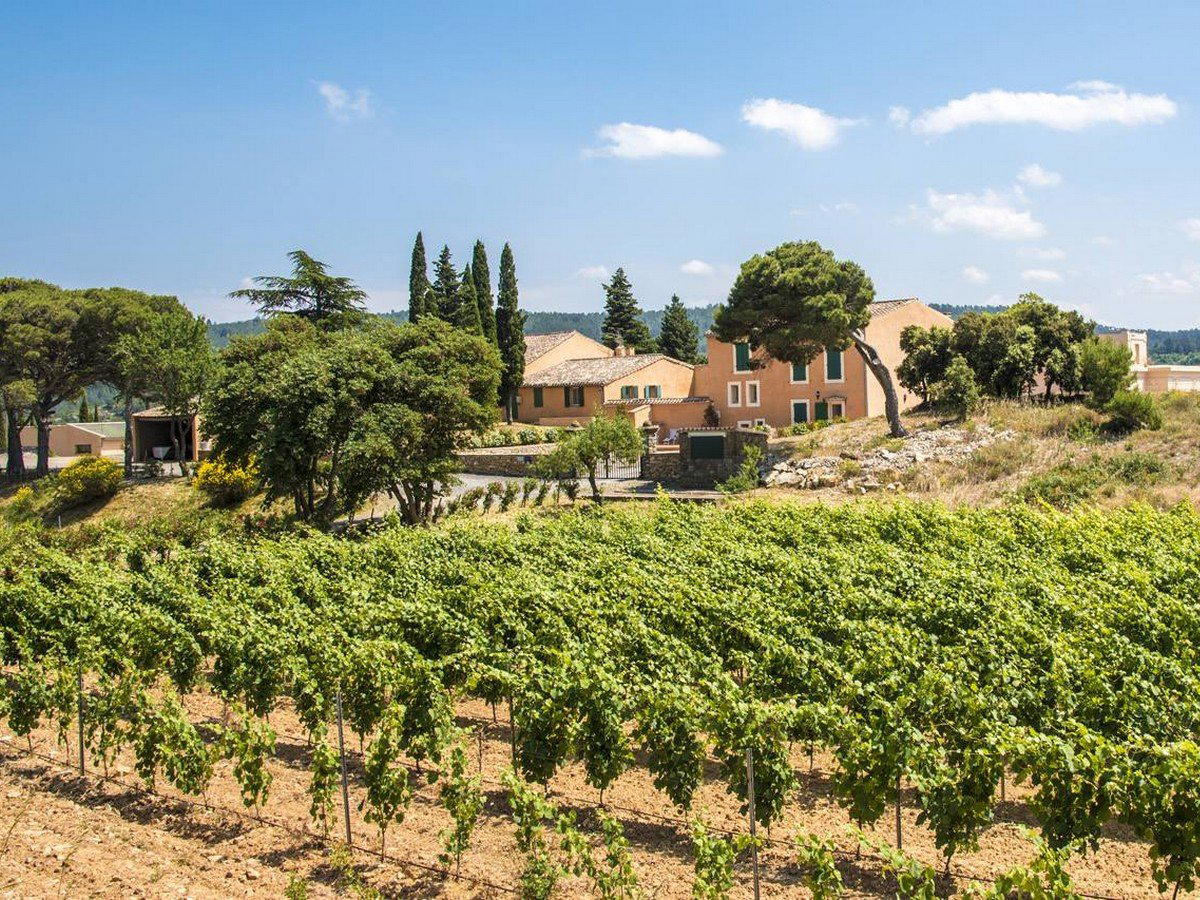
Warm and welcoming atmosphere in a shaded terrace overlooking a Mediterranean garden with authentic village charm.