Au Cœur du Monde sits along Route d'Eecke in Terdeghem, a village in French Flanders where the flat agricultural plain meets a quiet culinary tradition with deep roots in local produce. The address places it well outside France's restaurant media circuit, which is precisely what defines its appeal: a serious table operating at a remove from urban visibility, anchored in the terroir of the Flemish interior.
Pearl is the En Primeur Club membership app — saves, bookings, and concierge access live there. Same editors, same standards.
- Address
- 932 Rte d'Eecke, 59114 Terdeghem, France
- Phone
- +33328487418
- Website
- restaurant-aucoeurdumonde.fr
 Saves & bookings on Pearl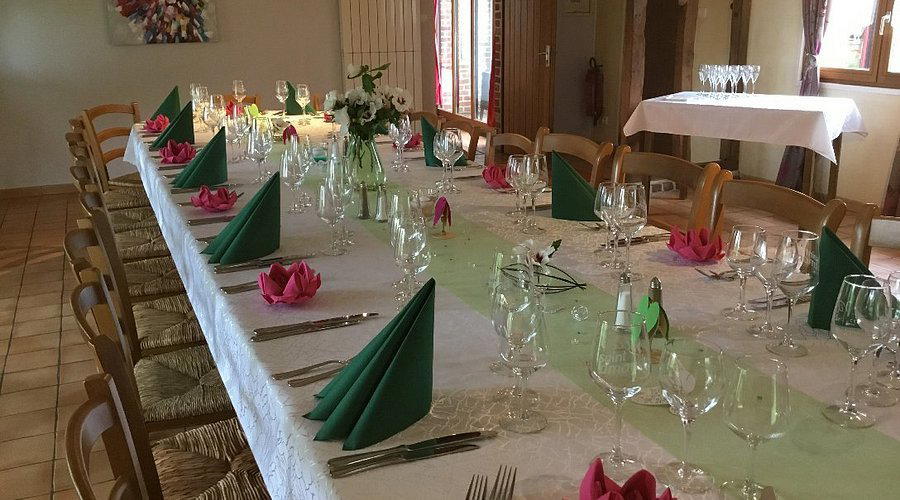
French Flanders and the Logic of the Rural Table
The road between Cassel and Steenvoorde cuts through some of the flattest farming country in northern France, where hop fields, sugar beet rows, and hedged pasture alternate in long horizontal bands. This is the Flemish interior, not the France of postcards, but an agricultural region with its own culinary logic, one built less on grand tradition than on proximity to what the land actually produces. Au Cœur du Monde sits on Route d'Eecke in Terdeghem, a village of a few hundred residents in the Nord department, at coordinates that place it roughly equidistant between Dunkirk and Lille, and closer to the Belgian border than to any French city with a starred restaurant scene. That positioning is not incidental. Across France, some of the most considered rural tables operate at exactly this kind of remove, where the economics of local supply, rather than the prestige of urban dining circuits, shape what appears on the plate. For context on how this compares to France's most celebrated rural dining traditions, see our coverage of Bras in Laguiole and Auberge du Vieux Puits in Fontjoncouse, two addresses that built reputations precisely by staying rooted in their respective landscapes rather than migrating toward visibility.
Approaching the Address
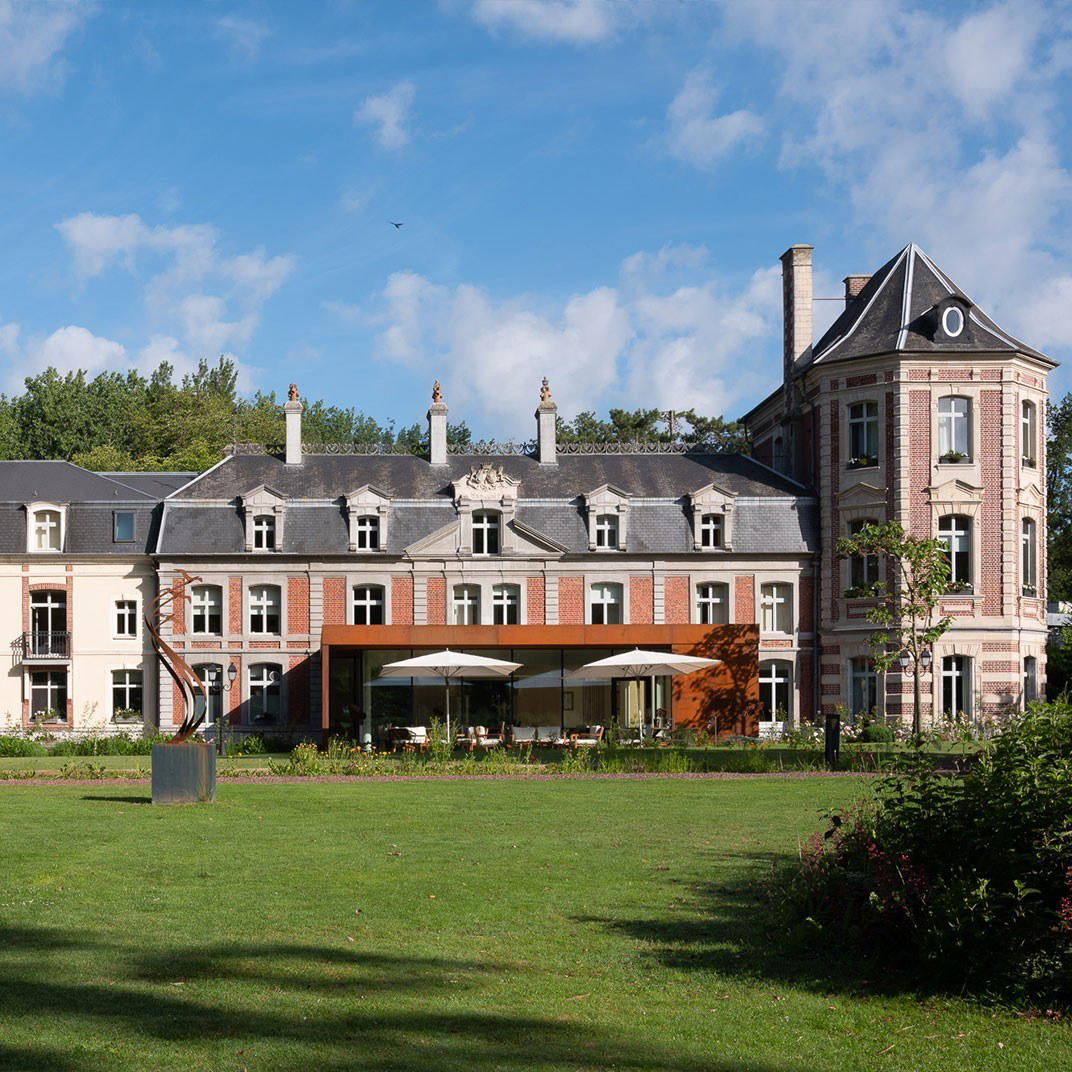
Arriving at 932 Route d'Eecke involves the particular experience common to serious rural French restaurants: a road that feels too ordinary for a dining destination, followed by a building that announces itself quietly. The flat light of the Nord plain, diffuse even in summer, gives the surrounding landscape a quality distinct from the sun-saturated south. There is no theatre of arrival here in the manner of, say, L'Oustau de Baumanière in Les Baux, where the limestone escarpment does the work before you reach the door. What this part of France offers instead is a quieter kind of context: agricultural, unhurried, with a visual vocabulary of low horizons and working land that tends to frame the meal differently from the moment you step out of the car.
The Ingredient Geography of Northern France
French Flanders operates within one of France's more underexamined ingredient geographies. The region produces hops for the gueuze and bière de garde tradition that runs across the Franco-Belgian border, alongside chicory, endive, and a range of root vegetables that form the backbone of Flemish cooking on both sides. Coastal proximity, Dunkirk is less than forty kilometres north, means North Sea catch is available with a freshness that inland kitchens elsewhere cannot replicate. The channel ports have historically supplied this corridor of France with fish that never needs to travel far, and that logistical fact has shaped the cuisine of the region in ways that aren't always acknowledged when writers discuss northern French food as primarily meat- and beer-led. The broader pattern across France's serious rural tables is that ingredient sourcing at this tier is rarely incidental. At Auberge de l'Ill in Illhaeusern, the Ill river and Alsatian agricultural plain define the pantry; at Georges Blanc in Vonnas, Bresse poultry is the organising principle. Ingredient geography is the editorial through-line, not the chef's personal philosophy.
The Nord's Position in the French Dining Conversation
Northern France receives considerably less international dining attention than its southern and eastern counterparts. The Michelin presence in the Nord-Pas-de-Calais region has historically been thinner than in Burgundy, the Rhône corridor, or Alsace, though addresses like Auberge de Flandre and a handful of Lille-adjacent tables have drawn recognition over the years. This relative scarcity of media coverage creates a specific dynamic: restaurants operating in this corridor tend to serve a primarily local and Belgian audience, which means they calibrate to a different set of expectations than tables whose clientele includes significant international tourism. The comparison matters because it affects format, pacing, and the overall relationship between kitchen and guest. Rural Flanders dining has historically skewed toward generosity of portion and directness of flavour over minimalist plating, a tendency that aligns it more closely with the Belgian tradition immediately across the border than with the refined parsimony of, say, Alléno Paris au Pavillon Ledoyen or Mirazur in Menton.
Planning Your Visit
Terdeghem is accessible by car from Lille in under an hour, and from the Channel Tunnel terminal at Coquelles in approximately forty-five minutes, which places it within reach for travellers crossing from the UK. Public transport to the village itself is limited, making a car the practical requirement for this address. The surrounding area, Cassel, Mont Cassel, and the small market towns of the Flemish plain, offers enough to structure a half-day before or after a meal, particularly for those interested in the landscape and Franco-Flemish heritage of the Nord. For those building a longer route through France's serious rural tables, the itinerary could extend south toward Maison Lameloise in Chagny or east toward Flocons de Sel in Megève.
Where It Sits in the Wider French Rural Tradition
France's tradition of the serious rural restaurant, the auberge or maison de cuisine operating in a village or small town, far from the critical infrastructure of Paris, is one of the country's more durable dining formats. It produced tables like Les Prés d'Eugénie in Eugénie-les-Bains, Troisgros in Ouches, and Paul Bocuse's Auberge du Pont de Collonges, addresses where the distance from Paris was part of the identity, and where regional produce and culinary culture anchored the cooking more directly than trend. Au Cœur du Monde operates in this lineage, geographically if not necessarily by cuisine or ambition, in a part of France where that format has received less international scrutiny than it deserves. For readers whose reference points extend to international tables working a comparable rural-sourcing logic, Lazy Bear in San Francisco and Le Bernardin in New York City both illustrate how ingredient provenance has become a structuring principle well beyond France's borders, even if the idioms differ considerably. The Nord, with its hop-growing belt, its North Sea access, and its Franco-Belgian culinary overlap, is a region that rewards attention from anyone tracing how French regional cooking diverges from its canonical southern and Burgundian versions. Au Cœur du Monde's address on Route d'Eecke places it at the centre of that divergence.
Comparable Venues
Comparable venues nearby, for context on price, style, and recognition.
| Venue | Cuisine | Price | Awards | Notes |
|---|---|---|---|---|
| Au Cœur du MondeThis venue — the venue you are viewing | Flemish French Estaminet | $$ | , | |
| L’aventure | French Mountain Grill | $$ | , | Oz en Oisans |
| Estaminet De Vierpot | Traditional Flemish Bistro | $$ | , | Boeschepe |
| Friterie Mestré | French Friterie | $$ | , | Franklin |
| Estaminet l'Ecole | Traditional Northern French Regional Cuisine | $$ | , | Phalempin |
| Le Puzzle | Modern French Bistro | $$ | , | Citadelle |
Continue exploring
More in Terdeghem
Restaurants in Terdeghem
Browse all →
At a Glance
- Cozy
- Rustic
- Classic
- Family
- Group Dining
- Casual Hangout
- Terrace
- Historic Building
- Beer Program
- Garden
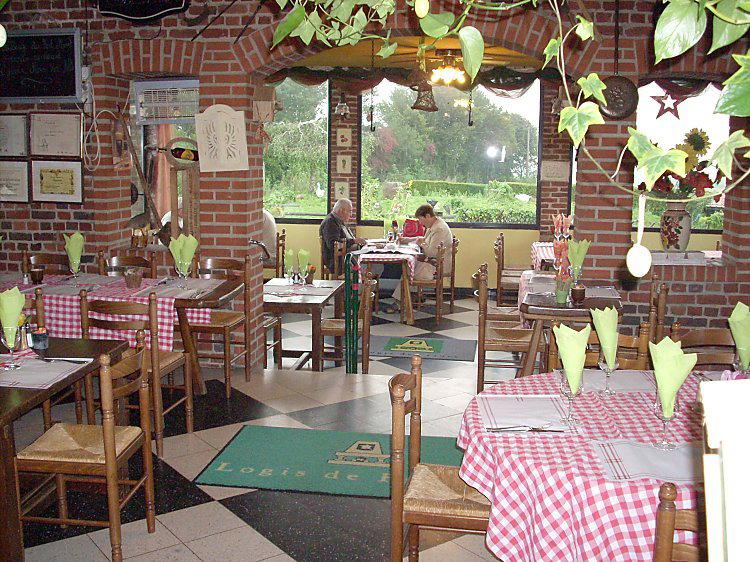
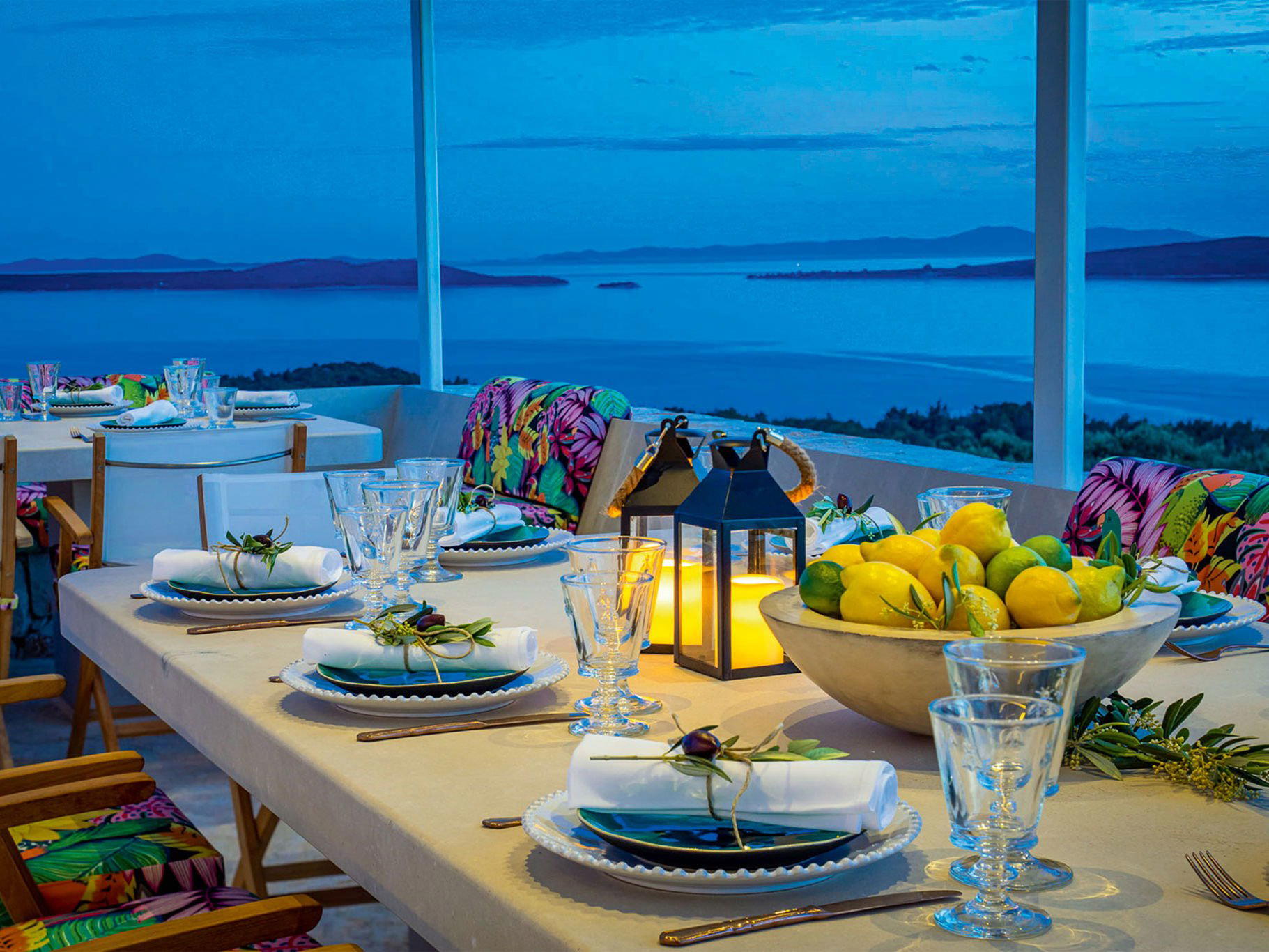
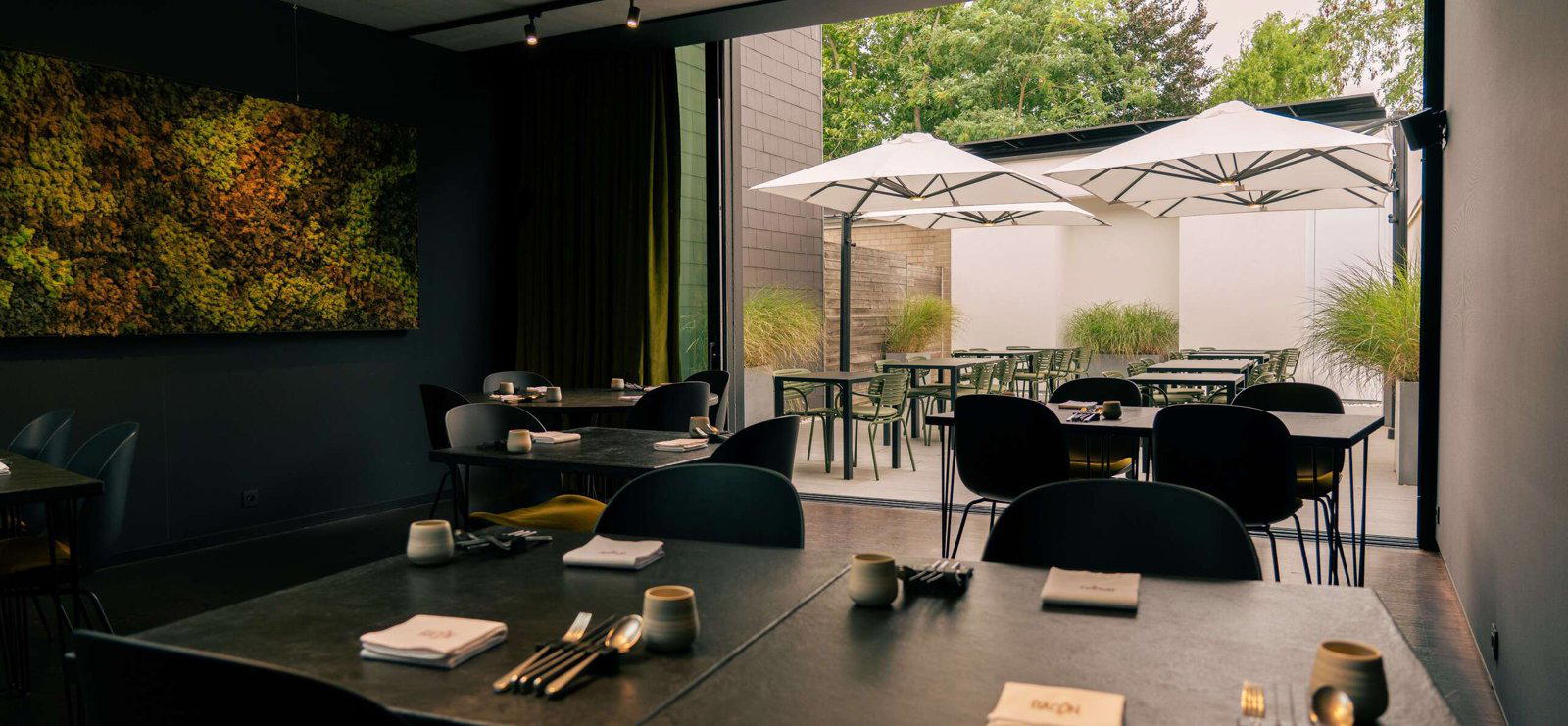
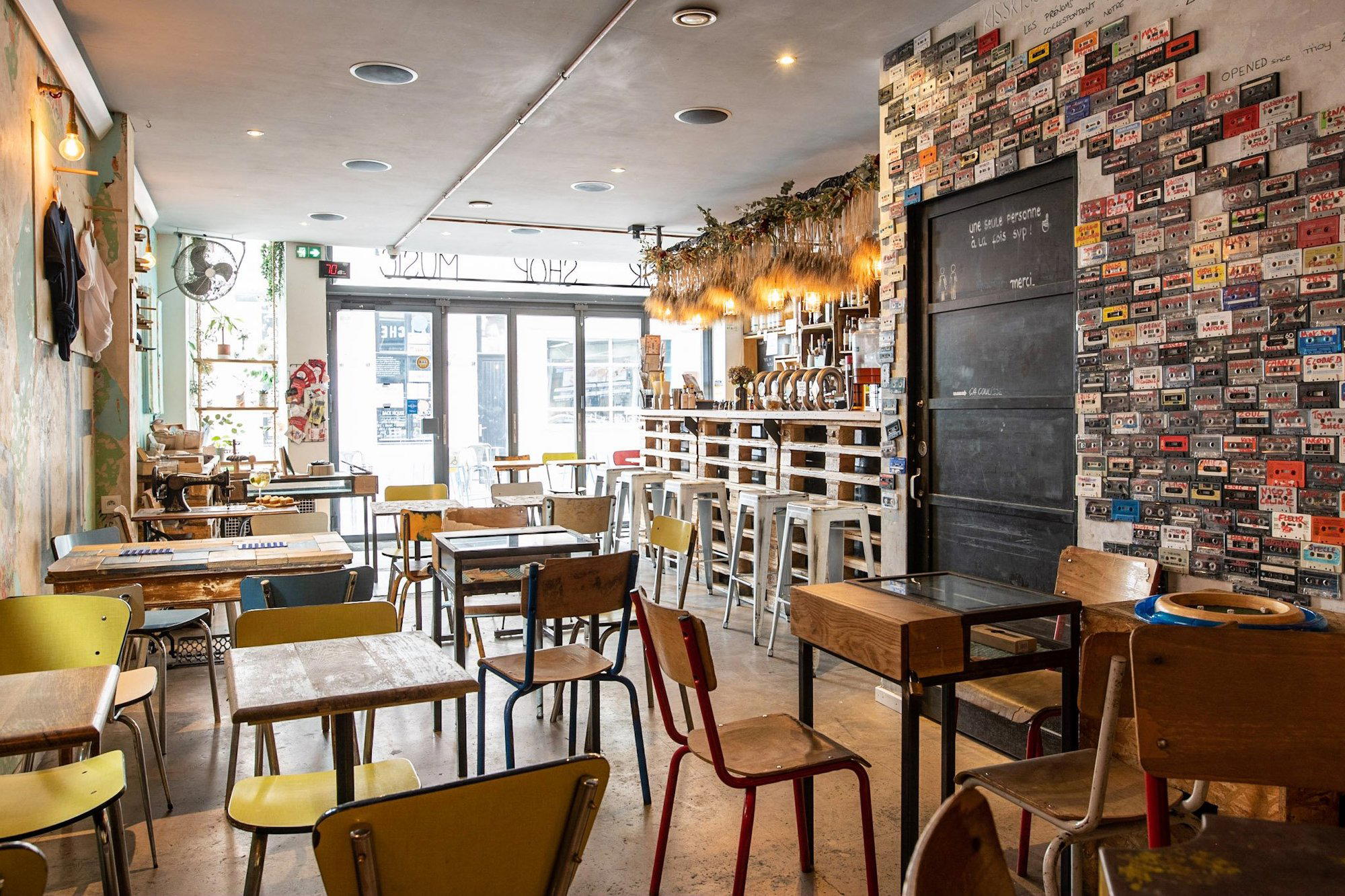
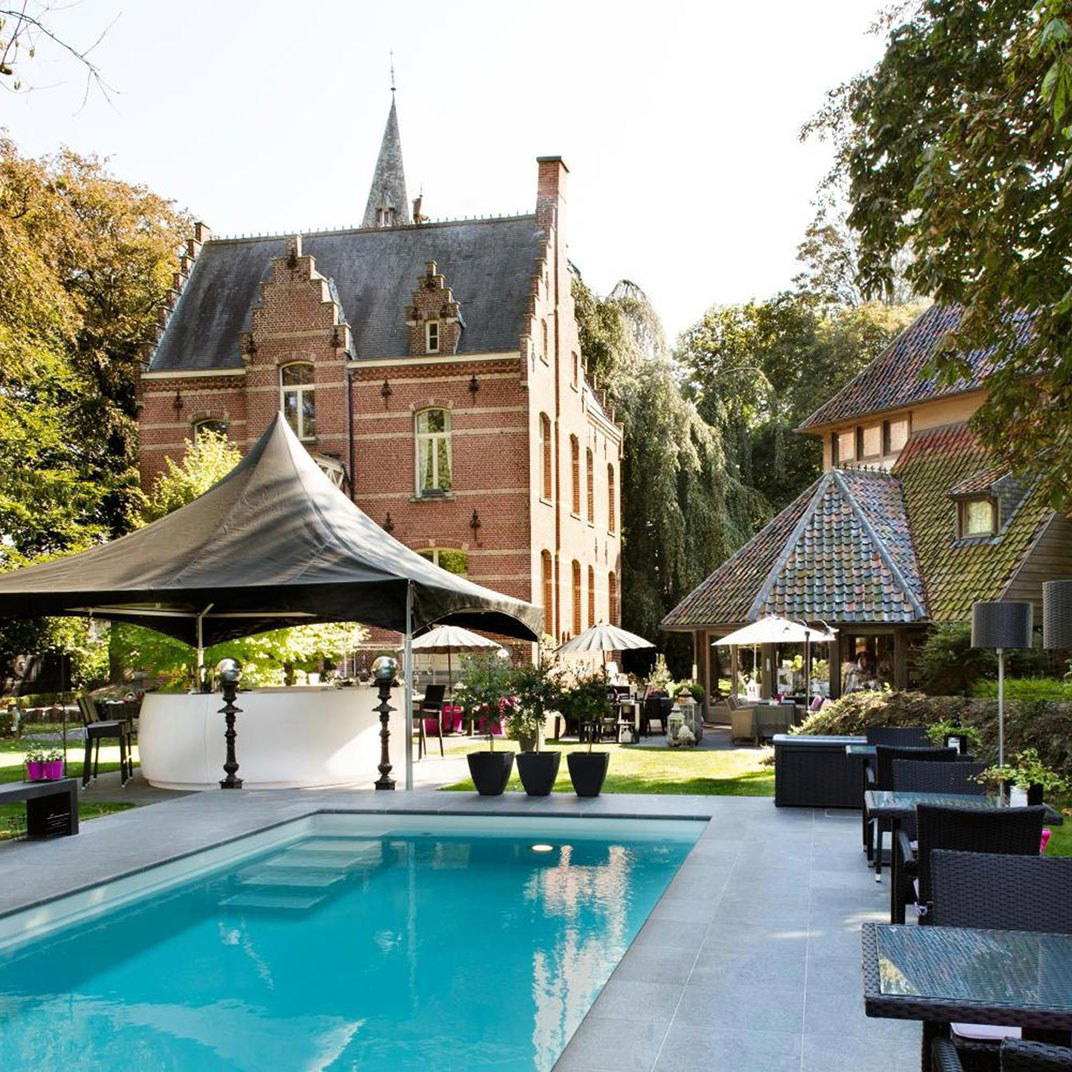
Warm and cozy atmosphere with fireplaces, exposed beams decorated with hops, and rustic farmhouse charm.