Our verdict
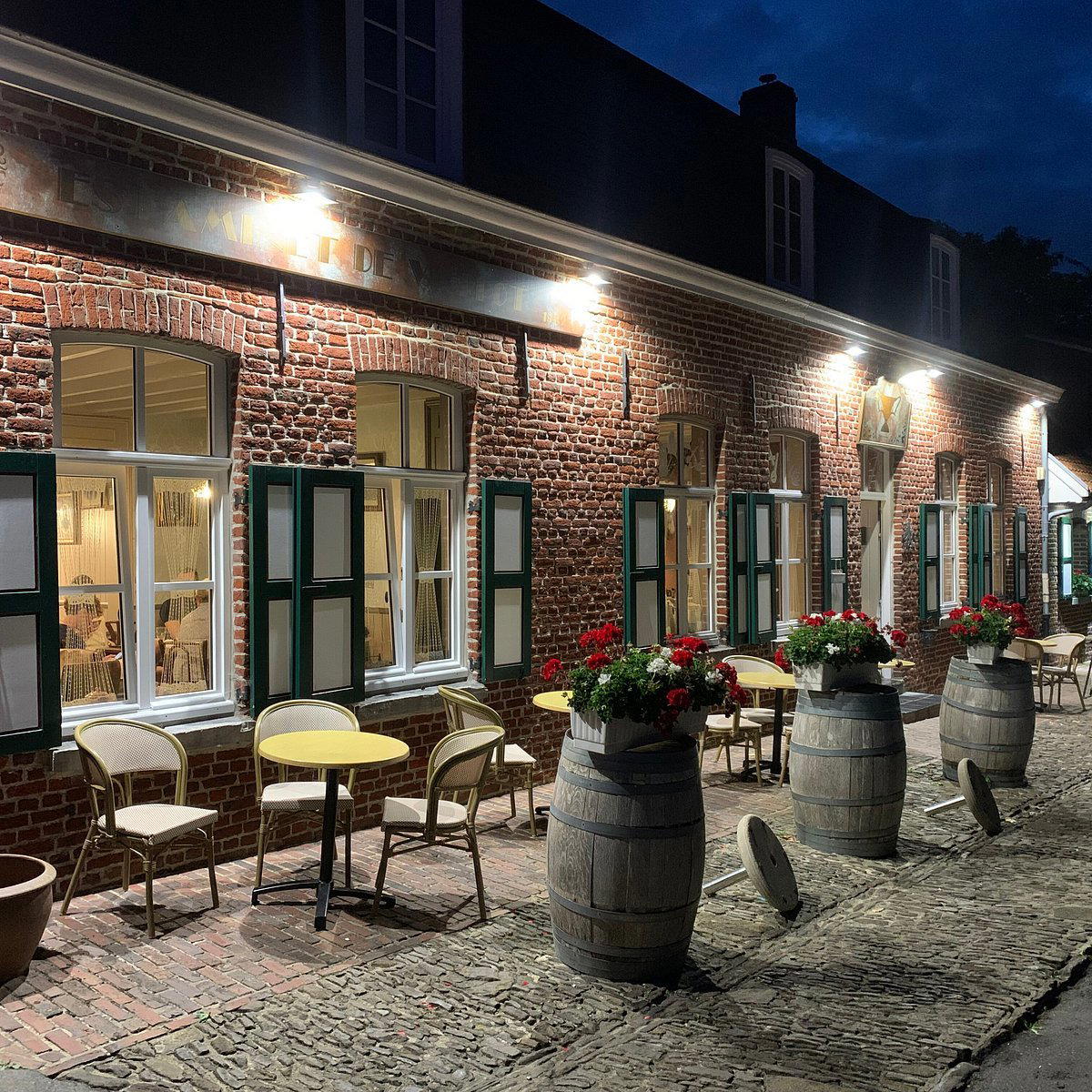
In the Flemish hill country of French Flanders, Estaminet De Vierpot occupies a corner of Boeschepe where the estaminet tradition, the region's deeply rooted tavern culture, still shapes how locals eat and gather. The kitchen draws from the agricultural produce and artisan food networks of the Franco-Belgian borderlands, placing it firmly within a culinary geography that most visitors to France overlook entirely.

Pearl is the En Primeur Club membership app, where members save venues, book tables and use the concierge.
The menu
What to order
- Carbonade
- Baked sausage with cheese sauce
- Potjevleesch
French Flanders and the Estaminet Tradition
The estaminet is one of France's least exported dining formats. Rooted in the Flemish-speaking communities of the Nord department and the Hauts-de-Hauts-de-France region more broadly, these tavern-style establishments predate the brasserie by centuries and occupy a different social register entirely. Where a brasserie signals urban appetite and industrial beer production, the estaminet was always agricultural: a place to eat after the fields, drink local jenever or regional beer, and stay for hours without ceremony. Boeschepe, a hilltop commune on the French side of Mont des Cats, remains one of the few places in France where this format has not been entirely absorbed into nostalgic tourism or stripped of its original character. Our full Boeschepe restaurants guide maps the wider dining picture in this overlooked corner of the Nord.
Estaminet De Vierpot sits on the Complexe Joseph Decanter, a cluster that anchors a stretch of Boeschepe where the built environment still reflects the Flemish farmstead model rather than the manicured village aesthetic more common in Alsace or Burgundy. Approaching from the winding roads that cross the Monts de Flandre, the building reads as functional before it reads as welcoming, which is precisely the point. The estaminet tradition was never about arrival drama. It was about what happened once you were inside.
Ingredient Geography: The Franco-Belgian Borderlands
The culinary logic of this part of France is agricultural before it is gastronomic. The Monts de Flandre and the lowlands stretching toward the Belgian border produce a specific larder: endive grown in the dark, Maroilles cheese from the Avesnois, grey shrimp from the North Sea coast, carbonnade-style braised meats using local amber ales, and the root vegetables that survive a hard northern winter. This is not the produce vocabulary of Provence or the Loire. It is heavier, more fermented, more reliant on preservation traditions developed before refrigeration made seasonality optional.
An estaminet kitchen working within this tradition sources differently from a contemporary French restaurant. The logic runs toward regional breweries, local charcutiers, and the dairy cooperatives that still operate between Lille and the Belgian border, rather than toward the premium import networks that supply Michelin-tracked kitchens like Mirazur in Menton or Alléno Paris au Pavillon Ledoyen. That is not a limitation, it is a different kind of discipline. Cooking tightly to a regional larder in northern France means working with ingredients that have defined their own flavour logic over centuries of cross-border exchange between French Flanders and Belgian Wallonia.
The broader Hauts-de-France dining scene has largely been ignored by the international food press, which tends to move between Paris and the two or three regions that generate the densest Michelin activity. That neglect has arguably preserved the estaminet format. When a dining tradition is not commercially pressured by culinary tourism, it tends to remain legible on its own terms. In that respect, Boeschepe occupies a position somewhat analogous to the village auberge culture of deeper rural France, places like Auberge du Vieux Puits in Fontjoncouse or Auberge de l'Ill in Illhaeusern, where regional identity rather than award accumulation has shaped the kitchen's vocabulary.
Where Estaminet De Vierpot Sits in the Local Picture
Boeschepe's dining options are narrow enough that each establishment carries a distinct function. Auberge du Vert Mont occupies the creative end of the local spectrum, operating at a different price register and drawing visitors specifically for its kitchen work. Estaminet De Vierpot belongs to a different register entirely: the day-to-day tavern, the place that serves the community before it serves the visitor. That positioning matters because it shapes everything from the pace of service to the assumptions made about how long a table will stay.
Within the broader map of French regional dining, the estaminet format connects to a set of traditions that rarely appear in the same sentence as haute cuisine destinations like Flocons de Sel in Megève, Troisgros in Ouches, or Maison Lameloise in Chagny. But the comparison is instructive precisely because it clarifies what estaminets are not trying to do. They are not competing for recognition within the French fine-dining system. They are operating within a parallel food culture that predates that system and, in communities like Boeschepe, continues to function independently of it.
For visitors coming from further afield, those who also track tables at Le Bernardin in New York City or Lazy Bear in San Francisco, the estaminet offers a useful recalibration. The measures of quality are different. Consistency, generosity, and regional fidelity matter more than technique or innovation. That is not a lesser standard; it is a different one.
Planning a Visit
Boeschepe is reachable from Lille in under an hour by car, and from the Belgian border town of Poperinghe in under twenty minutes. The commune sits on the D10 road that runs along the ridge of the Monts de Flandre, and Estaminet De Vierpot's address at 125 Complexe Joseph Decanter is direct to locate within the village. Visiting mid-week tends to reduce competition for tables from local regulars, who treat weekend estaminet visits as a fixture of Flemish social rhythm. Those interested in positioning this stop within a wider northern France itinerary will find context in our Boeschepe dining guide.
Frequently asked questions
Does Estaminet De Vierpot work for a family meal?
The estaminet format is structurally suited to family dining. These Flemish taverns, rooted in the Nord department's communal eating culture, have historically served multigenerational tables rather than couples-only occasions. Boeschepe's setting, a rural commune in the Monts de Flandre, reinforces that unhurried, informal register.
What should I expect atmosphere-wise at Estaminet De Vierpot?
Estaminets in this part of France occupy a specific register: warmer and more domestic than a brasserie, with less formality than a regional auberge. The address at 125 Complexe Joseph Decanter places it within Boeschepe's small commune, where the pace of service tends to follow the agricultural rhythm of the surrounding Monts de Flandre rather than urban dining conventions.
How does Estaminet De Vierpot compare to other dining options near the Belgian border?
Boeschepe sits within twenty minutes of Poperinghe and roughly an hour from Lille, placing it at a crossroads where the French estaminet tradition and Belgian tavern culture meet in the same agricultural terrain. While Auberge du Vert Mont represents the creative end of local dining, the estaminet format at De Vierpot occupies a different function: closer to a community anchor than a destination restaurant. That distinction matters if you are coming specifically to eat within the French Flemish tradition rather than a contemporary interpretation of it.
What do people recommend at Estaminet De Vierpot?
The estaminet tradition in French Flanders centres on dishes tied to the Franco-Belgian borderlands: carbonnade, potjevleesch, and preparations built on local chicory and regional cheeses. These are the reference points for this format across the Nord department, and Estaminet De Vierpot operates within that established repertoire.
Where exactly is Estaminet De Vierpot?
Estaminet De Vierpot is located at 125 Complexe Joseph Decanter, 59299 Boeschepe, France, Boeschepe.
Do I need a reservation for Estaminet De Vierpot?
In a commune the size of Boeschepe, dining capacity is limited and the number of restaurants serving the full estaminet format is narrow. Booking ahead is the practical approach, particularly for weekend lunches when regional visitors from Lille and across the Belgian border are most likely to be passing through.
Comparable Spots, Quickly
| Venue | Cuisine | Price | Awards | Notes |
|---|---|---|---|---|
| Estaminet De VierpotThis venue (the venue you are viewing) | Traditional Flemish Bistro | $20–30 | Not listed | Not listed |
| Mirazur | Modern French Fine Dining | $300–500 | 3 Michelin Stars · World's 50 Best #1 | Modern French, Creative |
| Alléno Paris au Pavillon Ledoyen | Modern French Fine Dining | $150–200 | 3 Michelin Stars · World's 50 Best #79 | Creative |
| Kei | Modern French with Japanese Influences | $300–500 | 3 Michelin Stars · World's 50 Best #93 | Contemporary French, Modern Cuisine |
| L'Ambroisie | Classic French Haute Cuisine | $300–500 | 2 Michelin Stars · World's 50 Best #23 | French, Classic Cuisine |
| Le Cinq - Four Seasons Hôtel George V | Modern French Fine Dining | $300–500 | 3 Michelin Stars · World's 50 Best #24 | French, Modern Cuisine |
Continue exploring
More in Boeschepe
Restaurants in Boeschepe
All restaurants in Boeschepe →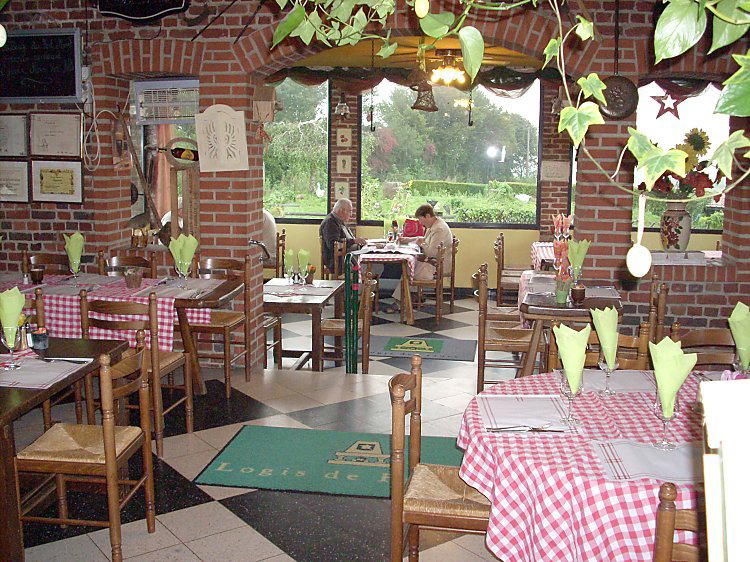
Bars in Boeschepe
Browse all →

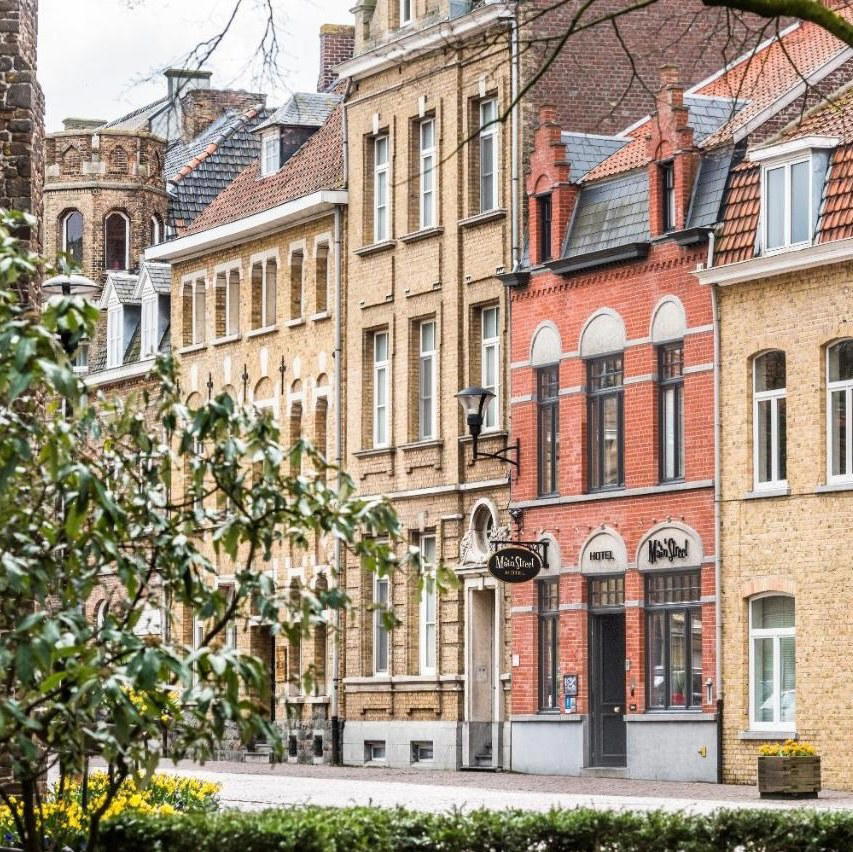
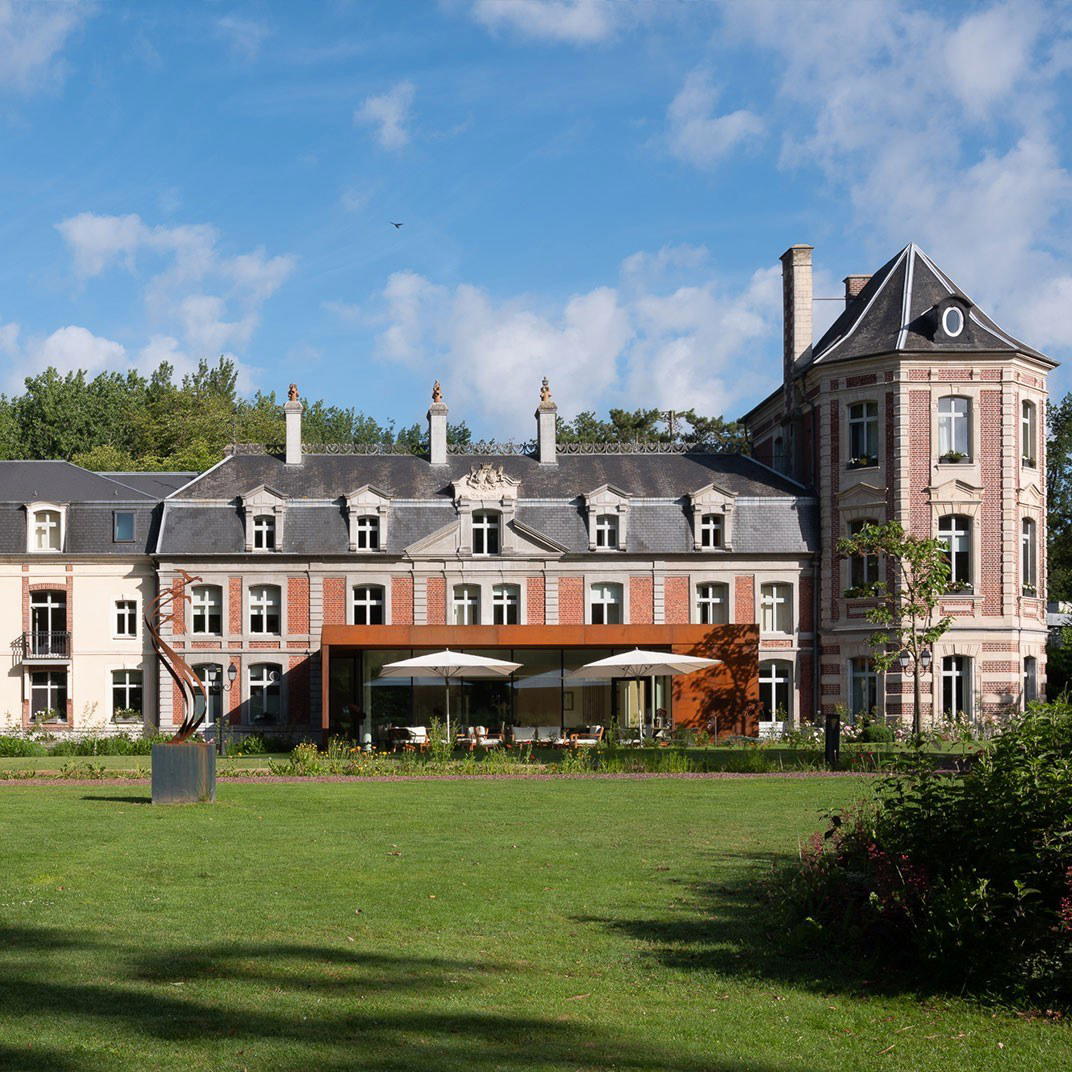
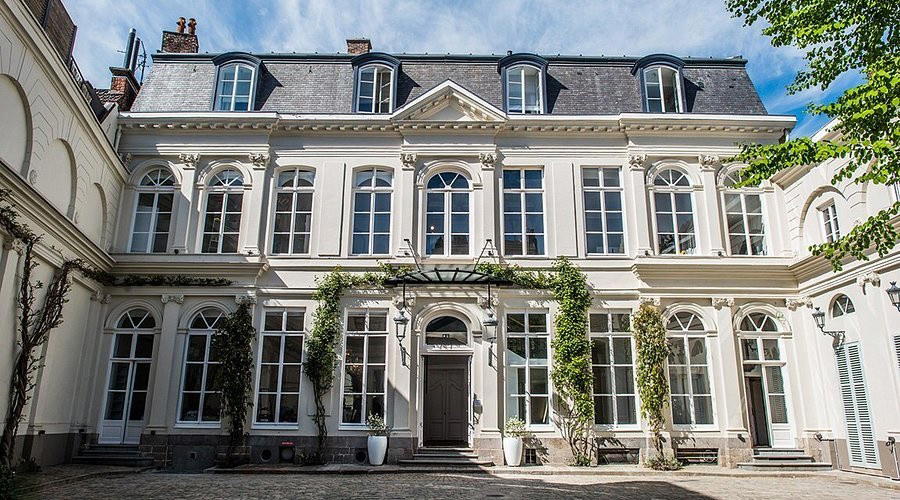
Hotels in Boeschepe
Browse all →
Wineries in Boeschepe
Browse all →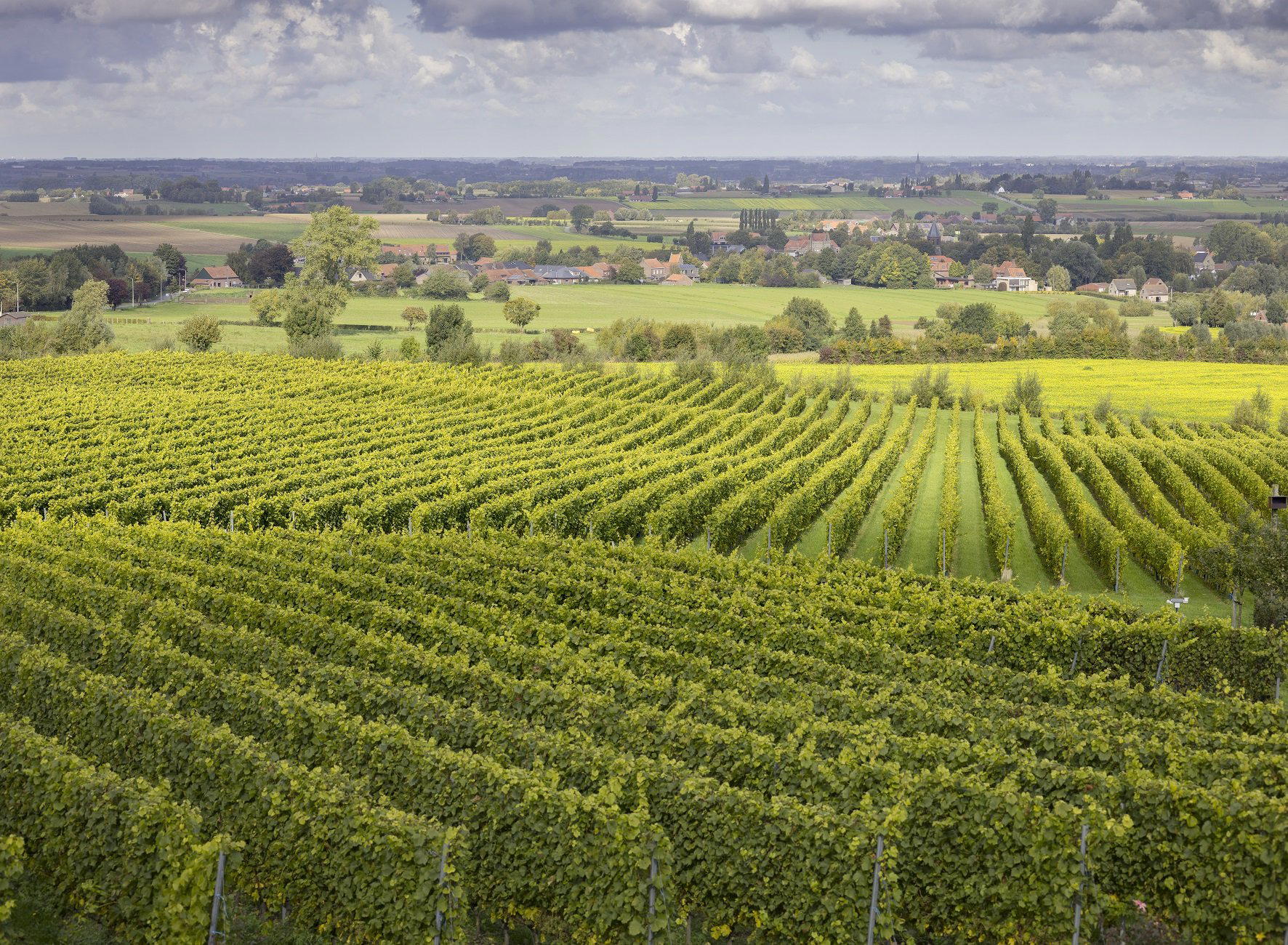
Details
- Rustic
- Cozy
- Classic
- Casual Hangout
- Family
- Terrace
- Historic Building
- Beer Program
- Local Sourcing
- Mountain
- A La Carte
- Beer
Current opening hours
- Monday
- Closed
- Tuesday
- Closed
- Wednesday
- Closed
- Thursday
- 12–10 PM
- Friday
- 12–10 PM
- Saturday
- 12–10 PM
- Sunday
- 12–10 PM
Hours can change for holidays and private events. Hours as of .
Warm and authentic Flemish countryside atmosphere with a carefully decorated interior evoking a traditional village herberg.