
Au Bon Pichet earns its Michelin Plate recognition two years running by anchoring traditional Alsatian cooking to the market rhythms of Sélestat's historic centre. At a mid-range price point, it sits firmly in the honest-regional tier of Alsace dining, where seasonal produce and local sourcing do more work than culinary theatre.
Pearl is the En Primeur Club membership app — saves, bookings, and concierge access live there. Same editors, same standards.
- Address
- 10 Marché aux Choux, 67600 Sélestat, France
- Phone
- +33 3 88 82 96 65
- Website
- aubonpichet.fr
- Directions
- Get directions
 Saves & bookings on Pearl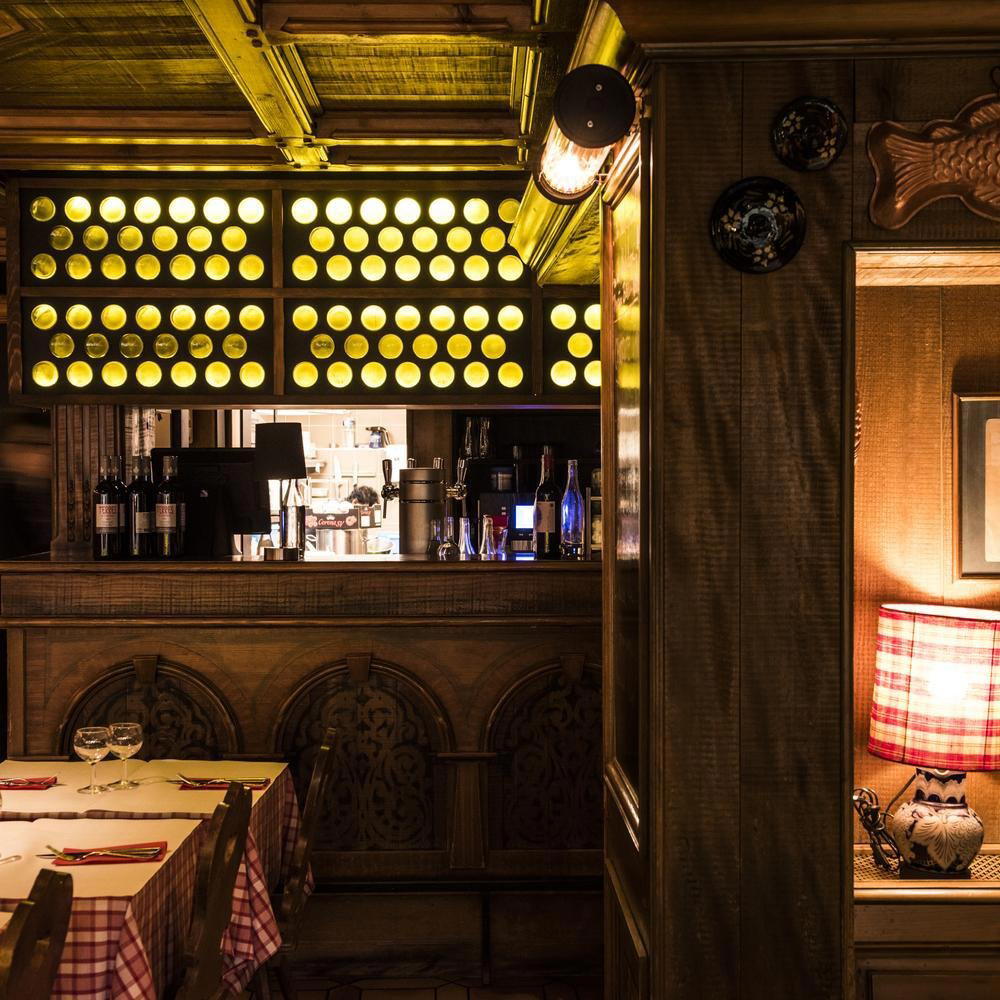
Where Alsatian Market Cooking Still Means Something
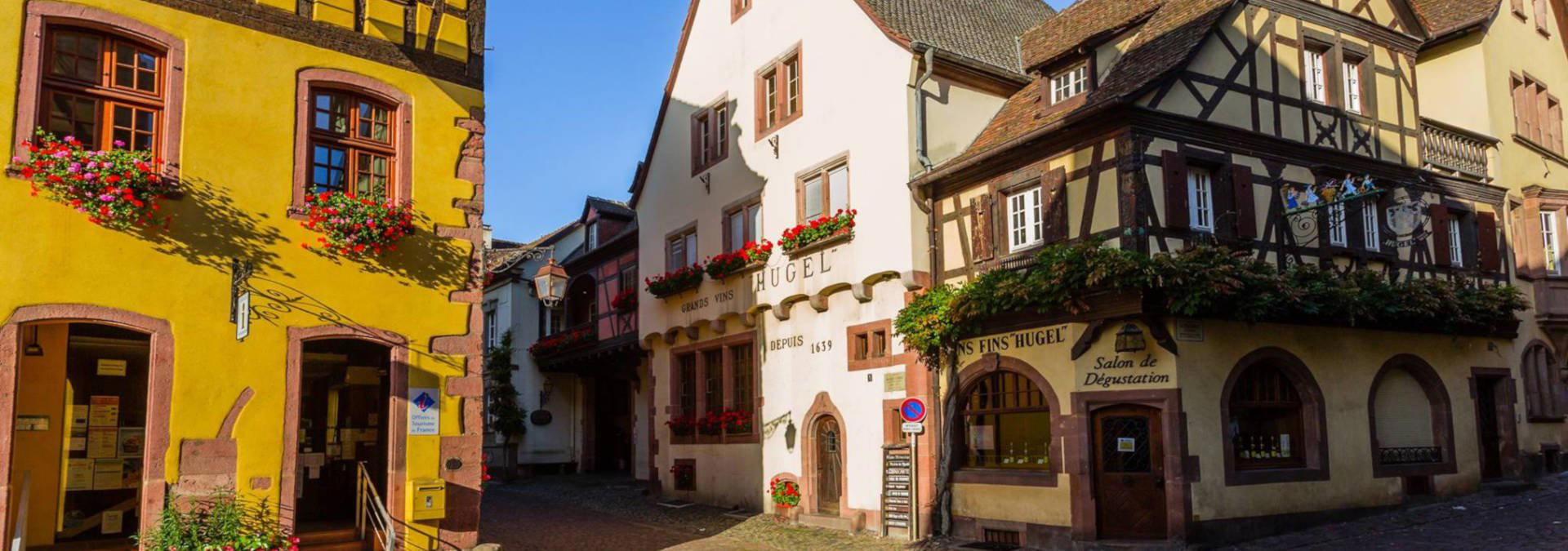
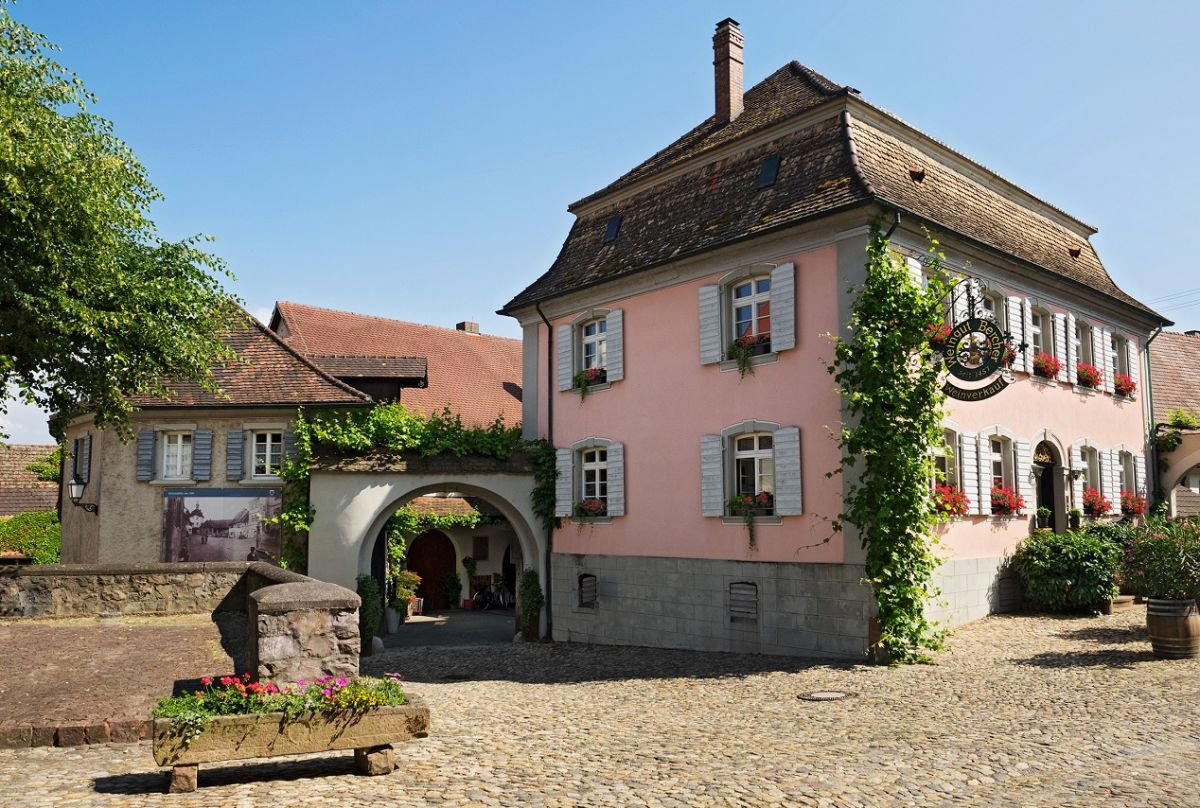
Sélestat's Marché aux Choux, the old cabbage market square, sets the register before you've crossed the threshold. The square belongs to the medieval town's working core, not its tourist periphery, and the address at number 10 tells you something about Au Bon Pichet's orientation: this is a room that faces the town's daily commerce rather than its postcard views. In Alsace, that distinction matters. The region has a long tradition of cuisine du terroir rooted in market proximity, and restaurants that sit within walking distance of their produce sources tend to cook differently from those that perform that relationship from a distance.
The broader dining map of Alsace splits into two legible tiers. At the upper end, places like Auberge de l'Ill in Illhaeusern carry multi-generational Michelin weight and a price point to match. Sélestat, by contrast, has historically been a town where the cooking conversation is quieter and more domestic, sustained by residents rather than destination diners. Au Bon Pichet operates in that register at a €€ price point, placing it among Alsace's mid-range traditional houses rather than alongside the grand tables of Strasbourg or the Rhine plain's more celebrated auberges.
What the Michelin Plate Signals Here
The Michelin Plate, awarded in both 2024 and 2025, recognizes restaurants producing good cooking without the complexity or scale to pursue star candidacy. In the context of traditional regional French cooking, the Plate often identifies places where technical consistency and ingredient quality are high enough to merit attention, but where the format is resolutely unpretentious. Two consecutive years of that recognition at Au Bon Pichet points to a kitchen that has maintained its standard rather than drifted. For the traveller mapping Alsace outside the starred circuit, the Plate signal is worth taking seriously as a marker of honest reliability.
France's starred and nationally recognised restaurants attract considerable coverage. Alléno Paris au Pavillon Ledoyen, Mirazur in Menton, and Troisgros in Ouches operate in a different competitive conversation entirely. So does Au Crocodile in Strasbourg, Alsace's own contribution to the higher-starred tier. The restaurant belongs to a separate and more local tradition: the neighbourhood table that feeds the town as much as it feeds passing visitors. That positioning is not a consolation prize. In France, the €€ Michelin Plate house in a secondary city often delivers a more grounded read of a region's actual cooking habits than the destination restaurant a hour's drive away.
Ingredient Sourcing and the Alsatian Kitchen Logic
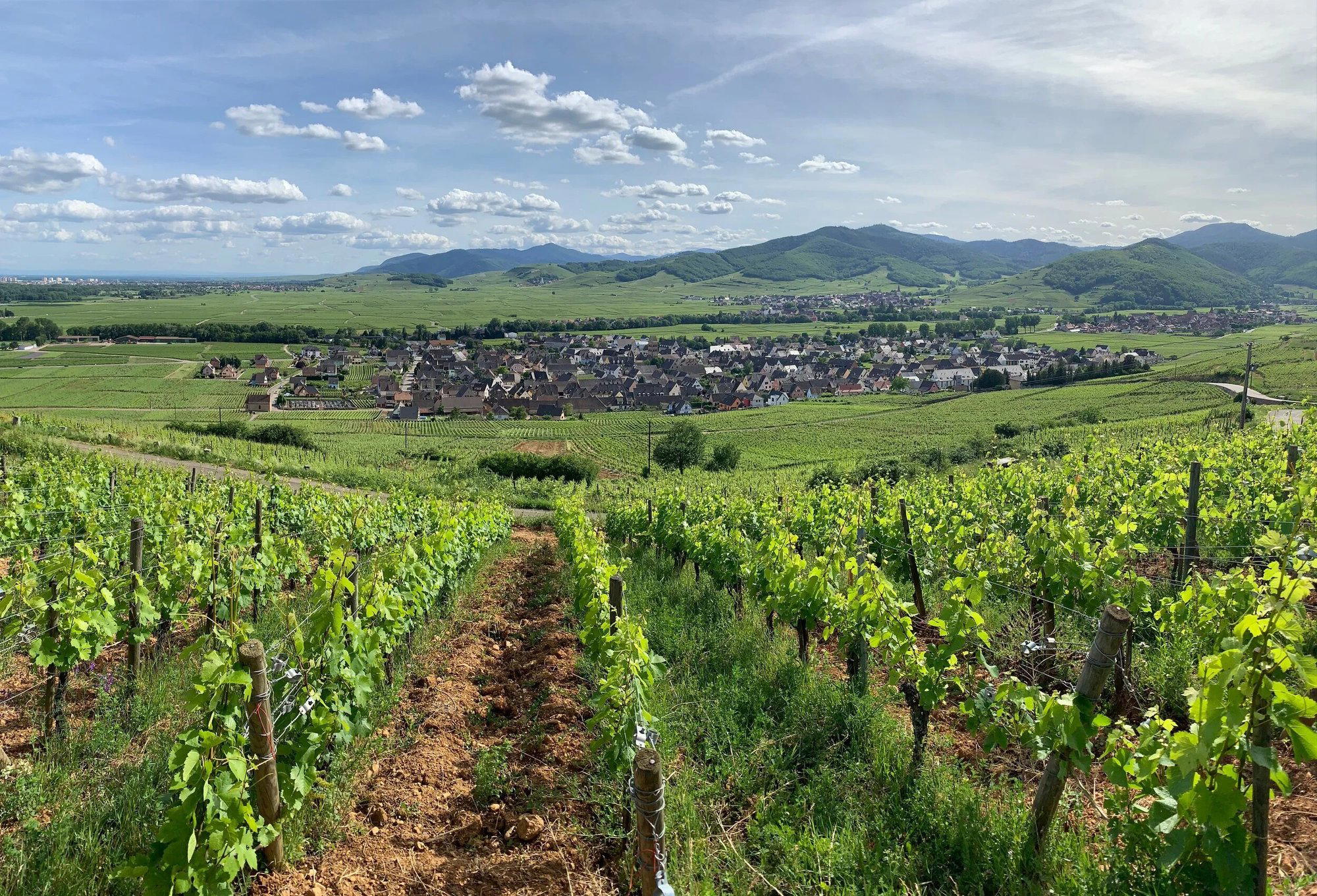
Alsatian traditional cooking has a specific agricultural logic behind it. The region's cuisine draws heavily on Rhine plain produce, cabbages, root vegetables, river fish, pork in many preparations, alongside a wine culture that runs continuously from Marlenheim to Thann along the Route des Vins. Sélestat sits roughly at the midpoint of that corridor, surrounded by the flat, fertile plain east of the Vosges foothills. What that geography produces, in culinary terms, is a kitchen tradition built on abundance rather than scarcity: pickling and curing developed as preservation techniques, not as affectation, and dishes like choucroute garnie reflect the full use of seasonal surplus rather than any single prestige ingredient.
A restaurant operating from the Marché aux Choux address in Sélestat is positioned, structurally, to participate in that local supply rhythm. The old market square's name is itself a reference to the cabbage trade that once ran through this part of Alsace, and the proximity of the restaurant to that commercial tradition frames what the kitchen can reasonably be expected to do. Traditional Alsatian cooking, at its most grounded, is seasonal by necessity rather than by marketing. The distinction matters: sourcing that is genuinely tied to a regional agricultural calendar produces different food from sourcing that is styled to resemble it.
For context on how other parts of France approach the same question of terroir fidelity, it is worth looking at Bras in Laguiole or Auberge du Vieux Puits in Fontjoncouse, both of which have built reputations around the produce of their specific landscapes. The ambition there is of a different order, but the underlying commitment to place-specific sourcing is the same instinct operating at different altitudes. Flocons de Sel in Megève offers a comparable alpine terroir argument in the Savoie register.
How Au Bon Pichet Reads Against the Sélestat Scene
Sélestat is a town of roughly 20,000 people, better known for its Bibliothèque Humaniste and the Corso Fleuri than for its restaurant scene. Dining here has historically served the town's own population alongside the touring traffic that passes through en route to Colmar, Strasbourg, and the wine villages of the Haut-Rhin.. In a secondary Alsatian town, sustained positive ratings across nearly 300 data points suggest a kitchen that performs consistently for a mixed audience of regulars and first-time visitors.
Within the broader EP Club picture of Alsace and the Grand Est, the restaurant occupies the practical end of a regional dining argument that stretches up through higher-pressure kitchens. See also Assiette Champenoise in Reims for the Grand Est's starred upper tier, or compare with how traditional-cuisine formats are holding in other French provincial towns via Auberge Grand'Maison in Mûr-de-Bretagne and Auga in Gijón for a cross-border read of the same traditional-cuisine category. AM par Alexandre Mazzia in Marseille and Paul Bocuse in Collonges-au-Mont-d'Or anchor the opposite end of the French dining register entirely.
Planning Your Visit
The restaurant is located at 10 Marché aux Choux in central Sélestat, within the old town's walkable core. The €€ price point places it in the accessible mid-range for Alsace dining, and the consistent Michelin recognition over two consecutive years makes it a reliable choice for travellers who want grounded regional cooking without the advance booking pressure of the starred circuit.
Side-by-Side Snapshot
Comparable venues nearby, for context on price, style, and recognition.
| Venue | Cuisine | Price | Awards | Notes |
|---|---|---|---|---|
| Au Bon PichetThis venue — the venue you are viewing | Traditional Alsatian Winstub | $$$ | Michelin Plate | Not listed |
| Acolytes | Modern French Gastronomic | $$$ | Michelin Plate | centre-ville |
| Le Banquet des Sophistes | Modern French Bistronomique | $$$ | Michelin Plate | Bourse-Esplanade-Krutenau |
| L'Imaginaire | Contemporary French Gastronomic | $$$ | Michelin Plate | Schiltigheim |
| Restaurant Bohrer | Classic French Alsatian Gastronomic | $$$ | Michelin Plate | Rouffach |
| La Vieille Enseigne | Traditional Alsatian Winstub | $$$ | Michelin Plate | Centre |
Recognition history
Dated appearances from independent guides and award organizations, with the underlying list record or original source where available.
Michelin Plate
Michelin
Michelin Plate
Michelin
Michelin Plate
Michelin
Continue exploring
More in Sélestat
Restaurants in Sélestat
Browse all →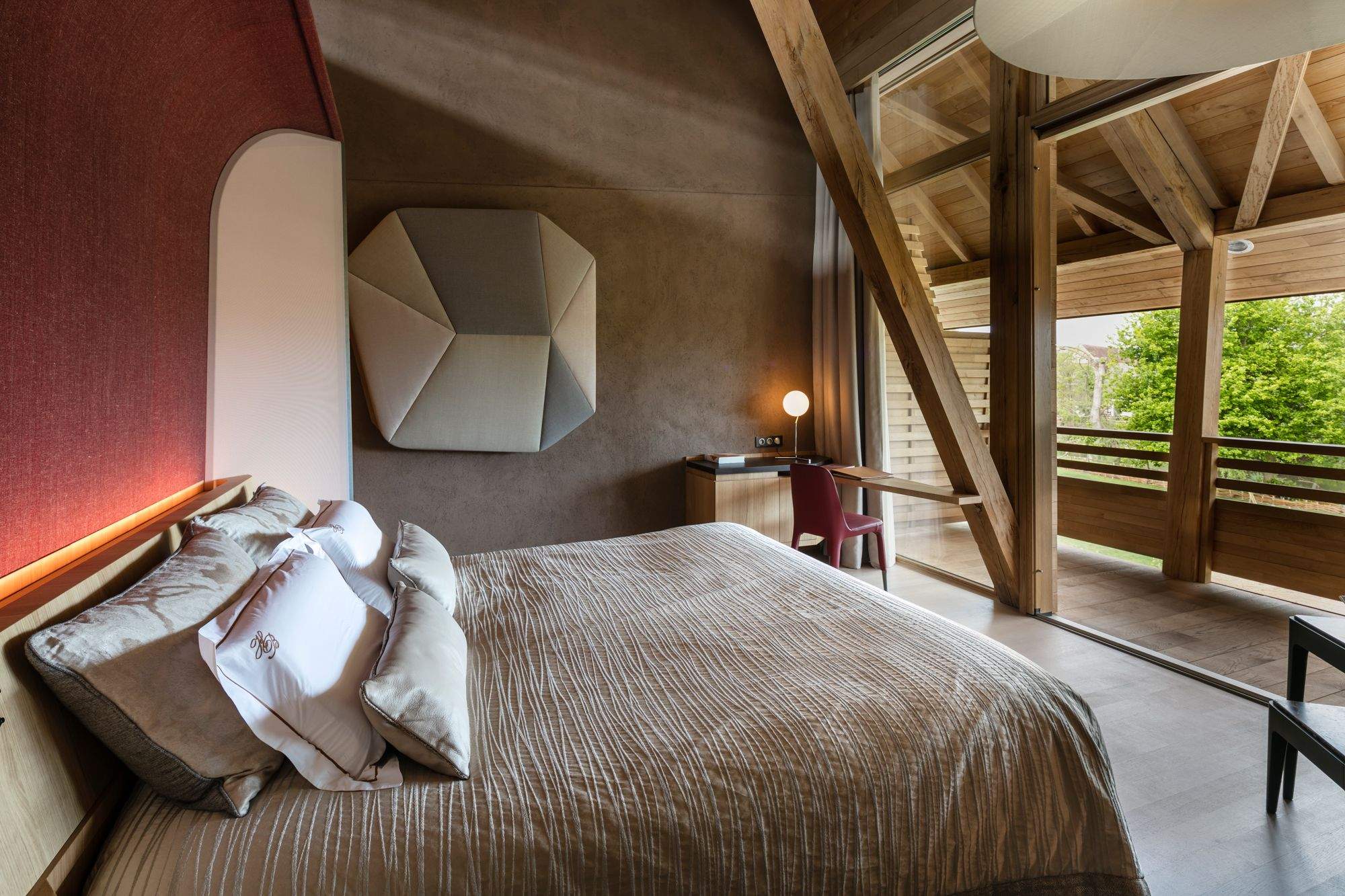
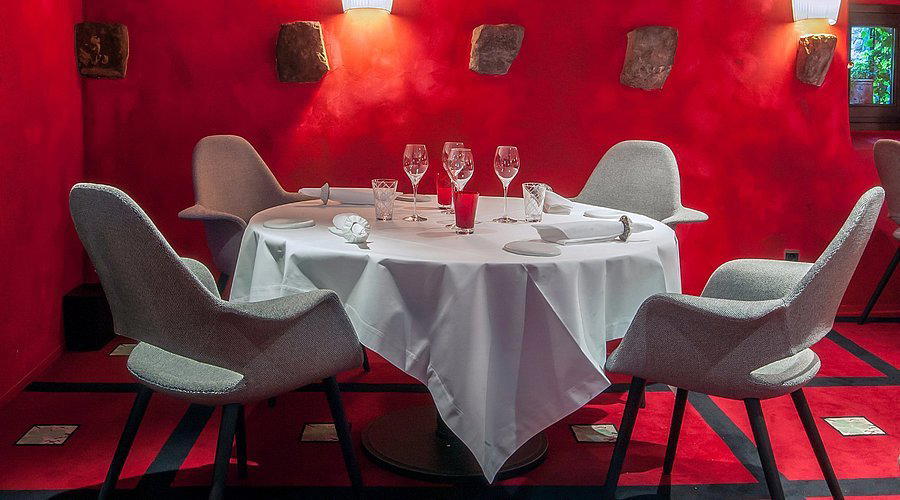
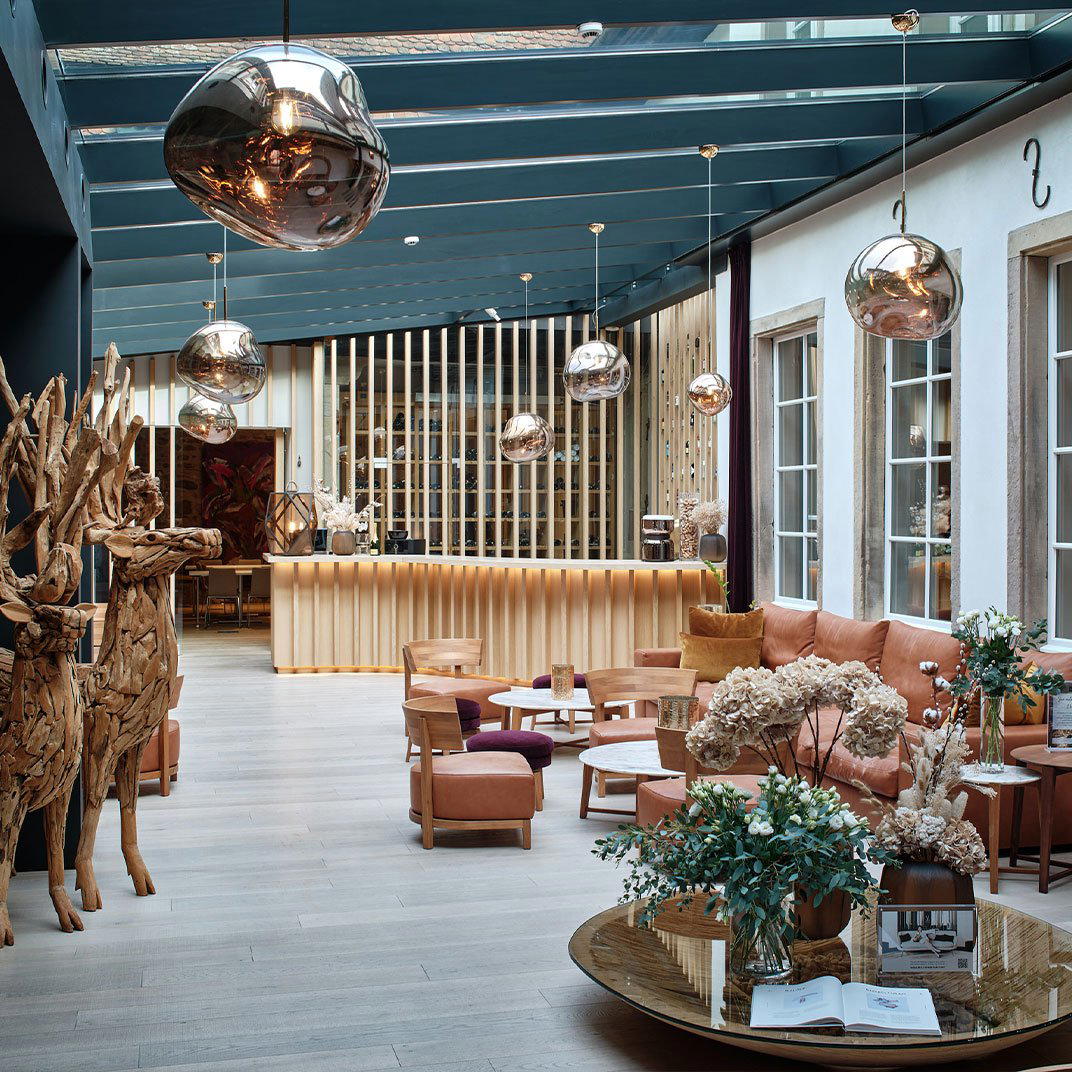
Bars in Sélestat
Browse all →


Hotels in Sélestat
Browse all →
At a Glance
- Cozy
- Rustic
- Classic
- Intimate
- Date Night
- Group Dining
- Family
- Casual Hangout
- Special Occasion
- Terrace
- Historic Building
- Standalone
- Extensive Wine List
- Local Sourcing
- Farm To Table
Current opening hours
- Monday
- Closed
- Tuesday
- 12–1:30 PM, 7–9 PM
- Wednesday
- 12–1:30 PM, 7–9 PM
- Thursday
- 12–1:30 PM
- Friday
- 12–1:30 PM, 7–9 PM
- Saturday
- 12–1:30 PM, 7–9 PM
- Sunday
- Closed
Hours can change for holidays and private events. Last verified .
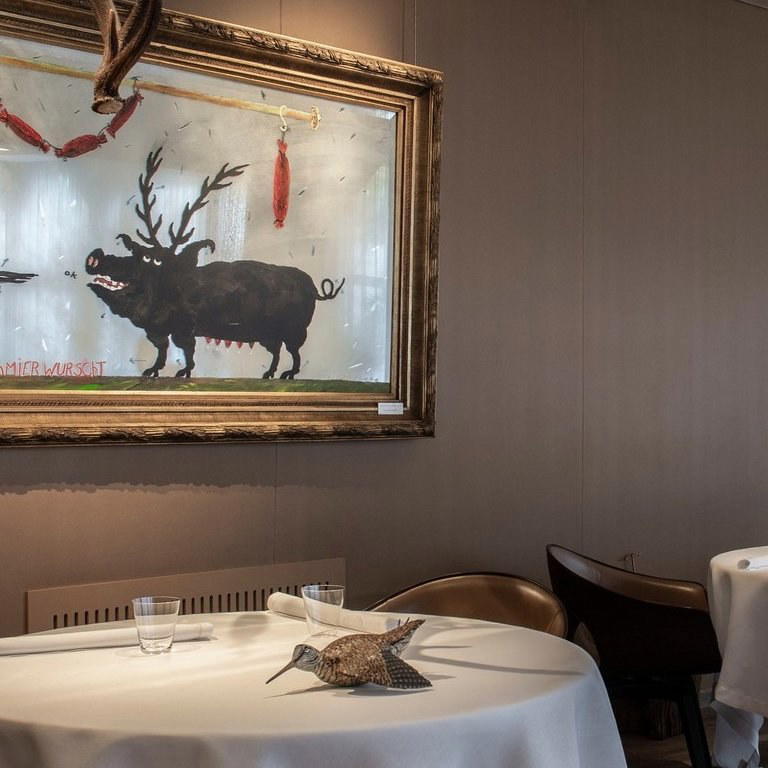
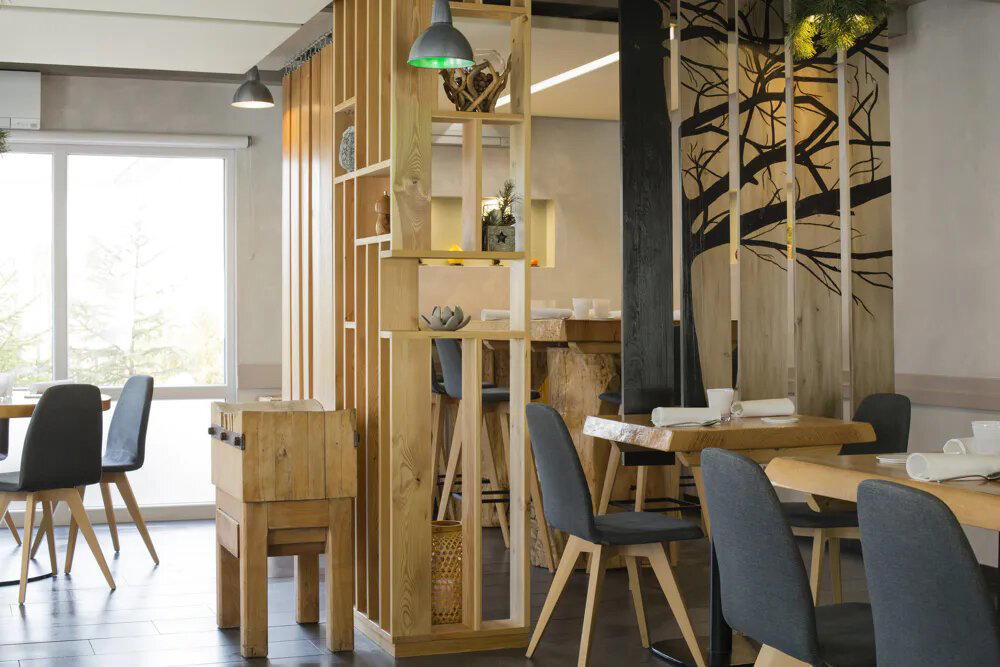
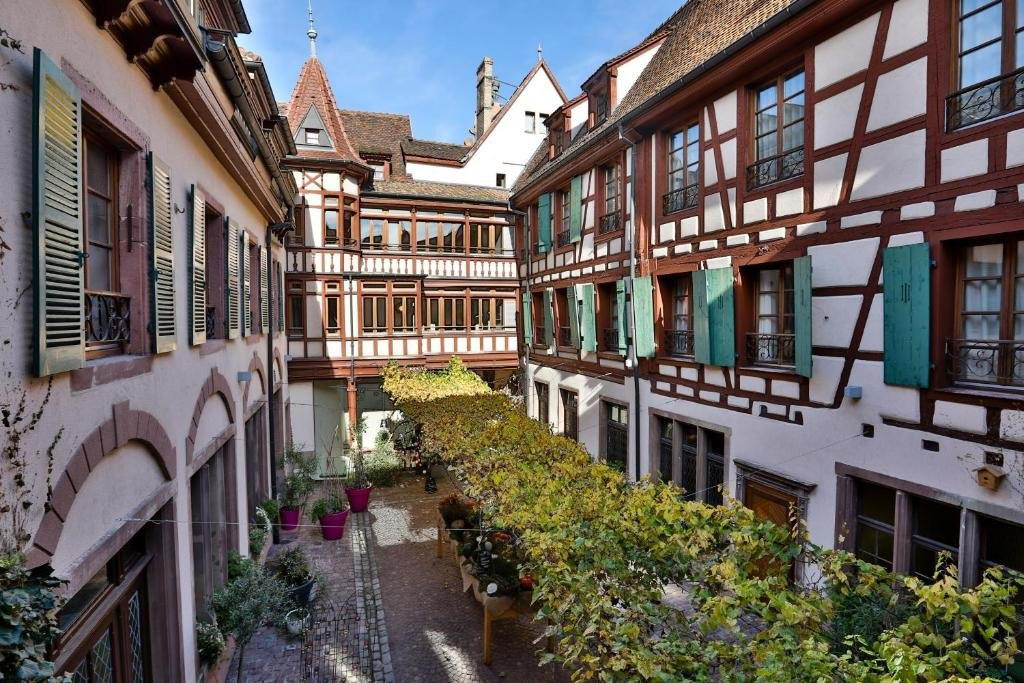
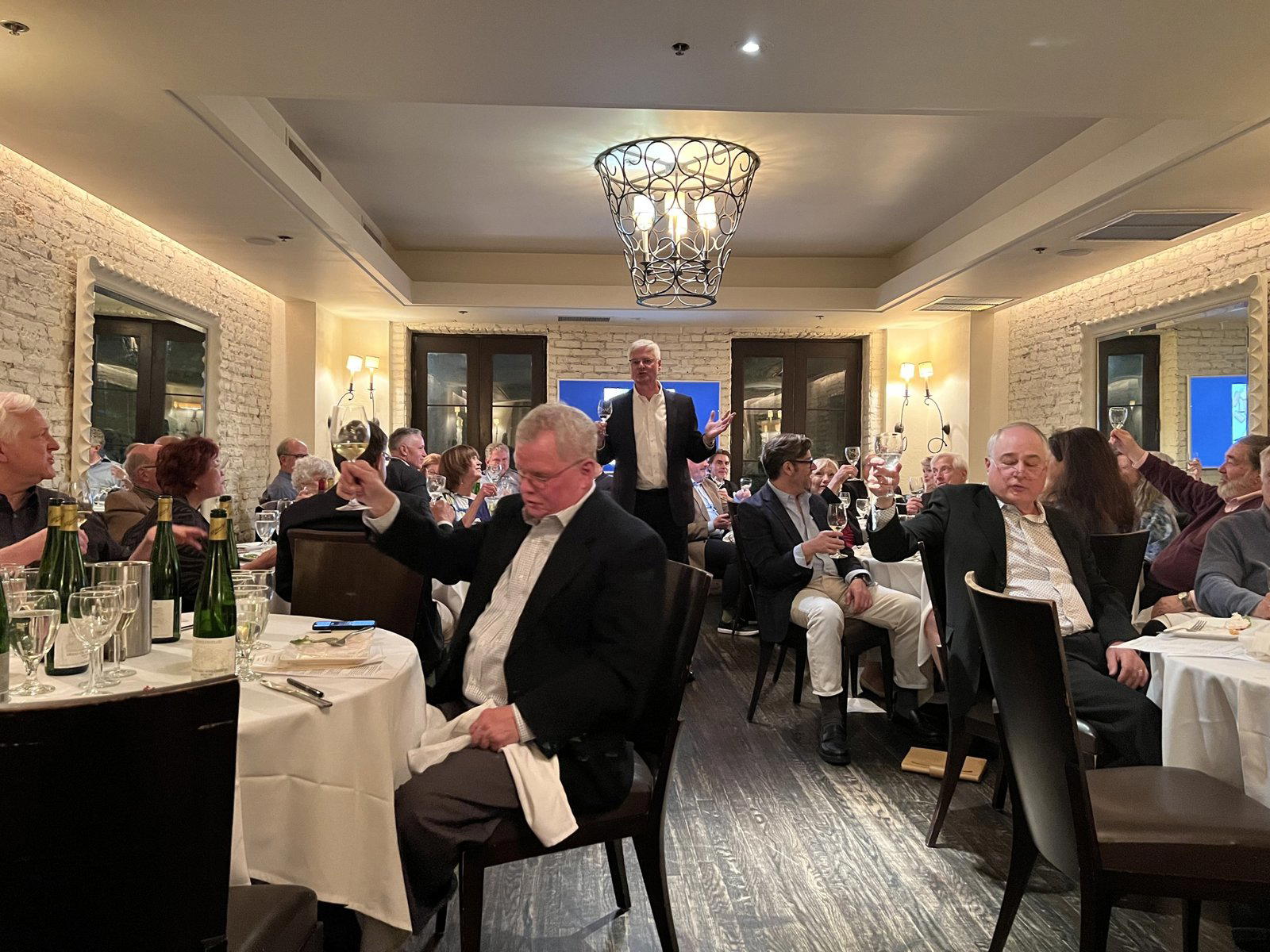
Warm, traditional Alsatian winstub setting with cozy lighting and charming modern touches; convivial and welcoming atmosphere.