Atze Peng

On Enghavevej in Copenhagen's Vesterbro district, Atzepeng occupies a quieter tier of the city's dining scene, away from the concentrated critical attention of the inner-city fine-dining corridor. The address alone signals something worth investigating: a neighbourhood address rather than a tourist-facing location, in a city where that distinction increasingly matters.
Pearl is the En Primeur Club membership app — saves, bookings, and concierge access live there. Same editors, same standards.
- Address
- Enghavevej 56, 1674 København, Denmark
- Phone
- +4542415446
- Directions
- Get directions
 Saves & bookings on Pearl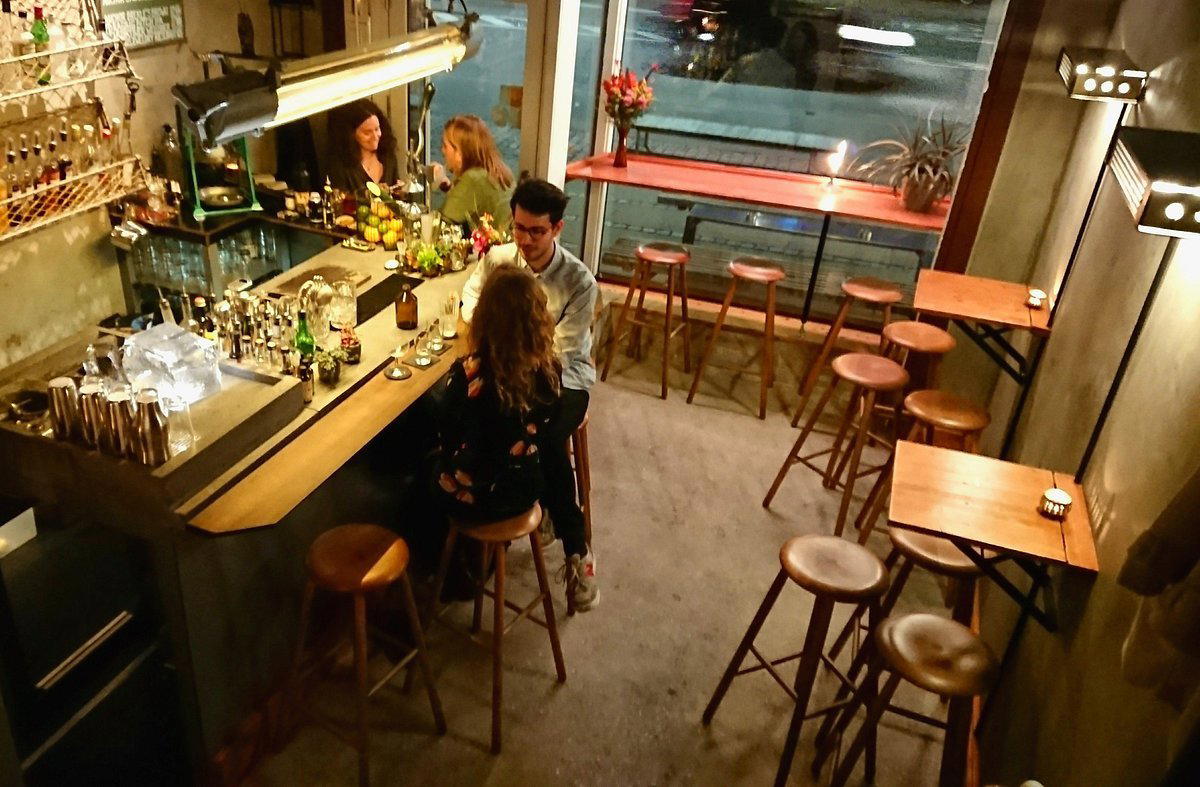
Vesterbro and the Address That Signals Intent
Copenhagen's premium dining scene has, for the better part of two decades, concentrated its critical mass in a relatively small radius: the waterfront, Christianshavn, the old inner city. The restaurants that defined the city's international reputation, including Noma and, later, Geranium, drew global attention and, in doing so, gave Copenhagen a culinary identity tied to specific postcodes. But the city's more interesting recent development has been the gradual dispersal of serious cooking into neighbourhoods that don't carry that inherited prestige. Vesterbro is one of those neighbourhoods. Enghavevej 56 is not an address that announces itself.
That quiet location is its own kind of signal. In cities where destination dining has become saturated with self-presentation, a restaurant that doesn't perform its seriousness from the outside tends to earn a different kind of loyalty from the people who find it. Whether that logic fully applies here requires more information than the address alone provides, but the pattern is consistent enough across Copenhagen's developing dining neighbourhoods to be worth noting as context.
A Meal That Builds: The Tasting Progression at Atzepeng
The multi-course tasting format has become so dominant in Copenhagen's upper tier that the question is no longer whether a serious restaurant offers one, but how it structures the arc. The leading tasting sequences in the city, from the precise escalation at Alchemist to the more restrained Nordic cadence at Kadeau, share a quality of narrative discipline: each course serves a function in a larger compositional logic, rather than simply demonstrating technique in isolation. The sequence has a beginning, a tension point, and a resolution.
Atzepeng's position within that tradition is, at this stage, something the available record does not fully confirm. What the Vesterbro address and the restaurant's name suggest is a project with a specific identity rather than a generalist interpretation of the format. Copenhagen has enough of the latter. The former, executed with discipline, is what tends to hold attention across multiple visits. The city's dining culture has also grown sophisticated enough that local regulars notice when the progression is composed versus assembled, and word moves accordingly through the neighbourhood.
For the reader planning a visit, the practical intelligence that matters most is that Copenhagen's tasting-format restaurants at this tier operate almost universally on advance booking. Reservations are recommended, particularly on Thursday through Saturday evenings. Visiting on a weekday or checking for last-minute availability online are strategies worth considering.
Where Atzepeng Sits in Copenhagen's comparable set
Placing a restaurant in its competitive context is more useful than assessing it in isolation. Copenhagen's tasting-format scene now operates across several distinct tiers. At the leading bracket, you have restaurants with sustained international recognition and Michelin tracking: Geranium, Koan, and Alchemist each represent different versions of what that looks like, from minimalist precision to theatrical scale. Noma, despite its announced closure of the original format, remains a reference point for what New Nordic cooking meant as a cultural project. Below that tier, there is a wider field of serious but less globally visible kitchens that serve the city's own dining public rather than international itineraries.
The Enghavevej address places Atzepeng structurally in that second tier, at least geographically. That is not a limiting observation. Particularly interesting cooking in any city happens in the gap between global attention and local seriousness, where a kitchen is free to develop without the pressure of institutional expectation. Jordnær in Gentofte and Frederikshøj in Aarhus both built substantial reputations from outside Copenhagen's immediate spotlight before earning the recognition that followed. The Danish dining scene has also demonstrated, through places like Henne Kirkeby Kro and Dragsholm Slot Gourmet, that serious cooking is not geographically confined to the capital.
Internationally, the model of a tasting-format restaurant operating at high intensity in a non-prestige neighbourhood has precedent in cities like San Francisco, where Lazy Bear built a following through format discipline and communal dining before its recognition caught up with its ambition. The pattern recurs across cities where dining culture is active enough to sustain it without requiring a famous address.
The Copenhagen Tasting Circuit: Planning Your Visit
For visitors building a Copenhagen itinerary around serious tasting menus, the city rewards a multi-night approach. The upper-tier restaurants, including Geranium and Koan, require booking windows of several months. The second tier, where Atzepeng operates, typically offers more flexibility, though weekends remain compressed.
For those willing to extend the trip beyond the capital, the Danish regional circuit has deepened considerably. Frederiksminde in Præstø, LYST in Vejle, Ti Trin Ned in Fredericia, Tri in Agger, Pearl by Paul Proffitt in Kruså, and Syttende in Sønderborg each represent distinct regional expressions of serious Danish cooking. The case for leaving Copenhagen for a night or two is stronger than it was ten years ago. Internationally, the comparison that holds for the Nordic tasting-menu format is closest to what Le Bernardin in New York represents for French-derived seafood precision: a discipline carried over time with consistency, regardless of the trends moving around it.
The neighbourhood has developed steadily as a dining area over the past decade, with enough surrounding activity to structure an evening around the meal rather than making it a standalone destination trip.
What the Record Shows
What the address and the context provide is a category position, a neighbourhood signal, and a place in a city whose dining culture has proven capable of producing serious work at every price tier and postcode.
They are the ones where the early signals, location choice, format discipline, neighbourhood reputation, accumulate into a picture before the broader record catches up. Copenhagen has a history of rewarding that kind of attention.
Cuisine and Recognition
Comparable venues nearby, for context on price, style, and recognition.
| Venue | Cuisine | Price | Notes |
|---|---|---|---|
| AtzepengThis venue — the venue you are viewing | Craft Cocktails | $$ | Not listed |
| Manfreds & Vin | Vegetable-focused small plates with natural wines | $$ | Nørrebro |
| Restaurant Klubben | Traditional Danish | $$ | Vesterbro-Kongens Enghave |
| Donda Deli | Mexican-Peruvian Fusion Deli | $$ | Vesterbro-Kongens Enghave |
| Brønnum | Cocktail Bar | $$ | Indre By |
| Folkehuset Absalon | Casual Communal Dining | $ | Vesterbro-Kongens Enghave |
Recognition history
Dated appearances from independent guides and award organizations, with the underlying list record or original source where available.
Falstaff Bar - 88 Falstaff Points
Falstaff
Continue exploring
More in Copenhagen
Restaurants in Copenhagen
Browse all →
Bars in Copenhagen
Browse all →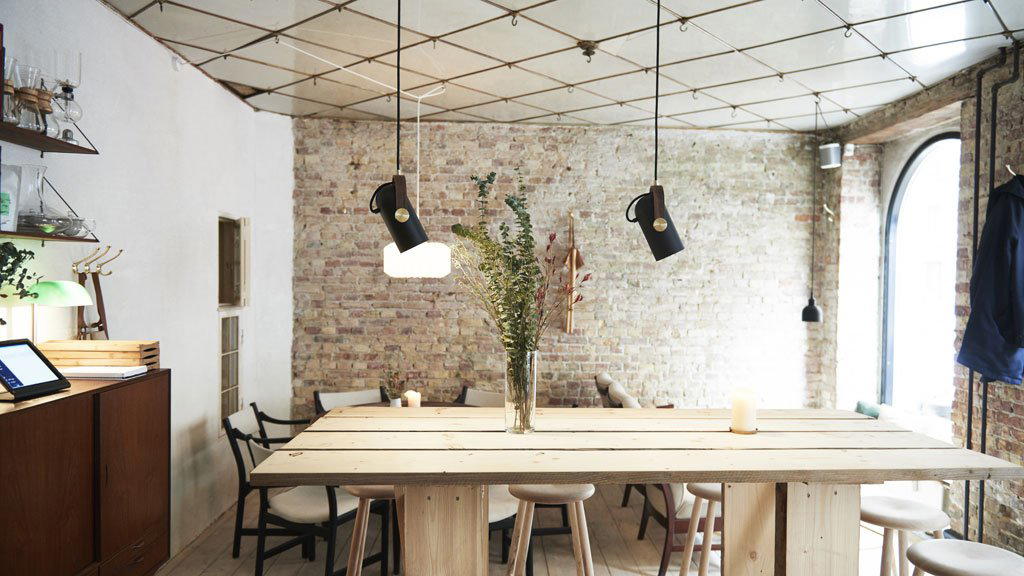

At a Glance
- Rustic
- Industrial
- Trendy
- Date Night
- Casual Hangout
- After Work
- Craft Cocktails
Current opening hours
- Monday
- Closed
- Tuesday
- Closed
- Wednesday
- Closed
- Thursday
- 6 PM–12 AM
- Friday
- 6 PM–1 AM
- Saturday
- 6 PM–1 AM
- Sunday
- Closed
Hours can change for holidays and private events. Last verified .
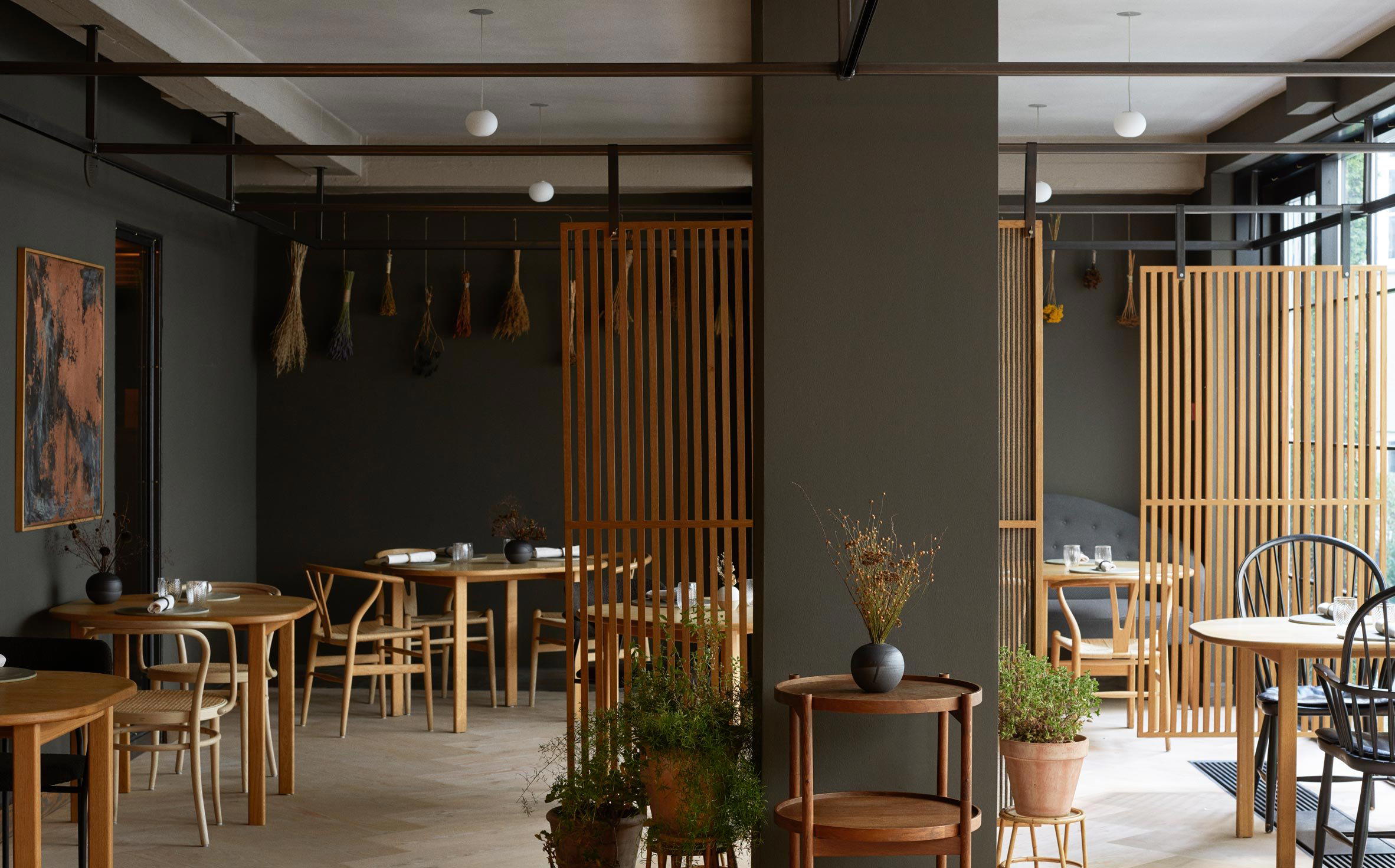
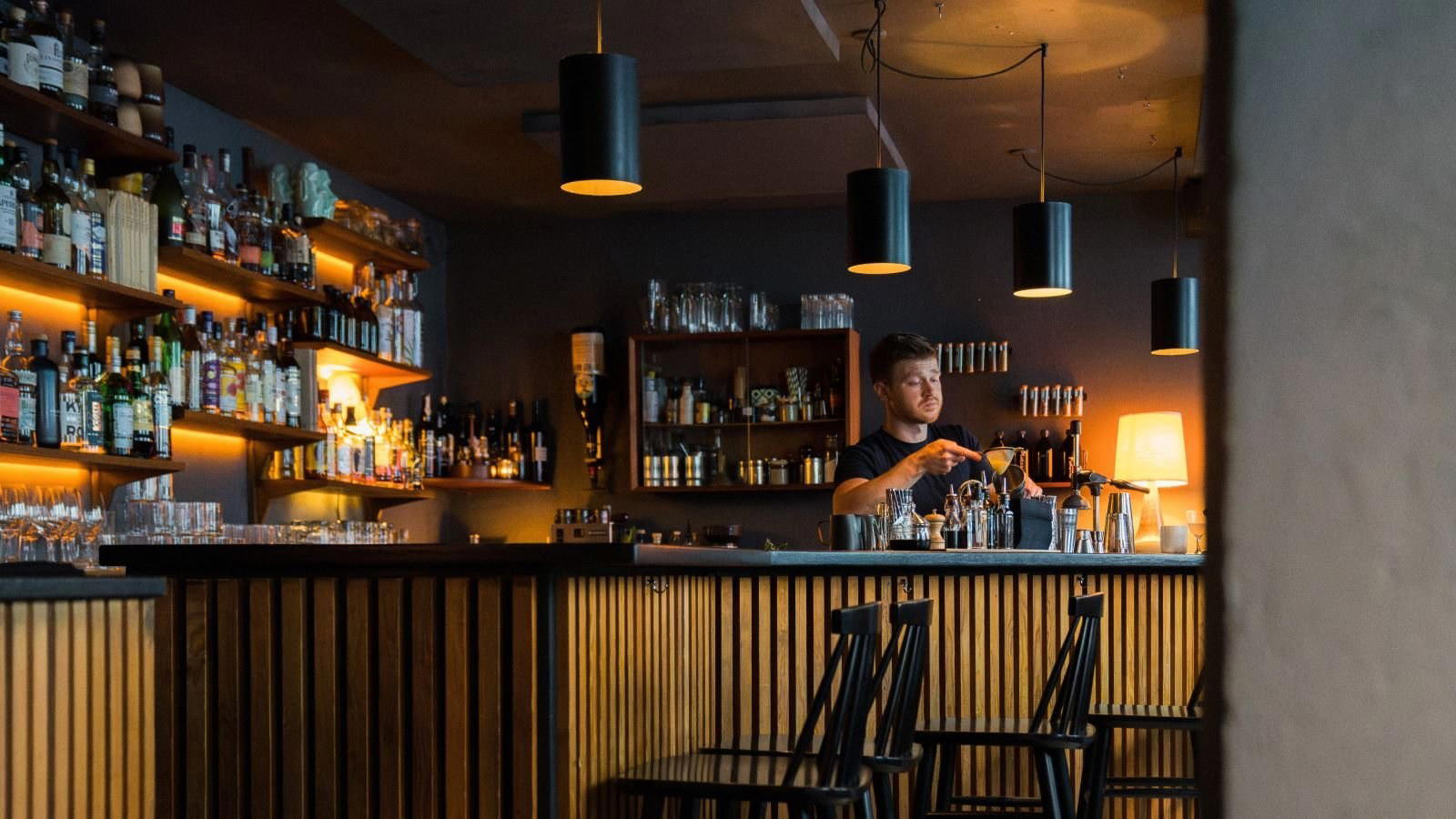
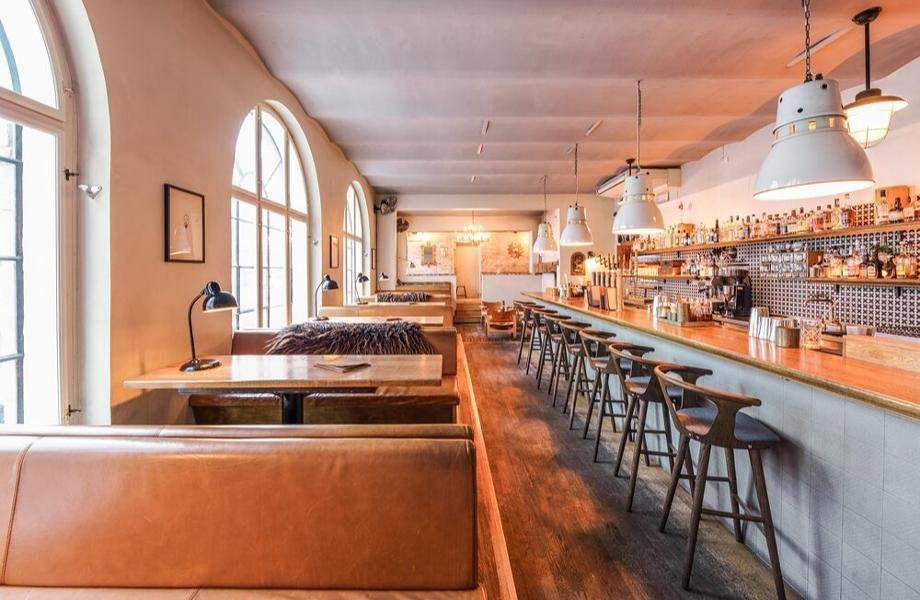
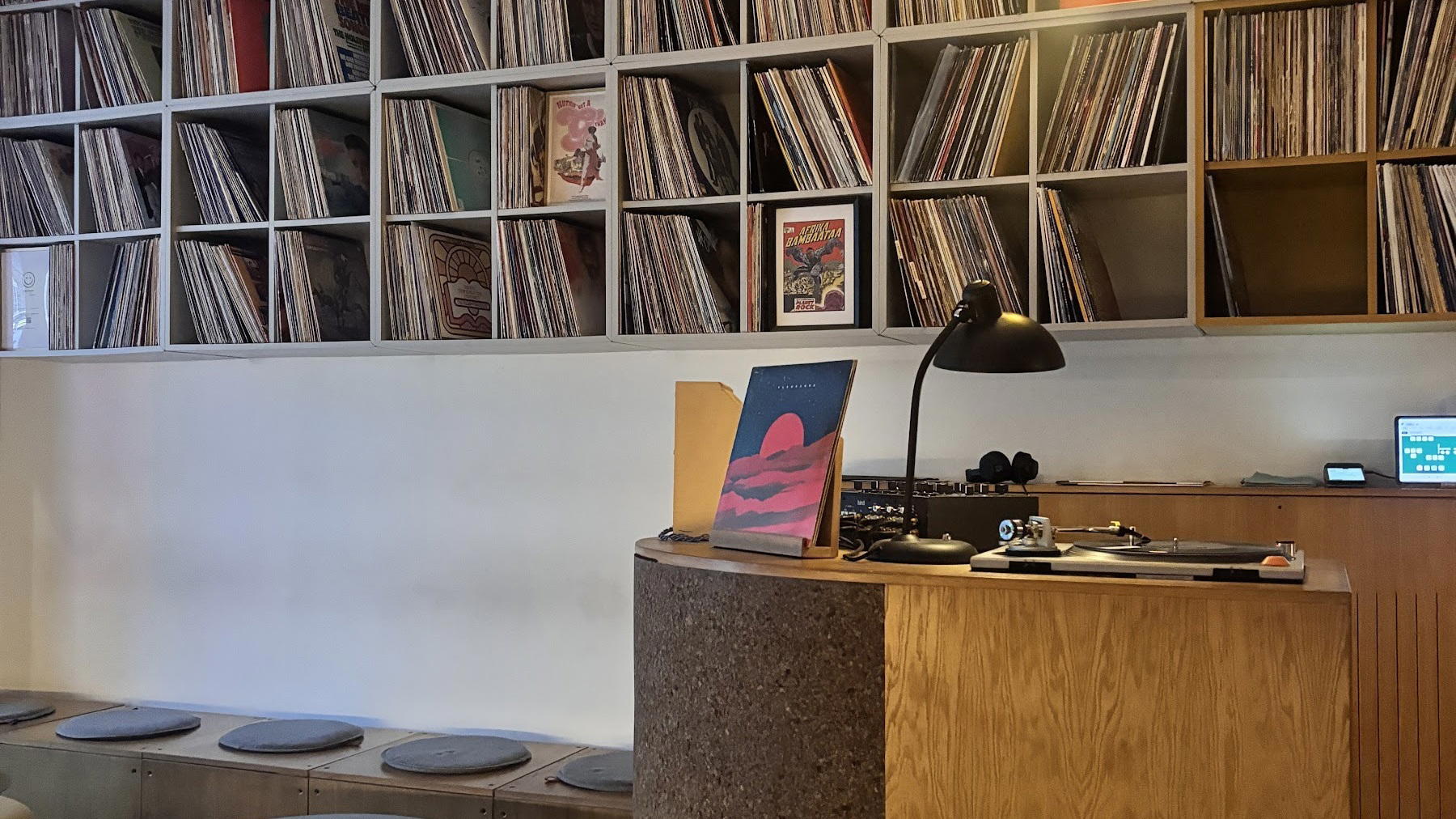
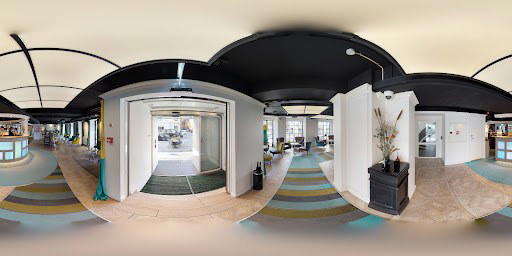
Raw industrial space with concrete floors and walls, rustic furniture, and an East German industrial lamp creating a lively Berlin vibe.