Set on Rue Condorcet in Paris's 9th arrondissement, CUISINE positions itself within the upper tier of the city's serious restaurant scene.
Pearl is the En Primeur Club membership app — saves, bookings, and concierge access live there. Same editors, same standards.
- Address
- 50 Rue Condorcet, 75009 Paris, France
- Phone
- +33144637564
- Website
- restaurantcuisine.fr
- Directions
- Get directions
 Saves & bookings on Pearl
The 9th Arrondissement and the Question of Where Paris Eats Now
For much of the twentieth century, Paris's gastronomic centre of gravity sat firmly on the Left Bank and in the grand hotel dining rooms of the 8th. That map has been redrawing itself since roughly 2010. The 9th arrondissement, anchored by the Rue des Martyrs food corridor and spreading toward the Opéra, has steadily attracted serious operators who find the neighbourhood's mix of residential density and cultural foot traffic more hospitable than the trophy-address pressure of Saint-Germain or the Triangle d'Or. Rue Condorcet, where CUISINE is addressed at number 50, sits in the quieter northern pocket of the 9th, a few streets below Montmartre's commercial edge. It is the kind of street that appears in a restaurant's favour rather than despite it.
This neighbourhood shift matters for how you read Paris's current dining hierarchy. The most decorated addresses, among them Alléno Paris au Pavillon Ledoyen and Le Cinq at the Four Seasons Hôtel George V, operate from historically prestigious real estate. A younger cohort of serious restaurants has instead chosen to build credibility in neighbourhoods where the dining public has to seek them out. That deliberate positioning, away from the established circuits, has become a signal in itself.
Wine as the Architecture of a Serious Meal
In Paris's upper-tier dining rooms, the wine list has become as much a statement of intent as the menu. At houses like L'Ambroisie on the Place des Vosges, or at Kei near the Palais-Royal, cellars built over decades function as secondary arguments for the kitchen's seriousness. The depth of a wine programme, the balance between Burgundy and Bordeaux verticals, the presence of grower Champagnes, natural wine adjacency, and the quality of the sommelier's spoken recommendations, these elements now register as trust signals for a certain kind of diner before a single dish arrives.
The editorial angle here is not just curatorial preference. A restaurant's wine list encodes its competitive positioning. A cellar that runs deep on aged white Burgundy and Loire Chenin signals a kitchen aligned with acid-driven, terroir-focused cooking. A list weighted toward Rhône and southern French appellations suggests different flavour commitments. Paris's most thoughtful wine programmes, across the tier that includes Arpège with its celebrated vegetable-forward menu and wine pairings built accordingly, have moved well beyond the standard Bordeaux-anchored approach that defined the city's palace dining rooms through the 1990s.
For a restaurant at 50 Rue Condorcet, the neighbourhood context makes a Loire or natural-adjacent list plausible, given the 9th's documented appetite for that register of wine culture. What the address does confirm is that the restaurant operates in a part of Paris where wine literacy in the dining room is assumed rather than explained.
France's Wider Dining Conversation
Understanding any serious Paris address requires some awareness of what the French fine dining system looks like beyond the périphérique. France's provincial restaurant tradition is dense with houses that have held multi-Michelin status for generations: Paul Bocuse's Auberge du Pont de Collonges, Troisgros in Ouches, Bras in Laguiole, Auberge de l'Ill in Illhaeusern, and Les Prés d'Eugénie in Eugénie-les-Bains. Regional addresses like Flocons de Sel in Megève, Mirazur in Menton, La Table du Castellet, Georges Blanc in Vonnas, and Auberge du Vieux Puits in Fontjoncouse demonstrate that French gastronomy is a national system, not a Paris monopoly.
Paris, by contrast, operates under different pressures: higher rents, international clientele, media scrutiny, and the expectation that a serious address must hold its own against what the city's most celebrated rooms are doing. The dining public that moves between Paris restaurants and the provincial circuit is experienced, comparative, and difficult to impress on novelty alone. That context shapes what a restaurant on Rue Condorcet is, in effect, competing against, not just the street's immediate neighbours, but the broader French tradition that diners carry in as reference.
Internationally, Paris restaurants also measure themselves against what cities like New York produce at the top of their market. Houses like Le Bernardin in New York have demonstrated that French technique exported and sustained over decades can anchor a dining room's reputation across generations. Closer to home, Paris remains the primary reference point for what French cooking is supposed to mean at its most considered.
Planning Your Visit to Rue Condorcet
The 9th arrondissement is accessible from several Metro lines, with Anvers, Pigalle, and Cadet stations all within reasonable walking distance of the Rue Condorcet address. The neighbourhood functions well across lunch and dinner, though its residential character means the street itself is quieter than the Rue des Martyrs axis nearby. For visitors staying elsewhere in Paris, the 9th sits between the 2nd and 18th, making it a logical stop between a morning at the Palais-Royal and an evening further north.
Because verified booking data for CUISINE is not currently in our records, we would recommend confirming reservation availability directly before building an itinerary around it. In Paris's competitive dining market, restaurants at this address tier tend to book between two and six weeks out for standard service, with weekend tables requiring longer lead time. For comparison, the most decorated Paris addresses, those in the Michelin three-star tier, typically require reservations three to four months ahead.
For a broader orientation to what Paris's restaurant scene currently offers across price points, formats, and neighbourhoods, our full Paris restaurants guide maps the city's dining tiers with the specificity that a single address cannot provide. For those planning a trip that extends beyond Paris into France's regional dining circuit, the provincial addresses linked throughout this piece represent the system that Paris restaurants are in constant, if sometimes unspoken, conversation with. And for readers whose reference points extend to the American dining scene, the gap between a San Francisco community-format operation like Lazy Bear and a Paris address like this one illustrates how differently the same seriousness of intent can be packaged across culinary cultures.
How CUISINE Paris compares with similar nearby venues.
| Venue | Cuisine | Price |
|---|---|---|
| Le Tire-Bouchon Rodier | Traditional Cuisine | €€ |

At a Glance
- Cozy
- Trendy
- Date Night
- Casual Hangout
- Open Kitchen
- Natural Wine
- Organic
- Local Sourcing
Current opening hours
- Monday
- 7:30–10 PM
- Tuesday
- 7:30–10 PM
- Wednesday
- 12–2 PM, 7:30–10 PM
- Thursday
- 12–2 PM, 7:30–10 PM
- Friday
- 12–2 PM, 7:30–10 PM
- Saturday
- Closed
- Sunday
- Closed
Hours can change for holidays and private events. Last verified .
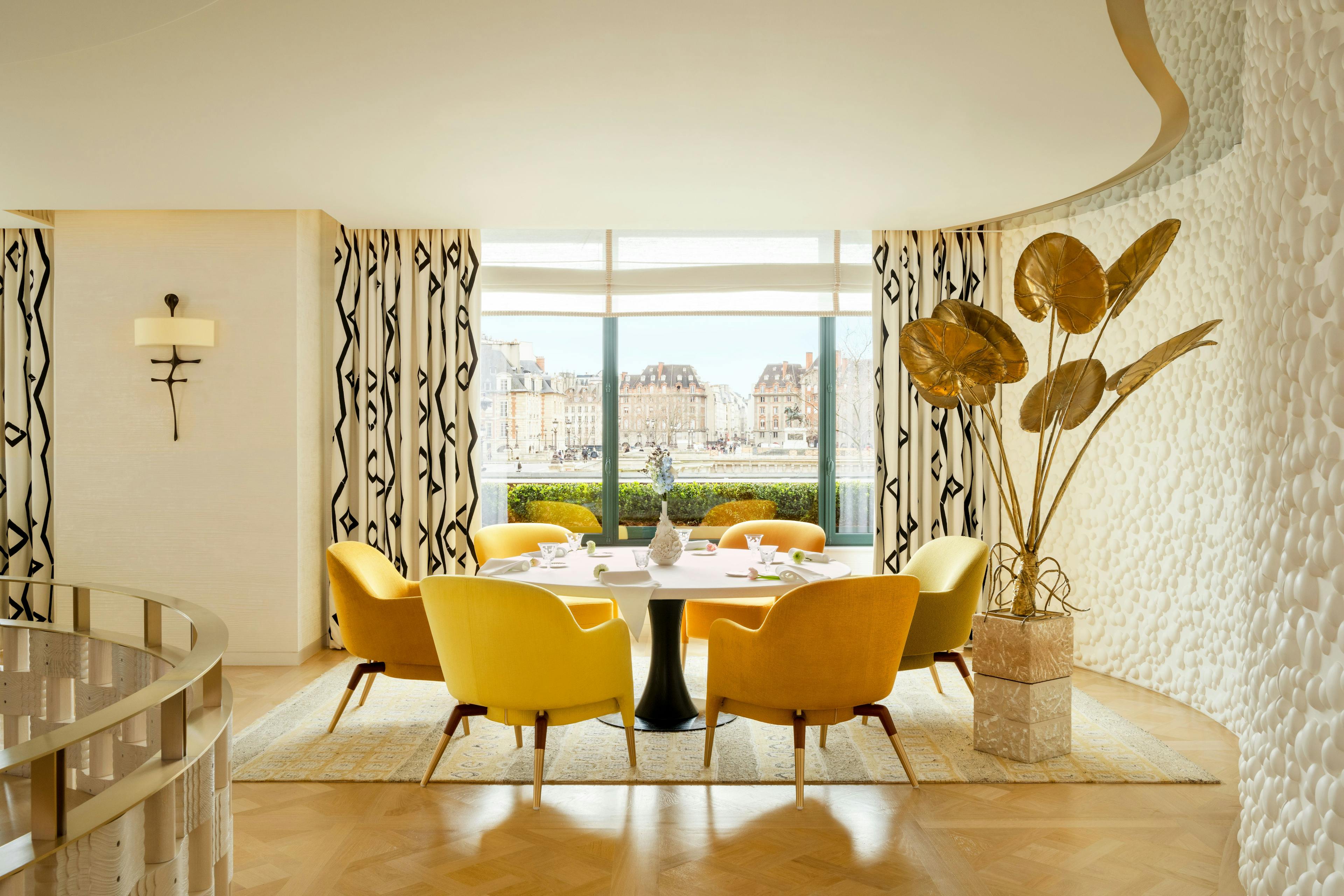
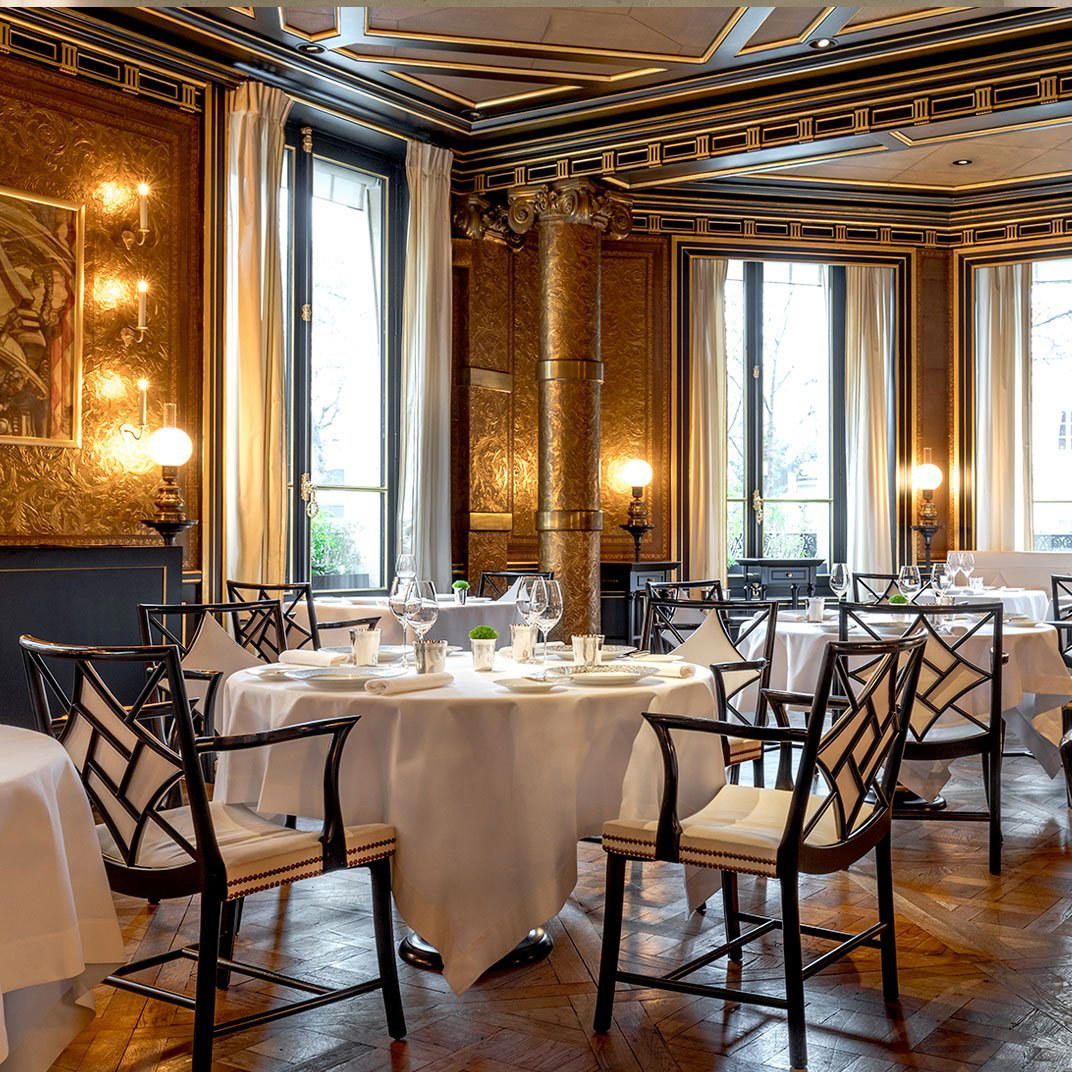
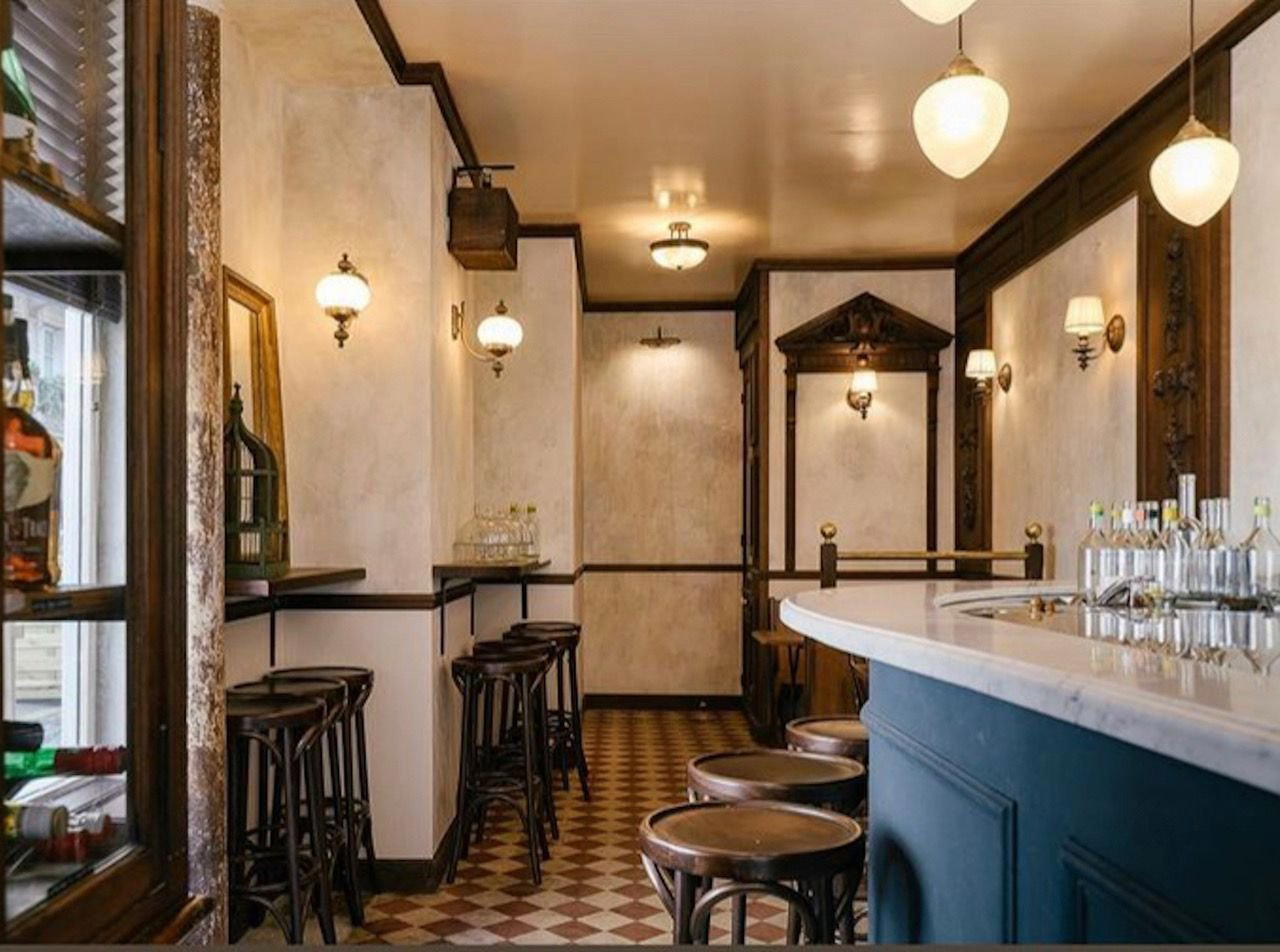
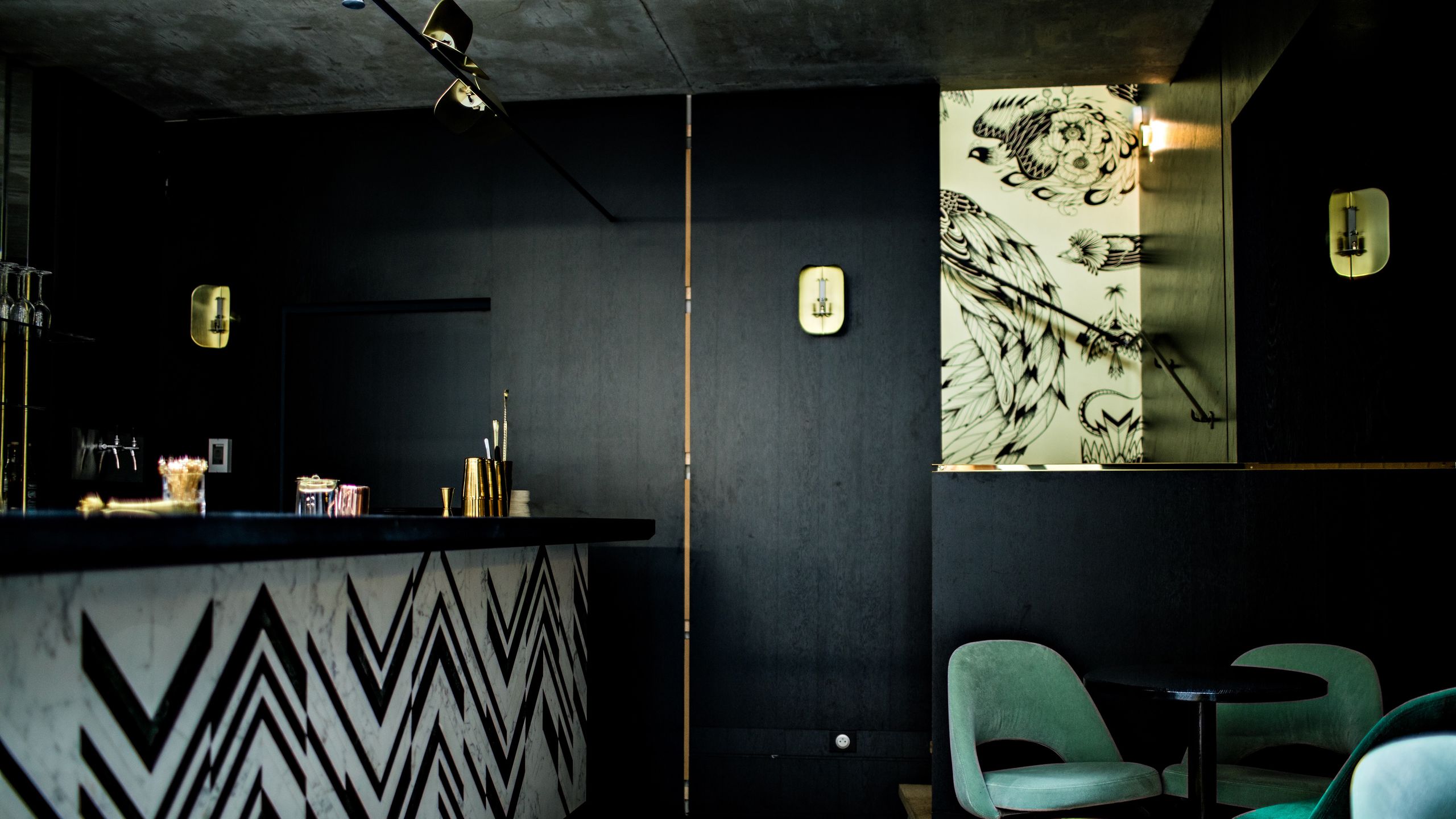
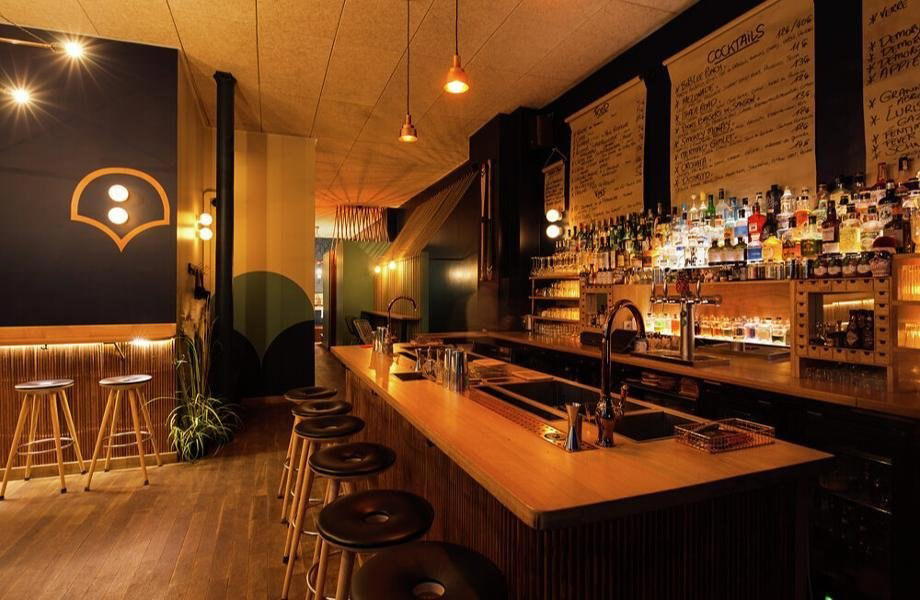
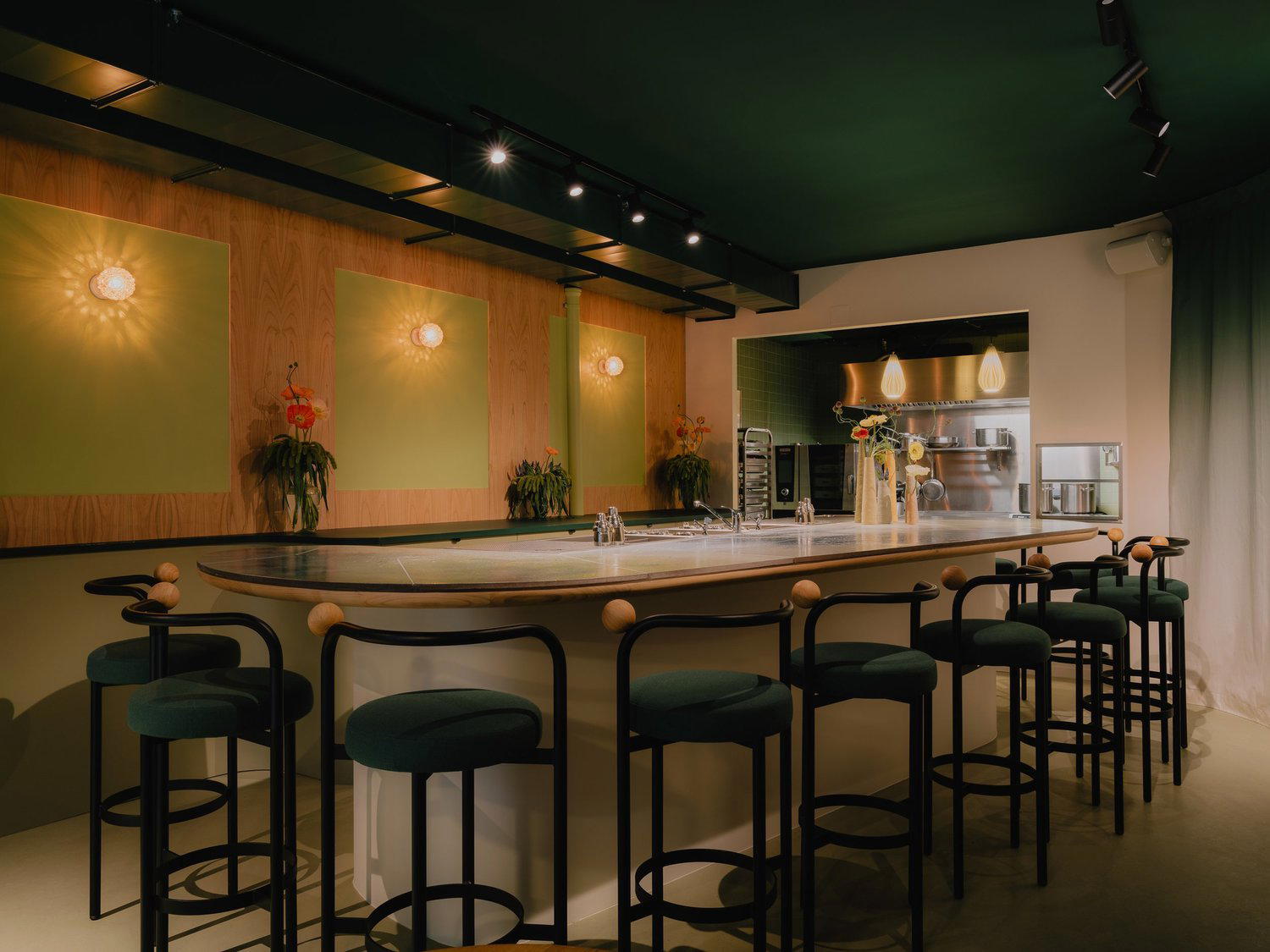
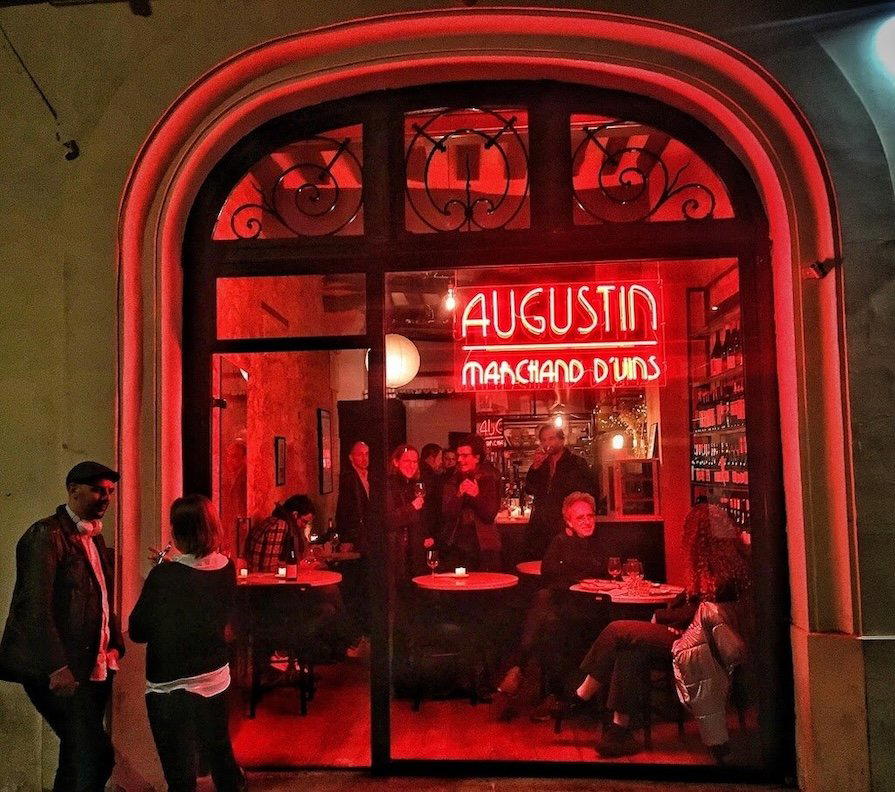
Cool laid-back atmosphere in a tiny 15-seat space.