A'sur occupies a address on Volkstraat in Antwerp's Zurenborg-adjacent south, positioning itself within a city whose fine-dining scene has grown increasingly precise and internationally referenced over the past decade. Where Antwerp's top tables tend toward elaborate tasting formats or heritage Flemish technique, A'sur merits attention as a neighbourhood-rooted address in a city that rewards those who look beyond its most-decorated rooms.
 Discover on Pearl
Pearl is the En Primeur Club membership app — saves, bookings, and concierge access live there. Same editors, same standards.
- Address
- Volkstraat 32, 2000 Antwerpen, Belgium
- Phone
- +3234346534
- Website
- asur-restaurant.be
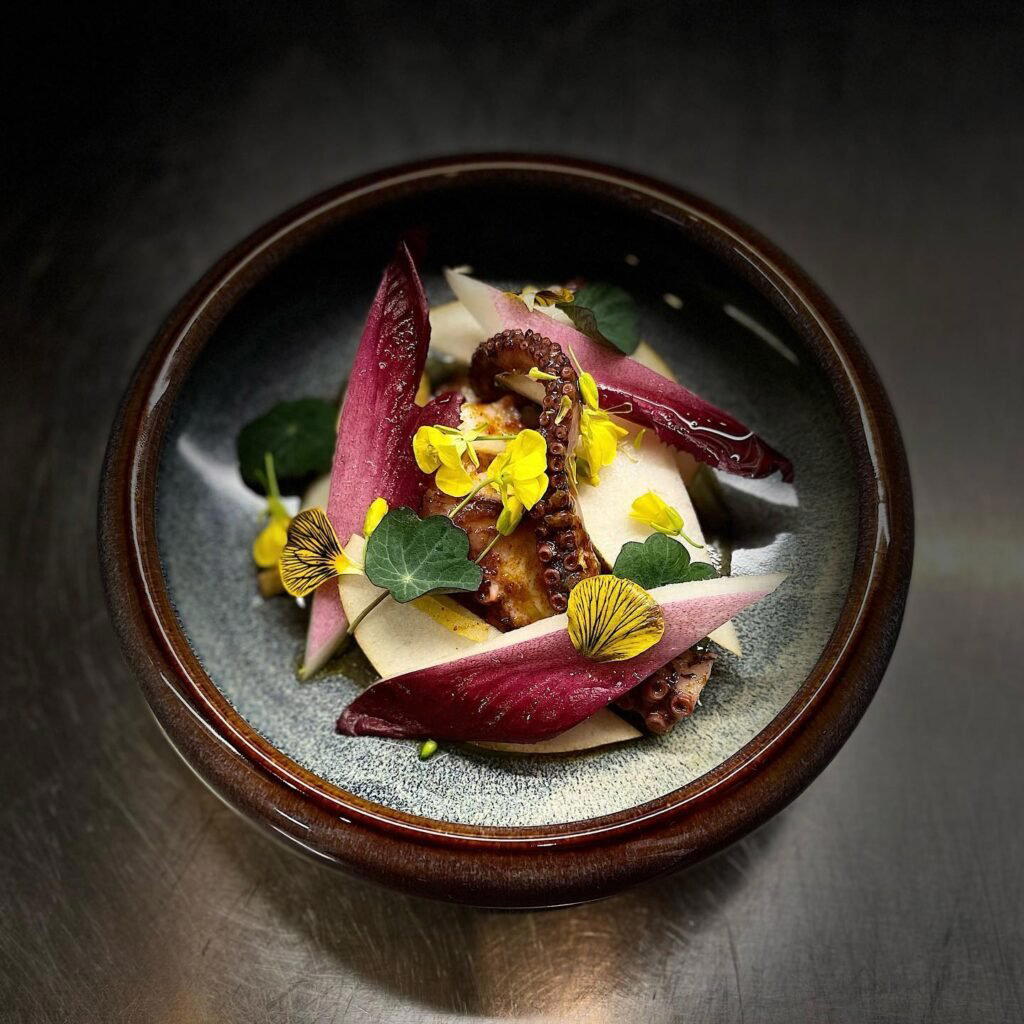
Volkstraat and the South Antwerp Dining Register
Antwerp's restaurant geography has a clear hierarchy. Antwerp's dining scene clusters around the old port, the museum quarter, and the grid streets of the city centre, while the southern neighbourhoods along Volkstraat and into the Zurenborg district operate at a different register: more residential, less touristic, and often more representative of how the city actually eats on a given weeknight. A'sur, at Volkstraat 32, sits inside that southern corridor, an address that places it alongside wine bars, neighbourhood bistros, and the kind of rooms that locals return to on a monthly basis rather than saving for a birthday occasion.
Antwerp's fine-dining conversation has grown considerably more sophisticated over the past fifteen years. The city that once deferred to Brussels and Ghent now holds its own against both, with addresses like Zilte operating at the top of the creative bracket and 't Fornuis anchoring the classic Flemish tradition. Hertog Jan at Botanic extends the city's reach into modern Flemish creative territory, while DIM Dining signals how far the city's Japanese and Asian dining has matured. Against that backdrop, the southern addresses represent a parallel track: less decorated on paper, but often more expressive of the neighbourhood character that gives a food city its texture.
The Shape of the Meal: How Antwerp's Tasting Formats Have Evolved
The multi-course tasting format dominates Antwerp's upper tier in a way that reflects broader Belgian fine-dining convention. Belgium's Michelin-starred rooms, from Hof van Cleve in Kruishoutem to Boury in Roeselare and Willem Hiele in Oudenburg, have largely standardised around sequential tasting menus that read as a single composed argument: a first movement of lighter, acidic preparations, a middle act built around protein and seasonal vegetable technique, and a closing sequence that moves from pre-dessert palate resets into full confectionery. The logic of progression is so embedded in Belgian fine dining that even mid-tier rooms tend to structure their menus with a similar arc, even when the format is nominally à la carte.
What that progression demands from a kitchen is consistency across the arc, not just excellence at any single point. The rooms that have attracted sustained critical attention in Belgium, Bartholomeus in Heist, De Jonkman in Sint-Kruis, and L'air du Temps in Liernu, do so because the sequencing holds over the full duration of the meal, with each course functioning as a transition as much as a destination. When that sequencing breaks down, usually through over-ambition in the middle courses or a weak dessert programme, it registers more sharply against the format's internal logic than it would in a more casual setting.
Volkstraat 32: What the Address Implies
Approaching a restaurant through its address tells you something about its intended audience before the menu does. Volkstraat runs through the southern part of the city centre, connecting the retail density of the Meir axis to the quieter residential streets approaching Berchem. The street has a mix of independent retail, café culture, and destination restaurants that draw from across the city rather than from passing tourist traffic. A table at this address is likely to be filled by Antwerp residents who know the neighbourhood rather than visitors working through a city checklist.
That local orientation tends to produce menus and service formats calibrated to repeat customers: wine lists that change with enough frequency to reward return visits, and menus that rotate seasonally rather than staying fixed for a full year. It also tends to mean that the room's character is shaped by the neighbourhood's existing tone rather than by a desire to signal ambition to a national or international audience. Compare this to the positioning of, say, Bistrot du Nord, which carries a French traditional register, or to the city-centre creative rooms that read explicitly outward to a broader dining public.
Belgium's Wider Creative Circuit: Where Antwerp Fits
Belgium's restaurant geography rewards understanding at the regional level. The country's density of serious kitchens relative to its size is among the highest in Europe, and the Flemish creative tradition, rooted in French classical technique but increasingly referencing Nordic restraint and local-produce sourcing, has produced a consistent output of decorated addresses across a relatively compact geography. Within that circuit, Antwerp functions as the urban anchor for a broader Flemish dining region that extends west through Ghent and toward the coast.
Rooms like Castor in Beveren and La Durée in Izegem sit within day-trip range of Antwerp and form part of the same culinary circuit. Further afield, d'Eugénie à Emilie in Baudour represents the Wallonian counterpart to the Flemish tradition: French-inflected, classically grounded, but operating with a distinct regional identity. Understanding where any Antwerp address positions itself relative to this wider map, metropolitan or regional in sensibility, outward-looking or locally rooted, tells you more about what kind of meal to expect than any single descriptor does.
For contrast from outside Belgium entirely, the multi-course precision cooking at Le Bernardin in New York City and the Korean tasting rigour of Atomix demonstrate how the same format discipline can be applied to entirely different ingredient traditions, a useful reference point for understanding how format and cuisine interact independently. Closer to home, Bozar Restaurant in Brussels illustrates the specifically Belgian version of that discipline, operating within a cultural institution context that gives the room a different social function from a standalone neighbourhood address.
Planning a Visit
A'sur is located at Volkstraat 32 in central Antwerp, reachable by tram from the main train station or on foot from the city's southern shopping streets in approximately fifteen minutes. For those building a broader Antwerp dining itinerary, our full Antwerp restaurants guide maps the city's rooms across price tiers, cuisine traditions, and neighbourhood contexts, covering the full range from the port's creative fine-dining rooms to the southern neighbourhood addresses that define the city's everyday dining character.
The Essentials
Comparable venues nearby, for context on price, style, and recognition.
| Venue | Cuisine | Price | Notes |
|---|---|---|---|
| A'surThis venue — the venue you are viewing | 't Zuid, Belgian-South American Fusion | $$$ | |
| Folia | $$$ | Antwerp center, Vegetable-forward Fine Dining | |
| LIMA Nikkei | $$$ | Antwerp center, Nikkei Peruvian-Japanese Fusion | |
| August | $$$ | Green quarter, Modern Seasonal Fine Dining | |
| Fiskebar | Zuid, Modern Seafood Bistro | $$$ | |
| Zaowang | Zuid, Japanese Sushi & Seafood | $$ |
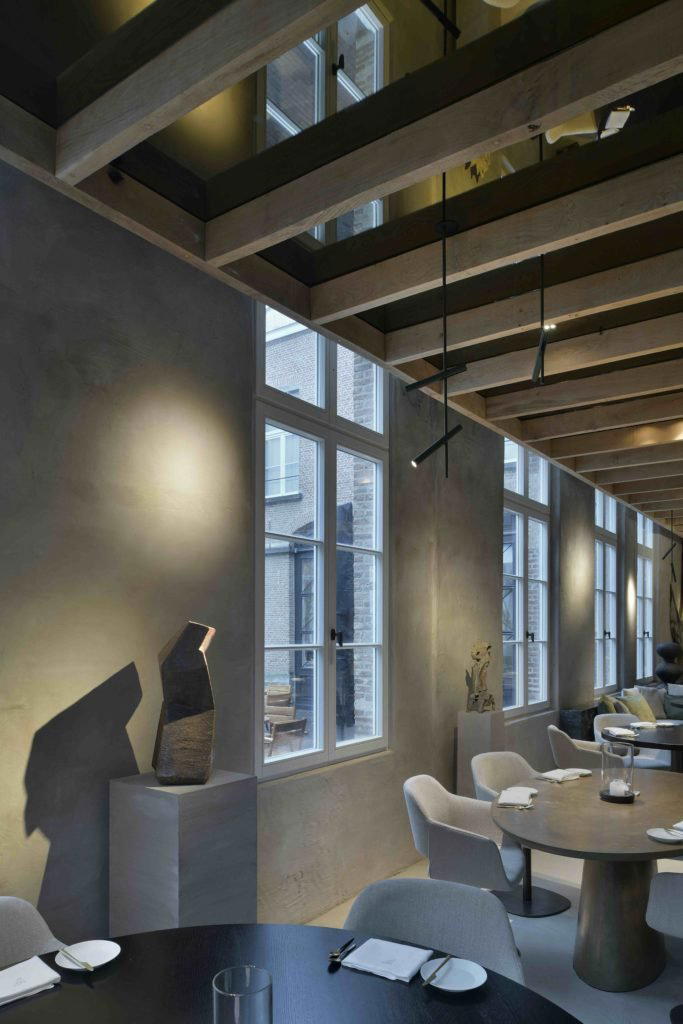
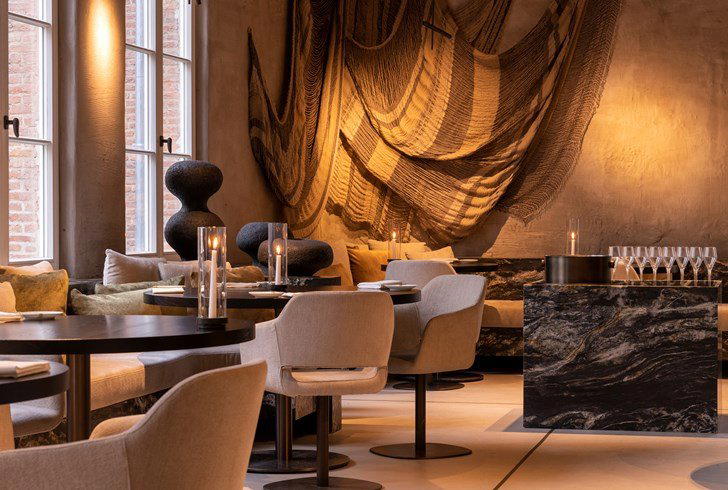
At a Glance
- Cozy
- Intimate
- Elegant
- Date Night
- Special Occasion
- Open Kitchen
- Local Sourcing
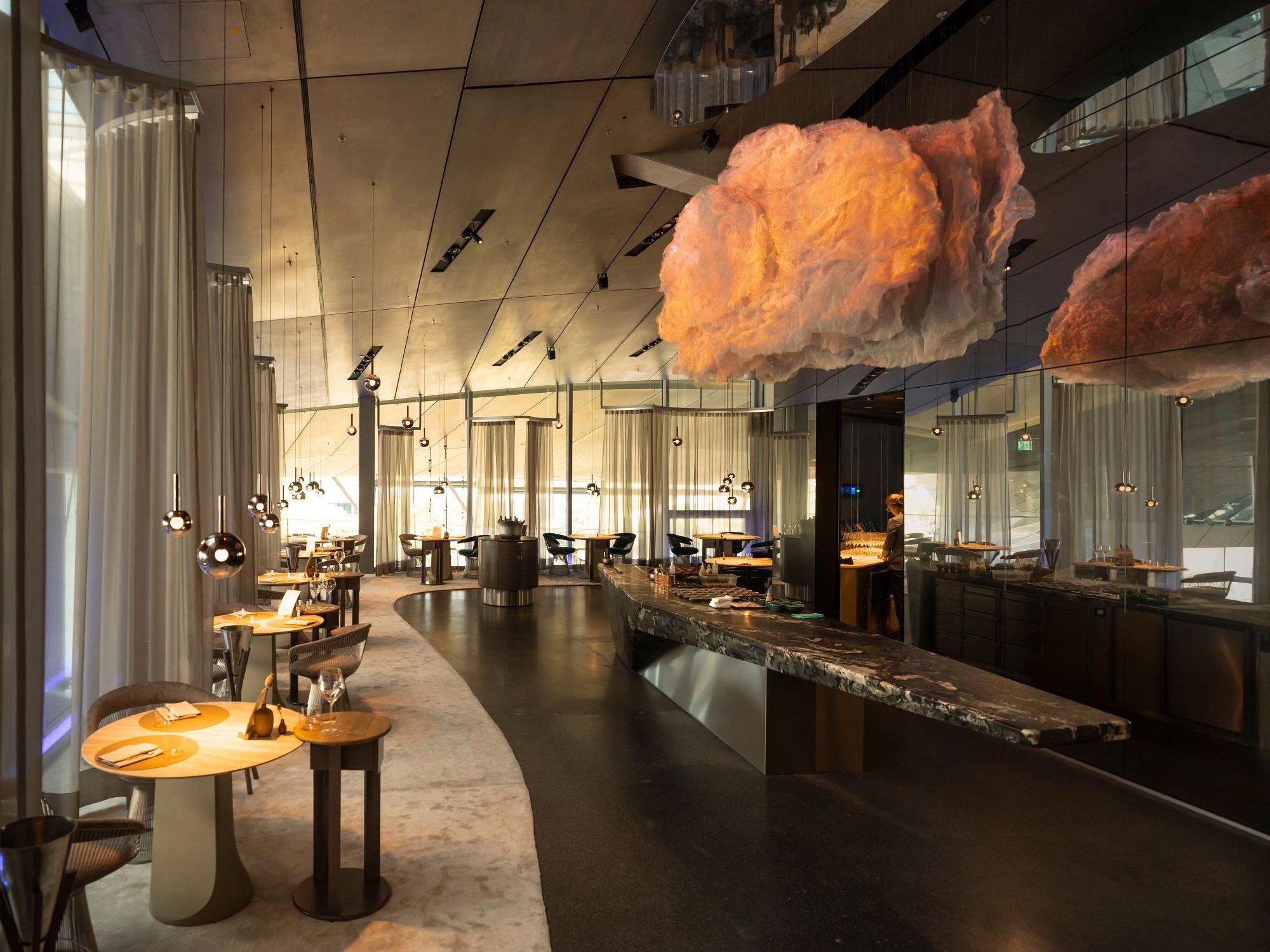
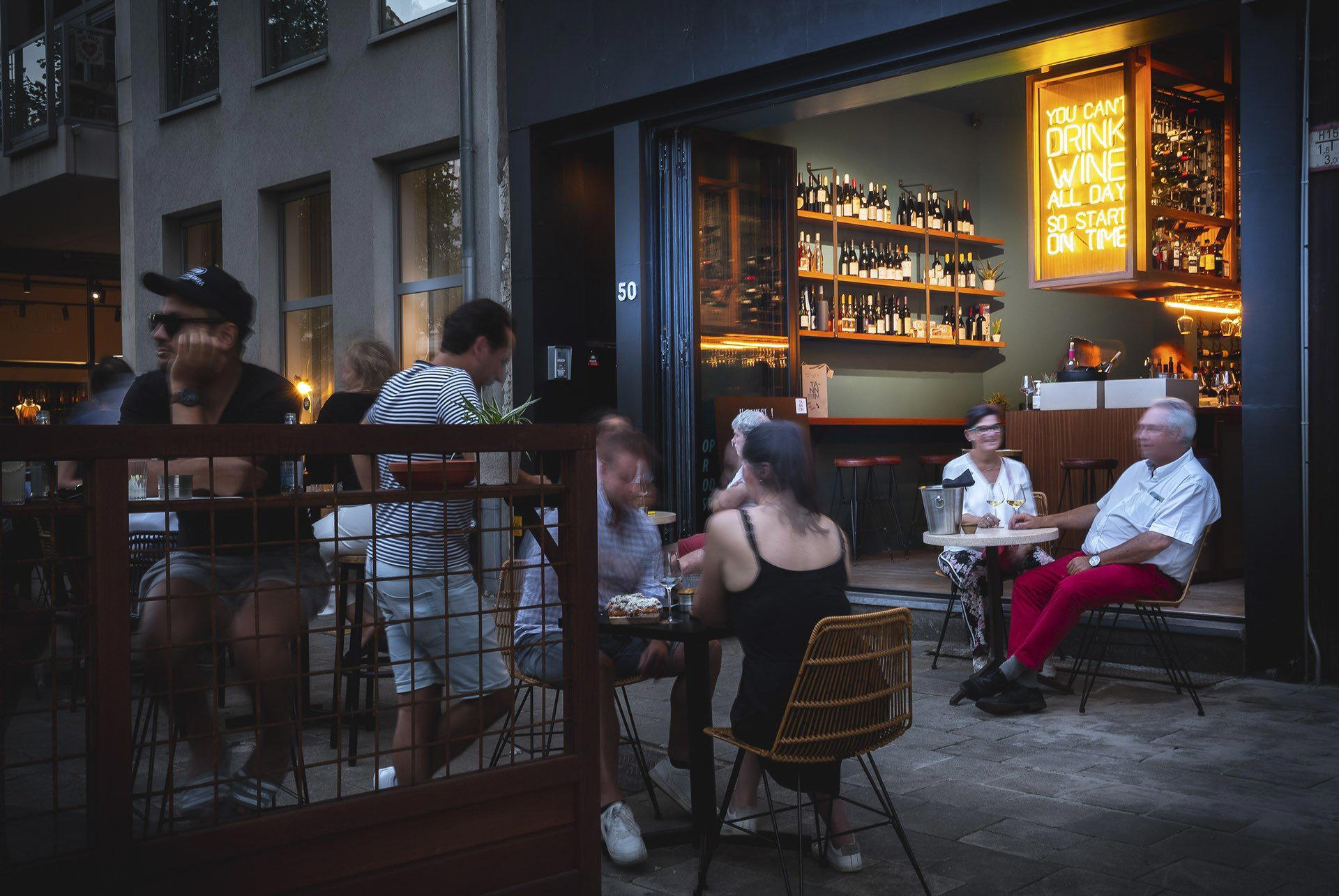
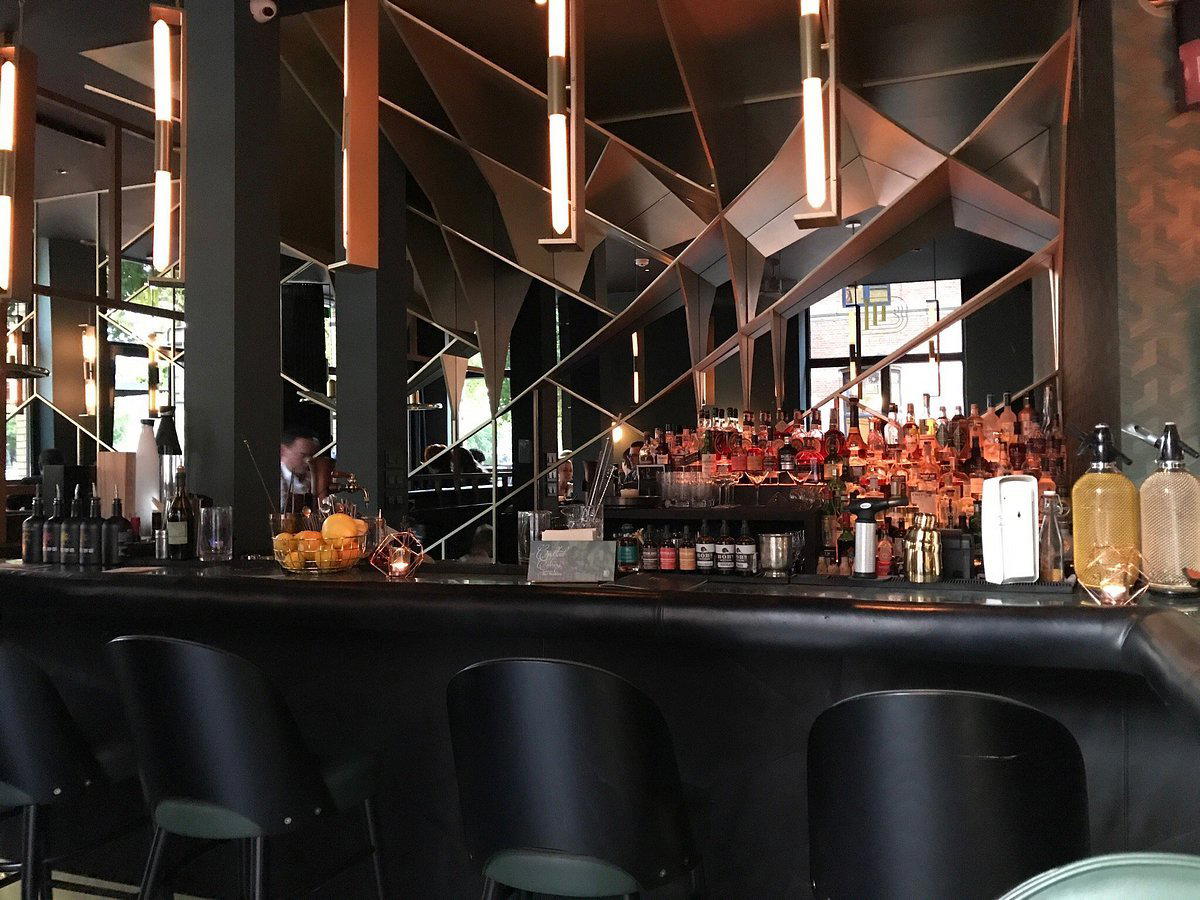
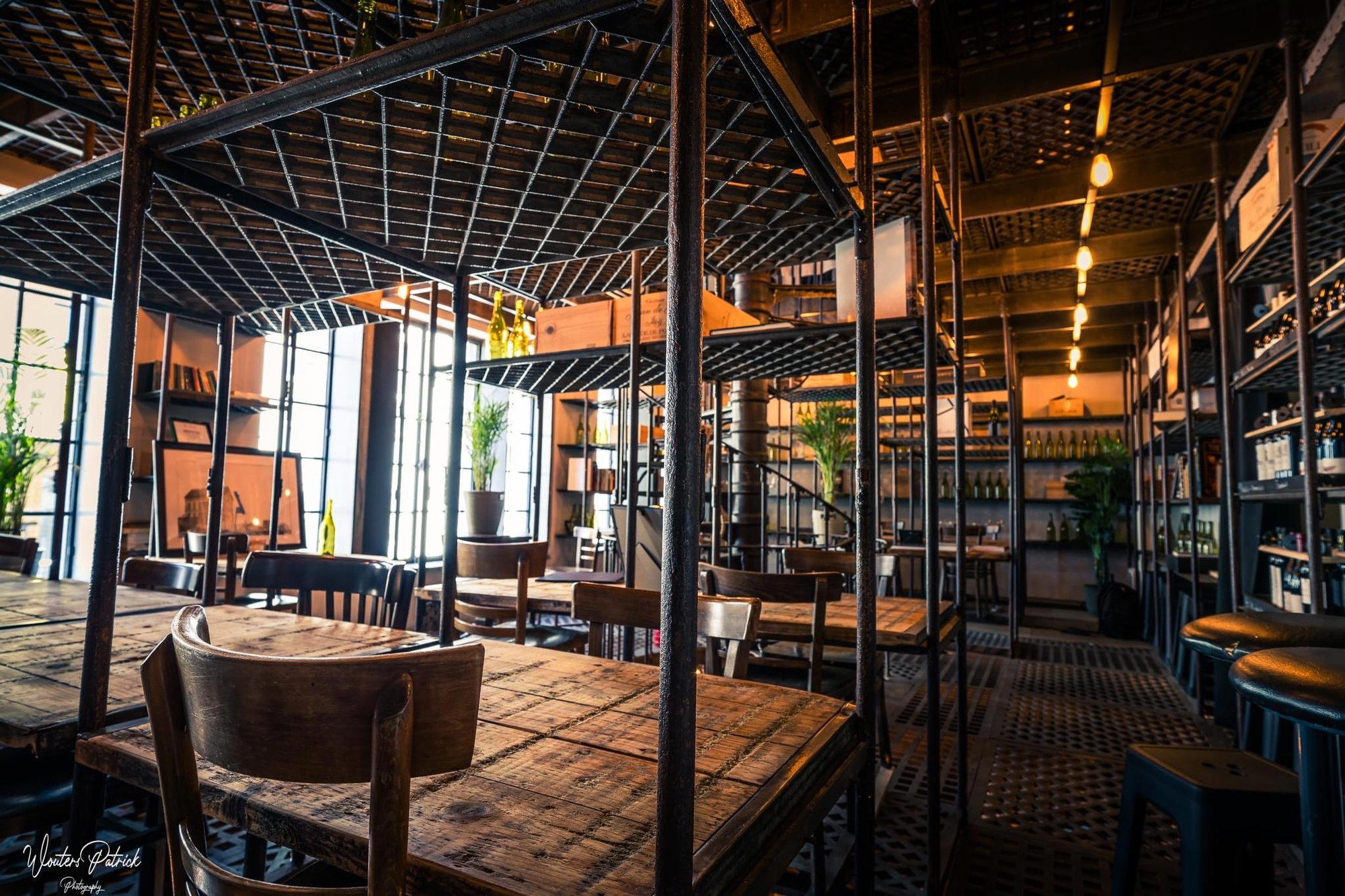
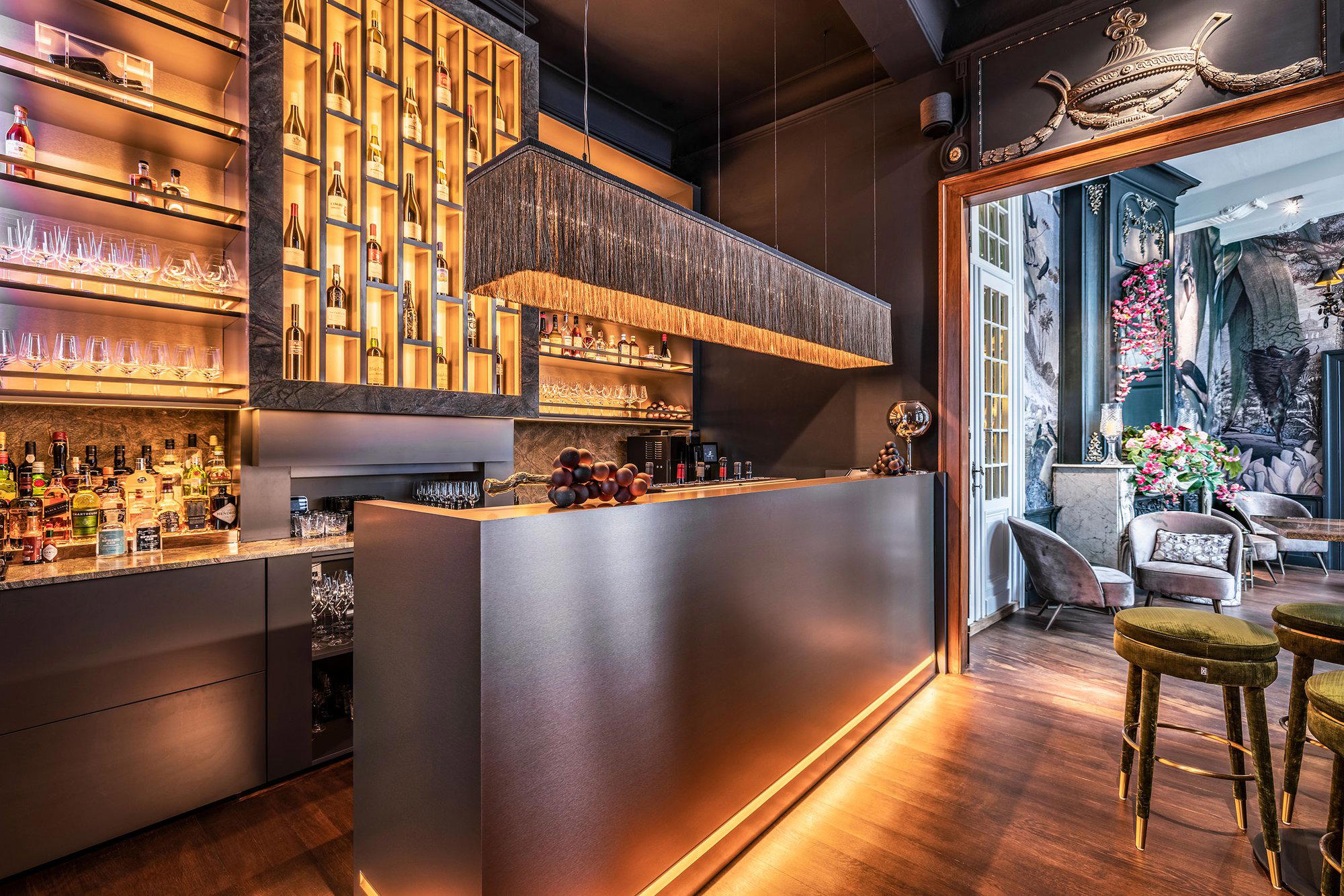
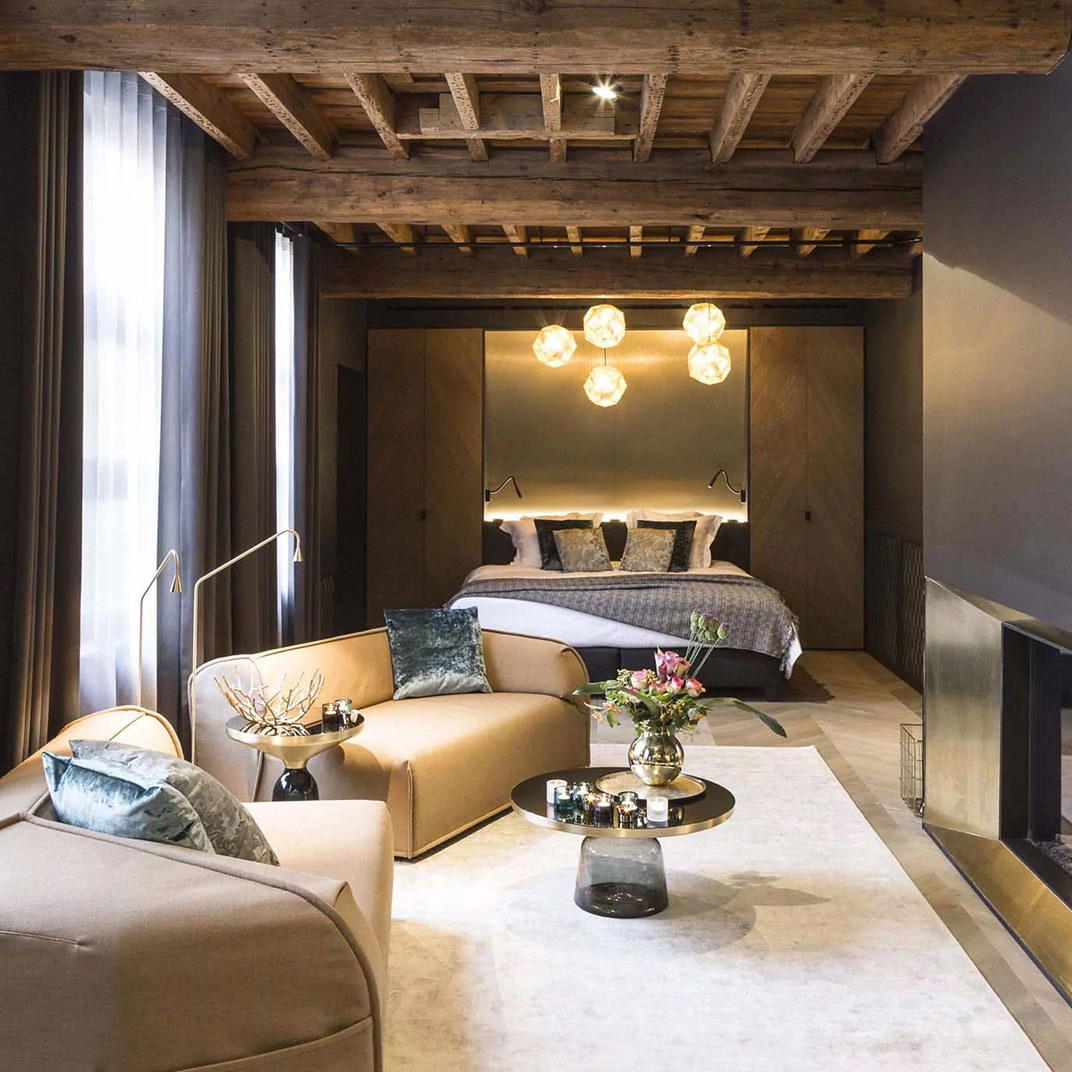
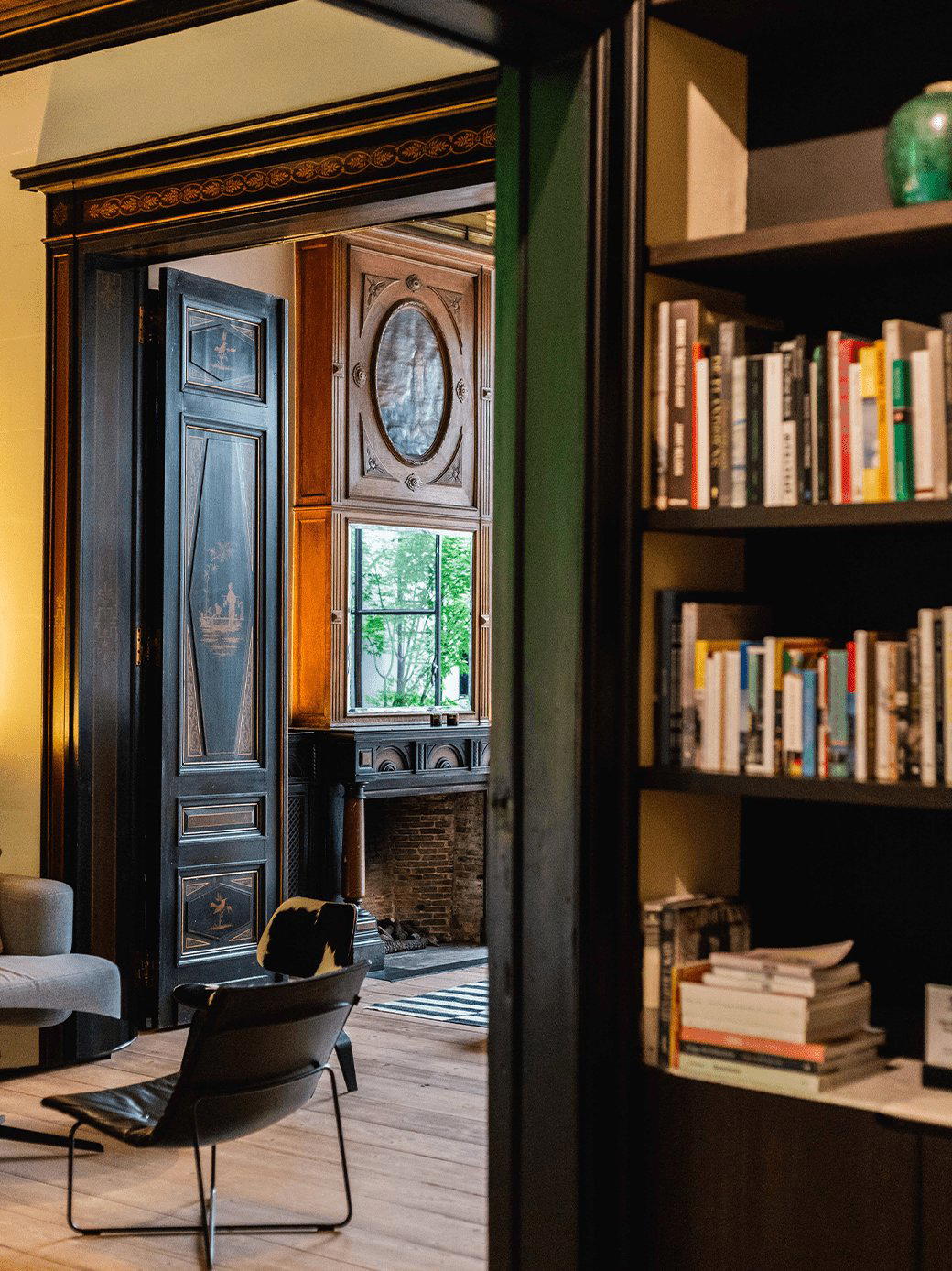
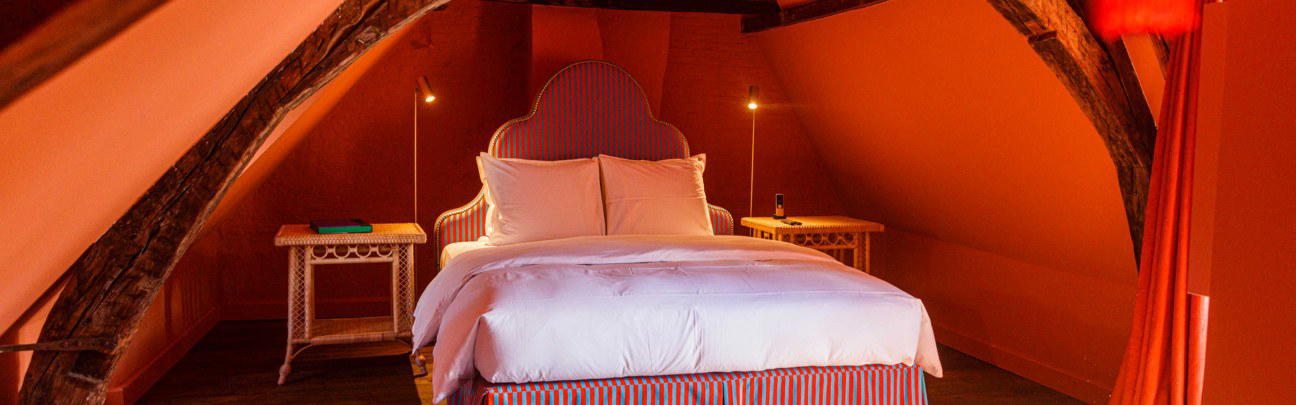
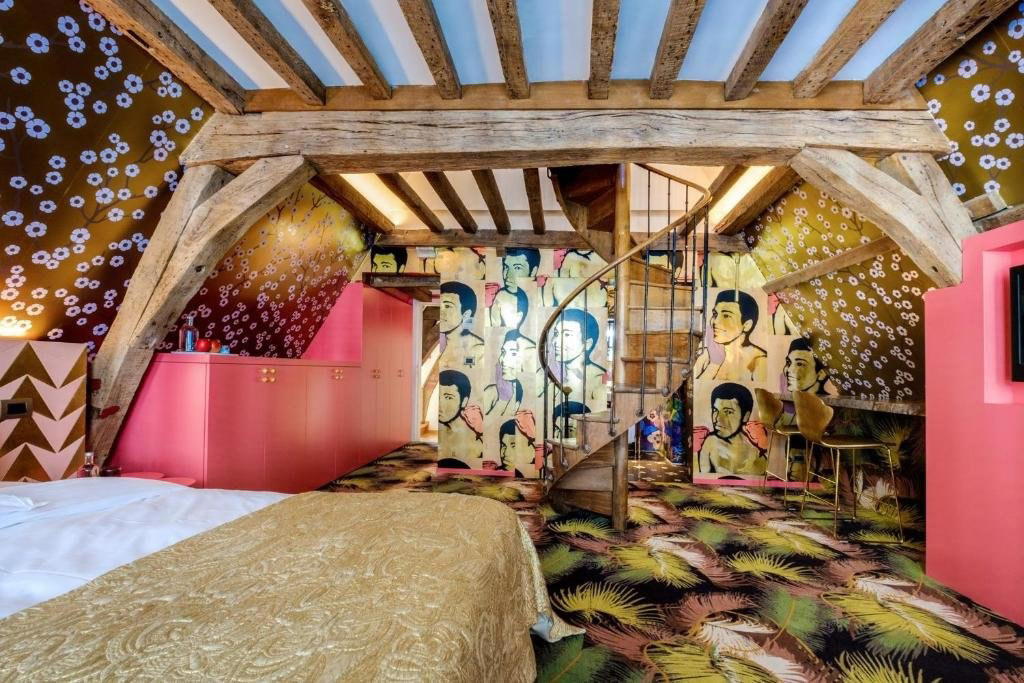
Small and cosy with warm interior and personal touch, accommodating only 26 seats.