Our verdict
Fiskebar occupies a distinct position in Antwerp's dining scene, drawing on the city's historic relationship with the North Sea to anchor a seafood-focused menu at Marnixplaats. The address places it in a neighbourhood that rewards those who arrive on foot, and the format suits a measured, unhurried approach to eating. For a city with serious restaurant credentials, this is a room where the fish, not the theatre, leads the conversation.

Pearl is the En Primeur Club membership app, where members save venues, book tables and use the concierge.
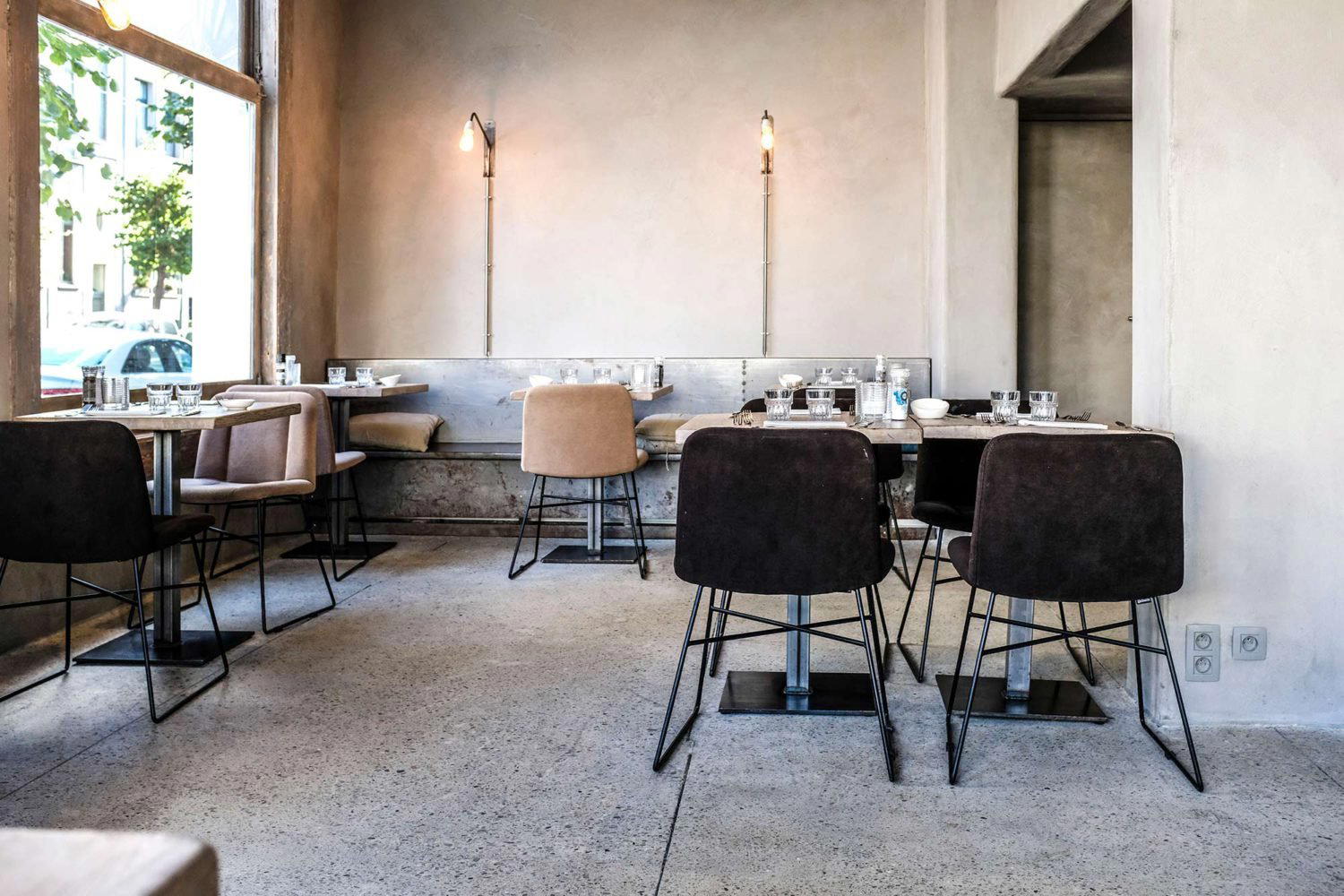
Where the North Sea Meets the Scheldt Table
Antwerp's relationship with seafood runs deeper than menu fashion. The city sits at the mouth of one of Europe's busiest river deltas, and for centuries its merchants built fortunes on the movement of goods, including the catch, through its port. That history has shaped a dining culture in which fish preparation is treated as craft rather than accompaniment. Fiskebar, at Marnixplaats 12, operates within that tradition, and the address matters: Marnixplaats is one of those Antwerp squares where the architecture does a great deal of the work before you step inside, the proportions generous, the stone facades keeping the light low and considered even at midday.
The name signals the format before anything else. "Fiskebarr" in the Nordic register, "fiskbar" in the Dutch port dialect, either way the compound word announces a specific register of dining: counter-adjacent, product-led, with the pacing of a place that trusts its ingredients not to need much dressing. In a city where the higher end of the restaurant spectrum, venues like Zilte and Hertog Jan at Botanic operate at full creative-tasting-menu intensity, a seafood bar that commits to the ritual of the simple plate occupies its own useful niche.
The Ritual of the Seafood Meal
There is a particular discipline to eating well at a seafood-focused address, and it starts with pace. The instinct at many restaurant tables is to build toward a main, to treat the earlier courses as prologue. At a bar-format fish restaurant, that logic inverts. The oyster, the cured fillet, the dressed crab arrive first and carry the full weight of the occasion. What follows is refinement rather than escalation. This format places the guest in a different relationship with the meal: attentive from the first plate, without the option of warming up slowly.
Belgian seafood cooking, particularly in Antwerp and along the Flemish coast, has long operated on a principle of disciplined restraint. The country's proximity to the North Sea fishing grounds means that quality of raw material, rather than elaboration of technique, has historically been the competitive advantage. Restaurants in this tradition serve the fish at its own temperature, let the brininess of an oyster speak without acidic correction, and treat a grilled sole as an event in itself rather than a platform for sauce. Fiskebar's position at Marnixplaats places it in the tradition of Antwerp addresses that take this philosophy seriously, operating at a register distinct from the classical French preparations found at Bistrot du Nord or the deep Flemish classicism of 't Fornuis.
Antwerp's Seafood Context
To understand what Fiskebar is doing, it helps to map the broader Antwerp dining field. The city's most decorated restaurants have moved toward creative and modern Flemish frameworks, with tasting menus that use local produce as a starting point for technical elaboration. At the other end of the spectrum, the city's brasserie culture keeps classical preparations alive with little apology. Seafood-specific addresses occupy the space between those poles: committed to product quality at the level of the creative tier, but presented within a format closer to the brasserie in its approachability.
Belgium as a whole maintains a high density of serious kitchens per capita, a fact that the Michelin guide has documented annually since the mid-twentieth century. Flemish restaurants in particular have accumulated significant recognition over the past two decades, from the coast, where Willem Hiele in Oudenburg has built a reputation on marine produce and natural wine, to the inland fine dining of Hof van Cleve in Kruishoutem and Boury in Roeselare. In that context, an Antwerp fish bar that takes its sourcing seriously is working within a peer group that has defined high standards for what Flemish seafood can mean.
For comparison across European seafood capitals, the format has precedent at the highest level. Le Bernardin in New York built its reputation on an almost theological commitment to the fish-first hierarchy. At the other extreme, communal-format addresses like Lazy Bear in San Francisco have shown how a fixed-format meal can transform the dining ritual into something closer to performance. Fiskebar at Marnixplaats sits in neither of those registers, it is a more specifically Belgian proposition, grounded in the port city's own relationship with what the North Sea produces.
The Neighbourhood and When to Come
Marnixplaats opens onto one of Antwerp's quieter southern squares, away from the Grote Markt crowds and the tourist-density of the diamond quarter. The walk from Centraal Station takes around twenty minutes on foot through the old city, or the tram network connects the neighbourhood efficiently. Arriving on foot is the better option: the square's character is easier to read at walking pace, and the transition from the wider city into the more residential rhythm of the southern districts gives the meal a different quality of beginning. For visitors building an Antwerp itinerary around food, the full Antwerp restaurants guide maps the city's dining geography in more detail.
Lunch is the more considered time to eat at a seafood bar. The day's catch logic applies: kitchens that take sourcing seriously work with what arrived that morning, and the lunch service is where that freshness is at its peak. Evening remains the more social option, with the longer arc of a dinner table, but the product argument runs in favour of midday. This is, incidentally, the same logic that governs the leading fish restaurants in Belgium's coastal towns, and it applies to city addresses that maintain the same sourcing discipline.
Other Antwerp addresses worth pairing in a broader visit include DIM Dining for a Japanese register that applies its own rigorous product focus, and further afield in Belgium, Vrijmoed in Gent and La Durée in Izegem for a sense of how Flemish kitchens are working across formats. For those travelling through Brussels, Bozar Restaurant provides useful context on how the capital's dining register differs from Antwerp's.
Planning Your Visit
Fiskebar's address at Marnixplaats 12, 2000 Antwerpen, places it in the southern part of the old city, accessible by tram from the central districts. Specific booking details, current hours, and pricing should be confirmed directly with the restaurant, as these details are subject to change and verified contact information was not available at time of publication. For the broader Belgium fine-dining circuit, Cuchara in Lommel, Ralf Berendsen in Neerharen, d'Eugénie à Emilie in Baudour, and Le Chalet de la Forêt in Uccle each represent different inflections of what serious Belgian cooking looks like across the country's regions.
Frequently asked questions
What do regulars order at Fiskebar?
At a seafood-focused bar address in the Belgian tradition, the logic of ordering follows the product rather than the category. Regulars at this type of restaurant typically anchor their meal in whatever shellfish arrived that morning, treating oysters or clams as the primary event rather than the opener. The bar format tends to reward those who ask the kitchen what came in fresh and build from there, rather than approaching the menu as a fixed hierarchy of courses.
What is the ideal way to book Fiskebar?
If you are planning around a specific date, contacting the restaurant directly is the most reliable approach. Antwerp's better seafood addresses, particularly those in neighbourhood squares rather than the tourist-heavy centre, often take reservations by phone or email rather than through third-party platforms. Given that Fiskebar operates in a price bracket that sits between the city's casual brasserie tier and its full creative-tasting-menu venues, booking a day or two in advance for lunch should be sufficient during most of the year, though weekend evenings in spring and autumn warrant earlier planning.
What makes Fiskebar worth seeking out?
The address makes a specific argument that is harder to find at Antwerp's more celebrated creative restaurants: that Belgian seafood, sourced from North Sea fishing grounds and prepared with discipline rather than elaboration, is a complete proposition on its own terms. The Marnixplaats location also puts it in a part of the city that functions at a different rhythm from the tourist-facing centre, which changes the character of the meal in ways that are difficult to replicate. For the broader Belgian fish-cooking tradition at its most serious, Willem Hiele in Oudenburg provides useful comparison context.
Does Fiskebar accommodate allergies?
At any seafood-specialist address, allergy communication matters more than at a generalist kitchen because the menu is built around a narrow protein category with significant cross-contamination potential. The practical advice for any shellfish or fish allergy is to communicate specific requirements at the point of reservation rather than on arrival.
Is Fiskebar a good option for visitors who primarily know Antwerp through its fine-dining tasting-menu circuit?
For guests who have eaten at Antwerp's creative tasting-menu tier, Fiskebar offers a deliberate change of register: the format is shorter, the focus narrower, and the meal is structured around the product rather than the kitchen's conceptual arc. That contrast is part of the point. Belgium's seafood cooking tradition has its own rigour, distinct from the elaboration of the starred tasting-menu format, and a city visit that includes both registers gives a more complete picture of what Flemish kitchens are doing across the full spectrum.
Quick Comparison
Comparable venues nearby, for context on price, style, and recognition.
| Venue | Cuisine | Price | Notes |
|---|---|---|---|
| FiskebarThis venue (the venue you are viewing) | Modern Seafood Bistro | $50–100 | Not listed |
| Günther Watté | Belgian Chocolatier Café | Not listed | Anvers-centre |
| Fish A'Gogo | Belgian Seafood | $20–30 | Old Town |
| ARTE | Modern Italian with Sardinian Influences | $30–50 | Historic Center |
| Bacchus | Belgian-French Brasserie | $30–50 | 't Eilandje |
| Octave | Modern Belgian with Chocolate Twists | $50–100 | Centraal Station |
Continue exploring
More in Antwerp
Restaurants in Antwerp
All restaurants in Antwerp →
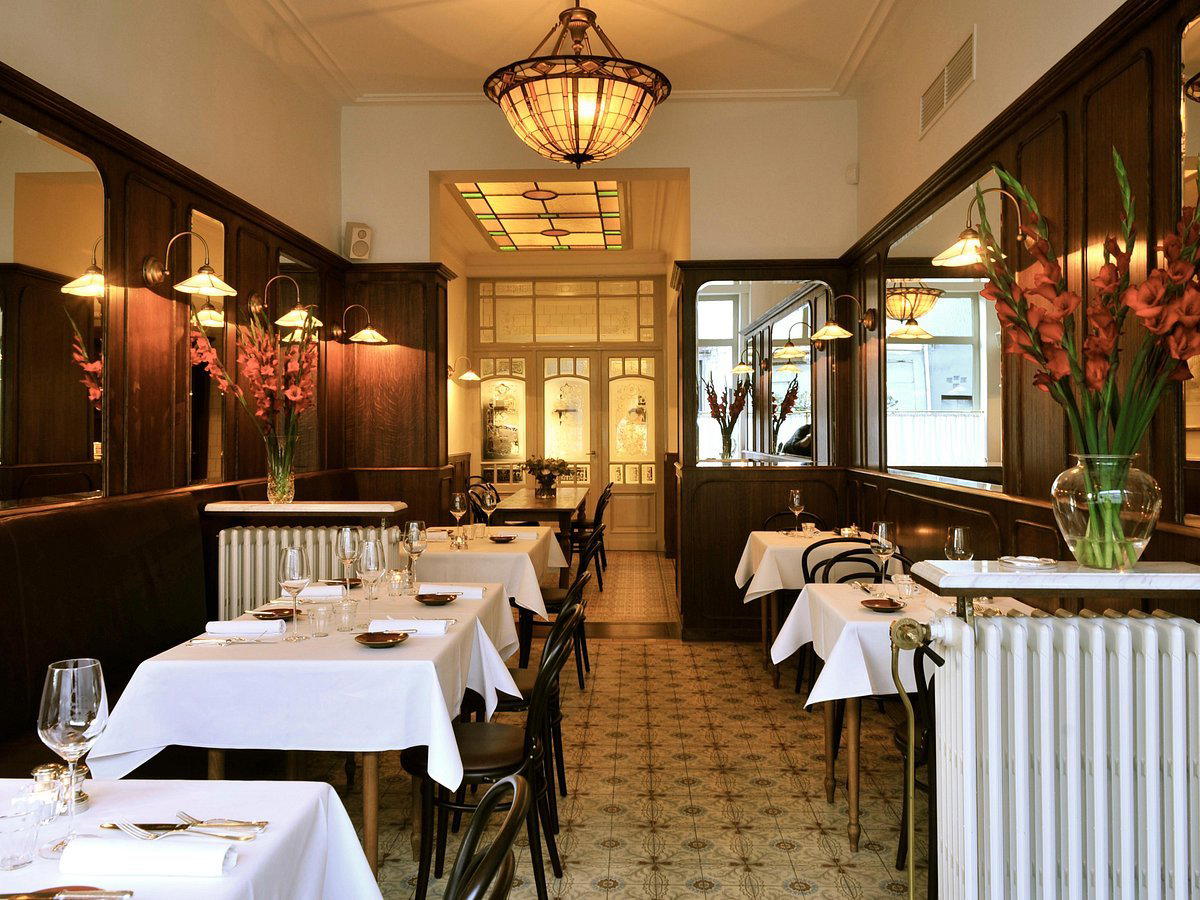
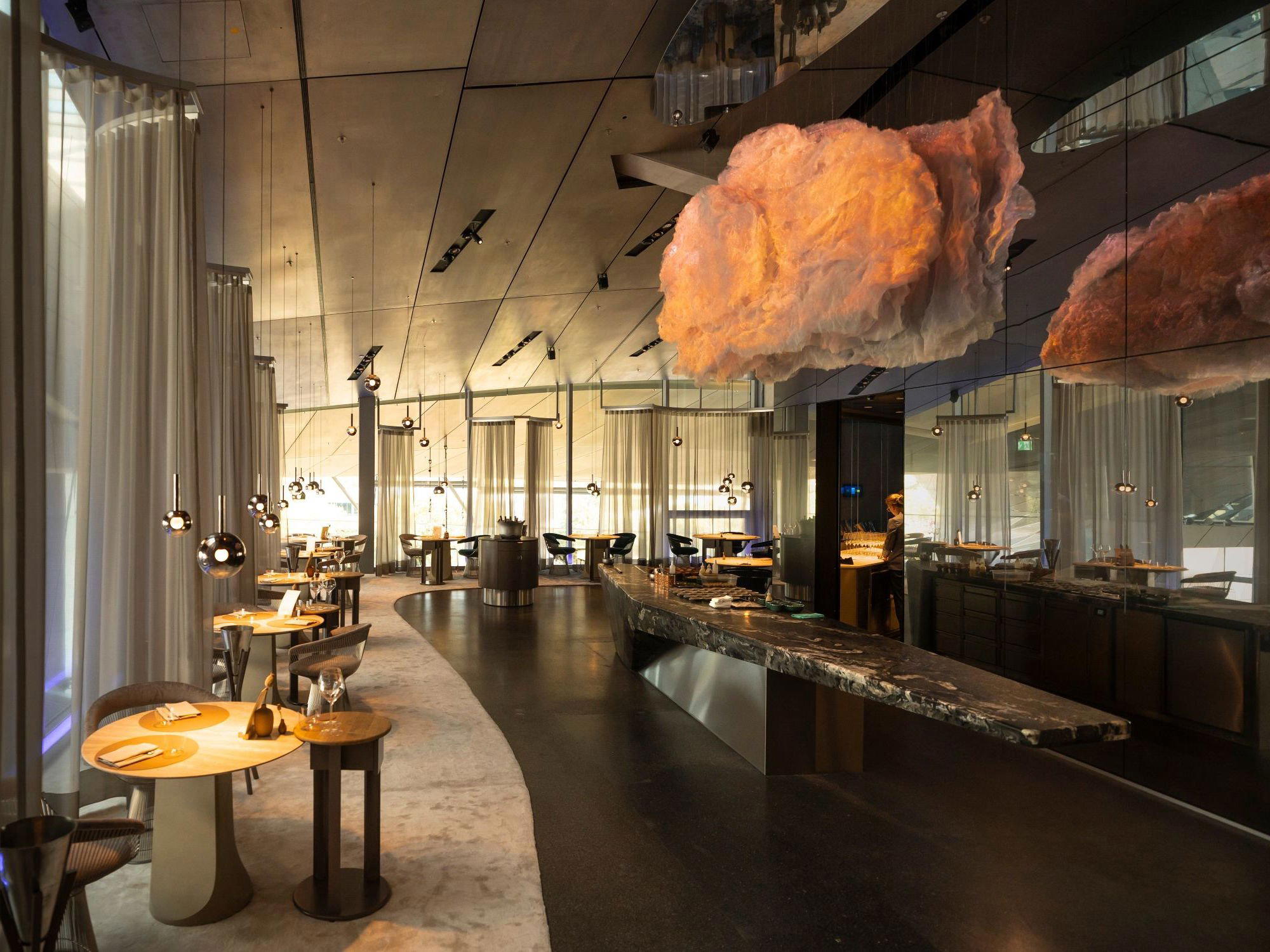
Bars in Antwerp
All bars in Antwerp →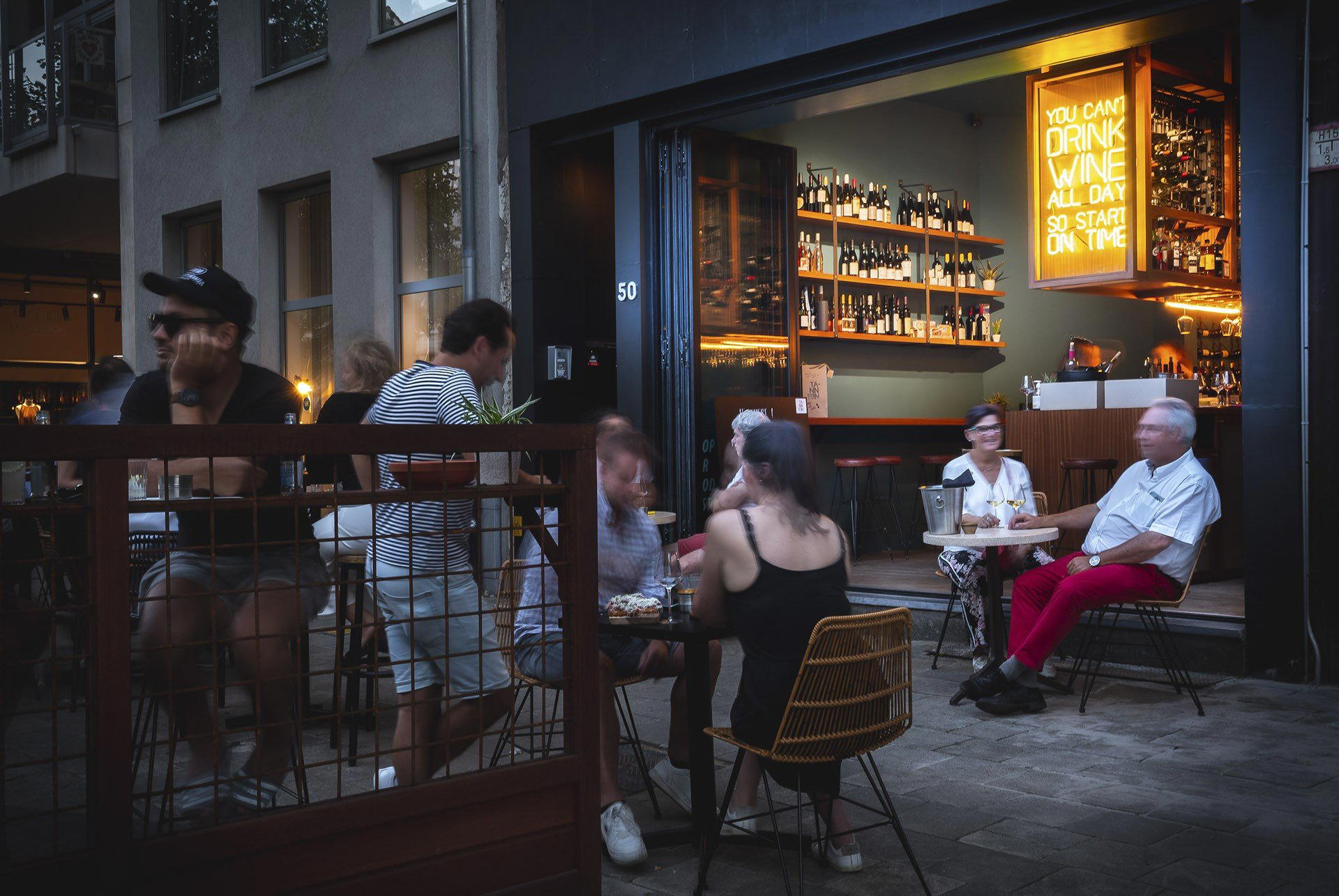
Details
- Trendy
- Cozy
- Modern
- Lively
- Date Night
- Group Dining
- Casual Hangout
- Terrace
- Open Kitchen
- Extensive Wine List
- Sustainable Seafood
- Local Sourcing
- Street Scene
- A La Carte
- Small Plates
Current opening hours
- Monday
- 12–3 PM, 6–10 PM
- Tuesday
- Closed
- Wednesday
- 12–3 PM, 6–10 PM
- Thursday
- 12–3 PM, 6–10 PM
- Friday
- 12–3 PM, 6–10 PM
- Saturday
- 12–10 PM
- Sunday
- 12–10 PM
Hours can change for holidays and private events. Hours as of .
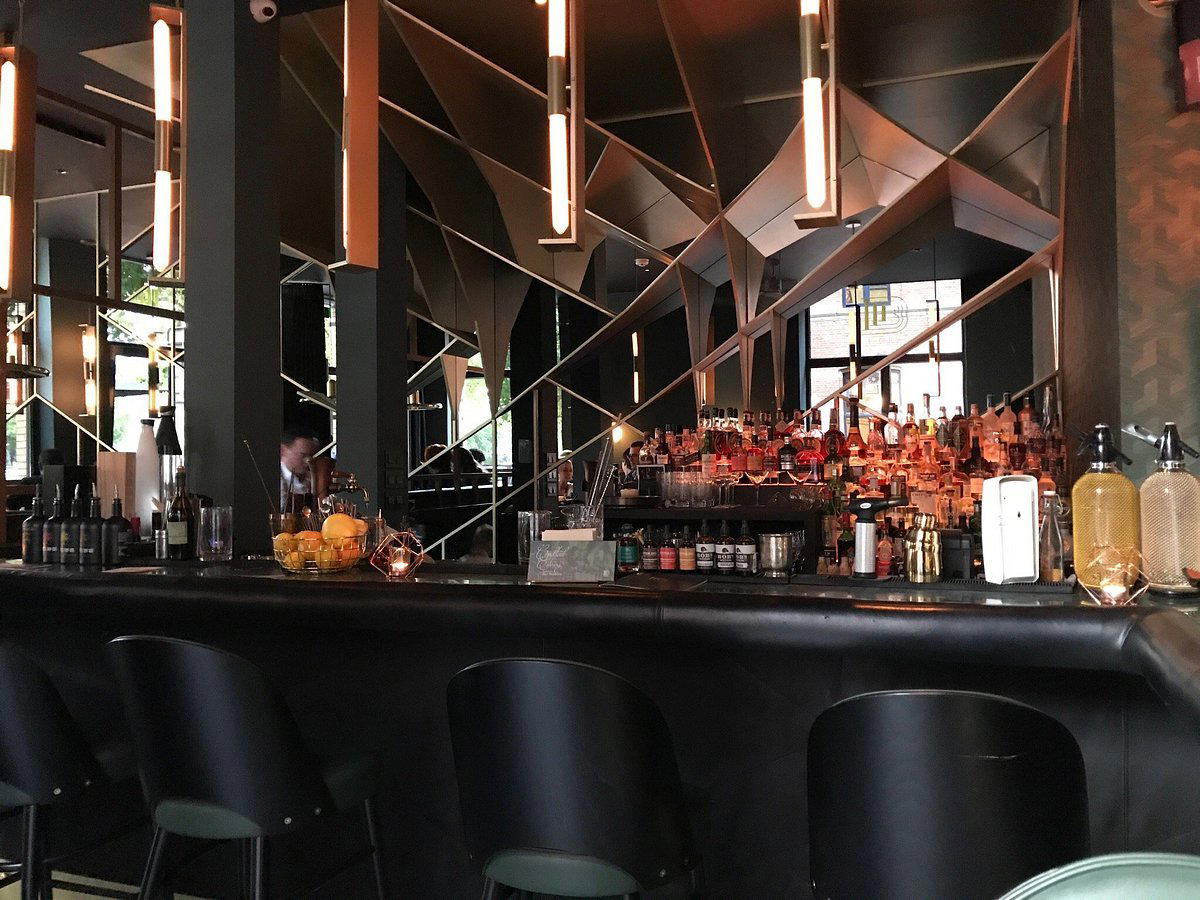
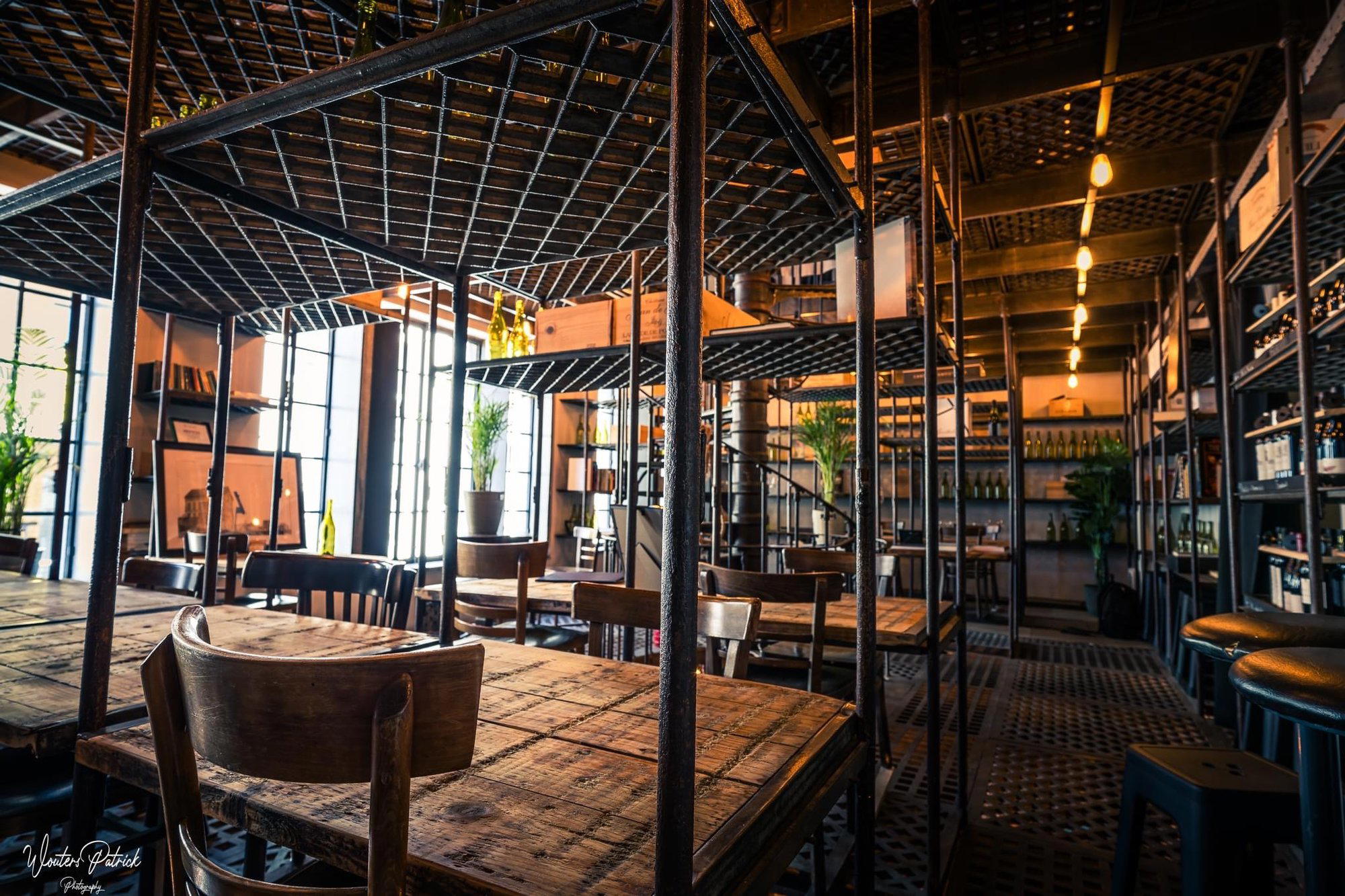
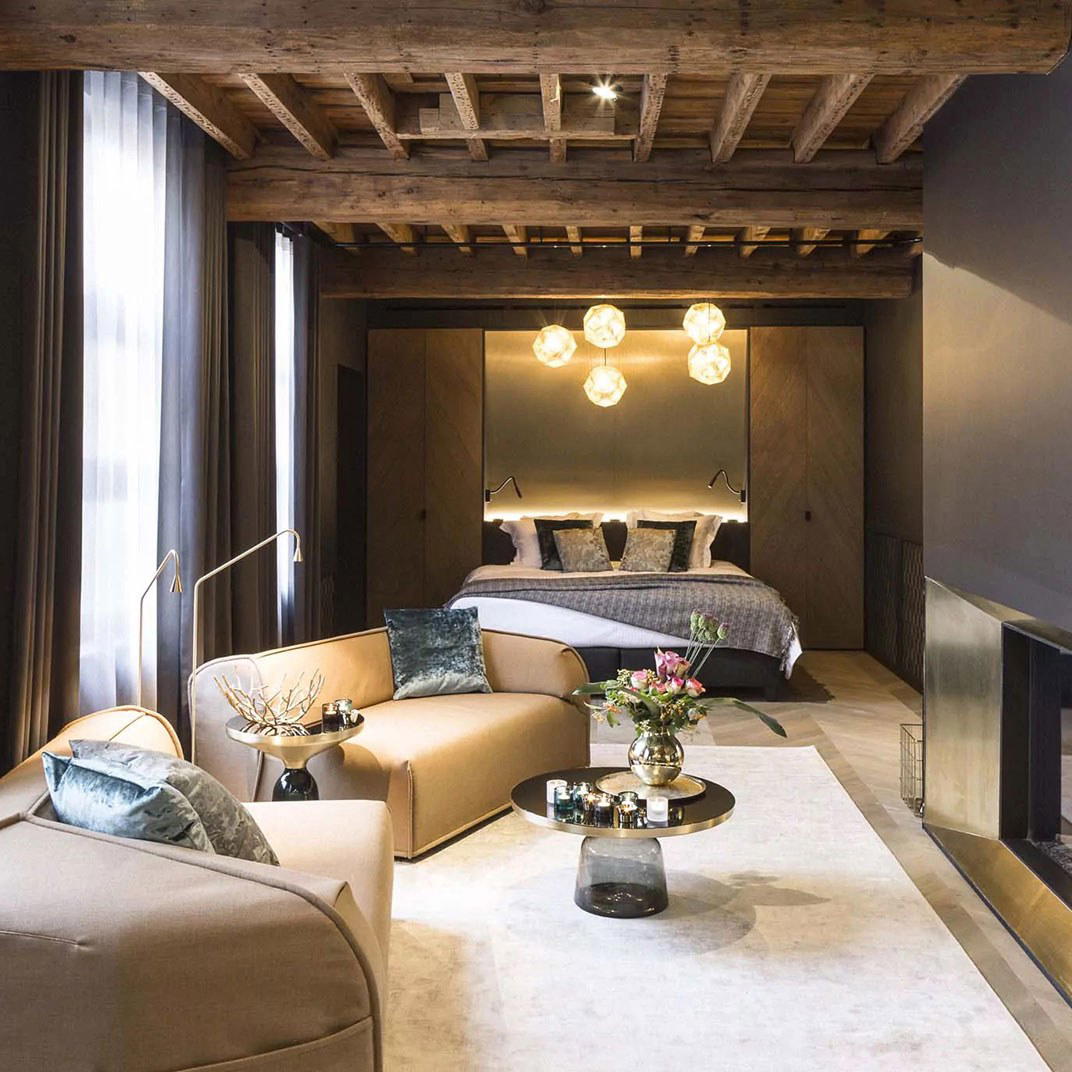
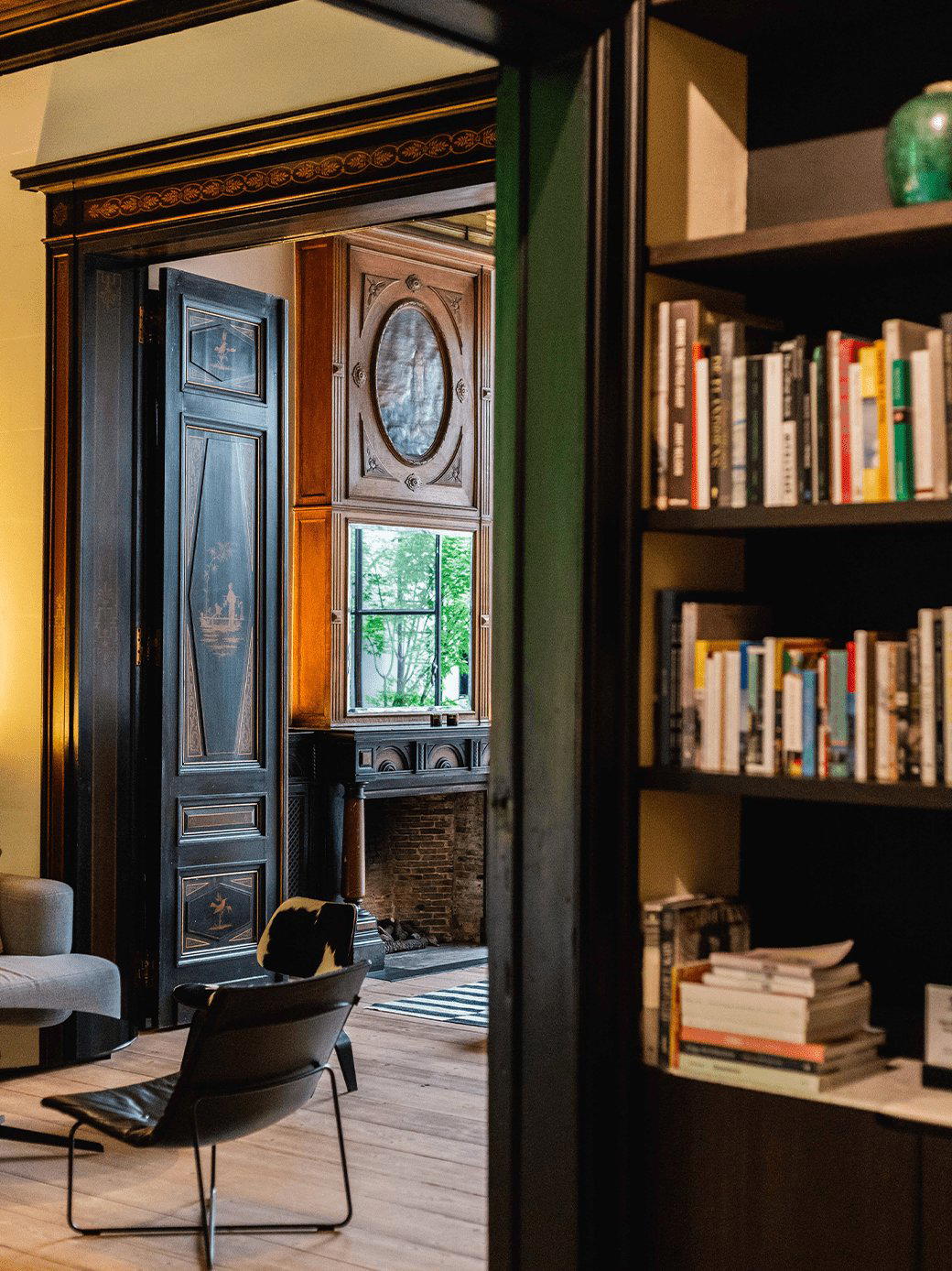
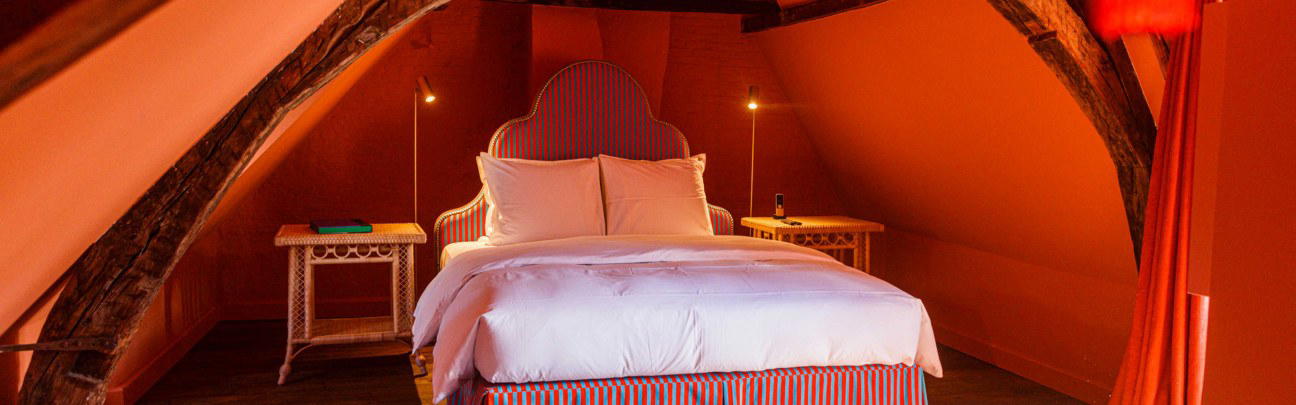
Relaxed and trendy atmosphere with minimalist decor, cozy environment, and lively terrace for people-watching.