


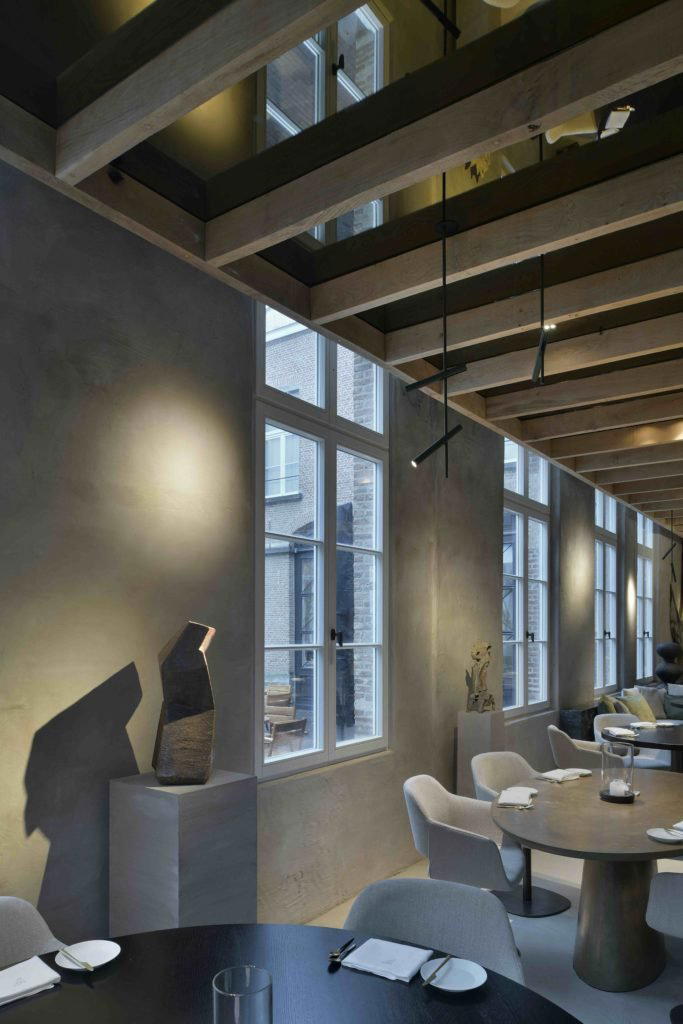
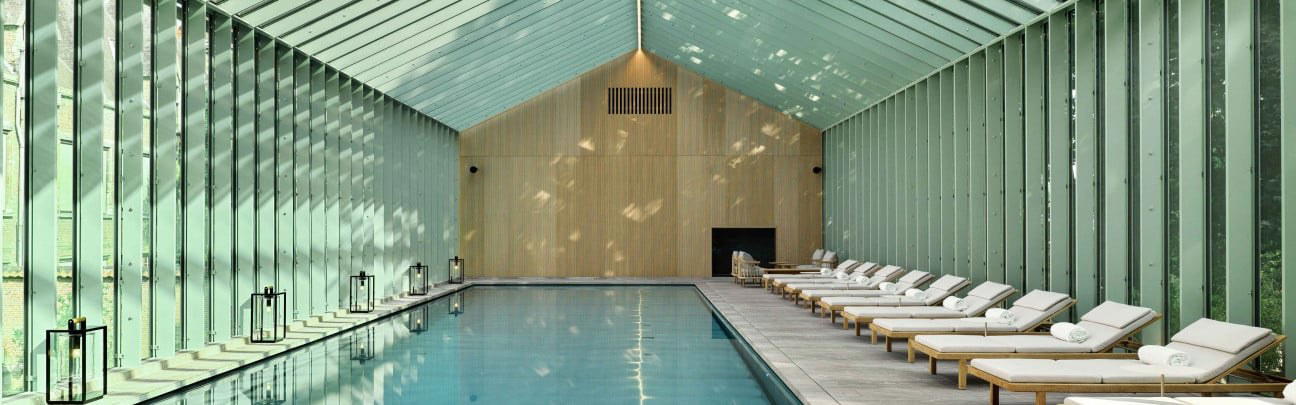
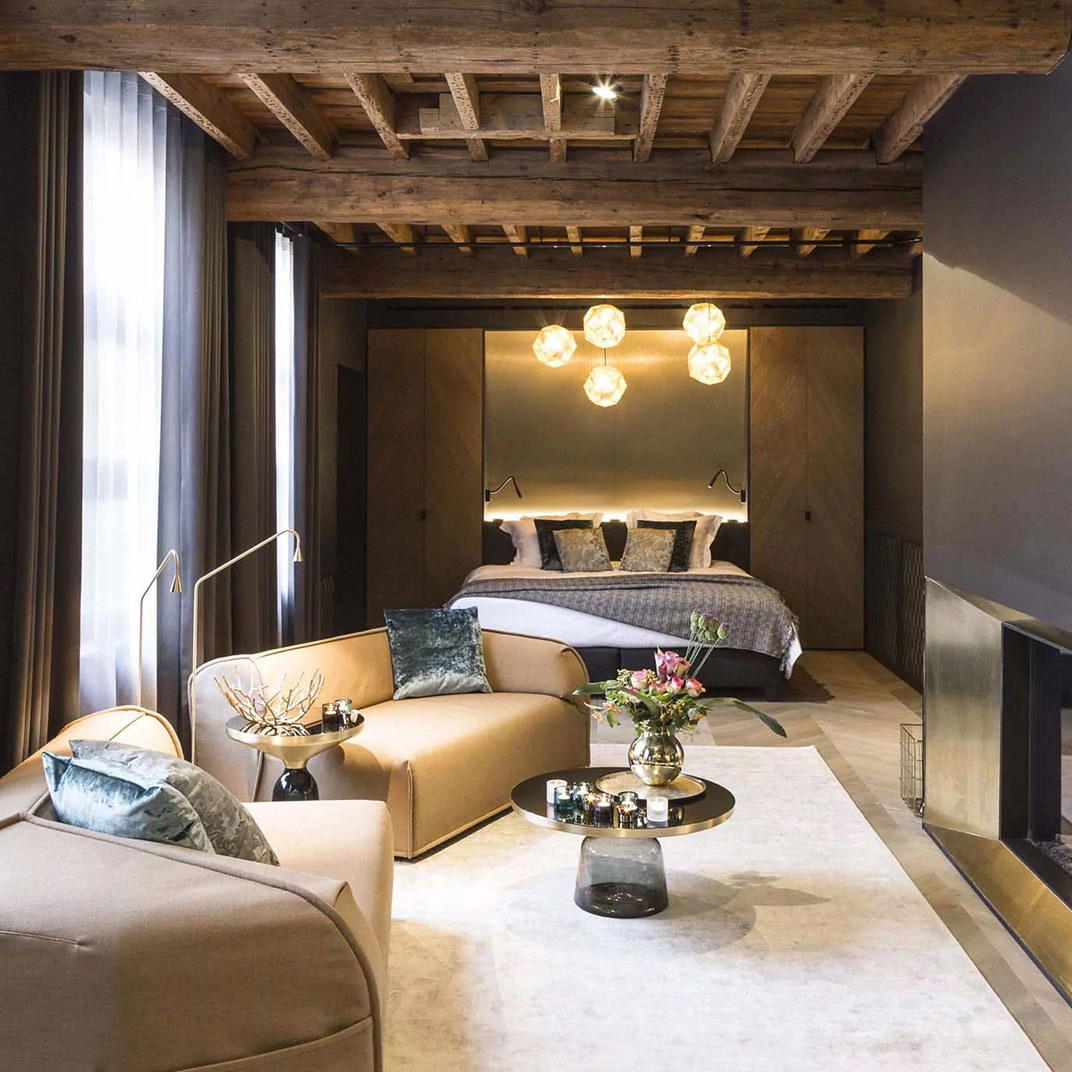
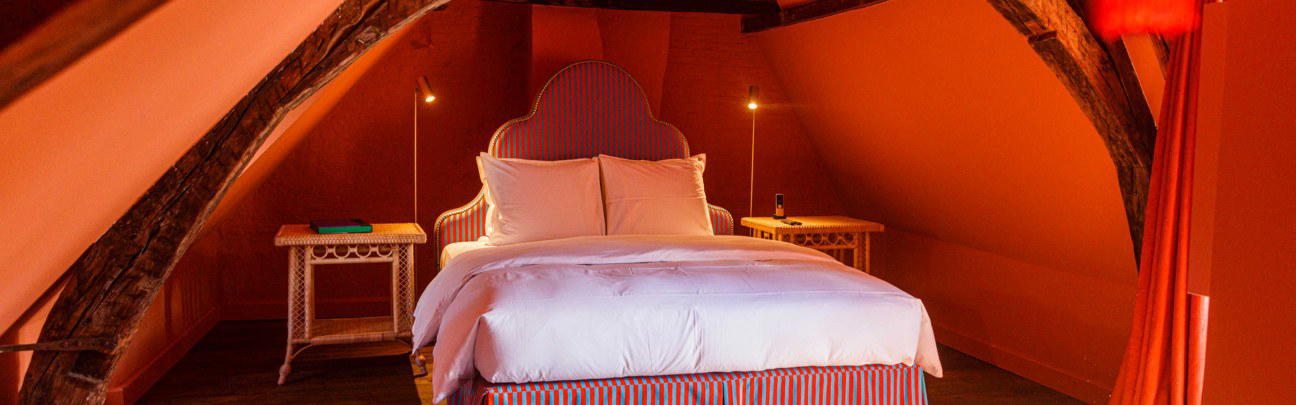
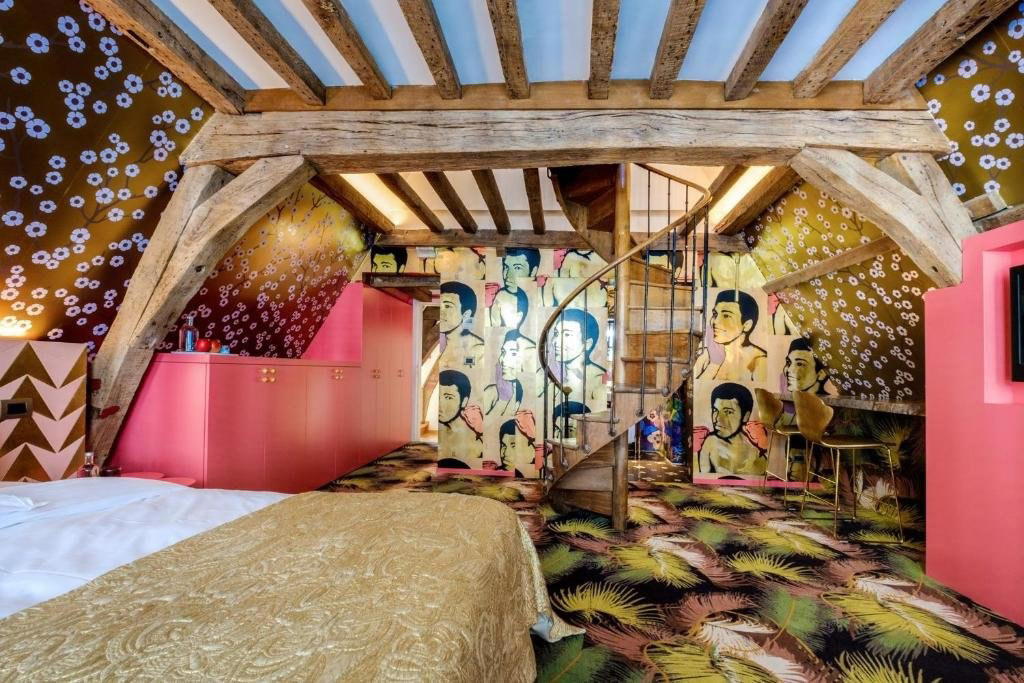
August occupies a converted 19th-century building in Antwerp's southern quarter, operating as both a restaurant and hotel. The kitchen runs a plant-based menu alongside broader tasting formats, and has earned a White Star recognition from Star Wine List. The setting carries the kind of architectural weight that few dining rooms in Belgium can match.
Pearl is the En Primeur Club membership app — saves, bookings, and concierge access live there. Same editors, same standards.
- Address
- Jules Bordetstraat 5, 2018 Antwerpen, Belgium
- Phone
- +32 3 500 80 80
- Website
- august-antwerp.com
 Saves & bookings on Pearl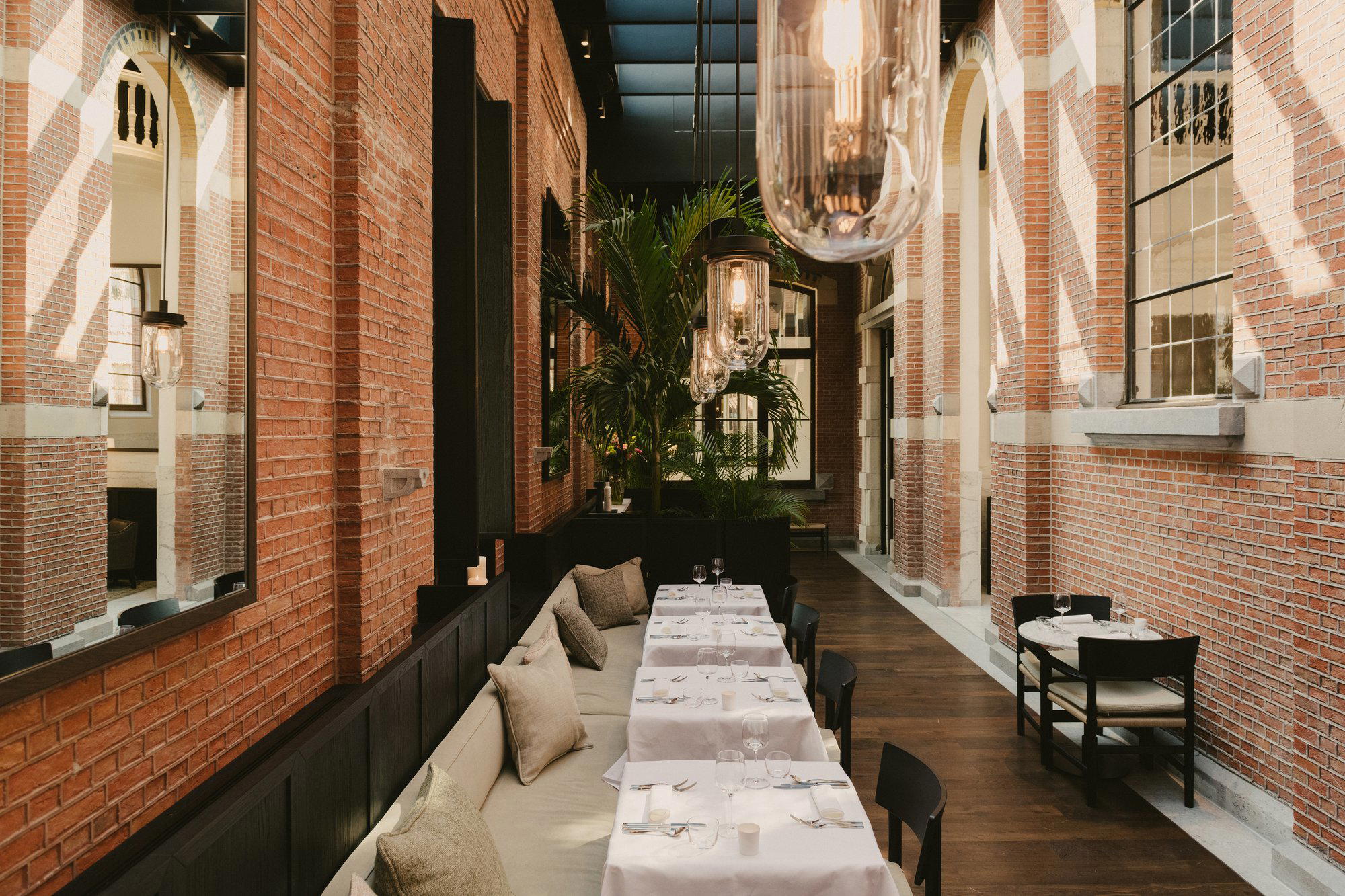
A Former Convent, a Dining Room, and the Weight of Belgian Vegetables
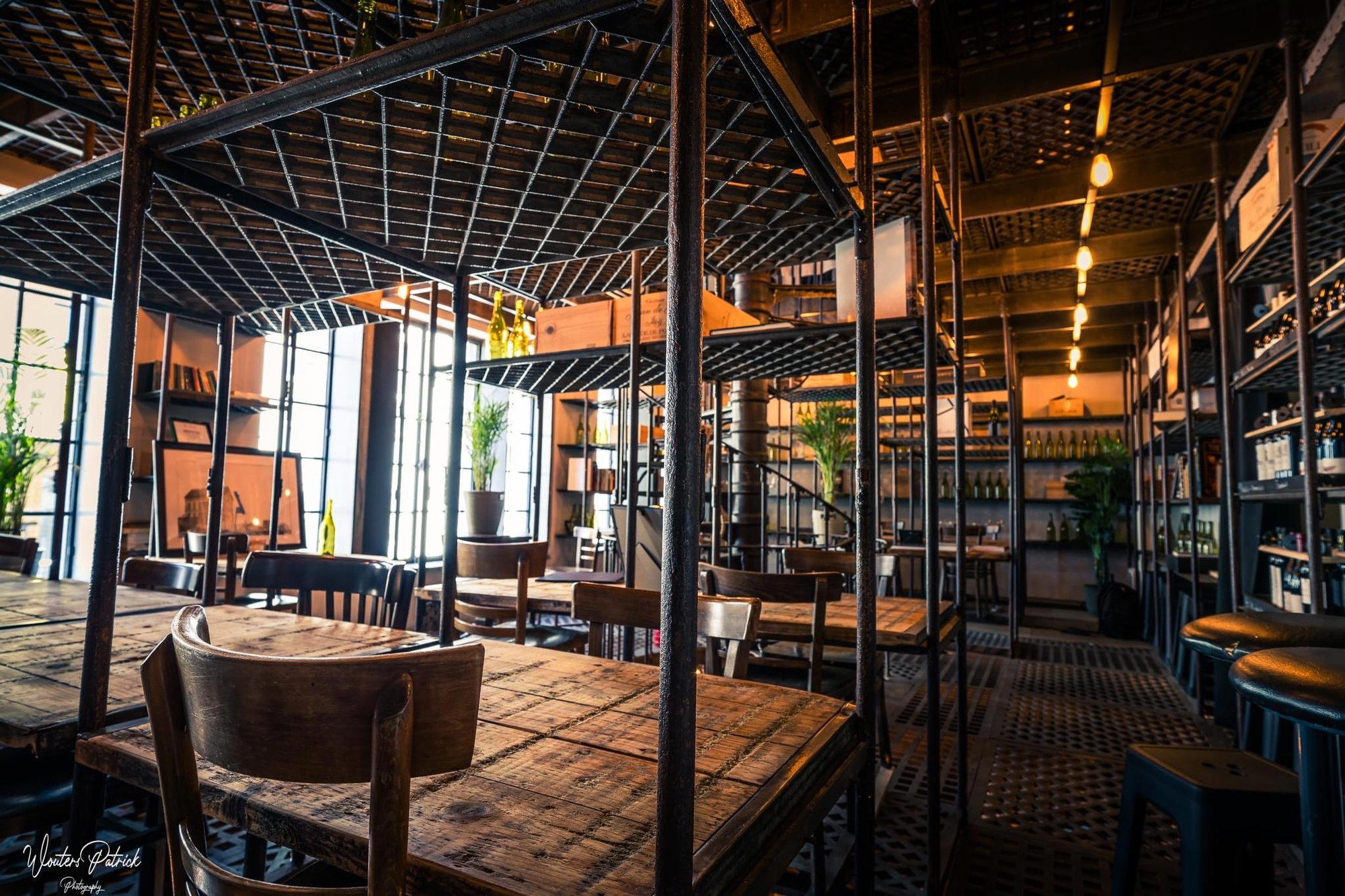
There is a particular architectural grammar to the great restaurant conversions of northern Europe: high ceilings, stone floors, rooms that were built for silence and ceremony long before a kitchen brigade arrived. August, at Jules Bordetstraat 5 in Antwerp, occupies one of the city's most compelling examples of this format. The building carries its history without apology, and the dining room operates at a scale that positions it differently from the intimate tasting-counter model that dominates Antwerp's upper bracket. Here, grandeur is structural, not decorative.
That physical context matters because it sets the terms for the meal. Plant-forward dining in Belgium has often struggled against the cultural gravity of classical Flemish cooking, where meat, cream, and coastal seafood define the canon. The restaurants that have made a credible case for vegetable-led menus in this country have generally done so by operating in spaces where the surroundings carry equivalent authority to the cuisine. August's setting does that work.
Plant-Based Menus in the Flemish Context
Belgian fine dining has a deep, documented relationship with produce from its own agricultural interior. The tradition of Flemish cooking prizes the market garden, the estuary, and the pasture in roughly equal measure, and some of the country's most decorated kitchens, including Hertog Jan at Botanic, have built serious programs around kitchen gardens and seasonal sourcing. Within that tradition, a plant-based menu format is less a statement of ideology and more an extension of something that has always existed in Flemish cuisine: deep attention to what grows here.
What distinguishes August's approach is that the vegetable courses represent the kitchen's clearest cooking. A Star Wine List White Star recognition signals that the beverage program operates at a level where it is taken seriously as a pairing element, not merely an afterthought. In a plant-based context, wine pairing demands more precision than it does alongside conventional proteins, and that credential carries editorial weight.
The broader Antwerp dining scene at this price level is occupied by kitchens pulling in different directions. Zilte works at the creative end of the spectrum from its position above the MAS museum. 't Fornuis remains the city's most reliable argument for classical European-Flemish cooking at the higher end. DIM Dining sits within the Japanese and Asian bracket at equivalent price positioning. August occupies a different niche from all of them, defined less by technique or geography and more by format and setting.
What the Menu Signals About Intent
A plant-based menu in a formal hotel restaurant is a specific editorial commitment. It tells you something about where the kitchen believes its authority lies, and it creates expectations that a more conventional format does not. When those expectations are met partially, it raises a legitimate question about format discipline.
That kind of inconsistency is not distinctive to August. Across Belgian fine dining, the challenge of running a coherent plant-forward menu within a hotel context, where guest preferences and kitchen flexibility frequently pull against each other, is one that many properties have navigated imperfectly. The kitchens that manage it cleanly tend to be those where the format is non-negotiable and the rest of the menu is built around it, rather than around it sitting alongside a more traditional offering. August appears to be working through that calibration. The vegetable courses, by consistent account, are where the kitchen's clearest intentions emerge.
For broader context on how Belgian kitchens handle this kind of format tension, it is worth looking at what is happening elsewhere in the country. Hof van Cleve in Kruishoutem and Boury in Roeselare operate at the summit of the Belgian restaurant hierarchy with tightly controlled formats. Willem Hiele in Oudenburg and Bartholomeus in Heist demonstrate the discipline possible in more singular kitchens. Castor in Beveren shows what a focused menu can achieve at regional level. The contrast is instructive: format clarity tends to correlate with consistency in the cooking.
The Restaurant-Hotel Combination
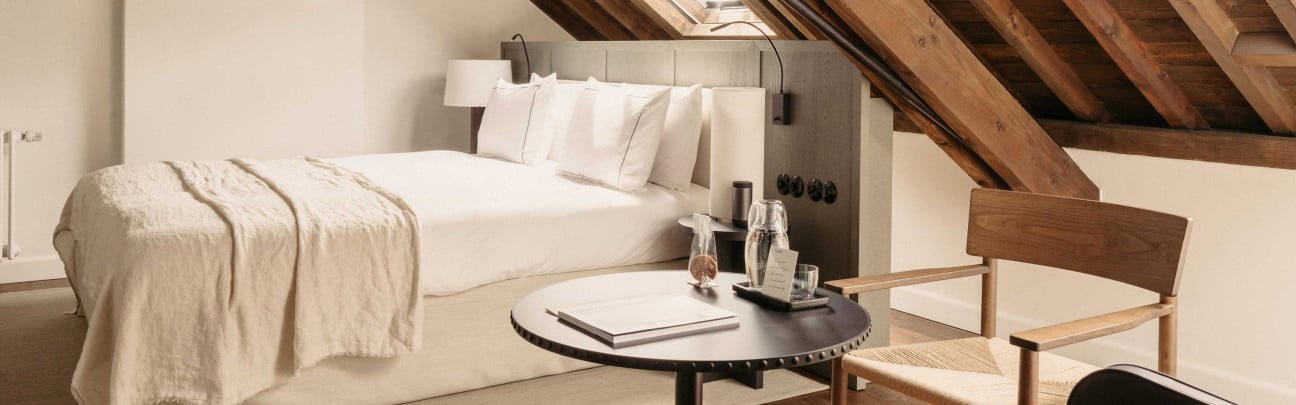
August operates as both a restaurant and hotel, which places it within a specific subset of the Belgian hospitality market: properties where the dining room and the accommodation are conceived as parts of a single experience rather than separate revenue lines. In Europe, this model has produced some of the continent's most serious restaurant environments, in part because the kitchen is not performing for a transient audience alone but for guests who will carry the meal into their overnight stay.
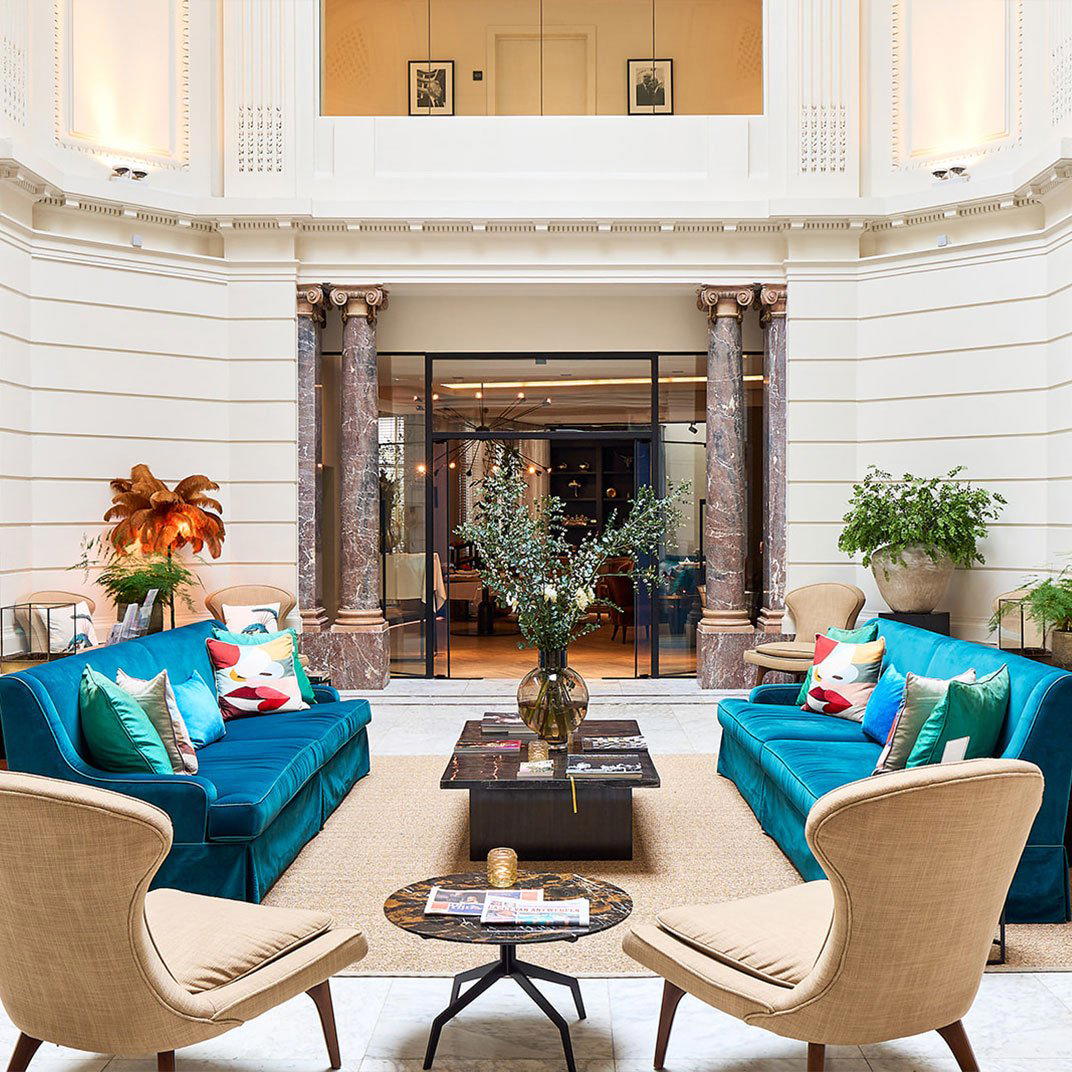
The architectural scale of the building supports this ambition. The grandeur noted by multiple accounts is not incidental; it is the frame within which the kitchen and beverage team are working. For Antwerp specifically, a city with a strong hotel culture built around its diamond trade, port history, and fashion industry, a property operating at this scale with genuine restaurant ambition is a meaningful addition to what the city offers. August sits at the more architecturally serious end of that spectrum.
Planning a Visit
August is located at Jules Bordetstraat 5 in Antwerp's 2018 postal district, south of the city centre and accessible from the main rail hub at Antwerp Centraal. The property functions as a hotel, so dining reservations and accommodation bookings operate on separate tracks. Given the venue's recognition, advance planning is advisable.
The wine program carries a Star Wine List White Star credential, which suggests the list is worth engaging with seriously, particularly for pairing alongside the vegetable courses where the kitchen's strongest work appears to sit. For visitors building a wider Antwerp itinerary, options at different price points include Bistrot du Nord for French traditional cooking at the €€€ level.
Price and Recognition
Comparable venues nearby, for context on price, style, and recognition.
| Venue | Cuisine | Price | Notes |
|---|---|---|---|
| AugustThis venue — the venue you are viewing | Not listed | $$$ | Not listed |
| Camionette | PAKT, Plant-Based Belgian Fine Dining | $$$ | Not listed |
| The Chocolate Line | Meir, Artisanal Belgian Chocolatier | $$$ | Not listed |
| Chocolatier Goossens | Zuid, Artisan Belgian Chocolatier | $$$ | Not listed |
| Lux | Eilandje, Bar | $$ | Not listed |
| DelReY | Not listed | $$ | Diamond District, Belgian Chocolates & Pastries |
Recognition history
Dated appearances from independent guides and award organizations, with the underlying list record or original source where available.
Opinionated About Dining Casual in Europe Recommended
Opinionated About Dining
Star Wine List
Star Wine List
We're Smart World 1 Radish
We're Smart World
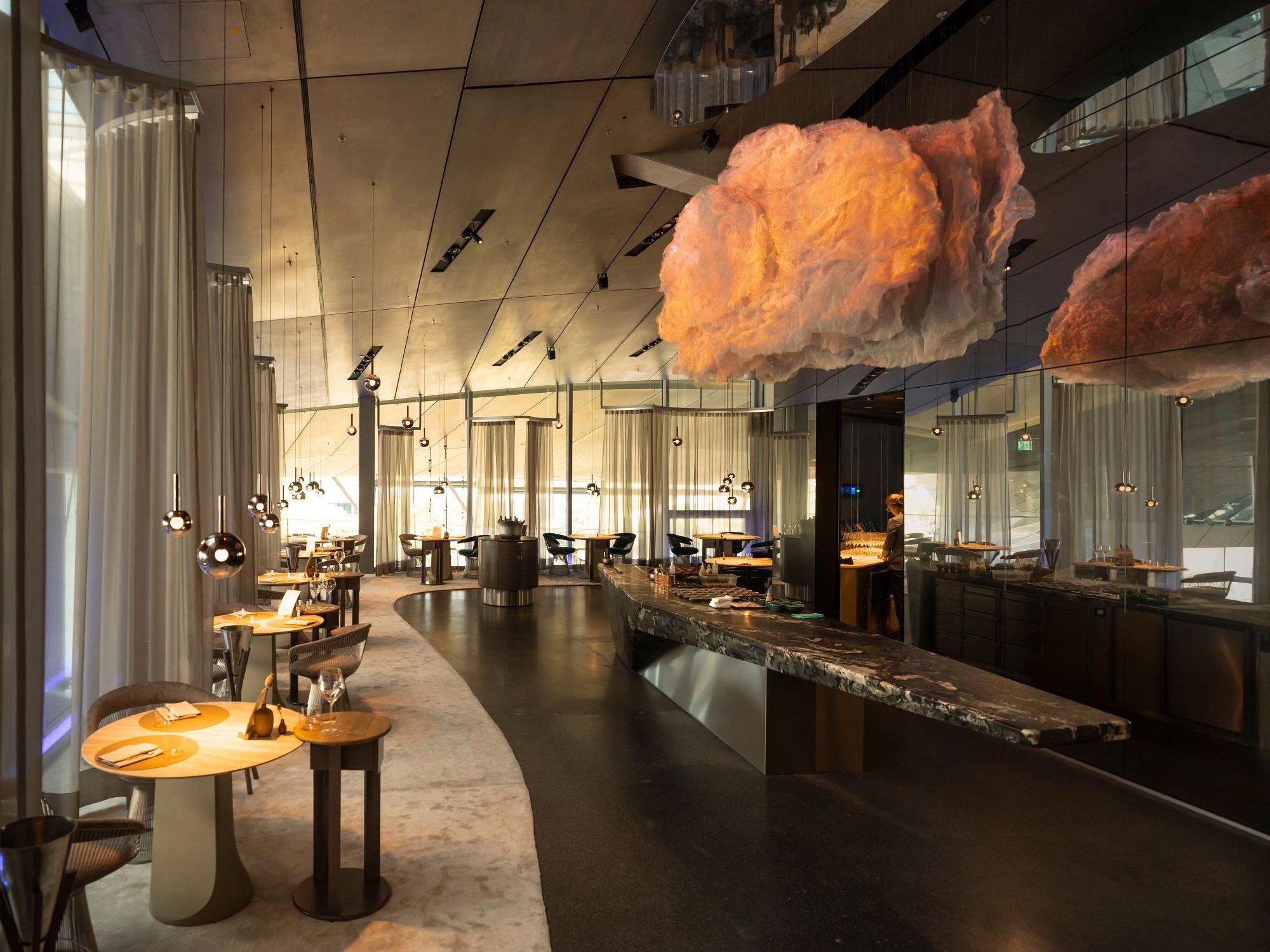
At a Glance
- Modern
- Elegant
- Intimate
- Sophisticated
- Minimalist
- Date Night
- Special Occasion
- Garden
- Historic Building
- Hotel Restaurant
- Craft Cocktails
- Local Sourcing
- Garden
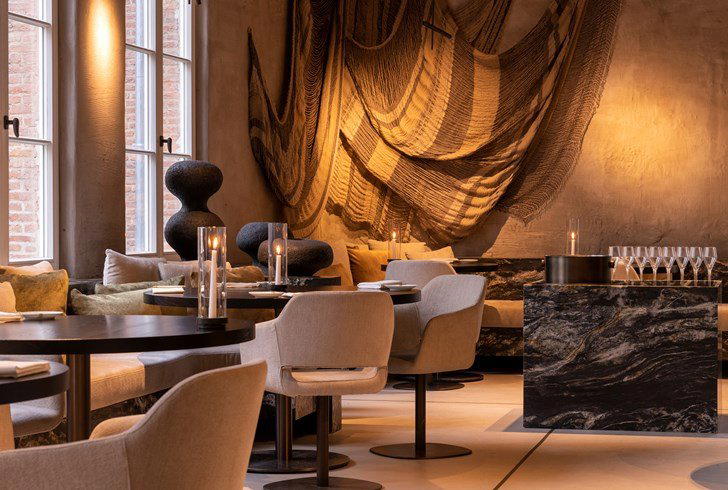
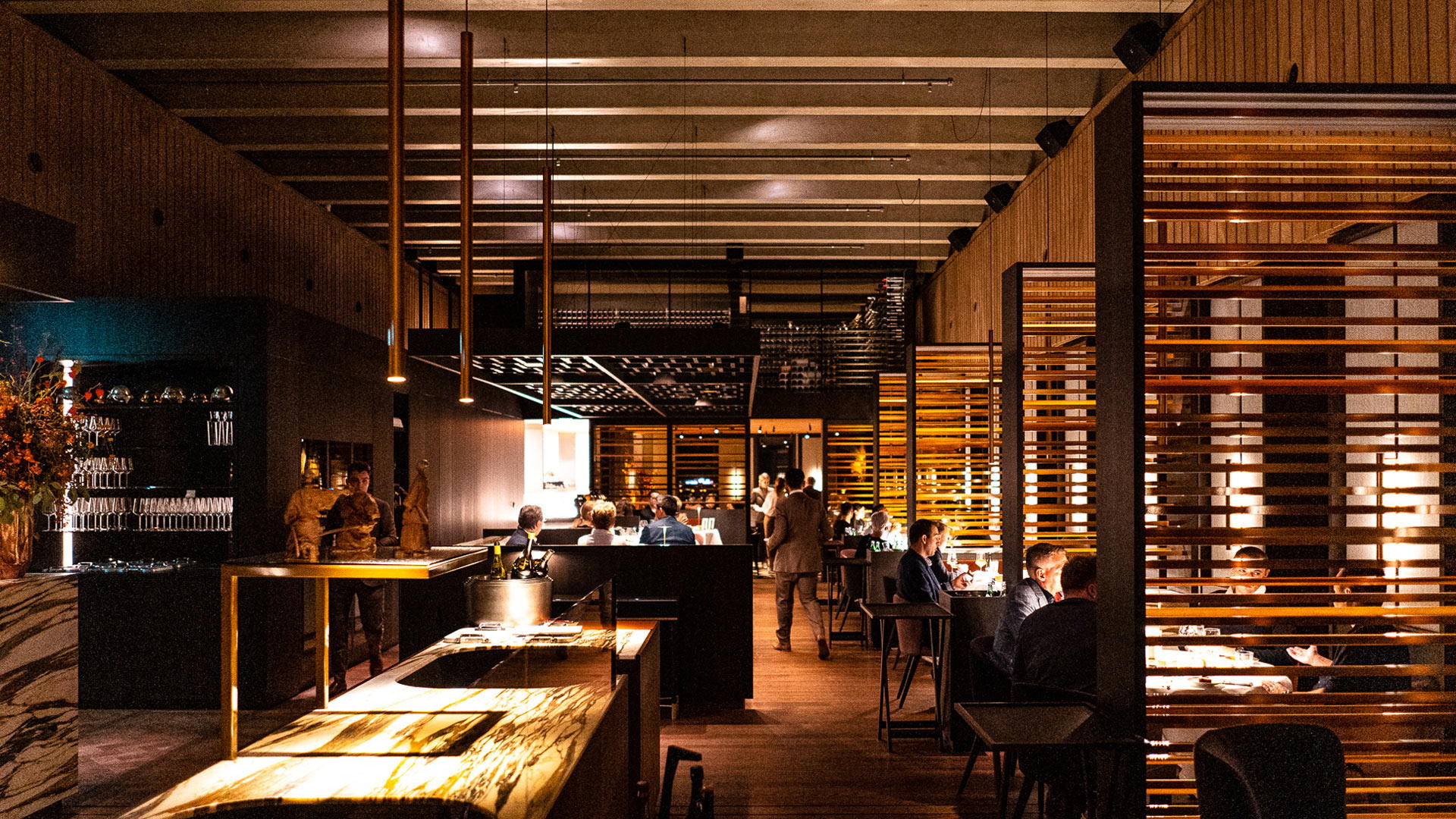
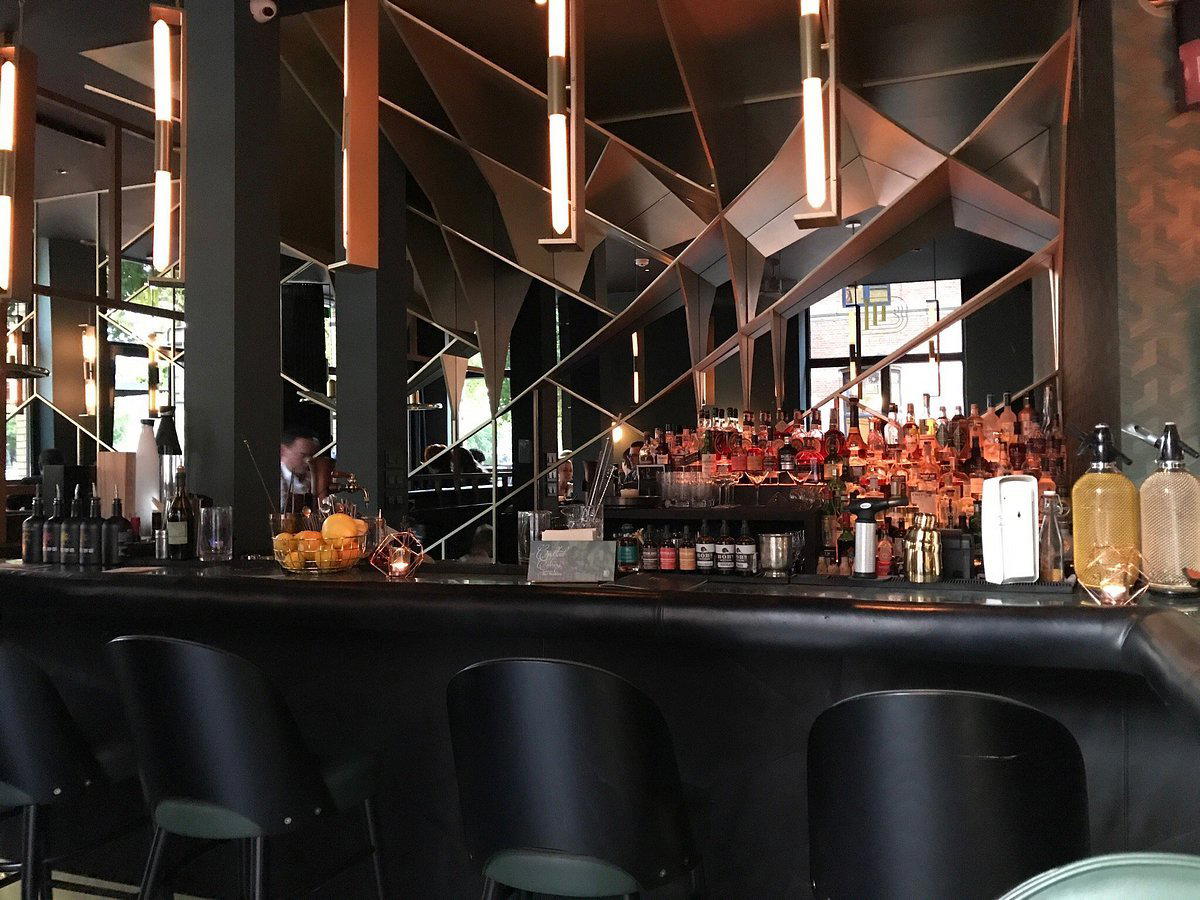
Serene and minimalist with whitewashed walls, high ceilings, soft light, and a calm monastic atmosphere.