Nikkei cuisine — the Peruvian-Japanese fusion tradition born from decades of Japanese immigration to Lima — arrives in Antwerp at LIMA Nikkei on Mechelsesteenweg. The restaurant brings a culinary lineage shaped by Pacific coastlines and Tokyo technique to a city more accustomed to Flemish classicism and modern European menus. For Antwerp diners curious about where ingredient provenance meets cross-cultural precision, this is a meaningful addition to the city's expanding international dining scene.
Pearl is the En Primeur Club membership app — saves, bookings, and concierge access live there. Same editors, same standards.
- Address
- Mechelsesteenweg 76, 2018 Antwerpen, Belgium
- Phone
- +32460969979
- Website
- limanikkei.be
- Directions
- Get directions
 Saves & bookings on Pearl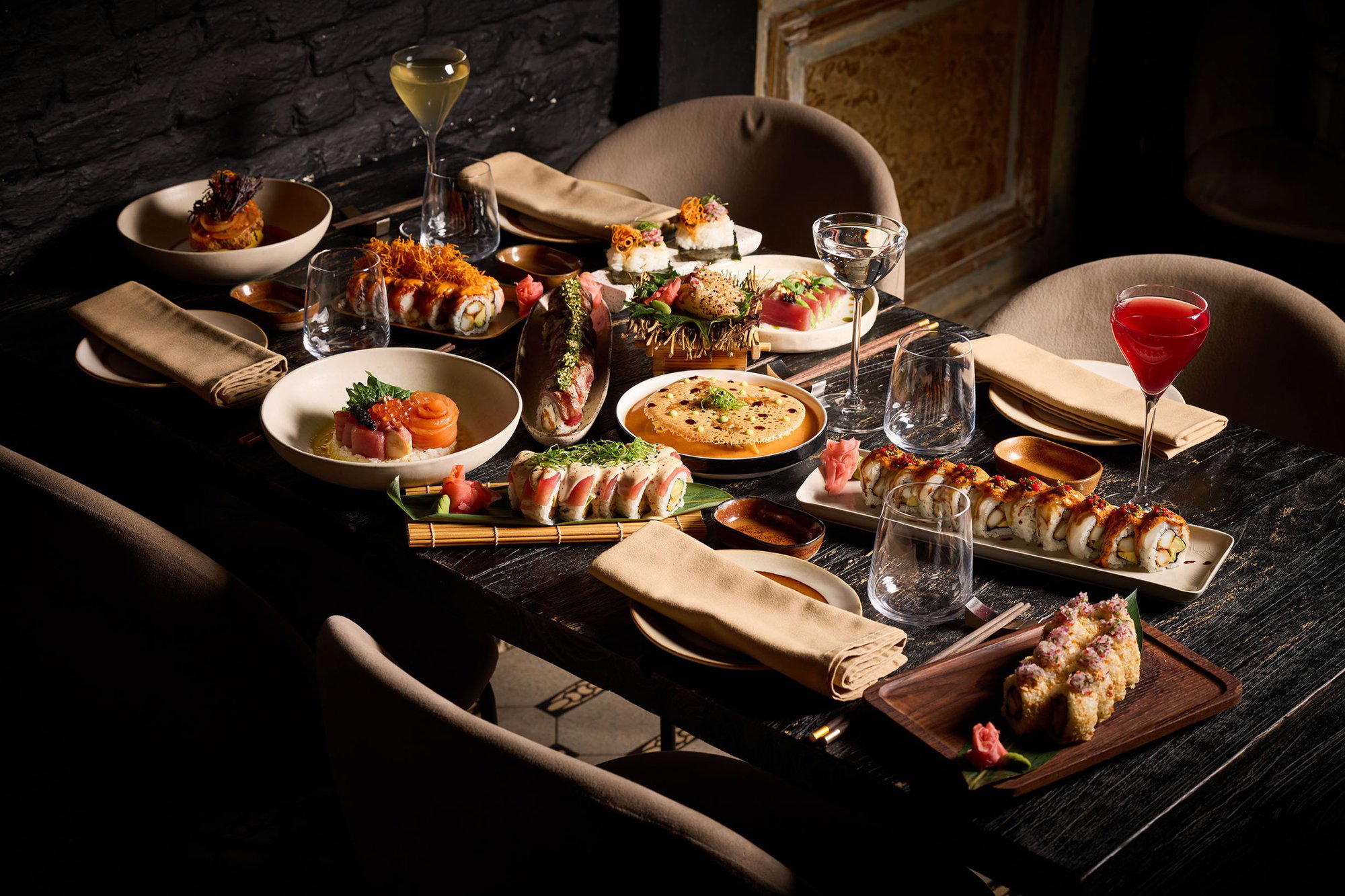
Where Nikkei Fits in Antwerp's Dining Map
Antwerp's restaurant scene has long been anchored by Flemish classicism and French-leaning fine dining. The city's most decorated tables — Zilte in its creative register, Hertog Jan at Botanic in Modern Flemish territory, 't Fornuis in European-Flemish classicism — reflect a city that has historically looked north and west for culinary reference points. Against that backdrop, Nikkei cuisine represents a genuinely distinct register: a cooking tradition forged not in Europe but across a century of Japanese immigration to Peru, where Pacific coastal ingredients met Japanese technique and produced something that belongs fully to neither origin.
LIMA Nikkei, on Mechelsesteenweg in the 2018 district, operates in a category that remains rare in Belgium. DIM Dining covers Japanese and broader Asian territory in Antwerp's higher price bracket, but the specifically Nikkei tradition, ceviche constructed with Japanese knife precision, tiradito dressed with ponzu alongside aji amarillo, sushi rice seasoned with a Peruvian hand, sits in a narrower niche. Understanding what that tradition actually requires from its ingredients is the key to understanding what LIMA Nikkei is doing at a conceptual level.
The Ingredient Logic Behind Nikkei Cooking
Nikkei cuisine is, at its core, a provenance negotiation. The tradition emerged in Peru when Japanese immigrants, unable to source the fish species and soy-based pantry staples of home, began working with what the Pacific coast offered: corvina, octopus, the extraordinary range of Andean chillies, and citrus varieties that Japanese cooking had never encountered. The result was not fusion in the diluted, pick-and-mix sense that the word has come to imply, but a genuine culinary synthesis where each tradition's ingredient logic shaped the other.
Bringing that tradition to northern Europe introduces a fresh set of sourcing questions. The Peruvian ingredients that define Nikkei, aji amarillo paste, huacatay, cancha corn, specific varieties of potato from Andean elevation, are not produced locally and must be imported with enough fidelity to retain their character. The Japanese components, from quality nori to the rice varieties required for proper sushi preparation, carry their own sourcing demands. Antwerp's position as Europe's second-largest port city and one of its most internationally connected food distribution hubs means access to specialist importers is more practical here than in many European cities of comparable size, a logistical advantage that matters for any restaurant working in ingredient-specific non-European traditions.
In this sense, Nikkei kitchens in European cities operate differently from, say, a French-leaning table sourcing from nearby farms and regional dairies. The quality proposition depends not on local provenance but on the integrity of the supply chain for ingredients that must travel to arrive. That is not a weakness of the tradition; it is simply where the sourcing discipline lies. Restaurants that take Nikkei seriously tend to be specific about where their aji pastes come from, whether their yellowfin or sea bass carries the freshness required for raw preparations, and whether the Japanese pantry elements are specialty imports or mass-market substitutes.
Antwerp as a Context for This Cuisine
The address on Mechelsesteenweg places LIMA Nikkei in a part of Antwerp with a genuinely mixed dining character, neither the tourist-facing old centre nor the design-hotel district near the station, but a corridor with enough local foot traffic to sustain a neighbourhood-anchored concept. Antwerp's dining public has become progressively more receptive to non-European cooking over the past decade, a shift visible in the range of serious Asian and Latin American concepts that have opened alongside the city's established fine-dining tier.
For international visitors, Antwerp sits approximately 45 minutes by train from Brussels and under an hour from Ghent, making it a viable day-trip or short-stay destination for diners exploring Belgian restaurant culture beyond the capital. Those building a wider Belgian itinerary might also consider Bozar Restaurant in Brussels or venture further to benchmark destinations like Hof van Cleve in Kruishoutem, Boury in Roeselare, or the coastal cooking of Bartholomeus in Heist and Willem Hiele in Oudenburg. For those who want to stay closer to Antwerp's dining scene, our full Antwerp restaurants guide maps the city's range from Flemish classics to the newer international tier.
The global reference points for serious Nikkei cooking sit primarily in Lima and in the handful of European cities, London, Madrid, Paris, where the tradition has established footholds at credible levels. In the United States, technically precise cross-cultural cooking has found traction at places like Atomix in New York City, which operates in Korean-Japanese register, or in the rigorous seafood preparation at Le Bernardin, different traditions, but useful markers for how seriously European and American diners have come to take non-French precision cooking. Antwerp's claim on a Nikkei address is modest by comparison but meaningful in its Belgian context.
Other Belgian restaurants worth tracking for those interested in cross-regional and ingredient-forward cooking include Castor in Beveren, De Jonkman in Sint-Kruis, L'air du temps in Liernu, La Durée in Izegem, and d'Eugénie à Emilie in Baudour. For traditional Antwerp dining, Bistrot du Nord remains a reliable anchor in the French-traditional register.
Planning a Visit
LIMA Nikkei is located at Mechelsesteenweg 76, 2018 Antwerpen, accessible by tram from the city centre. Current booking details, hours, and pricing are best confirmed directly via the restaurant's most recent contact information, as these can shift with seasonal programming. Nikkei menus in the European context often adjust around the availability of specific fish and produce, so seasonal timing can affect what the kitchen is working with at its finest. Visitors making a specific trip for this cuisine should check ahead rather than assume a fixed menu structure.
How LIMA Nikkei Antwerp compares with similar nearby venues.
| Venue | Cuisine |
|---|---|
| Osaka | Fusion |
At a Glance
- Modern
- Trendy
- Cozy
- Intimate
- Date Night
- Special Occasion
- Open Kitchen
Current opening hours
- Monday
- Closed
- Tuesday
- Closed
- Wednesday
- 5:30–11 PM
- Thursday
- 5:30–11 PM
- Friday
- 5:30–11 PM
- Saturday
- 12–3 PM, 6–11 PM
- Sunday
- 12–3 PM, 6–9:30 PM
Hours can change for holidays and private events. Last verified .
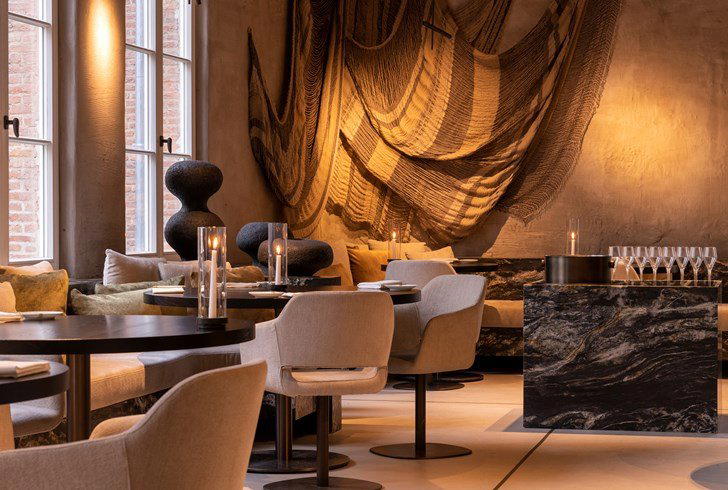
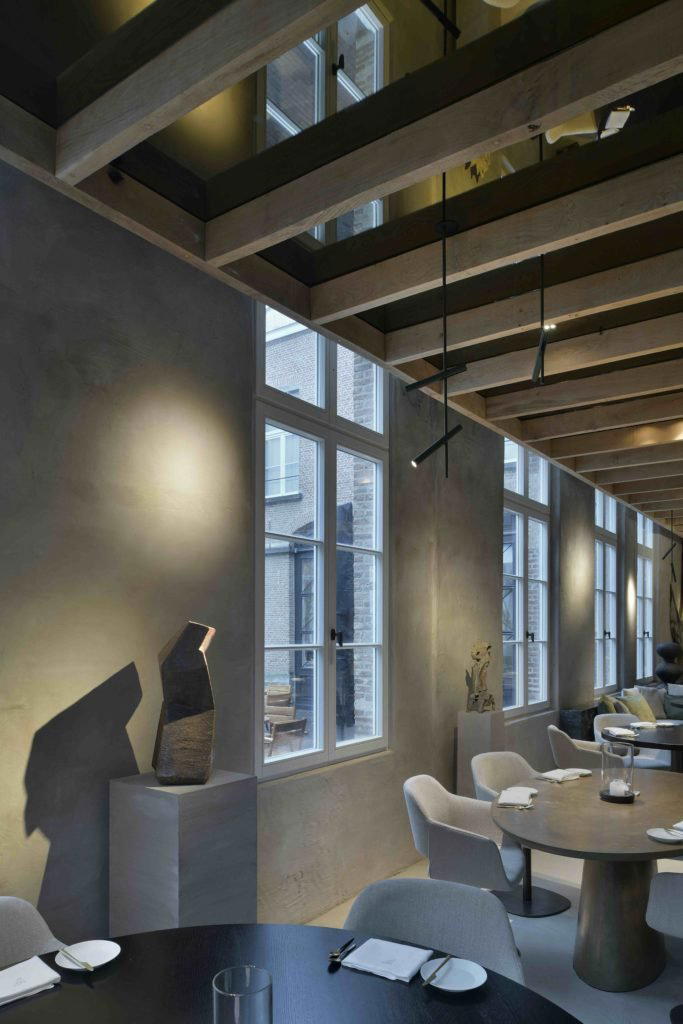
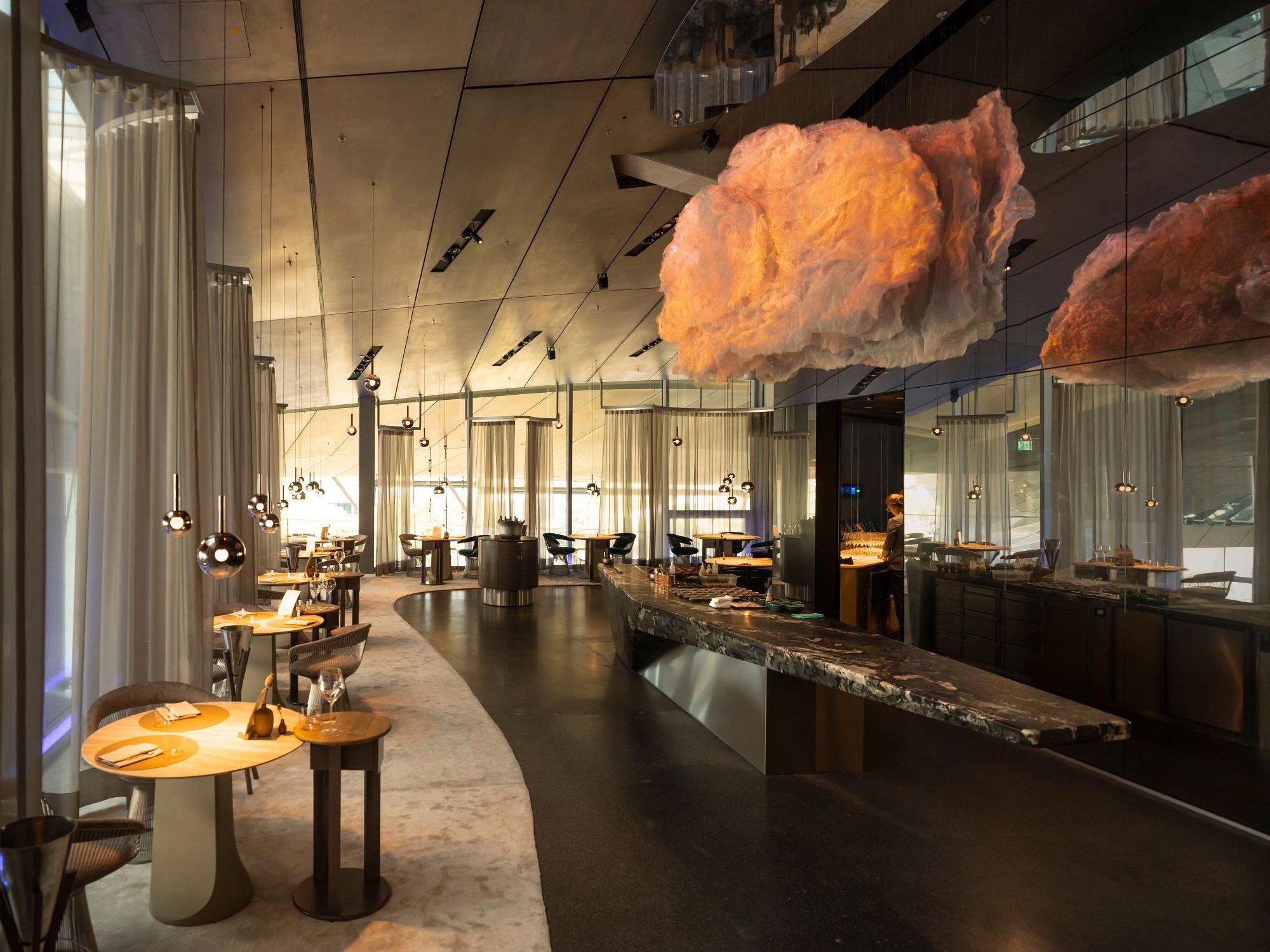
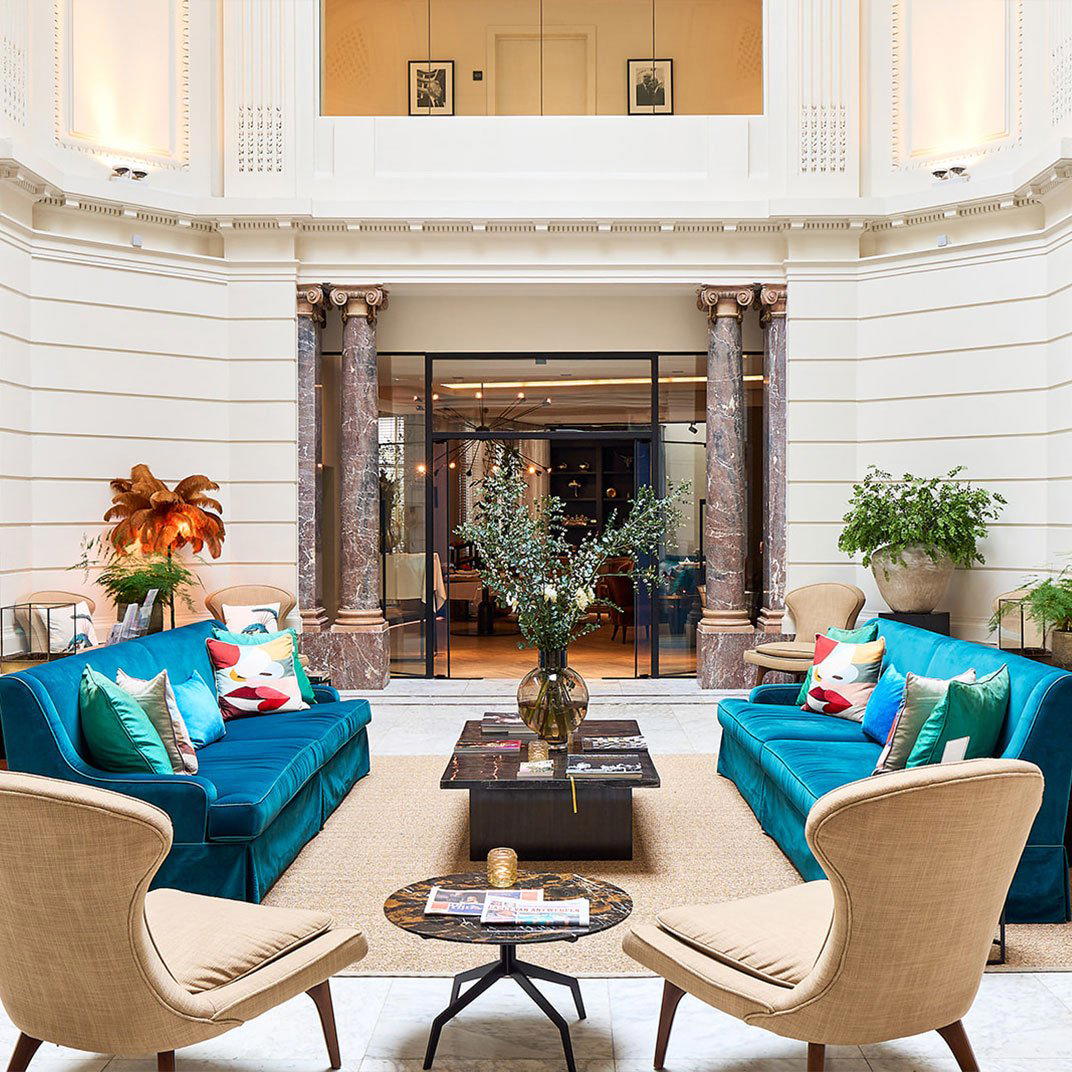
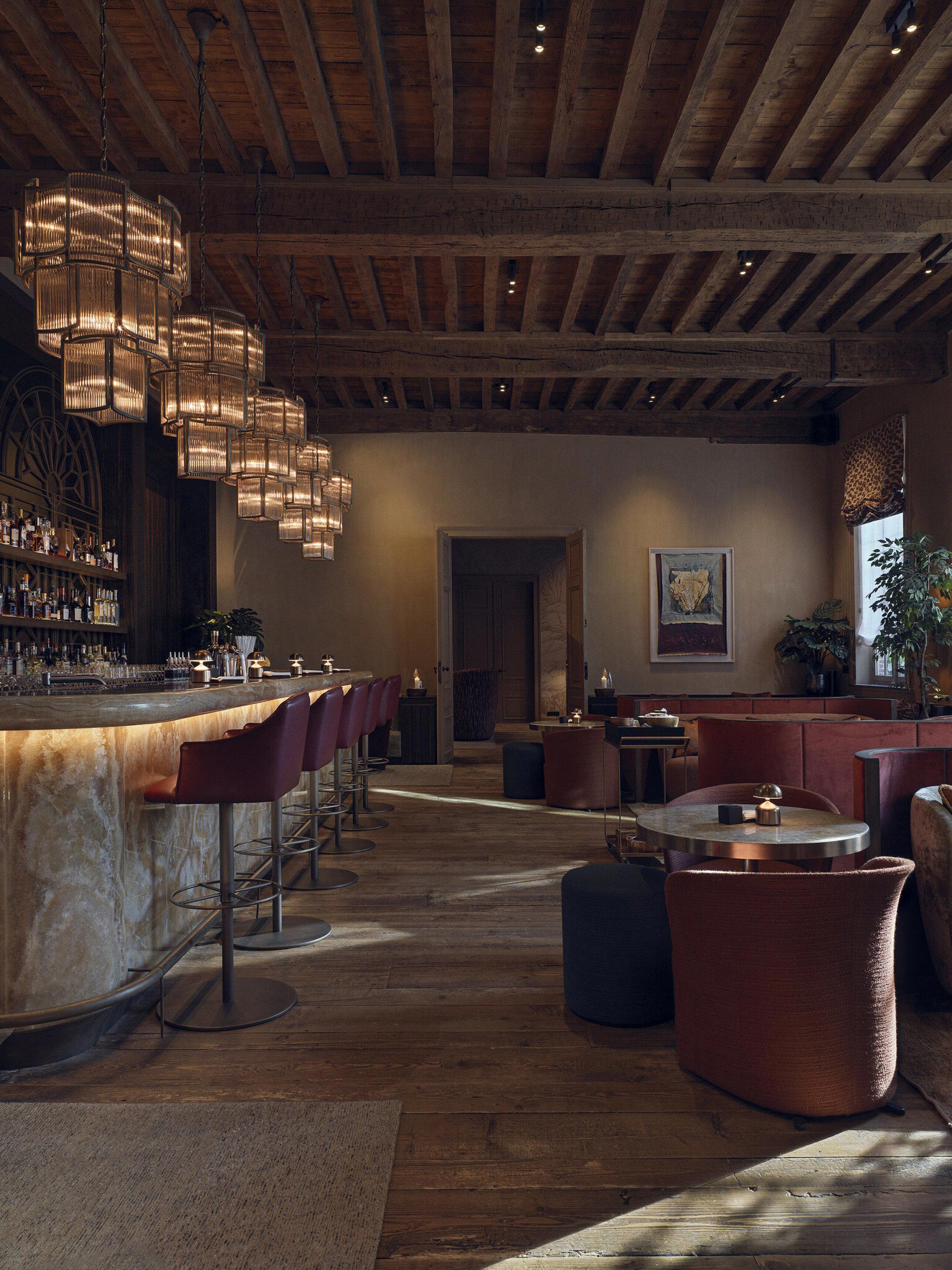
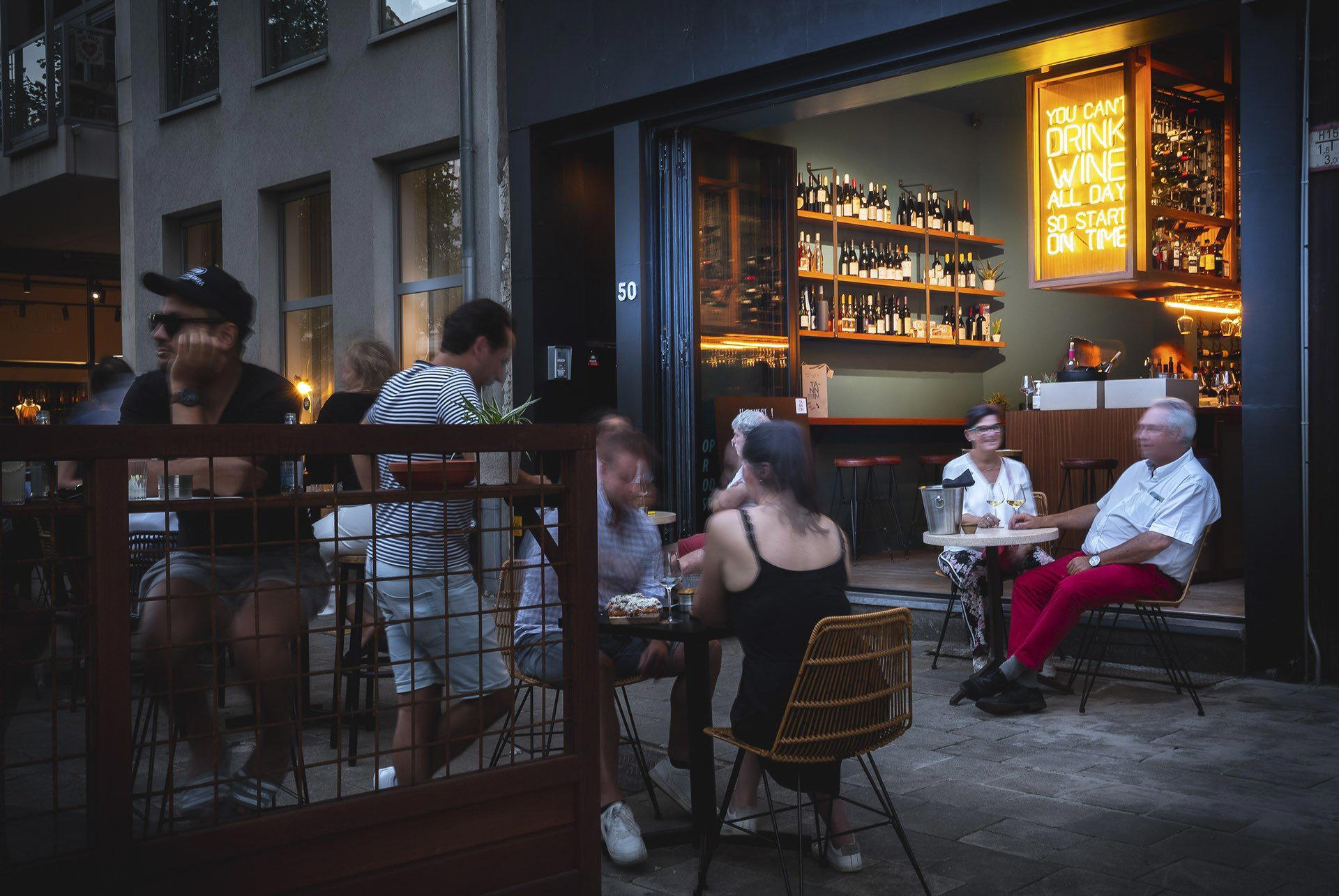
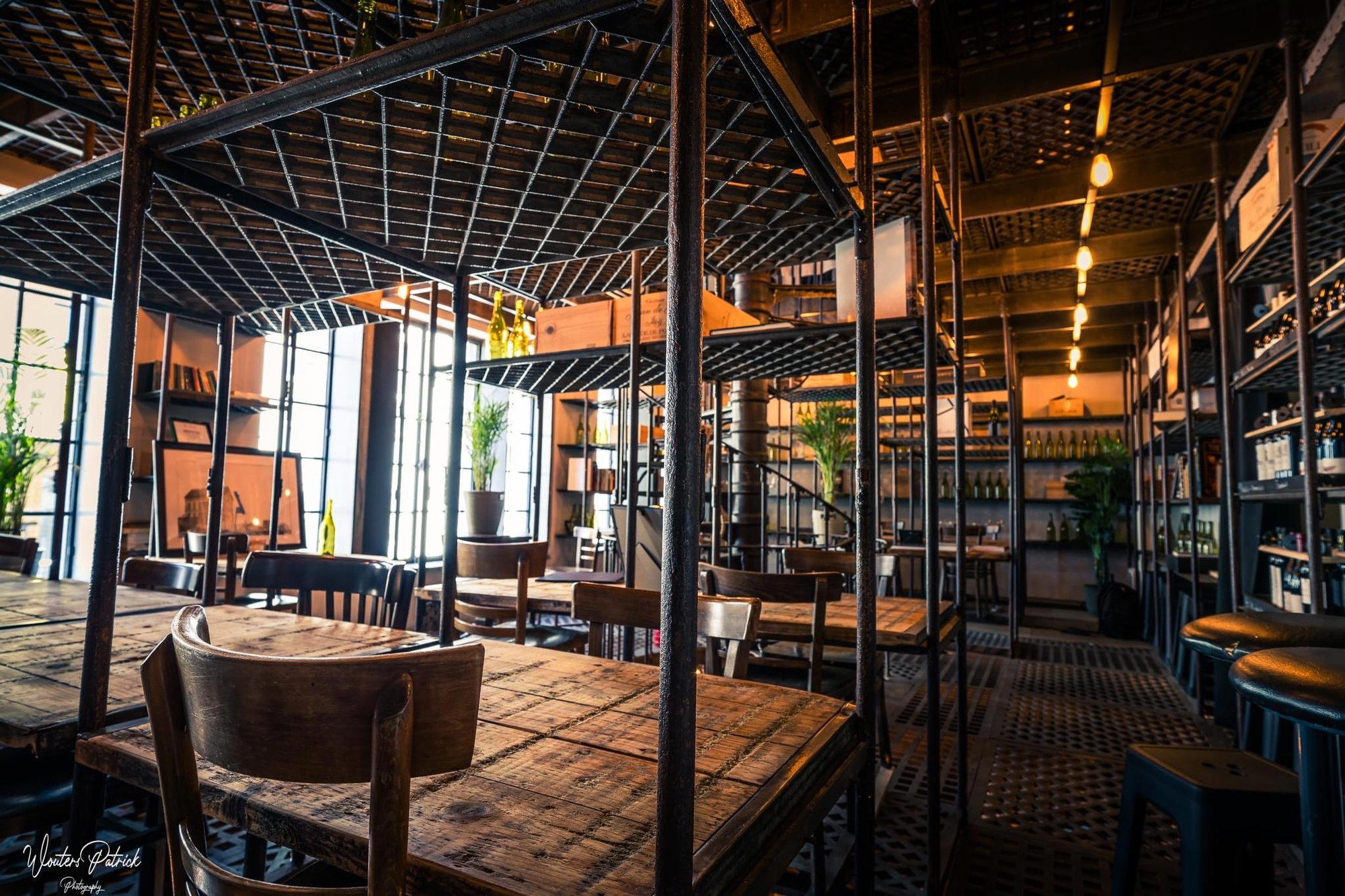
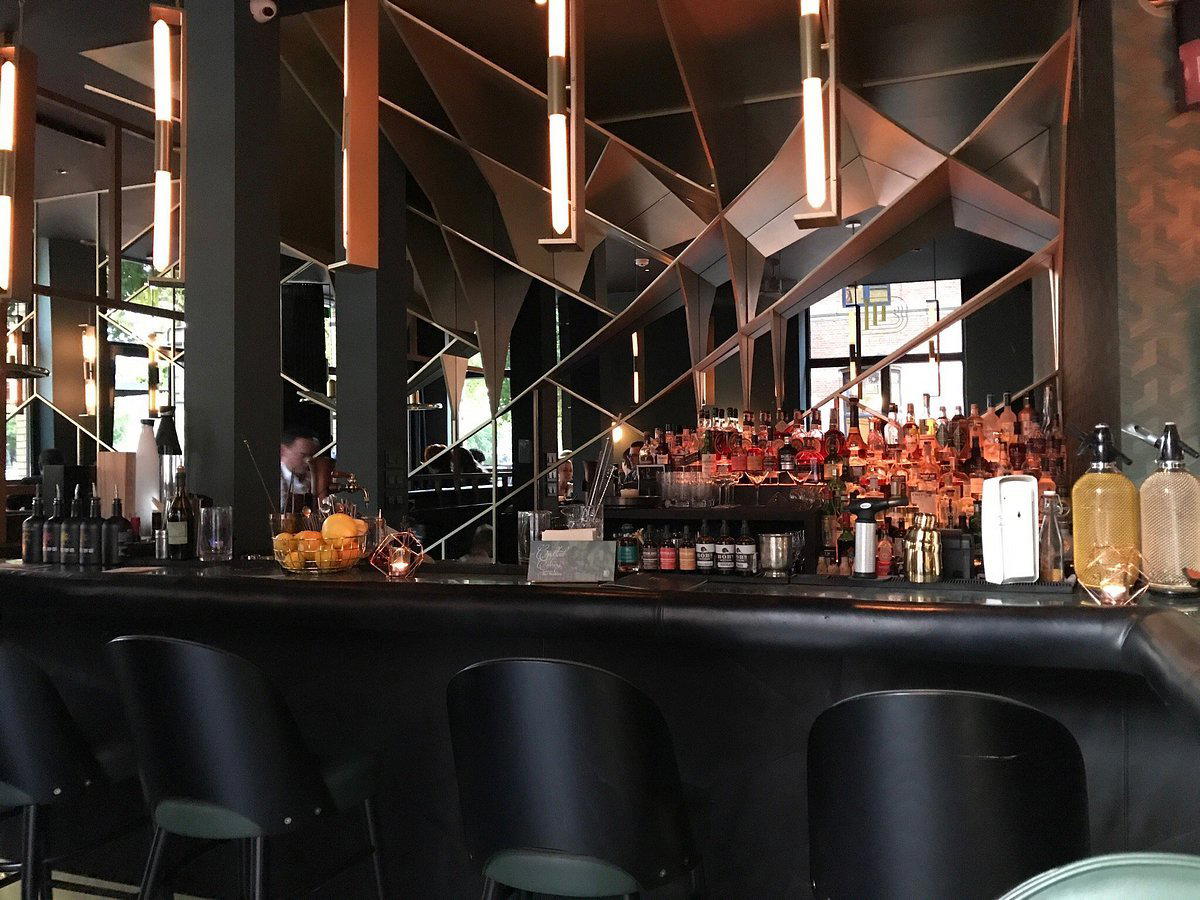
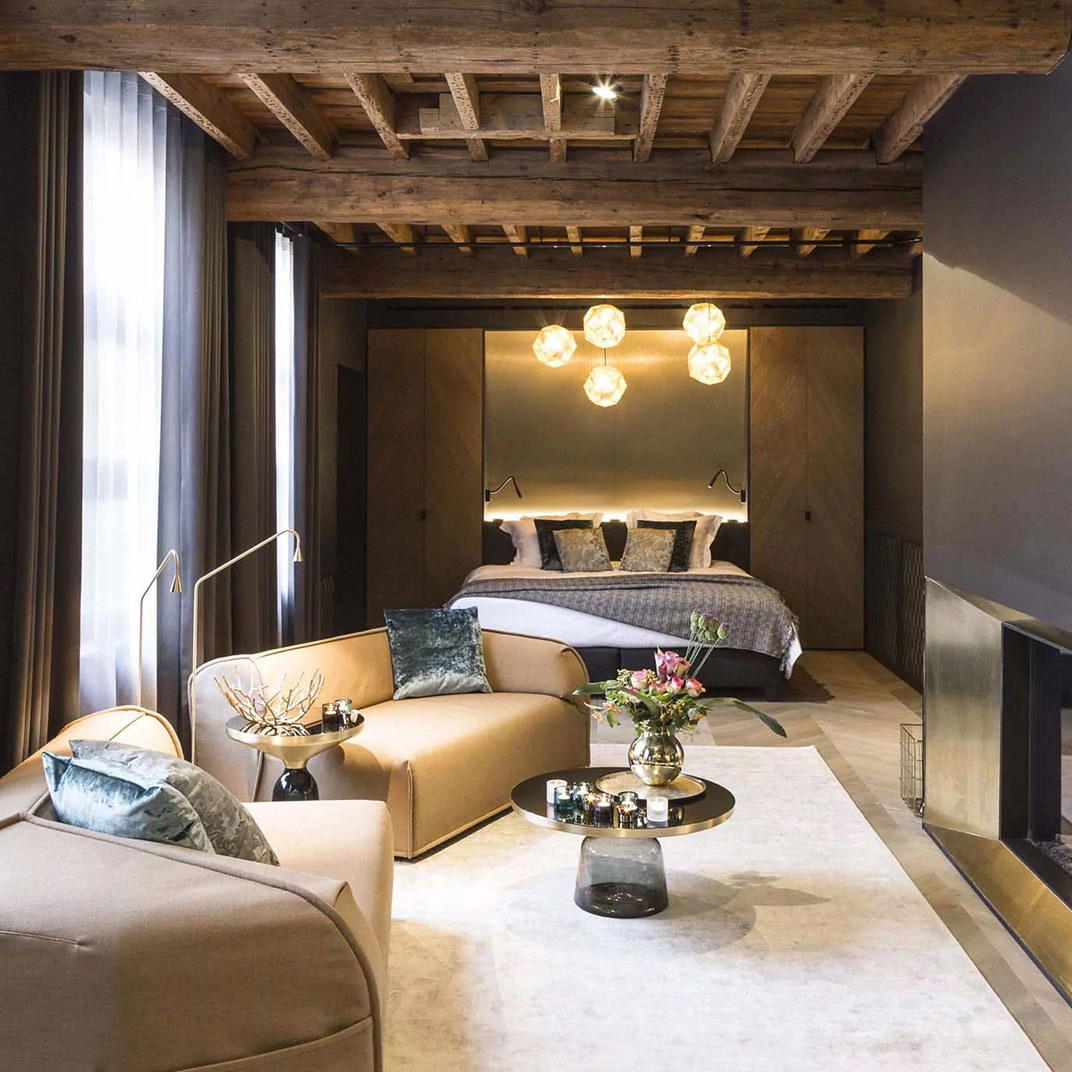
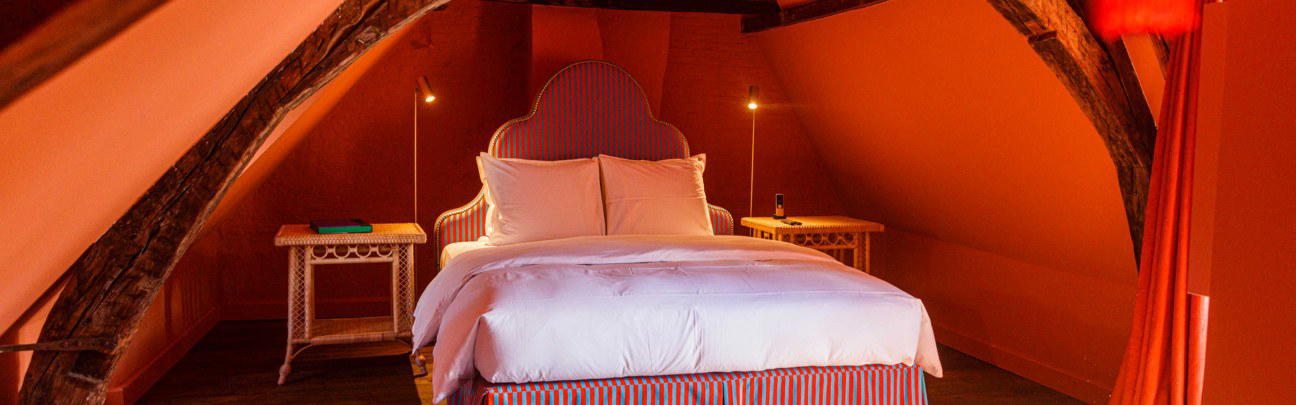
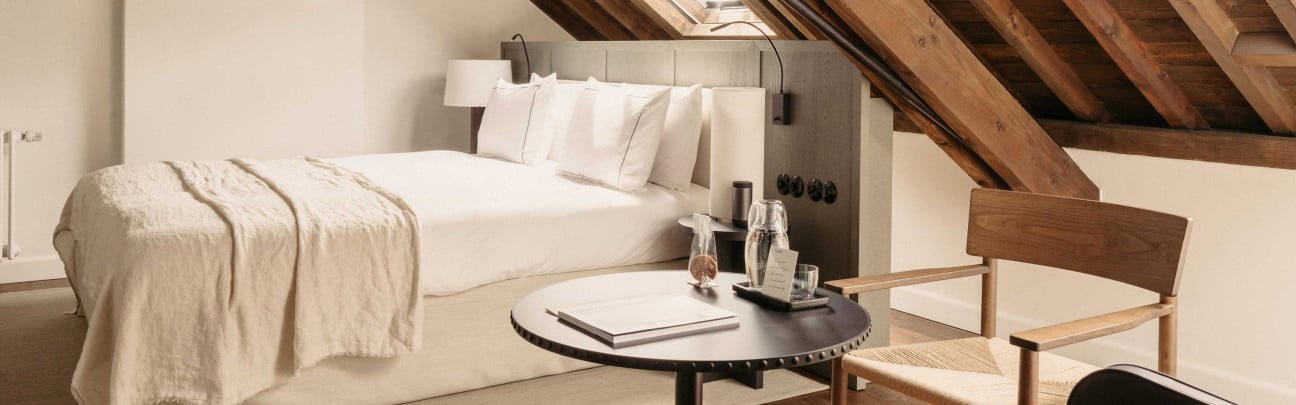
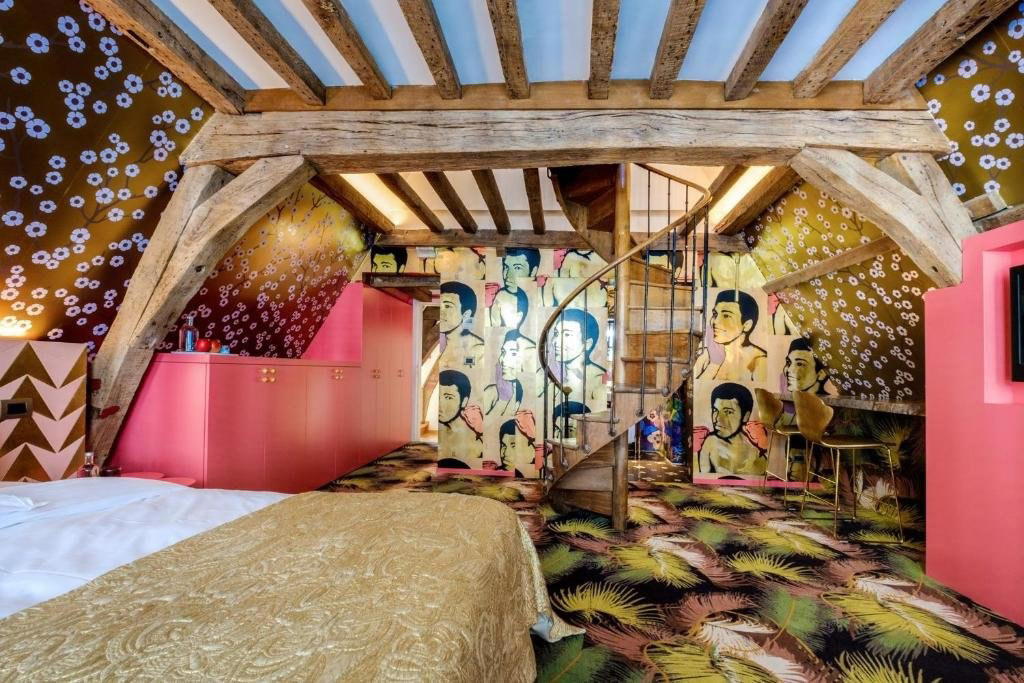
Cozy izakaya-style atmosphere in the heart of Antwerp with a modern, intimate setting.
Know Before You Go
- Getting there
- Mechelsesteenweg 76, 2018 Antwerpen, Belgium